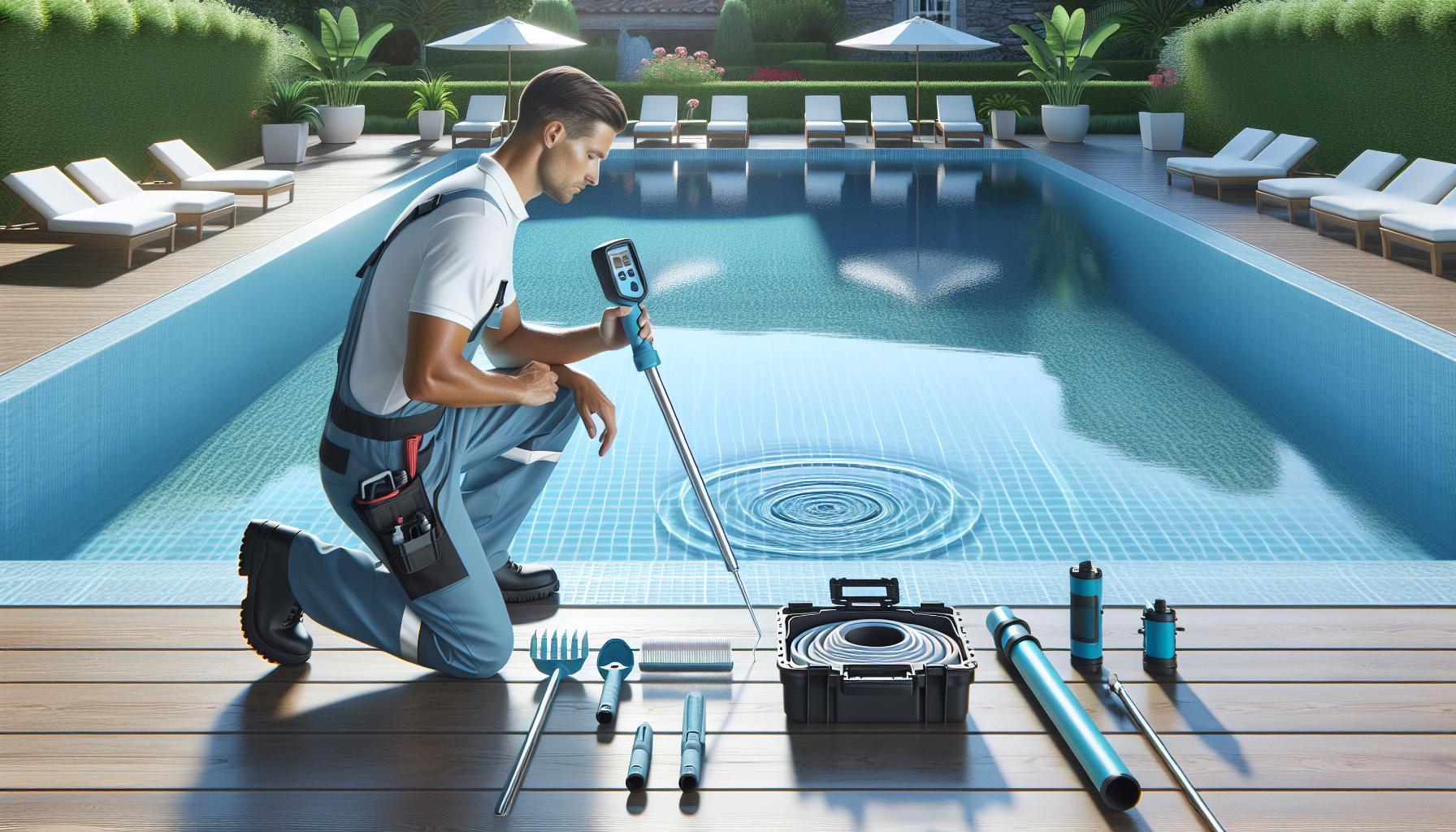

Did you know that even a small leak in your pool can lead to significant water loss and increased maintenance costs? Discovering a leak early can save you money and keep your pool in optimal condition. In this guide, we’ll walk you through effective techniques for leak detection, empowering you with the knowledge to identify and repair issues quickly.
Whether you’re noticing unexplained water levels or unusual increases in your water bill, understanding how to pinpoint pool leaks ensures a safer, more enjoyable swimming experience. Don’t let a small problem turn into a big headache; dive into our comprehensive guide and learn the steps to restore your pool’s integrity effortlessly. With straightforward methods and practical tips, you’ll be equipped to tackle leaks with confidence and keep your pool ready for summer fun.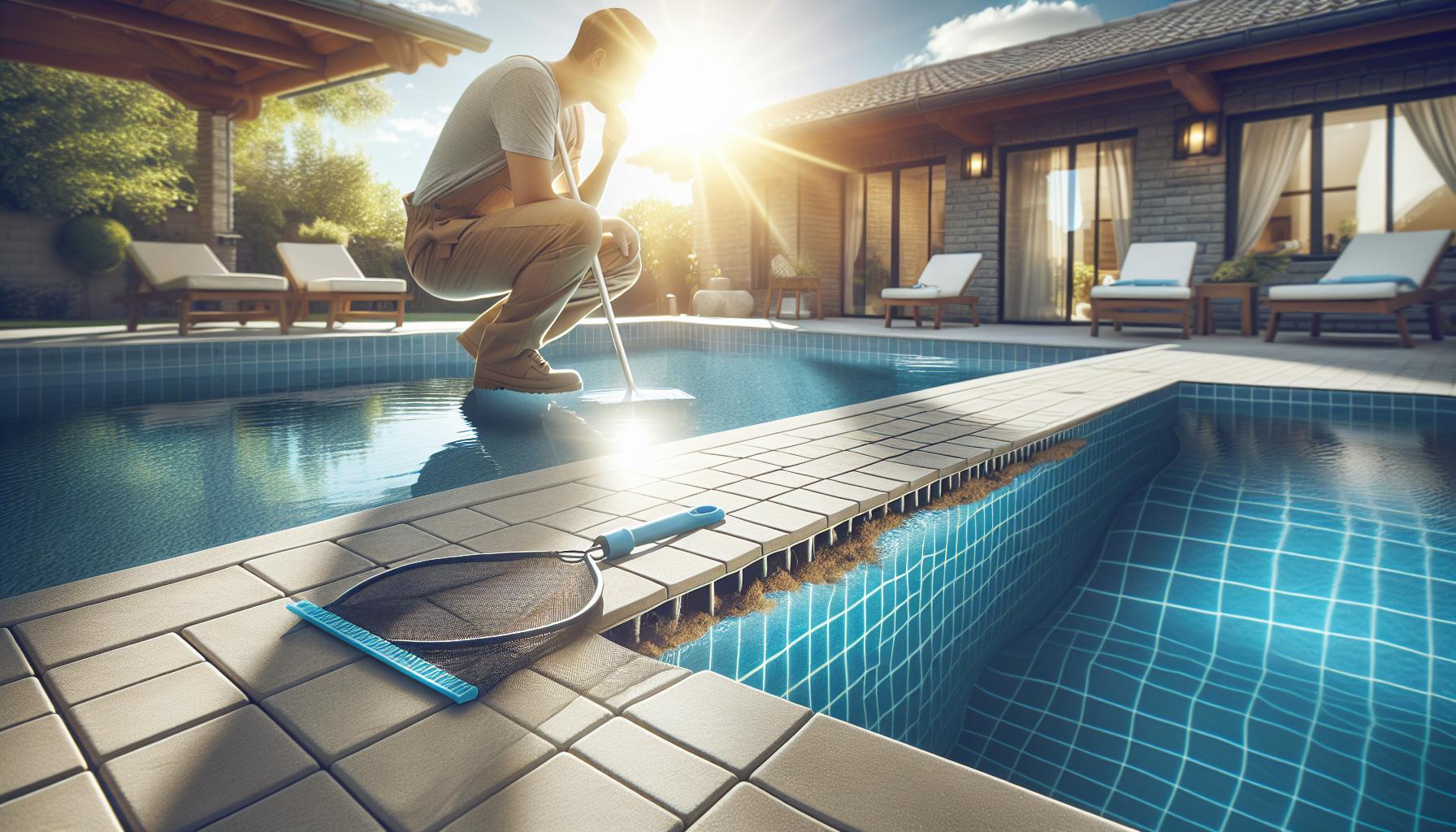
How to Identify Common Pool Leak Signs
Identifying signs of a pool leak can save you time, money, and stress. Many pool owners may not realize that seemingly minor changes in water levels or unusual surrounding conditions could indicate significant issues beneath the surface. By staying vigilant and knowing what to look for, you can address potential leaks before they escalate into major problems.
One of the most noticeable signs of a leak is a drop in water level. If you observe that your pool requires frequent refilling beyond typical evaporation, it might be leaking. To rule out evaporation, conduct a simple bucket test. Fill a bucket with water and place it on the first step of the pool. Mark the water level in the bucket and the pool’s water level, and leave it for 24 hours. If the pool water level decreases more than the bucket’s, a leak may be present.
Pay attention to wet spots or puddles around the pool area. Unexplained dampness in the ground surrounding your pool could signal a leak in the pool walls or plumbing. Additionally, inspect the pool equipment for signs of moisture, such as water pooling around the filter or pump; this could indicate a leak in your plumbing lines or connections. Keep an eye out for cracks in the pool surface or tiles, as these can also facilitate water loss.
Another crucial indicator is changes in water chemistry or clarity. If you’re struggling to maintain balanced chemical levels, especially if they fluctuate significantly without apparent cause, this could suggest a leak. Water can wash away chemicals, leading to imbalances that are costly and time-consuming to rectify. Taking timely action to identify and repair leaks is vital for maintaining a healthy, enjoyable swimming environment.
Essential Tools for Fast Leak Detection
To quickly identify and address potential leaks in your pool, having the right tools at your disposal can make all the difference. Utilizing essential leak detection equipment not only expedites the process but also enhances the accuracy of your findings, ultimately saving you time and money on repairs. Here are some indispensable tools to consider for fast leak detection.
Essential Tools for Leak Detection
- Bucket Test Setup: This simple method requires a standard bucket that can help determine if your pool is leaking or if water loss is due to evaporation. Fill it with water and place it on a step in the pool, marking the water levels. This initial check can provide you crucial insights before diving into more complex methods.
- Thermal Imaging Camera: A powerful tool for detecting leaks, a thermal imaging camera can identify areas of abnormal temperature that may indicate water loss. Differences in temperature around cracks or structural issues reveal potential leak sources that are invisible to the naked eye.
- Leak Detection Dye: This dye is used to pinpoint the exact location of a leak. When you suspect a leak around fixtures or tiles, adding dye to the water can show the movement of water towards the leak, making it easier to identify the repair site.
- Ultrasonic Leak Detector: This device is ideal for detecting leaks in pressurized systems. It works by sensing sounds from leaks that are typically inaudible, offering a precise method to locate plumbing or equipment leaks swiftly.
- Pressure Testing Equipment: For those with more mechanical know-how, pressure testing can provide definitive evidence of a leak in pipes. This method involves creating pressure in the line and monitoring for drops, indicating a potential leak.
Having the right tools increases your chances of successfully and promptly uncovering pool leaks. Moreover, performing these checks regularly will enhance your pool’s longevity and optimum performance, allowing for a more enjoyable swimming experience without unexpected hassles. Always be prepared, as early detection is the best strategy for maintaining your pool’s health and your peace of mind.
Step-by-Step Guide to Locating Pool Leaks
Identifying leaks in your pool can save you time, money, and frustration, especially during the busy summer months. If you’ve noticed unusually high water loss or have to constantly refill your pool, taking swift action is essential. Here’s a straightforward guide to help you locate and address potential leaks effectively.
Start by conducting a simple bucket test. Fill a bucket with water and place it on a pool step, ensuring the water levels are marked both inside the bucket and on the pool wall. After 24 hours, compare the water loss in the bucket with the pool water level. If the pool has lost more water than the bucket, it indicates a leak. This method serves as a helpful initial indicator before more invasive tests are required.
Next, visually inspect key areas where leaks often occur. Check around skimmers, lights, and return jets for any signs of water pooling. Pay attention to cracks or gaps in the pool structure, as these are common leak points. For a more precise approach, use leak detection dye-applying a few drops near suspected areas can help reveal the direction of water movement, highlighting active leaks.
If these methods point toward a problem but you can’t pinpoint the location, consider using more advanced tools. An ultrasonic leak detector can be invaluable as it identifies sounds emitted from leaks that are typically inaudible to the human ear. Alternatively, pressure testing equipment can be utilized to assess the integrity of pipes. By isolating sections of plumbing under pressure, you can locate and confirm leaks effectively.
Finally, once you’ve identified a leak, determining the appropriate fix is crucial. Many small leaks can be repaired with sealants or patches, while larger issues might require professional assistance. By methodically following these steps, you can confidently tackle leak detection and help maintain your pool’s health, ensuring a smooth and enjoyable swimming experience.
Understanding Different Types of Pool Leaks
Identifying the various types of pool leaks can empower you as a pool owner to take proactive measures in maintaining your investment. Pool leaks typically fall into several categories, each requiring a specific approach for effective detection and repair. Understanding these types can simplify your troubleshooting process and lead to quicker resolutions.
Common Types of Pool Leaks
- Structural Leaks: These occur in the walls or floor of the pool and are often caused by cracks due to ground movement, temperature changes, or poor construction. Visual inspection for visible cracks or deteriorating surfaces will be your first step in addressing structural leaks.
- Piping Leaks: Leaks in the plumbing system can stem from corroded pipes, improper fittings, or damage caused during maintenance work. Pressure testing individual lines can help you identify the problematic section.
- Equipment Leaks: Leaks may arise from pool equipment like pumps, filters, or heaters. Signs include excessive water pooling near the equipment or lower-than-normal water pressure. Regular hardware checks can prevent these leaks from escalating.
- Skimmer and Main Drain Leaks: These leaks often go unnoticed as they may not visibly pool water. Using the dye test method around skimmers and drains can reveal subtle leaks that require a more targeted fix.
By recognizing these types, you can approach leak detection methodically. For instance, if you notice water loss but can’t identify its source, consider using dye to check skimmers and drains before moving on to structural and piping assessments. This structured approach allows for efficient troubleshooting, enabling you to address the most pressing issues quickly while also preventing further damage.
Understanding the types of leaks not only aids in prompt detection but also fosters preventative maintenance, which is key to extending the life of your pool. Regular inspections, timely repairs, and awareness of common problem areas will significantly reduce the likelihood of major leaks needing extensive repairs in the future.
In-Depth Methods for Pool Leak Testing
To accurately determine if your pool has a leak, employing a combination of in-depth testing methods is critical. These techniques vary widely, but incorporating a systematic approach will empower you to find and address issues efficiently. Start by ruling out evaporation-this common cause of water loss can often be mistaken for a leak. The bucket test is an effective way to differentiate between normal evaporation and a potential leak. Simply fill a bucket with water, place it on the pool steps, and mark the water levels inside the bucket and pool. After 24 hours, compare the levels; if the pool loses significantly more water than the bucket, you likely have a leak.
Another essential technique is the dye test. This method involves adding a few drops of dye near suspected leak areas, such as skimmers or main drains, to see if the dye gets drawn out, indicating the presence of a leak. To enhance effectiveness, perform this test while the pool pump is off so you can spot the leak more easily without water movement.
Pressure testing your pool’s plumbing system is also crucial, particularly if you suspect a hidden leak in the pipes. This involves isolating sections of your plumbing and then using a specialized gauge to monitor for pressure drops. A significant drop indicates a potential leak within that section, allowing for targeted repairs. Additionally, infrared thermography can be a valuable asset for identifying leaks that might not be visible to the naked eye. This advanced technology allows you to see temperature variations in and around your pool, helping to locate leaks more accurately.
Regular inspections and these testing methods can significantly enhance your ability to detect issues early on, thus minimizing structural damage and expensive repair costs. By recognizing and using these techniques, you position yourself as a proactive pool owner ready to tackle any leaks efficiently.
Quick Fixes for Minor Pool Leaks
Identifying and addressing minor pool leaks promptly can save pool owners both time and money while ensuring that their recreational space remains enjoyable and safe. Many leaks are small and can be fixed with simple, effective methods. Empowering yourself with some immediate solutions can help minimize further damage and maintain your pool’s integrity.
One common method for tackling minor leaks, especially around fittings and light fixtures, is the application of waterproof sealants. Start by draining the affected area and cleaning it thoroughly to ensure any debris or old adhesive is removed. Once the area is dry, apply a quality pool-specific sealant around the edges of the fixture or fitting, smoothing it down to eliminate any air bubbles. This quick fix can effectively seal small gaps where water may be escaping.
Use Patching Kits for Vinyl Pools
If you have a vinyl liner pool, minor punctures or tears can often be repaired seamlessly with vinyl patching kits. Most kits come with pre-cut patches and adhesive specifically designed for underwater use. Make sure to clean the surface around the leak and dry it as much as possible before applying the patch. After applying the patch, press it down firmly to ensure a good seal. This method is effective for small leaks and can be completed in just a few minutes.
Another practical solution for minor leaks in piping is to tighten any loose fittings. Regularly check the connections on your pool equipment, including pumps, filters, and skimmers. If you notice a leak, tighten the screws or nuts with a basic wrench to see if this resolves the issue. If a leak persists after tightening, wrapping Teflon tape around the threads of the fittings can also help create a tighter seal, preventing water from escaping.
These quick fixes can efficiently handle minor pool leaks, giving you peace of mind and keeping your pool ready for enjoyment. Always remember, however, that if you find that leaks persist despite these remedies, it may be time to consider a professional assessment to address that issue comprehensively. Regular maintenance and periodic inspections will help catch problems before they escalate, ensuring your pool remains a delightful place to relax and unwind.
When to Call a Professional for Repairs
When experiencing a persistent pool leak that seems beyond minor repairs, knowing when to involve a professional can save you time, money, and hassle in the long run. Recognizing the limits of DIY methods is crucial-if you’ve tried basic fixes like tightening fittings, applying sealants, or using vinyl patches, and the water loss continues, it’s time to call in experts who can provide a thorough inspection and effective repairs.
There are several signs that indicate a professional assessment is necessary. If you detect any of the following, do not hesitate to reach out:
- Unexplained Water Loss: If your pool is losing significantly more water than you can account for (beyond normal evaporation and splashing), a professional can engage in advanced testing to pinpoint the issue accurately.
- Frequent Repairs: Repeatedly fixing the same area can be a sign of deeper issues. A technician can identify systemic problems, which may involve structural concerns or more complex plumbing leaks.
- Leak Location Uncertainty: When you can’t discern whether the leak is in the pool structure, plumbing lines, or equipment, professionals utilize specialized equipment like dye testing and sonar devices to locate leaks that are difficult to find on your own.
- Signs of Water Damage: If you notice any nearby landscape deterioration, such as plants wilting, soil erosion, or visible water pooling around the pool area, it indicates a serious leak that needs immediate attention.
Engaging professionals not only helps in identifying leaks but also provides peace of mind knowing that repairs will be handled efficiently and effectively. Experts can also advise on upgrading your pool maintenance practices to prevent future leaks, ensuring your investment remains protected. In summary, if simple solutions don’t resolve your water loss issues and signs of advanced problems surface, professional help is essential for safeguarding the longevity and enjoyment of your pool.
Preventative Measures to Avoid Future Leaks
One of the most effective ways to maintain your pool’s integrity and longevity is to implement proactive measures that can stave off leaks before they become a serious issue. Pool leaks can not only lead to sluggish water quality and increased maintenance costs, but they can also result in significant structural damage over time. Therefore, developing a robust routine for leak prevention will save you time, effort, and money.
Regular Inspections
Establish a routine inspection schedule. Look for cracks in the pool shell, loose tiles, or worn fittings around skimmers and pumps. During these checks, pay close attention to areas where water tends to pool or where the ground is consistently damp. Catching issues early can mitigate damage and prevent costly repairs down the line.
Maintain Proper Water Levels
Ensure that your pool maintains the correct water level, ideally between one-third and one-half of the skimmer opening. A significantly low water level can strain the pumps and lead to premature wear and tear or even burnout, which may lead to leaks. Regularly check your water level, especially after heavy rains or strong winds, which may displace water.
Inspect Pool Equipment
Take the time to inspect pool equipment like pumps, filters, and heaters for leaks or corrosion. Regularly tightening fittings and checking for wear on hoses and seals can go a long way in preventing leaks. If any equipment shows signs of deterioration, replace it promptly to avoid additional pressure on your pool’s structure.
Use a Pool Cover
Utilizing a pool cover when the pool is not in use can significantly reduce evaporation and protect the pool from debris that may cause damage. This not only helps in maintaining stable water levels but also reduces the likelihood of unexpected repairs due to accumulated debris. In cooler months, a thermal cover can also help maintain water temperature, thus minimizing heating expenses.
By implementing these preventive measures, you can enjoy peace of mind knowing that you are actively protecting your pool from leaks and other related complications. Regular attention combined with simple maintenance tasks can make a significant difference in keeping your pool in optimal condition for years to come.
Cost Breakdown: Repairing Pool Leaks
Understanding the expenses associated with pool leak repairs can empower you to make informed decisions and potentially save money in the long run. While the costs can vary significantly depending on several factors, breaking down the potential expenses can provide clarity and help prepare for unexpected maintenance needs.
First, consider the nature and source of the leak. Minor leaks, typically caused by small cracks in the liner or plumbing fixtures, can often be fixed with basic patch kits or sealants, ranging from $15 to $50. If the issue lies in pool equipment such as faulty pumps or filters, replacement parts can cost between $100 and $300, depending on the part’s complexity and the brand. However, if the leak is more severe-such as structural damage to the pool shell or significant plumbing issues-costs can escalate quickly, ranging from $500 to several thousand dollars.
Detailed Cost Breakdown
A comprehensive cost analysis involves various elements:
- Leak Detection Services: Hiring a professional for leak detection can cost between $200 and $500, depending on your location and the equipment used.
- Repairing Minor Leaks: Simple fixes can range from $50 to $300, including labor and materials.
- Major Repairs: Structural repairs might set you back $1,000 to $5,000, especially if extensive excavation or resurfacing is required.
- Ongoing Maintenance: Investing in regular pool maintenance can help minimize future repairs. Contracts usually range from $100 to $300 per month, depending on the services included.
When assessing potential repairs, it’s also wise to consider the impact of water loss. A pool losing a gallon per minute can waste up to 43,200 gallons a month, costing more than $200 in water bills alone, not factoring in chemical use and potential damage to property.
In conclusion, being proactive about maintenance and understanding the financial implications of pool leaks can prevent small issues from becoming large expenses. Regular checking and timely repairs not only save money but also enhance your pool’s longevity and enjoyment.
Maintaining Your Pool for Leak Prevention
To keep your pool leak-free and minimize potential damage, regular maintenance is key. A well-maintained pool not only enhances enjoyment but also helps avoid costly repairs down the road. Start by routinely inspecting your pool for any signs of wear and tear. This includes checking the pool liner for cracks and ensuring that all plaster surfaces are intact. Examine the skimmers and return lines for leaks, as even small openings can result in significant water loss over time.
Establishing a routine cleaning schedule can make a huge difference. Weekly skimming to remove debris and regular vacuuming will keep your water clear and reduce the risk of algae buildup, which, if left unchecked, can deteriorate surfaces and create leaks. Additionally, maintaining the correct water chemistry is crucial. Keep an eye on pH levels, alkalinity, and chlorine content, as imbalanced water can corrode pool components, leading to leaks.
Another essential aspect of pool leak prevention is proper winterization. If you live in an area with harsh winters, take time to prepare your pool for the cold months. This includes draining water to the appropriate level, adding antifreeze to the plumbing lines, and securely covering the pool to minimize exposure to the elements. Remember, even minor changes in temperature and exposure can weaken structures over time.
Consider investing in leak detection equipment, such as a pool cover that includes sensors or smart monitoring systems that alert you to changes in water level. These preventative tools can provide peace of mind, assuring you catch potential leaks early before they become major headaches. By incorporating these practices into your pool maintenance routine, you can extend the life of your pool and enhance its safety and enjoyment.
Navigating Insurance Claims for Pool Repairs
Dealing with a pool leak can be stressful, but ensuring you navigate the insurance claims process smoothly can alleviate some of that burden. Many pool owners are unaware that their homeowners’ insurance may cover damages related to leaks, making it crucial to understand how to approach your insurer effectively. Documenting the damage meticulously can enhance your chances of a successful claim. Start by taking detailed photographs of the affected areas as well as any visible signs of water damage. This visual evidence is invaluable not only for your records but also when submitting a claim.
Communicate early and often with your insurance company. As soon as you notice a leak, report it to your insurer to initiate the claims process. Insurance providers typically have specific timeframes within which you must file a claim, so don’t hesitate. Alongside your report, provide all necessary documentation, including repair estimates from leak detection specialists or pool contractors. Highlight any preventive measures you’ve taken-like regular maintenance or prompt repairs of previous issues-as this illustrates your commitment to caring for your property.
Understanding What’s Covered
Coverage can vary significantly between policies, so it’s vital to understand what your insurance covers regarding pool repairs. Common scenarios that might be covered include:
- Damage from leaks that lead to water damage within your home.
- Repairs stemming from vandalism or accidents.
- Losses due to equipment failure if your policy includes this clause.
To avoid any surprises, review your policy thoroughly or consult your insurance agent to clarify your coverage. Knowing what is applicable can streamline the process and help you avoid out-of-pocket expenses.
Ultimately, when it comes to , preparation is key. Keep a record of all communications with your insurer and any repair contractors, and follow up persistently if you don’t receive timely responses. Being proactive and organized can vastly improve your experience, ensuring that you can get back to enjoying your pool without undue financial strain.
Tips for Regular Pool Maintenance and Inspection
Maintaining a pool is not just about keeping the water clean; it’s essential for preventing leaks and ensuring the longevity of your investment. Regular inspections and proactive maintenance can save you from costly repairs down the road. In fact, a well-maintained pool is not only safer and more enjoyable but also contributes significantly to the overall health of your pool environment.
To get started, adopt a systematic approach to your pool maintenance. It’s beneficial to conduct inspections at least once a week. Pay close attention to water levels, and if you notice a consistent drop beyond normal evaporation, it’s a sign to investigate further. Check for cracks and gaps in the liner or tiles; even small issues can lead to significant leaks if left unaddressed. Another crucial area to inspect is the plumbing; look for moisture around connections and fittings, as this can indicate developing leaks.
Key Maintenance Practices
Implement the following practices to enhance your pool’s reliability and safety:
- Regular Water Testing: Test the chemical levels of your pool water weekly. Proper chemical balance can prevent damage to your pool surfaces and equipment, thus reducing potential leaks.
- Skim, Brush, and Vacuum: Keep the pool clean by skimming debris off the surface, scrubbing walls and steps, and vacuuming the bottom. This not only preserves water quality but also helps spot early signs of wear.
- Check Equipment: Inspect pumps, filters, and heaters regularly to ensure they’re functioning correctly. Replace or repair any broken parts immediately to prevent excess strain on your system.
Each of these tasks contributes to the overall integrity of your pool. By maintaining a vigilant eye on your pool’s components and performing routine checks, you will not only enhance your swimming experience but also minimize the risk of leaks in the future. Remember, a little preventive care goes a long way in preserving both the beauty and functionality of your pool.
Faq
Q: What are the signs that indicate a pool leak?
A: Common signs of a pool leak include consistently dropping water levels, wet spots around the pool area, increased water bills, and air bubbles in the pool. Observing these signs early can help in quickly addressing the leak before it worsens.
Q: How can I perform a bucket test for pool leak detection?
A: To conduct a bucket test, fill a bucket with water and place it on the pool steps. Mark the water level inside the bucket and the pool. After 24 hours, compare the levels. If the pool water drops more than the bucket water, you likely have a leak.
Q: What tools are essential for detecting a pool leak quickly?
A: Essential tools include a bucket for the bucket test, food coloring or dye for precise leak location, a garden hose for searching cracks, and a submersible pump for water removal. These tools help in effective leak detection.
Q: How do I use dye to identify the location of a pool leak?
A: To use dye for leak detection, apply food coloring or specialized dye near suspected leak points, such as skimmers or cracked tiles. If the dye is drawn towards a specific area, it indicates the presence of a leak in that location.
Q: When should I consider hiring a professional for leak detection?
A: If you’re unable to locate the leak after performing basic tests or if the leak is substantial, it’s time to call a professional. They possess advanced equipment and expertise for accurate leak detection and repair, preventing further damage.
Q: What types of leaks can occur in pools?
A: Pool leaks can be classified into three types: structural leaks (from the pool walls or floor), plumbing leaks (from pipes or fittings), and equipment leaks (from pumps or filters). Each kind requires different detection and repair approaches.
Q: What are the costs associated with repairing pool leaks?
A: Repair costs vary significantly based on the leak type and location. Minor repairs may cost as little as $100, while major plumbing leaks can exceed $1000. It’s advisable to get multiple quotes for accurate pricing on repairs.
Q: How can I prevent future leaks in my pool?
A: Regular maintenance such as checking water levels, inspecting equipment, and sealing small cracks early can prevent future leaks. Additionally, consider installing a pool cover during off-seasons to minimize water evaporation and wear.
Future Outlook
Now that you’re equipped with the essential tools and knowledge to identify and repair leaks in your pool, don’t let minor issues turn into major headaches. Regularly checking for leaks not only saves water but also keeps your pool in prime condition for endless enjoyment. If you’re looking for more in-depth strategies, explore our guide on preventive pool maintenance or learn how to effectively use pool leak detection kits.
While you’re here, consider signing up for our newsletter to receive timely tips and exclusive content that will help you maximize your pool’s performance. We invite you to share your thoughts or experiences in the comments below-your insights can help fellow pool owners tackle leaks more effectively. Remember, maintaining your pool is a journey; take the next step today towards a leak-free oasis!