A cloudy pool can quickly turn from a refreshing oasis to a frustrating headache. Did you know that poor water clarity is not just an aesthetic issue, but can also signal underlying problems in your pool’s chemistry and filtration system? Understanding how to tackle this common problem is essential for any pool owner aiming to maintain pristine water.
This comprehensive guide on “How to Fix a Cloudy Pool” will equip you with proven steps to restore crystal-clear water and ensure your pool is safe and inviting. Whether it’s due to chemical imbalances, inadequate circulation, or environmental debris, you’ll find practical and actionable solutions tailored to your specific needs.
Dive into the following sections, where we will unravel the mysteries of cloudy water and provide you with the tools to tackle the issue head-on. With just a little effort, you can bring back the sparkle and enjoy your pool to the fullest!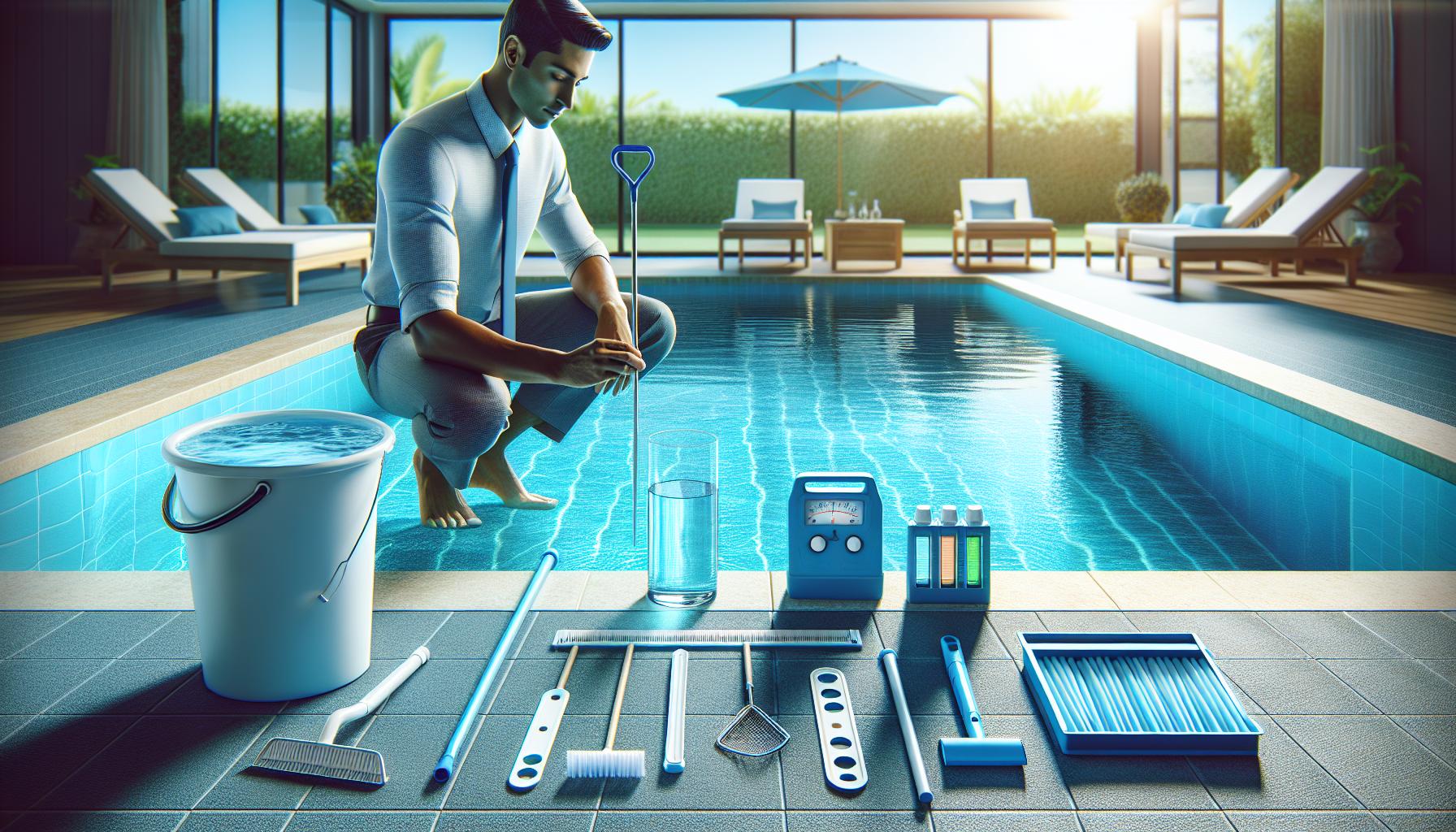
Understanding Why Your Pool Is Cloudy
can be pivotal in restoring its crystal-clear beauty. Several factors contribute to cloudiness, which can stem from improper balance of chemicals, ineffective filtration, or even environmental influences. One striking truth is that even a slight imbalance in pH or alkalinity can lead to a cloudy pool, making regular maintenance crucial for clarity.
Chemical imbalances are often the primary culprit behind cloudiness. For instance, low levels of free chlorine can fail to effectively kill bacteria and algae, while high pH levels can cause calcium carbonate to precipitate, leading to murky water. Additionally, the introduction of organic debris, such as leaves or pollen, can exacerbate the situation, creating an environment ripe for algae growth.
Filtration also plays a vital role. A dirty or malfunctioning filter may not adequately remove suspended particles from the water, causing it to appear cloudy. Filtering systems should run for adequate durations-typically between 8 to 12 hours daily during peak usage-to ensure maximum clarity. Regular backwashing and cleaning of filters, along with monitoring for any equipment malfunctions, can significantly improve water quality.
Environmental changes, such as heavy rain or high winds, can introduce mud and other impurities into the pool, leading to sudden cloudiness. Understanding these dynamics enables pool owners to take preventative measures, such as skimming the surface regularly, using appropriate covers during storms, and consistently checking and adjusting chemical levels. By addressing these core issues, you can easily steer your pool toward the brightness you desire.
Key Causes of Cloudy Pool Water
Cloudy pool water can turn a refreshing oasis into an uninviting mess, prompting many pool owners to wonder what went wrong and how to fix it. Understanding the key causes of this common issue is the first step towards restoring your pool to its sparkling clarity. Cloudiness usually indicates a problem, often rooted in chemical imbalance, filtration inefficiencies, or the introduction of contaminants from the environment.
One of the leading culprits of cloudy water is improper chemical balance. Low free chlorine levels prevent effective sanitation, allowing bacteria and algae to thrive, which results in cloudy or greenish water. Similarly, a high pH level can cause calcium carbonate to precipitate out of the water, creating a hazy appearance. Regular testing of chemical levels, especially after heavy pool use or rainfall, can help catch these issues early. Aim for a sanitizer level between 1-3 ppm of free chlorine and a pH range of 7.2 to 7.8 for optimal clarity.
Another significant factor is the role of filtration. Filters are responsible for removing solid debris, dirt, and algae from the water. If your filter is dirty or malfunctioning, it may fail to capture these particles, leading to cloudy water. Ensure your filter runs for 8 to 12 hours daily during peak usage periods, and regular backwashing or cleaning is necessary to maintain its efficiency. Remember, different filter types (sand, cartridge, or DE) have unique maintenance requirements, so consult your manufacturer’s guidelines for the best practices.
Environmental factors should also not be overlooked. Heavy rains or strong winds can introduce a range of contaminants such as dirt, leaves, and other organic material. These elements can cloud your water quickly, especially in untreated pools. To combat this, consider implementing preventative measures like using a pool cover during storms and skimming the surface regularly. Additionally, maintaining a routine of testing and adjusting chemical levels after environmental changes can help keep your pool clear.
By identifying and addressing these key causes of cloudiness, you can take actionable steps to maintain a clean and inviting swimming pool. Regular monitoring of chemical levels, efficient filtration practices, and proactive environmental management are essential components in achieving the crystal-clear water you desire.
Essential Tools for Cloudy Pool Troubleshooting
When tackling the issue of cloudy pool water, having the right tools at your disposal can transform a frustrating experience into a straightforward troubleshooting session. Think of your pool maintenance toolkit as an arsenal against cloudiness, ensuring you have everything needed to diagnose and rectify potential problems promptly.
One of the primary tools is the test kit or test strips. These are essential for determining your pool’s chemical balance, allowing you to measure chlorine levels, pH, alkalinity, and other crucial metrics. A well-balanced pool is your first line of defense against cloudiness. Aim to test your water at least once a week, and more frequently after heavy use or after rainstorms to promptly address fluctuations.
Another critical component is a good-quality filter cleaner. If your pool’s filtration system is not operating efficiently, it can contribute to murky water. Ensure you have the appropriate cleaning supplies tailored for your filter type, whether it’s sand, cartridge, or DE (diatomaceous earth). Keeping your filter clean can significantly enhance water clarity, so make this a regular part of your maintenance routine.
Having a pool vacuum is also indispensable. Manual or automated vacuums help remove debris that clouds your water. By regularly vacuuming your pool, you can prevent the accumulation of dirt and organic matter that contributes to haziness. Schedule vacuuming sessions based on your pool usage; for instance, after gatherings or significant weather events is ideal.
Lastly, it’s wise to have clarifiers or flocculants on hand. These chemical agents help clarify your water by causing small particles to clump together, making it easier for your filter to capture them. Make sure to follow the manufacturer’s instructions for usage and timing, as these can aid significantly in achieving a crystal-clear swimming experience.
By arming yourself with these essential tools, you not only empower yourself to resolve cloudy water issues effectively but also cultivate a regimen that promotes overall pool health. Regular monitoring and maintenance can help prevent cloudiness from becoming a recurring problem, allowing you to enjoy a sparkling pool all season long.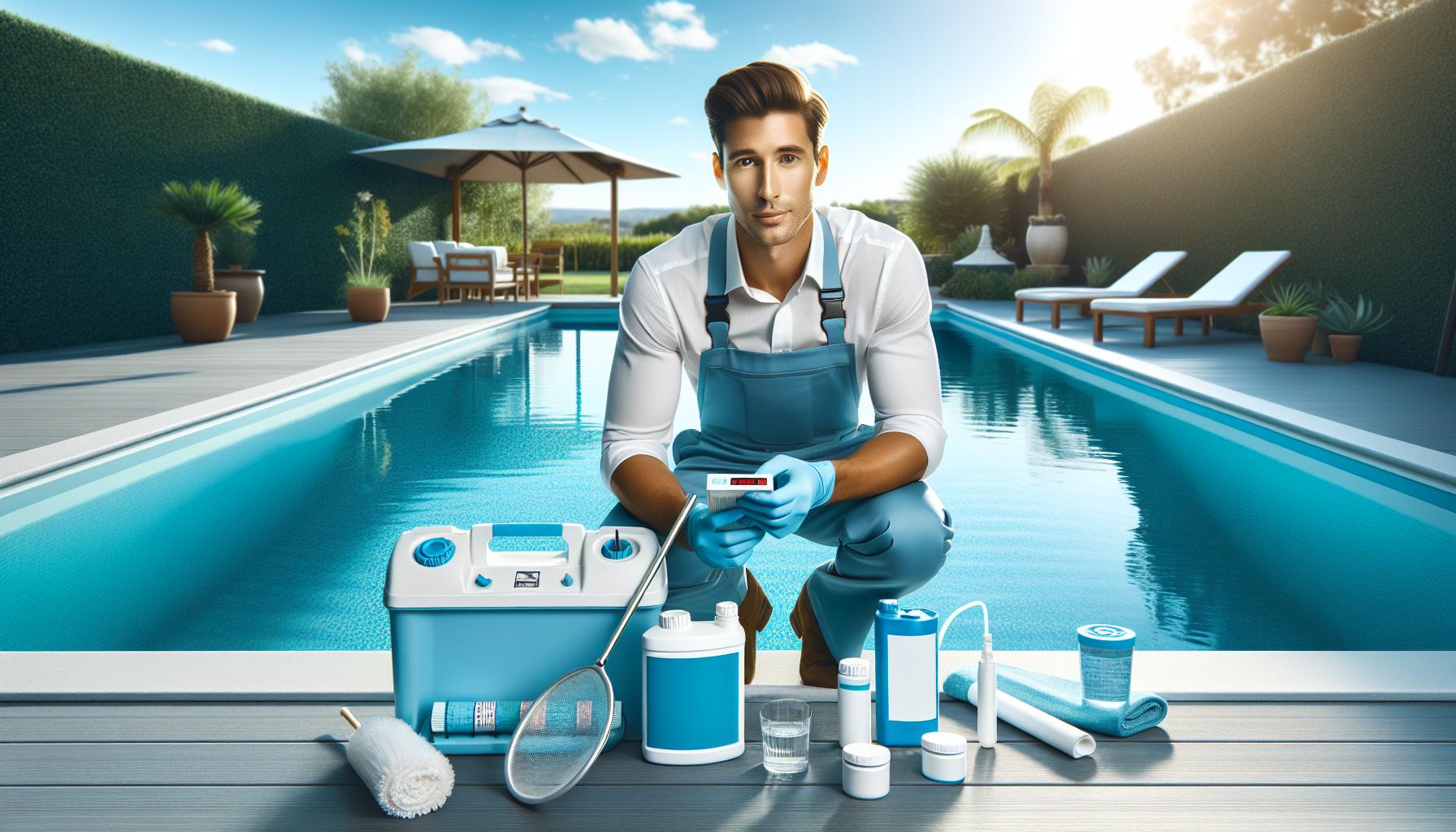
Step-by-Step Guide to Shock Your Pool
To restore your pool’s clarity and eliminate cloudiness, shocking is an essential process. This method involves adding a significant dose of chlorine or other chemicals to rapidly elevate the sanitizer levels in your pool. Shocking not only helps to kill bacteria and algae but also clears up chloramines-substances that can cause that murky appearance. Here’s how to do it effectively.
First, ensure that you test your water. Use a reliable test kit or strips to check the current chlorine level, pH, and alkalinity. You want the pH to be between 7.2 and 7.6 and the alkalinity around 80-120 ppm to optimize the shocking process. If you find any imbalances, adjust the pH or alkalinity before proceeding.
Next, choose the right shock product. There are three main types: calcium hypochlorite, sodium dichlor, and potassium monopersulfate. Calcium hypochlorite is commonly used for its rapid dissolution and effectiveness. Read the packaging carefully to measure the correct amount for your pool size, typically aiming for a dosage of 1 pound per 10,000 gallons of water.
Once you’ve prepared the shock, follow these steps:
- Turn on your pump: This ensures the water is circulating effectively, allowing the shock to disperse evenly.
- Distribute the shock: Slowly pour the shock mixture around the perimeter of the pool, avoiding direct contact with any pool surfaces to prevent potential damage.
- Allow it to circulate: Keep the pump running for at least 8-12 hours to ensure the shock is fully processed through the water, enhancing its clarity.
- Test the levels again: After the circulation period, retest your water to confirm the chlorine levels are safe, ideally below 5 ppm before swimming.
Be mindful of timing; the best time to shock your pool is in the evening, which prevents rapid chlorine loss due to sunlight and gives the chemical time to work overnight. Implementing this step not only addresses current cloudiness but can also prevent future issues by keeping the pool sanitary and balanced. With these practical steps, you can reclaim your pool’s clarity and enjoy a healthy swimming environment.
How to Balance Pool Chemistry Effectively
Accurate pool chemistry is vital for maintaining clear and inviting water, as imbalances can lead to cloudy conditions or even more serious issues like algae blooms. To begin, understanding the key components of pool water chemistry-pH, total alkalinity, and chlorine levels-is essential. Maintaining the right balance not only keeps your pool sparkling but also ensures a safe swimming environment.
Testing your pool water regularly is the first step in achieving balanced chemistry. Utilize a reliable test kit or strips to measure the following parameters:
- pH: Ideal levels should range between 7.2 and 7.6. A low pH can corrode pool equipment and irritate skin and eyes, while a high pH decreases chlorine effectiveness.
- Total Alkalinity: This acts as a buffer for pH, ideally kept between 80-120 ppm. If alkalinity is low, pH levels can swing wildly, creating further confusion in water balance.
- Chlorine Levels: Free chlorine should be maintained between 1-3 ppm to effectively sanitize the water without irritants.
Once you have these readings, adjustments can be made effectively:
- To raise pH: Use sodium carbonate (soda ash), adding it in small increments while retesting every few hours until the desired level is achieved.
- To lower pH: Muriatic acid or sodium bisulfate can be utilized. Again, add in small doses, ensuring to mix well and retest.
- To correct total alkalinity: Baking soda will raise alkalinity, while muriatic acid will lower it. Similar to pH adjustments, add these chemicals gradually and retest frequently.
- For chlorine adjustment: Pool shock treatments can quickly boost chlorine levels in cases of imbalance or contamination.
Always remember to add chemicals to water and not the other way around to prevent dangerous reactions. Allow the water to circulate for at least several hours after chemicals are added before retesting. Achieving the right chemical balance will not only clear up cloudy water but also help extend the life of your pool surfaces and equipment, providing a worry-free swimming experience.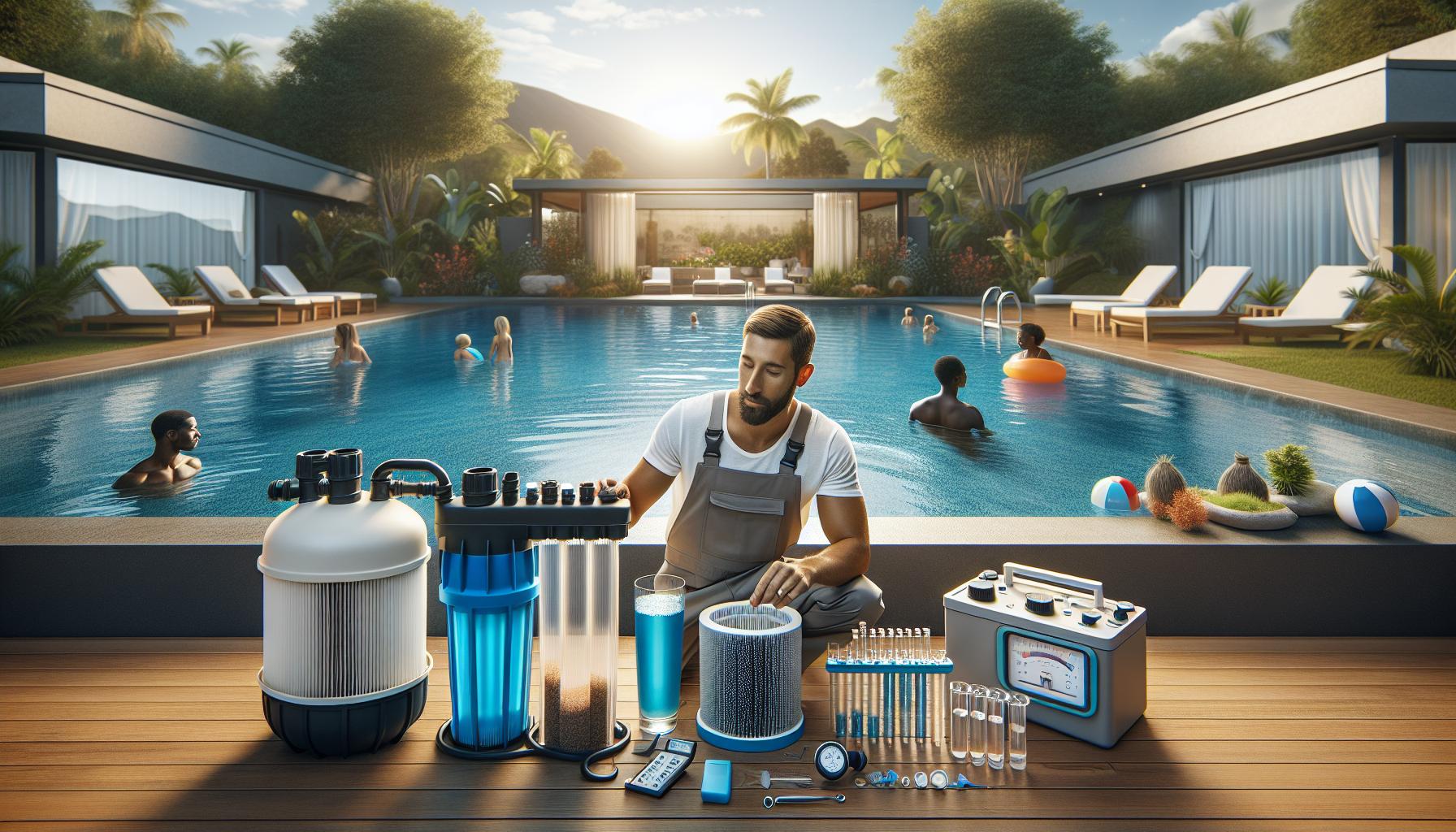
Filtration Tips for Clear Pool Water
Maintaining clear and inviting pool water hinges significantly on an effective filtration system. A properly functioning filter removes debris, algae, and contaminants, preventing them from clouding your water. Regular upkeep of your filter not only extends its lifespan but also ensures optimal water clarity and hygiene.
To begin, check the filter type you have-be it sand, cartridge, or diatomaceous earth (DE). Each type has unique maintenance requirements. For sand filters, backwashing weekly during peak swimming seasons can eliminate trapped particles and debris. If you use a cartridge filter, clean the cartridges every few weeks by rinsing them with a hose, and replace them as needed, typically every one to three years, depending on usage. DE filters require a bit more effort; periodically disassemble and clean the grids, adding new DE powder afterward to ensure your filter operates efficiently.
Make it a routine to monitor the filter pressure gauge. A rising pressure indicates that your filter is working harder than necessary, signaling the need for backwashing or cleaning. As a rule of thumb, when the pressure rises 8 to 10 psi above the normal range, it’s time to take action.
Lastly, optimize circulation by ensuring that your pump runs long enough each day to effectively turn over the entire pool volume. Generally, aim for 8 to 12 hours of filtration daily, especially during peak heat or after heavy use. A timed schedule can help maintain consistency, leading to clearer water and less cloudiness. Remember, a well-maintained filtration system not only helps clear up cloudy water but also enhances the overall health of your pool.
Cleaning Techniques for a Sparkling Finish
Keeping your pool water crystal clear doesn’t just rely on filtration; regular cleaning plays a pivotal role in maintaining its sparkle and hygiene. A well-kept pool not only enhances aesthetic appeal but also ensures a healthier swimming environment. By implementing effective cleaning techniques, you can enjoy pristine water free from stains and contaminants that could contribute to cloudiness.
To achieve that sparkling finish, begin by skimming the surface of the pool with a leaf net or skimmer. This simple step removes debris such as leaves, insects, and other floating materials before they sink and contribute to algae growth. Next, use a vacuum to clean the bottom of the pool. For above-ground pools, a manual vacuum with a telescopic pole works well; for inground pools, consider an automatic cleaner that can efficiently handle larger debris. Aim to vacuum at least once a week, and more frequently in warmer months when pool usage increases.
Brush the Walls and Tiles
Regularly brushing the walls and tiles of your pool not only helps remove dirt and algae but also prevents buildup that can cause water clarity issues. Use a pool brush appropriate for your pool type-nylon or stainless steel for plaster pools and softer brushes for vinyl liners. Pay special attention to corners and stairs, where debris tends to accumulate. After brushing, always rinse the area and ensure your filtration system runs to remove dislodged particles.
Deep Clean with a Chemical Shock
Incorporating a chemical shock treatment is vital in maintaining impeccable water clarity. After heavy use or after a storm, shock your pool weekly to eliminate organic contaminants and kill bacteria. Use a chlorine or non-chlorine shock according to your pool’s chemical needs. Always follow the manufacturer’s instructions regarding dosage and allow the pump to circulate the water adequately post-treatment to disperse the chemicals effectively, enhancing the water’s clarity.
Remember, the key to a sparkling pool is consistency. By routinely skimming, vacuuming, brushing, and shocking your pool water, you not only improve its appearance but also create a safer swimming experience. Adopting these cleaning techniques will ensure that your pool remains a refreshing oasis, ready for enjoyment whenever you are.
When to Call a Professional for Pool Issues
Determining when to seek professional help for pool issues can save you time, money, and frustration. While many minor cloudiness problems can be tackled with regular maintenance, certain circumstances warrant the expertise of a professional pool service. If you’ve tried several home remedies-like shocking the pool, balancing chemicals, and maintaining proper filtration-but your water remains cloudy, it may be time to call in the experts.
Unexpected changes in water quality, like persistent cloudiness after a significant weather event or heavy usage, can indicate underlying issues beyond your control. Professionals have the tools and knowledge to diagnose problems that aren’t evident to the average pool owner. These may include hidden algae blooms, equipment malfunctions, or imbalances in water chemistry that require advanced testing and treatment. Moreover, if you notice unusual smells, colors, or if your pool has developed a green tint, these signs suggest that prompt professional intervention can prevent a more extensive and costly repair.
In situations where safety might be a concern, such as suspected contamination from debris, chemicals, or wildlife, an immediate professional consultation is essential. Not only do these professionals have the certifications to handle hazardous materials safely, but they are also trained to ensure that your pool environment is safe for swimming. Furthermore, if you’re facing ongoing issues with your pool equipment or systems-like the pump, heater, or filtration system-experts can provide repairs that ensure your pool operates efficiently and effectively.
Ultimately, understanding the limits of your own skills and knowledge is crucial in pool maintenance. Recognizing red flags and knowing when to get help can transform your pool ownership experience from overwhelming to enjoyable, allowing you to focus on what matters most: relaxing and enjoying your oasis. Whether it’s about ensuring water clarity, safety, or proper functioning of your equipment, regular professional assessments can keep your pool at its best year-round.
Preventative Measures for Cloudy Pool Water
To maintain crystal-clear water in your pool, it’s essential to adopt a proactive approach to prevent cloudiness from occurring in the first place. Regular maintenance can save you time, money, and the hassle of dealing with murky waters later. Implementing a few key strategies can keep your pool sparkling and inviting all season long.
Routine Water Testing
One of the most effective ways to prevent cloudy water is through regular testing of your pool’s chemistry. Aim to test your pool water at least once a week using a reliable water testing kit. This will help you monitor and maintain the optimal pH level (7.2-7.8), total alkalinity (80-120 ppm), and calcium hardness (200-400 ppm). By keeping these parameters in check, you’ll minimize the likelihood of cloudy water caused by chemical imbalances. Adjust chemical levels as necessary and remember to shock your pool periodically, especially after heavy usage or storms.
Efficient Filtration System
Your filtration system plays a crucial role in keeping pool water clear. Ensure that your filter runs for at least 8-12 hours a day, particularly during peak usage times. Regularly backwash your filter or clean the cartridge according to the manufacturer’s instructions to prevent buildup that can compromise its efficiency. Additionally, consider installing a skimmer or a surface skimming device to remove leaves, debris, and organic matter that can contribute to cloudiness.
Regular Cleaning Routine
Adopting a consistent cleaning routine is vital in preventing the accumulation of dirt and algae. Skim the surface of your pool daily to remove debris, brush the walls and floors weekly to dislodge any algae or contaminants, and vacuum as needed. Consider using a pool cover when the pool is not in use to reduce debris and keep the water cleaner.
Implementing these preventative measures can significantly reduce the chances of encountering cloudy water. By maintaining regular testing, ensuring proper filtration, and following a diligent cleaning routine, you can enjoy a pristine pool environment that’s always ready for a relaxing swim.
Common Pool Maintenance Mistakes to Avoid
Maintaining a pool can be a delightful yet challenging task, and even seasoned pool owners can slip into poor habits that lead to cloudy water. Avoiding common maintenance mistakes is crucial for achieving and maintaining crystal-clear water. One prevalent issue is neglecting regular water testing. Skipping this vital step can lead to imbalanced pH levels, alkalinity, and chlorine levels, which can provoke cloudiness. Aim to check water chemistry at least weekly to catch any issues early on.
Another frequent misstep is underestimating the importance of proper filtration. It’s easy to let your filter run for only a few hours a day, especially on cooler days when the pool is less active, but this can cause contaminants to accumulate, leading to turbid water. Make it a routine to run your filter for 8-12 hours daily during peak times and to backwash or clean it regularly. Similarly, failing to remove debris that settles at the pool’s bottom can result in cloudy water conditions. Ensure you consistently skim the surface and vacuum the pool to keep it clear of organic materials that can cloud the water.
Equally critical is the maintenance of equipment. Many pool owners overlook cleaning the skimmer basket-this simple yet effective task can dramatically improve filtration efficiency. Also, don’t forget to inspect and replace worn or damaged components. Lastly, avoid overusing chlorine or other chemicals in an attempt to “fix” cloudy water suddenly. Instead, maintain balanced levels and use shock treatments judiciously after heavy use or rains.
By recognizing and addressing these common pitfalls, pool owners can significantly reduce the risk of cloudy water, ensuring a welcoming and hygienic swimming environment that remains clear and enjoyable all season long.
Seasonal Strategies for Clear Pool Water
Maintaining clear pool water throughout the changing seasons is crucial for ensuring a safe and enjoyable swimming experience. Seasonal shifts can dramatically influence water clarity, with varying temperatures, weather patterns, and debris levels. Therefore, effective seasonal strategies should be employed to keep your pool in pristine condition regardless of external conditions.
To begin, at the start of each pool season, whether spring or summer, a thorough cleaning is essential. Remove any leaves, twigs, and debris that may have accumulated during the off-season. Consider using a pool cover during the off-season to minimize debris entry. Once the pool is open, perform a complete vacuuming and skimming routine to remove any contaminants from the surface and bottom.
As the weather warms up, regular water testing should become a priority. Test your pool water at least weekly to monitor pH, alkalinity, and chlorine levels. In summer, when usage increases, you may need to adjust chemical levels more frequently to combat the effects of sunscreen, body oils, and other contaminants introduced by swimmers. Keeping your chlorine levels between 1-3 ppm helps in maintaining water clarity and sanitation.
During autumn and winter, particularly in areas with heavy leaf fall and colder temperatures, it’s vital to check and clean your skimmer and filter systems regularly. Reduce filtration run times if the pool is not in use but maintain a consistent schedule to prevent buildup. Additionally, using a winterizing chemical can help keep algae at bay during the dormant season.
At the end of each season, consider performing a comprehensive shock treatment to eliminate any lingering contaminants. This step ensures that the pool is ready for the next cycle of use, providing a crystal-clear experience when it’s reopened. By implementing these seasonal strategies, you can effectively minimize the risk of cloudy water, allowing for a consistently inviting swimming environment all year round.
DIY Solutions for Persistent Cloudiness
Troubleshooting cloudy pool water can be a frustrating experience, but there are several effective DIY solutions you can try before calling in a professional. Often, the cloudiness can be attributed to imbalances in water chemistry, inadequate filtration, or organic matter. By following a few straightforward steps, you can restore your pool’s clarity and enjoy a sparkling clean swimming environment.
Start with testing the water using a reliable pool test kit to check for high levels of pH, alkalinity, and chlorine. A balanced pool should have a pH level between 7.2 and 7.8, alkalinity between 80-120 ppm, and chlorine levels of 1-3 ppm. If any of these levels are out of range, adjust them accordingly. For instance, if your pH is too high, adding muriatic acid can help lower it, while sodium bicarbonate can raise low alkalinity levels.
Once the chemistry is balanced, it’s crucial to give your filtration system a thorough clean. Ensure that the filter is backwashing efficiently and consider running it for 24 hours continuously to help clear any suspended particles. If your filter is old or undersized, it may not be doing the best job; upgrading to a more efficient model can significantly reduce cloudiness issues in the future.
Another powerful tactic is to use pool shock treatment. This involves adding a strong chlorine shock to the pool, which oxidizes the contaminants causing turbidity. Follow the manufacturer’s instructions for the correct dosage based on your pool size. After shocking the pool, leave the pump running and allow the chlorine levels to return to safe swimming ranges, usually within 24 hours. To enhance the shock treatment’s effectiveness, consider using flocculants or clarifiers, which can bind tiny particles together, making them easier for the filter to remove.
Lastly, regular maintenance practices can prevent future cloudiness. Skim leaves and debris daily, vacuum the pool weekly, and clean your filter regularly. Creating a consistent maintenance schedule not only keeps the water clear but also helps in monitoring changes promptly, allowing for quicker interventions when issues arise. By implementing these DIY solutions, you can take control of your pool’s clarity and ensure a refreshing swimming experience all season long.
Frequently asked questions
Q: What causes cloudy pool water?
A: Cloudy pool water can result from several factors including improper pH levels, inadequate filtration, algae growth, or high levels of contaminants like dirt and sunscreen. Regular testing and maintenance can help prevent these issues and keep your pool clear.
Q: How can I troubleshoot cloudy pool water?
A: Begin troubleshooting cloudy water by testing the pool’s pH and chlorine levels. Adjust these levels as needed. Clean the filter, shock the pool, and run the pump to help clear cloudiness. Consult your maintenance guide for detailed steps.
Q: How long does it take to clear cloudy pool water?
A: The time it takes to clear cloudy pool water varies, but typically it can take 24 to 72 hours after shocking and running the filter continuously. For persistent cloudiness, additional treatments or steps may be necessary.
Q: Should I shock my pool if it is cloudy?
A: Yes, shocking your pool is an effective way to combat cloudiness. It helps to eliminate contaminants and improve water clarity. Ensure proper shock dosages and follow safety guidelines for best results.
Q: What chemicals should I use to clear cloudy pool water?
A: Use pool shock (chlorine or non-chlorine), clarifiers, and algaecides to address cloudy water issues. Always follow product directions and maintain balanced water chemistry for optimal effectiveness.
Q: When is it necessary to call a professional for pool cloudiness?
A: Call a professional if cloudiness persists despite following maintenance steps, or if you notice severe algae growth or water balance issues that you cannot resolve. A professional can provide specialized treatments and recommendations.
Q: Can adding too much chlorine cause cloudiness?
A: Yes, excessive chlorine can lead to cloudiness due to the formation of chloramines. To remedy this, ensure proper levels are maintained and consider shocking the pool to restore clarity.
Q: Are there preventative measures for cloudy pool water?
A: To prevent cloudy water, regularly test water chemistry, maintain proper filtration, skim debris, and clean the pool walls and floor. Establishing a consistent maintenance routine is key to clear water.
In Conclusion
Now that you’ve learned how to fix a cloudy pool, remember that regular maintenance is key to preventing future issues and achieving sparkling results. Don’t wait until your pool’s cloudy again-act now by checking your water chemistry and adding the necessary treatments. For more in-depth guidance, explore our articles on “Pool Chemical Basics” and “Effective Pool Cleaning Techniques” to empower yourself further in pool care.
If you’ve found this guide helpful, consider signing up for our newsletter for the latest tips and tricks on pool maintenance. Join our community and share your successes or ask questions in the comments below-your experience could inspire others! With the right tools and knowledge, you can maintain a crystal-clear pool that provides enjoyment all summer long. Dive back into our resources for any further questions, and make every swim an enjoyable one!