Emptying your above-ground pool might seem like a daunting task, but it’s crucial for maintenance and repair. Did you know improper draining can lead to structural damage or even collapse? Whether you’re preparing for a season of fun or addressing maintenance needs, understanding safe methods to empty your pool is essential for every owner.
As a responsible pool owner, you may have concerns about how to handle this process without jeopardizing the integrity of your pool. From ensuring proper drainage without damaging the liner to avoiding issues with water displacement, the steps you take are important. In this guide, you’ll find straightforward, actionable methods to drain your above-ground pool safely and efficiently, empowering you to tackle this project with confidence. Keep reading to learn how to properly manage this task while protecting your investment.
How to Safely Prepare Your Pool for Draining
When preparing to drain your above-ground pool, understanding the process and taking the right precautions is crucial for safety and efficiency. Firstly, check the weather forecast and choose a day when the temperatures are mild-ideally below 85°F. This not only protects your pool structure but also ensures that external factors won’t interfere with your work. Be cautious about the duration your pool will be emptied; leaving it empty for extended periods can harm the liner and the overall pool integrity.
Before getting started, gather critical tools and materials to streamline the process. You will need a submersible pump dedicated to draining water; this is crucial as traditional pool pumps are not recommended for this task. Additionally, have garden hoses ready to direct the water away from your pool site. Turn off and unplug all electrical equipment, ensuring that nothing will short-circuit during the draining process. It’s also wise to remove any pool accessories or equipment, such as ladders and floating toys, as they could become hazards when the pool is empty.
As you prepare for the draining process, communicate with any family members or neighbors who may be affected by pool drainage. Make sure to inform them if the area around the pool will be restricted during the draining process. Check local regulations regarding water disposal, as some areas require specific procedures for draining pool water-it’s essential to comply with these rules to avoid potential fines. By following these guidelines, you can ensure a safe, organized, and effective draining experience for your above-ground pool.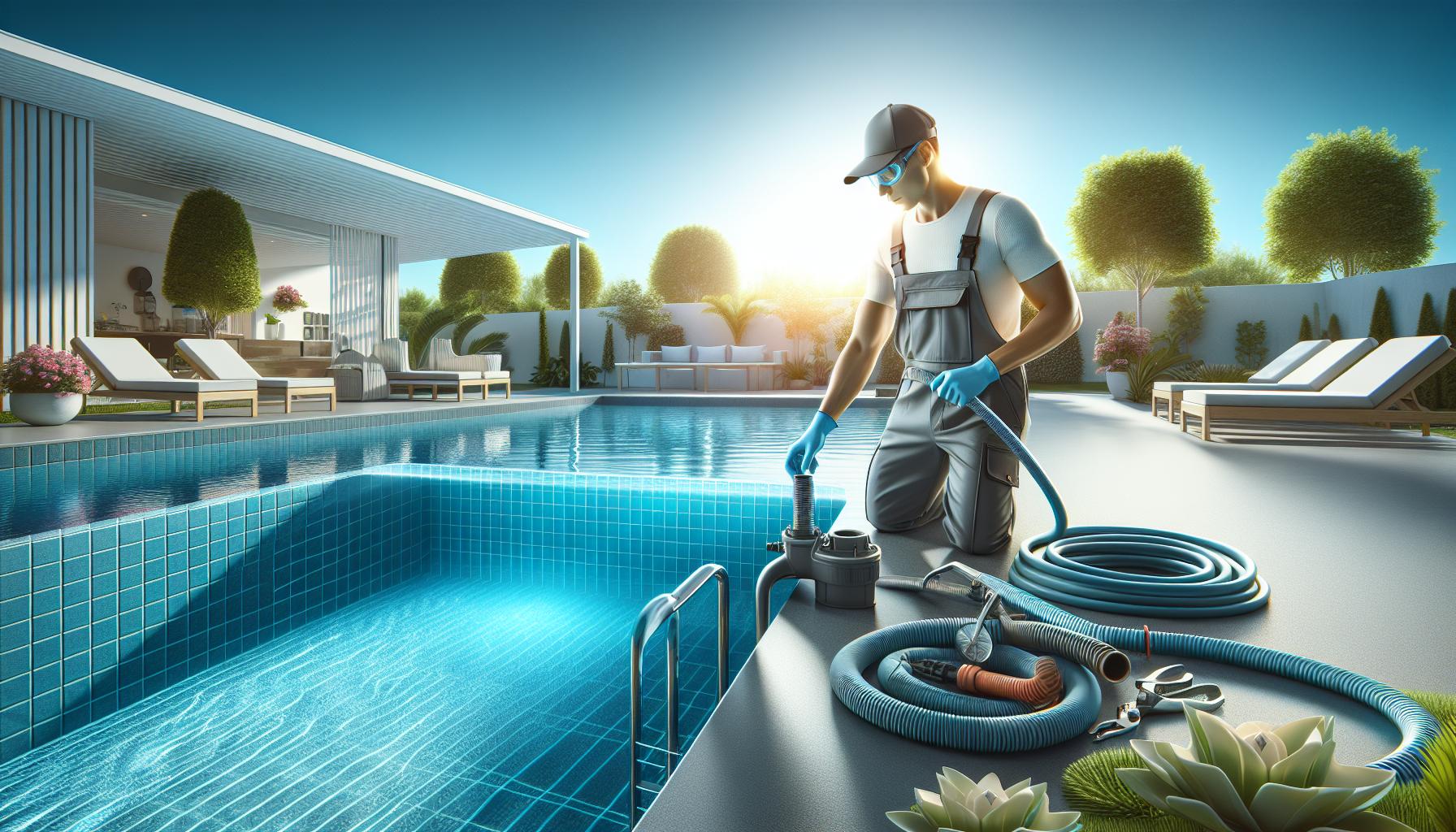
Essential Tools Needed for Pool Emptying
Before embarking on the task of emptying your above-ground pool, it’s crucial to have the right tools at your disposal. Using the correct equipment can not only simplify the process but also enhance safety, ensuring a smooth and efficient experience. Forgetting any of these essentials could result in additional complications or delays, so it’s worth taking the time to gather everything you’ll need beforehand.
Start with a submersible pump-the most vital instrument for effective pool drainage. Unlike traditional pool pumps, which are not designed for this purpose, a submersible pump allows you to remove water directly from the pool’s bottom. For optimal efficiency, choose a pump with an appropriate flow rate based on your pool size, and ensure it comes with a long enough discharge hose to reach away from your yard.
You’ll also need garden hoses that can direct the water to an appropriate drainage area. Make sure they are long enough to move the water to a location where it won’t adversely affect your landscape or flood surrounding areas. Additionally, consider using a wet/dry vacuum for any residual water that the pump leaves behind, especially in corners or along the walls where water may accumulate.
For safety, have tarps or large buckets on hand to collect any debris that may emerge during draining. This not only keeps the area tidy but also helps you manage potential hazards. Finally, don’t forget basic tools such as screwdrivers for removing any fittings, along with gloves for protecting your hands when handling pumps or cleaning the pool. Having these items organized and ready to go will set you up for a successful draining process and allow you to focus on enjoying the maintenance experience instead of troubleshooting problems.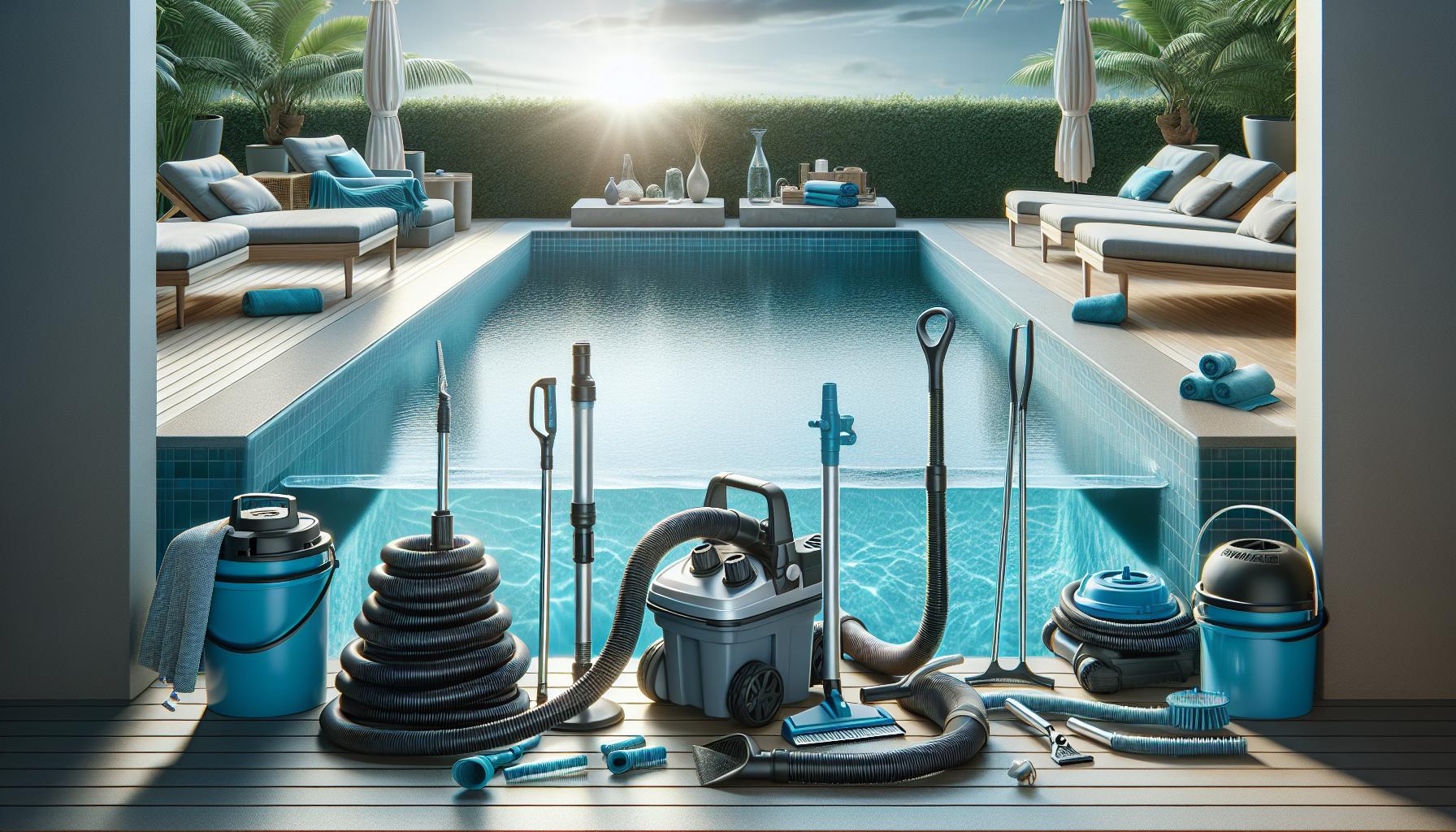
Step-by-Step Guide to Emptying Your Pool
Draining your above-ground pool can be a straightforward task when approached methodically. Understanding the steps involved can simplify the process and prevent potential issues. Whether you’re cleaning, repairing, or preparing your pool for winter, following a step-by-step guide can ensure that you handle the task efficiently and safely.
Begin by ensuring you have a clear plan for the drainage process. Identify where you will route the water to prevent flooding in your yard or surrounding areas. Once you have established a drainage path, check your pool’s drain valve. If your pool has a drain plug, attach a garden hose to it, leading the other end to your designated drainage area. If your pool does not have a drain plug, you can use a submersible pump to remove the water. Place the pump at the lowest point of the pool to maximize water removal, ensuring the discharge hose directs water away from your property.
Next, if you are using a pump, plug it in and turn it on. Monitor the water levels as the pump works. This is the crucial moment to ensure that no water is being diverted back toward your home or landscape. For those relying on gravity, you’ll need to open the drain valve and let the water naturally flow out. Keep an eye on the water level until it is nearly empty, allowing for any residual water to be vacuumed out with a wet/dry vacuum, ensuring a thorough job.
Once you have drained the pool, take a moment to clean the pool’s interior. Remove any debris, leaves, or residue that may have settled during the draining process. This preps the pool for a safe and efficient winterization or repair. Perform any necessary maintenance on your pool equipment while the pool is empty, checking for leaks or worn parts that may need attention before the next season.
By following this structured approach, you can confidently drain your above-ground pool without complications. Remember to take precautions to protect your landscape and manage the water responsibly, ensuring it does not pool where it can cause damage.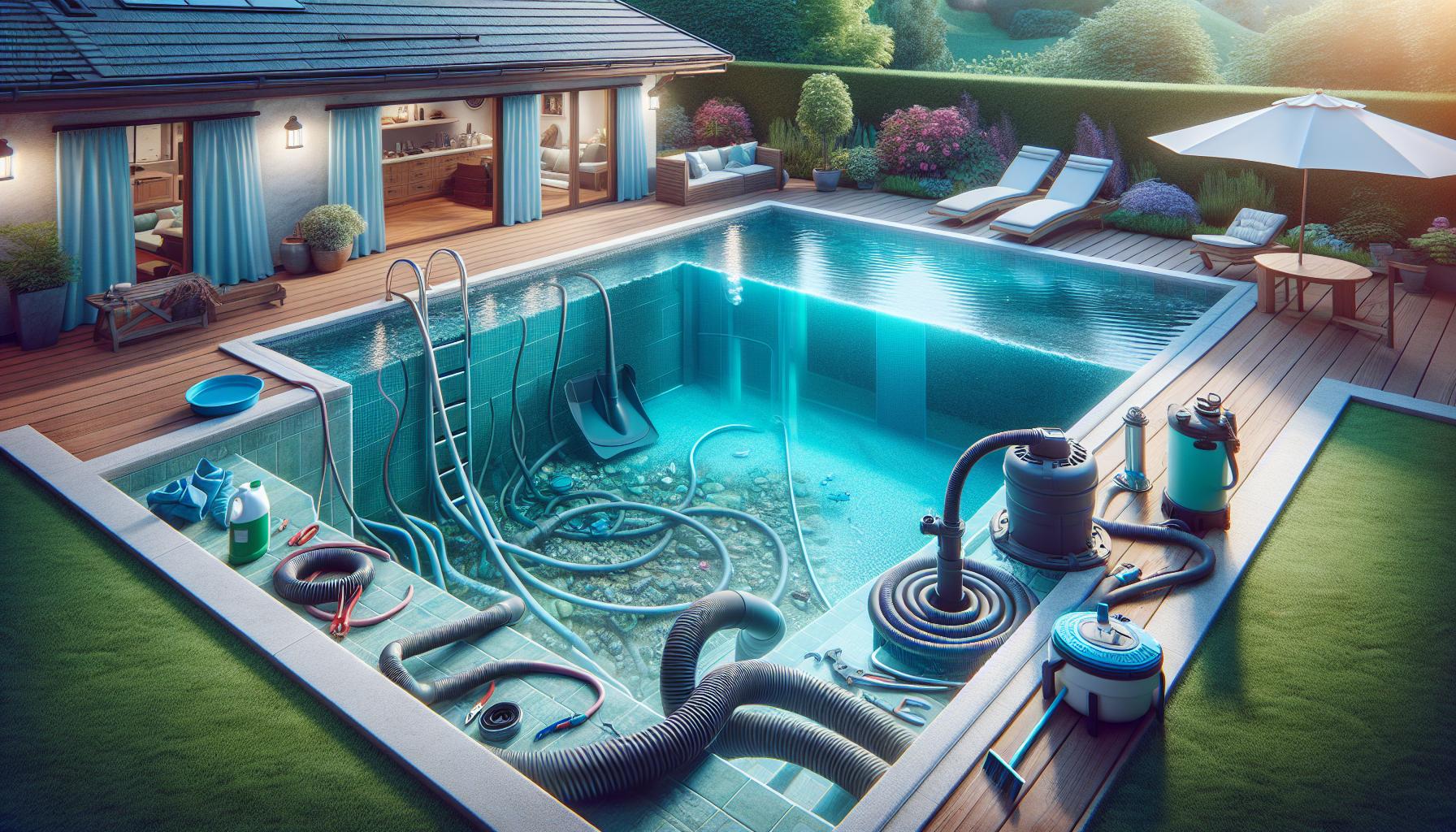
Safe Methods for Draining Water
Draining an above-ground pool doesn’t just require a method; it demands the right strategies for a safe and efficient process. The primary concern is to ensure that the water is removed without damaging the pool structure or your property. Understanding the can significantly alleviate fears and challenges associated with this task.
One of the most reliable methods is utilizing a submersible pump. This device effectively removes water from the pool by placing it at the lowest point inside the pool. As the pump runs, it also minimizes the risk of startling structural shifts that could occur with rapid water removal. Ideally, connect a long discharge hose to ensure that water is directed away from your foundation and landscaping, thus preventing flooding issues. While the pump is working, keep a close eye on it, ensuring it doesn’t get obstructed by debris, which could stop the draining process prematurely.
Another straightforward option is using the pool’s built-in drain valve, if available. Simply attach a hose to the valve, leading it to a suitable drainage area. Open the valve so the water can flow out naturally. However, keep in mind that this method may take longer than using a pump, especially if the pool is exceptionally large. If your above-ground pool has accumulated significant debris or has algae buildup, this method allows for some sediment to settle. Therefore, monitoring the drainage process carefully will help ensure that you remove as much water as possible before needing to vacuum the pool to get rid of any remaining residue.
Additionally, always consider environmental factors when draining your pool. Local regulations may affect how and where you can discharge the water. Some communities have guidelines to follow, especially if your water contains chemicals; thus, ensuring responsible water disposal gives added peace of mind. Keeping these methods and considerations in check will make the task of draining your pool safer and more efficient.
Considerations for Pool Winterization
As temperatures begin to drop, the importance of properly winterizing your above-ground pool cannot be overstated. This crucial process not only protects your investment from cold weather damage but also sets the stage for a smooth opening when warm weather returns. By taking the time to winterize effectively, you can prevent costly repairs and ensure that your pool remains in optimal condition.
To begin with, ensure that all pool water is thoroughly drained, including from the pump, filter, and heater. Any remaining water can freeze, expand, and crack these critical components. Employing a submersible pump is essential for draining the pool efficiently-make sure to direct the discharge away from your home’s foundation to avoid water pooling near the base. Once drained, clean your pool surfaces to eliminate debris and contaminants that can promote algae growth during the off-season.
Another vital aspect of winterization is protecting your pool’s walls. Use appropriate pool covers that fit snugly over the top without exposing edges or gaps. Adding winterizing chemicals will help maintain balanced water conditions that deter algae and bacteria during the cooler months. It’s wise to check the pH and alkalinity levels before adding any chemicals, as this ensures your pool is fortified against common winter problems. Lastly, consider using pool pillows to prevent ice damage by allowing for water expansion.
In caring for your above-ground pool during winter, remaining vigilant about maintaining these practices will ease the transition to spring. By investing time and resources in proper winterization, you take proactive steps to save yourself potential headaches and expenses when the swimming season arrives again.
How to Manage Pool Chemicals During Draining
When it comes to managing pool chemicals during the draining process, understanding the implications of water removal on water chemistry is critical. Draining your pool isn’t simply a matter of letting the water out; it requires careful consideration of the chemicals you’ve added to ensure a safe and efficient transition. As water levels drop, so do the chemical concentrations, impacting the pool’s overall balance. This is especially true if you plan to drain the pool for an extended period or for maintenance.
Start by testing the water chemistry a few days prior to draining. Check for pH levels, total alkalinity, and chlorine concentrations. Adjust the pH to a level around 7.2 to 7.6; this will help prevent corrosion of pool surfaces as water levels drop. If you’re using chlorine or other sanitation chemicals, it’s wise to reduce the amount used prior to draining. This is because when the pool is emptied, residual chemicals can be harmful to the environment if not disposed of properly.
Managing Chemical Disposal
Beyond adjusting chemical levels, consider the proper disposal of the drained water. Most municipalities have specific guidelines regarding where and how to dispose of pool water, especially if it contains high chemical concentrations. Check local regulations to ensure you’re complying with any restrictions. If your pool has high levels of chlorine or other chemicals, you may need to neutralize them prior to drainage. Sodium thiosulfate can be used to neutralize chlorine, making the water safer for disposal.
Maintain Chemical Balance Upon Refill
Once the pool is drained and you’re ready to refill, it’s important to actively manage chemical levels upon refilling. After filling the pool, allow the water to circulate and then test again for chlorine, pH, and alkalinity before adding chemicals. Use the same processes to rebalance the pool’s chemistry as you did before draining.
By staying proactive with your pool chemistry management throughout the draining process, you not only ensure a safe environment for the surrounding ecosystem but also pave the way for a successful and hassle-free re-filling and maintenance experience. This careful approach allows your pool to efficiently transition to the next phase, whether that’s winterization or simple routine care.
Dealing With Pool Algae and Bacteria
Algae and bacteria can flourish in a stagnant pool, making the draining process not just about emptying the water, but also about preventing the growth of unwanted organisms. These pests thrive in conditions where water is left untreated, and with an above ground pool, the importance of addressing algae and bacteria before, during, and after draining cannot be overstated. Recognizing potential threats will allow you to safeguard your pool’s health and ensure the environment remains clean and safe.
Before starting the draining process, assess the condition of your water. If you detect green or cloudy water, it’s essential to treat it with algaecide and a chlorine shock before draining. This helps to kill off existing bacteria and algae, making your pool easier to manage once it’s empty. Follow the manufacturer’s instructions for the algaecide, typically applied directly into the pool water, allowing adequate time for circulation and effectiveness before beginning the drainage.
As you drain the pool, residual algae or bacteria may cling to the sides and bottom. To tackle this, prepare a cleaning solution consisting of water and a suitable pool cleaner or bleach. Once the pool has emptied, scrub these surfaces with a pool brush. Make sure to wear gloves and goggles for safety. For any tough stains caused by algae, a paste of baking soda and water can work wonders as a mild abrasive that’s safe for your pool materials.
After you’ve scrubbed the pool, it’s crucial to conduct a thorough rinse to wash away any remnants of algae or cleaning agents. Once the pool is completely clean, allow it to dry fully before refilling. This drying process minimizes the chances of bacteria returning and hinders any remaining spores from regrowing.
Once the pool is refilled, monitor the chemistry closely for the first few weeks. Regularly check for chlorine levels, pH balance, and alkalinity. Performing routine shock treatments can keep bacteria and algae at bay. By staying vigilant and proactive in your cleaning and maintenance routine, you can effectively prevent algae resurgence, ensuring your pool remains a clean and inviting space for all to enjoy.
Importance of Proper Disposal of Pool Water
Disposing of pool water properly is crucial not only for environmental safety but also for adhering to local regulations. Many municipalities have strict guidelines about how and where pool water can be dumped. Discharging chlorinated or chemically-altered water into storm drains or natural bodies of water is typically prohibited due to potential harm to aquatic life. Thus, understanding the local laws and guidelines before commencing the draining process is vital.
When preparing to drain your pool, consider the following methods to ensure water is disposed of responsibly:
- Check Local Regulations: Contact your local water authority or municipality to understand the specific guidelines for draining pool water in your area.
- Consider Using a Drainage System: If available, use a professional waste removal service or drainage system that adheres to safety standards.
- Discharge into a Sewer System: If permitted, divert the water into your home’s sewage system. This method ensures proper treatment before it enters the environment.
- Water Plants or Lawn: If your pool water is not heavily chlorinated or chemically treated, it can be a great source of hydration for your garden or lawn. However, ensure that any chemicals have dissipated before doing so.
Always allow the water to sit for a few days post-treatment to stabilize chemical levels before discharging it in any manner that might impact your yard. This not only protects your plant life but helps to prevent groundwater contamination. By following these steps and being mindful about where your pool water ends up, you can maintain your pool responsibly and protect your local ecosystem.
Troubleshooting Common Pool Draining Issues
Draining an above-ground pool can sometimes feel like navigating a minefield of potential issues. From equipment failures to unexpected leaks, being prepared can make all the difference in ensuring a smooth process. If you’re faced with challenges while draining your pool, understanding common issues and their solutions will keep you on track.
One frequent problem is a clogged drain hose, which can significantly slow down or even stop the drainage process altogether. To troubleshoot this, first, check that the hose is free from kinks or bends. If debris has collected inside the hose, use a plumber’s snake or a high-pressure nozzle to clear it out. Keeping the hose elevated may also help prevent backflow and clogs during drainage.
Additionally, the pool’s main drain could be another source of trouble. If you notice that water isn’t draining efficiently, assess the pressure in your filtration system. Pressure readings should generally be between 10-25 psi; significantly higher readings may indicate a blockage either in the drainage line or in the filter itself. Regularly inspecting these components can prevent issues during draining and enhance overall pool maintenance.
Leakage is yet another concern; without water support, the pool’s liner can shift, causing potential tears. If you find that water is seeping out from under the pool or through the liner, act quickly. Reinforce any weak seams with a liner patch kit specifically designed for above-ground pools. Always ensure that you have your pool properly supported during and after draining to maintain its integrity.
By being vigilant for these common issues and knowing how to address them, you empower yourself to effectively manage your pool draining process. This proactive approach not only saves time but also allows you to enjoy a well-maintained swimming environment.
Post-Drain Pool Maintenance Tips
After successfully draining your above-ground pool, it’s crucial to focus on post-drain maintenance to ensure longevity and optimal performance. This phase is often overlooked, yet it can significantly affect the pool’s condition and usability in the future. Start by inspecting your pool thoroughly, as this is the ideal time to address any wear and tear. Look for signs of damage to the pool liner, frame, and fittings. Any cracks or tears can worsen if left unattended, so consider using a liner patch kit to reinforce weak areas, ensuring your pool can hold water properly in the upcoming season.
Maintaining proper chemical levels is equally important even after the water is removed. Use this downtime to clean and service your filtration and skimming systems. Clear out any debris from the skimmer basket and the filter cartridge, and consider soaking the filter in a cleaning solution if it’s heavily soiled. This not only prepares your equipment for the next use but also extends its lifespan. Additionally, perform a deep clean of the pool walls and floor. A combination of a non-abrasive vinyl cleaner and a soft brush will help remove any algae or buildup that may have formed during the pool’s use. This proactive approach will make filling the pool back up significantly easier and more efficient.
As temperatures begin to drop or seasons change, it’s essential to think about winterization. If you plan to keep the pool empty for an extended period, cover it properly to prevent contaminants from entering and to protect it from the elements. A solid cover not only helps in maintaining cleanliness but also poses a safeguard against potential damage from falling debris. If you’re planning to refill the pool soon, use this opportunity to test and balance the water chemistry as soon as it’s filled, ensuring optimal conditions for swimming.
Lastly, keep an eye on your yard’s health during and after the draining process. Excess water can lead to erosion or unfavorable growth. Place barriers or mats to divert flow if necessary, and check for any pooling that might contribute to soil issues. Taking these steps will not only maintain your pool but also protect your outdoor space, ensuring a seamless and enjoyable swimming experience when you’re ready to dive back in.
Protecting Your Yard During Drainage
Draining your above-ground pool is an essential part of routine maintenance, but it can have unintended consequences for your yard if not handled properly. As water drains away from the pool, surrounding soil and vegetation can become saturated, leading to erosion, water pooling, or even damage to landscaping features. To ensure that your yard remains healthy and intact, implementing protective measures is crucial during the drainage process.
One effective strategy is to create a drainage plan that directs excess water away from sensitive areas in your yard. Using a garden hose or perforated drain tubes, you can guide water to less critical areas, such as gravel pathways or designated drainage ditches. If you’re concerned about runoff damaging your plants or lawn, consider using barriers or absorbent materials, such as sandbags or straw bales, to mitigate soil erosion and manage water flow more effectively. This not only helps maintain your yard’s integrity but also ensures that the pooled water will not disrupt plant life or contribute to long-term soil issues.
It’s also wise to monitor the drainage process closely. Check the weather forecast before you begin; draining during dry periods minimizes the risk of additional soil saturation. During the draining process, keep an eye out for any signs of flooding or erosion around the pool’s perimeter. If you notice any issues, act quickly to adjust your drainage plan to avoid larger problems. For example, repositioning your hoses or adding additional absorbent materials can help redirect water more effectively.
Finally, once the pool has been successfully drained, assess your yard for any signs of erosion or damage. If you find affected areas, take immediate steps to restore them. This might involve reseeding grass, adding mulch, or installing additional drainage solutions to prevent future issues. By proactively protecting your yard during the pool drainage process, you ensure a healthier outdoor environment and a smoother transition back to prepping your pool for swimming season.
FAQs About Emptying Above Ground Pools
When it comes to emptying above-ground pools, many owners find themselves faced with common concerns and questions. To help you navigate the process with confidence, here are some frequently asked questions along with practical solutions.
How often should I drain my above-ground pool?
It’s recommended to drain your above-ground pool every 3 to 5 years for maintenance purposes or when you need to address water issues, such as high levels of contaminants. Frequent partial draining may also be necessary to adjust water chemistry. However, avoid draining your pool too often, as it can lead to wear on the liner and equipment.
Can I drain my pool without a pump?
Absolutely! Using a garden hose siphoning method is an effective way to drain your pool without a pump. Simply submerge the hose in the water, create a siphon, and let gravity work its magic. This method is ideal for partial drainage but can be slow for a complete drain.
What should I do with the water once it’s drained?
It’s important to dispose of pool water responsibly. Check your local regulations for proper disposal methods. Often, you can drain the water onto grass or garden areas to benefit from the nutrients. However, avoid draining near sensitive landscaping to prevent potential damage.
What if I notice algae or bacteria during draining?
If you discover algae or bacteria during the process, treat the water with appropriate chemicals before draining to prevent further contamination. Ensure you follow the necessary safety protocols when handling pool chemicals. After treating, allow some time for the chemicals to work before proceeding with draining.
How can I prevent flooding in my yard while draining?
To manage drainage effectively, create a plan that directs water to areas capable of handling it, such as gravel pathways or drainage ditches. Using permeable barriers, like sandbags, can help control water flow and prevent soil erosion. Monitoring rainfall conditions before starting drainage can also mitigate flooding risks.
With these insights, you can approach the task of emptying your above-ground pool with confidence and clarity. Whether it’s your first time or part of regular maintenance, understanding these key aspects will ensure a smooth and stress-free experience.
Frequently Asked Questions
Q: How often should I empty my above ground pool?
A: You should aim to empty your above ground pool once every one to three years, depending on usage and maintenance. Regularly check for algae buildup or chemical imbalances. Post-drain, remember to clean the pool thoroughly before refilling.
Q: What is the safest method to drain an above ground pool?
A: The safest method to drain your above ground pool is to use a submersible pump. This ensures controlled water removal, reducing the risk of damaging the liner. Always follow local guidelines for water disposal.
Q: Can I drain my pool into my yard?
A: Draining your pool into your yard may be permissible, but you should verify local regulations first. Ensure the area can handle the water without causing flooding and consider pooling chemicals’ effects on your plants and soil.
Q: What should I do if my pool has a lot of algae?
A: If your pool has significant algae, it’s best to treat it chemically before draining. Use a pool algaecide and brush the sides to dislodge algae, allowing it to circulate fully before proceeding with draining.
Q: How do I prevent damage when emptying my above ground pool?
A: To prevent damage while emptying, always monitor water levels closely to avoid collapsing the pool walls. Make sure to drain slowly and ensure that the ground beneath the pool is stable.
Q: What tools do I need to drain my above ground pool?
A: Essential tools include a submersible pump, hose, and a garden rake. A vacuum for cleaning and a water test kit for checking chemicals before refilling are also recommended.
Q: How do I manage chemical levels while draining my pool?
A: During draining, monitor the chemical levels and adjust them as needed. Consider using a stabilizer to help maintain balance. After draining, perform a thorough cleaning and testing of your water before refilling.
Q: What do I need to prepare my above ground pool for winter after draining?
A: After draining, clean all surfaces, remove accessories, and check for damage. Use winterizing chemicals and cover the pool securely to prevent debris accumulation. Consider insulation if temperatures drop significantly in your area.
In Summary
Congratulations on taking the step to safely and effectively empty your above-ground pool! As you proceed with your pool maintenance, remember that thorough preparation and following best practices are key to a successful experience. For more tips on maintaining your pool, check out our articles on “Effective Pool Maintenance Tips” and “How to Prepare Your Pool for Winter.”
Ready to dive deeper? Subscribe to our newsletter for expert advice, or explore our product pages for essential pool maintenance tools. Not sure what to do next? Feel free to leave your questions in the comments – we’re here to help! Keep your pool sparkling and inviting, and enjoy many more seasons of fun. Don’t forget to visit us again for more helpful tips and tricks!