


When considering a fiberglass pool, one of the first questions that often arises is, “How long will it last?” With proper maintenance and care, fiberglass pools can provide a stunning centerpiece for your outdoor oasis for decades. Understanding their longevity is crucial for making a sound investment and ensuring a hassle-free ownership experience.
Many homeowners find themselves eager to enjoy their pool without the worry of costly repairs or replacements. Fiberglass pools are celebrated for their durability, resistance to wear and tear, and minimal upkeep requirements compared to other types of pools. This article delves into essential factors that influence the lifespan of fiberglass pools and practical tips to maximize their longevity. By addressing your concerns and highlighting critical maintenance practices, you can enjoy peace of mind while creating lasting memories with family and friends by the water. Read on to discover the longevity facts that will empower you as a pool owner.
How Fiberglass Pools Compare to Other Types
Fiberglass pools stand out in the crowded pool market due to their unique blend of longevity, lower maintenance, and aesthetic appeal. Unlike traditional concrete pools that require significant upkeep and can crack over time, fiberglass pools are crafted from resilient materials that offer an impressive lifespan, often exceeding 25 years with proper care. This durability means that fiberglass pools can withstand various weather conditions and fluctuating temperatures, making them a viable option for diverse climates. Their smooth surfaces also prevent algae growth and make cleaning easier, which translates into less time and money spent on maintenance.
When comparing fiberglass pools to vinyl-lined and concrete alternatives, several factors come into play. Vinyl pools, while initially cheaper to install, can incur higher long-term costs due to liner replacements every 5 to 9 years, coupled with potential structural issues if the ground shifts. In contrast, concrete pools have unparalleled customization options but require significant investment in maintenance, including resurfacing every 10 to 15 years. Additionally, concrete can be prone to cracking, requiring ongoing repairs. Fiberglass pools eliminate many of these concerns, providing peace of mind with their robust shell and minimal upkeep.
Key Advantages of Fiberglass Pools:
- Durability: Resilient against environmental variations.
- Maintenance: Requires less frequent cleaning and upkeep.
- Installation Speed: Generally faster installation compared to concrete options.
- Safety: Non-porous surfaces help prevent algae growth, leading to a healthier swimming environment.
With their combination of practicality and aesthetic allure, fiberglass pools are increasingly favored by homeowners seeking a long-lasting and visually appealing option. They offer the right balance of durability and beauty, setting them apart from more traditional pool types.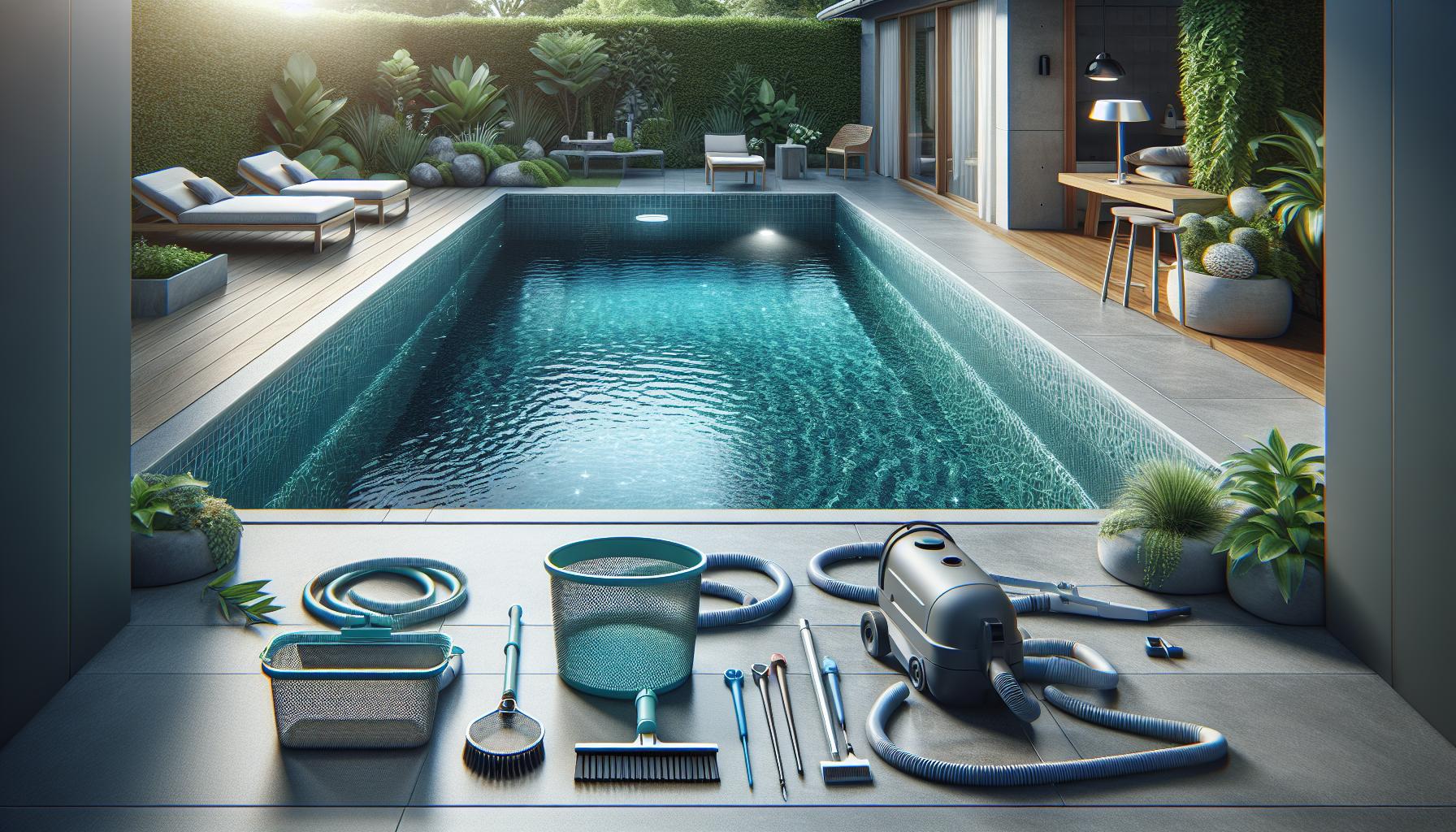
Understanding Fiberglass Pool Lifespan
Understanding the lifespan of fiberglass pools is essential for any homeowner considering this investment. Generally, fiberglass pools are designed to last 25 years or more, with many installations remaining intact for several decades when properly maintained. This impressive longevity is attributed to the materials used and the construction techniques implemented during manufacturing. Unlike concrete pools, which can suffer from cracking and require regular resurfacing, fiberglass pools maintain their structural integrity and aesthetic appeal, reducing the likelihood of costly repairs down the road.
Several factors contribute to the durability of fiberglass pools. Firstly, the production process involves creating a strong composite material that can endure various environmental conditions, including extreme temperatures and heavy rainfall. Additionally, the smooth, non-porous surface of fiberglass is resistant to algae growth, making it easier to clean and maintain. This resistance not only simplifies upkeep but also enhances the pool’s overall lifespan. Homeowners should be aware that regular maintenance, such as checking water chemistry and ensuring proper filtration, plays a significant role in extending the life of their fiberglass pool.
To maximize the longevity of a fiberglass pool, consider implementing the following actionable maintenance steps:
- Regular Water Testing: Test your pool water weekly to ensure pH and chlorine levels are balanced. This helps prevent damage to the pool surface and equipment.
- Routine Cleaning: Use a soft pool brush and vacuum regularly to remove debris and prevent staining.
- Inspect For Damage: Periodically check for cracks or signs of delamination. Early detection allows for timely repairs, preventing more significant problems.
- Maintain Water Levels: Ensure water levels are adequate, as low water can lead to structural stress on the pool walls.
Fiberglass pools also have the advantage of requiring less frequent major maintenance tasks than their concrete or vinyl counterparts, making them an attractive option for busy homeowners. Understanding these elements can help you make informed decisions regarding your pool’s care to ensure it remains a source of enjoyment for years to come.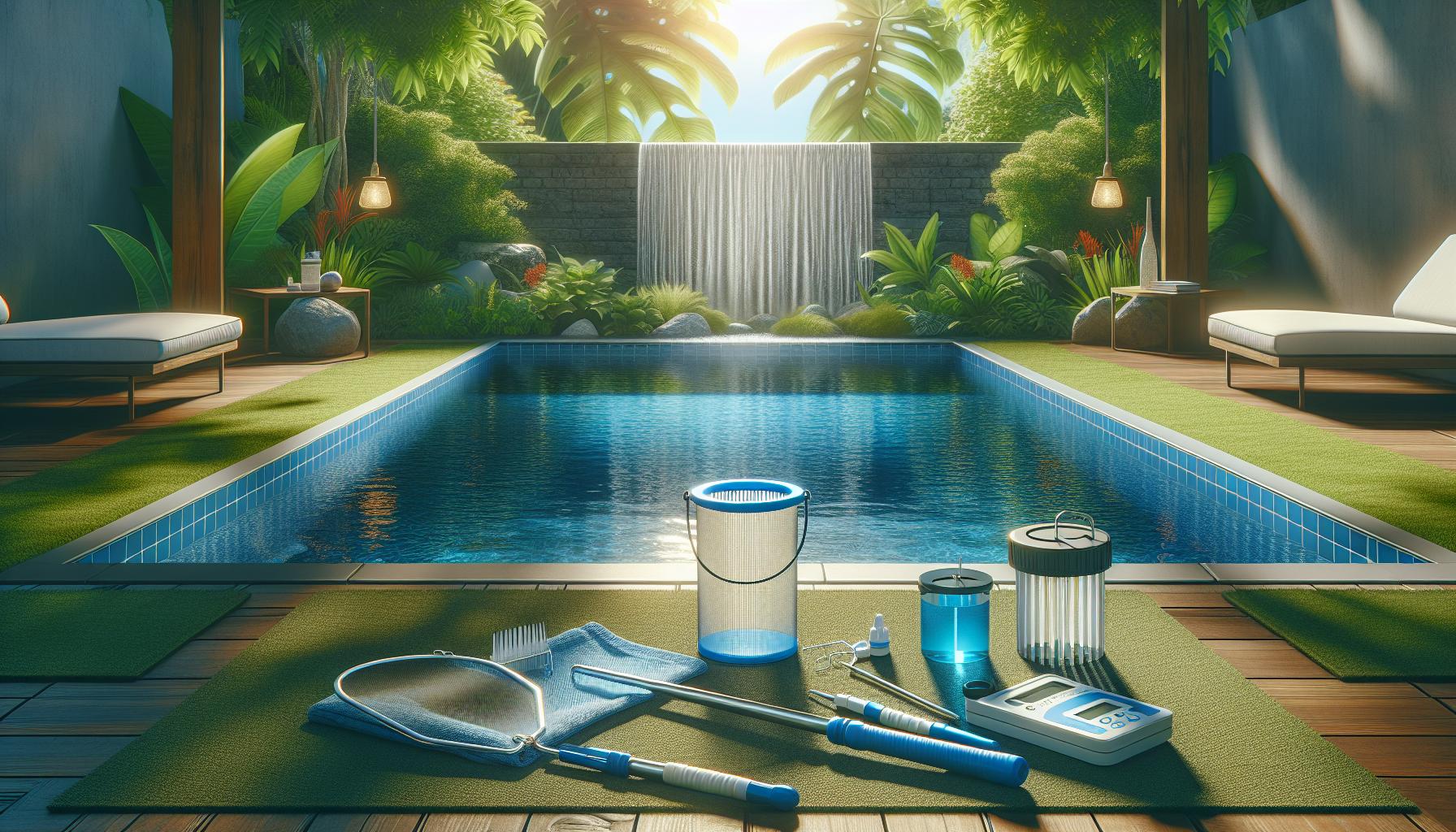
Factors Affecting Durability of Fiberglass Pools
The durability of fiberglass pools is shaped by a variety of factors that collectively contribute to their impressive longevity. One of the primary aspects influencing durability is the quality of the materials utilized during the manufacturing process. High-quality fiberglass, reinforced with a robust composite matrix, can withstand extreme weather conditions, such as intense heat, heavy rainfall, and even freezing temperatures. This resilience makes fiberglass pools a popular choice for homeowners across diverse climates.
Another crucial factor is the pool’s surface. The smooth, non-porous surfaces of fiberglass pools not only resist staining and algae growth but also make maintenance tasks significantly easier. For instance, less algae means less chemical intervention, which can otherwise lead to deterioration of the pool surface over time. Homeowners can further enhance the longevity of their pools by implementing best practices for maintenance, such as maintaining balanced water chemistry and ensuring regular filtration, which helps prevent any build-up that could compromise the pool’s integrity.
To ensure that your fiberglass pool remains in top condition, consider these actionable maintenance strategies:
- Regular Inspections: Frequently check the pool structure for any signs of wear, including superficial scratches or signs of cracking. Early identification can save costly repairs later.
- Consistent Water Balance: Test your pool’s water chemistry weekly to prevent corrosive damage. Proper pH levels play a critical role in protecting the pool’s surface.
- Proper Winterization: If you live in an area susceptible to freezing temperatures, it’s essential to winterize your pool correctly to avoid damage caused by ice expansion.
- Routine Cleaning: Employ a soft-bristle brush and a vacuum designed for fiberglass to clean your pool. Regular maintenance of the pool’s surface helps maintain its aesthetic appeal and prevents rough spots.
By addressing these key elements, homeowners can effectively prolong the life of their fiberglass pools while enjoying the many benefits they offer, such as lower maintenance needs compared to alternative pool types like concrete or vinyl. With proactive care and attention, a fiberglass pool can provide a refreshing oasis for years to come.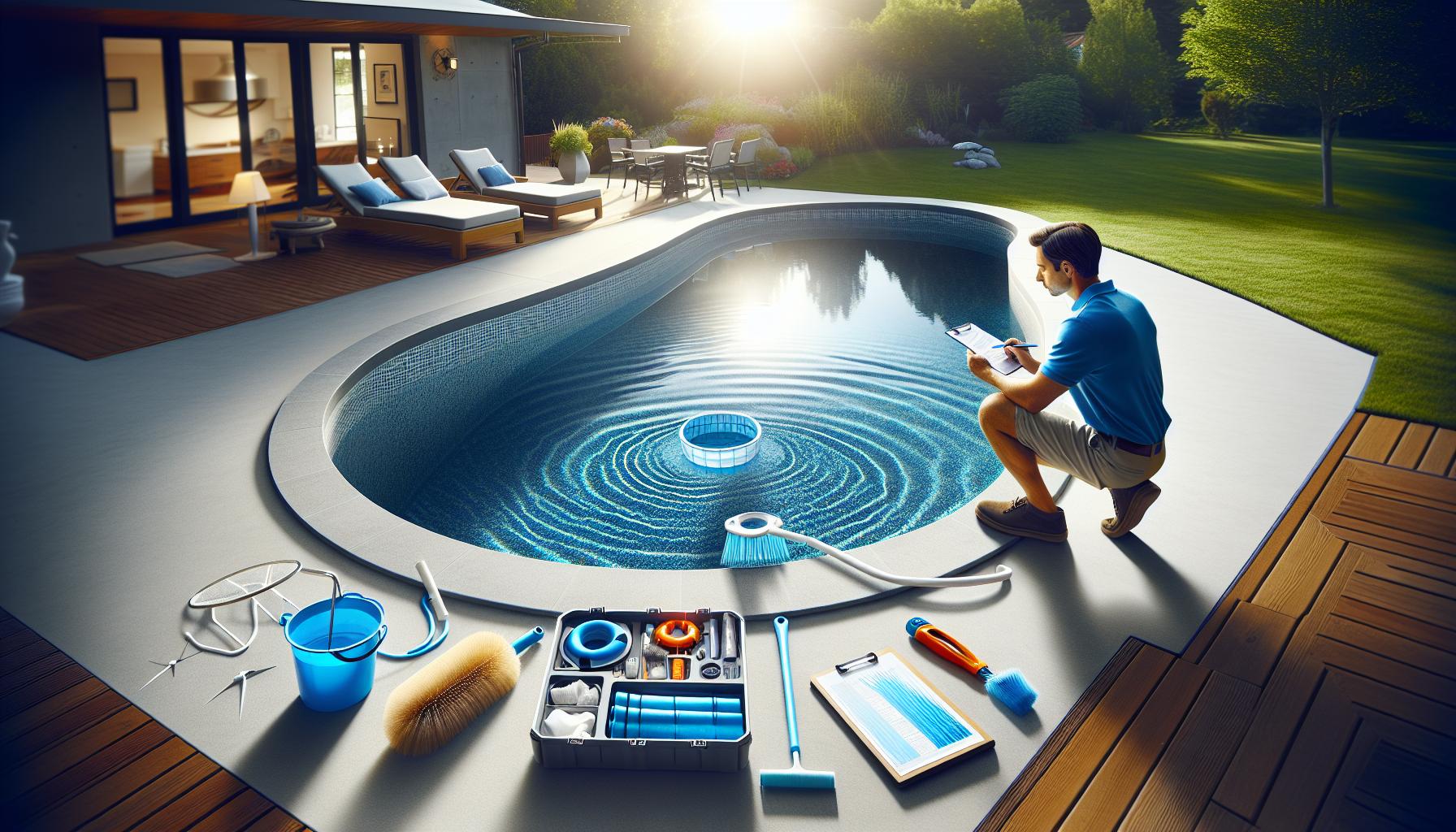
Maintenance Tips for Extended Pool Life
To maximize the lifespan and enjoyment of your fiberglass pool, consistent maintenance is essential. By adopting a proactive approach, you can safeguard against common issues, ensuring your pool remains a pristine oasis for leisure and relaxation. Here are several practical maintenance tips that can help extend the life of your fiberglass pool while also enhancing its appearance and function.
Regular Inspections
Conducting routine inspections can significantly prevent unexpected damages. Check for superficial scratches, cracks, or any signs of deterioration. Pay special attention to the steps and corners, as these areas commonly experience wear and tear. Early detection of minor issues can save homeowners from costly repairs down the line.
Water Chemistry Balance
Maintaining balanced water chemistry is crucial in protecting the surface of your fiberglass pool. Aim to test your pool’s water weekly, focusing on pH, total alkalinity, and chlorine levels. Proper pH levels (ideally between 7.4 and 7.6) help preserve the integrity of the pool’s surface and prevent corrosion. If you notice fluctuations, utilize appropriate chemicals to stabilize the levels.
Proper Cleaning Techniques
Cleaning your fiberglass pool regularly is integral to its longevity. Use a soft-bristle brush or a microfiber cloth to gently scrub the pool’s surface to avoid scratches. Employ a vacuum specifically designed for fiberglass pools to efficiently remove dirt and debris. Aim for a cleaning schedule that fits your pool usage-this could be weekly or bi-weekly during peak seasons.
Winterization Procedure
For regions affected by harsh winters, proper winterization is vital. Lower the water level below the skimmer, clear all debris from the pool, and cover it with a high-quality pool cover to minimize the impact of winter weather. Additionally, use winterizing chemicals to prevent algae growth and corrosion during the off-season.
Routine Equipment Maintenance
Your pool’s equipment, like filters and pumps, plays a critical role in maintaining clean water and overall pool health. Regularly clean or replace filters as needed, and ensure that your pump circulates water efficiently. Have a professional service your equipment semi-annually to address any mechanical issues promptly.
Implementing these straightforward yet effective maintenance practices allows pool owners to enjoy their fiberglass pools for many years. By staying vigilant and addressing small concerns before they grow, you not only enhance your pool’s lifespan but also ensure it remains a welcoming and enjoyable part of your home.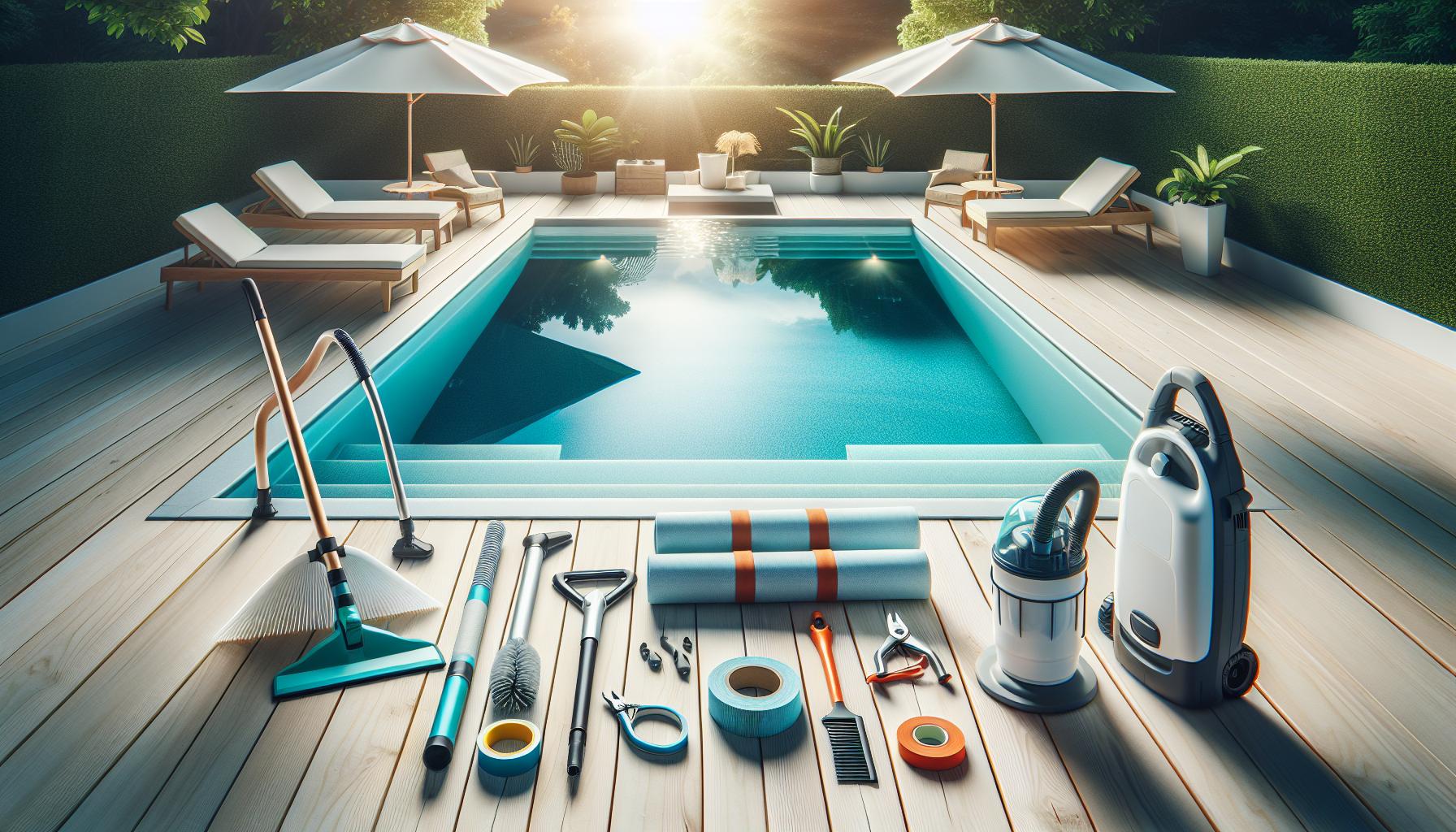
Signs Your Fiberglass Pool Needs Repair
Regular maintenance and vigilant observation are your best defenses against issues that can compromise the lifespan of your fiberglass pool. However, even the most well-maintained pools can exhibit signs of wear and tear over time. Recognizing these signs early can save you from more costly repairs down the line and help keep your pool a tranquil retreat for years to come.
One clear sign of potential problems is visible damage to the pool’s surface. Look for cracks, chips, or discoloration, especially around the perimeter and steps, where impacts or wear often occur. These blemishes not only detract from the aesthetic appeal of your pool but can also lead to further deterioration if not promptly addressed. If you notice segments of the fiberglass surface feeling rough or uneven, this could indicate delamination, where the gel coat is separating from the fiberglass underneath. Repairing these issues early is crucial to maintaining the integrity of your pool.
Another indicator that your fiberglass pool may need attention is water leaks. If you find yourself adding water more frequently than usual or noticing a sudden drop in water levels, it could mean water is seeping through a crack or gap in the structure. You can perform a bucket test to confirm: place a bucket filled with water on the pool steps and mark the water level inside the bucket and on the outside. If the pool water level drops more than the water in the bucket, it’s time to investigate further.
Additionally, examine the pool’s equipment and plumbing for signs of malfunction. A malfunctioning filter, for instance, can lead to water quality issues and contribute to algae growth, which can harm the integrity of your pool surface. Listen for unusual noises coming from the pump or filtration system, and watch for frequent cycling of the pump, which may indicate blockages or inefficiencies. Regularly check the pressure gauge on your filter; if it consistently reads higher than normal, it might be time for a professional inspection.
In summary, maintaining awareness of the conditions of your fiberglass pool and addressing issues as they arise will ensure a longer, healthier lifespan for your investment. If you notice these signs-surface damage, unexpected water loss, or equipment malfunctions-don’t hesitate to reach out to a professional for a thorough inspection and repair service. Your proactive approach to pool care can make all the difference in enjoying your fiberglass oasis for years to come.
Common Myths About Fiberglass Pool Longevity
Many misconceptions exist about the longevity and maintenance of fiberglass pools, which can lead to an underappreciation for their durability as a pool choice. One common myth is that fiberglass pools are prone to cracking and do not last as long as other materials like vinyl or concrete. In reality, when properly maintained, fiberglass pools can have a lifespan of 25-30 years or more. The flexibility and strength of fiberglass make it inherently resistant to the cracking and warping often seen in concrete structures, particularly in areas with varying temperature and soil conditions.
Maintenance Myths
Another prevalent misunderstanding is that fiberglass pools require little to no maintenance due to their smooth and non-porous surfaces. While it’s true that fiberglass is easier to maintain than other materials, it still requires regular care to extend its life. Weekly cleaning to remove debris, regular water chemistry checks, and occasional inspections for surface damage are essential to prevent minor issues from escalating. The gel coating can dull over time, necessitating polishing or resurfacing every few years, which many owners overlook.
Costs vs. Longevity
Some believe that the initial cost of fiberglass pools is too high compared to vinyl or above-ground options, making them a poor investment. However, considering the long lifespan and low maintenance costs associated with fiberglass, it can be misleading to focus merely on upfront expenses. Over time, the longevity and durability of fiberglass can actually lead to savings, as they require fewer repairs and replacements than other types of pools that may need more frequent attention.
By debunking these myths and understanding the true nature of fiberglass pool longevity and maintenance, pool owners can make informed decisions, ensuring their investment lasts for decades. Taking proactive steps-like regular inspections, proper cleaning, and timely repairs-can safeguard against potential issues and enhance enjoyment of your pool for many summers to come.
The Impact of Climate on Pool Durability
The longevity and durability of fiberglass pools can be significantly influenced by the climate in which they are installed. Factors such as temperature fluctuations, humidity, and exposure to harsh weather conditions play a crucial role in determining how well a fiberglass pool will hold up over time. For instance, areas with extreme temperature variations can challenge the resilience of the pool material. Fiberglass is designed to flex and adapt; however, prolonged exposure to freezing temperatures can lead to issues if not properly maintained.
Temperature Extremes
In regions where temperatures can soar during the summer and dip dramatically in winter, fiberglass pools may benefit from additional insulation or protective coverings in colder months to minimize thermal expansion and contraction. This proactive approach helps mitigate the risks associated with ice formation, which can potentially cause surface damage. For those in hotter climates, installing shade structures or utilizing pool covers during exceptionally sunny days can help prevent overheating and fading of the gel coat, ensuring that the pool remains vibrant and intact.
Humidity and Moisture
High humidity levels can attract a variety of organic materials that can adhere to the pool surface, leading to algae growth if not adequately addressed. Therefore, regular chemical balancing and cleaning routines become essential. Ensure proper circulation and filtration systems are in place to combat stagnant water, particularly in tropical or subtropical climates where moisture is prevalent. Additionally, maintaining water levels can prevent excessive exposure of the sides of the pool to air, which can lead to oxidation over time.
Implementing these climate-specific strategies is key to maximizing the lifespan of a fiberglass pool. By monitoring environmental factors and taking the necessary steps to safeguard against them, owners can enjoy their pools for many years without significant repairs or issues. Understanding the interplay between fiberglass materials and their climatic conditions empowers pool owners to make informed choices, ensuring that their fiberglass pool remains a cherished asset for decades to come.
Cost-Effective Solutions for Long-Lasting Pools
Cost-effective solutions for maintaining the longevity of fiberglass pools can save pool owners both time and money, ensuring a safe and enjoyable swimming experience for years to come. Investing in routine maintenance and strategic upgrades not only enhances the lifespan of the pool but also improves its aesthetics and performance. Here are actionable steps and solutions to consider.
Routine Maintenance Essentials
Regular maintenance is the cornerstone of a long-lasting fiberglass pool. Maintaining the chemical balance of the water is crucial; it prevents algae growth and keeps the pool surface clean. Establish a weekly routine that includes:
- Testing water pH and chlorine levels.
- Brushing the walls and floor to remove any debris or algae.
- Vacuuming the pool to keep it free from contaminants.
Proper filtration is equally important. Ensure that the filtration system is running efficiently and clean or replace filters regularly to maintain optimal water clarity and sanitation.
Invest in Quality Pool Covers
Using a pool cover is a highly effective way to protect your fiberglass pool from debris, harsh weather, and UV exposure. A well-fitted cover minimizes the need for frequent cleaning and reduces chemical usage, ultimately conserving both resources and effort. When not in use, particularly during the off-season, consider a high-quality thermal blanket to help retain heat and reduce energy costs.
Upgrade Pool Components
Investing in energy-efficient pumps, heaters, and lighting can significantly reduce operational costs while enhancing the pool’s functionality. Modern variable-speed pumps are designed to be more energy-efficient than traditional models, saving on electricity costs and extending pump lifespan through reduced wear and tear.
Additionally, consider upgrading to LED lighting, which not only lasts longer but also uses significantly less energy compared to conventional pool lights. This upgrade not only provides better illumination but also enhances the aesthetic appeal of the pool area during evening hours.
Address Repairs Early
Promptly addressing any signs of wear or damage is essential to preventing further deterioration. Regular inspections can help identify small cracks or changes in the pool surface, allowing for timely repairs. Using appropriate resin kits for fiberglass repairs can be a cost-effective solution for minor damages, preventing extensive (and expensive) repairs down the line. Always consult a professional if you notice significant structural issues.
By implementing these cost-effective solutions, fiberglass pool owners can ensure their investments remain resilient against wear and environmental factors. Proactive maintenance, strategic upgrades, and timely repairs not only enhance the pool’s longevity but also ensure a safe and enjoyable environment for family and friends.
Upgrades and Improvements for Fiberglass Pools
Investing in can significantly enhance durability, aesthetics, and functionality, ultimately contributing to a longer lifespan. Various enhancements not only elevate the visual appeal of your pool but also offer practical benefits tailored to your usage patterns and environmental conditions. Here are some strategic upgrades to consider.
Upgrading the filtration system is one of the most impactful decisions you can make. Consider switching to a variable-speed pump, which operates more efficiently than traditional pumps. This type of pump consumes less energy, reducing your overall electricity costs while ensuring optimal circulation and filtration of the pool water. Additionally, integrating a sand filter or a cartridge filter can enhance the removal of debris and contaminants, promoting cleaner water and reducing wear on your pool surfaces.
Advanced Heating Solutions
If you enjoy swimming year-round, incorporating a high-efficiency pool heater can elevate your experience. Upgrading to a heat pump is a great option, as it uses ambient air to heat the water, making it an energy-efficient alternative to traditional gas heaters. Not only will this maintain a comfortable swimming temperature during cooler months, but it can also extend the swimming season, allowing for more family enjoyment.
Smart Technology Integration
Consider integrating smart technology into your pool maintenance routine. Automated pool cleaning systems can save you time while ensuring that debris is consistently removed from the pool. Smart controllers can monitor chemical levels, water temperature, and pump operation status remotely, allowing you to address issues promptly without needing to be on-site. This not only allows for optimal pool health but ensures you can maintain a safe swimming environment with minimal effort.
Incorporating aesthetic and safety improvements, such as LED lighting, can transform your pool area into an evening oasis. LED lights consume less energy, last longer, and can create stunning lighting effects that enhance both safety and ambiance. Additionally, adding features like non-slip surfaces around the pool and safety fencing can provide peace of mind and protect family members, especially young children or pets, from accidents.
By strategically investing in these upgrades, fiberglass pool owners can ensure a more enjoyable, efficient, and safer swimming experience. These enhancements not only improve longevity but also contribute to the pool’s overall value, making it a cherished asset for years to come.
Professional vs. DIY Maintenance: What You Need to Know
Fiberglass pools are known for their durability and low maintenance, but even the best of them require regular upkeep. Many pool owners grapple with the decision of whether to handle maintenance on their own or to hire professionals. Each approach has its benefits and drawbacks, and understanding these can help you make informed decisions for your fiberglass pool.
Taking a DIY approach can be both cost-effective and empowering. By performing routine tasks like cleaning skimmer baskets, checking chemical levels, and vacuuming the pool yourself, you’ll not only save on service fees but also gain a deeper knowledge of your pool’s specific needs. Routine tasks can be completed with essential tools like a pool skimmer, vacuum, and test kits, allowing you to maintain a clean and welcoming swimming environment. For instance, checking the pH and chlorine levels weekly is crucial for water safety, and adjusting them yourself helps you learn how different factors, like weather changes, impact pool chemistry.
However, there are times when professional help might be the best option. Complex issues like equipment malfunctions, significant algae blooms, or structural concerns warrant the skills and expertise of a trained technician. Professionals come equipped with advanced tools and knowledge to diagnose and solve issues swiftly, preventing minor problems from becoming major headaches. If a specialized repair or service is required, such as fixing plumbing leaks or maintaining your filtration system, enlisting a professional ensures the job is done correctly and safely.
Ultimately, a balanced approach may serve you best. Handling basic maintenance tasks yourself while relying on professionals for major repairs or routine seasonal services can optimize your pool’s longevity. Maintaining a log of your maintenance activities can also be valuable, creating a clear picture of your pool’s health over time and aiding both DIY and professional efforts. Emphasizing both self-sufficiency and expert assistance will ensure your fiberglass pool remains a cherished asset for years to come.
Real-Life Testimonials on Fiberglass Pool Lifespan
Many fiberglass pool owners report impressive longevity, often exceeding 25 years with proper maintenance. One homeowner, Lisa from Arizona, shares, “Our fiberglass pool has been a part of our backyard for nearly two decades, and it looks as vibrant as it did the day it was installed. A little routine care goes a long way!” Stories like hers highlight a key advantage of fiberglass: resistance to fading and surface wear compared to other materials, which can degrade more quickly due to UV exposure and water chemistry fluctuations.
The experiences of owners also reveal how climate impacts longevity. Mark, a pool owner in Florida, shares, “Hurricane season puts our pool to the test, but because it’s fiberglass, we face minimal issues afterward. Unlike our previous vinyl pool, this one withstands extreme weather without major repairs required.” This resilience is significant, as fiberglass pools are designed to endure harsh environmental conditions, making them ideal for regions prone to severe weather.
However, even the most durable pools are not invulnerable. A recent survey indicated that the most common issues arise from neglectful maintenance. “The first five years were a breeze, but once I stopped keeping up with cleaning and chemical checks, I noticed small cracks forming,” reflects James, a fiberglass pool owner from Texas. This underscores the importance of regular maintenance, such as checking pH and sanitizer levels weekly, to prevent premature wear and ensure a long lifespan.
Testimonials continually emphasize the peace of mind that comes with fiberglass pools. Many owners appreciate not only the durability but also the low maintenance needs. “I love that I can spend my time relaxing and enjoying my pool instead of worrying about it,” says Karen, reflecting a sentiment shared by many. For those considering a fiberglass pool, ensuring regular care will contribute significantly to longevity, ultimately rewarding them with years of enjoyment.
Future Trends in Fiberglass Pool Technology
As the demand for fiberglass pools continues to rise, innovative technologies are refining their design and functionality, enhancing longevity and user experience. Recent advancements focus on improving durability, energy efficiency, and overall aesthetics, ensuring that fiberglass pools not only meet but exceed the expectations of today’s homeowners. One exciting development is the integration of Eco-Friendly Resins. These materials are designed to reduce the environmental impact during the manufacturing process while maintaining the strength and flexibility of traditional resins. This shift not only supports sustainable practices but also contributes to longer-lasting pool structures that resist fading and chemical damage.
Emerging technologies also emphasize enhanced Smart Pool Systems. These systems utilize smart sensors and automation to monitor water chemistry, temperature, and circulation in real-time. Homeowners can receive alerts on their smartphones regarding maintenance needs or potential issues, allowing them to act promptly and prevent significant repairs. This level of connectivity not only encourages proactive maintenance but also provides peace of mind, knowing that their pool’s health is continuously monitored from anywhere.
Stylish Innovations in Design
The aesthetic appeal of fiberglass pools is also being transformed through advanced design techniques. Current trends include the use of high-definition gel coats that mimic the appearance of natural stone or tile, providing an upscale look that adds value to any backyard. Additionally, customizable shapes and sizes are becoming more prevalent, enabling homeowners to design pools that fit their unique landscapes and personal tastes.
Energy Efficiency and Sustainability
Another trend is the integration of energy-efficient heating and filtration systems. By utilizing solar-powered heaters and advanced filtration technology, fiberglass pools can operate more sustainably, lowering energy bills and reducing the carbon footprint. Homeowners can now enjoy their pools while contributing to a healthier environment, making these upgrades not only beneficial for individual enjoyment but also for global sustainability efforts.
In summary, the future of fiberglass pool technology is heading toward greater longevity and efficiency, benefiting owners through innovative materials, smart systems, and stylish designs. Adopting these advancements will ensure that fiberglass pools remain a worthwhile investment, offering years of enjoyment while requiring less maintenance and providing a visually appealing centerpiece for any outdoor space.
Faq
Q: How long do fiberglass pools typically last?
A: Fiberglass pools can last between 25 to 30 years or more with proper care and maintenance. Their durability outperforms other pool types, such as vinyl and concrete, primarily due to their resistance to algae, chemicals, and extreme weather.
Q: What factors influence the lifespan of fiberglass pools?
A: The lifespan of fiberglass pools can be affected by factors like climate, pool location, maintenance routines, and water chemistry. Regular cleaning and chemical balancing are crucial for optimal durability.
Q: Are fiberglass pools prone to cracking?
A: While fiberglass pools are designed to be durable, they can crack if subject to extreme temperature changes or ground shifting. Regular inspections and prompt repairs can address minor surface issues before they escalate.
Q: How often should fiberglass pools be resurfaced or repaired?
A: Fiberglass pools typically do not require resurfacing like concrete pools. However, minor repairs or gel coat refinishing may be needed every 10 to 15 years to maintain appearance and prevent fading or wear.
Q: Can weather affect the longevity of fiberglass pools?
A: Yes, extreme weather conditions, such as freezing temperatures or excessive heat, can impact fiberglass pools. It’s essential to take preventive measures, like winterizing your pool properly, to extend its lifespan.
Q: What maintenance tasks should be performed to extend the life of a fiberglass pool?
A: Regular maintenance tasks include cleaning the pool surface, checking and balancing water chemistry, and inspecting for wear and tear. This keeps the pool in excellent condition and helps avoid costly repairs.
Q: How do fiberglass pools compare to concrete pools in terms of longevity?
A: Fiberglass pools generally have a longer lifespan than concrete pools due to their structural makeup and lower maintenance needs. Concrete pools may require resurfacing every 5 to 10 years, while fiberglass pools often last without this necessity.
Q: What are signs that my fiberglass pool needs repairs?
A: Signs your fiberglass pool may need repairs include visible cracks, fading gel coat, stains, water loss, or blistering surfaces. Addressing these issues early can prevent more significant damage and extend your pool’s lifespan.
Future Outlook
In summary, fiberglass pools are designed for long-lasting durability and require minimal maintenance, making them a fantastic investment for your backyard oasis. If you’re considering making the leap, remember that regular care can enhance their lifespan and keep them looking pristine. For more insights on maintaining your fiberglass pool, check out our guides on essential pool care tips and the best cleaning products.
Ready to transform your outdoor space? Explore our range of fiberglass pool designs and get expert consultations to find the perfect fit for your lifestyle. Have questions or concerns? Don’t hesitate to leave a comment below, and share your thoughts with fellow pool enthusiasts. Your dream pool awaits-take the plunge today! And for ongoing tips and updates, subscribe to our newsletter for the latest in pool ownership and maintenance.


