Installing an above ground pool liner is a crucial step in creating your perfect backyard oasis. Did you know that a properly installed liner not only enhances your pool’s aesthetic appeal but also plays a vital role in preventing costly leaks and damages? For many pool owners, the thought of installation can be daunting, but equipping yourself with the right knowledge can transform this challenge into an enjoyable DIY project.
Understanding the proper techniques and tools needed for installation will empower you to achieve a professional-looking finish while saving you time and money. As you navigate this guide, you’ll discover that with careful preparation and following systematic steps, you can ensure your pool is ready for countless hours of summer fun. Dive into the details with us and unlock the secret to successful liner installation!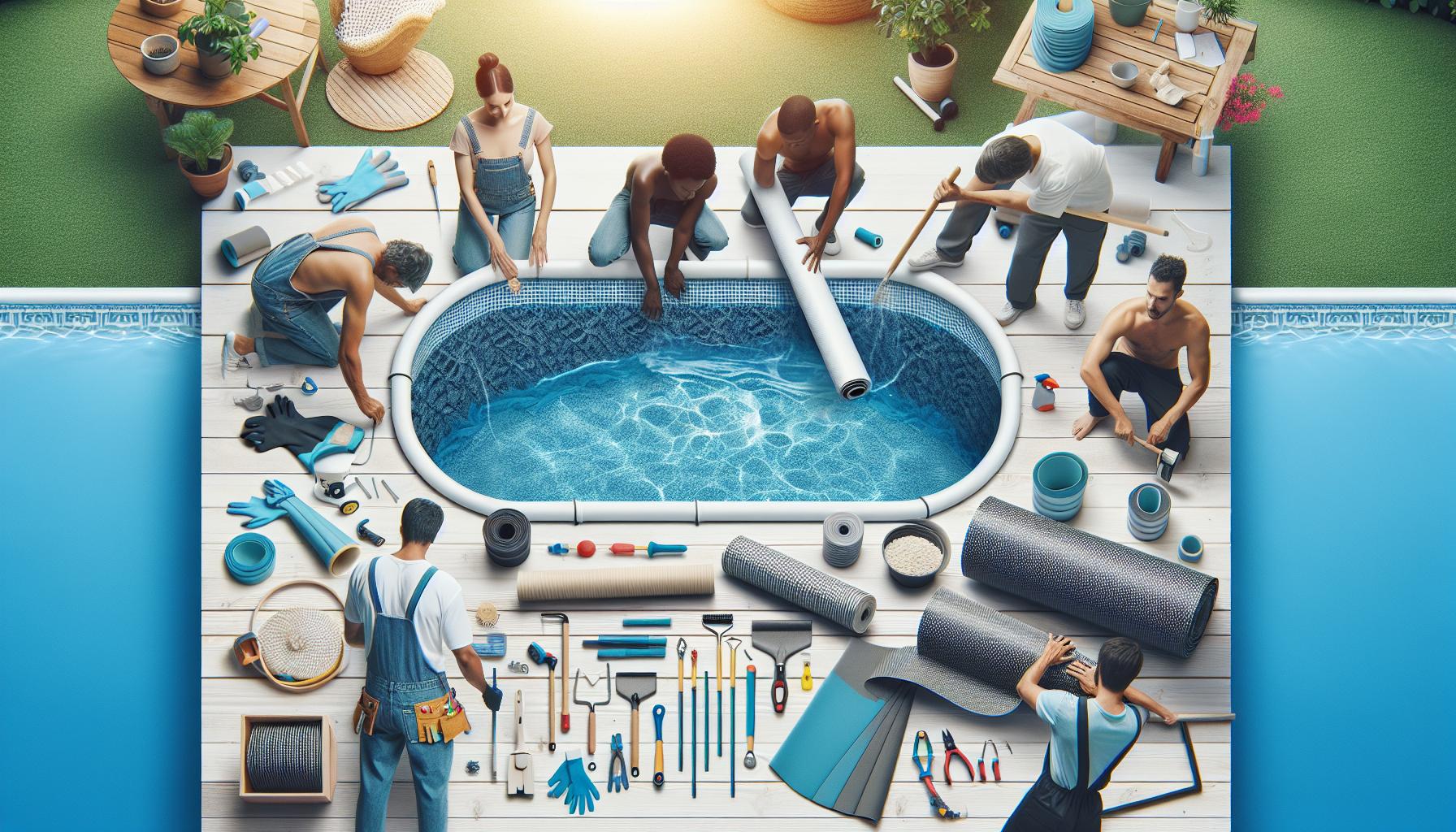
Choosing the Right Above Ground Pool Liner
Choosing the right liner for your above ground pool is crucial not only for aesthetics but also for functionality and longevity. With various materials and designs available, making informed decisions can seem overwhelming. High-quality liners can enhance your pool’s durability and help maintain water clarity while adding personal flair to your outdoor space.
When selecting a liner, consider the material first. Common options include standard vinyl, which is sturdy and affordable, and painted or printed designs that can add a splash of color or a unique pattern. Look for a thickness that balances durability with flexibility; typically, a thickness of 20 mil or more is recommended to withstand tears and punctures. Additionally, consider the pattern and color that best complement your backyard-whether it’s a classic blue mosaic or a more modern stone look.
Another critical aspect is the fit of the liner. Ensure that it matches your specific pool shape and size to prevent any structural issues during installation. Many manufacturers offer custom options to ensure a perfect fit. A well-fitted liner contributes to a seamless aesthetic and can prevent potential leaks that might arise from improper sizing.
To summarize, invest time in researching the various choices available. Your decision impacts not just the look of your pool but also the ease of maintenance and overall enjoyment throughout the season. Considerations like compatibility, durability, and design will lead to a successful choice that enhances your swimming experience.
Essential Tools Needed for DIY Installation
When preparing to install a new liner for your above-ground pool, having the right tools at your disposal is essential for a successful and efficient process. A well-equipped toolbox not only simplifies the installation but also enhances safety, ensuring that everything runs smoothly from start to finish. Investing in the proper tools will save time and frustration during this DIY project, making it possible to enjoy a pristine pool all summer long.
To get started, gather these essential tools:
- Utility Knife: A sharp utility knife is crucial for trimming the liner to the correct size, allowing for clean cuts that prevent tears.
- Measuring Tape: Accurate measurements are vital when preparing your pool for a new liner. A sturdy measuring tape will help ensure that the liner fits perfectly.
- Level: Utilizing a level ensures that your pool walls are straight and will help position the liner evenly, reducing the risk of wrinkles and other installation issues.
- Shop Vacuum: A shop vacuum can be invaluable for removing debris from the pool before installing the new liner and for pulling the liner tight during installation.
- Adhesive (if required): Some liners may require adhesive to secure the edges properly. Be sure to select the appropriate type for your liner material.
- Decking Level Tools: If your pool has a deck, having leveling tools on hand can help ensure that both the deck and the liner maintain consistent height.
- Gloves: A good pair of gloves will protect your hands from cuts while handling sharp tools or the liner material itself.
With these tools organized and ready, you’ll be well-equipped for the installation process. Remember, it’s always better to double-check your inventory before starting. Having everything at your fingertips minimizes interruptions, allowing you to focus on creating that perfect swimming oasis in your backyard. By preparing adequately and ensuring you have the necessary equipment, you can tackle the installation with confidence, turning your pool dreams into reality.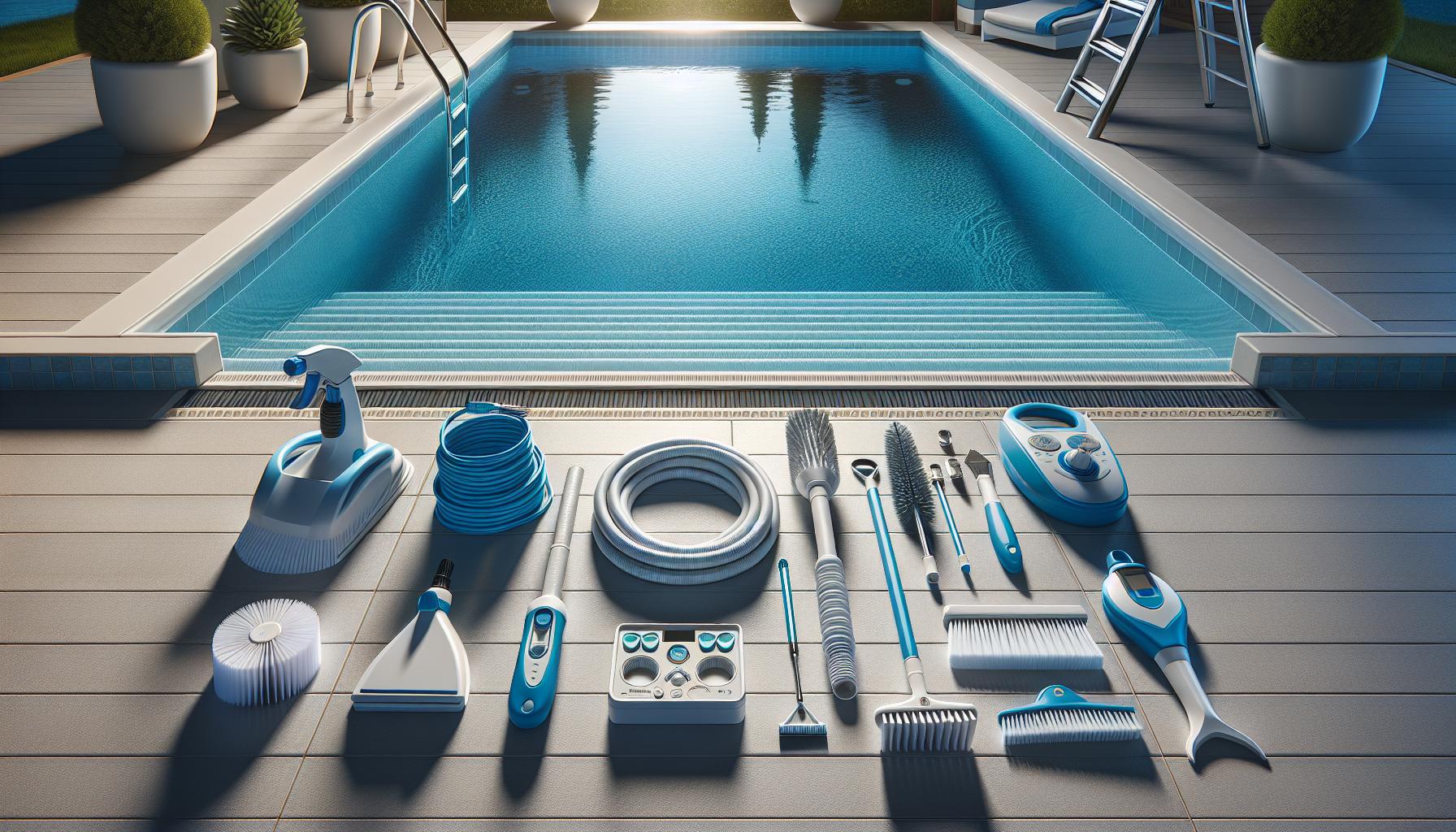
Step-by-Step Guide to Removing Your Old Liner
Removing your old liner is a crucial first step in revitalizing your above-ground pool. A worn or damaged liner not only detracts from your pool’s appearance but can also lead to leaks and structural issues. By following this systematic approach, you can efficiently remove the old liner and prepare for a fresh new installation, ensuring a safe and enjoyable swimming experience.
Start by completely draining your pool. Use a submersible pump to remove all water. This will allow you to work on the liner without worrying about water seeping through. Once the pool is empty, inspect the interior for any debris, which you can easily remove with a broom or shop vacuum. Preparation is key-ensuring a clean workspace will make the removal process smoother.
Next, it’s time to cut the old liner out. Begin at the top edge of the liner, where it overlaps the pool wall. Using a utility knife, carefully cut along the seam, taking care not to damage the pool wall underneath. As you cut, it may be helpful to have a friend assist you by pulling the liner away from the wall, which will prevent unnecessary tearing. Work your way around the pool, cutting sections as you go. After the liner is cut, you can peel it away from the walls and floor, making sure to remove any attached pieces of foam or insulation that might also need replacing.
Finally, after the liner is removed, take this opportunity to inspect the pool walls and floor for any damage or areas that require repair. Clean the surfaces thoroughly and check the track edge (where the liner rests) for any corrosion or issues. This will ensure that your new liner will adhere properly and last longer. Once you’ve completed these steps, your pool will be primed and ready for a new liner installation, setting the stage for a beautifully refreshed swimming area.
Preparing Your Pool: Cleaning and Inspecting
Preparing your above-ground pool for a new liner involves more than just removing the old one; it’s an opportunity to ensure that your pool structure is clean and in optimal condition. Effective cleaning and thorough inspection are crucial steps that set the stage for a successful installation and extend the life of your new liner. A clean and well-maintained pool interior not only enhances aesthetics but significantly minimizes the risk of future leaks and structural damage.
Start by meticulously cleaning the pool’s interior surfaces, paying special attention to the walls and floor. After draining the water, utilize a broom, hose, or shop vacuum to eliminate debris such as leaves, dirt, or algae. If your pool sits in a heavily shaded area, watch for mold and mildew that can develop over time. A mixture of chlorine bleach and water can effectively kill these pathogens-just ensure you rinse thoroughly afterward to avoid any chemical residue that could damage your new liner.
Once the pool is clean, it’s imperative to inspect the structure for cracks, rust spots, or any signs of wear. Check the pool walls, bottom, and especially the track where the liner fits. Look for any protrusions or sharp edges, as these can cause tears in the new liner. If you find any issues, such as rust or holes, consider using specialized pool repair kits or touch-up paint for metal walls to ensure the area remains watertight. Repairing these spots now can save you from costly repairs later on.
To make it easier to see any remaining imperfections, consider using a bright light or shining a flashlight along the walls and floor. This method can reveal areas that require further cleaning or repairing that might not be apparent in normal daylight. Once the inspection and cleaning are complete, your pool will be in a prime state for the new liner, ensuring a smooth installation and a refreshing swimming environment for years to come.
How to Measure Your Pool for the New Liner
Measuring your above-ground pool accurately is a critical step in ensuring your new liner fits perfectly. An ill-fitting liner can lead to unsightly wrinkles and, worse yet, leaks that compromise the integrity of your pool. Begin your measurement process by gathering essential tools – a flexible tape measure, a notebook for recording measurements, and a helper to hold the measuring tape if needed.
First, measure the diameter of the pool if it’s round, or the length and width if it’s oval or rectangular. To measure the diameter, place one end of the tape measure at the top edge of the pool’s wall and extend it to the opposite side, ensuring you measure across the center of the pool. For oval or rectangular pools, measure from one side to the other width-wise, and then repeat for the length. Write down these dimensions carefully, as they will determine the size of the liner you need.
Measuring Depth
Next, you’ll need to get the pool’s depth measurements. This step is crucial, particularly because many pools have a varying depth. Use the tape measure to measure from the top edge of the pool’s wall down to the bottom in several locations to ensure consistency. The deepest point is usually in the center, but it’s a good idea to check all areas. Record the measurements, noting where the deepest area is located.
Taking a Cautionary Approach
Various factors can influence your measurements, such as changes in your pool’s layout, the condition of the walls, or settling over time. Make sure to check for any deformations in the wall that could affect the liner’s fit and note those anomalies. If you find jagged edges, make repairs now to prevent future issues with your new liner.
Once you have all measurements documented, double-check them before ordering your liner. Consider consulting the manufacturer’s specifications, as they may require specific dimensions to ensure the best fit. With precise measurements in hand, you are now well-prepared to select and install the perfect liner for your above-ground pool, setting the stage for a fresh, clean swimming season ahead.
Best Practices for Installing the New Liner
Carefully installing your new above-ground pool liner can determine the overall success in achieving a smoothly functioning pool. Using the right techniques and best practices minimizes future issues and enhances the longevity of your investment. Begin by ensuring that your work area is clear and that you can move freely around the pool. This will allow you to handle the liner with ease and avoid snagging or damaging it during installation.
Before laying down the new liner, it’s essential to prepare the bottom of the pool. Remove any debris, sharp objects, or rough spots that could puncture the liner. A smooth, clean surface not only provides better support but also prolongs the life of the liner. Consider using a layer of sand or a specialized pool bottom material to create a leveled base that will cushion the liner. As you spread the material, avoid creating hills or valleys; a uniform surface helps distribute water evenly when the pool is filled.
When it’s time to place the liner, unroll it gently and avoid stretching it too much. Start from one side and gradually work your way across the pool. A common practice is to partially fill the pool with a few inches of water to hold the liner in place while you adjust and smooth it out. Use your hands to push out any wrinkles by moving the liner from the center towards the edges. This method keeps the liner taut, significantly reducing the likelihood of folds or creases that can develop over time.
Once the liner is in place and filled, it’s crucial to check how it interacts with the wall. Occasionally, it may be necessary to make minor adjustments as you fill the pool to maintain a nice, tight appearance. Keep in mind that the liner will stretch slightly, so starting with a snug fit – but not overly tight – is important. Regular monitoring during this process guarantees that everything aligns well and sets up for a successful filling session.
In summary, ensuring that you follow these best practices when installing your above-ground pool liner will lead to a secure, visually appealing result. Taking the time to prepare adequately, smooth out the installation, and monitor adjustments provides peace of mind, allowing you to enjoy your pool with confidence.
Fixing Common Installation Mistakes
Installing an above-ground pool liner can be a delicate process, and even seasoned DIYers can encounter common pitfalls. One of the most frequent mistakes is failing to create a perfectly smooth foundation before laying the liner. If the ground underneath is uneven or contains sharp objects, it can lead to premature wear or punctures. To address this, always inspect the bottom thoroughly and use a layer of sand or pool-specific base materials to create a level playing field. Not only will this enhance the liner’s lifespan, but it will also ensure a more aesthetically pleasing appearance once the pool is filled.
Another common issue arises when adjusting the liner for wrinkles. Many people think that the best way to eliminate wrinkles is to pull and stretch the liner too tightly. However, this can lead to even more wrinkles as the material becomes strained. Instead, strive for a snug fit by laying the liner loosely and filling the pool with a few inches of water. This added weight will help hold the liner in place while you work out wrinkles. Gently pushing the liner from the center toward the edges with your hands will effectively smooth imperfections without the risk of overstretching.
Addressing Misaligned Liners
Occasionally, you may notice that your liner seems misaligned with the pool walls. This can happen if the liner shifts during installation or filling. If you find this problem, don’t panic. Simply drain the pool back to the water level where the liner lies loose, and spend a moment adjusting the liner into place. Once aligned, slowly refill the pool while ensuring that the liner remains smooth and taut. Remember that it’s much easier to correct this during the initial filling than after the pool is fully filled.
Finally, if you’re dealing with air pockets trapped underneath the liner, they can be quite the nuisance. To fix this, carefully puncture the air pocket with a small, sharp object like a utility knife, then use a vacuum to suction out the trapped air. Once the air is removed, the liner will settle properly against the pool walls. Always be cautious to avoid damaging the liner, and consider placing a towel between the liner and your tool to prevent unintentional cuts.
By proactively addressing these common installation mistakes, you can save yourself from future headaches and enjoy your pool to the fullest. Taking the time to ensure a proper installation sets the stage for a hassle-free season of fun and relaxation.
Essential Tips for Trimming and Adjusting the Liner
When it comes to achieving a perfectly fitted above-ground pool liner, precision in trimming and adjusting is key to ensuring longevity and aesthetics. A well-trimmed liner not only enhances the visual appeal of your pool but also functions effectively, providing a tight seal that prevents leaks. Start by allowing your newly installed liner to acclimate to the temperature of your pool environment. This moment of relaxation can help eliminate any initial tension in the material, making adjustments easier later on.
Once you’ve filled your pool with a few inches of water and confirmed the liner is settling properly, time to focus on trimming. Before making any cuts, it’s vital to cut carefully and conservatively. Use a pair of sharp utility scissors or a box cutter, ensuring that you always cut from the outside in. Start by trimming the excess liner at about two inches above the top edge of the coping. This allowance will give you enough material to secure the liner without overstretching it.
Adjusting the Liner for Precision
As you trim, keep an eye on the overall alignment and level of the liner around the pool’s circumference. If you notice discrepancies, adjust the liner by gently pulling up on the material from the bottom while the water fills. This technique employs gravity to your advantage, allowing the liner to settle into the correct position without the hassle of excess strain. It’s a good practice to step back periodically to check the alignment visually and make further adjustments as necessary.
Once you’ve reached the desired fit, use a pool coping or liner beads to secure the edges. This step not only secures the liner, keeping it in place as you continue to fill the pool, but it also adds a polished look to your installation. Aim to position the liner evenly within the coping track, making sure there are no wrinkles or folds that could impact water flow or pressure. This meticulous attention to detail will set the stage for a smoother, more enjoyable swimming experience.
Navigating the trimming and adjustment process may seem daunting, but with a careful approach and attention to detail, you’ll be on your way to enjoying your above-ground pool in no time. By taking it slow and ensuring each step is executed correctly, you will create a foundation that enhances both performance and aesthetics throughout the season.
Securing the Liner: How to Avoid Wrinkles
Ensuring that your pool liner is secure and wrinkle-free is essential for both aesthetics and functionality. An improperly installed liner can detract from the pool’s appearance and lead to potential water leaks or damage over time. To achieve a smooth, wrinkle-free finish, several techniques and best practices can be employed during the installation process.
Start by carefully positioning the liner. As you place it in the pool, make sure to allow it to acclimate to the pool’s temperature. This helps to soften the material and reduces the chances of wrinkles developing. Occasionally, it helps to have a second person assist by holding the liner in place while you secure it. Achieve an even distribution of material by gently pulling the liner taut while avoiding excessive stretching, which can lead to distortion.
Once the liner is in position, it’s critical to monitor how the liner fits against the walls and floor of the pool. As you fill the pool with just a few inches of water, periodically stop to check for wrinkles. If you notice any, carefully work them out by pushing the material toward the wall or floor with a soft, flat tool to ensure minimal stress on the liner. A flat pool brush can be effective for this purpose, as it gently manipulates the liner without risking tears or punctures.
Best Practices for Securing the Liner
- Use a Coping Track: If your pool design allows, utilize coping tracks to secure the liner edges. This not only anchors the liner in place but also helps create a clean transition between the liner and the top edge of the pool.
- Secure in Sections: Avoid securing the entire perimeter at once. Instead, secure the liner in manageable sections while filling the pool. This enables you to adjust and correct any folds or wrinkles as you go along.
- Monitor Water Level: Keep the water level consistent as you fill, regularly checking for alignment. Early adjustments are easier and yield better results than waiting until the pool is completely filled.
By following these strategies, you’ll not only avoid wrinkles but also create a more pleasant swimming environment. Attention to detail during installation will pay off with a long-lasting and visually appealing pool setup, ensuring that your summer days are spent enjoying the refreshing waters without the worry of leaks or unsightly folds.
Filling Your Pool: Water Techniques and Tips
Filling your pool with water might seem like a straightforward task, but it requires careful attention to ensure that your new liner remains properly positioned and wrinkle-free. One common practice is to start by filling the pool with a few inches of water before making any final adjustments. This initial layer provides stability to the liner and allows you to assess how well it fits against the walls and floor of the pool. As the water level rises, take the time to inspect for any developing wrinkles.
If you notice any problem areas, it’s essential to address them immediately. Use a flat tool, like a pool brush, to gently push the material toward the wall or floor, working out the wrinkles as you go. Remember that moderate force is key; excessive pulling can stretch the liner out of shape, potentially causing further issues down the line. Filling the pool in segments will also help; wait until the water reaches about one-third of the height of the pool before assessing the liner’s position again.
Water Fill Techniques to Consider
- Use a Hose with a Fine Nozzle: A hose fitted with a fine nozzle allows for a gentle and controlled flow of water, minimizing the risk of displacing the liner.
- Fill Slowly and Steadily: Rushing the filling process can cause turbulent water that might shift your liner. Aim for a steady and gradual fill to allow the liner to settle appropriately.
- Check for Water Level Consistency: Consistently monitor the water level as it rises-catching any misalignments early allows for easier adjustments and corrections.
Another critical aspect of filling your pool is considering the temperature of the water, especially if you live in a cooler climate. Fill with warmer water if possible to help the liner material conform more readily to the pool’s shape. This can help in achieving a smoother installation. Additionally, make sure to keep an eye on the weather; filling during windy conditions can cause unwanted debris to collect in the water, which might necessitate additional cleaning later on.
By implementing these techniques, you set the stage for a successful installation. Paying attention to the filling process not only enhances the appearance of your new liner but also increases its longevity, allowing you to enjoy your pool for many summers to come.
Final Touches: Maintenance After Installation
Taking the time to address maintenance after installing your above ground pool liner can significantly extend its lifespan and keep your pool looking inviting. Remember that the care you provide in the days and weeks following installation will pay off in the long run, ensuring a pleasant swimming experience next summer and beyond.
Start by regularly checking the water level in your pool. Maintain it at the recommended height; a consistent water level prevents unnecessary stress on the liner. If the water drops too low, it can lead to sagging and creases that are difficult to repair. Additionally, test the water chemistry to ensure proper balance, as chemicals can affect the integrity of the liner. Using a quality test kit, monitor pH, chlorine, and alkalinity levels, making adjustments as necessary to keep the water safe for swimming and effective in preventing algae growth.
Cleaning and Care Tips
Maintaining your pool’s appearance requires consistent cleaning efforts. Invest in the right equipment, such as a leaf net, skimmer, and vacuum, to remove debris that can settle on the liner. It’s advisable to remove leaves and other organic materials promptly, as they can stain the liner and encourage algae growth.
To keep the liner smooth and free of wrinkles, consider investing in a brushing tool. Weekly brushing helps prevent dirt from settling into the surface and maintains an even appearance. Be cautious and opt for a vacuum with a soft brush attachment to avoid damaging the liner; hard bristles can create tears, leading to leaks and costly repairs.
Troubleshooting Common Issues
If you notice any wrinkles or bubbles after filling, address them proactively. As the water level rises, take immediate action to push these areas toward the wall with a pool brush. More significant issues, such as leaks or punctures, may require a vinyl repair kit. Familiarize yourself with patching techniques, should you encounter any minor damages.
Don’t forget the exterior of your pool too. Regularly inspect the area around the pool to identify any issues like sharp objects, shifting dirt, or abrasives that could harm the liner. By implementing these maintenance practices and keeping an eye out for potential problems, you’ll not only enjoy a beautiful pool but also ensure your investment remains intact for years to come.
Troubleshooting Issues with Your New Liner
When issues arise with your new pool liner, addressing them promptly and effectively can prevent bigger headaches in the future. Common problems include wrinkles, leaks, and punctures, which can diminish your pool’s appearance and usability. Understanding how to troubleshoot these issues not only saves you stress but also enhances your enjoyment of your time in the water.
Start by inspecting your liner for any visible wrinkles or bubbles once the pool is filled. If you notice wrinkles, try to smooth them out by gently pushing them toward the sidewalls using a soft-bristled pool brush. Work from the center outward as the water fills. If air bubbles are present, you may need to partially drain the pool, smooth the liner, and refill gradually to allow it to settle properly. For areas that don’t respond well, a vinyl repair kit can help if any tears develop during the adjustment process.
Leaks represent another significant concern and often manifest as sudden drops in water levels. If you suspect a leak, conduct a simple bucket test: place a bucket filled with water on a step of the pool and mark the water levels inside and outside. After 24 hours, check for discrepancies. If you find that the pool water level has dropped more than the water level in the bucket, there’s likely a leak. For minor punctures, use a vinyl patch kit appropriate for the liner type; ensure the area is clean and dry before applying the patch. In the case of larger or suspected structural issues, professional assistance may be necessary to assess and remediate the underlying problem.
Also, don’t overlook the surrounding area of your pool; regularly check for sharp objects, pointed rocks, or anything that might come into contact with the liner and create a puncture. Prevention is key, so regularly maintaining the perimeter of your pool can contribute significantly to prolonging the life of your liner. By employing these troubleshooting techniques and remaining vigilant about your pool’s condition, you can ensure a smooth and enjoyable swimming experience throughout the season.
FAQ
Q: What are the steps to prepare my above ground pool for a new liner?
A: To prepare your above ground pool for a new liner, first, empty the pool of water. Next, clean the pool walls and floor thoroughly, removing any debris. Check for any damage or sharp edges and repair them. Accurate measurements of the pool’s dimensions will also ensure the new liner fits properly. For detailed steps, refer to the “Preparing Your Pool: Cleaning and Inspecting” section of the guide.
Q: How do I avoid wrinkles during my liner installation?
A: To avoid wrinkles while installing your pool liner, ensure the bottom is smooth and free of debris before installation. Start at one end and gradually work your way to the opposite side, pulling the liner taut as you go. Make sure to secure the liner evenly around the perimeter. Refer to the “Securing the Liner: How to Avoid Wrinkles” section for additional tips.
Q: Can I install an above ground pool liner by myself?
A: Yes, you can install an above ground pool liner by yourself with the right tools and guidance. Be sure to follow step-by-step instructions and take your time to avoid mistakes. As highlighted in the “Best Practices for Installing the New Liner” section, preparation and patience are key.
Q: When is the best time to replace my above ground pool liner?
A: The best time to replace your above ground pool liner is typically in early spring before the swimming season begins. This allows you to prepare your pool for summer use. Although liners can be replaced anytime, doing it ahead of the season maximizes your enjoyment.
Q: What tools do I need for above ground pool liner installation?
A: Essential tools for installing an above ground pool liner include a utility knife, measuring tape, liner lock or coping strips, and a soft broom. You may also need a vacuum to eliminate air pockets once the liner is in place. Check the “Essential Tools Needed for DIY Installation” section for a comprehensive list.
Q: How long does it take to install an above ground pool liner?
A: Installing an above ground pool liner can typically take 3 to 6 hours, depending on your skill level and experience. More complex shapes and larger pools may require additional time. Plan your installation day accordingly, ensuring you have enough time to do it right.
Q: What should I do if I encounter a leak after installing my new liner?
A: If you find a leak after installing your new liner, first check the seams and bottom for any visible gaps or tears. You can repair small leaks using underwater adhesive patches. If the problem persists, consult the “Troubleshooting Issues with Your New Liner” section for a more detailed approach to resolving leaks.
Q: How do I maintain my above ground pool liner after installation?
A: To maintain your above ground pool liner, regularly check for any wear and tear or signs of algae buildup. Keep the water balanced and clean, and lightly brush the liner walls to prevent staining. Routine inspections will help extend the life of your liner significantly. For ongoing maintenance tips, see the “Final Touches: Maintenance After Installation” section.
In Retrospect
Now that you have a clear understanding of how to install an above ground pool liner, it’s time to take action! A fresh, expertly fitted liner not only enhances your pool’s appearance but also improves its longevity and maintenance ease. Don’t wait; dive in today and get your pool ready for summer fun! For more helpful tips, check out our guides on pool maintenance essentials and essential pool cleaning tools.
If you have questions or need assistance, reach out-our community is here to help you through your pool journey. And don’t forget to sign up for our newsletter for exclusive tips and updates on all things pool-related. Remember, every step you take makes your pool a better place to relax and enjoy with friends and family. Happy swimming!