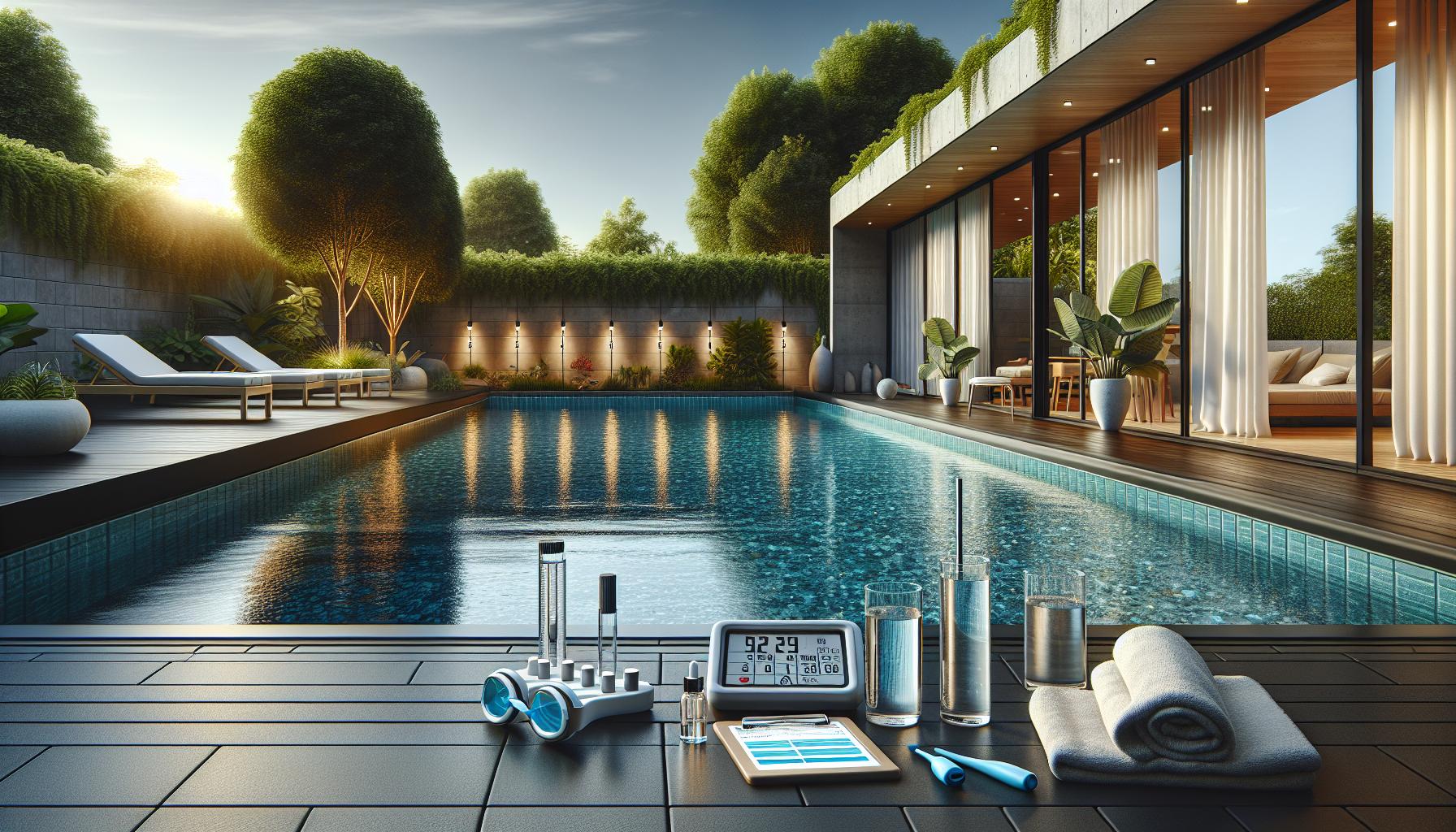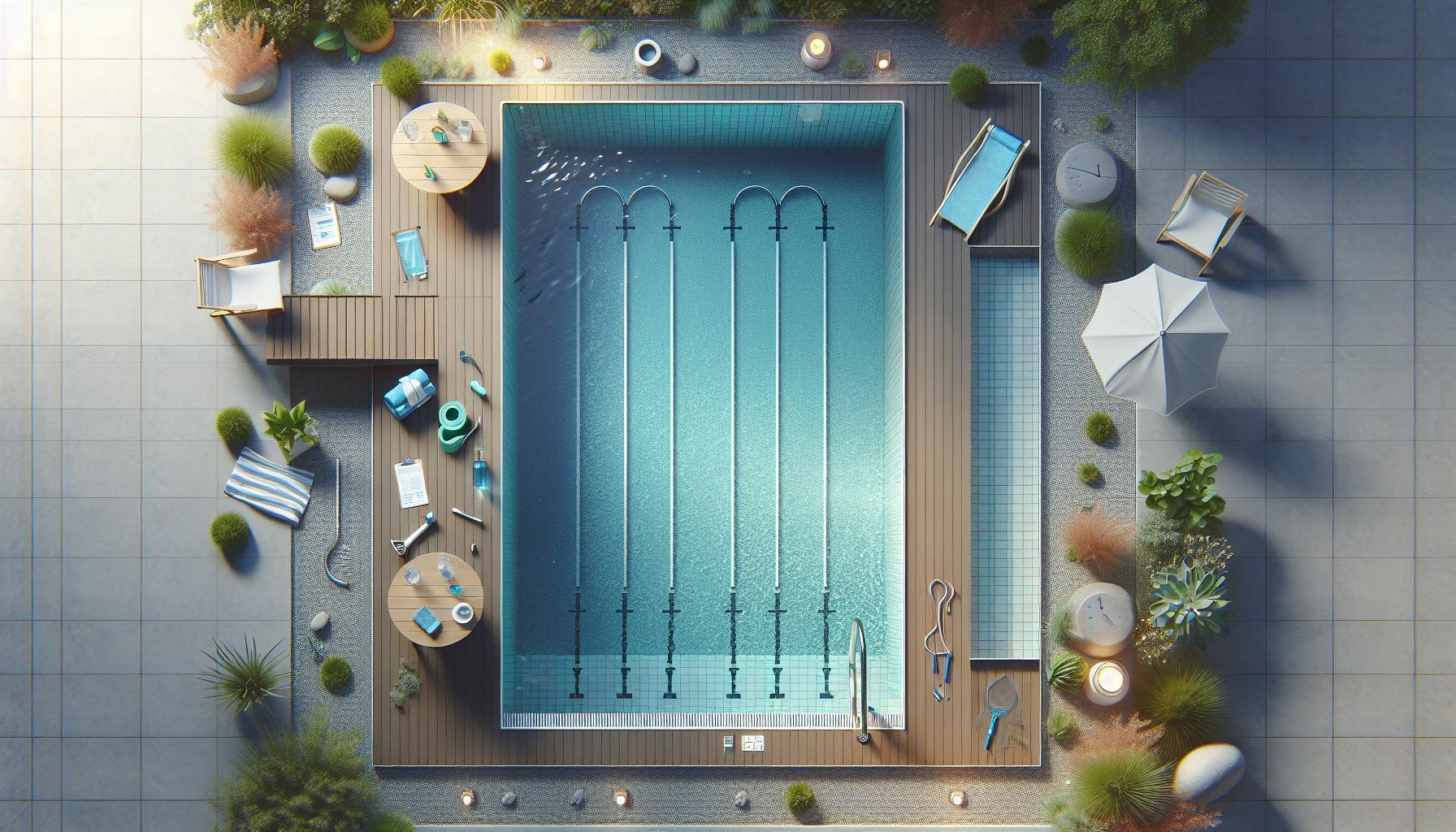

Did you know that lap pools aren’t just for professional training but also for personal fitness and relaxation? Understanding the dimensions of a lap pool is crucial for homeowners seeking to boost their health and leisure activities. Typically ranging from 30 to 75 feet in length, the right size can enhance your swimming experience by providing ample space for workouts and family fun.
Choosing the right lap pool size involves considering your fitness goals, available space, and how you intend to use the pool. Whether you’re looking to swim laps for exercise or create a serene oasis for family gatherings, knowing the dimensions helps you make the best decision for your lifestyle. In this guide, we’ll dive into the optimal sizes, helping you visualize how a lap pool can fit into your backyard and your fitness routine. Keep reading to explore the perfect balance of functionality and enjoyment!
How to Define a Lap Pool Size
Defining the size of a lap pool is crucial for maximizing its utility and ensuring it fits within your available space. Most lap pools range from 30 to 75 feet in length, typically measuring around 40 to 75 feet for optimal lap swimming experiences. While a good starting point for personal use is 30 to 40 feet, serious swimmers would benefit from lengths of 50 to 65 feet, allowing for efficient training sessions without the constant need to turn around. The width of a lap pool is usually about 4 to 10 feet, providing ample space for a comfortable swimming experience.
When determining the ideal size for your lap pool, consider the primary purpose it will serve. For competitive training, lean towards longer pool lengths. If it’s primarily for recreational use, shorter lengths can suffice. Additionally, think about the available space in your backyard and how the pool will integrate with your landscape. It’s also essential to factor in surrounding features, such as decks, landscaping, or safety areas, which may influence how you design the overall layout.
Another critical aspect to consider is the depth of the pool. Standard depths range from 4 to 5 feet, accommodating various swimming needs while ensuring safety for users of all ages. By carefully defining your pool size in relation to your needs and space limitations, you’ll create an environment that promotes enjoyable and effective swimming-making your lap pool a valuable addition to your property.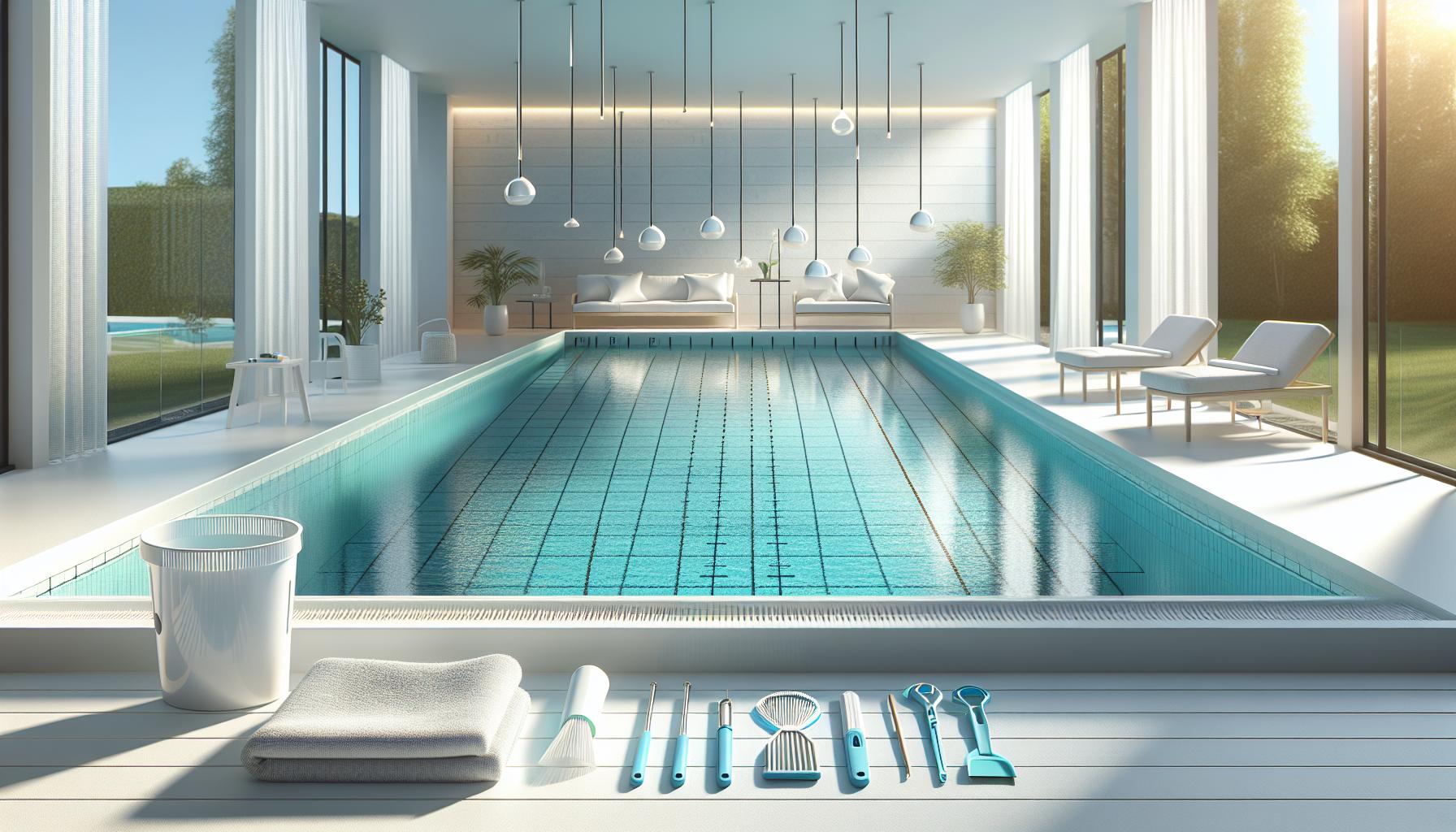
Common Dimensions for Lap Pools
The dimensions of a lap pool play a pivotal role in defining its usability and the enjoyment it offers. While there’s a broad range of sizes, most lap pools are between 30 and 75 feet long. For recreational use, a length of 30 to 40 feet is often sufficient, allowing for a good workout without excessive space. However, serious swimmers aiming to enhance their training should opt for lengths of 50 to 65 feet, as this provides a more efficient experience with fewer turnarounds, thus promoting sustained swimming sessions.
The width of a lap pool typically ranges from 4 to 10 feet. A wider pool allows for more comfortable swimming experiences and can accommodate multiple swimmers at once. For instance, if you envision using the pool for family swim time or group sessions, a width of 6 to 8 feet would be optimal. Conversely, if the primary use is individual training, narrower widths can suffice, but ensure there’s enough space for strokes without feeling cramped.
When considering depth, most lap pools maintain a standard depth between 4 to 5 feet. This range is ideal for both fitness-oriented swimming and leisure use, providing safety for swimmers of various skill levels, including children and less experienced individuals. By carefully choosing dimensions that resonate with your intended purposes-whether competitive training or casual enjoyment-you can create a functional and inviting swimming space within your backyard.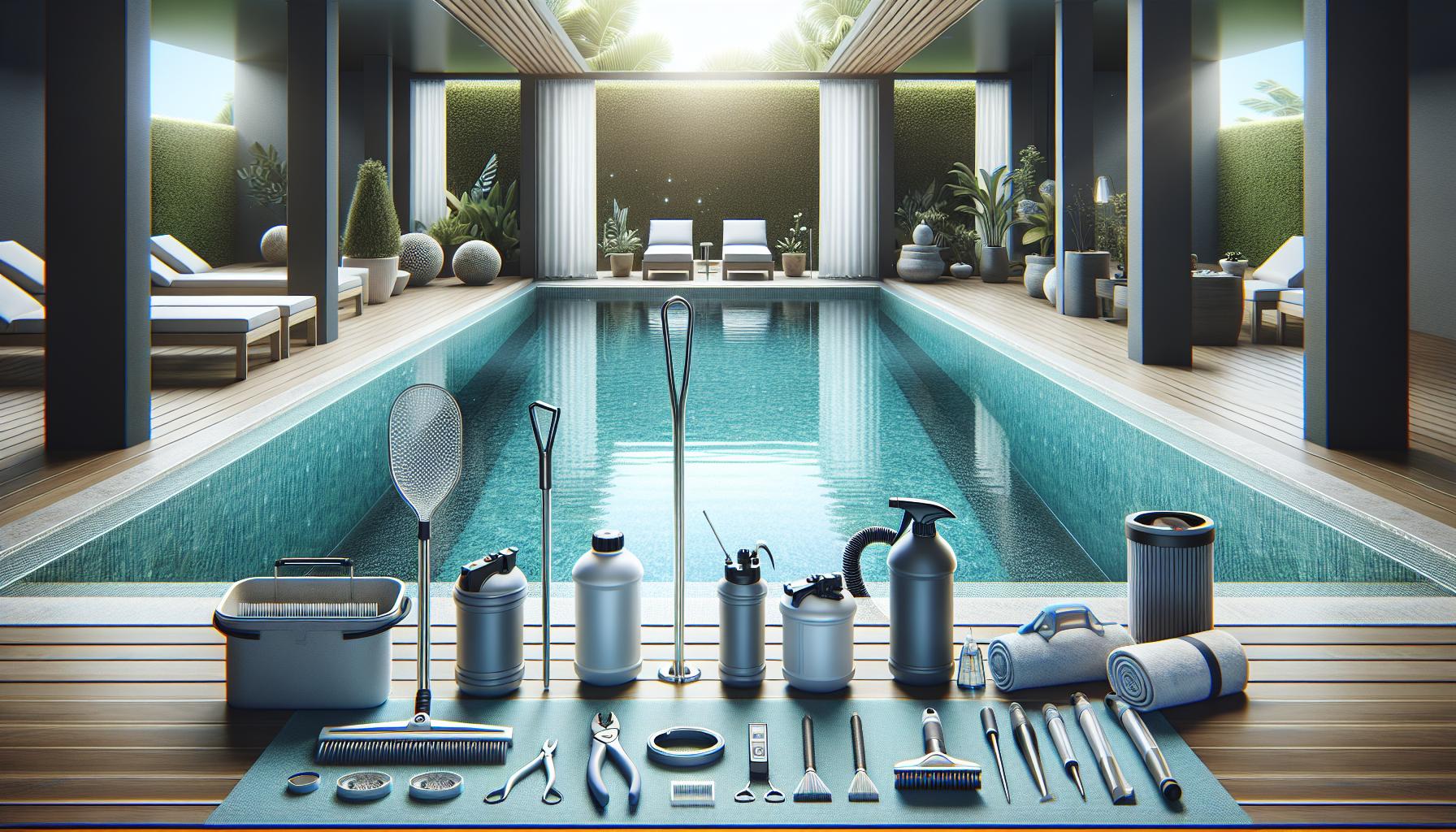
Benefits of Owning a Lap Pool
Owning a lap pool brings a multitude of benefits that enhance both physical fitness and home enjoyment. One of the primary advantages is the convenience of having a dedicated space for exercise right in your backyard. Instead of traveling to a gym or community pool, you can engage in a full-body workout at any time that suits your schedule. Swimming is a low-impact activity that is excellent for cardiovascular health, muscle toning, and overall fitness, making lap pools an ideal investment for health-conscious individuals.
In addition to fitness, a lap pool serves as a luxurious retreat for relaxation and leisure. After a long day, stepping into your backyard oasis offers a tranquil escape. Whether you’re swimming laps, floating on a pool noodle, or enjoying a refreshing drink while lounging by the edge, the psychological benefits of having a personal pool are immeasurable. The sound of water, the sunlight reflecting off the surface, and the overall ambiance contribute to a serene environment that can help reduce stress and improve mental well-being.
Moreover, lap pools can enhance your outdoor living space, increasing the value of your property. A well-designed pool area can become the focal point for gatherings and social events. By providing a space for entertaining friends and family, you transform your home into an inviting hub, complete with the potential for barbecues, pool parties, and summer celebrations. To further elevate the experience, consider integrating amenities such as outdoor lighting, water features, or comfortable seating areas that complement the pool.
Lastly, maintaining a lap pool is often more manageable than larger, traditional pools. With careful planning and routine upkeep like skimming debris and balancing chemicals, you can easily enjoy the benefits without feeling overwhelmed. Staying proactive with maintenance not only ensures a clean swimming environment but also extends the life of your pool, allowing you to indulge in your aquatic haven for many years to come.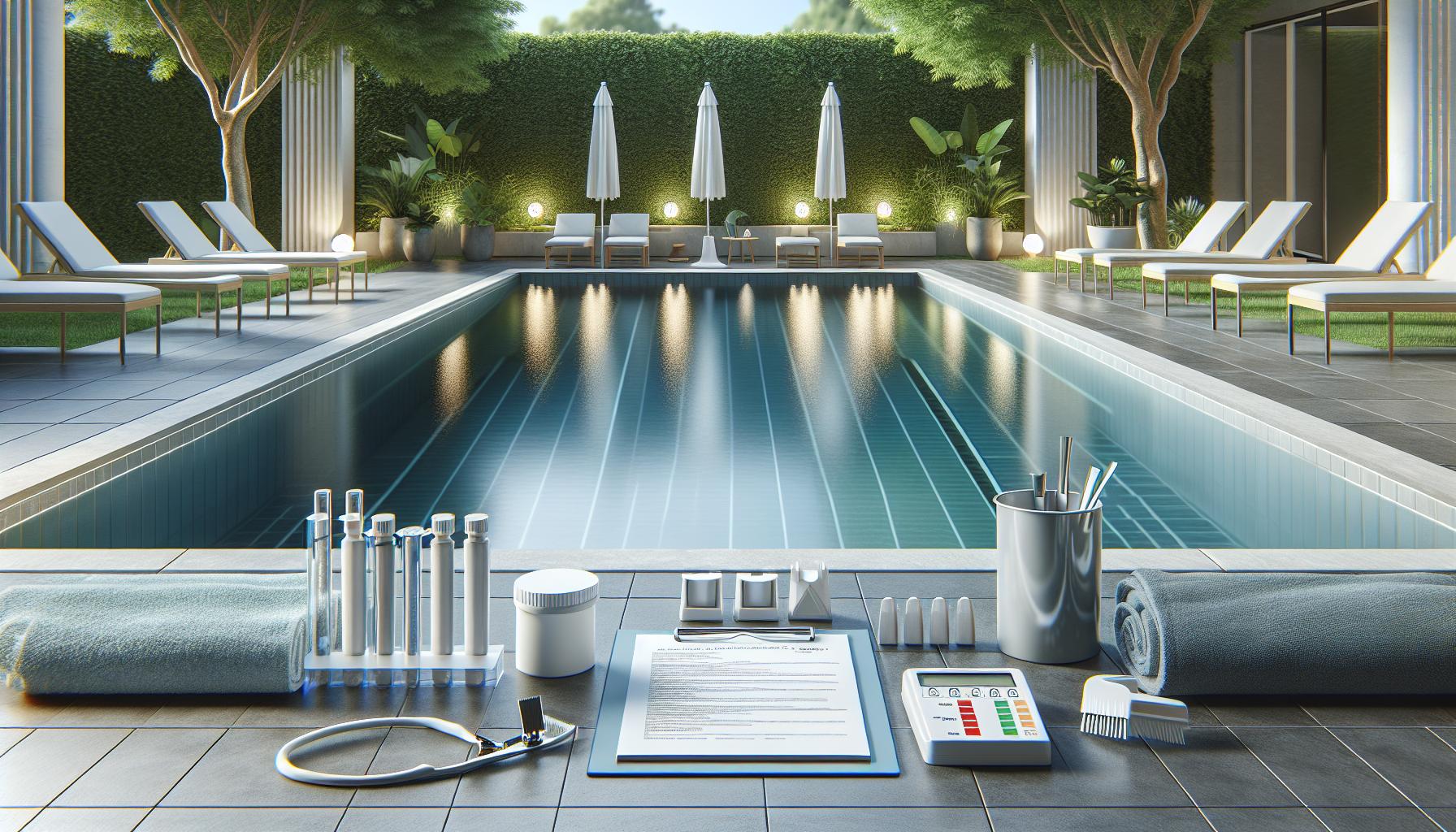
Choosing the Right Materials for Your Lap Pool
When constructing a lap pool, selecting the right materials is paramount to ensure durability, aesthetic appeal, and ease of maintenance. Different materials offer distinct advantages and disadvantages, affecting not only the pool’s performance but also the overall enjoyment of your swimming experience. Among the most popular materials are concrete, fiberglass, and vinyl, each catering to specific needs and preferences.
Concrete pools, often favored for their strength and customization options, can be tailored to almost any size and shape. This material allows for creative designs, including features like tanning ledges and built-in seating. However, the initial installation cost is higher, and they require ongoing maintenance such as regular resurfacing and cleaning. Concrete is ideal for those looking for a long-lasting solution and who don’t mind investing time into upkeep.
Fiberglass pools offer a faster installation process and lower maintenance. Pre-fabricated shells are available in various shapes and sizes, allowing for quick deployment. They have a smooth surface, making it harder for algae to cling on, reducing cleaning time significantly. However, the options for customization are limited compared to concrete. If you prioritize a quick setup and want to minimize maintenance efforts, fiberglass may be the best option for you.
Vinyl liners are a cost-effective alternative, providing a soft surface that is pleasant to the touch. The flexibility in design allows for unique shapes and depths. However, vinyl liners will require replacement every 5 to 9 years, making them a short-term option compared to concrete or fiberglass. Regular inspections for tears or wear are necessary to maintain the pool’s integrity.
Choosing the right material ultimately depends on your budget, aesthetic preferences, and how much time and effort you are willing to invest in maintenance. It’s wise to also consider your geographical location, as certain materials may fare better in different climates. Consulting with pool construction professionals can help you make the most informed decision that aligns with your swimming needs and lifestyle.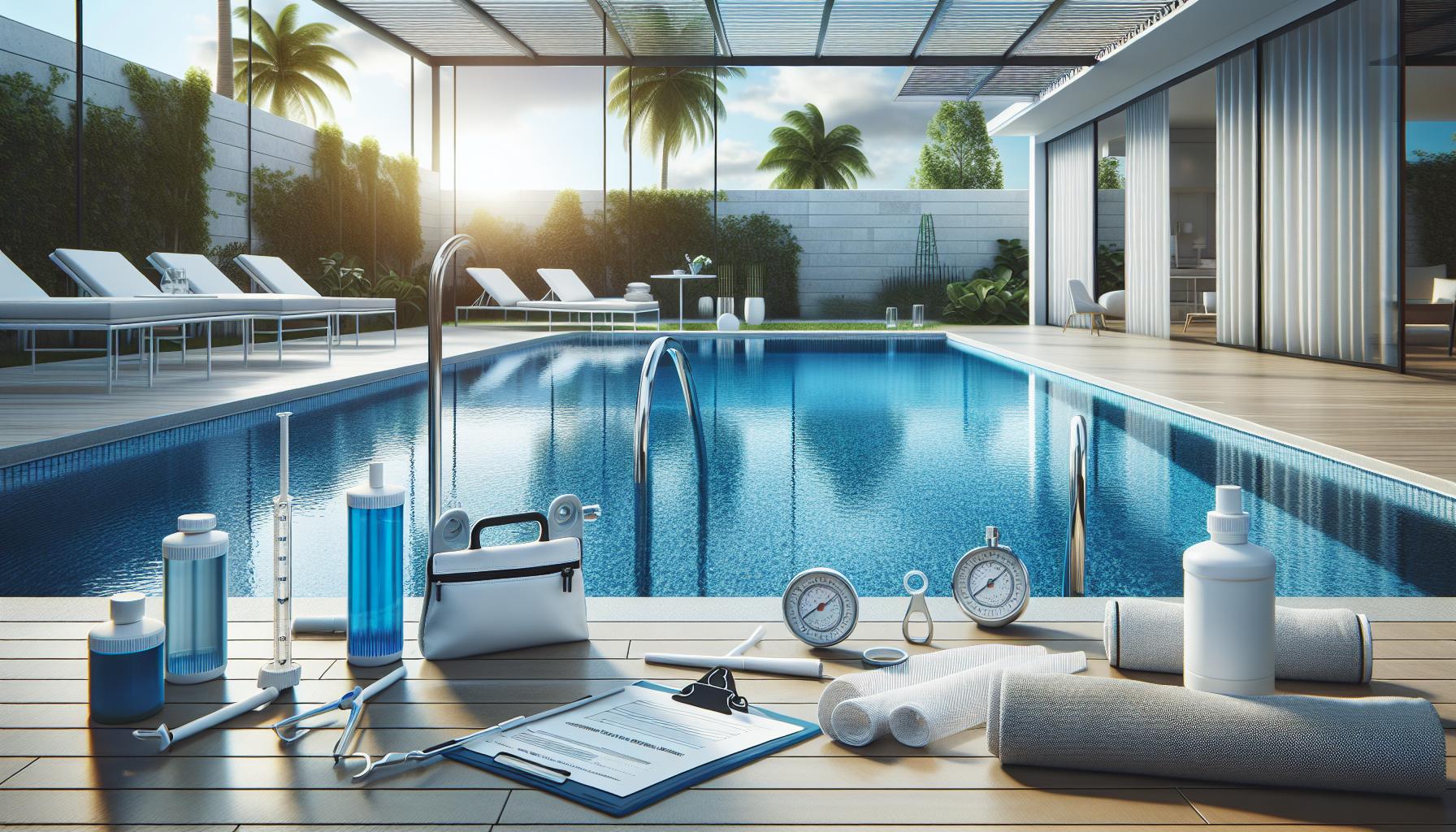
Designing Your Backyard Around a Lap Pool
Designing a backyard around a lap pool can transform your outdoor space into a personal oasis, blending functionality with aesthetic appeal. To maximize your pool’s potential, consider the pool’s size and orientation as foundational elements. A typical lap pool ranges from 40 to 75 feet in length and about 8 to 10 feet in width, providing ample space for swimming while still fitting comfortably within most backyards. Placing the pool lengthwise to take advantage of sunlight not only enhances the visual symmetry but also allows for a more enjoyable swimming experience in warmer conditions.
When considering landscaping elements, think about incorporating native plants that require less maintenance, providing color and texture without overwhelming the space. Low-growing shrubs, ornamental grasses, and flowering perennials can create a natural border around your pool, improving privacy and creating a serene atmosphere. If you prefer a more formal look, hedges or structured gardens design can align beautifully with your pool’s sleek lines. Adding pathways made of stone or pavers can not only enhance the aesthetic but also make for safe and easy access around the pool.
Another critical factor to keep in mind is safety. Installing a fence around the pool area is often essential, especially if you have children or pets. A semi-transparent or glass fence can provide safety without obstructing the views of your beautiful backyard. For added safety and convenience, consider integrating pool covers that are easy to use and attractive, helping to minimize maintenance while ensuring that your pool is safe during off-hours.
Ultimately, the design should reflect your lifestyle and personal preferences. If you’re also interested in using the area for relaxation or entertainment, consider adding features such as lounge chairs, a shaded cabana, or an outdoor kitchen nearby. By thinking creatively about your space and how you plan to use it, you can create an inviting and functional outdoor environment that complements your lap pool perfectly.
Cost Considerations for Lap Pools
Determining the costs associated with installing and maintaining a lap pool can be daunting, but understanding the factors involved can help you manage your budget more effectively. A lap pool typically incurs several expenses, including initial construction costs, ongoing maintenance, utilities, and additional features. By planning wisely, you can create a beautiful and functional lap pool without overextending your finances.
When considering initial costs, the average price for a lap pool can range from $20,000 to $50,000, depending on size, materials, and location. The basic construction includes excavation, lining, tiling, and installation of essential equipment like pumps and filters. For instance, opting for a fiberglass pool can be more budget-friendly compared to concrete, which offers durability but usually comes at a premium. Furthermore, don’t forget about landscaping and decking expenses, as creating the perfect environment around your pool can add several thousand dollars to your overall cost.
In terms of ongoing expenses, maintenance is a crucial factor. Regular tasks include cleaning, water balancing, and filter replacement. Monthly maintenance costs can vary but typically range from $150 to $300, depending on how much you choose to do yourself versus hiring a professional. To keep costs down, consider a simple maintenance routine that includes:
- Testing water chemistry weekly to prevent algae and bacteria buildup.
- Brushing walls and vacuuming the pool at least monthly.
- Ensuring that skimmer and pump baskets are cleaned regularly.
Utilities can also impact costs, as heating a lap pool or maintaining its water level adds to your electricity and water bills. Using a pool cover can significantly reduce evaporation and heating costs, making your pool more cost-efficient in the long run.
Considering additional features, such as heating systems, lighting, or automatic pool covers, can enhance your lap pool experience but will also increase your overall budget. Assess your needs carefully before making these investments to ensure you maximize your enjoyment while staying within budget. By approaching the costs systematically and planning for both your initial investment and long-term expenses, you can enjoy a lap pool that enhances your home and lifestyle without financial strain.
Maintenance Tips for Long-Lasting Lap Pools
Maintaining the pristine condition of a lap pool is crucial not only for aesthetic appeal but also for ensuring a safe and healthy swimming environment. Consistent care can extend the lifespan of your pool, enhance your swim experience, and prevent costly repairs down the road. Here are essential maintenance tips to ensure your lap pool remains a sparkling oasis for fitness and relaxation.
Regular water chemistry checks are fundamental to maintaining clear and safe water. Test the water at least once a week to monitor pH levels, chlorine concentration, and alkalinity. Ideal pH levels should range between 7.4 and 7.6 to provide comfortable swimming conditions while preventing corrosion and scaling. Should you find that the pH is out of balance, you can adjust it easily with commercially available pH increasers or decreasers. Maintaining appropriate chlorine levels (1-3 ppm) will help kill bacteria and algae, ensuring a healthy swimming environment.
Cleaning and Equipment Maintenance
Another critical aspect of lap pool maintenance involves cleaning and maintaining equipment. Aim to brush the walls and vacuum the bottom of your pool at least once a month to prevent the buildup of dirt and algae. Investing in a quality pool vacuum can simplify this chore, allowing for thorough cleaning with less effort. Additionally, clean the skimmer and pump baskets weekly to ensure proper water circulation. Blocked filters can lead to reduced water clarity and pool system strain, which can cause expensive repairs.
For added efficiency, check the pool’s filtration system regularly. Replace or clean the filter as necessary-most sand filters require a backwash every 4-6 weeks while cartridge filters should be replaced or cleaned every 1-3 months, depending on usage. This proactive approach will help maintain optimal water flow and reduce your pool’s operational costs.
Seasonal Considerations
Seasonal changes can also impact your pool’s maintenance needs. During the winter, consider using a pool cover to minimize debris accumulation and maintain consistent water temperature. If you’re in a climate with freezing temperatures, ensure your pool plumbing is winterized. For warmer months, keep an eye out for changes in water level due to evaporation, and top it off as needed to maintain a proper balance.
By incorporating these maintenance routines into your schedule, you’ll not only protect your investment but also enjoy a cleaner and healthier swimming space. With diligence and care, your lap pool will offer a refreshing escape and a venue for fitness for years to come.
Incorporating Lap Pools into Fitness Routines
Incorporating a lap pool into your fitness routine can dramatically enhance your exercise experience, making regular workouts more enjoyable and effective. One of the many benefits of lap pools is their compact size, allowing you to swim laps and engage in other aquatic exercises without the need for a large yard. The steady, rhythmic motion of swimming provides an excellent full-body workout, improving cardiovascular fitness, building muscle strength, and enhancing flexibility.
To get started with incorporating your lap pool into your fitness routine, consider establishing a structured swimming regimen. Aim for at least 30 minutes of swimming, three to five times a week. You might begin with a warm-up consisting of light strokes to prepare your body and gradually increase your pace as you progress. Using a combination of strokes-freestyle, backstroke, and breaststroke-can keep your workouts varied and challenging. Incorporate interval training by alternating between sprinting and slower-paced swimming to improve endurance and increase calorie burn.
Additionally, consider complementing your swimming routine with other water-based workouts. Water aerobics, resistance training using aquatic dumbbells, or even yoga on a buoyant mat can provide diverse exercise options while taking advantage of the water’s natural resistance. These activities not only help improve your overall strength and flexibility but also reduce the impact on your joints compared to traditional workouts on land.
Tips for a Balanced Routine
To maximize the benefits of your lap pool:
- Set Goals: Establish clear, measurable fitness goals to stay motivated and track your progress.
- Mix It Up: Incorporate different swimming strokes and types of exercises to engage various muscle groups.
- Listen to Your Body: Adjust the intensity of your workouts based on how you feel, ensuring you’re pushing your limits safely.
- Hydrate: Always drink plenty of water, even if you don’t feel thirsty, to stay hydrated during your workouts.
By making a lap pool an integral part of your fitness regimen, you’re not only creating a convenient space for exercise but also transforming your approach to health and well-being. Enjoy the refreshing water and the invigorating sensation it brings as you work towards your fitness goals, making each swim a pleasurable escape and a path to a healthier lifestyle.
Popular Features for Lap Pools
A lap pool is designed primarily for fitness, showcasing features that enhance swimming efficiency and overall usability. One popular feature includes built-in swim jets, which create water resistance, allowing for a more rigorous workout even in a compact space. This feature allows swimmers to practice their strokes continuously without needing to turn at the edge of the pool, making it ideal for maintaining a steady pace.
Another sought-after addition is temperature control systems. Whether for a refreshing workout during hot summer months or for aquatic therapy in cooler seasons, heating or cooling systems can maintain the ideal water temperature year-round. This ensures comfort for all users and promotes regular exercise, as users are more inclined to swim when water conditions are pleasant.
Many lap pool owners also prefer energy-efficient LED lighting. Not only does this feature illuminate the pool area beautifully for evening swims, but it also significantly reduces electricity costs compared to traditional lighting options. Opting for adjustable color settings can help create a relaxing ambience or an inviting environment for social gatherings.
Automated cleaning systems are essential for hassle-free maintenance. These systems can include robotic cleaners that navigate the pool floor and walls, ensuring the water remains clear and inviting with minimal effort from owners. Engaging in regular cleaning routines with these automated systems minimizes debris accumulation and keeps the pool in pristine condition, allowing swimmers to enjoy a cleaner, healthier swimming environment.
Incorporating these features not only enhances the functional aspects of a lap pool but also transforms it into a modern, convenient space for fitness and relaxation. Prioritizing well-planned amenities will ultimately lead to a more enjoyable and effective swimming experience.
Safety Considerations for Lap Pools
The importance of safety in and around lap pools cannot be overstated, particularly given their primary use for fitness and exercise. Proper precautions can ensure that your swim sessions remain enjoyable and hazard-free. One essential consideration is installing a durable pool cover when the pool is not in use. This not only prevents unauthorized access but also keeps debris out, which can be a slipping hazard. For families with children, self-closing gates and pool alarms are highly recommended. They serve as reliable barriers, offering peace of mind while you enjoy your swim.
Visibility also plays a key role in safety. Adding adequate lighting around your lap pool can help illuminate the area during evening swims, reducing the risk of accidents. Additionally, consider using contrasting colors for the pool edges and surrounding deck to make them more visible. This can be particularly useful for both swimmers and those observing from the sidelines.
Maintaining proper water chemistry is crucial for safety as well. Regularly testing and adjusting pH and chlorine levels helps prevent skin irritations and ensures a safe swimming environment. It’s advisable to set a routine to check these levels at least weekly, or more frequently during heavy use. Keep your pool area clean and free of clutter to eliminate tripping hazards, and establish a designated space for towels and equipment.
Lastly, ensure swimmers are well-informed about proper lap swimming techniques and etiquette. This includes not diving or jumping in shallow areas and being mindful of others in the space. Creating a clear set of rules for lap swimming can enhance both safety and the overall experience, encouraging a culture of respect and awareness amongst users. By prioritizing these safety considerations, lap pool owners can foster a secure environment that supports fitness and fun alike.
Lap Pool Installation: What to Expect
When you decide to install a lap pool, the excitement is palpable, but the process can seem daunting. Understanding what to expect during installation can help ease any anxieties and set realistic expectations for the project. Generally, the installation of a lap pool can be divided into several key phases, from initial planning to actual construction, and ultimately, the pool’s finishing touches.
Initially, careful planning is crucial. This phase involves deciding the dimensions based on your fitness needs and available yard space. Typical lap pools range from 40 to 75 feet in length and about 8 to 12 feet in width, but it’s essential to tailor these dimensions based on your specific swim style and space constraints. Consult with professionals regarding local codes and site considerations, such as zoning laws and utility lines, to avoid any compliance issues down the line.
Once you’ve settled on a design, the excavation process begins. This stage usually takes a few days, depending on the size and depth of the pool. A crew will dig out the ground for the pool structure, which may require heavy machinery if the soil is particularly tough. After excavation, the next step is to install plumbing and electrical systems. This includes fittings for skimmers, lights, and pool pumps, which must be strategically placed to ensure optimal functionality and safety.
Construction and Finishing Touches
The construction phase is where your lap pool begins to take shape. Depending on the materials chosen-concrete, fiberglass, or vinyl-the processes will vary. For concrete pools, you’ll see rebar framing and gunite application, creating a robust and customizable structure. Fiberglass pools come as pre-formed shells, which are easier and quicker to install. Regardless of the material, ensure that the pool is built with proper insulation and drainage systems to maintain water temperatures and prevent issues with water retention.
After the shell is in place, the finishing touches commence. This involves adding tiles or a liner, installing coping around the edges, and setting up the filtration system. Additionally, landscaping around the pool area can enhance the overall aesthetic and functionality of your outdoor space. Consider features like deck lighting, non-slip surfaces, and integrated seating to optimize your lap pool for both comfort and safety.
Throughout the installation process, communication with your contractor is critical. Regular updates can help you stay informed about progress and any unforeseen issues. A well-executed installation will set the foundation for years of enjoyable swimming and fitness. Following installation, prioritizing maintenance such as regular cleaning and water chemistry testing will ensure your lap pool remains a safe and inviting place for exercise and relaxation.
Comparing Lap Pools to Other Pool Types
The choice between a lap pool and other types of swimming pools can significantly impact your fitness routines, aesthetics, and property value. Lap pools, designed primarily for swimming laps and fitness, range from 40 to 75 feet in length, making them perfect for serious swimmers. In contrast, traditional backyard pools often prioritize leisure and recreation, typically featuring irregular shapes and varying depths that cater to lounging and family fun rather than rigorous exercise.
When comparing lap pools to inground pools, it’s essential to consider their dimensions and intended use. A standard inground pool might measure about 15×30 feet, providing ample space for recreational activities, but lacking the lengths necessary for continuous swimming. By contrast, lap pools are narrower and longer, which allows for uninterrupted laps. This focused design not only supports a dedicated swimming practice but also takes up less surface area in your backyard, which can be a critical factor in smaller lots.
Functional Benefits of Lap Pools
One of the primary advantages of lap pools over alternatives like above-ground pools is their depth and stability. Above-ground pools are usually shallow and less suitable for swimming workouts. Furthermore, lap pools can be customized with features that enhance their utility, such as current-generating systems or built-in resistance jets, enabling swimmers to experience a more challenging workout regardless of their swimming space limitations.
Additionally, lap pools often incorporate more sophisticated filtration and heating systems, which are designed to keep the water clean and at a comfortable temperature year-round. This not only improves usage ease but also minimizes maintenance challenges, making them a more convenient choice for fitness enthusiasts who prefer to swim regularly.
Ultimately, while each pool type has distinct benefits, opting for a lap pool can enhance your fitness regime, ensure more effective performance in swimming activities, and create a sleek, modern aesthetic in your outdoor area. For those serious about swimming, a lap pool stands out as a dedicated investment that prioritizes both functionality and style.
Frequently asked questions
Q: What are the standard dimensions for a lap pool?
A: The standard dimensions for a lap pool typically range from 40 to 75 feet in length and 8 to 10 feet in width. These proportions provide ample space for swimming laps while accommodating various fitness and recreational activities. Consider designing a pool deeper than 4 feet for optimal swimming experience.
Q: How do I decide the size of my lap pool?
A: When deciding the size of your lap pool, consider your swimming habits, available space, and intended use. If you plan for lap swimming, opt for a longer pool. Additionally, think about incorporating features like swim lanes and relaxation areas. Consult the “Common Dimensions for Lap Pools” section in the article for detailed guidance.
Q: Can lap pools be built indoors?
A: Yes, lap pools can be built indoors, offering a controlled environment for year-round swimming. When planning, ensure proper ventilation, humidity control, and space for maintenance access. Indoor lap pools can also enhance home aesthetics.
Q: How much space do I need around a lap pool?
A: Ideally, you should allow at least 3 to 6 feet of space around your lap pool for safety and maintenance access. This space is crucial for installing pool cleaning equipment and facilitating safe entry and exit from the pool.
Q: What features enhance a lap pool for fitness?
A: Features that enhance a lap pool for fitness include swim jets for resistance training, lane markers for focused workouts, and adjustable lighting for evening swims. These additions can optimize your workout experience, as discussed in the “Popular Features for Lap Pools” section.
Q: How can I incorporate a lap pool in a small backyard?
A: In a small backyard, consider a compact lap pool or a swim-spa combination that offers lap swimming capabilities in a smaller footprint. Utilize vertical space for landscaping and features like a raised deck to maximize your area. Explore the “Designing Your Backyard Around a Lap Pool” section for ideas.
Q: What maintenance is required for a lap pool?
A: Regular maintenance for a lap pool includes checking chemical levels, cleaning the pool surface, servicing equipment, and maintaining circulation systems. Set a routine schedule that aligns with the “Maintenance Tips for Long-Lasting Lap Pools” section of the article to keep your pool in top shape.
Q: Is a lap pool more expensive than a traditional pool?
A: Generally, lap pools can be more expensive than traditional pools due to their specified size and design features. Factors such as installation, materials, and customization can affect overall costs. For a breakdown, refer to the “Cost Considerations for Lap Pools” section in the article.
Future Outlook
Ready to dive into the world of lap pools? Understanding the ideal size for your fitness and fun needs is just the beginning! Remember, selecting the right dimensions will enhance your swimming experience and optimize your workouts. Don’t wait too long-start planning your perfect lap pool today and transform your health and leisure time!
For further reading, check out our guides on “Best Materials for Pool Construction” and “Essential Pool Maintenance Tips” to equip yourself with all the knowledge you need. Have questions or want to share your lap pool journey? Leave a comment below! And don’t forget to subscribe to our newsletter for the latest insights and exclusive tips to help you maintain a stunning and functional pool that you’ll enjoy for years to come. Your ideal swimming oasis is within reach!