


Winterizing your above-ground pool is essential not just for preserving your investment but also for ensuring a hassle-free opening come spring. Did you know that failing to properly prepare your pool for colder months can lead to costly repairs? By taking a few systematic steps now, you can protect your pool from damage caused by freezing temperatures, debris accumulation, and algae growth.
Many pool owners often overlook the importance of winterization, leading to stress and expense when the swimming season rolls around again. By investing time in the right preparations, you’re not just safeguarding your pool; you’re also setting yourself up for a fantastic swimming season next year. In this guide, we’ll walk you through each crucial step, empowering you with the knowledge to tackle this task confidently and effectively. With straightforward instructions, you’ll be able to winterize your above-ground pool like a pro, ensuring it remains in great shape while you enjoy the cozy comforts of winter.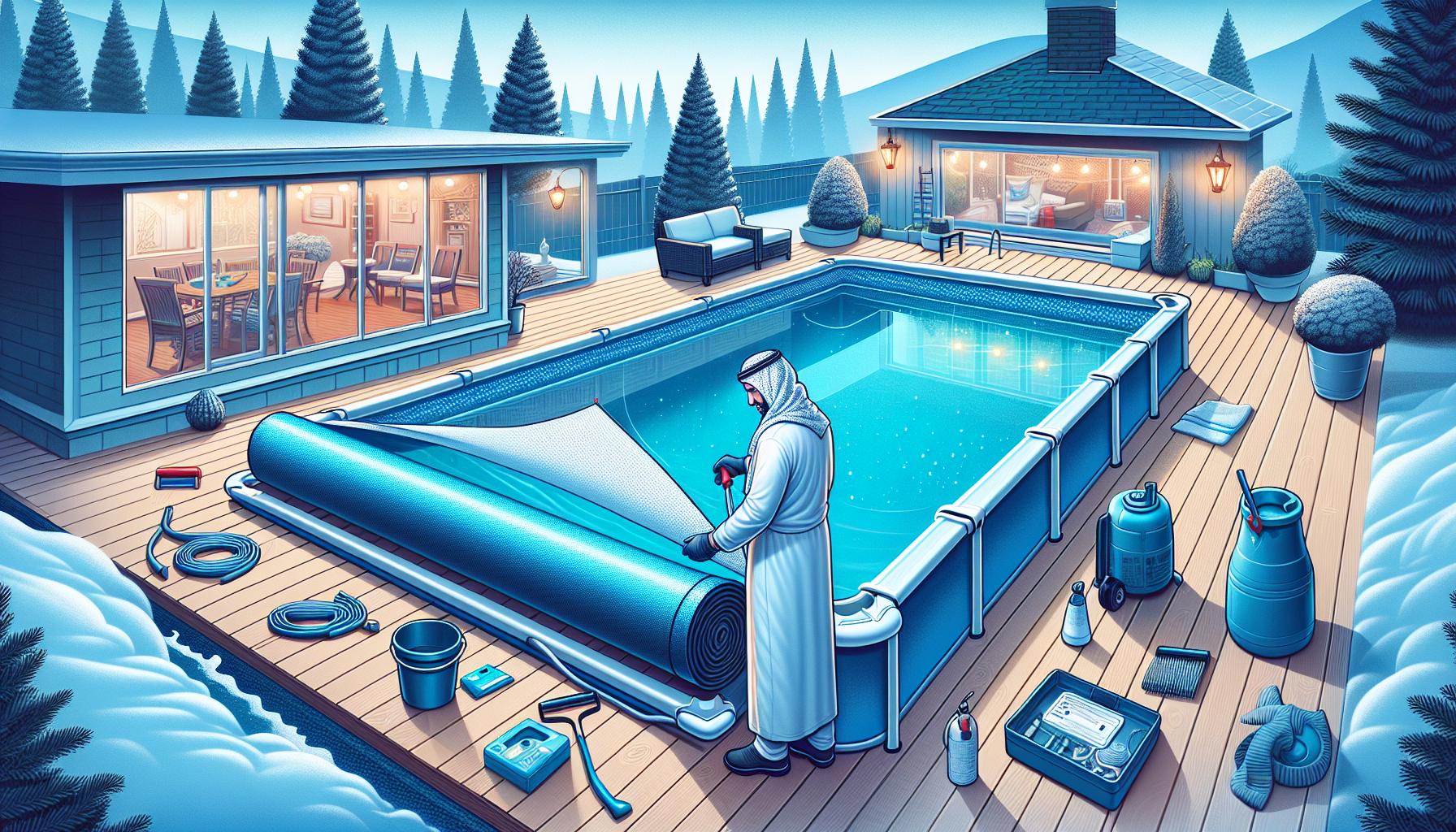
How Winterizing Protects Your Above Ground Pool
When temperatures drop and winter approaches, taking the proper steps to winterize your above ground pool is essential for its protection and longevity. Failing to winterize can lead to costly damages such as cracked walls, frozen pipes, and a host of other issues that can turn your enjoyable summer retreat into a headache. Proper winterization not only safeguards your investment but also saves you time and effort when spring arrives and it’s time to reopen your pool.
To effectively winterize your above ground pool, it’s crucial to remove as much water as possible. Start by lowering the water levels to below the skimmer, ensuring that water won’t freeze and expand in the skimmer, which can cause cracks. After draining, thoroughly clean the pool to prevent algae and other debris from settling over the winter months. Use a pool brush to scrub the walls and a vacuum to clear the bottom, followed by a thorough rinse.
Balancing your pool chemicals before the final closing will help prevent corrosion and mineral buildup. Test the pH, alkalinity, and calcium hardness, adjusting them to their optimal levels. Adding winterizing chemicals formulated for pools will help keep water clear and prevent algae growth, making the reopening process much simpler. Finally, do not forget to properly cover your pool with a durable winter cover, which should be securely fastened to keep debris out and reduce the likelihood of damage from heavy snow and ice.
With these steps, your above ground pool will be well-prepared to withstand the harsh winter conditions, ensuring that you’ll have a worry-free opening when the warmer months return.
Essential Supplies for Winterizing Your Pool
To ensure a smooth winterization process for your above-ground pool, gathering the right supplies is crucial. Having everything you need on hand not only simplifies the task but also minimizes the risk of damage during the offseason. Below is a list of essential supplies that will aid you in the proper winterization of your swimming pool, allowing you to protect your investment and enjoy a hassle-free spring opening.
- Winter Cover: A high-quality winter cover is vital for protecting your pool from debris, ice, and snow. Look for covers that are durable and fit your pool size well to prevent any gaps.
- Pool Chemicals: Winterizing chemicals, including algaecide, chlorine shock, and enzyme cleaners, are essential for keeping the water balanced and preventing algae growth over the winter months.
- Water Replacement Equipment: Depending on your climate, you may need to drain part of the water from your pool to below the skimmer. A submersible pump is often helpful for this task.
- Cleaning Tools: A pool brush, vacuum, and skimmer net are crucial for ensuring the pool is clean before covering it. Remove all debris and scrub the walls to prevent algae growth.
- Air Pillows: Placing air pillows under the cover can help manage rain and snow accumulation, preventing damage and making it easier to remove fallen debris.
- Plug and Seal Kits: Be sure to have the necessary plugs for skimmers, returns, and any other openings to prevent water from entering during colder weather.
- Hard Water Treatments: If your area has hard water, adding treatments designed to lower calcium levels can prevent scaling in your pool’s interior during the off-season.
By preparing with these supplies, you will be well-equipped to tackle the winterization process confidently and effectively. Neglecting this step can lead to significant repair costs when it’s time to reopen your pool, but with the right tools at your disposal, you can minimize risks, safeguard your pool, and ensure a smooth transition into spring.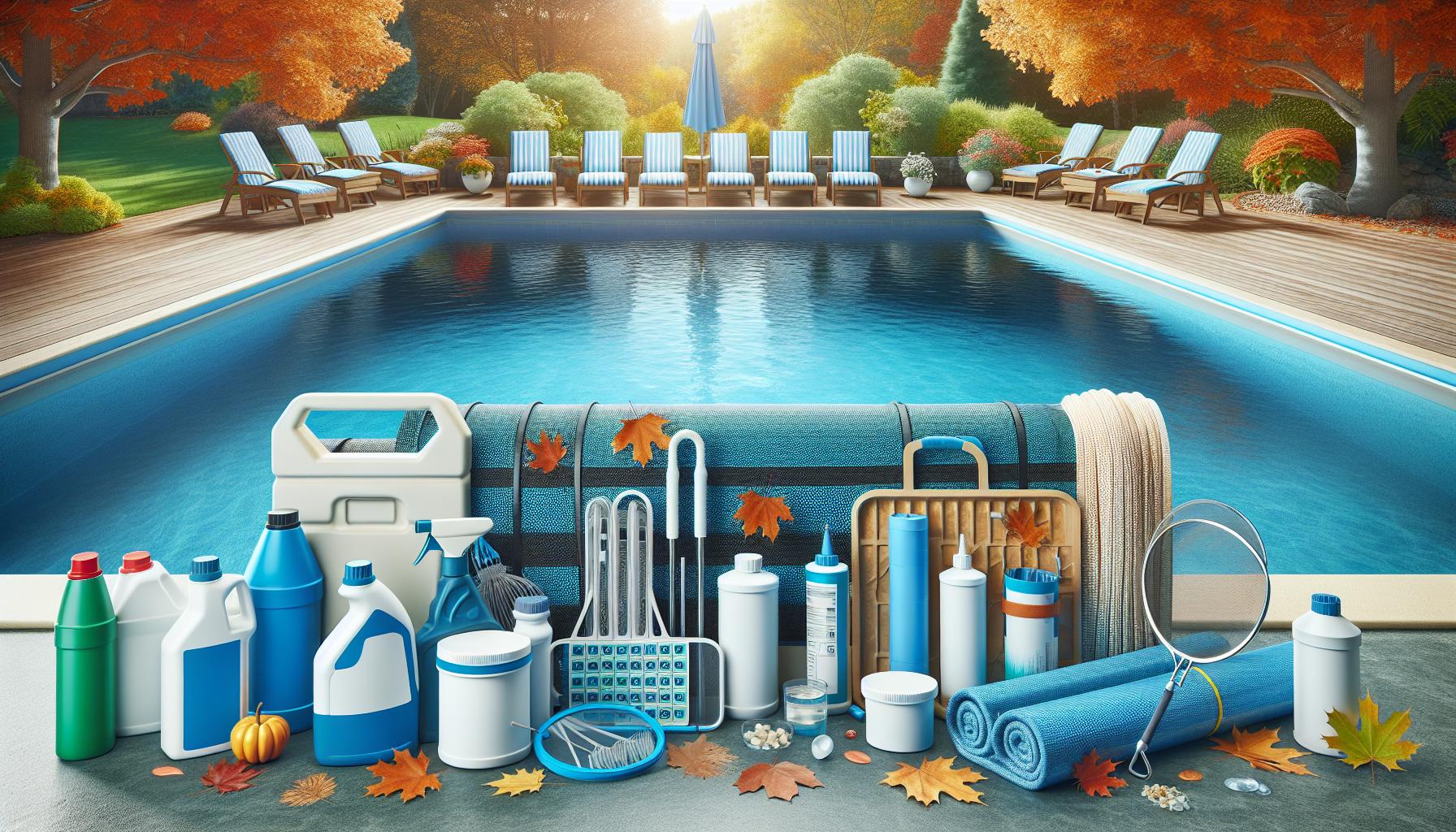
Step-by-Step Guide to Draining Your Pool
Draining your above-ground pool is a critical step in the winterization process, ensuring that you protect your investment from the damaging effects of freezing temperatures and ice formation. Properly managing this task not only prevents structural damage to your pool but also minimizes the risk of costly repairs when it’s time to reopen. Here’s a structured approach to effectively drain your pool.
Preparing for the Drain
Before you start draining, gather the necessary tools, including a submersible pump, long garden hoses, and safety goggles. It’s essential to check local regulations regarding water disposal, as some areas have restrictions on draining pool water into storm drains. If you’re unsure, consulting your local water authority can clarify best practices.
Draining Your Pool Step-by-Step
- Remove Accessories: Start by removing all pool accessories, such as ladders, toys, and skimmers. This will make the draining process smoother and help avoid any damages.
- Connect the Pump: Place the submersible pump in the deepest part of the pool. Make sure it’s securely connected to a garden hose that leads away from the pool area, ideally to a designated drainage area.
- Start Draining: Turn on the pump and monitor the water level. As the water decreases, check for any blockages in the hose that might impede flow.
- Draining Below the Skimmer: Aim to drain the water level below the skimmer to prevent water from freezing inside the skimmer and damaging the plumbing. Typically, draining to 4-6 inches below the skimmer height is sufficient, depending on your local climate.
Final Steps
Once the water has been adequately removed, inspect the pool’s interior for any remaining debris. It’s crucial to ensure that the pool is clean before winterizing it completely. If you notice any stubborn dirt or algae, use a pool brush to scrub lightly before covering it with a winter blanket. This attention to detail will safeguard your pool against algae growth and buildup during the winter months.
By following these steps, you’ll be well on your way to properly draining your above-ground pool, setting the stage for effective winterization and a hassle-free spring opening. Embrace this process with confidence, knowing you’re taking proactive measures to extend the life of your pool.
How to Clean and Maintain Your Pool Before Winter
Cleaning and maintaining your pool before winter is not just a chore; it’s a critical step in ensuring your investment remains protected against the harsh elements. One of the most common mistakes pool owners make is neglecting to properly prepare their pool for winter, which can lead to algae growth and an increase in unwanted pests. By dedicating some time now to ensure that your pool is clean and well-maintained, you can enjoy peace of mind knowing that your pool will be ready to go come spring.
Start by thoroughly skimming the surface of the water to remove leaves and debris. This can be done with a leaf net, which will help keep unpleasant organic matter from sinking to the bottom. Once the surface is cleared, vacuum the pool floor to eliminate any sediment that has settled. For those with stubborn debris, a manual vacuum can be particularly effective. If your pool has a large amount of organic material, consider using a flocculant to clump particles together for easier removal.
It’s equally important to address those areas often overlooked. Inspect and clean the pool walls, paying special attention to any areas where algae might collect. A good scrub with a pool brush can make a significant difference. Don’t forget to clean the pool’s skimmer and pump baskets as well; these components need to be free of debris to function properly and to prevent clogging during the winter months.
After you’ve eliminated all debris, focus on balancing your pool’s chemical levels. Ensuring water chemistry is optimal before closing up is essential. Test the pH, alkalinity, and chlorine levels, adjusting as necessary to achieve the ideal balance. A well-balanced pool can prevent issues like metal staining and scaling, even in cool weather. Remember, prevention is key to a healthy pool environment, so take the extra steps to keep your water clean and balanced before winter sets in.
Tips for Balancing Pool Chemicals Before Closing
Before closing your pool for the winter, ensuring that your water chemistry is well-balanced is crucial for preventing damage and maintaining water quality. A properly balanced pool not only discourages algae growth and minimizes stains but also protects your equipment from corrosion and scaling. Commit to a thorough assessment of your pool’s chemical levels to set your pool up for success through the colder months.
Start by testing the key chemical levels in your pool using a reliable test kit or chemical strips. Focus on these critical parameters:
- pH Levels: Aim for a pH level between 7.4 and 7.6. This range promotes optimal chlorine efficiency and comfort for anyone who might accidentally slip into the pool.
- Alkalinity: Aim for a total alkalinity between 80 and 120 ppm (parts per million). Proper alkalinity stabilizes the pH levels and prevents wide fluctuations.
- Chlorine Levels: Maintain free chlorine levels between 1-3 ppm to ensure effective sanitation while preventing algae growth and harmful bacteria.
If your tests reveal that adjustments are necessary, proceed with care. To increase pH, consider adding sodium carbonate (soda ash); if it’s too high, use sodium bisulfate (dry acid). For alkalinity, use sodium bicarbonate to raise it or muriatic acid to lower it. To boost chlorine levels, a shock treatment can be effective-this helps eliminate bacteria, algae, and any lingering contaminants, making the water safer over the winter.
Once you’ve made the necessary adjustments, wait about 24 hours and retest your chemical levels to ensure everything is in the desired range. Doing this in advance allows any chemicals to properly circulate and stabilize before winterizing your pool, safeguarding it until spring. Lastly, document these readings and treatments to help inform your maintenance efforts when it’s time to reopen your pool. Keeping tabs on this information not only enhances pool care precision but also empowers you to tackle future challenges with confidence.
Winterizing Pool Equipment: A Comprehensive Approach
To protect your above-ground pool during the chilly winter months, winterizing your pool equipment is essential. Neglecting this important step can lead to costly repairs and extensive damage once spring rolls around. Proper preparation of your equipment not only extends its life but also ensures that everything is ready for action when you reopen your pool.
Begin by disconnecting all electrical equipment, such as pumps and filters. Make sure to remove the power supply, including any extension cords, to prevent any electrical hazards during freezing temperatures. After turning off the power, drain the pump, filter, and heater thoroughly to avoid freezing water accumulating inside these critical components. If your filter has a multi-port valve, set it to “winterize” if applicable, and remove the drain plugs to allow any remaining water to escape.
Next, safeguard the pump and heater by using antifreeze designed specifically for pool systems. This step is crucial, especially in areas prone to extreme cold. Pour non-toxic pool antifreeze into the pump and heater, following the manufacturer’s guidelines for the right amount. It’s also wise to cover these components with protective tarps or pool covers to shield them from snow and ice.
Protecting Hoses and Pipes
It’s equally important to protect your hoses and pipes, as they are vulnerable to rupturing from freezing water. Drain and store hoses in a dry area, and add antifreeze to any pipes that cannot be completely drained. For above-ground pools, using insulated covers on exposed plumbing can offer added protection during the harsh winter months.
By taking these proactive steps, you can winterize your pool equipment effectively, ensuring that everything is in optimal condition when it’s time to reopen your pool. Remember, a little preparation now will save you both time and money in the long run, allowing you to enjoy a hassle-free start to your spring swimming season!
Covering Your Pool: Best Practices for Winter Safety
To ensure the safety and longevity of your above-ground pool during winter, proper covering is crucial. A well-fitted cover not only keeps debris out but also prevents water accumulation, which can become heavy and cause damage to the pool structure. Plus, a solid cover provides an extra layer of safety, especially in areas where children or pets may roam.
First, it’s important to choose the right type of cover. There are various options available, such as mesh covers, solid covers, and safety covers. Mesh covers allow water to drain through while keeping leaves and large debris out, making them low maintenance. Solid covers, on the other hand, are impermeable to water but require more management, as water will pool on top if not monitored. Safety covers are designed to withstand weight and may be the most beneficial if you have children or pets around, as they prevent accidental falls into the pool.
When installing your cover, follow these key best practices:
- Ensure a Tight Fit: Make sure the cover fits snugly over your pool. Secure it with straps, springs, or anchors to prevent it from blowing away in strong winds.
- Clean the Pool: Before covering, remove all leaves, dirt, and debris from the pool’s surface. This helps prevent the growth of algae and keeps the water cleaner when you reopen in spring.
- Add Water Bags: If using a solid cover, place water bags around the edges to weigh it down. This reduces the risk of wind lifting the cover and keeps it securely in place.
- Consider a Cover Pump: For solid covers, especially in areas with heavy snowfall or rain, investing in a cover pump can help remove excess water accumulation.
Finally, conduct a seasonal check-in. Inspect your cover periodically throughout the winter to ensure it remains secure and free from damage. By taking these precautions, you enhance your pool’s protection against winter elements, making it easier and more enjoyable to manage when spring comes. A diligent approach to covering not only preserves your investment but also fosters peace of mind during the colder months.
Preventing Winter Damage: Insulation Techniques
As winter approaches, protecting your above-ground pool from the harsh elements is essential to prevent costly damage. Insulation techniques play a significant role in maintaining the temperature of the water and minimizing the expansion and contraction of the pool’s materials due to fluctuating temperatures. By adopting proper insulation methods, you can ensure your pool survives the winter in good condition, ready for a smooth opening in the spring.
One effective approach is to use pool covers with insulating properties. Thermal blankets or covers are particularly beneficial as they trap heat and reduce heat loss, keeping the water temperature at a more stable level. For added protection, consider placing insulating foam around the sides of the pool. This will help shield the vinyl liner from extreme cold and potential damage from ice formation. You can easily create additional insulation by wrapping the exposed areas of the pool structure with bubble wrap or similar insulating materials during the coldest months.
Another crucial step in insulation is ensuring proper water levels before cover installation. Keeping the water level above the skimmer can help reduce the risk of freezing pipes and structural issues, as it gives the water more mass to absorb temperature fluctuations. Additionally, installing winter pillows-inflatable devices placed under the cover in the center of your pool-can effectively absorb excess rain and snow, preventing the cover from collapsing under the weight.
Lastly, it’s important to check your equipment. Ensure that your pump, heater, and any exposed pipes are winterized correctly, as cold temperatures can damage them if left unprotected. Utilizing insulating tape around pipes and equipment can further shield them from severe winter weather. By implementing these insulation techniques, you can maximize the protection of your above-ground pool against winter damage, facilitating an easier transition into the spring season.
Winter Maintenance: Keeping Your Pool in Shape
As winter settles in, the importance of proactive maintenance for your above-ground pool becomes undeniable. Neglecting this responsibility not only jeopardizes the longevity of your pool but can also lead to unwelcome surprises come springtime. Regular checks and minor upkeep during the colder months can make all the difference in ensuring that your pool remains in optimal shape for the next swim season.
To keep your pool in good condition, start by routinely removing debris and leaves from the pool cover. This not only prevents mold and mildew from forming but also alleviates excess weight on the cover that could result in damage. Invest in a quality cover pump to manage water accumulation that can result from rain or melting snow. A dry cover helps to maintain the integrity of the material and protects the water beneath from contamination.
Alongside debris management, it’s crucial to monitor the water chemistry throughout the winter months. Even though your pool is not in use, checking pH, alkalinity, and chlorine levels periodically ensures that the water remains balanced, preventing algae growth and other issues. If temperatures in your area fluctuate frequently, consider adding a winter algaecide to fortify your defenses against algae blooms. This preventative measure can save you significant time and effort when it’s time to reopen the pool.
Additionally, don’t overlook your pool equipment. Ensure that heaters, filters, and pumps are checked and stored properly. Use insulation materials on any exposed plumbing and equipment to shield them against freezing temperatures. Regularly inspect your equipment for any signs of wear or issues that could lead to larger problems in the future. By staying vigilant and proactive, you not only protect your investment but also set yourself up for easy maintenance when the sunny days return.
Troubleshooting Common Winterization Issues
As temperatures drop and winter approaches, many pool owners face the challenge of ensuring their above-ground pool remains in optimal condition. Common winterization issues can arise, but identifying and addressing them early can save you time and trouble when the swimming season returns. Being proactive can make the difference between a smooth transition into winter and an opening next spring filled with repair tasks.
One prevalent issue is improper water chemistry balance. If the pool water isn’t adequately treated before winter, it can lead to algae growth or staining. To troubleshoot, regularly check pH, alkalinity, and chlorine levels throughout the winter. If tests indicate imbalances, adjust the chemicals accordingly; adding a winter algaecide can also offer additional protection. Make it a routine to test the water every few weeks, ensuring that conditions remain conducive to a healthy pool environment.
Another challenge frequently encountered is accumulated water on the cover. A heavy buildup can stretch the cover and lead to damage. To combat this, invest in a quality cover pump or simply remove excess water manually whenever possible. Always ensure the pool cover is secure and tight to prevent debris and water from accumulating throughout the winter months. Regularly inspect the cover for tears or weak points, as early repairs can extend its life significantly.
Lastly, be wary of equipment storage. If pump, filter, or heater components are left exposed, they risk damage from freezing temperatures. Properly winterize your equipment by draining all water from pumps and hoses and storing them in a dry, protected area. Use pool cover insulation blankets around exposed pipes to guard them against freezing. Check for any leaks or issues that may have gone unnoticed during the swim season, and address them promptly to avoid complications.
By tackling these common winterization issues with confidence and a solid plan, you can enjoy peace of mind knowing your above-ground pool is well-prepared for winter, positioning you for a smoother reopening come spring.
Preparing for Spring: Opening Your Pool Safely
As the days grow longer and the warmth of spring beckons, the excitement of re-opening your above-ground pool can be palpable. However, this process requires a thoughtful approach to ensure both safety and readiness for a delightful swimming season ahead. The key is breaking down the reopening into manageable steps, focusing on thorough cleaning, equipment checks, and careful water treatment.
Begin by removing the pool cover, ensuring it’s free from debris. Cleaning the cover before storage can prevent mold and mildew, keeping it in good condition for next winter. While removing the cover, check for any signs of damage or wear that may have developed over the winter months. Invest in a high-quality cover pump if there’s any water accumulation on it; this not only saves you time but also preserves the longevity of your cover.
Next, perform a comprehensive inspection of the pool structure and surrounding area. Look for any signs of wear in the liner, ensure that all ladders and railings are securely attached, and inspect the ground for any irregularities that could pose a safety risk. After this visual inspection, rinse the interior of the pool with a hose to remove dirt and debris settled over winter. A soft brush can be useful for scrubbing the walls and floor to dislodge any stubborn algae or buildup.
Once the pool is clean, it’s time to turn your attention to the equipment. Reinstall any parts that may have been removed, such as skimmers or filters. Check for leaks in the plumbing and ensure the heater and pump are functioning correctly. Start up the filtration system to circulate the water, which brings us to the critical step of water balancing. Test the water for pH levels, alkalinity, and chlorine levels right away. Adjust these figures as needed; ideal pH levels fall between 7.2 and 7.6. Adding a shock treatment can also help clear any lingering contaminants or impurities.
Additionally, be cautious with the chemicals you’re using. Use them according to the manufacturer’s guidelines, and never mix chemicals directly-always add them to the water to prevent hazardous reactions. As you balance the water, consider conducting routine tests every few days until stabilizing to ensure you’ve created a safe swimming environment.
By approaching the reopening process methodically, you equip yourself with the knowledge and tools to enjoy your above-ground pool without hassle. Balancing safety and readiness ensures that when it’s time to dive in, you’re greeted by crystal-clear waters and peace of mind, setting the stage for a memorable summer full of sun-soaked days.
Q&A
Q: How do I prepare my above ground pool for winter storage?
A: To prepare your above ground pool for winter storage, start by cleaning the pool thoroughly to remove debris. Next, drain the water to a suitable level based on your pool type, and balance the water chemistry. Finally, cover the pool securely with a winter cover to protect it from the elements.
Q: What chemicals should I use to winterize my above ground pool?
A: Use a combination of winterizing chemicals, including algaecide, chlorine, and a pH balancer. These chemicals help prevent algae growth and ensure the water quality is maintained until spring, thus making the opening process smoother.
Q: When is the best time to winterize an above ground pool?
A: The best time to winterize your above ground pool is typically after the water temperature drops below 65°F (18°C). This prevents algae growth and ensures your pool is ready for the winter months.
Q: How can I prevent freezing damage to my pool during winter?
A: To prevent freezing damage, ensure that all water is drained from the pump, filter, and heater. Additionally, you can use a pool cover with insulation capabilities, and consider adding floating winterizing pillows to accommodate ice expansion.
Q: Is it necessary to drain all the water from an above ground pool for winter?
A: It’s not necessary to drain all the water; typically, you only need to lower it below the skimmer and return fittings. This prevents water from freezing in these components, which could cause damage.
Q: Can I leave my pool pump running during winter?
A: While some pool owners keep their pumps running to prevent freezing, it’s usually not necessary. Instead, thoroughly drain the pump and equipment, and store it properly per the manufacturer’s instructions.
Q: How do I cover my above ground pool for winter?
A: To cover your above ground pool for winter, secure a winter pool cover over the pool, ensuring all edges are tightly secured to prevent wind from lifting it. Weigh down the cover with water bags or other heavy objects, if necessary.
Q: What should I do if I encounter issues when winterizing my pool?
A: If you encounter issues, refer to the troubleshooting section of your winterization guide for specific solutions. Common issues include water chemistry imbalances or damage to pool equipment, which can often be resolved with targeted maintenance or repairs.
In Conclusion
Now that you’ve mastered the essential steps to winterize your above-ground pool, it’s time to act! Proper winterization protects your investment, ensuring your pool is ready for a smooth start come spring. Don’t let the winter chill catch you off guard-implementing these strategies will save you time, money, and potential frustration. For more tips, check out our guide on “Pool Maintenance Hacks” and learn about the “Best Pool Covers for Winter.”
Have questions or need further assistance? Explore our troubleshooting section or leave a comment below. Your insights help our community grow! For those looking to stay updated, consider signing up for our newsletter filled with exclusive tips and product reviews to enhance your pool experience. Remember, a well-maintained pool not only ensures safety but also provides endless enjoyment-let’s keep it that way!


