


Balancing the pH and alkalinity in your pool is crucial for maintaining water clarity, protecting equipment, and ensuring swimmer comfort. Did you know that improper levels can lead to skin irritation and can even corrode your pool surfaces? Understanding how to effectively raise these levels not only safeguards your investment but also enhances your overall swimming experience.
If you’ve noticed cloudy water or uncomfortable swimming conditions, it’s time to take action. This guide will provide you with practical, step-by-step instructions to quickly restore your pool’s water balance. You’ll learn how to identify the right products and techniques, enabling you to independently tackle and resolve these common pool maintenance challenges. Let’s dive in and discover how you can achieve a perfectly balanced pool environment!
How pH and Alkalinity Affect Pool Water
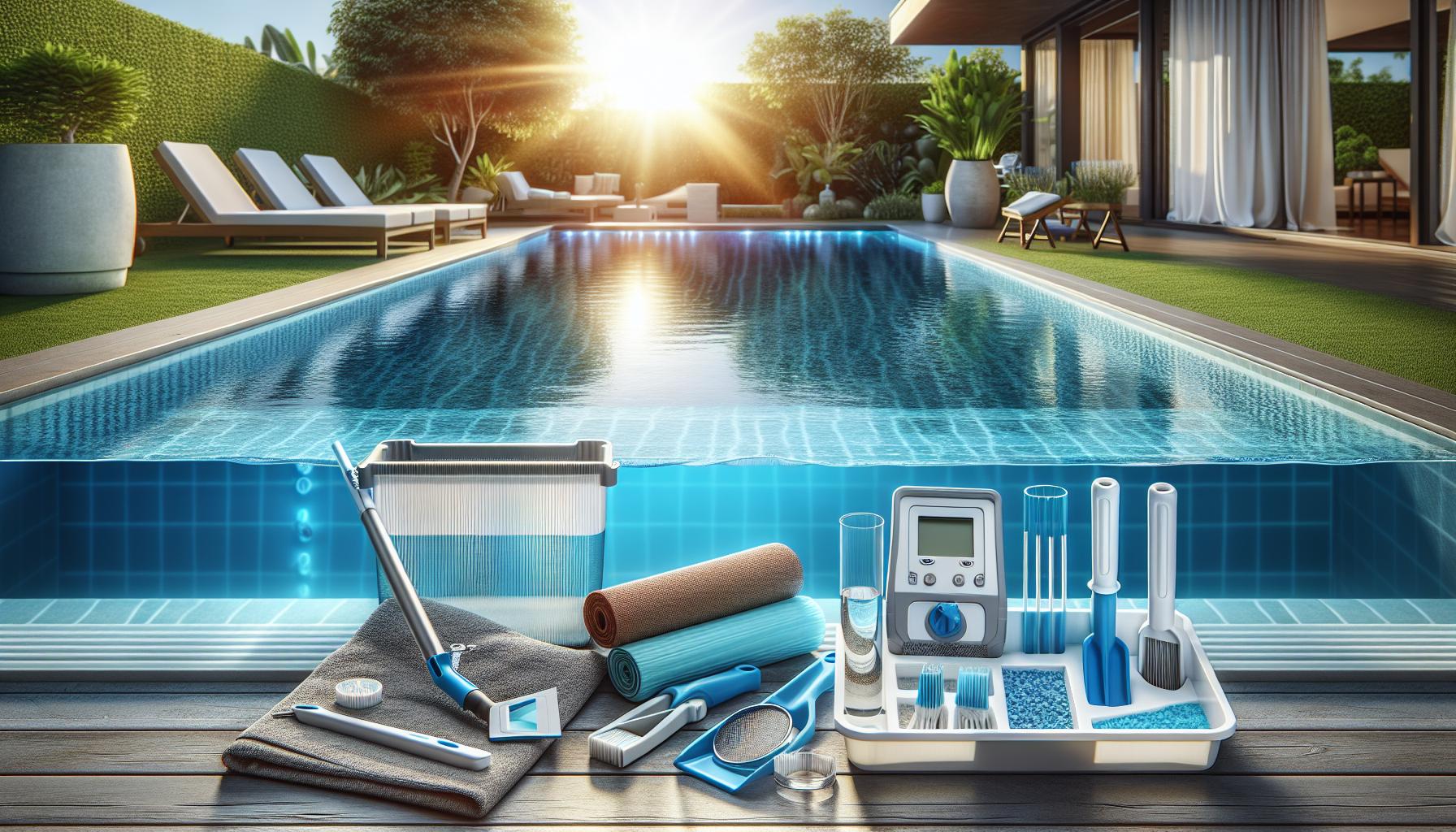
Managing the pH and alkalinity levels of your pool water is crucial for ensuring a safe and enjoyable swimming environment. The pH scale ranges from 0 to 14, with 7 being neutral. For swimming pools, maintaining a pH level between 7.2 and 7.8 is ideal. If the pH level drops below 7.2, it can lead to corrosive conditions that may damage pool equipment and irritate the skin and eyes of swimmers. Conversely, a pH above 7.8 can result in cloudy water and diminish the effectiveness of chlorine, making it difficult to keep the water clean and safe.
Alkalinity acts as a buffer for pH, helping to stabilize it. The ideal range for total alkalinity in pools is typically between 80 and 120 ppm (parts per million). Low alkalinity can cause significant fluctuations in pH, leading to unstable water conditions that are troublesome to maintain. High alkalinity, on the other hand, can also push the pH level too high, complicating the maintenance process. By understanding the importance of both parameters, pool owners can take proactive measures to keep their water balanced, ensuring a pleasant swimming experience.
To effectively monitor and adjust pH and alkalinity, regular testing is essential. Pool test kits are widely available and can provide immediate feedback on water chemistry. In the event that adjustments are necessary, there are a variety of methods and chemical products available to raise or lower pH and alkalinity. By regularly checking these levels and making timely adjustments, you can prevent many common pool issues, including algae growth and equipment damage, positioning your pool as a sparkling oasis throughout the swim season.
Understanding the Ideal pH and Alkalinity Levels

Maintaining the correct pH and alkalinity levels in your pool is essential not just for water clarity, but also for the health and safety of swimmers. An ideal pH level, ranging from 7.2 to 7.8, ensures that the water is neither too acidic nor too alkaline. If the pH dips below 7.2, the water can become corrosive, leading to equipment damage and irritation to the skin and eyes. Conversely, a pH above 7.8 can diminish the efficacy of chlorine, resulting in cloudy water and potential algae growth. Therefore, actively monitoring and adjusting these levels is crucial for maintaining a safe swimming environment.
Alkalinity serves as a buffer for pH, stabilizing fluctuations and allowing for more manageable maintenance. The recommended range for total alkalinity in pool water is 80 to 120 ppm (parts per million). Low alkalinity can cause serious pH swings, making it difficult to maintain a consistent balance, while high alkalinity can push pH levels up, creating additional challenges. Understanding these dynamics empowers pool owners to take preventive measures and act swiftly when adjustments are necessary, ensuring a pleasant and safe swimming experience.
Regular testing is the first step in maintaining optimal pH and alkalinity levels. Pool test kits are readily available, allowing you to assess water chemistry easily. Once testing indicates an imbalance, you can use various methods and chemical treatments to adjust the pH and alkalinity accordingly. By familiarizing yourself with these processes and practicing regular maintenance, you’ll not only keep your pool water crystal clear but also extend the lifespan of your equipment and enhance the overall enjoyment of your pool.
Common Causes of Low pH and Alkalinity

Low pH and alkalinity levels in pool water can create a host of problems, affecting not just water clarity but the overall health of your pool. Understanding the common causes of these imbalances is essential for every pool owner. One significant factor is the natural accumulation of contaminants like leaves, dirt, and organic matter, which can introduce acids into your pool water, lowering pH and alkalinity over time. Heavy rainfall can also contribute, washing away debris and altering the chemical balance unexpectedly.
Another common culprit is the use of certain pool chemicals. Chlorine, especially in its stabilized form, can contribute to acidity, which might lower the pH over time. If the pool water is frequently shocked or treated with high levels of acidic chemicals, it can lead to a rapid decline in pH levels. Additionally, the use of acidic cleaning agents or algaecides without proper pH adjustment afterward can further exacerbate the problem.
Factors such as improper filtration and circulation also play a role. Inadequate filtration can lead to a build-up of organic material and other contaminants, which can produce acids, while poor circulation can prevent chemicals from dispersing evenly throughout the pool. Without consistent water movement, imbalances can occur more easily, leading to localized low pH and alkalinity levels.
To combat these issues, regular testing with a reliable pool test kit is vital. This leads to timely interventions before imbalances worsen. Employing a few simple maintenance steps can make a significant difference-regularly cleaning the pool, ensuring proper chemical application, and maintaining robust circulation and filtration systems are all effective strategies to stabilize pH and alkalinity levels. By being proactive and understanding these common causes, you can ensure a safe and enjoyable swimming environment year-round.
Signs Your Pool Needs pH and Alkalinity Adjustment
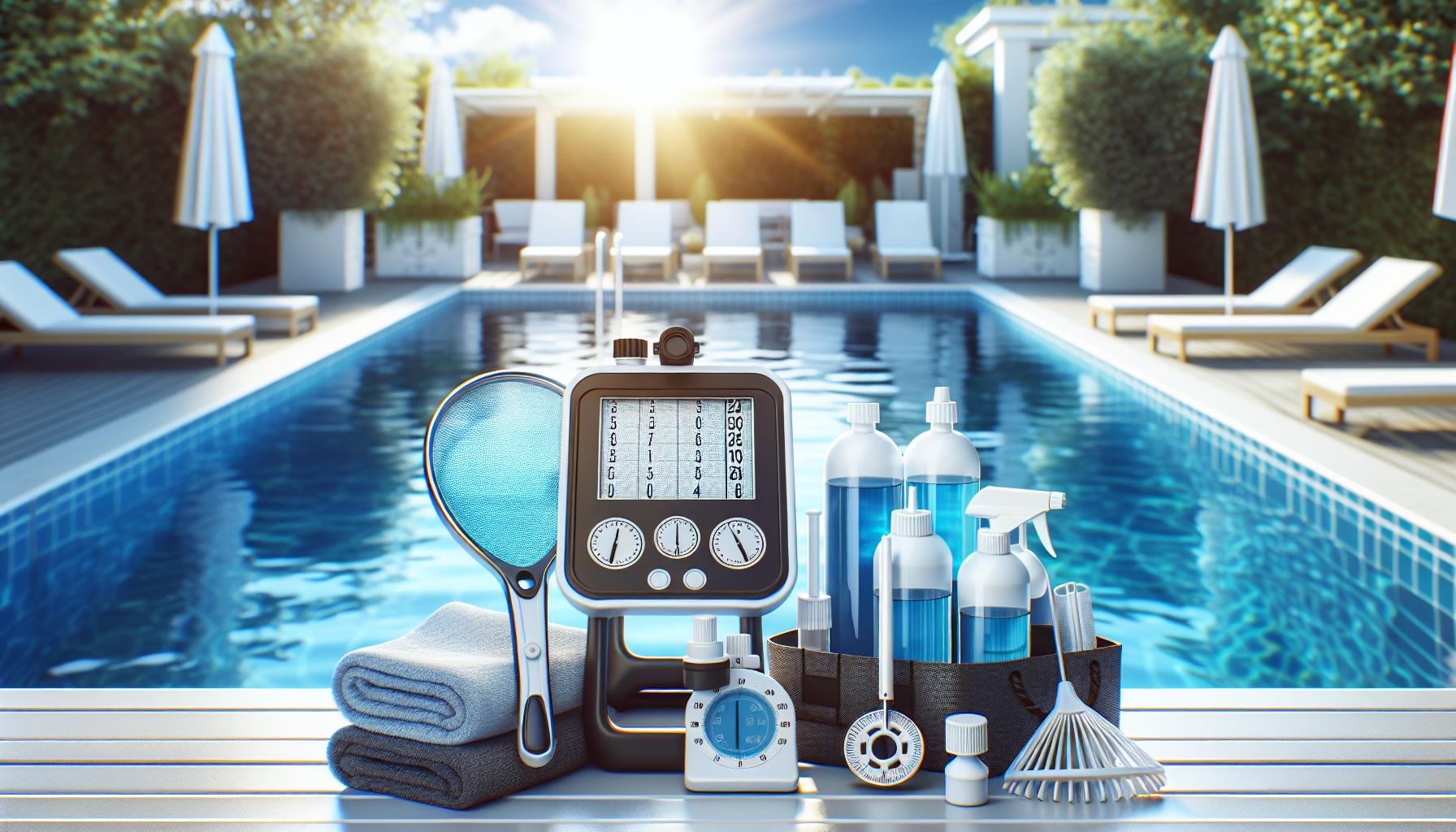
Low pH and alkalinity levels in pool water can lead to a range of problems that affect both the appearance and safety of your pool environment. If you notice any of the following signs, it’s crucial to take action to rebalance your water chemistry for a clear and inviting swimming experience.
One common indicator that your pool may need a pH adjustment is the presence of skin and eye irritation among swimmers. When the pH dips below the optimal range, typically between 7.2 and 7.8, chlorine becomes less effective in sanitizing the water, leading to possible bacterial growth and discomfort for swimmers. Furthermore, if you observe a persistent smell of chlorine, it’s a sign that the chlorine is combining with contaminants rather than effectively sanitizing the water.
Another observable sign is cloudiness or haziness in the water. This issue often stems from low alkalinity, which can cause pH fluctuations that create an unstable environment for chemicals. Without proper alkalinity levels, your pool may struggle to maintain clarity, making it uninviting. Additionally, if you notice scaling or corrosion on your pool surfaces or equipment, it could indicate that the pH level is too low, potentially leading to costly repairs in the future.
Regular testing of your water is essential to monitor these changes. By performing tests every week, especially after heavy use or significant weather changes, you can catch any imbalances early. A simple pool test kit should measure not just pH but also total alkalinity. If your tests reveal pH levels below 7.2 or alkalinity below 80 ppm, it’s time to take corrective actions.
If you begin to experience these signs, don’t hesitate. Address the issues promptly to restore your pool water to a safe and enjoyable state. Incorporating regular maintenance practices, such as properly managing your chemical treatments and ensuring effective filtration, will go a long way in preventing these problems in the first place. Remember, a well-balanced pool not only enhances enjoyment but also extends the life of your pool equipment and structures.
Step-by-Step Guide to Raising pH in Your Pool
Maintaining the pH balance of your pool is crucial not just for water clarity and comfort, but also for the longevity of your pool equipment and surfaces. If testing reveals that your pool’s pH is below the ideal range of 7.2 to 7.8, it’s essential to take prompt action to raise it. The following steps provide a straightforward guide to effectively increasing pH levels in your pool.
Start by determining the current pH level using a reliable pool testing kit. It’s important to test your water at least weekly, as this will help you keep track of any changes. If you’ve established that the pH is below 7.2, you’ll need to introduce a pH increaser, typically sodium carbonate (soda ash) or sodium bicarbonate (baking soda). Consult the manufacturer’s instructions to understand how much to add based on your pool’s volume and the current pH level.
Once you have the correct amount ready, add the pH increaser to your pool water. It’s best to dissolve the powder in a bucket of water before pouring it into the pool to ensure even distribution. Slowly broadcast the solution across the surface of your pool, avoiding any concentrated areas. With the pool pump running, allow the water to circulate for at least six hours to ensure that the chemicals mix thoroughly.
After circulation, retest the pH level to see if you’ve reached the desired range. If pH is still low, repeat the process in smaller increments, which will help avoid overshooting your target. Additionally, regularly monitoring your total alkalinity is important since it acts as a buffer for pH fluctuations. If alkalinity is too low, consider raising it using sodium bicarbonate to stabilize your pH levels.
Incorporating these steps into your pool maintenance routine will not only keep your water chemistry balanced but also enhance the overall swimming experience. Regular testing and mindful adjustments make for a healthy pool that is inviting for all users. Remember, taking timely actions can save you from costly repairs down the road while ensuring a safe and enjoyable swimming environment.
Effective Methods to Increase Alkalinity
To maintain a safe and enjoyable swimming environment, ensuring proper alkalinity levels in your pool is essential. Alkalinity acts as a buffering agent, stabilizing pH and preventing sudden fluctuations that can lead to discomfort for swimmers and damage to your pool’s equipment. If you discover that your alkalinity is low, there are effective methods to increase it.
The most common way to boost alkalinity is by adding sodium bicarbonate, commonly known as baking soda. It’s a straightforward and widely available option for most pool owners. The recommended dosage is about 1.5 pounds of sodium bicarbonate for every 10,000 gallons of water to raise the alkalinity by approximately 10 ppm. Follow these steps to raise your pool’s alkalinity effectively:
- Test Your Water: Use a reliable kit to measure the current alkalinity levels in your pool.
- Calculate Required Amount: Based on the test results and your pool’s gallonage, determine how much sodium bicarbonate is needed.
- Dissolve First: Always dissolve the sodium bicarbonate in a bucket of water before adding it to the pool. This ensures even distribution and helps prevent any localized cloudiness.
- Add to Pool: Carefully pour the dissolved solution into your pool, focusing on shallow areas or directly in front of the return jets for optimal mixing.
- Run the Pump: Keep your pool pump running for at least 6 hours to allow the bicarbonate to circulate and fully integrate into the pool water.
- Retest: After the circulation period, test your alkalinity levels again to see if adjustments are needed.
If you find that your pool’s water is still not within the ideal range (80-120 ppm), you can repeat the addition process in smaller increments, allowing for gradual adjustments. Another effective method for increasing alkalinity is the addition of alkalinity increasers available at pool supply stores; these products are finely calibrated to suit different pool sizes and conditions.
Lastly, maintaining proper alkalinity isn’t just about the immediate fixes; it’s also about preventive maintenance. Regularly monitor your pool water, especially after heavy rain or high swimmer activity, which can dilute alkalinity levels. Incorporating these practices not only enhances your pool’s health but also contributes to a more pleasant swimming experience.
Using pH Increasers: Types and Recommendations
Maintaining the right pH levels in your pool is crucial for ensuring a safe and enjoyable swimming environment. When the pH dips below the ideal range of 7.4 to 7.6, it may lead to skin and eye irritation for swimmers, and can also corrode pool equipment. Thankfully, there are effective pH increasers available that can help you restore balance quickly and effectively.
There are primarily two types of pH increasers: sodium carbonate (commonly known as soda ash) and sodium bicarbonate (baking soda). Sodium carbonate is more powerful and should be used when a quick boost in pH is needed. It raises pH levels significantly with a smaller amount required-typically about 1 pound per 10,000 gallons of water can raise pH by approximately 0.2 units. However, take care when using soda ash, as adding too much at once can overshoot your target pH level.
On the other hand, sodium bicarbonate is gentler and is primarily used to raise alkalinity; however, it can also assist in raising pH, albeit at a slower rate. It’s often recommended for gradual adjustments. A dosage of about 1.5 pounds per 10,000 gallons will increase pH moderately and elevate alkalinity as well, making it a good choice if both levels are low.
When introducing these products into your pool, here are some actionable steps to consider:
- Test Your Water: Use a reliable pool testing kit to determine the current pH level.
- Calculate Dosage: Based on the volume of your pool and your test results, calculate the right amount of pH increaser needed.
- Disperse Gradually: For sodium carbonate, dissolve it in water before adding it to the pool to prevent cloudiness. For both types, pour the solution into the pool slowly, ideally in front of the jets to ensure even distribution.
- Circulate: Run your pool pump for several hours to mix the chemicals thoroughly.
- Retest: After the circulation time, retest the water to ensure the pH is at the desired level, adjusting again if necessary.
By using these pH increasers effectively, and regularly monitoring your water chemistry, you can maintain a healthier, safer pool environment for all to enjoy.
Understanding Chemical Balancing for Pools
Maintaining a chemically balanced pool is essential not only for swimmer comfort but also for the longevity of the pool structure and equipment. Chemical balance ensures that the water is safe, clear, and free from contaminants that can lead to irritation or disease. When pH and alkalinity levels are properly aligned, you’re essentially creating a harmonious aquatic environment where swimmers can enjoy their time without hassle.
Water chemistry consists of several components, but the two most critical aspects are pH and total alkalinity. pH measures how acidic or basic the water is, with a scale ranging from 0 to 14. For swimming pools, the ideal pH range is typically between 7.4 and 7.6, which is just slightly above neutral. On the other hand, total alkalinity acts as a buffer against pH fluctuations, helping to keep the pH steady. The ideal range for total alkalinity is usually between 80 and 120 parts per million (ppm). Understanding the interconnectivity of these two values is vital; without balanced alkalinity, your pH levels can swing wildly.
To effectively manage your pool’s chemical balance, start by testing your water regularly using a reliable pool testing kit. Depending on the test results, you might need to take corrective actions. If the pH is low (below 7.4), consider reaching for sodium carbonate, while a high pH (above 7.6) might invite sulfuric acid or sodium bisulfate into your processes. For low alkalinity, sodium bicarbonate is your go-to, as it raises both alkalinity and pH gradually. Each chemical adjustment should be made with a careful approach, adding small amounts and retesting before proceeding further.
Remember, the circulation of the pool water is crucial after chemical additions. Running the pool pump for several hours ensures that the chemicals are evenly distributed and adequately mix with the existing water. This not only helps in achieving the desired balance more efficiently but can also prevent localized concentrations that may cause further water quality issues. After chemical adjustments and circulation, retest the pool water to determine if additional adjustments are necessary. By fostering a proactive approach to chemical balancing, you can avoid common pool issues and ensure a safe, enjoyable swimming experience year-round.
Testing Your Pool Water for Accurate Adjustments
To maintain a safe and enjoyable swimming environment, regular testing of your pool water is essential for accurate pH and alkalinity adjustments. A small change in pH or alkalinity can significantly impact water clarity, swimmer comfort, and the longevity of your pool equipment. Therefore, knowing how to effectively test your water not only keeps it healthy but also helps prevent costly repairs.
Begin by selecting a reliable pool water testing kit that includes tests for pH, total alkalinity, and other key parameters. While test strips are quick and convenient, liquid test kits tend to offer more precise results. To accurately assess your water, follow these general steps:
- Collect a Sample: Use a clean container to collect pool water from elbow depth, away from the return jets and skimmers. This ensures you get a representative sample.
- Measure Temperature: Test water temperature first; it can influence the readings and reactions of the chemicals you might add later.
- Perform the Tests: Follow the instructions provided with your testing kit closely. For liquid kits, add the specified reagents to the water sample and compare the color change against the provided chart.
- Record Results: Write down the results immediately, noting the pH and alkalinity levels. This step helps track trends over time.
Once you have your results, you can determine the necessary chemical adjustments to restore balance. A pH level below 7.4 may require increments of sodium carbonate to raise the level, while levels above 7.6 may need acids such as sodium bisulfate for correction. When addressing alkalinity, sodium bicarbonate is the go-to option.
Remember to retest the pool water after making adjustments. This process is crucial to avoid over-correction, which can lead to further imbalances. Ideally, let your pool pump run for a few hours post-chemical addition to ensure proper distribution before conducting a follow-up test. With diligent testing and quick adjustments, you can maintain a sparkling, welcoming pool for all to enjoy.
Maintenance Tips to Keep pH and Alkalinity Balanced
Maintaining a balanced pH and alkalinity in your pool is essential for clear water and a safe swimming environment. A common misconception is that chemical adjustments are a once-in-a-while task; however, consistent maintenance is key to preventing drastic fluctuations that can lead to water clarity issues and damage to pool equipment. For instance, regularly checking and adjusting these parameters can help avoid more costly repairs in the future, ensuring a healthier swimming experience for everyone.
To effectively maintain balanced pH and alkalinity, it’s beneficial to establish a routine. Make it a habit to test your pool water at least once a week, and more frequently after heavy rain or pool use. When testing, pay attention to both pH (ideally between 7.4 and 7.6) and total alkalinity (typically 80-120 ppm). If your pH is low, consider using sodium carbonate; for high pH, sodium bisulfate is recommended. To raise alkalinity, sodium bicarbonate is the go-to choice. After adding any chemicals, allow the pool pump to run for several hours to ensure proper mixing, and retest the water to confirm the adjustments.
Additionally, you can incorporate preventative measures such as proper pool covers and regular cleaning. Covers can minimize debris accumulation that often disrupts the chemical balance, while frequent skimming and vacuuming help keep organic matter from affecting water quality. If your pool experiences constant pH fluctuations, consider checking your sanitizer’s effectiveness, as imbalanced chlorine levels can also contribute to pH instability. Lastly, seasonal maintenance, including an initial thorough cleaning and water balance check in spring, can set the stage for successful year-round management.
By establishing a regular maintenance schedule and promptly addressing any imbalances, you create an environment that is not only safe and inviting but also prolongs the life of your pool equipment. Embrace the hands-on approach and take ownership of your pool’s health; a little diligence now can save you considerable time and expense down the line.
Troubleshooting Common Issues in Pool Water Balancing
When it comes to keeping your pool water balanced, fluctuations in pH and alkalinity can lead to a slew of headaches. Perhaps you’ve noticed cloudy water, itchy skin after swimming, or even scale formation on your fixtures-these are all symptoms of imbalanced water. The good news is that many of these common issues can be resolved with straightforward troubleshooting steps.
One frequent issue pool owners face is rapidly fluctuating pH levels. If you observe that your pH is often too low or high despite regular treatments, consider the water source and environmental factors. Rainwater, for example, can dilute your pool chemicals and affect your pH. If rain is a continual issue, installing a rain cover or canopy can help mitigate this. Regularly check and adjust your water chemistry after heavy rains to help maintain balance.
Another problem is low total alkalinity, which can lead to pH swings and make it challenging to stabilize your pool. If test results show alkalinity below 80 ppm, you can raise it using baking soda (sodium bicarbonate). This natural and effective method will gently increase both alkalinity and pH. Add the recommended dosage-generally about 1.5 pounds per 10,000 gallons of water-and run your pool’s pump for at least two hours after treatment. Always retest afterward to ensure you reach the ideal range.
For pools that exhibit persistent cloudy water or scaling despite having checked pH and alkalinity, consider evaluating your filtration system. Clogged filters or insufficient run times can prevent effective water circulation, leading to quality issues. Ensure your filter is clean and operating properly. Aim for a minimum of 8 hours a day of filtration to keep contaminants at bay. If scaling continues, you may need to adjust calcium hardness-adding a calcium-sequestering agent can help dissolve existing deposits and prevent future buildup.
In addressing these common issues, patience is vital. Sometimes, it may take several adjustments over a few days to achieve the desired balance. With diligent monitoring and these straightforward solutions, you can keep your pool water healthy and inviting all season long. Remember, the key to enjoying crystal-clear swimming water is proactive management and prompt troubleshooting.
When to Seek Professional Help for Pool Maintenance
In countless instances, pool owners grapple with the daunting task of maintaining optimal water chemistry. While many do-it-yourself methods can help in adjusting pH and alkalinity, there are times when professional assistance becomes essential. If you find yourself dealing with persistent issues that resist your best efforts-such as frequent cloudy water, reoccurring scaling, or continued irritation after swimming-even after chemical adjustments and system maintenance, it may be time to call in an expert.
A red flag indicating the need for professional intervention is the frequent fluctuation of pH and alkalinity despite consistent chemical applications. This could stem from underlying issues with your pool’s circulation system, such as a malfunctioning pump or a compromised filtration system. Professionals can conduct a thorough examination of your equipment and diagnose any faults that could be impacting your pool’s water balance.
Moreover, if your pool has experienced significant weather events, like heavy rainfall or runoff, the water chemistry can be thrown off balance drastically. In such cases, an expert can provide a comprehensive water analysis that takes into account not just pH and alkalinity, but also other critical factors like calcium hardness and sanitizer levels. This holistic approach ensures all aspects of your pool’s chemistry are in check.
Lastly, if you find the entire process overwhelming or if you’re lacking the time to dedicate to regular maintenance, enlisting a professional can be a game changer. Many pool service companies offer tailored maintenance plans that can relieve you of the burden and provide peace of mind, ensuring your pool remains sparkling and safe for you and your family. With their knowledge and expertise, professionals can not only remedy current problems but also implement preventive measures, enhancing the longevity of your pool experience.
Frequently asked questions
Q: How often should I check my pool’s pH and alkalinity levels?
A: It’s recommended to test your pool’s pH and alkalinity levels at least once a week. More frequent checks are advisable after heavy usage, rainstorms, or chemical additions to ensure proper water balance and prevent issues like algae growth or skin irritation.
Q: What happens if the pH is too low in my pool?
A: If the pH is too low (below 7.2), it can cause corrosive water conditions, leading to damage to pool equipment and surfaces. Additionally, it can result in skin irritation for swimmers. Raise it promptly with a pH increaser to restore balance.
Q: Can I use baking soda to raise alkalinity in my pool?
A: Yes, baking soda is an effective and safe method to raise alkalinity in pool water. Use about 1.5 pounds of baking soda per 10,000 gallons of water as a starting point, and retest after 24 hours to see if further adjustments are needed.
Q: What is the ideal range for pH and alkalinity in pools?
A: The ideal pH range for pools is between 7.4 and 7.6, while total alkalinity should be maintained between 80 and 120 ppm (parts per million). Keeping these levels ensures optimal water quality and swimmer comfort.
Q: How do I know if my pool water needs adjusting?
A: Signs that your pool water needs adjusting include cloudy water, algae growth, skin or eye irritation for swimmers, or frequent chemical imbalance readings during tests. Regular testing helps you stay ahead of these issues.
Q: Is it safe to swim in a pool with low alkalinity?
A: Swimming in a pool with low alkalinity is not recommended, as it can lead to skin and eye irritation. Additionally, low alkalinity can result in pH fluctuations, making it harder to maintain stable water chemistry.
Q: How can I quickly raise pH in my pool if it’s low?
A: To quickly raise pH levels, add a pH increaser (sodium carbonate) directly to the pool water. Start with small amounts-about 1 pound per 10,000 gallons-then recheck the pH after a few hours and adjust accordingly.
Q: What is the difference between pH and alkalinity in pool water?
A: pH measures how acidic or basic the water is, while alkalinity measures water’s ability to resist pH changes. Proper alkalinity helps stabilize pH and protects against rapid fluctuations, contributing to overall water balance.
In Conclusion
With your pool’s pH and alkalinity now balanced, you can ensure cleaner, safer swimming experiences all summer long. Remember, regular maintenance is key! If you’d like more tips on pool care, check out our articles on “Essential Pool Maintenance Checklist” and “Troubleshooting Common Pool Problems.” Your pool deserves the best, and we’re here to help you achieve that!
Ready to take your pool care knowledge further? Subscribe to our newsletter for expert insights, product recommendations, and exclusive discounts-your first step towards becoming a pool maintenance pro! Don’t let unclear water spoil your fun; act now to keep your oasis sparkling and enjoyable. Have questions or tips to share? We’d love to hear from you in the comments below!


