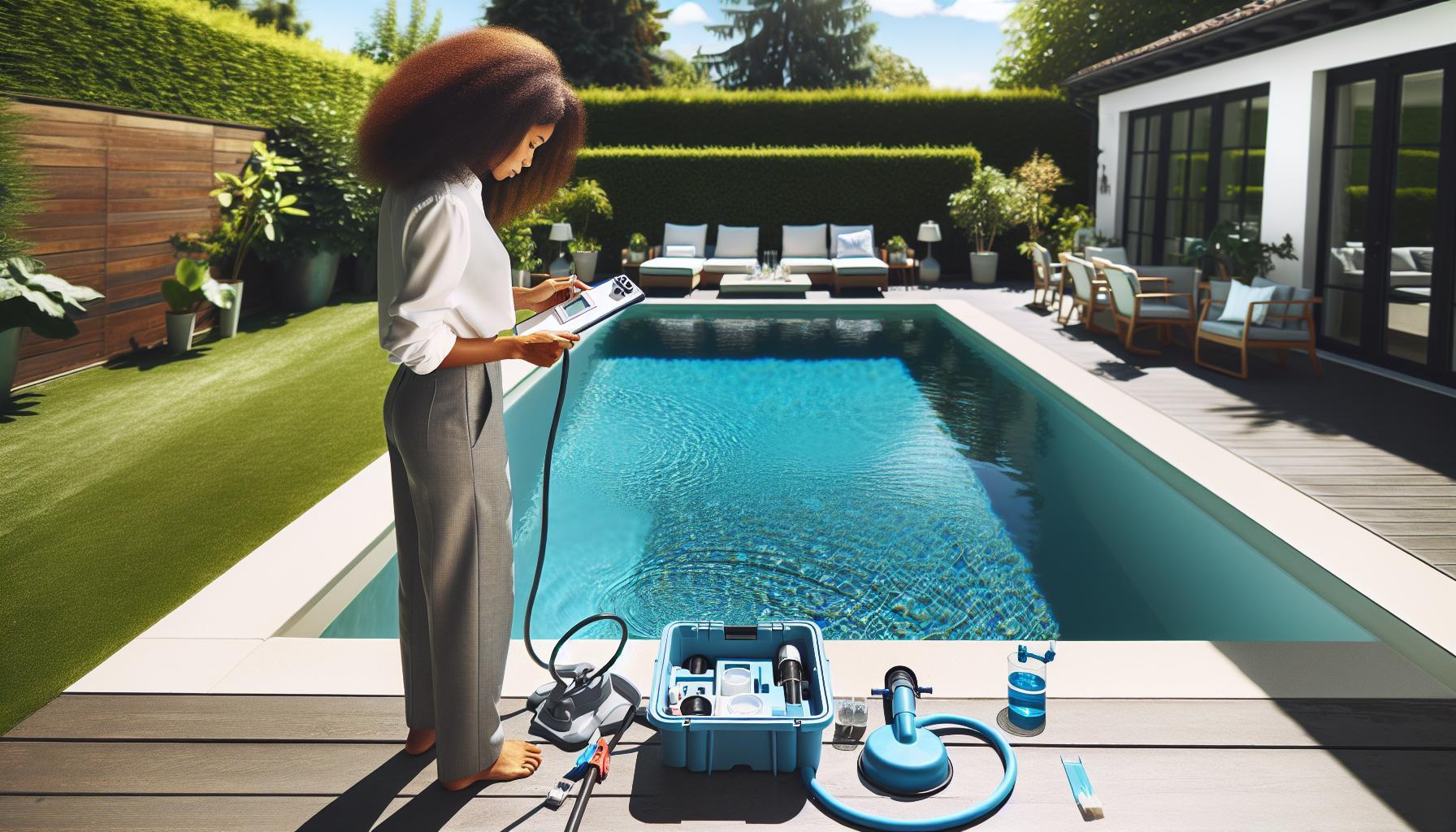
Did you know that the lifespan of an above ground pool can vary significantly based on maintenance and usage? Understanding how long your pool will last is crucial not only for planning your investment but also for ensuring enjoyable summers filled with fun and relaxation.
In this article, we’ll dive into the average lifespan of above ground pools, exploring the factors that influence their durability and the maintenance tips that can extend their life. Whether you’re a first-time pool owner or looking to maximize the enjoyment of your existing pool, this guide will provide you with the essential insights you need to keep your pool in top shape. With the right care, your above ground pool can be a source of joy for many years to come-let’s explore how to achieve that!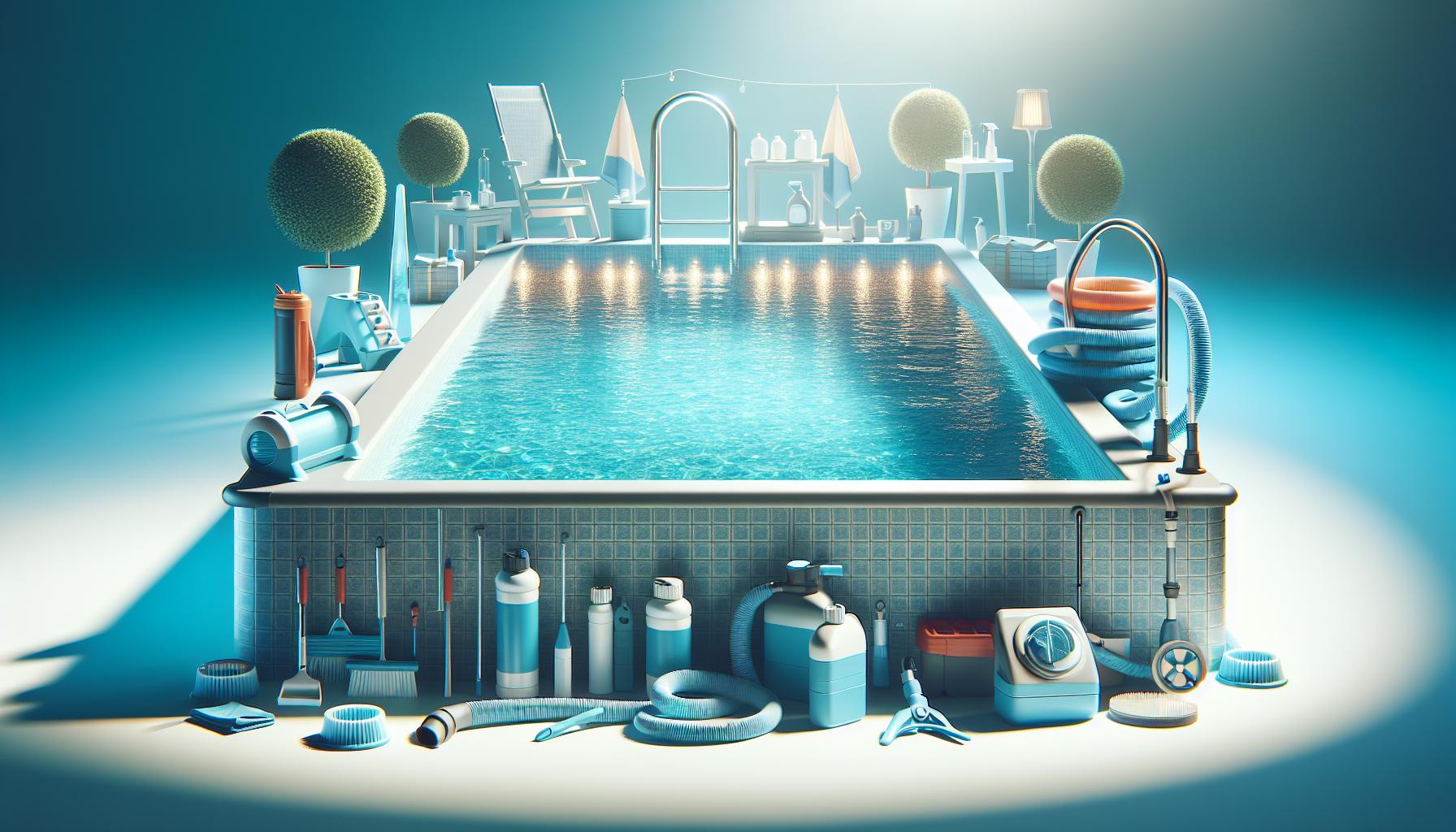
Lifespan Expectations for Above Ground Pools
The lifespan of above ground pools typically ranges from 10 to 20 years, but this can vary significantly based on several key factors. The quality of materials, installation, maintenance routines, and climate conditions all play critical roles in determining how long your pool will last. Higher-quality pools, constructed with durable materials, can often surpass the 15-year mark, while less expensive options may need replacement within a decade.
To ensure longevity, it’s essential to focus on proper maintenance. This includes regular cleaning of the pool deck, walls, and water, as well as monitoring chemical levels to prevent damage from algae and other contaminants. Additionally, protecting the pool from environmental elements through the use of covers and enclosures can significantly extend its life. For instance, if you live in an area with harsh winters, a well-fitted winter cover can prevent ice and snow from accumulating, reducing wear and tear on the structure.
In summary, while the average lifespan of an above ground pool can be a decade or longer, diligent maintenance and proper care can maximize its durability, turning it into a long-lasting centerpiece for your outdoor space. Regularly inspecting your pool for signs of wear and addressing minor issues promptly will save you from larger, more costly repairs down the line.
Factors Affecting Pool Longevity
Above ground pools can serve as a refreshing oasis during the hot summer months, but understanding the various factors that influence their longevity is crucial for keeping them in optimal condition. Key elements such as material quality, installation precision, maintenance habits, and environmental factors each play a pivotal role in determining how long your pool will last.
Material Quality
The materials used in the construction of an above ground pool can significantly affect its lifespan. Pools made from high-grade resin, aluminum, or galvanized steel tend to resist rust and corrosion better than those made of lower-quality materials. When selecting a pool, consider the following factors:
- Wall Thickness: Thicker walls can withstand pressure and impact better, minimizing the risk of punctures or crumpling.
- Pool Liner: High-quality liners come with protective coatings that enhance durability against chemicals and UV rays.
Installation Quality
A proper installation is essential for maximizing the lifespan of your pool. Poorly done installations can lead to structural issues that may arise later. To ensure a sturdy setup:
- Level Ground: Make sure the ground is level to prevent stress on any part of the pool.
- Support Structures: Adequate supports help maintain stability, especially in regions with shifting soil.
Maintenance Practices
Regular maintenance not only keeps your pool clean but also prevents long-term wear and tear. Here are some maintenance tips:
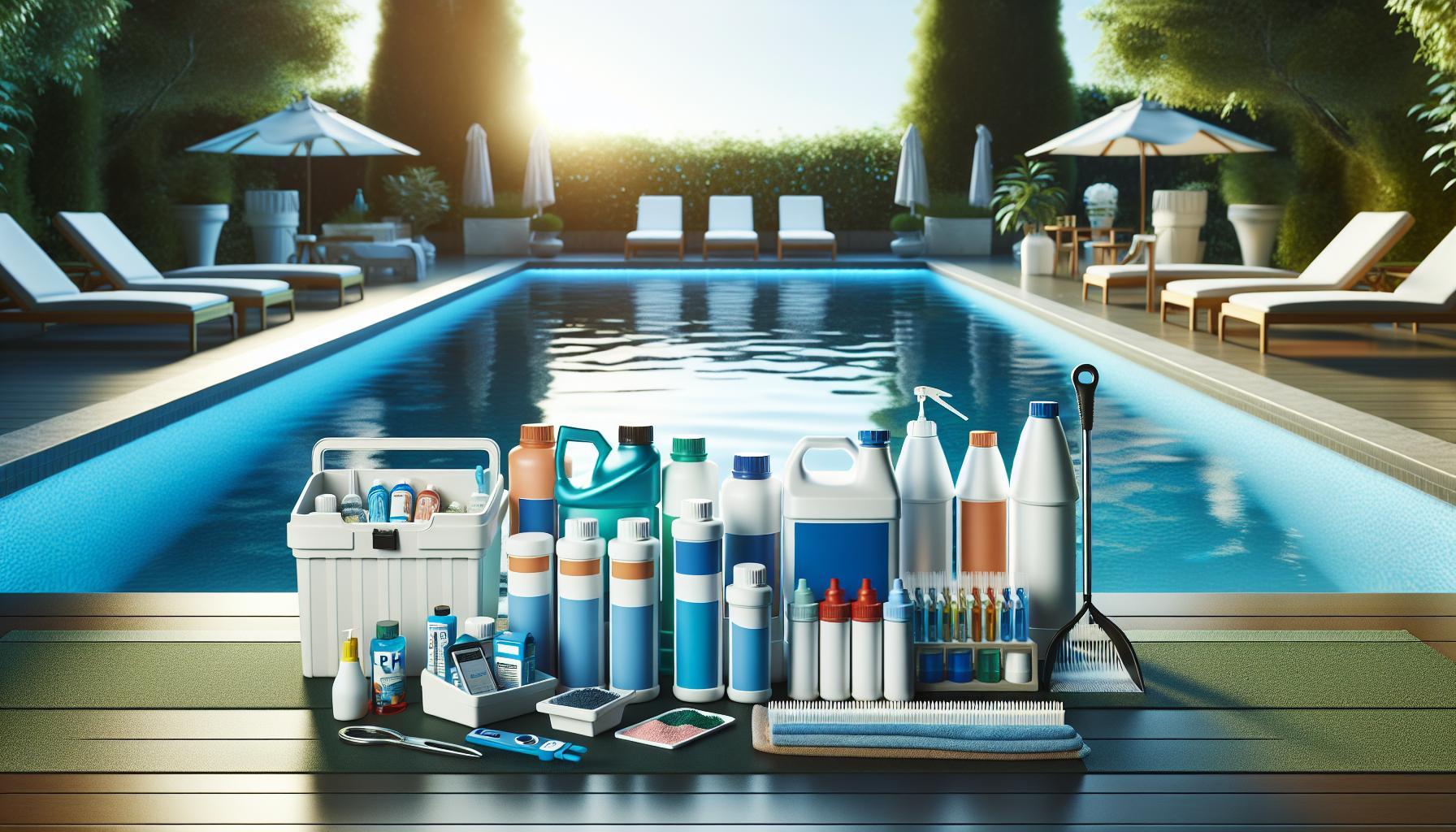
- Water Chemistry: Regularly test and adjust the chemical balance to prevent algae growth and corrosion.
- Cleanliness: Routinely remove debris and vacuum to avoid sediment buildup, which can damage the pool liner.
Establishing a routine can significantly extend your pool’s life.
Environmental Considerations
The climate in which your pool is located impacts its durability. For instance, pools in regions with harsh winters or intense UV exposure may require more protective measures:
- Winterization: Properly winterizing your pool can prevent freezing damage and ice accumulation.
- UV Protection: Consider covering your pool during times of heightened sunlight to mitigate UV degradation.
Being proactive about these factors not only enhances the lifespan of your above ground pool but also contributes to a safer and more enjoyable experience for you and your family. Understanding these influences empowers pool owners to make informed decisions regarding purchases, installations, and ongoing care practices vital for longevity.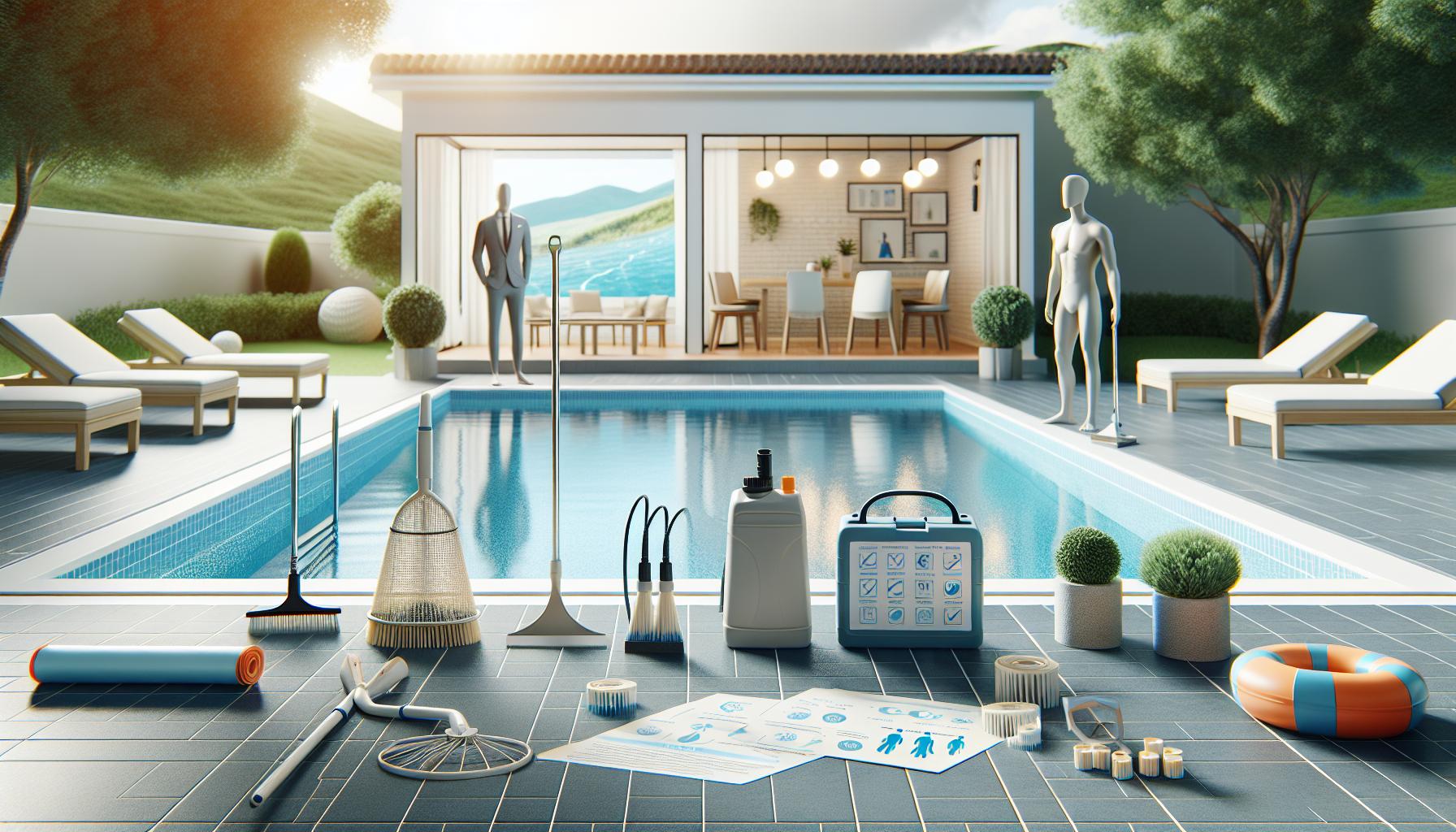
Common Issues and Their Solutions
When it comes to above ground pools, being aware of common issues can help you take proactive steps in maintenance and repairs, ultimately extending the life of your aquatic retreat. One of the most prevalent problems pool owners face is leaks, which can occur due to punctures in the liner or damaged fittings. To tackle a leak, systematically inspect the pool liner both from outside and inside for visible damage or wear. Use a patch kit specifically designed for pool liners to seal small punctures; for more significant damage, it may require replacing sections of the liner or fittings. Regularly checking water levels and keeping an eye on any unexplained drops can be a helpful indicator of leaks.
Another frequent concern is algae growth, particularly in warm weather or when water chemistry is unbalanced. This not only affects the aesthetic of your pool but can also create safety issues. To combat algae, start by maintaining proper water chemistry by testing pH and chlorine levels regularly. When algae bloom does occur, use an algaecide, and consider shocking the pool with chlorine to eliminate the excess growth. Regular brushing of the pool walls and vacuuming can also prevent algae buildup and maintain clarity.
Rust can significantly impact pools made from metal, especially if they’re located in humid regions. Rust typically forms around the edges or supports. To address this, regularly inspect metal parts for signs of corrosion and treat any rust with a rust-inhibiting primer followed by paint designed for pools. Additionally, consider applying a protective coating to exposed metal surfaces to prevent future rust formation.
Lastly, wear and tear on pool equipment like pumps, filters, and ladders can lead to inefficient operation and potential hazards. Clean your filter regularly and replace it as necessary to ensure it operates effectively. Inspect and lubricate any moving parts, and replace worn components promptly. Having a checklist for routine maintenance can help keep track of these tasks and extend the life of both your pool and its equipment.
By addressing these common issues with practical, hands-on solutions, pool owners can not only tackle immediate problems but also foster a long-lasting and safe swimming environment. Regular inspections and maintenance can make a significant difference in overall pool longevity and enjoyment.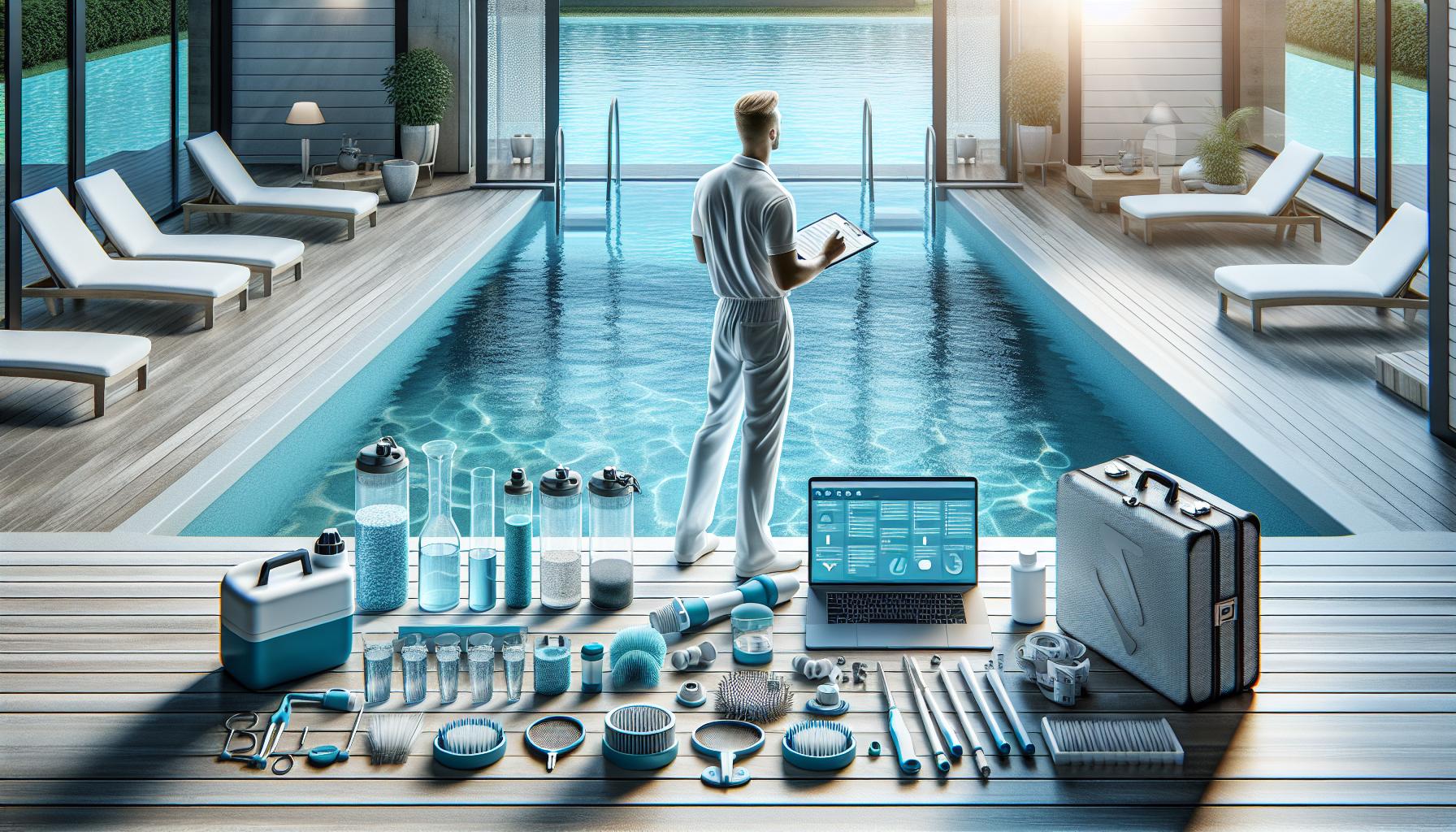
Essential Maintenance Tips for Longevity
Maintaining an above ground pool is vital not only for ensuring a pleasant swimming experience but also for maximizing its lifespan. One of the most critical aspects of pool longevity is regular maintenance, which can prevent common issues such as leaks, algae growth, and equipment wear. An effective maintenance routine not only enhances the pool’s appearance but also ensures safety and efficiency.
Start with a daily inspection of your pool’s water clarity and chemical balance. Testing the pH and chlorine levels should become part of your routine to avoid algae and other water quality issues. If the water appears hazy or has an unpleasant odor, it often indicates an imbalance that needs to be corrected quickly. A simple home testing kit can provide instant results, leading to timely adjustments.
Weekly maintenance should include skimming the surface for debris, vacuuming the bottom, and brushing the walls and ladders of the pool. This not only keeps your pool inviting but helps maintain balanced water chemistry. Consider adding an algaecide weekly during warmer months to preempt any growth and perform regular shocks with chlorine to keep the water sanitized. Make sure to inspect your filter regularly-clean it as needed and replace it if it shows signs of wear or inefficiency.
Seasonal Maintenance
Every season will bring unique challenges. In the spring, a thorough cleaning and chemical adjustment are vital to prepare for the swimming season. During the fall, consider adding a winterizing product if you plan to close your pool. This will help protect the liner and equipment from the elements. Take extra care during winter to drain water from all hoses and components, preventing freeze damage.
Finally, maintain a close eye on any signs of wear. For instance, rust on metal components may occur if your pool is older or located in a humid climate. Treat rust immediately with a rust-inhibiting primer followed by pool-safe paint. Regular checks of the pool structure and equipment will help you catch any issues early, reducing the risk of costly repairs or premature replacement.
Incorporating these essential maintenance tips into your routine will not only enhance the enjoyment of your pool but can significantly extend its operational life. With a proactive approach, you can ensure your above ground pool remains a source of fun and relaxation for many seasons to come.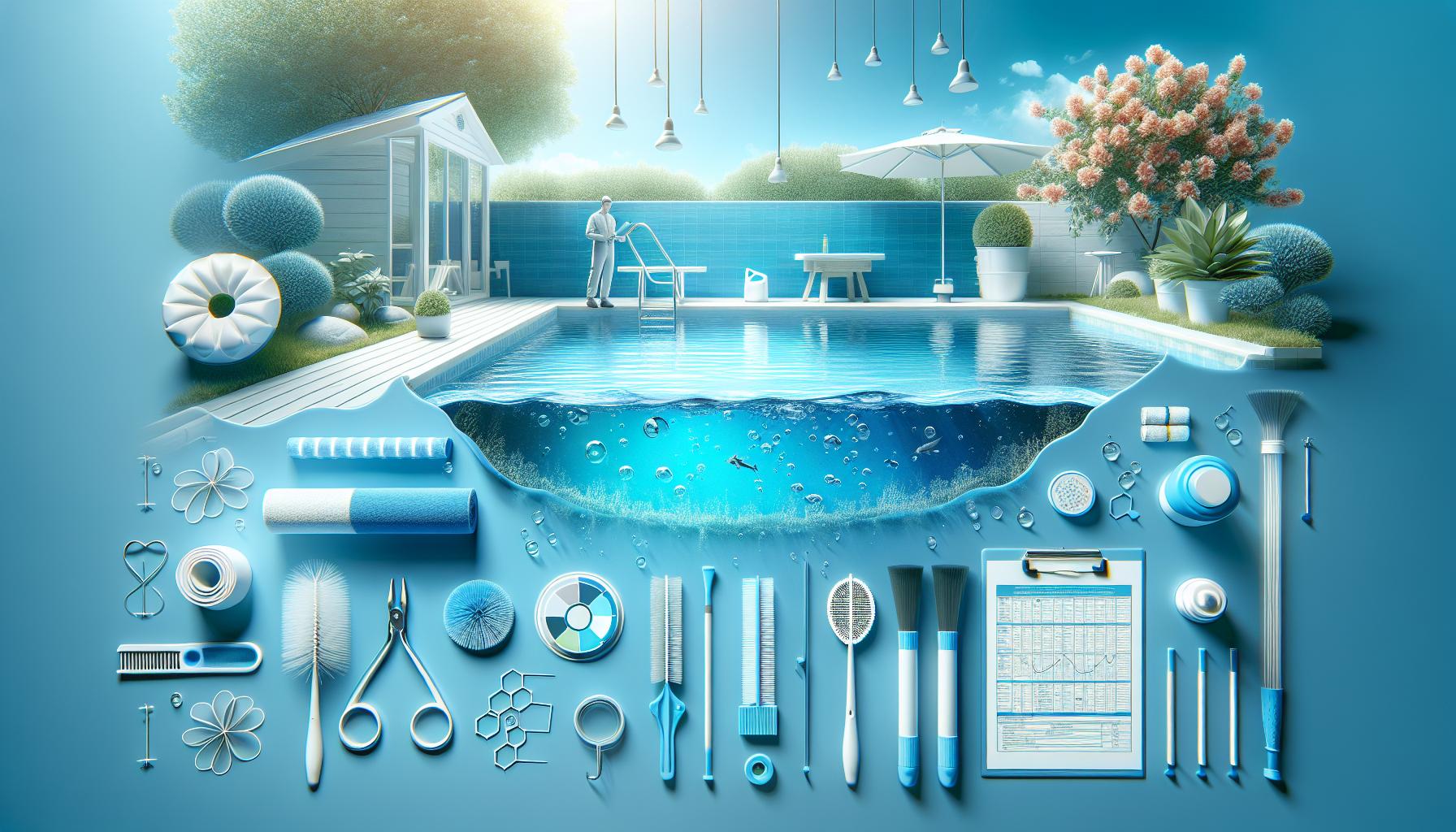
Seasonal Care Guide for Above Ground Pools
Maintaining an above ground pool throughout the various seasons is essential not only for enjoyment but also for ensuring the longevity of your investment. Different seasons bring distinct challenges, and understanding how to care for your pool during each can prevent costly repairs and extend its usable life.
In spring, as the weather warms and the swimming season approaches, it’s crucial to give your pool a thorough cleaning. Begin by removing any debris that accumulated over the winter, including leaves and ice from the cover. Once clean, conduct a full water test to check pH, alkalinity, and chlorine levels. Adjust these levels accordingly, focusing especially on bringing the chlorine levels back up to the appropriate range to prevent algae growth. It’s also the perfect time to check all equipment, including filters and pumps, to ensure they are operational. This proactive approach of identifying and addressing issues can save you from major inconveniences during peak swimming months.
As summer rolls in, maintenance becomes more frequent. Weekly tasks include skimming the surface for leaves and bugs, vacuuming the pool floor, and brushing walls to prevent algae buildup. Controlling the water chemistry remains paramount; aim for a balanced pH and keep chlorine levels ideal for sanitation. If the pool is used heavily, consider shocking the water every couple of weeks to eliminate contaminants. This routine not only keeps your pool sparkling but also safeguards the health of swimmers and the integrity of pool materials.
When autumn arrives, preparation for winter is necessary, even if you plan to keep your pool open for longer. Start by treating the water with algaecide to prevent algae growth during the cooler months. As temperatures drop, consider using a winterizing solution if closing the pool, which helps protect the liner and plumbing. Ensure all equipment is drained to prevent freeze damage. Regularly check the water levels during the fall to avoid any complications from evaporation.
Finally, during winter, if you opt to close your pool, be diligent in maintaining its condition. Regularly remove snow and ice from the pool cover, ensuring it remains secure and intact. This will prevent the liner from stretching or tearing. If the cover is well-maintained and the water balance is correct, you’ll save significant time and effort when it’s time to reopen the pool in spring.
By carrying out these tailored seasonal maintenance tasks, you not only ensure a more enjoyable swimming experience each year but also bolster the long-term health of your above ground pool. A proactive approach lays the foundation for years of fun, providing peace of mind and a safe environment for family and friends alike.
Signs It’s Time to Replace Your Pool
Determining when it’s time to say goodbye to your above ground pool can be challenging. While regular maintenance can extend its lifespan significantly, certain signs indicate that replacement is the most practical choice. One of the most striking indicators is the condition of the pool liner. If you notice significant fading, discoloration, or multiple tears and punctures, this typically suggests that the liner has reached the end of its useful life. Even minor leaks can indicate a need for replacement, especially if repairs become frequent or costly.
Another critical factor to assess is the structural integrity of the pool itself. Look for signs of rust or corrosion on the frame, which can compromise safety and stability. If your pool involves a metal wall and you observe signs of rust, especially at the seams or joints, it could be a signal to consider replacement. A surface that feels sharp or has areas of deterioration can also pose safety hazards for swimmers.
Water Quality Issues
Persistent water quality problems can further hint at a failing pool. If you’re faced with constant struggles to maintain properly balanced water chemistry, despite regular testing and treatments, it may be a sign that your pool’s materials are breaking down. This can lead to higher costs in chemistry balancing and increased harmful bacteria levels, ultimately affecting the safety and enjoyment of the pool. If you find yourself spending more on maintenance than the cost of a new pool, it might be time to reassess your options.
Cost of Repairs vs. Replacement
Weighing the costs of ongoing repairs against the investment in a new pool can also guide your decision. If you’ve recently addressed several significant repairs or find that major components, like the pump or filter, are continually malfunctioning, it’s worth conducting a cost-benefit analysis. As a rule of thumb, if repairs exceed 50% of the estimated cost of a new pool, it’s prudent to invest in a replacement.
In conclusion, understanding these signs can make a considerable difference in your pool experience and financial investment. Observing the condition of your pool’s components and assessing ongoing maintenance costs will empower you to make informed decisions, ensuring that you continue to enjoy a safe and inviting swimming environment.
Cost Considerations for Pool Repair vs. Replacement
Evaluating whether to repair or replace your above-ground pool can significantly impact your budget and overall satisfaction with your swimming experience. On average, an above-ground pool lasts between 7 to 15 years, depending on material quality, maintenance routines, and environmental factors. As components wear out, the decision to invest in repairs or a new pool becomes crucial, especially when the costs of upkeep begin to rise.
When considering costs, start by analyzing recent repair expenses. If you’ve undergone frequent repairs such as replacing the liner, fixing leaks, or addressing structural integrity issues, it’s time to take a detailed inventory of these expenses. Create a comparison table to help visualize the costs:
| Repair Type | Estimated Cost | Frequency Per Year | Total Annual Cost |
|---|---|---|---|
| Liner Replacement | $300 – $600 | 1 | $300 – $600 |
| Pump Replacement | $150 – $400 | 1 | $150 – $400 |
| Structural Repairs | $200 – $500 | 2 | $400 – $1000 |
Summing these totals gives a clear picture of what you’re spending annually on repairs. If annual repair costs exceed 50% of the price of a new pool, approximately $1,500 to $3,000, consider investing in a replacement instead.
In addition to financial comparisons, assess the long-term reliability of your current pool. A deteriorating frame or recurring liner issues might suggest deeper systemic problems. A new pool not only offers upgraded features and technologies but can also enhance safety, reduce maintenance efforts, and ultimately offer peace of mind. While a new investment may seem daunting, weighing the future savings in maintenance and repairs can guide you toward a more sustainable choice.
Ultimately, evaluating the costs associated with repairs versus the benefits of replacement ensures that you’ll maintain a safe and enjoyable swimming environment that aligns with your family’s needs and financial situation. Regularly documenting expenses and maintenance issues can empower you to make informed and timely decisions regarding your pool, allowing for continued summer enjoyment without unexpected frustrations.
Best Practices for Winterizing Your Pool
To ensure your above-ground pool survives the winter months and extends its lifespan, it’s crucial to follow effective winterizing practices. A well-winterized pool prevents damage from freezing temperatures, ice, and snow, making the transition to reopening your pool in spring much smoother. Start the process with a thorough cleaning: remove all debris, leaves, and dirt. Use a skimmer and vacuum to ensure the pool’s surface and floor are spotless. This prevents algae growth and staining while the pool is closed.
Next, you should lower the water level. For most above-ground pools, it’s advisable to drain the water to just below the skimmer to avoid ice damage. If your pool has a vinyl liner, this is particularly important to prevent any harsh winter conditions from causing the liner to tear or become damaged. After that, it’s essential to balance the water chemistry before winterizing. Adjust pH levels, alkalinity, and chlorine to optimal ranges, typically pH 7.4-7.6, alkalinity 80-120 ppm, and a chlorine level of 3-5 ppm. This helps to prevent corrosion and scale buildup during the offseason.
Following the cleaning and water adjustment, add winterizing chemicals according to the manufacturer’s recommendations. Use a chlorine shock and an algaecide to properly prepare your pool for winter. Once the chemicals are in, cover the pool with a solid winter cover that completely seals it off from the elements, reducing the amount of debris entering and minimizing algae growth. Secure the cover tightly to prevent strong winds from blowing it away or causing damage.
Throughout the winter, periodically check the cover and remove any accumulated snow or ice to prevent excessive weight that can damage the structure. Additionally, monitor the pool for any signs of deterioration, such as leaks around the edges, which can lead to bigger issues come spring. By following these detailed winterizing steps, not only are you prolonging the life of your above-ground pool, but you’re also setting yourself up for a hassle-free reopening when warmer days arrive. Your efforts now will yield a clean, safe, and welcoming pool for family and friends next season.
Choosing the Right Location for Longevity
Choosing the ideal location for your above-ground pool can significantly enhance its longevity and overall enjoyment. Positioning your pool thoughtfully not only maximizes sun exposure but also minimizes potential hazards that can lead to wear and damage. A well-placed pool is less susceptible to the elements, ensuring you can enjoy it for many seasons to come.
When selecting a location, consider placing your pool in a sunny area, ideally where it can bask in sunlight for most of the day. This helps keep the water warm and reduces the likelihood of algae growth. However, avoid overly sunny spots near tall trees, as falling leaves and branches can add significant debris that requires additional cleaning and can damage the pool’s surface. A clear, level area free from obstructions is essential to prevent any accidents or maintenance issues. Additionally, ensure that there is sufficient drainage away from the pool to avoid water accumulation that could lead to structural damage.
Another crucial factor to consider is accessibility. Your pool should be easily reachable from your home and other communal areas like patios or decks. This not only enhances convenience but also encourages regular use. Furthermore, consider installing a fence or barrier around the pool area, as safety should always be a priority-especially if children or pets are present.
Soil Conditions and Ground Surface
Evaluate the soil conditions where you intend to set up the pool. Sandy or well-draining soil is ideal, whereas clay soils that retain water can lead to shifting and instability, negatively impacting the pool’s structure over time. If your chosen location has uneven ground, consider leveling it before installation to provide a stable foundation.
Lastly, keep in mind the local climate. In regions prone to strong winds or harsh weather, place the pool away from wind tunnels created by buildings or fences, which can cause wear and tear on the pool’s materials. If you live in an area with extreme temperatures, permanent shading structures or pool covers can shield your pool from harsh conditions and prolong its lifespan.
By taking the time to choose the right location for your above-ground pool, you set the stage for enjoyable summers ahead while significantly boosting its durability and longevity.
Impact of Climate on Pool Durability
Changes in climate can have a significant impact on the durability and lifespan of your above-ground pool. Understanding these effects is crucial for maintaining your pool’s condition and ensuring it lasts for many enjoyable seasons. Your pool is exposed to various weather elements-sun, rain, wind, and temperatures-that can accelerate wear and tear if not properly managed.
Temperature Extremes
In regions that experience extreme temperatures, both hot and cold, your pool is at risk. High temperatures can cause the pool liner to age prematurely, leading to cracks and leaks, while freezing conditions can freeze the water inside the pool, causing structural stress. To safeguard your pool, consider using protective covers during winter months and invest in a quality pool liner designed to withstand temperature fluctuations. Additionally, adding insulation underneath the pool base can help mitigate the effects of cold ground temperatures.
Sun Exposure
Prolonged exposure to UV rays from the sun can affect the materials used in above-ground pools. The pool liner and even the structure can begin to degrade over time if left unprotected. Regularly applying UV-protective sprays on your pool cover and using a quality solar cover can shield it from harmful rays. Moreover, strategically placing the pool in a shaded area (while ensuring there’s still enough sunlight for comfortable swimming) can prolong its lifespan.
Rain and Moisture
Excessive rain or moisture can lead to water accumulation and unstable ground conditions beneath your pool, which may degrade its structural integrity. To combat this, ensure proper drainage is established around the pool area. Regularly check for water pooling near the pool and use sandbags or other barriers to divert runoff when necessary. Installing a pump may also be beneficial in areas prone to flooding.
By being proactive and addressing these climatic influences, you can extend the life of your above-ground pool while ensuring it remains a source of relaxation and enjoyment.
Enhancing Pool Lifespan with Accessories
To maximize the longevity of your above-ground pool, incorporating the right accessories can make a significant difference. Essential pool accessories not only enhance your swimming experience but also serve protective roles that can extend the pool’s lifespan. For instance, investing in a quality pool cover can drastically reduce the wear and tear that comes from sun exposure, debris accumulation, and temperature fluctuations. A well-fitted cover, especially one with UV protection, minimizes the risk of damage to the liner and structure, ensuring your pool remains in optimal condition.
Protective Accessories
Adding protective accessories such as wall foam or padding can prevent punctures and abrasions, particularly in areas prone to wear from physical interaction. These foam liners create a buffer between the pool wall and the water, shielding the material from corrosive elements and impact. Furthermore, a durable pool skimmer prevents leaves and debris from settling at the pool bottom, reducing the frequency of deep cleaning and thereby decreasing the risk of damaging the liner and equipment.
Heating and Maintenance Tools
Temperature regulation tools, like solar covers or heaters, play a critical role in maintaining the pool’s structural integrity. Solar covers not only keep your water warm but also minimize evaporation, which protects the liner from excessive sun exposure. If you live in a colder climate, a heater ensures that the pool is not only enjoyable during cooler months but also helps to prevent freezing, thereby avoiding cracks in the structure. Additionally, automated maintenance tools like robotic pool cleaners save you time and effort while ensuring your pool is kept clean, further preserving its lifespan.
Safety Accessories
Safety should never be overlooked; pool accessories such as safety gates and pool alarms not only protect children and pets but also help prevent accidental damage. By incorporating safety measures, you can have peace of mind and maintain the pool’s integrity. Regular usage of these devices also promotes a safer swimming environment, encouraging responsible pool ownership while enhancing the overall enjoyment of your outdoor space.
By thoughtfully selecting and utilizing these accessories, you can significantly enhance the durability and enjoyment of your above-ground pool, ensuring many happy summers ahead. So, take the time to evaluate your pool’s needs and invest in the right accessories that align with your lifestyle and environment, making pool ownership a worry-free experience.
Budgeting for Long-Term Pool Care
Budgeting effectively for the long-term care of your above-ground pool can ensure that you maximize its lifespan and minimize unexpected costs. A well-maintained pool not only enhances your enjoyment but also prevents costly repairs down the line. Start by considering both routine maintenance expenses and potential repairs, which will help you create a comprehensive budget.
Routine Maintenance Costs
Allocating funds for routine maintenance is crucial. This includes:
- Chemicals: Regularly testing and balancing your pool’s water chemistry can cost around $20 to $100 monthly, depending on the size of your pool and local prices for chemicals.
- Filters and Sanitizers: Replacement filters typically range from $15 to $100 annually. Make sure to check your system’s requirements.
- Cleaning Equipment: Investing in basic cleaning equipment (like nets, brushes, and skimmers) can set you back around $50 to $200 initially. Upgrading to a robotic cleaner will cost more upfront but can save time and effort, costing $200 to over $1,000.
- Electricity and Water Usage: Depending on your local rates, expect monthly utility costs to rise, potentially adding an additional $30 to $100 to your budget.
A good rule of thumb is to allocate about 10-15% of your pool’s initial cost for annual maintenance.
Repair and Replacement Funds
Creating a separate fund for unexpected repairs can protect you from sudden financial burdens. Common expenses include:
- Liner Replacement: If your liner becomes damaged or aged, replacing it can cost between $1,000 to $3,000, depending on quality and professional installation.
- Pump and Filter Repairs: Repairs or replacements for these components can range from $150 for minor fixes to $1,000 or more for new units.
- Structural Repairs: Look out for issues like punctures or leaks, which may require repairs costing anywhere from $300 to $1,500.
Setting aside 5-10% of your initial pool investment annually can help cover these potential costs.
Saving on Long-Term Costs
To enhance your budget, consider several strategies:
- DIY Maintenance: Educate yourself on basic maintenance tasks, like balancing chemicals and cleaning the filter. Online tutorials can be invaluable.
- Invest in Quality: While it may seem beneficial to cut costs initially, purchasing higher-quality equipment and supplies can yield savings over time.
- Seasonal Planning: Plan seasonal maintenance and repairs during off-peak times when service providers may offer discounts.
By understanding these costs and budgeting effectively, pool owners can enjoy their above-ground pools while avoiding unpleasant financial surprises, allowing for many happy, care-free summers ahead.
Frequently asked questions
Q: How can I extend the lifespan of my above ground pool?
A: To extend your above ground pool’s lifespan, regular maintenance is crucial. Ensure proper chemical balance, clean filters, and check for leaks or damages. Seasonal care, such as winterizing, is also essential. For detailed maintenance tips, refer to the “Essential Maintenance Tips for Longevity” section of the main article.
Q: What are the common signs that indicate my above ground pool needs replacement?
A: Key signs that your above ground pool may need replacement include persistent leaks, rust on the frame, or structural instability. Additionally, if you notice significant wear and tear that cannot be repaired, replacement may be necessary. Check the “Signs It’s Time to Replace Your Pool” section in the article for more insights.
Q: How do climate conditions affect the lifespan of an above ground pool?
A: Climate conditions, such as extreme temperatures and UV exposure, can significantly affect an above ground pool’s durability. Harsh winters can lead to structural stress, while intense sun can degrade materials. For strategies on mitigating climate impact, see the “Impact of Climate on Pool Durability” section of the main article.
Q: What maintenance tasks should I prioritize each season for my above ground pool?
A: Seasonal tasks should include winterizing your pool in the fall, checking for leaks in spring, and routine cleaning throughout the summer. Regular filter maintenance is recommended year-round. For a comprehensive seasonal care guide, refer to the “Seasonal Care Guide for Above Ground Pools” section of the article.
Q: Can I use accessories to improve my above ground pool’s longevity?
A: Yes, using accessories such as pool covers, ladders, and protective pads can enhance your pool’s lifespan. Covers protect from debris and UV exposure, while quality ladders minimize wear. To explore more accessories and their benefits, check the “Enhancing Pool Lifespan with Accessories” section in the article.
Q: How often should I check the water chemistry in my above ground pool?
A: It is advisable to check your above ground pool’s water chemistry at least once a week, especially during peak usage seasons. Maintaining proper pH levels and sanitizer concentrations is crucial for pool health. For thorough maintenance tips, visit the “Essential Maintenance Tips for Longevity” section of the main article.
Q: What are the most common issues affecting above ground pools?
A: Common issues include leaks, algae growth, and equipment malfunctions. Regular inspection and corrective action can help mitigate these problems. For solutions to these issues, refer to the “Common Issues and Their Solutions” section of the main article for effective troubleshooting methods.
Q: Is it worth repairing my above ground pool or should I replace it?
A: Deciding whether to repair or replace depends on the extent of the damage and repair costs relative to a new pool’s price. If repairs are minor and affordable, fixing may be wise. For detailed cost considerations, check the “Cost Considerations for Pool Repair vs. Replacement” section of the article.
In Retrospect
In summary, understanding how long an above ground pool lasts and the essential maintenance tips is vital for maximizing your investment. Regular upkeep can extend the lifespan of your pool, so take action today to ensure your pool remains a source of joy for years to come. Have questions? Don’t hesitate to check out our related articles on proper pool cleaning techniques and essential equipment maintenance strategies.
Ready to dive deeper? Subscribe to our newsletter for exclusive tips and insights, or explore our comprehensive buying guide for the best pool chemicals. Your above ground pool deserves the best care-start implementing these strategies now and enjoy a worry-free swimming experience! If you’ve found this information helpful, please share your thoughts in the comments or share this with fellow pool owners. Your feedback helps us grow and improve!