


Imagine extending your swimming season and enjoying warm waters without the hefty energy bills that come from traditional heating systems. A DIY solar pool heater not only saves you money but also allows you to harness the sun’s energy, making your pool both eco-friendly and cost-effective.
Building your own solar heater can be a simple yet rewarding project, and many solutions can be crafted with materials costing less than $100. Whether you’re looking to optimize your swimming experience or reduce maintenance costs, taking control of your pool heating can transform your outdoor oasis into a year-round retreat.
Dive into this guide to discover practical steps you can take to create your own solar pool heater. Not only will you gain valuable insights and techniques, but you’ll also tap into a sustainable way to enjoy your pool to the fullest. Let’s explore how to make every swim a warm one!
Understanding Solar Pool Heaters: Benefits and Basics
Solar pool heaters offer a sustainable solution for extending your swimming season while cutting down on energy costs. By harnessing the sun’s natural warmth, these systems can effectively maintain comfortable water temperatures, allowing for longer, enjoyable swims without the financial burden associated with traditional heating methods. This eco-friendly approach not only reduces electricity consumption but also transforms your pool into a year-round retreat regardless of your local climate.
The basic principle behind solar pool heaters is straightforward: water is circulated through solar collectors where it absorbs heat from sunlight. The warmed water is then returned to the pool, steadily raising the overall temperature. Homeowners can choose between various systems based on their pool size, the average sunlight hours in their area, and budget considerations. While DIY systems can be built with accessible materials such as black garden hoses or specially designed solar panels, professional setups may be more suited for larger pools or those needing advanced features like automatic control units or enhanced efficiency options.
In addition to cost savings, the benefits of solar pool heating extend to environmental impact. Utilizing renewable energy significantly decreases reliance on fossil fuels, aligning with sustainable living practices. As maintenance requirements are minimal-such as regular cleaning of the collectors and checking for leaks-pool owners can enjoy significant cost reductions over the heater’s lifespan. Moreover, many jurisdictions offer incentives or rebates for solar installations, further offsetting initial costs and encouraging the switch to greener alternatives.
Choosing the Right Materials for Your DIY Heater
Building a solar pool heater is an exciting project that empowers you to extend your swimming season while reaping energy savings. Choosing the right materials is crucial for maximizing efficiency and durability. The core of any solar pool heater involves the solar collector, where the sun’s heat is absorbed and transferred to your pool water. It’s vital to select materials that can withstand the outdoor environment while effectively harnessing solar energy.
When selecting materials for your DIY solar heater, consider the following elements:
- Solar Collectors: The collector can be made from various materials, but black-painted pipes or flexible black garden hoses are popular choices because they absorb heat effectively. Alternatively, you could use commercially available solar panels designed for pool heating, which might offer better efficiency and easier installation.
- Framework: The framework supports your solar collector and can be constructed from wood or PVC pipes. Ensure the frame is sturdy enough to withstand wind and weather conditions while allowing for adjustable angles to catch sunlight effectively.
- Piping: Utilize UV-resistant PVC pipes to connect the pump and filter system. This not only provides durability but also ensures that the water is cycled through the heater efficiently.
- Storage Tank: If you’re designing a more complex system, consider integrating a storage tank made from durable materials that can handle high temperatures.
- Insulation: Proper insulation around pipes can prevent heat loss and maintain warm water flow, especially in cooler weather.
Before finalizing your material choices, check local building codes or guidelines. Some regions may have specific regulations concerning solar installations. This knowledge not only fosters safety but also optimizes your system’s performance. By prioritizing quality materials and careful planning, you empower yourself to build an efficient solar pool heater that provides warmth and comfort, ensuring maximum enjoyment of your pool throughout the season.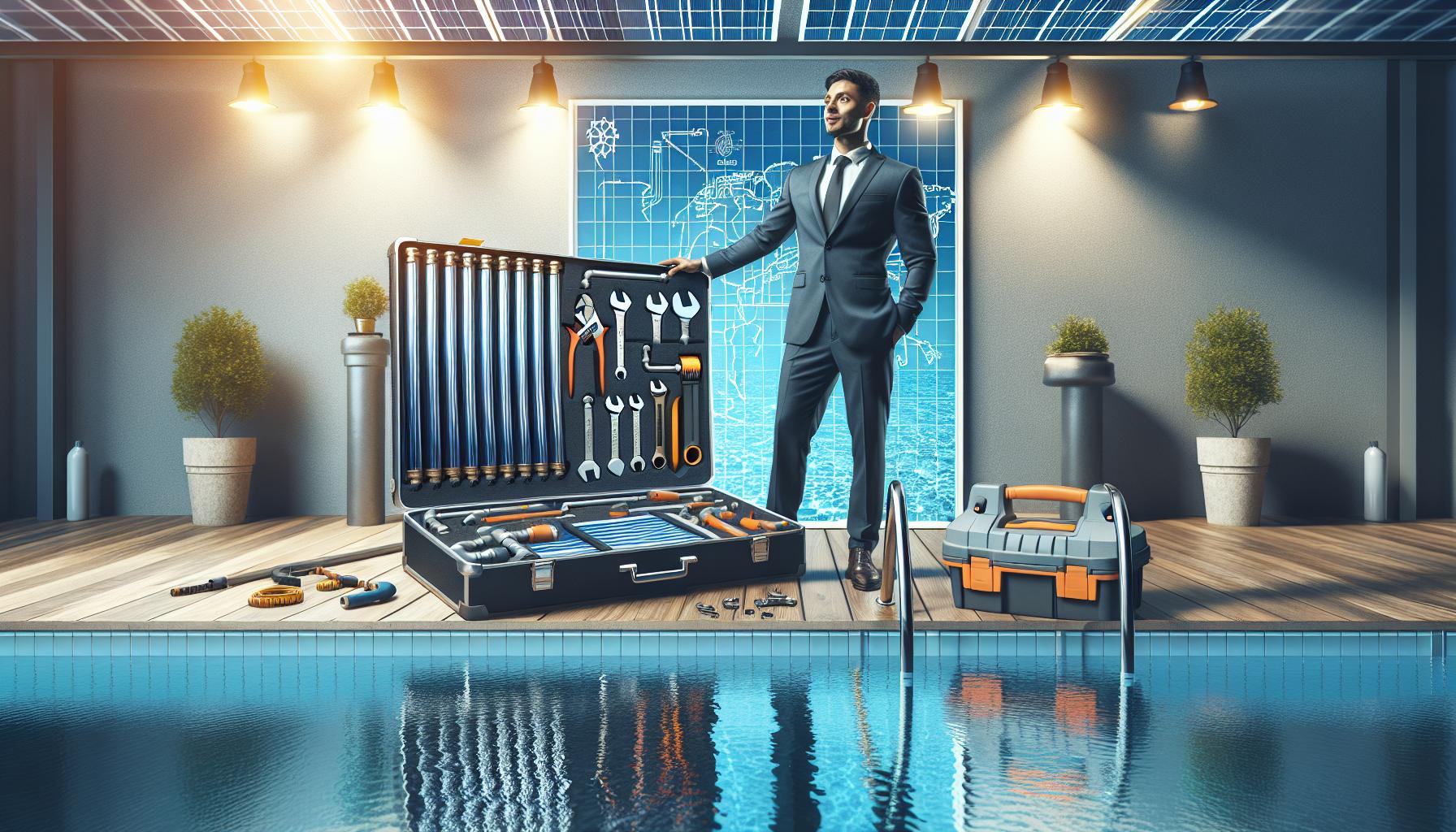
Step-by-Step Guide to Building Your Pool Solar Heater
Building a solar pool heater can be a rewarding project that not only enhances your swimming experience but also contributes to energy efficiency and cost savings. To get started, gather your materials and tools and approach the task systematically to ensure optimal functioning and longevity of your heater.
Begin by determining the location of your solar heater. Ideally, it should be placed in a sunny area where it will receive maximum sunlight throughout the day. Once you have your location set, construct the frame using sturdy materials like wood or PVC pipes, ensuring that it’s elevated to allow for adequate drainage. This elevation is also crucial for collecting the sun’s rays effectively.
Next, you’ll create the solar collector. If you’re using black-painted pipes or flexible black garden hoses, lay them out on the frame to maximize exposure. Specifically, arrange the hoses in a serpentine pattern to increase the surface area for heat absorption. Connect the collector to your pool’s filtration system-this is where the magic happens as water is pumped through the hoses, absorbing heat before flowing back into the pool. Ensure all connections are secure, using UV-resistant PVC pipes for durability.
Once the basic structure and connections are in place, it’s time to test your system. Turn on the pump and check for any leaks, making adjustments as necessary. Finally, insulate the piping where needed to prevent heat loss and enhance overall efficiency. By prioritizing these steps, you ensure that your DIY solar pool heater operates smoothly, providing a warm and enjoyable swimming experience throughout the swimming season.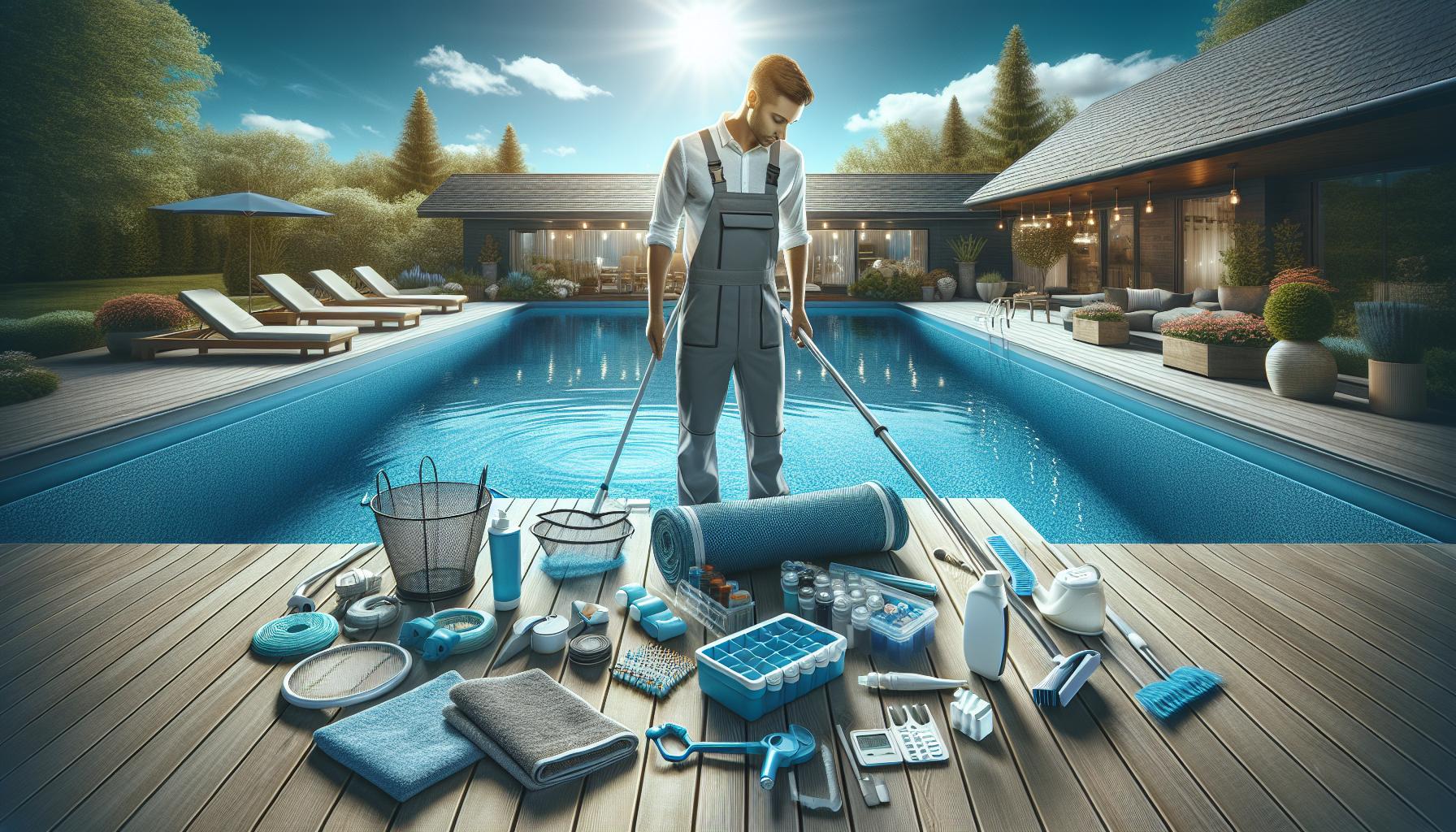
Installation Tips for Maximum Efficiency and Performance
To achieve the highest efficiency from your DIY solar pool heater, careful consideration during installation is essential. One critical factor is the positioning of the solar collectors. To maximize sun exposure, place your collectors in a location that receives direct sunlight for the majority of the day, ideally between 9 a.m. and 4 p.m. If there are any obstructions such as trees or buildings, consider trimming branches or relocating your solar heater setup to ensure it receives unobstructed sunlight.
Optimal Orientation and Angling
The orientation of your solar collector can significantly affect performance. Aim for a south-facing angle if you’re in the Northern Hemisphere, or north-facing in the Southern Hemisphere. An angle between 30 to 45 degrees often yields the best results for solar gain. This positioning allows the collector to absorb sunlight more effectively throughout different seasons.
Efficient Water Flow Management
For maximum heat absorption, your pool’s filtration system must work seamlessly with the solar heater. Ensure that the pump provides sufficient flow rate through the solar collectors-typically 1.5 to 2 times the pool’s volume per day is recommended.
- Keep the pump’s operating schedule aligned with peak sunlight hours to maximize energy use.
- Consider adding a solar controller that can regulate the flow automatically based on water temperature.
Insulation and Protection
Insulating the connections between the solar collector and pool is vital for maintaining heat. Use insulated piping or foam pipe insulation to reduce heat loss. Moreover, whenever the system is not in use, especially during cooler nights, covering the solar collectors can help retain heat and protect them from environmental elements.
By focusing on these installation tips, you not only enhance the efficiency of your solar pool heater but also extend your swimming season while saving money on energy costs. Ensuring proper setup and regular adjustments based on seasonal changes will lead to a consistently warm and enjoyable pool experience.
Calculating Costs: DIY vs. Professional Installation
Calculating costs associated with solar pool heaters often leads to a pivotal decision: should you undertake a DIY project or opt for professional installation? This choice can significantly impact your overall expenses and the long-term efficiency of your solar heating system. The initial investment in materials and tools required for a DIY solar heater can be substantially lower than hiring a professional, yet it’s essential to assess not only the monetary costs but also your ability to execute the project competently.
When considering a DIY approach, you can spend anywhere from a couple of hundred to a thousand dollars depending on the materials used, such as solar panels, hoses, and other components. For those who have some technical skill and a willingness to learn, this route can be surprisingly gratifying. You’ll also gain a better understanding of the system as you install it, empowering you to manage maintenance and troubleshooting independently. For example, if you gather materials from local retailers or online shops, you can maximize cost savings by shopping for deals or opting for budget-friendly choices without sacrificing quality.
In contrast, professional installation typically ranges from $1,500 to $4,000, depending on the size of your pool and the complexity of the heating system you desire. Professionals bring experience and skill, ensuring that your solar heater is optimally installed for maximum efficiency. They handle all the details, including setting up the plumbing and electrical connections, which might be daunting for beginners. However, this convenience comes at a premium, and it’s wise to compare the long-term operational costs, such as energy savings and maintenance.
Ultimately, weighing the costs involves not just the initial expenditure but also the value of your time and expertise. A well-executed DIY project can lead to significant savings and personal satisfaction, while professional installation can provide peace of mind and flawless integration into your current pool system. Regardless of your choice, awareness of potential costs ensures you make a decision that aligns with both your budget and your swimming enjoyment goals.
Maximizing Heat Retention: Covers and Additional Tips
To keep your pool heating efficient and enjoyable, heat retention is crucial. A well-chosen pool cover can minimize heat loss during the night and on cooler days, ensuring that the warmth generated by your solar heater stays in the water longer. Covers not only prevent evaporation-which can account for up to 70% of heat loss-but they also shield the water from debris and reduce the need for added chemicals.
Types of Cover Options
- Solar Blankets: These floating blankets trap heat from the sun during the day and reduce nighttime heat loss. They’re particularly effective as they are designed to fit snugly over the pool surface.
- Thermal Covers: Made from higher insulating materials, these covers provide excellent heat retention and are best used for those who swim regularly in cooler climates.
- Safety Covers: While primarily designed for safety, these can also provide some level of heat retention. However, consider using them in conjunction with a thermal cover when the pool is not in use.
Apart from installing an appropriate cover, consider the best times to use your solar heater to maximize its effectiveness. Run the heater during the sunniest parts of the day, typically between 10 AM and 3 PM, to take full advantage of natural heating. Ensure to check that your solar panels are clean and unobstructed to optimize heat absorption.
Additional Tips for Maximum Efficiency
To further enhance heat retention in your pool and your overall solar heating system, implement the following strategies:
- Windbreaks: Adding windbreaks, such as fences or hedges, around your pool can reduce evaporation and heat loss, especially in windy areas.
- Regular Maintenance: Regularly checking and maintaining your solar panels and heater system is essential. Look for dirt, debris, and leaks, which can all hinder performance.
- Pool Shelters: For those in colder climates, consider a portable pool shelter. This can further assist in retaining heat while providing a sheltered swimming environment during cooler seasons.
In conclusion, maximizing heat retention in your pool is a straightforward process that requires a thoughtful combination of covers, strategic solar heater usage, and regular maintenance. By proactively addressing these areas, you can enjoy longer swimming seasons and reduced heating costs, making your DIY solar heating project a resounding success.
Maintenance Essentials for Your Solar Heater
Maintaining your solar pool heater is vital for maximizing its efficiency and longevity, ensuring that you can enjoy a warm swimming experience without significant ongoing costs. Regular upkeep not only helps prevent common issues but also ensures that you are getting the most out of your investment. Neglecting maintenance could lead to performance drops, so implementing a simple maintenance routine is beneficial.
Start with a visual inspection of your solar panels each month. Look for signs of dirt, leaves, or debris that could obstruct sunlight. A clean surface allows for optimal heat absorption, so use a gentle brush or a soft cloth to wipe down the panels. Additionally, check for any cracks or damage on the panels; even small imperfections can lead to inefficiencies. If you find any issues, replace the damaged panels promptly to avoid further complications.
It’s also essential to monitor the connections and hoses for leaks. Water loss can negate any heating benefits, so inspecting for leaks regularly will keep your system working at peak performance. If you notice any leaks, tighten the connections or replace the affected hoses as needed. Furthermore, ensure that the pump is functioning properly by listening for unusual noises and checking the flow rate. If the flow seems reduced, it may indicate a clog or another issue that needs addressing.
Lastly, consider a seasonal deep clean. At the end of the swimming season, drain the system, and flush the panels with a hose to remove any buildup of minerals or algae. Store your solar heater safely to protect it from the elements during the off-season. By staying attentive to the maintenance of your solar pool heater, you’ll not only enhance its efficiency but also prolong its life, allowing for many more seasons of enjoyable swimming.
Troubleshooting Common Issues with Solar Pool Heaters
When it comes to enjoying your pool year-round, understanding how to troubleshoot common issues with solar pool heaters is essential. Solar heaters can be incredibly reliable, but like any system, they can encounter problems that may affect performance. The good news is that many of these issues can often be resolved with a bit of knowledge and proactive maintenance.
One common issue is insufficient heating. If you notice that your pool isn’t warming up as expected, start by checking the solar panels for obstructions such as dirt, leaves, or debris. A clean panel is crucial for effective heat absorption. If they are dirty, a simple rinse or gentle scrub can significantly enhance efficiency. Additionally, verify that the circulation pump is operational and the flow rate is adequate; a malfunctioning pump can prevent water from reaching the heater efficiently. If the pump is making unusual noises or the flow seems low, it may need maintenance or replacement.
Leaks in the system can also lead to performance issues. Inspect all connections, hoses, and fittings for any signs of water loss. If you discover a leak, tightening the connection or replacing the affected hose can often resolve the problem. Monitor the pressure gauge; if it indicates a drop in pressure, this may signal a significant leak that requires immediate attention. It’s essential to act quickly, as prolonged leaks can lead to further damage and increased costs.
Lastly, if your heater fails to operate entirely, check the system’s power supply and ensure that all switches and timers are functioning correctly. If everything appears operational yet the heater remains non-responsive, it may be necessary to consult the manufacturer’s manual for additional troubleshooting steps, or seek professional support if you’re not comfortable with technical repairs. By staying vigilant and addressing these common issues, you can maximize your solar pool heater’s efficiency and prolong its life, allowing you to enjoy warm swims whenever you desire.
Innovative Solar Heater Designs: Exploring Alternatives
Exploring innovative solar heater designs can unlock new possibilities for enhancing your pool’s temperature control without breaking the bank. One exciting alternative to traditional solar pool heaters is the use of solar pool blankets, which not only absorb sunlight but also significantly reduce heat loss. These covers function by trapping heat in the water during the night and preserving warmth during cooler days, allowing pool owners to maintain a comfortable temperature with minimal energy input.
Another innovative option is the DIY solar panel system constructed from recycled materials. For instance, using old PVC pipes to create a series of solar collectors can be both cost-effective and environmentally friendly. By setting these pipes in a sunny location and connecting them to a pump to circulate pool water, you can harness solar energy efficiently. Not only does this method minimize waste, but it also delivers a reliable source of heated water, making your pool experience much more enjoyable.
Creative Design Ideas
Consider implementing designs that maximize exposure to sunlight. For example, angled solar panels can significantly improve heat absorption, as they capture more direct sunlight throughout the day. Using adjustable mounts allows you to change the angle of the panels based on the sun’s position, optimizing performance in different seasons. Another design approach involves integrating solar heating with landscaping; for instance, positioning the solar collectors on an elevated surface can take advantage of the natural incline, boosting efficiency while blending harmoniously with your outdoor space.
Lastly, investing in a modular solar heater setup can offer flexibility. By building a system where you can easily add or remove panels based on your swimming needs, you can better control costs and energy efficiency. This approach allows for easy upgrades as new technology becomes available or as your pool heating demands change over time, ensuring your investment remains relevant.
With these innovative designs and methods, you can create a more efficient and cost-effective solar heating system that enhances your swimming experience. Experimenting with different options not only allows for DIY engagement but also encourages sustainability while enjoying your beloved pool.
Enhancing Your Pool Experience with Solar Heating
Incorporating solar heating into your pool setup not only extends your swimming season but also elevates your overall pool experience. The essence of solar pool heating lies in its ability to harness the power of the sun, providing a sustainable way to keep your pool warm without incurring hefty energy bills. Imagine enjoying a refreshing swim at the start of spring or late into the fall when traditional pools might be uninvitingly chilly. With a DIY solar heater, you can achieve just that while also contributing to a greener planet.
A significant advantage of solar heating systems is their low operational cost once installed. By utilizing the sun’s energy, you can significantly reduce your reliance on conventional electric or gas heating systems. DIY solar panels made from inexpensive materials such as PVC pipe or recycled solar panels can be an effective way to heat your pool water, allowing you to utilize resources creatively and affordably. Additionally, combining your solar heater with a thermal pool cover can enhance heat retention. Covers prevent heat loss during the night, ensuring that your pool remains inviting for longer periods and reduces the heating load on your system.
Practical Tips for Success
To maximize the benefits of your solar heating system, consider the following tips:
- Positioning: Place your solar panels or collectors in a south-facing direction to capture the most sunlight throughout the day. Areas that receive full sun exposure yield the best results.
- Adjustable Mounts: Utilize adjustable mounts for your panels, allowing you to change angles based on seasonal sun paths for heightened efficiency.
- Regular Maintenance: Routinely inspect and clean your solar collectors and related components to ensure optimal performance and longevity. Debris, dust, and algae can hinder heating efficiency.
Building a solar heater is not just an economical choice but also a rewarding one. Engaging with the DIY process empowers you to customize your system to fit your specific needs. Many pool owners find satisfaction in crafting their solutions, whether through using environmentally friendly materials or innovative designs that enhance aesthetics while functioning efficiently. With careful planning and execution, a DIY solar heater can transform your pool into a year-round oasis, enhancing your leisure and quality of life.
Comparing DIY and Commercial Solar Pool Heaters
When considering how to heat your pool, the choice between DIY solar pool heaters and commercial options often comes down to cost, performance, and customization. Commercial solar pool heaters typically offer a convenient, all-in-one solution straight out of the box. They are designed and tested for efficiency, making them reliable choices for many pool owners. However, they can be significantly more expensive, both in terms of initial purchase and installation costs.
On the other hand, constructing a DIY solar pool heater presents a cost-effective alternative that can save you money while allowing for personal customization. Equipped with knowledge of simple materials like PVC pipes and old solar panels, you can create a system tailored specifically to your pool’s size and heating needs. These DIY systems often yield similar heating results as their commercial counterparts, typically at a fraction of the cost-often well under $100-making them an attractive option for budget-conscious homeowners. By tapping into your creativity and resourcefulness, you not only save money but also engage in a satisfying project that can enhance your pool experience.
Key Comparisons
- Cost: DIY solar heaters can cost less than $100, while commercial systems may range from $1,500 to $5,000 or more, depending on the pool size and system complexity.
- Efficiency: Both types can effectively heat your pool, but efficiency largely depends on the quality of materials and the design of the DIY system.
- Installation: DIY systems require more hands-on effort for design and assembly, which can be rewarding, whereas commercial systems usually come with professional installation options.
- Maintenance: DIY heaters may require more frequent checking and cleaning, while commercial systems often have warranties and professional support.
- Customization: DIY options allow for personalized design and sizing, which can better fit specific pool needs compared to commercial heaters that might not cater to unique configurations.
In summation, the decision to choose between DIY and commercial solar pool heaters depends on your budget, willingness to invest time and effort, and the specific requirements of your pool setup. While commercial units provide reliability and convenience, DIY alternatives empower you to harness your ingenuity and potentially achieve a similar level of warmth in your pool without breaking the bank. Ultimately, whether you’re a DIY enthusiast or prefer a ready-made solution, enjoying a comfortably heated pool is within reach.
Frequently asked questions
Q: How does a DIY solar pool heater work?
A: A DIY solar pool heater works by circulating pool water through black tubing or panels exposed to sunlight. The sun heats the water as it passes through, and then the warm water returns to the pool, raising its temperature. For detailed instructions, check the “Step-by-Step Guide to Building Your Pool Solar Heater” section.
Q: What materials are best for a DIY solar pool heater?
A: The best materials for a DIY solar pool heater include black PVC pipes or tubing, a pump, a filter, and a manifold. Using black materials enhances heat absorption. For more specifics, refer to the “Choosing the Right Materials for Your DIY Heater” section.
Q: How can I improve the efficiency of my DIY solar pool heater?
A: To improve efficiency, ensure full sunlight exposure on the heater, insulate pipes, and use a solar cover to retain heat overnight. Regular maintenance, like cleaning the panels and checking for clogs, also helps. Explore the “Installation Tips for Maximum Efficiency and Performance” section for more insights.
Q: How much can I save by building a DIY solar pool heater?
A: A DIY solar pool heater can significantly reduce heating costs compared to traditional systems, saving you hundreds annually. The initial cost is low, and maintenance is minimal, leading to less utility expenditure in the long run. See “Calculating Costs: DIY vs. Professional Installation” for a detailed cost analysis.
Q: What are common issues with solar pool heaters and how can I troubleshoot them?
A: Common issues include insufficient heating, leaks, or pump failures. Start by checking for blockages in the system, confirming that the pump is functional, and ensuring there is no air trapped in the pipes. For a complete troubleshooting guide, visit the “Troubleshooting Common Issues with Solar Pool Heaters” section.
Q: Can I use a solar cover with my DIY solar pool heater?
A: Yes, using a solar cover in conjunction with your DIY solar pool heater can significantly enhance heat retention. It minimizes heat loss during the night and reduces evaporation, leading to warmer water. For tips on maximizing heat retention, refer to the “Maximizing Heat Retention: Covers and Additional Tips” section.
Q: How long does it take for a DIY solar pool heater to warm up the pool?
A: Typically, a DIY solar pool heater can raise the pool’s temperature by several degrees within a few hours on a sunny day. Factors such as pool size, outside temperature, and collector size influence heat-up time. For tips on optimizing heating, see the relevant sections in the main article.
Q: What innovative designs can I use for my DIY solar pool heater?
A: Innovative designs include using recycled materials, such as old windows or glass doors, to create efficient solar collector systems. These options are budget-friendly and effective. For additional design inspiration, explore the “Innovative Solar Heater Designs: Exploring Alternatives” section.
For more detailed instructions and information, feel free to delve into other sections of our comprehensive guide to DIY solar pool heaters!
Wrapping Up
Thank you for exploring how to create your own pool solar heater to save money and swim longer. By harnessing the sun’s energy, you can extend your swimming season while reducing utility costs. Don’t let doubts hold you back; with our step-by-step instructions, tackling pool heating is easier than you think. Ready to dive deeper? Check out our related articles on “Maximizing Pool Energy Efficiency” and “Essential Pool Maintenance Tips” for even more insights.
Before you go, be sure to subscribe to our newsletter for exclusive updates and expert advice tailored to your pool needs. Have questions or tips of your own? We’d love to hear from you in the comments below! Remember, your ideal pool experience starts with proactive steps today-so take action and enjoy a warmer swim tomorrow.


