


Owning a swimming pool can bring immense joy and relaxation, but it also comes with its fair share of costs. On average, pool maintenance expenses can range significantly from year to year, affected by factors such as size, type, and the specific services you select. Understanding these costs not only helps you budget more effectively but also ensures your pool remains a safe, sparkling oasis for family and friends.
You may be surprised to learn that routine upkeep can account for a hefty portion of your annual expenses, from chemical treatments to repairs and cleaning supplies. By breaking down these costs and exploring practical maintenance strategies, you can minimize expenses while maximizing leisure time. Curious how much you’ll need to set aside and what proactive steps can save you money? Let’s dive into the details and arm you with the knowledge to keep your pool pristine without breaking the bank.
How Pool Type Affects Maintenance Costs
The type of pool you own significantly influences your maintenance costs, with each style requiring different attention, resources, and expenses. In-ground pools, whether fiberglass, vinyl, or concrete, generally demand more in both upkeep and repair than above-ground models. For instance, concrete pools need regular resurfacing and are often subject to more extensive repair work, which can be costly. Vinyl liners, while less expensive to install, will need replacement every 5 to 9 years, adding to long-term costs. In contrast, fiberglass pools offer smoother surfaces and reduced chemical usage; however, repairs to chips or cracks can be expensive.
Monthly expenses vary significantly by pool type. Below are some factors influencing these costs:
- Size and depth: Larger and deeper pools require more chemicals, increased energy usage for pumps and heaters, and more time for cleaning.
- Heating systems: The cost of heating an in-ground pool, especially one that uses gas or electric heaters, can be substantial compared to most above-ground pools, which may rely more on solar heating.
- Material quality: Higher-quality materials in in-ground pools can lead to lower maintenance costs over time but may result in higher upfront installation costs.
Understanding how your chosen pool type affects maintenance can empower you to budget appropriately and implement strategies that not only save money but also extend the life and enjoyment of your investment. For example, investing in a quality cover can minimize debris and reduce cleaning frequency, leading to lower maintenance costs. Moreover, selecting energy-efficient equipment can also decrease monthly utility bills, allowing you to enjoy your pool without the financial strain. By considering these variables, you can create a sustainable pool care plan that aligns with both your lifestyle and budget.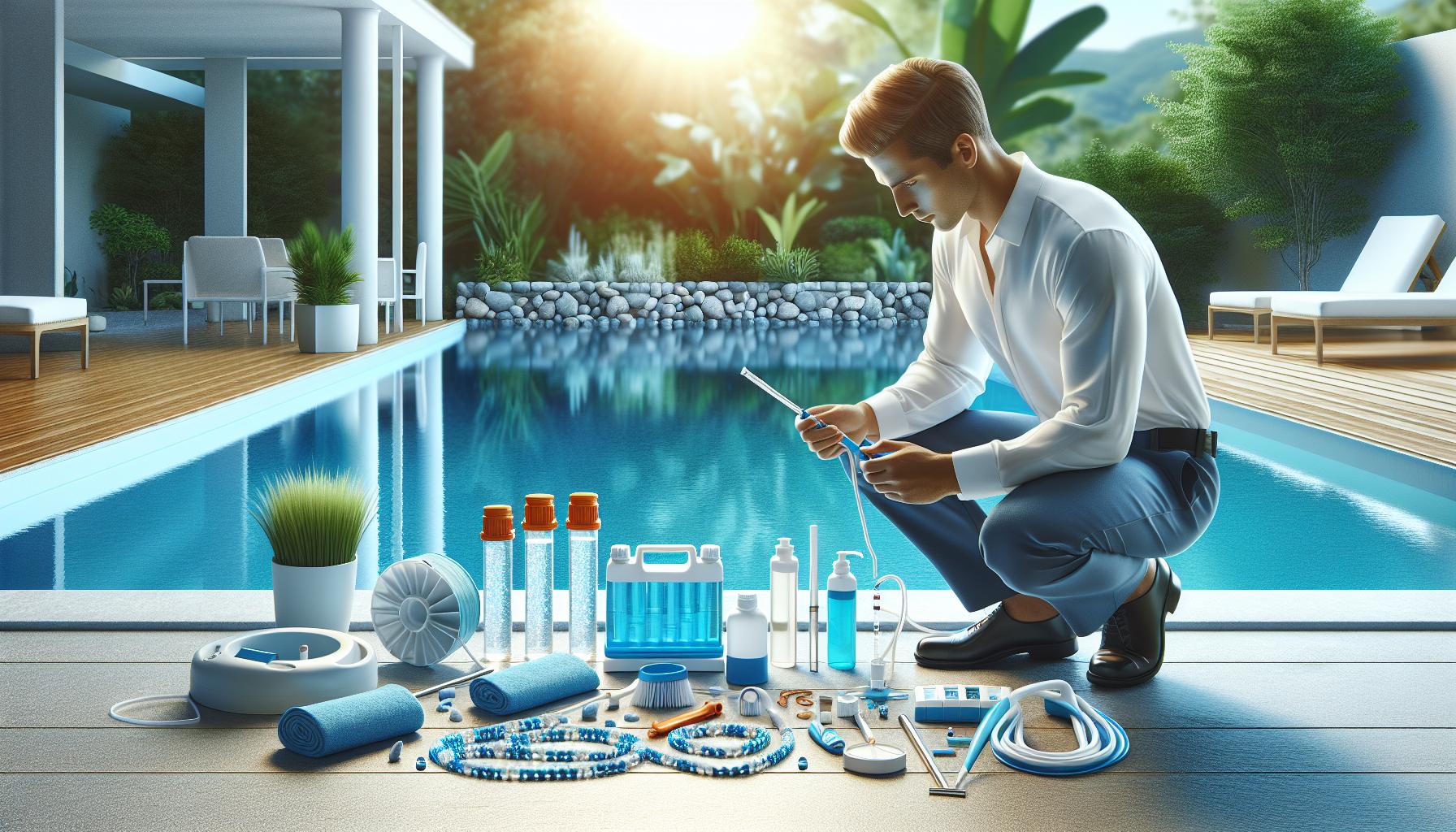
Monthly Utility Bills: What to Expect
Understanding the impact of your swimming pool on monthly utility bills is essential for effective budgeting. Pools can be enjoyable and refreshing, but they come with ongoing expenses influenced by various factors, including size, heating methods, and maintenance routines. Anticipating these costs can prepare you better for what’s ahead, enabling you to enjoy your pool without financial strain.
Factors Influencing Monthly Utility Bills
When calculating your monthly utility bills, consider these key elements:
- Water Usage: Regularly topping off your pool due to evaporation and splashing requires a steady supply of water. Monitoring your usage can help you realize spikes in costs, especially during hot months.
- Electricity Consumption: The operation of pumps and filtration systems significantly impacts your electric bill. For instance, using a variable-speed pump can reduce costs by allowing you to adjust speeds based on your pool’s needs, rather than running at maximum power continuously.
- Heating Expenses: If you own an in-ground pool with a gas or electric heater, anticipate higher monthly bills, particularly in colder months. Switching to a solar heater can significantly cut these costs, though initial investments may be higher.
Average Monthly Costs
While individual expenses can vary greatly depending on these factors, an estimate for monthly utility bills might look like this:
| Pool Type | Estimated Monthly Cost |
|---|---|
| In-Ground Pool (Electric Heater) | $100 – $300 |
| In-Ground Pool (Gas Heater) | $150 – $350 |
| Above-Ground Pool | $60 – $120 |
Remember, these costs can fluctuate based on your geographical location and specific usage. Create a monthly budget based on averages and track your utility bills to identify any ongoing trends or anomalies.
In summary, understanding the elements that contribute to your utility bills can help manage expenses effectively. By taking proactive measures like investing in energy-efficient equipment and maintaining water levels, you not only keep your pool enjoyment high but also control costs, leading to a more financially sustainable pool ownership experience.
Essential Pool Supplies and Their Prices
A well-maintained pool requires the right supplies to keep it clean, safe, and enjoyable. Understanding what essentials you need and their associated costs can significantly help you budget and effectively manage your pool. By stocking up on the right supplies, you can tackle maintenance tasks efficiently, reducing the risk of costly repairs down the line.
Key supplies for pool maintenance typically include chemicals, cleaning tools, and equipment. Here’s a breakdown of essential items along with their approximate prices:
Essential Pool Supplies and Their Costs
- Pool Chemicals: Regularly testing and balancing your pool’s chemistry is vital for safe swimming. Expect to spend:
- pH Increaser/Decreaser: $10 – $20
- Chlorine Tablets: $50 – $100 per bucket (varies by size)
- Algaecide: $15 – $30
- Clarifiers and Flocculants: $10 – $25
- Cleaning Tools: Keeping your pool clean is essential for hygiene and upkeep. Essential tools may cost:
- Skimmer Net: $15 – $30
- Pool Brush: $20 – $40
- Vacuum (manual or automatic): $50 – $500
- Leaf Rake: $15 – $25
- Equipment: Additional equipment plays a vital role in maintenance:
- Pool Cover: $100 – $500 (depending on type and size)
- Testing Kits: $15 – $50
- Pumps and Filters: $100 – $1,000+ (based on pool size and type)
- Heater (if applicable): $1,000 – $3,000+
By investing in these supplies and regularly monitoring their use, you can ensure that your pool remains in great condition year-round. Additionally, consider keeping a checklist for your maintenance tasks to help streamline your routine. Doing so can minimize unexpected expenses and enhance the longevity of your pool, ultimately making ownership a more enjoyable experience.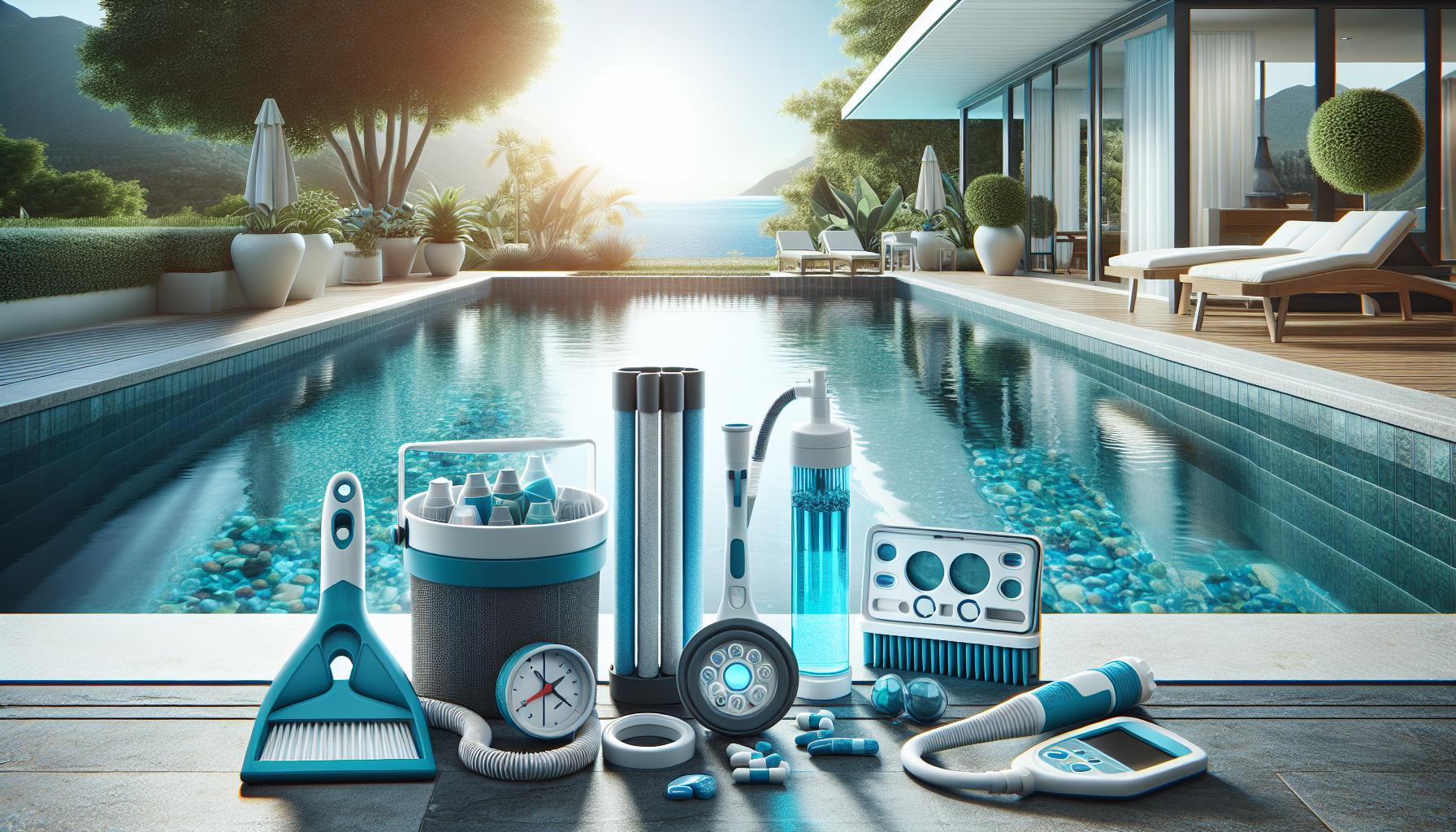
Regular Maintenance Tasks and Their Costs
Maintaining a pool requires a commitment to regular upkeep, and understanding the associated costs can help you budget effectively. A well-maintained pool doesn’t just look inviting; it’s safer for swimming and can save you from more expensive repairs down the line. Regular maintenance tasks can be broken down into weekly, monthly, and seasonal tasks, each contributing to the overall health of your pool and varying in cost.
For weekly maintenance, spending about $10 to $25 for essential chemicals is typical. This includes testing kits for pH and chlorine levels, which help ensure balanced water chemistry. Additionally, physical maintenance like skimming the surface for debris and brushing the pool walls requires basic equipment like a skimmer net ($15-$30) and a pool brush ($20-$40). If any algae are present, you might need to invest in algaecides, usually costing between $15 and $30.
Monthly tasks often revolve around deeper cleaning and testing. You might need to replace or recharge your filter, which can range from $25 to $100, depending on the type and complexity of your system. Further, if you own a pool vacuum, expect to spend between $50 and $500 for either a manual or automatic option. Regularly monitoring calcium hardness is also crucial, and you’re looking at an additional $20 for a testing kit.
As for seasonal maintenance, you should budget for more significant expenses like shock treatments, which typically run from $30 to $50 per application, depending on your pool’s size and the severity of any contamination. If you’re closing your pool for winter, winterizing kits can cost around $50 to $150 depending on the method you choose.
By breaking down maintenance into these manageable tasks and associated costs, you can keep your pool clean and safe without overspending. Regularly assessing and maintaining your pool will allow you to enjoy it more fully while also helping you avoid unexpected repair costs later.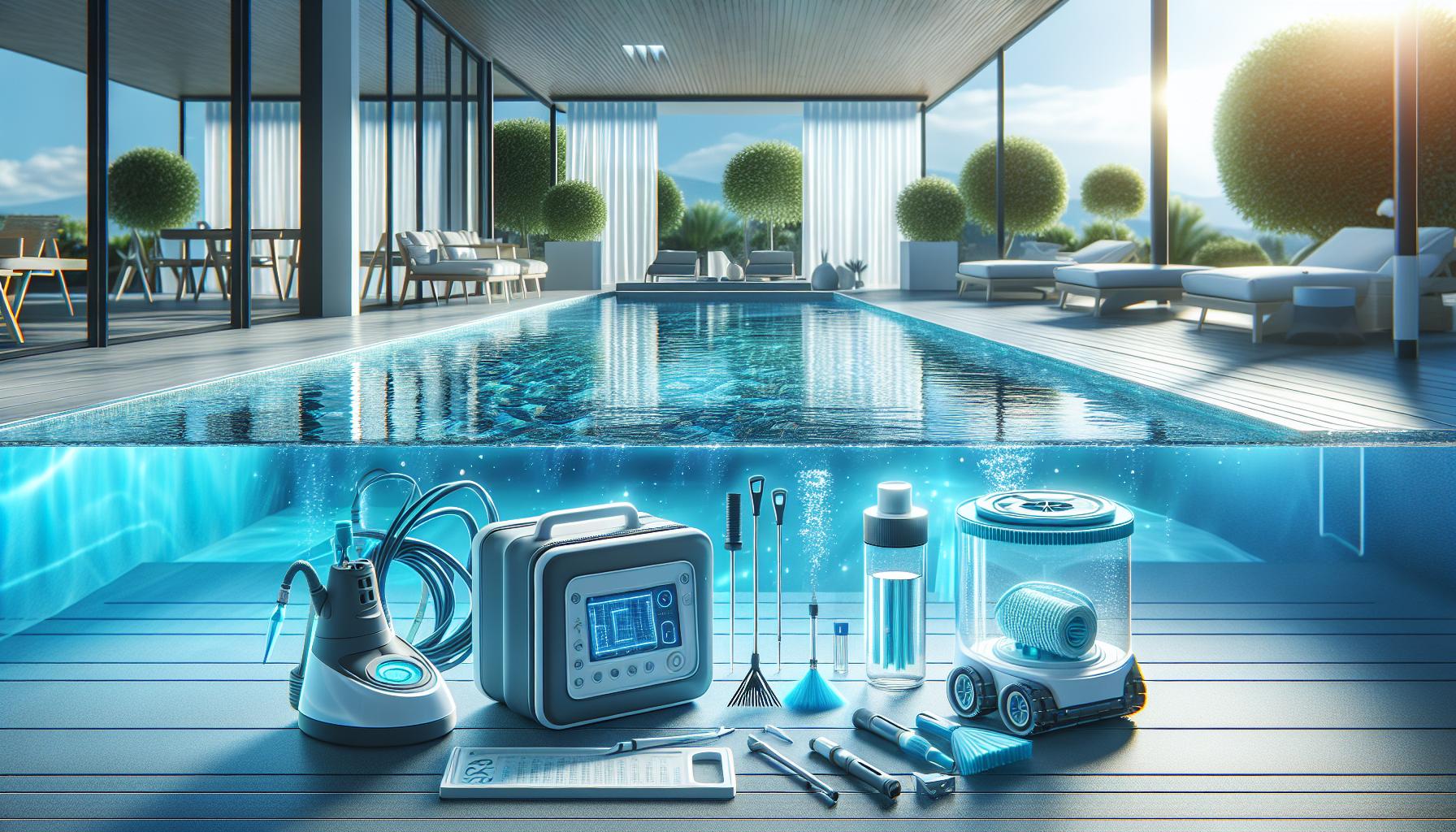
The Cost of Pool Equipment: What You Need
Equipping your pool with the right tools is crucial for maintaining its cleanliness and safety. A well-equipped pool area not only enhances your swimming experience but also saves you time and money on repairs in the long run. Understanding the costs associated with essential pool equipment can help you prepare effectively.
First, consider the basic tools required for daily upkeep. A reliable skimmer net is indispensable for collecting leaves and debris from the surface, typically costing between $15 and $30. Pair this with a pool brush, which ranges from $20 to $40, to scrub the walls and prevent algae buildup. These items represent your primary defense against daily grime, essential for maintaining clear, inviting water.
Water Testing Supplies
Testing your pool’s water chemistry is vital for maintaining the right balance of chemicals. A comprehensive testing kit, which includes the necessary tools for measuring pH, chlorine, and other critical levels, usually costs around $10 to $50. Regular tests help to keep your water safe and enjoyable. Moreover, you may want to invest in a liquid test kit, about $30, for more accurate results over time.
Filtration and Circulation Equipment
Investing in a quality filter system is non-negotiable for long-term pool health. Depending on the type of filter (sand, cartridge, or diatomaceous earth), replacements and maintenance components can range from $25 to $200 annually. Automatic pool cleaners can also be a game-changer, simplifying your cleaning routine. They come with varying price points, from $200 for manual models to $700 or more for high-end autonomous versions. A finer filtration system improves water clarity and decreases chemical usage, saving you money over time.
Winterizing Equipment
As seasons change, safeguarding your pool becomes essential. Winterizing kits, used to protect your pool during colder months, typically cost between $50 and $150 and involve steps like adding antifreeze, covering the pool, and ensuring equipment is properly drained.
By prioritizing these necessary tools and systems, you not only enhance your pool’s functionality but also foster a safe environment for family and friends. Proper equipment investment ensures you are well-equipped to tackle maintenance challenges head-on, making the enjoyment of a clean pool all the more rewarding.
Seasonal vs. Year-Round Pool Care Expenses
Understanding the financial implications of pool care can help you budget effectively and avoid surprises. Pool maintenance costs can differ significantly depending on whether you operate your pool seasonally or year-round. Seasonal pool owners spend on average for a few months’ worth of maintenance and supplies, whereas year-round pool owners incur consistent expenses throughout the year. This can include heating costs, water balancing, pool cleaning, and equipment upkeep that all contribute to their annual budget.
For seasonal pool care, the bulk of expenses occurs upfront as you prepare for the swimming season. Key costs include:
- Winterizing Supplies: This typically ranges from $50 to $150 and involves substances like antifreeze, as well as labor for covering the pool or draining equipment.
- Opening Supplies: When re-launching your pool, expect expenses for shock treatments, algaecides, and initial water testing that can total around $100 or more.
- Regular Cleaning Supplies: To keep your pool clean during the season, budget for chemicals and maintenance tools which average about $50 to $100 monthly.
In contrast, year-round pools require a systematic approach to their upkeep which includes consistent utility charges, maintenance of heating systems, and operations throughout colder months. Year-round pool expenses typically include:
- Heating Costs: If you’re heating your pool, factor in an additional $200 to $500 annually, depending on usage and local energy prices.
- Continuous Chemical Balance: Maintaining appropriate chemical levels is crucial. Year-round treatment costs can range from $250 to $600 annually.
- Regular Maintenance Services: Hiring professionals or services could cost anywhere from $150 to $400 monthly, depending on the level of service required and pool size.
By being aware of these distinct financial obligations based on your pool’s usage, you can proactively plan your yearly costs. Emphasizing proper maintenance routines and strategic chemical usage can maximize the enjoyment and longevity of your pool, ultimately saving money in the long run. Evaluating your specific needs-whether seasonal or year-round-will guide you in making informed financial decisions and maintaining an inviting swimming environment throughout the year.
Repair and Replacement Costs: Budgeting Wisely
When it comes to maintaining a pool, unanticipated repair and replacement costs can add up quickly, taking a chunk out of even the best-planned budget. For instance, a small leak that initially seems trivial can escalate into a major expense if left unaddressed. Common issues like pump failures, filter replacements, or structural repairs can all lead to considerable financial outlays. Knowing what to expect can help you prepare adequately and prevent such surprises.
To keep your budgeting on track, it’s vital to understand the typical costs associated with common repairs. Here’s a breakdown of potential expenses:
- Pool Pump Replacement: Expect to invest between $300 and $700 for a new pump, depending on its size and features.
- Filter Replacement: Sand or cartridge filters typically cost between $150 and $300, while DE filters can range from $400 to $800.
- Heater Repairs: Minor repairs might set you back around $150 to $300, but a complete heater replacement could exceed $1,500.
- Structural Repairs: Issues such as cracks in the pool surface can cost anywhere from $500 to $3,000 or more to rectify.
Strategies for Cost-Effective Repairs
A proactive maintenance approach can mitigate the risk of costly repairs. Regularly inspect and maintain your pool equipment to ensure everything is functioning optimally. Here are practical steps to reduce repair costs:
- Routine Maintenance: Follow a consistent cleaning and maintenance schedule. This includes checking and balancing chemical levels, cleaning filters, and ensuring the pump operates without issues.
- Early Detection: Regularly inspect for leaks or cracks in the pool structure and seal them promptly. Use a simple dye test to identify leaks in your pool or spa.
- Educate Yourself: Familiarize yourself with your pool equipment manuals. Understanding how your systems work enables you to troubleshoot minor problems before they escalate.
- Insurance Coverage: Review your homeowner’s insurance policy to check if it covers pool-related repairs. If it does, this could save you a significant amount in the event of a major repair.
Preparing for repair costs doesn’t have to be daunting. By adopting these preventive measures, you can not only extend the lifespan of your pool components but also maintain a more manageable budget. Having a financial cushion set aside specifically for pool repairs can help you navigate unexpected issues with confidence.
Unexpected Expenses: What to Prepare For
Unexpected pool maintenance expenses can often catch owners off guard, yet being proactive can mitigate these unforeseen costs. It’s not uncommon for small issues to snowball into larger, more expensive problems if they are not addressed promptly. For example, a minor crack in the pool surface can lead to water loss and structural damage, escalating repair costs significantly over time. Understanding these potential pitfalls can prepare you to handle them effectively and help maintain your pool’s condition.
Regular monitoring and proper maintenance can help detect problems early. Here are some key areas to watch:
- Water Quality Issues: Inconsistent chemical levels, especially in saltwater pools, can lead to costly algae blooms or equipment damage. Regular testing and balancing can prevent these issues.
- Mechanical Failures: Pumps and filters are crucial for maintaining water clarity and safety. Watch for unusual noises or decreased performance, as these can indicate impending failure.
- Weather-Related Damage: Severe weather can cause unexpected wear and tear. Heavy rain, snow, or high winds may lead to debris accumulation or structural stress.
Establishing a budget specifically for unexpected expenses can make a significant difference. Consider setting aside a percentage of your overall maintenance budget each month for repairs. This way, when surprises do arise, you’ll be better equipped to handle them financially. Familiarizing yourself with your pool’s components through routine inspections and adhering to a consistent maintenance schedule can forestall many issues before they escalate, ultimately protecting your investment and ensuring you and your family enjoy your pool all season long.
Insurance Considerations for Pool Owners
Owning a pool brings joy, relaxation, and a wonderful addition to summer activities, but it also comes with crucial responsibilities, especially regarding insurance. It’s essential to understand the implications of having a pool on your homeowner’s insurance policy, as accidents can happen despite the best precautions. An average of approximately 5,000 pool-related injuries occurs annually in the United States, which underscores why insurance considerations should not be overlooked.
First and foremost, verify whether your current homeowner’s insurance includes coverage for pool-related incidents. Many policies will cover injuries that occur on your property, but specifics can vary. It’s advisable to disclose your pool’s existence to your insurance provider, as failing to do so may result in denial of claims associated with pool incidents. Additionally, look into whether you need to add a rider or separate pool insurance policy, particularly if you have a deeper or above-ground pool, which might present different risk assessments.
Liability Protection
Liability coverage is a must-have for pool owners. This coverage protects you in the event someone gets injured while swimming in your pool. Typical policies offer liability limits, but consider evaluating higher limits, especially if you frequently host gatherings or have children who invite friends over. Coverage limits usually range from $100,000 to $500,000, but with the increased cost of medical care and legal fees, a higher limit of $1 million may be prudent.
Assessing Additional Risks
In addition to liability coverage, consider the potential for damage to your pool itself. If you live in an area prone to severe weather, it may be wise to evaluate the impact of storms on your pool. Policies typically cover damage from hail or wind, but checking the specifics of your coverage can save you unexpected repair costs. Here are critical areas to confirm:
- Swimming Pool Equipment: Ensure your policy provides coverage for pumps, filters, and heaters.
- Natural Disasters: Confirm if your pool and surrounding structures are covered for flood or earthquake damage, which usually require separate policies.
- Theft or Vandalism: Protection against theft of pool equipment or supplies can also be beneficial.
Invest time in a regular review of your insurance policy, especially if you make modifications or improvements to your pool. Discuss your policy with your insurer annually, adjusting coverage as necessary to keep pace with changes in risks or enhancement to your outdoor living space. By addressing insurance considerations proactively, you not only protect your financial investment but also ensure peace of mind, allowing you to enjoy your pool safely and responsibly.
Professional Services: When to Hire Help
When it comes to maintaining a pool, understanding when to call in professional help can save you time, money, and frustration. Many pool owners underestimate the complexities involved in keeping their water clean, safe, and in good condition. While routine maintenance tasks like skimming debris, checking chemical levels, and vacuuming can often be managed by homeowners, several situations call for professional expertise to avoid costly mistakes or ensure safety.
Engaging a professional service is particularly advisable during critical maintenance and repairs, especially for:
Major Equipment Issues
If you notice unusual noises from the pump, inconsistent water levels, or the heater failing to warm the water, it’s time to contact a professional. These issues often stem from complex mechanical failures that require specialized knowledge. Attempting repairs without the necessary expertise can exacerbate the problem and lead to much higher repair costs.
Seasonal Opening and Closing
The transition between seasons provides an excellent opportunity for professionals to ensure your pool is properly opened or closed. A thorough cleaning, inspection for leaks or damage, and proper winterization techniques are essential to maintaining your investment. Professionals carry the equipment and knowledge necessary for safe and effective seasonal transitions, helping you avoid long-term structural issues.
Chemical Balancing and Water Quality
Balancing chemicals is vital for pool safety, yet it can pose challenges with shifting weather patterns and heavy use. If unfamiliar or uncomfortable with testing and adjusting water balance, enlisting professional help can ensure water safety. They can provide in-depth analysis and precise adjustments that may be beyond a typical homeowner’s skill set.
Using professionals for these aspects of pool care not only enhances safety and efficiency but also allows you more time to enjoy your backyard oasis without the stress of maintenance. When resources allow, consider establishing a relationship with a reliable pool service that provides regular check-ups, as this can proactively address small problems before they escalate into more significant issues. Prioritize your pool’s health and your peace of mind by recognizing when it’s best to call in the experts.
Cost-Saving Tips for Pool Maintenance
One of the most surprising aspects of pool ownership is how manageable the costs can be with a bit of effort and strategic planning. By adopting certain practices and being mindful of your pool’s maintenance routine, you can significantly cut down on expenses and keep your pool in excellent condition. Here are some effective tips to help you save on pool maintenance costs without sacrificing quality.
Regular Cleaning Routine
Establishing a regular cleaning schedule is vital to prevent larger issues down the road. By skimming the surface of your pool daily and vacuuming weekly, you can significantly reduce the buildup of debris that can lead to costly repairs or extensive cleaning. Additionally, maintaining a clear filter and regularly checking the skimmer can prolong the life of your pool equipment.
- Use a Pool Cover: A pool cover not only keeps debris out but also reduces evaporation, leading to lower water and chemical costs.
- Invest in a Reliable Pool Vacuum: Automating part of your cleaning process with a reliable pool vacuum can save time and labor costs over the long run.
Smart Chemical Management
Chemical management is one of the most critical and potentially expensive aspects of pool maintenance. Understanding how to balance your pool’s chemical levels can save you money on expensive treatments and prevent damage to your pool. Consider investing in a reliable test kit to avoid overusing chemicals. Regularly check the pH and chlorine levels, and aim for gradual adjustments.
- Buy Chemicals in Bulk: Purchasing pool chemicals in bulk can save a substantial amount, especially during the peak season.
- Utilize Natural Products: Explore using natural alternatives for algae control and sanitation, which can be more cost-effective in the long run.
DIY Maintenance Skills
Learning basic DIY pool maintenance tasks can significantly reduce your reliance on professional services. YouTube offers a plethora of tutorials for common maintenance tasks. Consider familiarizing yourself with the following:
- Filter Changes: Knowing how to replace or clean your filter can save money spent on service calls.
- Basic Repairs: Simple fixes, like repairing minor leaks or adjusting pool equipment, can usually be tackled by a savvy homeowner.
By implementing these cost-saving strategies, pool ownership can be both enjoyable and wallet-friendly. A proactive approach to maintenance not only enhances your pool’s longevity but also ensures you and your guests can enjoy a clean and refreshing aquatic environment all season long.
Faq
Q: What is the average annual cost of maintaining a residential pool?
A: The average annual cost of maintaining a residential pool typically ranges from $1,200 to $5,000, depending on the pool type, size, and location. This includes maintenance, utilities, supplies, and potential repairs. Understanding your specific pool needs can help you budget more effectively.
Q: How do seasonal changes affect pool maintenance costs?
A: Seasonal changes can significantly impact pool maintenance costs. For instance, winterizing your pool may cost around $300 to $500, while maintaining it during the summer months might be higher due to increased chemical use and cleaning needs. Adjust your budget based on seasonal requirements.
Q: What are common repair costs to expect for pool owners?
A: Common repair costs for pool owners can vary widely, but average repairs like filter replacements range from $150 to $500. More extensive repairs, such as resurfacing or fixing leaks, can exceed $1,000. Regular maintenance can help minimize these unexpected costs.
Q: How can I reduce my pool maintenance expenses?
A: To reduce pool maintenance expenses, consider regularly cleaning your pool, using a cover to minimize debris, and monitoring chemical levels yourself. Implementing these strategies can help lower chemical costs and reduce the need for professional services.
Q: What should I include in my pool maintenance budget?
A: Your pool maintenance budget should include chemical costs, cleaning supplies, utilities, equipment maintenance, and potential professional service fees. Additionally, consider setting aside funds for unexpected repairs to ensure you are financially prepared.
Q: Are there maintenance tasks I can perform myself?
A: Yes, many maintenance tasks can be performed by pool owners, such as regular skimming, vacuuming, and checking chemical levels. Learning how to maintain your pool can save you money and keep your pool in optimal condition.
Q: How does the type of pool impact maintenance costs?
A: The type of pool (in-ground vs. above-ground, saltwater vs. chlorine) significantly affects maintenance costs. Saltwater pools often incur higher initial costs but lower chemical expenses over time, while seasonal pools may require different seasonal maintenance budgets.
Q: What are the insurance considerations for pool owners?
A: Pool ownership can affect your homeowner’s insurance premium. Ensure you have adequate coverage for liability and property damage. It’s wise to consult your insurance agent to discuss how to properly safeguard your pool investment.
Feel free to explore our article sections, such as “Repair and Replacement Costs” and “Professional Services: When to Hire Help,” for more detailed insights into maintaining your pool effectively!
To Conclude
As you can see, understanding the cost to maintain a pool is essential for making informed decisions as a pool owner. By budgeting for expenses such as chemicals, utility bills, and routine services, you can enjoy your pool to its fullest without unexpected financial strain. If you found this breakdown helpful, don’t miss our comprehensive guides on “Pool Cleaning Tips” and “Energy-Efficient Pool Equipment” to maximize your investment.
Ready to take the next step? Consider subscribing to our newsletter for monthly tips and exclusive resources, or reach out to our experts for personalized maintenance advice. Don’t let maintenance worries keep you from enjoying your oasis-take control today! Engage with us in the comments below; we’d love to hear your questions and experiences. Your dream pool experience is just a decision away!


