


Did you know that the effectiveness of your pool filter largely depends on the quality of its sand? Over time, pool filter sand can become compacted and dirty, leading to decreased filtration efficiency and cloudy water. Replacing the sand in your pool filter is an essential maintenance task that ensures your pool remains clean and inviting.
By understanding how to properly replace the sand in your pool filter, you can enhance the overall health of your swimming environment while saving time and money on professional services. This step-by-step guide will empower you to tackle this task confidently, ensuring crystal-clear water for all your summer fun. Dive in to discover the straightforward process of sand replacement that not only improves water quality but also reinforces your role as a proactive pool owner.
Choosing the Right Sand for Your Pool Filter
is crucial for maintaining optimal water clarity and quality. Unlike standard sand, which can contain impurities and varying grain sizes, the filter sand used in pool systems is specifically manufactured to enhance filtration efficiency. The ideal choice is usually silica sand, which has a uniform grain size and sharp edges that capture debris effectively.
When selecting sand, look for a grain size of 20 to 40 mesh. This range strikes a balance between effective filtration and maintaining good water flow. Using sand that is too fine can lead to clogging and necessitate frequent backwashing, while sand that is too coarse can allow particles to pass through, leading to cloudy water.
It’s essential to check the manufacturer’s recommendations for your specific pool filter model. Some filters may require a specific type or brand of sand to ensure efficient performance. Additionally, some systems might benefit from a base layer of pea gravel before adding sand, particularly if the filter tank is over 30 inches in diameter, as this can support the laterals and enhance drainage within the filter tank.
Overall, investing time in choosing the right sand not only optimizes your pool’s filtration system but also prolongs the life of your filter, ensuring a clean and inviting swimming environment.
Tools and Supplies Needed for Sand Replacement
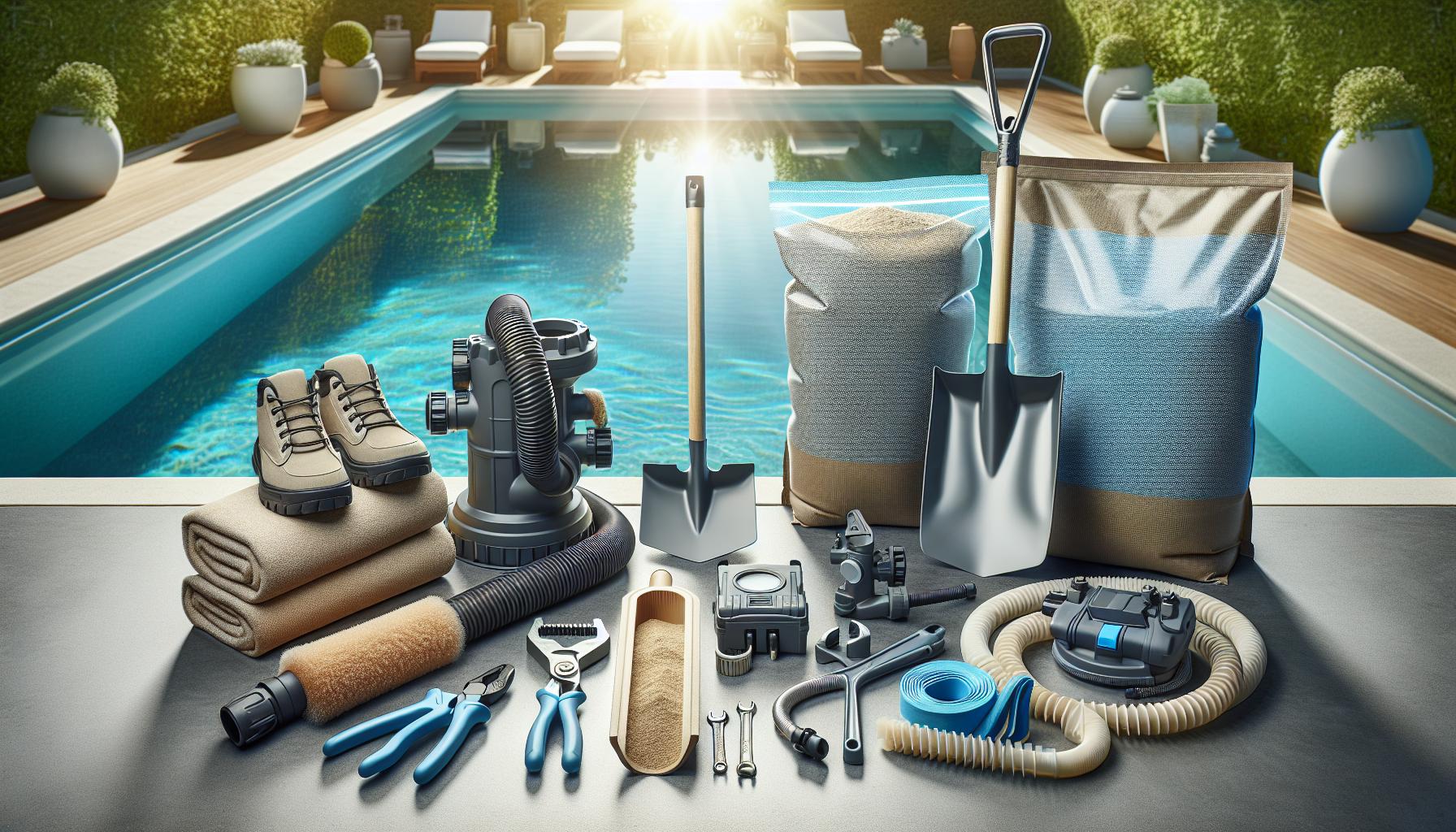
Replacing the sand in your pool filter is an essential part of pool maintenance that can make a significant difference in water clarity and overall hygiene. To embark on this undertaking, it’s important to gather the right tools and supplies to ensure a smooth and efficient process. Having everything ready not only saves time but also prevents unnecessary trips back to the store mid-project.
For this task, you will need a few specific items. First, acquire high-quality pool filter sand, ideally graded at 20 to 40 mesh for optimal performance. You may also consider having some pea gravel if your filter tank is large, as it provides a stable base for the sand. Basic tools like a wrench or a screwdriver to open the filter casing are crucial, along with a vacuum or shop vac to assist in cleaning out any remaining sand and debris. Don’t forget to have a pair of safety goggles and gloves-the sand can irritate the eyes and skin, so protecting yourself is key.
Additionally, a bucket or a large container for transporting the new sand and a hose for rinsing the tank and sand should be on your list. If you’re dealing with stubborn residues, a brush can also help scrub any stuck-on debris from inside the filter. Here’s a quick checklist:
- Pool filter sand (20 to 40 mesh)
- Pea gravel (optional for larger tanks)
- Wrench or screwdriver (for opening the filter)
- Vacuum or shop vac (for cleaning old sand)
- Safety goggles and gloves
- Bucket or container (for transporting sand)
- Hose (for rinsing)
- Brush (optional for cleaning)
By being prepared with all the necessary tools and supplies, you can tackle the sand replacement process with confidence, ensuring your pool filter operates effectively and your swimming experience remains enjoyable and clear.
Step-by-Step Guide to Draining and Cleaning the Filter
Draining and cleaning your pool filter is an essential part of maintaining water clarity and system efficiency. When done correctly, this process can significantly extend the life of your filter, ensuring consistent performance throughout the swimming season. Here’s how to efficiently drain and clean your pool filter step by step, ensuring that you tackle this task safely and effectively.
Start by ensuring that the pump is completely turned off to avoid any accidents. Disassemble the multiport valve carefully, making sure to remember how it fits back together for reassembly later. Once the valve is removed, you’ll want to attach a garden hose to the waste port. This will allow you to direct the water and debris outside your pool area without causing a mess. When you’re ready to drain the tank, open the drain plug located at the bottom of the filter. Depending on the design of your filter, this may involve using a wrench, so keep that handy.
After the water has been successfully drained, it’s time to clean the interior of the filter. Using a shop vac, remove any remaining sand and debris from inside the tank. This step is crucial, as leftover sand can mix with the new sand, reducing the effectiveness of your filtration system. If you notice any stubborn residues or buildup, a soft-bristle brush can be employed to gently scrub the sides of the filter. Once you’ve cleared out all debris, rinse the inside thoroughly with a hose to ensure that all particles are washed away.
In summary, draining and cleaning your filter might seem daunting, but it can be easily managed by following these systematic steps. By taking the time to do this correctly, you’re setting your pool up for clearer waters and a healthier swimming environment. Always remember to put safety first, and ensure your tools are in good working order before starting your project.
How to Remove the Old Sand Safely
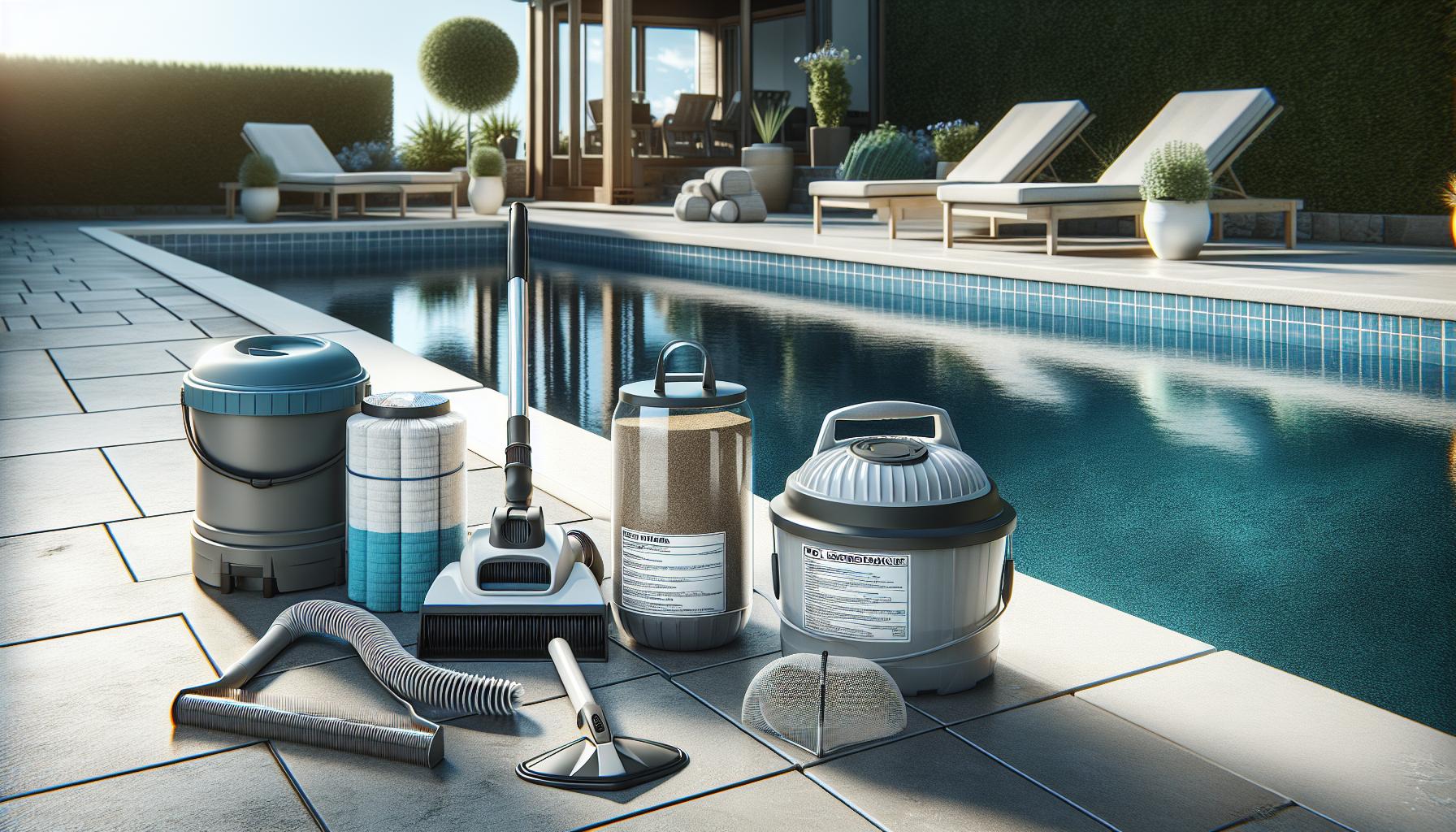
When it’s time to replace the sand in your pool filter, safely removing the old sand is a crucial step that sets the stage for effective filtration. Old sand can harbor bacteria, algae, and other contaminants that impair your pool’s water quality. This process may seem daunting, but with the right approach, you can remove old sand efficiently and ensure your filter is ready for a new layer.
Start by gathering your supplies. You’ll need a shop vac or a heavy-duty vacuum cleaner, a bucket, and possibly a small shovel or scoop to aid in the removal of the sand. Ensure your filter is turned off and completely depressurized to avoid any accidents. Once you’ve prepared your workspace, remove the multiport valve carefully, taking mental notes or photos for reassembly. This is crucial as it helps prevent errors when putting the filter back together.
Next, it’s time to suction or scoop out the old sand. If the sand is dry, using a shop vac is highly effective. Insert the vacuum hose into the filter and turn it on, gradually moving it around to collect all the sand. If the sand is wet or clumped, a small shovel may be necessary to break it up and aid in removal. Place the old sand into a bucket to transport it safely outside and dispose of it appropriately. After clearing out the majority of the sand, make sure to inspect the inside of the filter for residual debris. A soft-bristle brush can help remove any stubborn particles lingering on the filter walls.
Finally, once all the sand is removed, take a moment to clean the filter interior with a hose to wash away any remaining particles. Ensuring a clean workspace not only prepares for the installation of new sand but also maintains the filter’s effectiveness. By following these steps, you’re ensuring that your pool filter operates at its optimum level, keeping your swimming pool clean and inviting.
Installing New Sand in Your Pool Filter
Once the old sand has been removed and the filter interior is clean, it’s time to set your pool filter up for optimal performance by installing new sand. The right installation technique not only ensures effective filtration but also extends the lifespan of your filter. Begin with the right type of sand-make sure to use silica pool filter sand, specifically designed for this purpose, as it has the right granule size to effectively trap debris while allowing water to flow freely.
Step-by-Step Installation Process
To install the new sand in your pool filter, follow these systematic steps:
- Prepare the Filter: Before adding sand, ensure the filter tank is free of any debris, and that the lateral pipes at the bottom are clear of clogs.
- Add Pea Gravel (if applicable): For larger filters (30 inches or more), pour a layer of pea gravel into the bottom of the filter to help protect the laterals and provide a stable base for the sand.
- Add New Sand: Slowly pour the new filter sand into the filter through the opening at the top. To prevent the sand from damaging the laterals, you can place a small container or funnel at the opening to disperse the sand gently. Check the manufacturer’s specifications for the exact amount to use, as typically, it ranges from 200 to 300 pounds.
- Level the Surface: After adding the sand, gently level the surface using a broom handle or similar tool. This helps to promote even distribution and prevents dead spots.
- Reattach the Multiport Valve: With the sand in place, reassemble the multiport valve. Make sure any O-rings are lubricated and in good condition to prevent leaks.
Once everything is back in place, fill the filter with water until it reaches the proper level, usually just above the sand. This helps to aerate and settle the sand before you operate the filter.
Final Steps and Best Practices
Before starting the filter, it’s recommended to perform a quick visual inspection to ensure everything is correctly assembled. Turn on the pump and allow it to operate for a short time while monitoring for leaks. After a few minutes, check the pressure gauge; if it reads higher than normal, you may need to backwash the filter to remove any sand that might be floating.
By following these steps, you ensure that your pool filter is properly equipped with new sand, effectively capturing debris and maintaining clean water throughout your swimming season. Proper installation not only supports the longevity of the filter but also maximizes its efficiency, keeping your pool inviting and ready for enjoyment.
Common Mistakes to Avoid During Sand Replacement
Replacing sand in your pool filter can be a straightforward process, but it’s easy to make mistakes that can lead to poor filtration and unnecessary headaches later on. Being aware of common pitfalls can help you execute this essential maintenance task efficiently and effectively.
One frequent error is neglecting to verify the type of sand used. Not all sands are created equal; using incorrect sand can obstruct proper flow and filtration. It’s crucial to use specifically formulated silica pool filter sand, which is designed to retain debris while maintaining optimal water flow.
Another mistake is not adequately preparing the filter tank before adding new sand. Failing to remove all debris or not cleaning out the lateral pipes can lead to clogs and decreased filter performance. Ensure the tank is pristine; otherwise, the remnants of old sand or dirt can compromise your filtration system’s efficiency.
Pacing yourself during the sand installation process is also essential. Pouring sand too quickly can damage the laterals-these are critical components that help distribute water evenly through the filter. To avoid this, use a funnel or a piece of cardboard to gently disperse the sand as you pour, protecting the delicate parts below.
Finally, many pool owners overlook the importance of leveling the sand once added. An uneven surface can create dead spots, where debris can accumulate rather than be filtered out. Use a broom handle or similar tool to make sure the sand is evenly distributed before reassembling the multiport valve. Checking for any signs of leaks once the system is back in operation is equally important; a quick inspection can save time and money down the line.
By being aware of these common mistakes, you can ensure your sand replacement project is successful, enhancing the longevity and efficiency of your pool filter.
How to Properly Backwash Your Filter After Sand Change
After replacing the sand in your pool filter, performing a proper backwash is crucial to ensure optimal filtration. Backwashing helps to eliminate any residual debris and dust from the new sand, setting up your system to function efficiently. It clears out impurities that may remain after the sand change and helps the filter reach peak performance quickly.
To begin, ensure your filter’s pump is turned off to avoid any accidents during the process. Then, locate the multiport valve, which controls the flow of water in and out of your filter. Set it to the “Backwash” position. This action reverses the water flow and forces the water through the filter in the opposite direction, dislodging trapped dirt and debris within the sand.
Next, turn the pump back on and let it operate for about 2 to 3 minutes. You’ll want to watch the sight glass (if your filter has one); the water will initially appear dirty, but as the backwashing progresses, it should start to run clear. Once you see clear water, this indicates that most of the debris has been flushed out, ensuring better water clarity in your pool.
After backwashing, set the multiport valve back to “Filter” and run the pump for about another 2 minutes. This step helps to reset the flow and prime the filter to start its normal operating cycle. Finally, remember to check your pool’s water level and adjust as necessary, as backwashing can reduce the water level in your pool. By effectively backwashing, you are maximizing the functionality of your pool filter, ensuring clean, clear water before the swimming season or after maintenance.
Signs Your Pool Filter Needs Sand Replacement
A well-functioning pool filter is essential for maintaining clean and clear water, but how do you know when it’s time to replace the sand? Identifying the signs early can save you time and money, ensuring that your pool remains inviting and healthy for swimming. Below are key indicators that your pool filter’s sand may need replacement.
One of the most noticeable signs is a decline in water clarity. If you observe that your pool water is becoming cloudy or murky despite regular maintenance and chemical balancing, sediment buildup within the sand may be impeding the filter’s effectiveness. Additionally, if you frequently need to run the filter for extended periods or notice that the pressure gauge indicates high pressure (generally 8-10 psi above the normal range), this could signal that the sand is no longer able to trap debris effectively.
Another critical sign is visible debris returning to the pool. If you find that dirt, algae, or other contaminants are re-emerging in the water after filtration, it’s a strong indicator that the sand has lost its ability to filter properly. Similarly, if water starts to bypass the sand and flow directly through the filter, this could point to degraded sand or issues with cluster formations that inhibit its function.
Finally, consider the age of the sand. Sand typically has a lifespan of 3 to 5 years, depending on pool usage and maintenance. If yours has been in place for over five years, even if you haven’t noticed any clear signs, it’s best practice to replace it proactively to avoid larger issues down the line. Regular inspections and maintenance not only enhance your pool’s health but also contribute to a more enjoyable swimming experience for you and your family.
Routine Maintenance Tips for Pool Filters
Keeping your pool filter in top shape is crucial for maintaining crystal-clear water and a safe swimming environment. Regular maintenance not only prolongs the life of your equipment but also ensures that your pool operates at peak efficiency. Here are essential tips to help you keep your pool filter functioning effectively.
Start by establishing a consistent cleaning schedule. It’s advisable to clean your filter at least once a month, or more frequently if your pool experiences heavy usage or if there is a lot of debris. For sand filters, check the pressure gauge; if it rises more than 8-10 psi above the normal range, it’s time to backwash the filter. Make sure to backwash according to manufacturer specifications to remove trapped dirt and debris effectively. This simple step can help maintain optimal flow rates.
Furthermore, inspect the filter’s components periodically to catch any issues early. Look for signs of wear or damage, such as cracks in the filter body or loose fittings. If you notice any significant wear, it may be time to replace parts rather than wait for a complete failure. Keeping seals lubricated and ensuring that the filter is free from leaks will also prevent water loss and maintain pressure.
Another critical element of routine maintenance is to monitor chemical levels within your pool. High levels of chlorine can degrade filter sand, while imbalanced pH levels can lead to corrosion or damage to filter components. Regular testing of pool water will ensure you maintain the right balance, prolonging the life of your filter. Additionally, make sure to properly clean the skimmer and pump baskets to aid in reducing the load on the filter system, keeping your pool sparkling clear and inviting.
Incorporate these preventative measures into your pool maintenance routine, and you’ll effectively avoid many common pool filter issues, ensuring a refreshing swim experience all season long.
Troubleshooting Sand Filter Issues and Solutions
Understanding the intricacies of your sand filter can save you time, money, and frustration. Sand filters are generally reliable, but they can encounter issues that affect their performance. If you notice your pool water is cloudy or dirty despite routine maintenance, there are several common sand filter problems you might face, along with practical solutions to address them effectively.
Common Issues and Their Solutions
1. Cloudy Water
If your pool water remains cloudy even after backwashing, it could signal that the sand in the filter has lost its effectiveness due to clumping or contamination. To restore clarity:
- Perform a thorough backwash to remove trapped debris.
- If the problem persists, consider replacing the sand, ensuring you use the correct type as specified by your manufacturer.
2. High Pressure Readings
A pressure gauge reading above the normal range (8-10 PSI higher than usual) indicates that your filter is overworked. This could be due to a buildup of dirt or a clogged sand bed. To alleviate this:
- Backwash the filter immediately to clear out blockages.
- If backwashing fails to reduce pressure, inspect the laterals for damage, as broken parts can prevent proper filtration.
3. Sand Getting into the Pool
Finding sand in your pool is a nuisance and typically indicates a problem with the filter. This can occur if the laterals are broken or if the sand is too fine. To troubleshoot:
- Check and replace any damaged laterals. They need to fit securely within the filter.
- Verify that the sand used is of the appropriate grade; using sand that’s too fine can lead to more sand escaping into the pool.
Troubleshooting Tips
To mitigate these issues, regular maintenance is essential. Inspect your filter system at least monthly to catch signs of wear early, and maintain the appropriate chemical balance in your pool. Periodically test the pH, alkalinity, and sanitizer levels to prevent chemical damage to the filter and sand. Additionally, clean the pump basket regularly to help reduce clogging and strain on the sand filter. Should these tips not resolve your issues, consider seeking professional assistance to ensure your system operates optimally.
By being proactive and routinely checking your sand filter, you can avoid many common issues, ensuring your pool remains clean and inviting all season long.
When to Seek Professional Help for Sand Issues
In the journey of pool maintenance, there comes a point when the DIY approach may no longer suffice. While many sand filter issues can be addressed with a bit of effort and knowledge, certain situations demand the expertise of a professional. Recognizing when to call for help can save both time and resources, ensuring your pool remains pristine without unnecessary complications.
If persistent problems arise, such as cloudy water that refuses to clear even after thorough backwashing or sand replacement, it may indicate deeper issues within the filtration system. Similarly, a dramatically high-pressure reading that doesn’t stabilize post backwash might suggest complications such as clogged pipes or malfunctioning internal components. In these instances, professional technicians have the tools and expertise to diagnose problems that may not be detectable to the untrained eye.
Another common scenario warranting professional intervention occurs when sand is repeatedly entering your pool. This frustrating issue generally arises from damaged laterals or improperly graded sand. While replacing sand might seem like a quick fix, professionals can assess the integrity of your filter components and ensure that all necessary repairs are addressed, preventing a reoccurrence of the problem.
Lastly, safety should always be a priority, especially when dealing with elements of your pool’s plumbing and electrical systems. If you find yourself unsure about performing repairs or modifications, or if any repairs lead to complications, it is prudent to seek professional help. Technicians not only bring experience but also the knowledge to ensure repairs are correctly executed, preserving the efficiency and lifespan of your pool equipment. Investing in professional help can ultimately provide peace of mind, allowing you to enjoy your pool without lingering concerns about its maintenance.
Understanding the Lifespan of Filter Sand
The lifespan of filter sand is a crucial element in maintaining an efficient pool filtration system. Typically, sand can last anywhere from 5 to 7 years, but this duration can be influenced by various factors. Regular pool usage, environmental conditions, and the quality of maintenance all play significant roles in determining how long your filter sand will effectively perform. Understanding the signs of wear and knowing when to replace the sand is essential for ensuring clean, clear pool water.
One common indicator that filter sand needs replacing is the presence of cloudy or unclear water, even after routine cleaning and maintenance. This often suggests that the sand has become ineffective in trapping impurities. Additionally, if you notice an increase in the pressure gauge reading on your filter, it could indicate that the sand bed has compacted or that there are other underlying issues affecting water flow.
To maintain optimal performance and longevity, consider implementing routine checks on your sand filter system. Regular backwashing, as well as monitoring the pressure and water quality, can help you gauge when replacement might be necessary. Furthermore, ensure you use high-quality sand that is appropriately graded for your specific filter type; this can significantly improve the filter’s efficiency and extend the life of the sand itself.
In cases where the sand begins to break down or compact significantly, you might encounter sand entering the pool, which can indicate that replacement is overdue. Not only can this be unsightly and frustrating, but it can also disrupt your pool’s filtration efficiency. Keeping an eye on these factors can lead to timely sand replacement, preserving both the functionality of your filter and the overall health of your pool water.
FAQ
Q: How often should I replace the sand in my pool filter?
A: You should replace the sand in your pool filter every 3 to 5 years, depending on usage and water quality. Regular maintenance ensures optimal filtration. Check for signs of reduced performance to decide if your sand needs changing sooner.
Q: What type of sand is best for a pool filter?
A: The best sand for a pool filter is #20 silica sand. This type provides effective filtration and is widely recommended for both above-ground and in-ground filters. Make sure to use the correct grade for your filter system.
Q: Can I use other materials instead of sand in my pool filter?
A: Yes, you can use alternative materials like glass media or zeolite, which can offer enhanced filtration and longer lifespan compared to traditional sand. Ensure compatibility with your filter’s design before making a switch.
Q: What if my pool filter shows low pressure after sand replacement?
A: Low pressure could indicate air trapped in the system or insufficient sand. Ensure proper backwashing to remove air and check that you’re using the correct amount of sand. If issues persist, consult the troubleshooting section for further steps.
Q: Is it necessary to backwash my pool filter after changing the sand?
A: Yes, backwashing after sand replacement is essential. It removes any remaining dust from the new sand and ensures efficient filtration. Consult the “How to Properly Backwash Your Filter After Sand Change” section for detailed instructions.
Q: How can I tell if my filter sand is too old?
A: Signs that your filter sand is too old include cloudy water, poor water circulation, and increased pressure readings. If your pool shows these signs consistently, it’s time to replace the sand.
Q: What safety precautions should I take when replacing pool filter sand?
A: Always wear gloves and a mask when handling sand to prevent inhalation of dust. Ensure the filter is turned off and unplugged before beginning maintenance. Refer to the “How to Remove the Old Sand Safely” section for more tips.
Q: Can I replace pool filter sand myself, or should I hire a professional?
A: You can replace pool filter sand yourself if you follow the proper steps outlined in the guide. It’s a manageable DIY task for most pool owners. However, if you’re unsure or have complex issues, consider seeking professional help.
For more detailed instructions on replacing sand in your pool filter, refer to our full article.
To Conclude
Now that you know how to replace sand in your pool filter, you’re equipped to enhance your pool maintenance routine and enjoy crystal-clear water all season long. Don’t wait too long; tackling this task promptly can prevent more significant issues down the line. Remember, if you have any lingering questions about the process, consider checking out our detailed guide on pool maintenance tips and troubleshooting common pool filter issues.
For continued success with your pool, make sure to subscribe to our newsletter for expert advice and insider tips straight to your inbox. Your next logical step might include exploring the best tools for DIY maintenance or discovering how to balance your pool chemistry effectively. Don’t hesitate-take control of your pool today! Share your progress or ask questions in the comments below; your experience might help another pool owner in the community. Happy swimming!


