


A well-maintained salt cell is essential for keeping your pool sparkling clean and safe for swimming. Regular cleaning not only enhances the efficiency of the salt chlorinator but also prolongs its life, saving you time and money in the long run. If your pool isn’t looking its best or you’re noticing reduced chlorine production, it’s likely time to ensure your salt cell is operating at peak performance.
Many pool owners struggle with the maintenance of their salt systems, often overlooking this crucial component until problems arise. By understanding how to clean your salt cell, you empower yourself to tackle one of the most common issues head-on, ensuring that your pool remains a welcoming oasis. Ready to learn the steps to keep your system running smoothly? Let’s dive in!
Understanding the Importance of Cleaning Your Pool Salt Cell
Keeping your pool salt cell clean is crucial for ensuring the overall efficiency and longevity of your pool system. A salt cell plays an integral role in the chlorination process, converting salt into chlorine, which keeps your pool water sanitized and safe for swimmers. However, over time, mineral deposits and scale can build up on the cell’s electrodes, reducing its effectiveness and potentially leading to system failures. Regular cleaning of the salt cell not only maintains optimal performance but also saves you from costly repairs and replacements down the line.
In addition, maintaining a clean salt cell helps avoid issues such as fluctuating chlorine levels, increased energy consumption, and water clarity problems. When dirt and debris accumulate, the salt cell must work harder to produce the necessary chlorine, which can lead to burn-out. By establishing a routine cleaning schedule, typically every 3 to 6 months or as needed, you ensure your cell operates efficiently and consistently. This proactive approach to maintenance not only enhances the durability of the cell but also contributes to a safer and more enjoyable swimming experience.
Another significant aspect of cleaning your salt cell is that it allows you to monitor vital pool chemistry parameters. Maintaining balanced pH, alkalinity, and calcium hardness levels is essential for the effective operation of both the salt cell and the entire pool system. By regularly cleaning and checking your salt cell, you can identify and address any water quality issues before they escalate, ensuring that your pool remains inviting and healthy.
In summary, prioritizing the cleanliness of your pool salt cell is not just about maintaining chlorination efficiency; it is fundamentally a matter of preserving the integrity of your entire pool system. To support this, always stay vigilant for signs of buildup and adhere to recommended cleaning practices. A little preventive care goes a long way in fostering a beautiful and safe swimming environment.
Identifying Signs Your Salt Cell Needs Cleaning
The health of your pool’s water often depends on the efficiency of its salt cell, but how do you know when it’s time to clean it? Several telltale signs can alert you that your salt cell is due for maintenance. Recognizing these signs early can ensure optimal performance and prolong the life of this crucial component in your pool system.
One of the most common indicators is a noticeable drop in chlorine production. If your pool’s chlorine levels are fluctuating or constantly low, despite the salt input remaining the same, it’s likely that the cell has developed calcium scale or other mineral buildup, obstructing its efficiency. Additionally, you might observe a cloudy appearance in your pool water, which often signals inadequate sanitation due to reduced chlorine output.
Another sign to watch for is visible deposits on the salt cell itself. Upon inspection, if you notice white or gray residue clinging to the cell’s plates, that’s a clear indicator that it needs a thorough cleaning. You can also keep an eye on your salt cell’s operational hours; if it operates longer than usual to generate the same amount of chlorine, it may be a sign of internal resistance caused by buildup.
It’s also helpful to pay attention to your pool’s overall chemical balance. If you find that maintaining pH, alkalinity, or calcium hardness is becoming overly difficult or requires frequent adjustments, the salt cell might be struggling due to obstructions affecting its performance. By staying vigilant and acting promptly at the first signs of trouble, you can maintain your salt cell in peak condition, ensuring a clean, clear, and inviting swimming pool for everyone.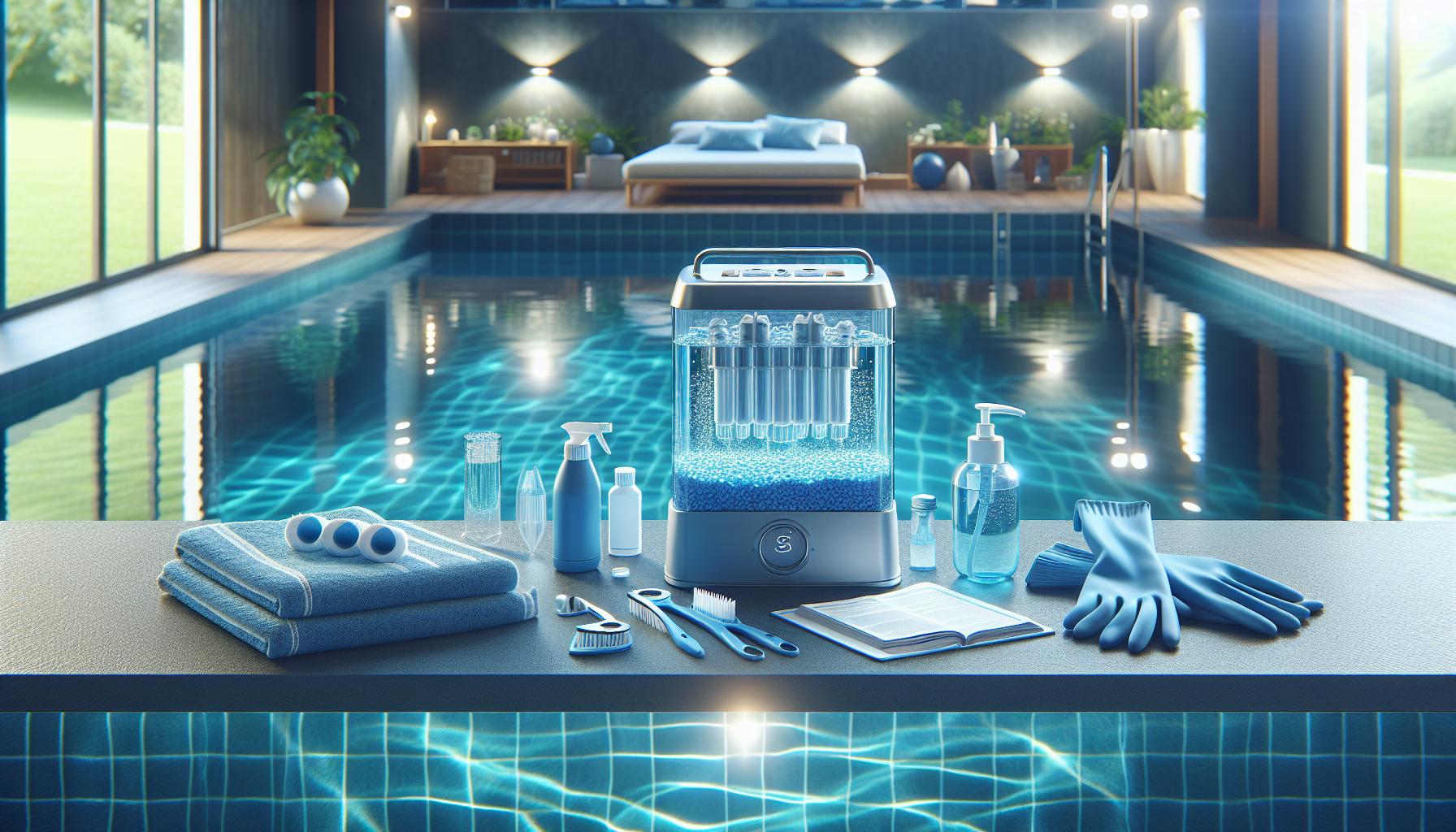
Step-by-Step Guide to Cleaning Your Pool Salt Cell
Cleaning your pool’s salt cell is an essential maintenance task that directly affects your pool’s sanitation and overall water quality. When performed regularly, it helps to sustain the efficiency of the chlorine generator, ensuring that your pool remains sparkling clean while minimizing chemical imbalances. If neglected, buildup on the cell can lead to decreased chlorine production, cloudy water, and potential damage to the system. Here’s a systematic approach to effectively clean your pool salt cell.
Begin by turning off the power to the salt cell and the pool system to ensure safety. Next, disconnect the salt cell from the plumbing lines. This step ensures that cleaning solutions do not contaminate the pool water and allows for a thorough cleaning. Rinse the cell with a garden hose to remove any loose debris before applying any cleaning solution.
Cleaning Process
To safely tackle mineral deposits, prepare a cleaning solution. A common method involves using a mixture of water and muriatic acid. Always wear protective gear, including gloves and goggles, when handling muriatic acid, as it is corrosive. A typical ratio is one part acid to ten parts water, but check the manufacturer’s instructions for specific recommendations for your salt cell type.
Once your solution is ready, submerge the cell in this mixture for about 10-15 minutes; this allows the acidity to break down mineral build-up effectively. After soaking, use a soft brush to gently scrub the plates, focusing on any areas with visible deposits. Do not use stiff brushes or abrasive materials, as these can damage the cell plates.
Final Steps
After scrubbing, rinse the cell thoroughly with fresh water to remove any acidic residue. Ensure that no cleaning solution remains before reconnecting the cell to the plumbing. Finally, reinstate power to the pool system and monitor chlorine levels over the next few days; this will help you confirm that the cleaning was successful and that the cell is functioning correctly.
By following these steps, you can effectively clean your salt cell, preventing buildup that hinders its performance. Regular maintenance of the salt cell minimizes potential issues, ensuring a healthy and inviting environment for swimming.
Essential Tools and Materials for Salt Cell Maintenance
Having the right tools and materials on hand is crucial to effectively maintaining your pool’s salt cell, ensuring it operates at peak efficiency. An organized cleaning approach can make this task straightforward, preventing delays and ensuring the longevity of your system. Let’s explore what you’ll need to get started.
First, protective gear should be your priority. When dealing with cleaning solutions, especially muriatic acid, protective gloves, goggles, and a mask are essential. These items safeguard against fumes and splashes, keeping you safe as you work.
Next, gather your cleaning materials. The primary items include:
- Muriatic Acid: This is highly effective for dissolving calcium and mineral deposits.
- Water: Used to dilute muriatic acid and for rinsing your salt cell post-cleaning.
- A Soft Brush: This is crucial for scrubbing the cell gently without risking damage.
- A Plastic Container: Use this for mixing your cleaning solution safely.
- A Garden Hose: You’ll need this for rinsing the salt cell before and after the cleaning process.
In addition to these fundamental items, it’s wise to have maintenance tools nearby. A wrench set will be needed for disconnecting and reconnecting the salt cell from the plumbing system while a towel or sponge can be useful for any spills during the process. If your pool system has high levels of scale buildup, consider a scale inhibitor to prevent future occurrences.
Having these tools and materials readily available ensures a smoother, safer cleaning process, minimizing downtime and promoting an optimal swimming environment. Regular maintenance with the right supplies keeps your salt cell functioning effectively, allowing you to enjoy a clean and safe pool. Remember that being well-prepared is the first step in successful maintenance-your salt cell will thank you for it!
Best Practices for Cleaning to Extend Salt Cell Life
Maintaining the longevity of your pool’s salt cell is crucial for ensuring optimal chlorine production and overall water quality. Regular cleaning and employing best practices can greatly extend its life and efficiency, providing a healthier swimming environment. Not only does proper maintenance make your pool more enjoyable, but it also saves money on repairs and replacements.
To maximize the lifespan of your salt cell, consider the following practices:
- Clean Regularly: Schedule cleanings every 3 to 6 months, or more frequently if you notice significant scaling. This proactive approach helps prevent buildup that can impair functionality.
- Use Appropriate Cleaning Solutions: When cleaning, opt for a diluted solution of muriatic acid. Always follow the manufacturer’s instructions for safe use and proper dilution ratios to avoid damaging the cell.
- Inspect for Damage: Each time you clean, carefully inspect the salt cell for cracks or wear. Catching issues early can prevent costly repairs down the line.
- Employ Scale Inhibitors: If your area has hard water, consider using a scale inhibitor product as part of your regular maintenance routine. This can significantly reduce mineral buildup on your salt cell, ensuring effective performance.
- Monitor Water Chemistry: Keep an eye on your pool’s pH, alkalinity, and salinity levels. Maintaining balanced water chemistry reduces strain on the salt cell, as corrosion and scaling can occur from imbalanced water.
By following these best practices, you empower yourself to keep your salt cell functioning efficiently, reducing the likelihood of unexpected issues. Engage with your pool maintenance tasks regularly, and you’ll reap the benefits of a sparkling, well-maintained pool that lasts longer while also enhancing your swimming experience.
Troubleshooting Common Salt Cell Issues
When it comes to keeping your pool running smoothly, recognizing and addressing common salt cell issues can save you time, money, and stress. Salt cells, essential for generating chlorine from salt, can experience a variety of problems that impede their functionality. Being aware of these issues and knowing how to troubleshoot them will enhance your maintenance efforts and prolong the life of your pool’s salt system.
One of the most common indicators of a malfunctioning salt cell is insufficient chlorine levels in the pool. If you notice that your pool is not effectively chlorinated, start by checking the salt levels. Low salt concentrations can prevent the cell from functioning properly. Use a salt test kit to verify levels and add the appropriate amount of salt if necessary. Additionally, check the cell’s control panel for error codes-these codes can indicate specific issues such as “insufficient flow” or “low salt,” which guide your troubleshooting process.
Another frequent issue involves scaling and mineral buildup on the cell plates, which inhibits efficiency. If you suspect this is the case, inspect the cell visually. Scaling appears as a white, chalky substance on the plates. To resolve scaling, you should perform a cleaning as per the manufacturer’s guidelines-typically using a diluted muriatic acid solution. This process not only clears buildup but also should be a scheduled maintenance task every few months. Always remember to turn off the pool power before cleaning and follow safety precautions.
If the salt cell repeatedly displays error messages or does not seem to be producing chlorine even after cleaning, the next step is to inspect the wiring and connections. Ensure that all electrical connections are tight and free from corrosion. Loose or damaged wires can lead to poor performance. If after checking these elements the salt cell still has problems, it may be necessary to replace the unit or consult pool maintenance professionals for further diagnosis.
By taking these proactive steps, you empower yourself to maintain a well-functioning pool system, ensuring both the longevity of your salt cell and a consistently enjoyable swimming experience.
How Often Should You Clean Your Salt Cell?
Cleaning your pool’s salt cell is a vital part of maintaining a healthy and efficient pool system. However, many pool owners struggle with determining the ideal frequency for this cleaning task. Generally, the industry standard is to inspect and clean your salt cell every three to six months, depending on various factors such as local water quality, pool usage, and the overall climate of your area. High bather load or warmer climates may necessitate more frequent cleaning due to increased organic material and mineral deposits.
It’s important to keep an eye out for signs that your salt cell needs immediate attention. If you notice a drop in chlorine production or visible scaling on the cell plates-often appearing as a white, chalky residue-these indicators suggest that it’s time to perform a cleaning. Regular maintenance not only promotes optimal performance but also prolongs the lifespan of your equipment. By staying ahead of buildup and scaling, you can minimize expensive repairs or replacements, ensuring your pool remains sparkling clean and inviting.
To streamline your maintenance routine, consider establishing a cleaning schedule that aligns with your pool’s operational demands. For instance, if you’re in a region with hard water, or if your pool experiences heavy usage, you might find that cleaning every two months is more beneficial. Utilize a calendar or a maintenance log to remind yourself of these checks. In some cases, installing a salt cell with built-in self-cleaning features may further reduce the need for manual cleaning, providing an excellent solution for busy pool owners.
By being proactive and attentive, you’ll not only enhance the efficiency of your pool but also maximize your enjoyment of it. Regular attention to your salt cell is a simple yet effective way to keep your pool chemistry balanced and your swimming environment safe and enjoyable.
Tips for Preventing Future Salt Cell Problems
Cleaning your pool’s salt cell is not just a one-time task; it’s a continuous responsibility that plays a crucial role in maintaining water quality and extending the lifespan of your equipment. To help keep your salt cell in optimal condition and prevent future issues, consider implementing some effective preventive strategies.
One of the simplest yet most impactful measures is to regularly check and adjust your pool’s water chemistry. Maintaining balanced pH levels, alkalinity, and calcium hardness can significantly reduce the scaling and buildup on the salt cell. Aim for a pH level between 7.4 and 7.6, which not only enhances chlorine effectiveness but also minimizes corrosion and scaling. Additionally, consider using a scale inhibitor that can help prevent mineral deposits from forming, protecting your salt cell and other pool components.
Maintaining proper water circulation is equally essential. Ensure your filtration system is functioning efficiently to distribute fresh water throughout the pool and prevent stagnation, which can lead to algae growth and increased organic material. Regularly cleaning your pool filter will also support optimal water flow, which in turn reduces strain on the salt cell. As a best practice, run the pump for at least 8-12 hours a day during peak usage periods, and adjust accordingly during the off-season.
Lastly, scheduling routine inspections of your salt cell and associated equipment can preempt many common problems. Check for any signs of wear, such as cracks in the cell or loose connections. If you’re in a region with hard water, you might want to increase your inspection frequency. Keeping documentation of your maintenance actions, including cleaning dates and chemical adjustments, can help you identify patterns and proactively address potential issues before they escalate.
By integrating these practices into your pool maintenance routine, you’ll not only optimize the performance of your salt cell but also prolong its life, ensuring that your pool remains a clean and inviting oasis.
Understanding the Role of Salt Cells in Your Pool System
In the intricate ecosystem of a saltwater swimming pool, salt cells play a pivotal role in maintaining water quality and clarity. These vital components function by converting dissolved salt into chlorine through a process known as electrolysis. This self-sustaining chlorine generation not only eliminates the need for traditional chlorine products but also ensures a consistent and gentle sanitization method that enhances the swimming experience. Understanding the importance and operation of salt cells can empower pool owners to maintain optimal system performance and extend the longevity of the equipment.
The effectiveness of the salt cell directly impacts the overall cleanliness of the pool. A well-maintained salt cell efficiently produces chlorine, which helps to eradicate algae and bacteria while keeping the water sparkling clear. However, these cells can accumulate mineral deposits over time, particularly from calcium and other impurities in the water. Regular maintenance and cleaning of the salt cell are essential to prevent buildup, which can lead to reduced chlorine production, higher energy costs, and ultimately, a need for early replacement of the unit.
To maximize the benefits of your salt cell, regular checks of both the cell itself and your pool’s water chemistry are paramount. Monitoring the salinity levels, maintaining balanced pH levels between 7.4 and 7.6, and watching for signs of scaling or reduced performance can help catch potential issues before they escalate. Additionally, incorporating the use of scale inhibitors can further protect the cell from damage caused by mineral buildup, thus prolonging its operational life. By staying proactive in the care of your salt cell, you not only enhance your pool’s water quality but also prevent costly repairs or replacements in the future.
Safety Measures When Cleaning Your Salt Cell
When cleaning your salt cell, safety should always be a top priority. This component of your saltwater pool system plays a critical role, converting salt into chlorine, and any mishaps during maintenance can lead to injury or damage to the equipment. Before you start the cleaning process, take a moment to ensure that you are following essential safety precautions to protect both yourself and your equipment.
First, always disconnect the power supply to your pool system before handling the salt cell. This step is crucial to avoid any electric shock or malfunction while cleaning. Make sure to visually verify that no power is flowing to the unit by checking the control panel; it’s advisable to wait a few minutes after shutting off the power to ensure that any capacitors have fully discharged. Additionally, wear protective gear, including gloves and safety goggles, to shield against any chemical splashes or corrosive materials during the cleaning process.
When handling the salt cell itself, take care not to touch any of the electrical connections or exposed metal components, as these can be hazardous. If you’re using any cleaning agents, be sure to follow the manufacturer’s instructions precisely, as diluted or improper solutions can cause damage to the cell or affect its efficiency. Always work in a well-ventilated area to minimize inhalation of fumes from cleaning products, and consider using a face mask if you’re sensitive to chemicals.
Finally, after the cleaning process, inspect the salt cell closely for any signs of corrosion or damage. Reinstall all components carefully, ensuring that connections are secure and that there are no leaking points before restoring power to the unit. By implementing these safety measures, you not only safeguard yourself but also enhance the longevity and functionality of your salt cell, leading to a cleaner and more enjoyable pool experience.
Advanced Techniques for High-Performance Salt Cells
Maintaining the efficiency of your salt cell goes beyond just routine cleaning; it involves employing advanced techniques that ensure peak performance and longevity. One proven method is to conduct periodic inspections and adjustments based on your water conditions. Regularly testing your pool water chemistry is critical; ideal salinity levels, pH, and alkalinity contribute significantly to the effectiveness of your salt cell. For instance, an optimal pH level (between 7.2 and 7.6) not only enhances chlorine generation but also minimizes the risk of scaling and corrosion inside the salt cell.
Another advanced technique involves the use of a descaling solution specifically designed for salt cells. These solutions can be applied after regular cleaning to thoroughly remove any mineral buildup that may not have been eliminated with standard methods. Follow the manufacturer’s instructions carefully when using these products, as the wrong concentration can damage the cell. Additionally, consider installing a pre-filter to your pool system; this can help reduce the amount of debris entering the salt cell and consequently, lower the frequency of necessary cleanings.
Enhancing Chlorine Output
To further enhance the chlorine output from your salt cell, fine-tuning the settings on the control panel is essential. Most modern salt systems allow you to adjust the chlorine output level, enabling you to raise the output during peak swimming seasons or after heavy usage. That’s especially useful during periods of high bather load or after significant rain, which can dilute the salinity levels in your pool. Utilize these control settings wisely to ensure your pool remains clear and safe without overworking your equipment.
Implementing Best Practices
As part of your advanced maintenance strategy, adopting best practices can significantly extend the lifespan of your salt cell. Regularly monitor for any electrical issues, such as corrosion on connections or burnt terminals, which can hinder performance. Keeping the surrounding environment clean and free from debris will also help maintain optimal functioning. Finally, document your maintenance activities, including cleaning schedules and water chemistry readings. This will not only help identify trends over time but also assist in troubleshooting if problems arise.
By applying these advanced techniques, you can ensure that your salt cell operates efficiently, providing you with clean and balanced water while minimizing maintenance issues. This proactive approach will lead to a better swimming experience and more reliable performance from your saltwater pool system.
When to Seek Professional Help for Salt Cell Maintenance
When it comes to maintaining a pool salt cell, knowing when to seek professional help can save you time, money, and potential headaches. If you’ve attempted regular cleaning and maintenance but continue to experience issues such as low chlorine output, persistent scaling, or unusual error messages on your control panel, it might be time to consult a professional. These experts can diagnose underlying problems that may not be apparent to the average pool owner, such as electrical issues or faulty components that could jeopardize your entire pool system.
Another red flag to consider is if your salt cell shows signs of physical damage-like cracks, discolored plates, or burnt wiring. Such damage can significantly reduce the efficiency of your salt cell and, if left unchecked, could lead to more serious problems down the line. Professionals have the necessary tools and experience to safely repair or replace damaged cells, ensuring that your system operates optimally and remains safe for your swimming environment.
Keep in mind that certain situations warrant immediate professional intervention. For instance, if you notice that your pool water is unusually cloudy or has developed an unpleasant odor despite regular maintenance, this could indicate chemical imbalances or bacterial growth that require specialized treatment. Likewise, if you experience sudden fluctuations in salinity levels or cannot seem to stabilize your pool chemistry, a pool maintenance expert can help restore balance with advanced diagnostic tools and professional-grade solutions.
In addition, don’t hesitate to reach out if you’re not comfortable performing the maintenance or repairs yourself. Salt cells can be intricate systems, and if you’re unsure about any step of the process, seeking professional guidance can prevent mistakes that may lead to costly repairs later. Taking proactive measures ensures that your salt chlorinator continues to provide clean, balanced water for your pool, helping you enjoy a safe and pleasant swimming experience.
Frequently Asked Questions
Q: How often should I check my pool salt cell for cleaning?
A: You should check your pool salt cell for cleaning every 3 to 6 months, depending on usage and water conditions. Regular inspections help ensure optimal performance and identify any buildup of calcium or debris early, preventing significant issues.
Q: What are the common signs that my salt cell is not functioning properly?
A: Common signs include reduced chlorine production, cloudy water, and unexplained increases in salt levels. If your pool chemistry is off and the salt cell appears to have scale buildup, it likely needs cleaning or further inspection.
Q: Can I use vinegar to clean my salt cell?
A: Yes, vinegar can be used to clean your salt cell, particularly for light calcium buildup. However, a manufacturer-recommended solution or a mild acid like muriatic acid is typically more effective for heavier deposits. Always rinse thoroughly after cleaning.
Q: What is the best time of year to clean my pool salt cell?
A: The best time to clean your pool salt cell is in early spring before the swimming season begins. This ensures that it is clean and functioning properly to maintain pool water quality throughout the summer.
Q: Is it safe to clean the salt cell while the system is on?
A: No, it is not safe to clean the salt cell while the system is on. Always turn off the power and disconnect the power supply before cleaning to prevent electrical hazards and ensure proper handling.
Q: How do I troubleshoot a salt cell that won’t produce chlorine?
A: First, check for scale buildup, which can be cleaned following your step-by-step guide. Ensure that all connections are tight and inspect for any clogs in the system. If problems persist, testing the salt level and verifying that the unit is receiving power is essential.
Q: What safety measures should I follow when cleaning my pool salt cell?
A: Always wear protective gloves and goggles to safeguard against chemical splashes. Disconnect the power to the system before cleaning, and ensure to work in a well-ventilated area if using strong cleaners. Follow manufacturer instructions for handling and disposal.
Q: Can I extend the life of my pool salt cell through maintenance?
A: Yes, regular maintenance, such as cleaning every 3-6 months and inspecting for damage, can significantly extend your salt cell’s lifespan. Implement best practices like monitoring water chemistry and addressing issues promptly to keep it functioning optimally.
Wrapping Up
Now that you know how to effectively clean your pool salt cell, you can ensure optimal system performance and extend the life of your pool equipment. Regular maintenance not only keeps your pool sparkling but also enhances your overall swimming experience. Don’t hesitate-get started today!
For further tips, explore our guide on maintaining pool chemistry and discover how to troubleshoot common pool issues to keep your oasis pristine.
If you’re eager to learn more, check out our resources on pool maintenance essentials or sign up for our newsletter to receive expert advice straight to your inbox. You’re already on the path to becoming a pool maintenance pro; keep exploring to enhance your skills! Your beautifully maintained pool awaits!


