


Maintaining a saltwater swimming pool presents unique challenges and rewards. Did you know that with the right care, you can enjoy smoother water and a more comfortable swimming experience? Proper maintenance not only enhances the beauty and longevity of your pool but also promotes a healthier environment for you and your family.
Understanding the essentials of saltwater pool care is crucial, as the balance of salt, pH, and chlorine levels can significantly impact water quality and equipment performance. Many pool owners worry about algae growth and equipment corrosion, but with effective upkeep, these issues can be minimized.
In this guide, we will explore essential tips to help you master your pool’s maintenance routine. These actionable insights will empower you to tackle common concerns, ensuring your swimming pool remains a stunning oasis all season long. Dive in to discover how simple strategies can lead to a beautifully maintained saltwater pool!
How Saltwater Pools Work: Understanding the Basics
Saltwater pools offer a unique blend of enjoyment and maintenance, harnessing the power of salt chlorination technology to provide a freshwater-like swimming experience while reducing the harshness of traditional chlorine. At their core, saltwater pools utilize a system that converts salt into chlorine through electrolysis. This means that instead of manually adding chlorine to the water, a salt cell generates the necessary sanitizer, keeping the pool water clean and safe for swimmers.
Understanding how saltwater pools function can ease common concerns among pool owners. The process starts with adding the appropriate amount of salt to the water, typically around 3,000 to 4,000 parts per million. The onboard salt chlorinator then uses electricity to break down the salt molecules, producing chlorine that disinfects the water and helps to eliminate contaminants. This self-regenerating system not only simplifies maintenance but can be more cost-effective over time, as it reduces the need for constant chemical purchases.
Keeping your saltwater pool at optimal performance requires monitoring and adjusting key parameters including salinity, pH, and alkalinity. Regular testing kits or digital testers are essential to ensure that these levels stay within recommended ranges. When properly maintained, the gentle chlorination process results in softer water which is kinder to skin and hair, while still effectively preventing algae growth and bacteria proliferation. Understanding these basics allows pool owners to confidently tackle maintenance tasks, ensuring their pool remains crystal clear and inviting throughout the swimming season.
Essential Equipment for Saltwater Pool Maintenance
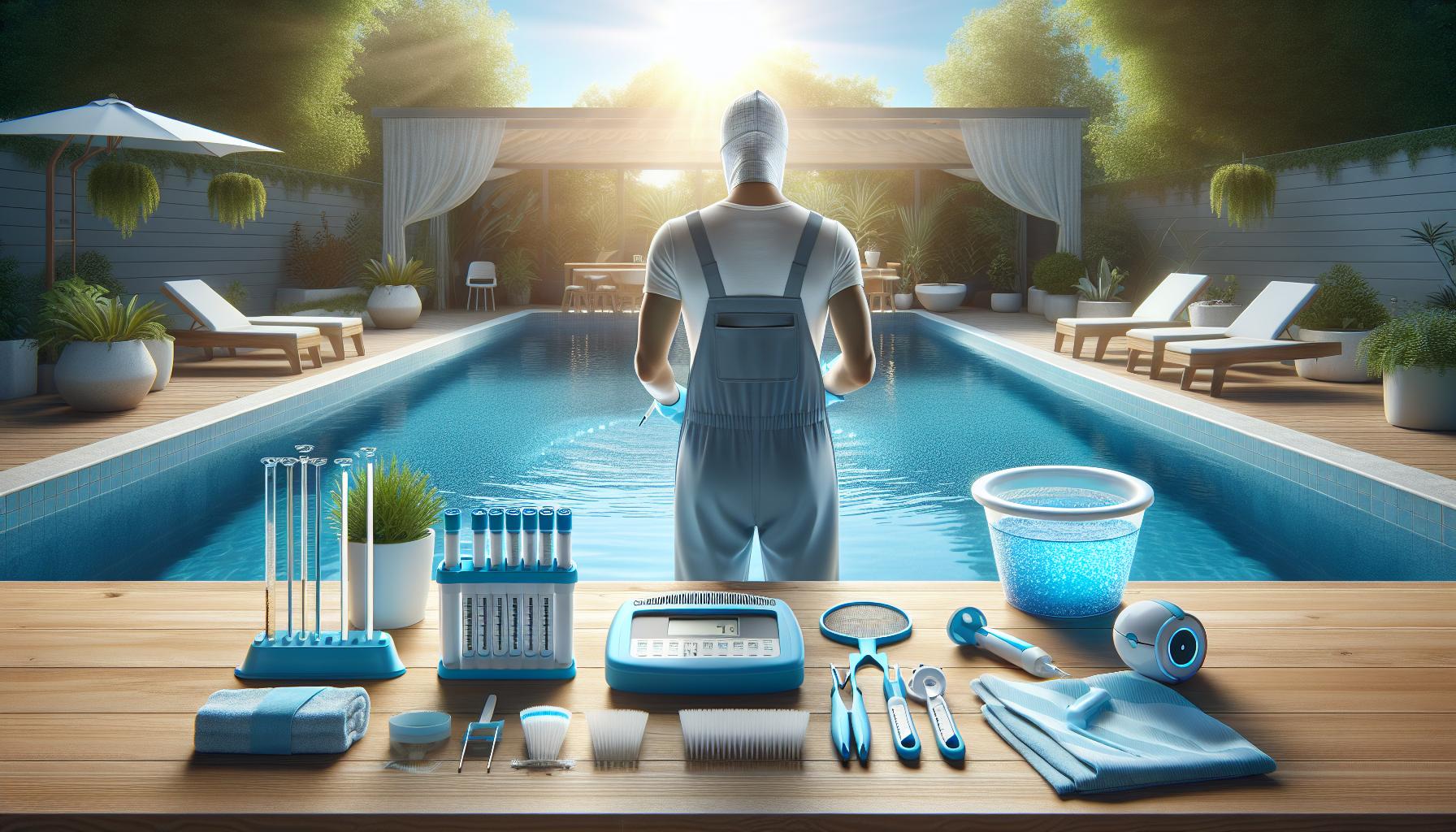
To ensure that your saltwater pool remains a clean and inviting oasis, it’s essential to have the right tools and equipment at your disposal. The maintenance of a saltwater pool goes beyond just monitoring water chemistry; it involves a variety of specialized equipment designed to streamline your upkeep and enhance the longevity of your investment.
One of the most critical components is the salt chlorinator, which is responsible for converting salt into chlorine through the electrolysis process. Regular inspection and cleaning of the chlorinator cell are vital to prevent calcium buildup, which can hinder its performance. Additionally, having a good quality test kit or digital tester is indispensable for accurately checking the salinity, pH, and alkalinity levels, helping you adjust them promptly to keep your pool water balanced.
To keep the water crystal clear, you’ll also want to invest in a pool vacuum suited for saltwater, along with a skimmer net for surface debris. A robotic pool cleaner can significantly ease the cleaning process, effectively navigating your pool to scrub surfaces and collect debris with minimal manual effort. Don’t overlook the importance of a reliable filter system, as it helps remove impurities and improves water circulation. Regularly changing or cleaning the filter media will ensure efficient operation.
Lastly, it’s worth considering a system for monitoring your pool’s water chemistry in real-time. Many modern systems offer automated monitoring that will notify you of any fluctuations, allowing for immediate adjustments. By equipping yourself with these essential tools and equipment, you’ll be well-prepared to tackle any maintenance tasks that arise, keeping your saltwater pool in excellent condition for years to come.
Step-by-Step Guide to Maintaining Water Chemistry

Maintaining the water chemistry of your saltwater pool is crucial for ensuring both safety and enjoyment. A well-balanced pool not only enhances the swimming experience but also prolongs the life of your equipment and reduces the risk of algae and bacteria growth. Start by familiarizing yourself with the essential parameters: salinity, pH, alkalinity, and chlorine levels. Regular testing is key, generally every week during peak season, or before hosting gatherings to keep your pool in optimal condition.
Testing Water Chemistry
Use a reliable test kit or digital tester to check the salinity, pH, and alkalinity levels. Here’s a quick guide on ideal ranges:
- Salinity: 2700 to 3400 ppm (parts per million)
- pH: 7.4 to 7.6
- Total Alkalinity: 100 to 150 ppm
- Chlorine: 1.0 to 3.0 ppm
If any values fall outside these ranges, immediate action is necessary. For instance, if the pH is too low, you can add sodium carbonate (soda ash) to raise it. Conversely, if it’s too high, use muriatic acid to lower it. Balancing alkalinity can be achieved by adding sodium bicarbonate if it’s low, or more acid if it’s high.
Adjusting Salinity
Ensure that your salt levels remain stable, as fluctuations can impact chlorine generation by the salt chlorinator. If the salinity is too low, add the appropriate amount of salt gradually, allowing for even distribution across the pool. It’s also important to perform periodic water exchanges, particularly after heavy rainfall or a major disturbance like a pool party.
Regular Maintenance Tasks
Incorporate a routine maintenance schedule that includes not just chemical adjustments, but also physical maintenance. Clean your pool filter regularly and inspect the salt chlorinator. Unclog any debris from the intake, and check for calcium buildup on the chlorinator plates, as this can affect its efficiency.
To troubleshoot common water chemistry issues:
– Cloudy Water: Test for high pH or alkalinity; likely requires balancing the chemical levels.
– Algae Growth: Increase chlorine levels and consider a shock treatment if algae is present.
– Corrosion of Pool Fixtures: Low pH usually causes corrosion; adjust with pH increasers as necessary.
By maintaining a regular testing and adjustment schedule, along with equipment upkeep, you’ll ensure that your saltwater pool remains a safe and inviting space for swimming and relaxation.
Routine Cleaning Tasks: Keeping Your Pool Sparkling
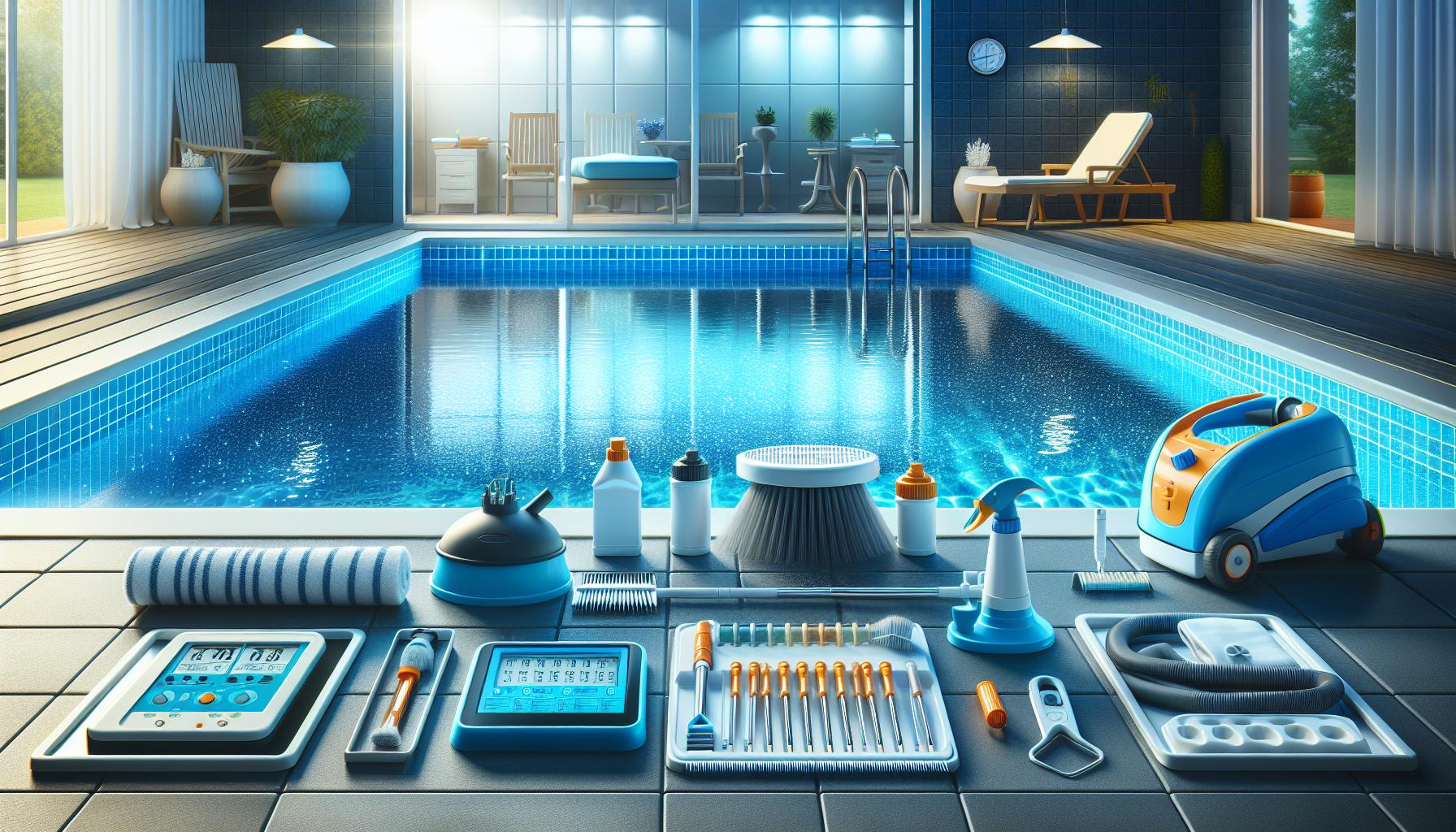
Regular cleaning is essential to keeping your saltwater pool in pristine condition. A well-maintained pool not only enhances the aesthetics but also ensures the water is safe for swimming. Failing to conduct routine cleaning can lead to buildup of debris and algae, resulting in a pool that’s unattractive and unsafe for use. By implementing a consistent cleaning regimen, you can enjoy a sparkling pool that invites family and friends to take a dip.
Start by skimming the surface of the water with a net to remove leaves, insects, and other floating debris. This simple step can significantly reduce the amount of organic matter that sinks to the bottom and promotes algae growth. Following this, brush the walls and floor of the pool using a pool brush designed for your surface type, whether it’s plaster, tile, or fiberglass. Pay special attention to corners and steps, as these areas tend to accumulate dirt and grime more easily.
Next, vacuum the pool using a manual or automatic pool vacuum. An automatic vacuum can save you time and ensure consistent cleaning, as it works independently to remove dirt and debris. For manual vacuums, connect the vacuum head to a telescopic pole, submerge it, and guide it slowly along the bottom, overlapping each stroke to ensure full coverage. If you notice any stubborn stains or algae patches during this cleaning process, consider using an algaecide or a stain remover specifically designed for saltwater pools.
Lastly, clean the pool filter regularly. This is crucial as a clogged filter can strain the pool’s circulation system and lead to cloudy water. Depending on your filter type (sand, cartridge, or diatomaceous earth), the cleaning method will vary. For cartridge filters, remove and rinse the cartridges with a hose; for sand filters, backwash according to the manufacturer’s instructions. Keeping the filter clean is an integral part of maintaining overall water clarity and quality.
By incorporating these cleaning tasks into your weekly or bi-weekly schedule, you’ll ensure your saltwater pool remains inviting and safe for enjoyment throughout the swimming season.
How to Repair Common Saltwater Pool Issues
Recognizing and addressing common issues with your saltwater pool can significantly enhance your swimming experience and prolong the life of your system. Whether it’s water clarity, equipment functionality, or aesthetics, knowing how to troubleshoot these problems is essential. From cloudy water to salt cell malfunctions, the solutions often begin with identifying the root cause and applying straightforward fixes.
Cloudy Water
Cloudy water is a common issue that can arise from several factors, including insufficient filtration, high particle load, or imbalanced water chemistry. Start by checking the chlorine levels, as low sanitizer levels can lead to algae blooms. Aim for a chlorine level between 1-3 ppm and adjust using shock treatment if necessary. Additionally, ensure that your pool filter is functioning correctly; backwash or clean it if it’s dirty. If the problem persists, consider using a flocculant, which gathers smaller particles together, allowing your filter to clear them more effectively.
Corroded Equipment
Corrosion is a well-known issue in saltwater environments due to higher salinity levels. If you notice rust on metal fixtures or equipment, inspect all components, including ladders and lights, for deterioration. To repair corroded areas, clean them with a non-corrosive cleaner and consider applying a protective coating when the weather permits. Always replace any heavily corroded equipment, like bolts or fittings, with compatible materials to prevent further issues.
Salt Cell Problems
Salt cells are essential for generating chlorine but may encounter issues like scaling or premature failure. If your salt chlorinator is producing low or no chlorine, check for calcium buildup on the cell plates. Rinse or soak the cell in a 4:1 water-to-muriatic acid solution to remove any deposits. Regular maintenance should include inspecting the salt level in your pool, ensuring it is between 3000-3500 ppm, as insufficient salt can cause the cell to malfunction.
Algae Growth
Algae growth can quickly transform a pristine pool into an unsightly mess. If you spot algae, the first step is to test your water for imbalances. A shocking treatment with chlorine will usually eliminate algae, but prevention is key. Regularly brush and vacuum your pool surfaces, and maintain proper sanitizer levels to inhibit future growth. Additionally, using a quality algaecide can be beneficial, especially during warmer months when algae is more likely to thrive.
By actively monitoring your saltwater pool and addressing these common issues, you’ll keep your swimming environment safe, clean, and enjoyable. Regular attention and prompt action can save you time and money while enhancing your overall experience.
Winterizing Your Saltwater Swimming Pool: A Complete Guide
As the swimming season comes to a close, taking the time to properly winterize your saltwater pool is crucial to ensure it remains in excellent condition for the following year. Neglecting this process can lead to costly repairs and damage, especially in colder climates where freezing temperatures prevail. By preparing your pool for winter, you protect your investment and minimize maintenance tasks come spring.
Start by balancing the water chemistry. Before closing the pool, test the pH, alkalinity, and chlorine levels. Aim for a pH between 7.4 and 7.6, total alkalinity between 80 and 120 ppm, and maintain a chlorine level of around 3-5 ppm. Adding a winterizing chemical or stack of non-chlorine shock can also help prevent algae growth during the colder months. After achieving balanced water, lower the water level to about 4-6 inches below the skimmer to avoid freeze-related damage.
Next, turn off and disconnect all equipment, such as the pump, filter, and salt cell, and drain the water to prevent freezing. Use a wet/dry vacuum to clear any remaining water from the plumbing lines and skimmer. If your pool has a heater, follow the manufacturer’s instructions to winterize it properly. Don’t forget to check the pool cover for any tears or holes, as it should be secure and intact to keep debris out throughout the winter.
The last step involves placing anti-freeze in the plumbing lines, particularly if you live in an area with harsh winters. Feel free to use a non-toxic antifreeze designed for swimming pools. Add this to the lines according to the product instructions and then cover the pool securely. It’s also advisable to inspect the cover periodically over the winter to ensure it remains secure and functional.
By following these steps diligently, you assure your saltwater pool is well-prepped for winter. This proactive approach not only guarantees a cleaner and more manageable pool come spring but also extends the lifespan of your pool equipment and surfaces. Embracing this essential maintenance routine will save you time, effort, and expenses in the long run, allowing you to enjoy your pool to the fullest when the warmer weather arrives.
Essential Safety Tips for Saltwater Pool Care
Maintaining a safe environment around your saltwater pool is pivotal for both enjoyment and protection. Saltwater pools come with unique characteristics and requirements, making it essential for owners to incorporate specific safety practices into their routine care. From equipment handling to chemical management, being informed about safety will not only protect pool users but also prolong the lifespan of the pool components.
To ensure safety, always start with equipment checks. Regularly inspect your pool pump, filter, and salt chlorinator for any signs of wear or malfunction. It’s crucial to turn off all electrical equipment before performing maintenance or cleaning tasks. This simple step can prevent electrical hazards as water and electricity do not mix. Similarly, ensure that any pool lights are secure and that wiring is free from corrosion, especially since saltwater can be highly corrosive.
When handling chemicals, whether for routine maintenance or shock treatments, always read and follow the manufacturer’s instructions carefully. Store pool chemicals in a cool, dry place and out of reach of children and pets to prevent accidental exposures. It’s advisable to wear protective gear, such as gloves and goggles, when mixing or applying chemicals, as even salt chlorine can irritate the skin or eyes if mishandled. Understanding basic first aid measures for chemical exposure can also come in handy, helping you respond quickly in case of an emergency.
Properly maintaining pool water chemistry is another critical aspect of safety. Regularly test your water to ensure levels are within the recommended ranges-specifically for pH, chlorine, and salt concentration. Imbalanced water chemistry can lead to issues such as algae growth or irritation to swimmers’ skin and eyes. For safety, create a schedule for testing and balancing the water, ensuring these tasks become an integral part of your maintenance routine.
Lastly, make safety barriers a priority. Install appropriate fencing around your pool to deter unauthorized access, especially for children. Use a safety cover when the pool is not in use and ensure that it can support weight if someone accidentally steps on it. By implementing these safety precautions, you’ll not only enjoy peace of mind but also create a secure environment for everyone to relish the benefits of your saltwater pool for years to come.
Cost-Effective Tips for Saltwater Pool Maintenance
Maintaining a saltwater pool doesn’t have to break the bank. With a few smart strategies, you can keep your pool pristine while minimizing costs. One of the most effective ways to save is by being proactive about maintenance. Regular tasks like skimming the surface, vacuuming, and brushing walls can prevent larger problems, which can be more costly to fix later. It also helps to create a maintenance schedule that outlines when these tasks should be performed, so nothing slips through the cracks.
Another significant expense in saltwater pool care comes from purchasing chemicals. Instead of relying solely on commercial products, consider natural or DIY alternatives. For example, using baking soda can help raise your pH levels at a fraction of the price of commercial pH adjusters. Regularly testing your water chemistry with a reliable test kit will allow you to apply only what’s necessary, avoiding overuse of chemicals. Grouping your purchases to buy in bulk can further cut costs, particularly for essential items like salt and chlorine.
Utilizing a saltwater chlorinator is another cost-effective choice. Although the upfront cost may be higher than traditional manual chlorine systems, the long-term savings are significant. Saltwater systems require less frequent additions of chlorine and often result in lower chemical costs overall. Moreover, consider timing your pool openings and closings to align with seasonal sales for pool equipment and maintenance supplies, helping you snag the best deals.
Finally, don’t overlook the benefits of regular equipment checks. Ensuring that your pump, filter, and chlorinator are functioning efficiently can prevent more significant repairs that could arise from neglect. Regular maintenance can address wear and tear before it escalates, ensuring that your pool remains a relaxing oasis at minimal expense. By adopting these practices, saltwater pool ownership can be both enjoyable and budget-friendly, allowing you to focus on what really matters: relaxing and enjoying your pool.
Choosing the Right Salt for Your Pool
Choosing the right salt for your saltwater pool is a crucial step in ensuring crystal-clear water and a well-functioning system. Not all salt is created equal, and selecting the right type can help maximize efficiency, minimize maintenance, and enhance your swimming experience. In general, salt designed specifically for saltwater pools is recommended, typically consisting of sodium chloride without additives like anti-caking agents or iodine, which can disrupt the delicate chemical balance of your pool.
When selecting your pool salt, consider the following factors:
- Types of Salt: Use solar salt or evaporated salt that is made specifically for pool applications. Both types are high-purity sodium chloride and free from contaminants that can cloud your pool water or lead to excessive buildup in your chlorinator.
- Size and Solubility: Look for granulated salt that dissolves easily. Avoid rock salt, as its larger crystals may not dissolve thoroughly and can leave residue in your pool.
- Quality and Brand: It’s often best to purchase from reputable brands that are known for producing pool-grade salt. Checking customer reviews can provide insight into effectiveness and quality.
To ensure you’re using the correct amount of salt, refer to your pool manufacturer’s guidelines. Typically, salt levels should be maintained between 2700 to 3400 ppm (parts per million). You can measure salt levels using a reliable salt test kit, and if levels drop, simply add the appropriate amount of salt while ensuring it’s fully dissolved before swimming. Regularly maintaining these levels is essential as low salinity can put unnecessary stress on the chlorinator, while high salinity may lead to equipment corrosion.
Additionally, keep in mind that adding salt to your pool is not a one-time event. Swimming pools naturally lose salt through water replacements and splash-out, so regular top-ups may be necessary based on usage. Safe handling is vital; always wear gloves when adding salt to avoid skin irritation, and distribute the salt evenly around the pool for more efficient dissolving. By selecting the right salt and maintaining proper levels, you’ll create a sustainable and enjoyable swimming environment.
Upgrading Your Pool System: When and Why to Consider
Upgrading your saltwater pool system can significantly enhance your swimming experience, reduce maintenance tasks, and extend the lifespan of your equipment. As pool technology evolves, older systems may struggle to meet modern safety standards or energy efficiency demands. Recognizing the right time to upgrade is essential not only for improving your pool’s performance but also for saving on long-term costs.
One compelling reason to consider an upgrade is if your existing saltwater chlorinator is outdated or consistently underperforming. Newer models are designed with advanced features, such as diagnostics, self-cleaning capabilities, and better salt efficiency. These upgrades can ensure that your pool maintains optimal chlorine levels with less manual intervention. Additionally, if you notice fluctuations in water clarity or experience frequent algae blooms, it may be a sign that your filtration and sanitation systems need modernizing.
Signs It’s Time to Upgrade
- Frequent Repairs: If you find yourself regularly paying for repairs, it may be more cost-effective to invest in a new system.
- Increased Energy Bills: Older equipment often consumes more power. Upgrading to an energy-efficient model could lead to savings on your utility bills.
- Changes in Pool Use: If your pool usage has increased, or if you’ve added features like water features or heating, the existing system could be insufficient.
- Low Salinity Levels: Inconsistent salinity levels can indicate that your salt cell is not functioning properly, necessitating replacement.
Another important aspect of upgrading is the compatibility with smart home technology. Many new pool systems offer integration options that allow you to control temperature, lighting, and filtration settings via smartphone apps. This level of convenience can save you time and ensure that your pool is always ready for use. Furthermore, modern features such as variable speed pumps and smart controllers facilitate water conservation and improve overall pool efficiency.
In conclusion, upgrading your saltwater pool system when signs of aging or inefficiency appear will lead to a more enjoyable, healthier, and cost-effective swimming experience. By staying proactive about maintenance and technology, you can create a safe and inviting environment for friends and family to enjoy all season long.
Common Mistakes in Saltwater Pool Maintenance to Avoid
Maintaining a saltwater pool can be a joyful experience, but it’s not without its challenges. Many pool owners make common mistakes that can lead to complications, unnecessary expenses, and diminished enjoyment. By recognizing and avoiding these pitfalls, you can ensure your pool remains a sparkling oasis all season long.
One of the most frequent errors is neglecting to regularly check and balance water chemistry. Saltwater pools still require periodic testing for pH, alkalinity, and chlorine levels. Skipping these checks can lead to imbalanced water, resulting in corrosion of pool equipment, skin irritation, and unsightly algae growth. To avoid this, establish a routine testing schedule, ideally once a week during peak swimming season, and adjust your chemicals as needed to maintain optimal balance.
Another mistake is overlooking the importance of maintaining the salt cell. For saltwater pools, the salt chlorine generator is crucial for converting salt into chlorine. If the cell isn’t cleaned regularly-ideally every 3 to 6 months-it can lead to reduced chlorine output and impact water quality. A buildup of calcium or other debris can hinder its performance, making it vital to follow the manufacturer’s cleaning guidelines. Regular inspection for any visible wear can also prevent unexpected failures.
Additionally, many pool owners underestimate the significance of adequate filtration and circulation. Failing to run the filtration system long enough each day can lead to cloudy water and allow debris to accumulate. Aim to run your pump for at least 8-12 hours a day, depending on your pool size and usage, to ensure efficient water turnover and maintenance. Proper filtration not only keeps the water clear but also significantly reduces the workload on the salt chlorine generator.
Finally, avoid the temptation to pool-maintenance shortcuts, such as over-salting your pool water in an attempt to boost chlorine levels quickly. This can cause issues with your equipment and create an uncomfortable swimming environment. Instead, address imbalances with careful adjustments, using the appropriate chemicals and tools designed for saltwater systems.
By keeping these common mistakes at bay, you’ll foster a more manageable and enjoyable saltwater pool experience, ensuring that your aquatic retreat stays crystal clear and inviting.
Eco-Friendly Practices for Sustainable Pool Care
Maintaining a saltwater pool doesn’t have to come at a cost to the environment; in fact, with the right practices, you can enjoy a sustainable and eco-friendly pool experience. An efficient pool not only conserves water and energy but also minimizes the use of harsh chemicals. To get started on a greener path, consider these actionable practices that benefit both you and the planet.
Efficient Water Management
One of the simplest and most impactful ways to make your pool care more eco-friendly is through water conservation. Consider investing in a pool cover to reduce evaporation and minimize the need for topping off the water. Using a cover can save thousands of gallons per year, crucial for areas facing water restrictions. Additionally, rainwater collection systems can be utilized to fill or replenish your pool, allowing you to harness natural resources without relying solely on municipal water.
Natural Filtration Options
Enhancing the filtration system not only improves water quality but also reduces energy consumption. Transitioning to a variable speed pump allows you to run the filtration system efficiently, using less energy compared to traditional single-speed pumps. Furthermore, you can explore natural filtration systems, like incorporating aquatic plants that help filter and purify the water naturally, reducing reliance on chemicals.
Eco-Friendly Pool Chemicals
Consider utilizing organic or environmentally-friendly pool chemicals that do not contain chlorine, as they are gentler on both skin and the environment. These chemicals can provide a safe swimming experience while reducing chemical runoff into the ecosystem. Always follow the manufacturer’s guidelines when applying these products to ensure safety and effectiveness.
Regular Maintenance through Eco-Conscious Habits
Implementing a routine maintenance schedule is key to the overall health of your pool and your sustainability efforts. Regularly check your salt levels and balance your water chemistry to prevent overuse of chemicals. Keeping your pool equipment well-maintained, ensuring that everything is running efficiently, helps reduce energy waste. Cleaning the salt cell properly and often will also enhance its effectiveness and extend its lifespan, which contributes to lowering your environmental footprint.
By adopting these eco-friendly practices, you’ll not only maintain a crystal-clear saltwater pool but also protect the environment while promoting sustainability. Embrace these changes, and you’ll find that caring for your pool can also mean caring for the planet.
Faq
Q: How often should I check the salt level in my saltwater pool?
A: You should check the salt level in your saltwater pool at least once a month. Regular monitoring ensures the salinity stays within the recommended range (typically 2700-3400 ppm), which is vital for the chlorine generator’s efficiency. Adjust levels as necessary to maintain optimal water quality.
Q: What are the signs that my saltwater pool needs more salt?
A: Signs that your saltwater pool needs more salt include cloudy water, a noticeable drop in chlorine production, and algae growth. If your chlorinator is showing a low salt indicator, it’s also a clear sign that you need to add more salt to maintain balanced water chemistry.
Q: Can I use regular table salt in my saltwater pool?
A: No, you should not use regular table salt in your saltwater pool. Instead, use pool-grade salt, which is specifically formulated to be free of impurities and additives that can harm your pool’s equipment and water chemistry.
Q: How do I remove stains from a saltwater pool?
A: To remove stains from a saltwater pool, start by identifying the type of stain (metal, organic, or calcium). You can use a stain remover based on the type, along with regular brushing and maintaining balanced water chemistry. Testing and adjusting pH and alkalinity can also help prevent future stains.
Q: What should I do if my saltwater pool is turning green?
A: If your saltwater pool is turning green, it usually indicates an algae bloom. To address this, shock the pool with a chlorine treatment to quickly increase chlorine levels, brush the walls, and ensure proper filtration. Regular maintenance of water chemistry can help prevent future occurrences.
Q: Do I need to winterize my saltwater pool?
A: Yes, winterizing your saltwater pool is essential to protect it during colder months. This includes lowering the water level, adding winterizing chemicals, and covering the pool. Proper winterization helps prevent damage and reduces the workload for spring reopening.
Q: How can I keep my saltwater pool clean without chemicals?
A: To keep your saltwater pool clean without harsh chemicals, focus on routine tasks like skimming debris, vacuuming regularly, and brushing surfaces. Utilize a saltwater pool’s natural sanitization, alongside a biological enzyme or probiotic-based cleaner to help maintain water clarity and quality.
Q: What is the ideal pH level for a saltwater pool?
A: The ideal pH level for a saltwater pool is between 7.4 and 7.6. Regularly testing and adjusting the pH will help maintain clarity, comfort for swimmers, and enhance the effectiveness of chlorine, reducing the risk of corrosion and scale build-up.
The Conclusion
Maintaining your saltwater swimming pool doesn’t have to be daunting. By implementing these essential care tips, you’re not just ensuring a sparkling clean pool; you’re safeguarding your investment and enhancing your family’s enjoyment. Act now to check your water chemistry and establish a regular maintenance routine-your pool will thank you!
Interested in more ways to optimize your pool experience? Explore our articles on “Common Saltwater Pool Problems and Solutions” and “Best Pool Maintenance Tools for Every Owner.” Don’t hesitate to comment below with your maintenance questions or share your success stories! For personalized advice, consider signing up for our newsletter or scheduling a consultation. Remember, a well-maintained pool is just a few steps away, and we’re here to support you every splash of the way!


