


Did you know that frogs can be drawn to your pool for its inviting water and cool temperatures? While these little amphibians may be charming in nature, they can quickly become a nuisance when they invade your backyard oasis. Whether you’re concerned about cleanliness, safety, or simply enjoying your pool without surprise guests, keeping frogs at bay is essential.
In this guide, we’ll uncover simple yet effective tricks to create a frog-free zone around your pool. By following practical, step-by-step solutions, you can take control of your outdoor space and enjoy swimming without the company of unwanted amphibians. Let’s dive into the strategies that will help you reclaim your pool area from these hopping intruders.
Effective Strategies to Prevent Frogs from Entering Your Pool
Maintaining a frog-free pool can seem challenging, but with a few effective strategies, you can significantly reduce the likelihood of these amphibians becoming unwelcome guests. Frogs are naturally attracted to water sources for breeding and hydration, making pools an enticing environment for them. Understanding their behaviors can help you implement preventive measures tailored to keep them at bay.
One of the most effective approaches is to create a physical barrier. Installing a fence around your pool area can deter frogs from accessing the water. Ensure the fence is at least four feet high and features a smooth, solid surface that prevents frogs from climbing over. Additionally, consider incorporating a self-closing gate that firmly shuts after use. This simple addition can drastically minimize frog access.
Another helpful strategy involves reducing the water content in nearby areas that might attract frogs. Ensure that your yard is well-drained, eliminating standing water from flower pots, bird baths, or low spots. A dry environment is less appealing for frogs looking to breed. You can also enhance your landscape by trimming dense shrubs and maintaining grass to a shorter height, reducing camouflage spots where frogs may hide.
To further discourage frogs, employing natural deterrents can be beneficial. Scents like peppermint or vinegar may repel frogs. Spraying a mixture of water with a few drops of essential oils around the pool can create an unfriendly atmosphere for them. Additionally, using motion-activated sprinklers can provide an unexpected surprise for any frog that dares to approach the pool, effectively teaching them to stay away.
By implementing these proactive measures, you can enjoy a refreshing swimming experience without the company of unwanted frogs. Keeping your area clean and dry, combined with strategic barriers and natural deterrents, sets the stage for a frog-free oasis in your backyard.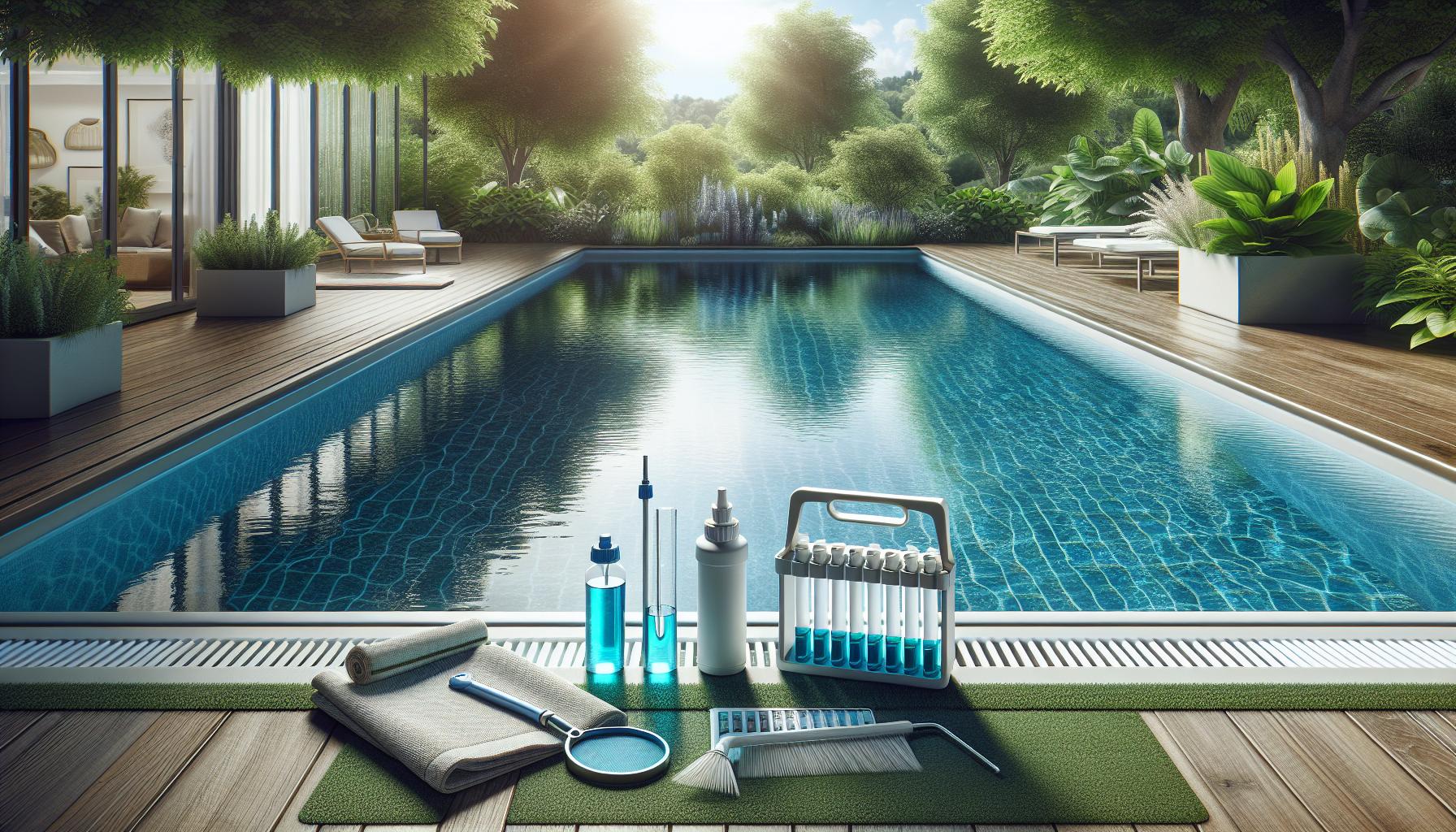
Understanding Why Frogs Are Attracted to Your Pool
Frogs are often found congregating around pools, drawn by the promise of hydration and the reproductive opportunities that water presents. A pool can mimic the natural habitats frogs seek, providing a readily available water source and sometimes even suitable shelter among decor or pool accessories. Understanding what attracts these amphibians can help you implement effective deterrents and maintain a serene swimming area.
One primary reason frogs are attracted to your pool is the water itself. It serves as a perfect breeding ground, especially during warmer months. Females lay eggs in standing water, which makes pools an enticing option. Additionally, frogs are nocturnal, often emerging in the evening when temperatures cool, making your pool more inviting after a hot day. If you inadvertently create zones with still water nearby, such as in poorly drained areas or planters, you may be creating an ideal environment for frogs to thrive.
Frogs are also drawn to insects, their primary food source. If your pool area is not well-maintained, insects can proliferate near the water’s edge, attracting frogs just looking for a meal. Therefore, keeping your pool area clean and free of standing water can reduce both the frog population and their enticing food sources. Moreover, frogs often seek refuge in shady, damp spots, meaning dense foliage or clutter around your pool can inadvertently welcome them. Regularly trimming back plants and maintaining a clean area can significantly affect their presence.
Lastly, consider that certain landscaping choices impact frog behavior. Creating a natural, frog-friendly habitat nearby-such as a small pond, wet soil, or lush plant life-can inadvertently draw frogs closer to your pool. By understanding these factors, you can make informed decisions about your landscape that discourage frog visitation while still creating a beautiful outdoor space. By addressing these attractants, you’ll create a less inviting environment for frogs, allowing you to enjoy your pool without uninvited guests.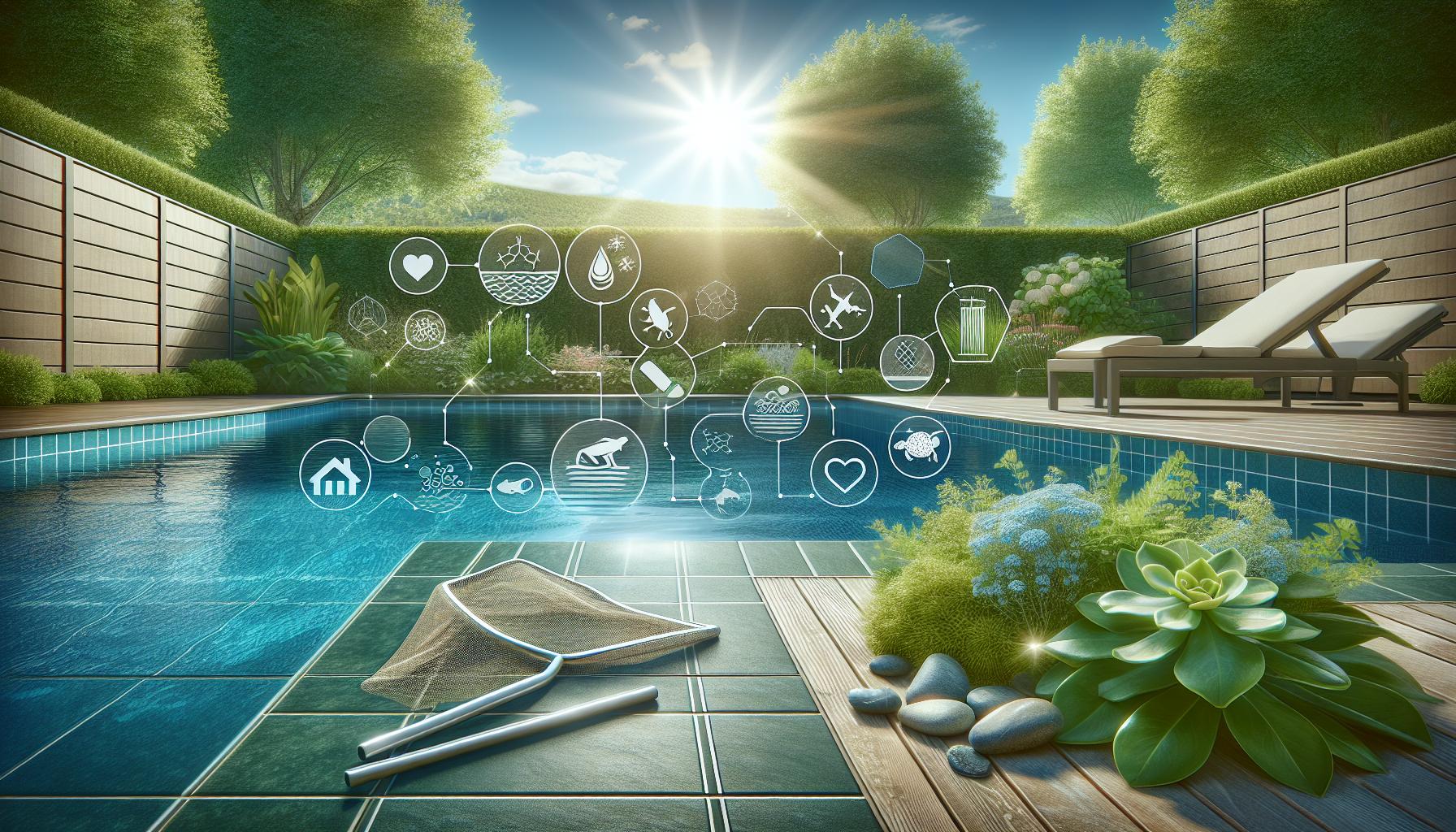
Creating a Frog-Proof Barrier Around Your Pool
To create an effective barrier that keeps frogs away from your pool, consider the landscape and infrastructure surrounding your outdoor space. Frogs are not just determined to find water; they are also looking for safe passage and places to hide. With a few strategic changes, you can significantly decrease the likelihood of frogs invading your pool area.
Start by establishing a physical barrier such as a fence around your pool. Ideally, this fence should be at least four feet high and constructed from tightly woven materials to prevent frogs from squeezing through. Ensure the bottom of the fence is flush with the ground and does not have gaps where frogs can crawl underneath. Additionally, consider adding gates that close securely to ensure no pathways remain open.
Another effective approach is to implement gravel or pebbles as a perimeter around the pool. Frogs tend to avoid moving over rough surfaces, which creates an additional obstacle. A width of at least a foot and a depth of several inches can serve as a deterrent. You might also reconsider the plants and foliage in the area; trimming back dense vegetation helps to eliminate hiding spots that attract frogs. Choose non-attractive plants that provide minimal cover, ensuring the landscape encourages frogs to remain in their natural habitats rather than seeking refuge by your pool.
Finally, manage any nearby water sources or damp areas by filling in depressions or places where water may accumulate. This reduces the chances of creating attractive breeding grounds for frogs. By making these adjustments to your pool area, you’ll be well on your way to establishing a secure frog-free zone.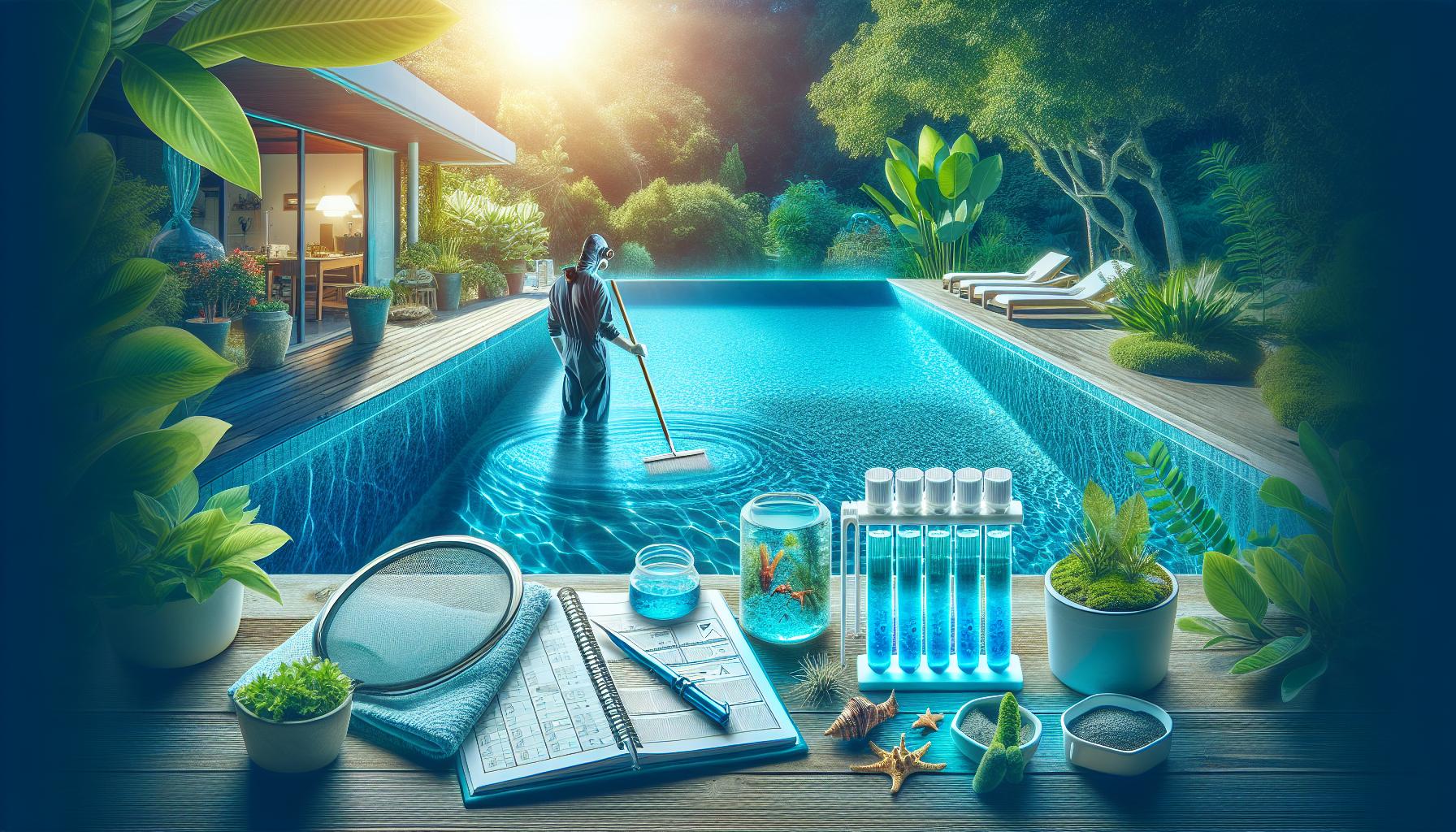
Using Natural Deterrents: Scents and Solutions
One of the simplest yet most effective ways to discourage frogs from taking a dip in your pool is by utilizing natural deterrents that appeal to their highly sensitive olfactory senses. Frogs are notoriously picky when it comes to their environment, and certain scents can signal danger or discomfort, leading them to seek a more inviting location. By incorporating specific scents and solutions around your pool area, you can create an unwelcoming atmosphere for these amphibians without resorting to harmful chemicals.
Start by employing essential oils as your first line of defense. For example, peppermint and citrus oils are great at repelling frogs due to their strong fragrances. Mix a few drops of these oils with water in a spray bottle and apply generously around the periphery of your pool. Repeat this process every few days, especially after rain, to maintain the effectiveness of the scent barrier. The potent scents will not only deter frogs but also add a refreshing aroma to your outdoor space. Additionally, vinegar can also act as a deterrent. A solution of equal parts vinegar and water can be sprayed in areas where frogs tend to congregate.
Another innovative approach is to introduce physical barriers alongside scent deterrents. Coffee grounds have shown promise in repelling frogs while also enhancing the soil quality around your pool area. Distributing a layer of used coffee grounds in your landscaping can create an offensive scent to frogs, encouraging them to steer clear. Not only is this method cost-effective, but it also recycles a common household item, making it an environmentally friendly choice.
Incorporating these natural deterrents can help you maintain a frog-free zone around your pool. While the initial effort may require some diligence, you’ll find that with regular application and monitoring, these methods are a robust and safe alternative to chemical solutions. Not only will it keep your pool inviting for swimming, but it will also promote a healthier outdoor ecosystem, making your space enjoyable and practical year-round.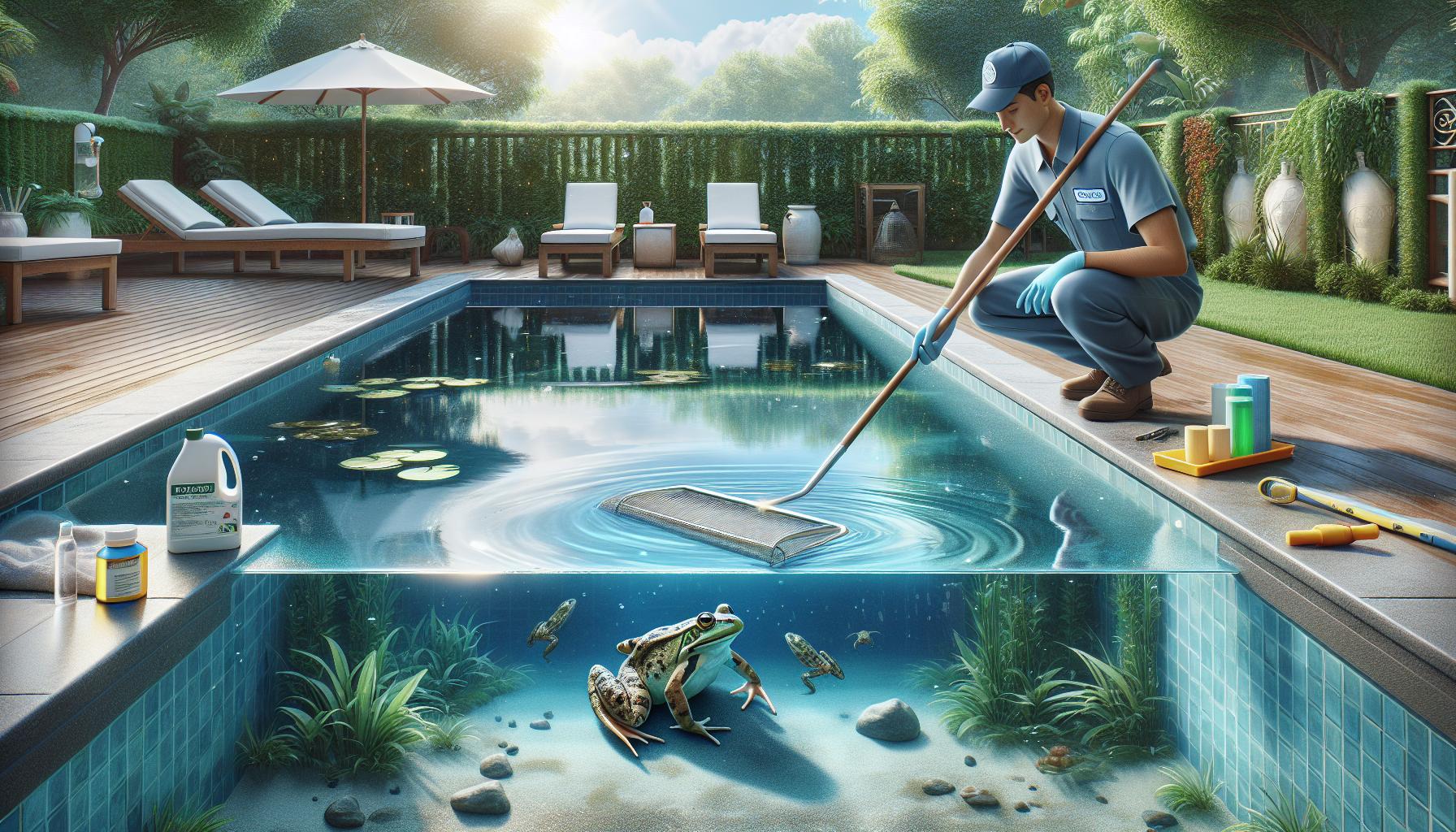
Pool Maintenance Tips to Keep Frogs Away
To maintain an inviting pool environment while effectively keeping frogs at bay, a consistent maintenance routine is paramount. This not only involves ensuring the cleanliness and upkeep of your pool area but also implementing strategies that deter these amphibians from choosing your pool as their recreation spot. Embracing a combination of cleanliness, strategic landscaping, and chemical-free habits will lead to a long-term solution for frog prevention.
Start by prioritizing regular pool cleaning. Keeping the pool area free of debris, leaves, and algae prevents frogs from having a suitable habitat nearby. Schedule weekly cleanings and invest in tools such as skimmers and vacuums to keep your pool spotless. Moreover, ensure that your water chemistry is balanced, as murky water can attract frogs looking for breeding sites.
Next, adjusting your landscaping plays a crucial role. Frogs are drawn to shaded areas and moist environments, so consider trimming back overgrown vegetation and reducing any standing water near the pool. Create a dry barrier by installing rocks or pebbles around the pool’s perimeter, which can act as a natural deterrent. Additionally, avoid planting dense shrubs close to the pool, as these can serve as shelter for frogs.
Another effective tactic is to maintain a well-lit pool area. Frogs are naturally nocturnal and are less likely to approach brightly lit spaces. Installing lights around your pool not only enhances safety for night swimming but also illuminates the area, making it less appealing for frogs. Solar-powered lights or LED fixtures can be both effective and energy-efficient options.
Lastly, consider using traps or barriers specifically designed to deter frogs. These can include mesh fencing or specialized netting that allows for drainage but prevents frogs from entering. Regularly check these traps to ensure they don’t become breeding grounds themselves, reinforcing the importance of discerning maintenance.
By integrating these straightforward strategies into your pool care routine, you will create an environment that prioritizes both enjoyment and safety, while effectively discouraging frogs from making your pool their go-to spot. Consistency is key, and your proactive approach will lead to a peaceful backyard oasis free from unwanted guests.
Addressing Common Entry Points for Frogs
To effectively keep frogs out of your pool, it is essential to identify and address the common entry points that attract these amphibians. Frogs are agile creatures, often taking advantage of easily accessible pathways to your pool area. Understanding these entry points can help you implement targeted solutions to maintain a frog-free zone.
First and foremost, consider the surrounding landscape. Frogs are drawn to lush vegetation and water sources that provide cover and breeding opportunities. To counteract this, keep the area around your pool well-maintained by regularly trimming back shrubs and tall grass. Additionally, eliminate any standing water from flower pots or gardening tools, as these can serve as breeding grounds. Focus on creating a dry environment; consider installing decorative gravel or pebbles around the perimeter of your pool, which can act as a barrier that is less hospitable for frogs.
Another key entry point is the pool equipment and any adjacent structures. Check for gaps or holes around pool pumps, filters, and skimmers, as frogs can slip through surprisingly small spaces. Seal any cracks with silicone caulk or appropriate sealing materials. For added protection, mesh screens can also be installed over openings to prevent frogs from accessing these areas.
Moreover, consider the lighting around your pool. Frogs are nocturnal and often drawn to the brightness of lights. While a well-lit pool area can enhance visibility, excessively bright lighting can paradoxically attract frogs. Use motion-activated lights or install lights at a distance from the water’s edge to keep the pool area illuminated without drawing frogs in.
By proactively addressing these entry points, you can significantly reduce the likelihood of frogs invading your pool area. Regular maintenance, combined with strategic landscaping and thoughtful lighting choices, will create an environment that is less appealing to these unwelcome guests.
Essential Pool Equipment to Discourage Frogs
To create a frog-free pool environment, the right pool equipment can play a crucial role in deterring these amphibians. Understanding how equipment choices and their positioning can impact frog attraction is essential for effective prevention. For instance, maintaining a clean and well-maintained pool is not just about aesthetics; it significantly reduces the likelihood of frogs viewing your pool area as an inviting habitat.
One effective piece of equipment is a reliable pool cover. By investing in a high-quality pool cover that fits snugly, you can prevent frogs from accessing the water altogether. Use a solid cover when the pool is not in use, ensuring it’s secured properly to avoid any gaps where frogs could slip through. In addition to that, consider using skimmers and automatic pool cleaners regularly. These devices not only help keep the water clean but also remove organic debris that can attract frogs and other wildlife.
Additional Tips for Equipment Use
Utilizing a combination of fencing and pool barriers can also enhance your pool’s defenses against frogs. Install a tall, solid barrier around the pool area. Ensure that the fencing is at least four feet high and has no gaps at the bottom. This discourages frogs from hopping over while also preventing other animals from approaching the pool.
Furthermore, be mindful of the location of your pool equipment. Keeping pool filters, pumps, and plumbing sealed and well-maintained not only reduces entry points for frogs but also protects your equipment from potential damage. Regular checks for leaks, gaps, or holes can eliminate access for frogs seeking shelter or breeding sites.
Integrating these practical solutions, along with a strategic approach to pool equipment, will create an environment where frogs feel less welcome, allowing you to enjoy your swimming space without unwanted guests. With diligence, you can establish a maintenance routine that secures your pool area against these occasional nuisances.
Seasonal Considerations for Frog Prevention
As the seasons change, so do the behaviors and activities of frogs, making it essential for pool owners to adapt their prevention strategies accordingly. Understanding the seasonal patterns of frog activity can significantly reduce the likelihood of these amphibians taking a dip in your pool. For example, during spring and early summer, frogs are especially active as they seek out breeding grounds and ideal habitats. This is the peak time when they may venture into yards and pools, often attracted by water sources and natural landscapes.
To proactively manage this, consider implementing specific measures as the seasons transition. In early spring, regular maintenance of your yard is crucial. Keep your lawn trimmed and remove any overgrown areas, as dense vegetation provides ideal shelter for frogs. Additionally, monitor and clean up any yard debris, such as piles of leaves or wood, where frogs may congregate.
Winter Preparation
As winter approaches, prepare by ensuring that your pool is appropriately winterized. This includes securely covering the pool to eliminate open water that could attract frogs seeking breeding sites. Opt for solid covers that fit tightly and are immobilized by clips, eliminating potential entry points.
Summer Monitoring
In the warmer months, enhance your prevention tactics. Consider creating a dry zone around your pool using gravel or rock gardens, which will deter frogs from approaching the water. Additionally, evaluate the landscaping around your pool; keeping plants and shrubs trimmed back reduces hiding spots. Regularly check for standing water in nearby areas, such as birdbaths or plant pots, and eliminate these sources, as they can serve as attractive breeding habitats.
By being attuned to seasonal changes and adapting your strategies accordingly, you can maintain a frog-free pool environment throughout the year. Implementing these proactive measures not only helps in keeping frogs away but also ensures a clean and enjoyable swimming experience.
Handling Frog Infestations: Safe Removal Methods
Discovering frogs in or around your pool can be frustrating, especially when trying to maintain a clean swimming environment. While it’s essential to discourage frogs from making your oasis their home, you may still encounter them from time to time. Employing safe and humane removal methods is key to resolving frog infestations without harming these beneficial creatures.
To begin with, the most effective method for removing frogs is to capture them gently. You can use a sturdy container, such as a bucket or a net, to scoop them up. Make sure to wear gloves to avoid direct contact. Once captured, relocate the frogs at least a few hundred yards away from your property, in a suitable habitat such as a pond or stream. This approach not only clears your pool area but also respects the ecological balance by placing the frogs back in an environment where they can thrive.
In addition to manual removal, consider using some natural methods to encourage frogs to leave your space. Ultrasonic pest repellents emit high-frequency sounds that are unpleasant to frogs but inaudible to humans, providing a non-invasive way to deter them. It’s advisable to use these devices in areas of high activity, particularly near the pool or in gardens adjacent to your yard. Another option is to enhance your yard’s environment; removing accumulated debris and using well-drained soil reduces their preferred breeding spots.
Consistency in pool maintenance also plays a crucial role. Regularly skimming your pool surface and keeping water clean dissuades frogs from returning. Maintaining your pool’s chemical balance helps prevent algae growth, which can attract frogs as a food source. Moreover, consider installing a fine mesh fence or pool cover to restrict frogs’ access entirely. Ensure that gates are closed and sealed, eliminating potential pathways that frogs might use.
Lastly, always monitor your property for new larvae or tadpoles that may indicate ongoing breeding. Early intervention is best-if you spot any, take action promptly to remove them from your pool before they grow into adult frogs. With patience and dedication, these techniques can help you manage frog populations effectively and maintain a frog-free pool.
The Impact of Frog-Friendly Landscapes on Your Pool
Creating a landscape that is attractive to frogs can inadvertently lead to a greater presence of these amphibians around your pool. Many homeowners unknowingly cultivate environments that serve as perfect havens for frogs, making it crucial to understand the characteristics of frog-friendly landscapes in order to manage their populations effectively. Frogs are particularly drawn to areas that offer abundant food, shelter, and moisture. This means that specific landscaping choices can either encourage or discourage their presence.
To minimize frogs near your pool, focus on adjusting your landscape to reduce their appeal. Here are some actionable strategies:
- Limit Water Features: While ponds and decorative water bowls can enhance a garden’s aesthetics, they also attract frogs. If possible, limit the number and size of these features to discourage frog habitation.
- Choose Landscape Plants Wisely: Opt for native plants that do not retain excessive moisture. Avoid densely leafy plants that provide hiding spaces for frogs, such as thick shrubs or ground covers. Instead, consider using dry, well-drained plants that are less hospitable to frogs.
- Improve Drainage: Ensure your yard has excellent drainage to prevent standing water from forming after rainfalls or irrigation. Wet soil provides ideal breeding conditions for frogs, making it essential to keep the area around your pool dry.
- Implement Hardscaping: Adding pathways, stone decor, or gravel can create a less inviting environment for frogs. Hardscaped areas reduce the moisture in the surrounding soil, making it less appealing for these amphibians.
It’s also worthwhile to consider your existing vegetation. A well-maintained lawn and garden with regular trimming and weeding can help eliminate potential frog habitats. By addressing these environmental factors, you can significantly reduce the allure of your yard for frogs and enjoy a more peaceful pool area. The balance lies in creating a beautiful landscape while maintaining your pool as a frog-free zone. Through knowledge and strategic landscaping, you can take control and ensure your outdoor space remains a relaxing retreat.
When to Call Professionals for Frog Control
Frog infestations can quickly turn a relaxing pool area into a frustrating battleground, leaving many homeowners feeling overwhelmed. Recognizing when to enlist professional help is key to regaining control and ensuring a peaceful environment around your pool. If you find that your DIY efforts have been unsuccessful after multiple attempts, or if you experience an unexpected surge in frog numbers, it may be time to consult a wildlife control expert.
Professionals have the expertise to assess the situation and identify underlying issues that you may not have considered. This might include factors such as breeding sites nearby or environmental conditions that exacerbate the problem. In cases where the infestation severely impacts your family’s pool enjoyment or poses potential health risks, such as bacteria that can be carried by frogs, a professional’s intervention can provide a swift resolution.
When choosing a service, look for companies that specialize in humane wildlife removal. These professionals are equipped to handle frogs effectively without harming them or the surrounding environment. They can offer customized solutions tailored specifically to your property, which might include habitat modification or eco-friendly deterrents that you may not be able to implement on your own.
If you are dealing with a particularly stubborn frog population that persists despite your best efforts-such as maintenance routines, barriers, and natural deterrents-don’t hesitate to reach out to experts. Their knowledge and resources can help alleviate the stress of frog control, enabling you to focus once more on enjoying your pool and backyard oasis.
FAQ
Q: What are the common reasons frogs are attracted to pools?
A: Frogs are often drawn to pools due to the availability of water for drinking and breeding, as well as the surrounding vegetation that provides shelter. They enjoy humid environments and may use your pool as a cool resting spot.
Q: How can I create a frog-proof barrier around my pool?
A: To create a frog-proof barrier, install a fence around your pool with gaps no wider than 4 inches. Ensure it stands at least 3 feet high and is buried several inches into the ground to prevent frogs from burrowing underneath.
Q: What natural deterrents can I use to keep frogs away?
A: Natural deterrents like vinegar, salt, and citrus peels can help repel frogs. Spray diluted vinegar around the pool area or scatter salt on entry points. Additionally, placing citrus peels can deter frogs due to their dislike of the scent.
Q: How can pool maintenance prevent frog infestations?
A: Regular pool maintenance is key to preventing frog infestations. Keep the pool clean and free of debris, maintain water chemistry, and ensure the pool cover is secure when not in use, which reduces inviting areas for frogs to congregate.
Q: What should I check for if frogs keep entering my pool?
A: Check for entry points like open gaps in fences, overhanging branches, or foliage near the water’s edge. Ensure gutter systems are properly draining and that there are no water sources nearby (like bird baths) that attract frogs.
Q: Are there specific pool equipment types that discourage frogs?
A: Yes, using automatic pool covers can discourage frogs by eliminating nightly resting spots. Additionally, ultrasonic pest repellents can deter frogs without harming them, making them a humane addition to your pool area.
Q: When is the best time to take measures against frogs?
A: The best time to implement frog prevention measures is during the late spring and summer months when frogs are most active and breeding. Preparing your pool area beforehand can help minimize their attraction.
Q: How can I safely remove frogs from my pool if they get in?
A: To safely remove frogs, use a net to gently catch them and relocate them to a more suitable environment away from your pool. Ensure to do this at night when frogs are less active to minimize stress on the animals.
In Retrospect
By implementing these simple tricks, you can create a frog-free zone in your pool this season. Remember, regular maintenance and proactive measures are key to keeping these critters at bay. Don’t let frogs take over your backyard oasis-act now to enjoy a clean and inviting swimming experience. For more tips on keeping your outdoor space pest-free, check out our articles on “Effective Ways to Deter Other Pool Pests” and “DIY Pool Maintenance Checklist.”
If you found this guide helpful, consider subscribing to our newsletter for more valuable content straight to your inbox. Share your experiences in the comments below, and let us know what strategies have worked for you! Stay informed and empowered in your pool maintenance journey, and together, we’ll ensure your pool remains a safe haven for your family and friends all summer long.


