


As the warm months come to an end, closing your above ground pool might seem like a daunting task. However, properly winterizing your pool is crucial not just for maintaining its lifespan but also for ensuring a hassle-free opening come spring. Did you know that neglecting this process can lead to costly repairs and a lot of extra work?
Winterizing your pool protects it from harsh weather conditions, helps prevent damage to the liner and equipment, and keeps your water pristine until you’re ready to dive back in. Whether you’re a seasoned pool owner or new to the routine, mastering the steps to successfully close your pool can save you stress and time.
In this guide, we’ll walk you through a straightforward, step-by-step approach to winterizing your above ground pool effectively. By the end, you’ll feel empowered to tackle the process with confidence, ensuring your pool is well-protected and ready for next summer!
Preparing Your Above Ground Pool for Winter
As cooler temperatures approach, it’s crucial to take the right steps to prepare your above ground pool for winter, ensuring it stays in optimal condition for the next swimming season. Proper winterization not only protects your investment but also simplifies the reopening process in the spring. Start by gathering essential supplies like a winter cover, a submersible pump, and pool chemicals to maintain water quality during the colder months.
Before the first frost, it’s time to clean the pool thoroughly. Remove debris such as leaves, twigs, and any dirt that has accumulated on the bottom; a leaf net can be particularly effective for this task. Once cleared, scrub the walls and floor to prevent algae and bacteria growth. After cleaning, balance the water chemistry to optimal levels. Check pH, alkalinity, and chlorine levels-aim for a pH between 7.2 and 7.6, alkalinity between 80-120 ppm, and chlorine around 1-3 ppm. This step is essential, as balanced water helps protect your pool from damage caused by frost and freezing.
Preventing Damage
Next, consider the pool’s components. If your filtration system needs to be winterized, follow the manufacturer’s instructions carefully. Drain and clean the filter, and store any removable components in a dry area. To further protect the plumbing, add antifreeze designed for swimming pools in the lines to prevent them from freezing and cracking during harsh weather.
Finally, cover your pool with a high-quality winter cover that fits securely and prevents leaves and debris from contaminating the water. Using water bags or retaining wall blocks around the edges ensures the cover stays in place during wind or snow. Regularly check the cover throughout the winter months, removing snow accumulation to prevent excessive weight and possible damage.
By following these steps, you’ll ensure that your above ground pool is properly winterized, safeguarding it against the elements and setting you up for a smooth reopening in the spring.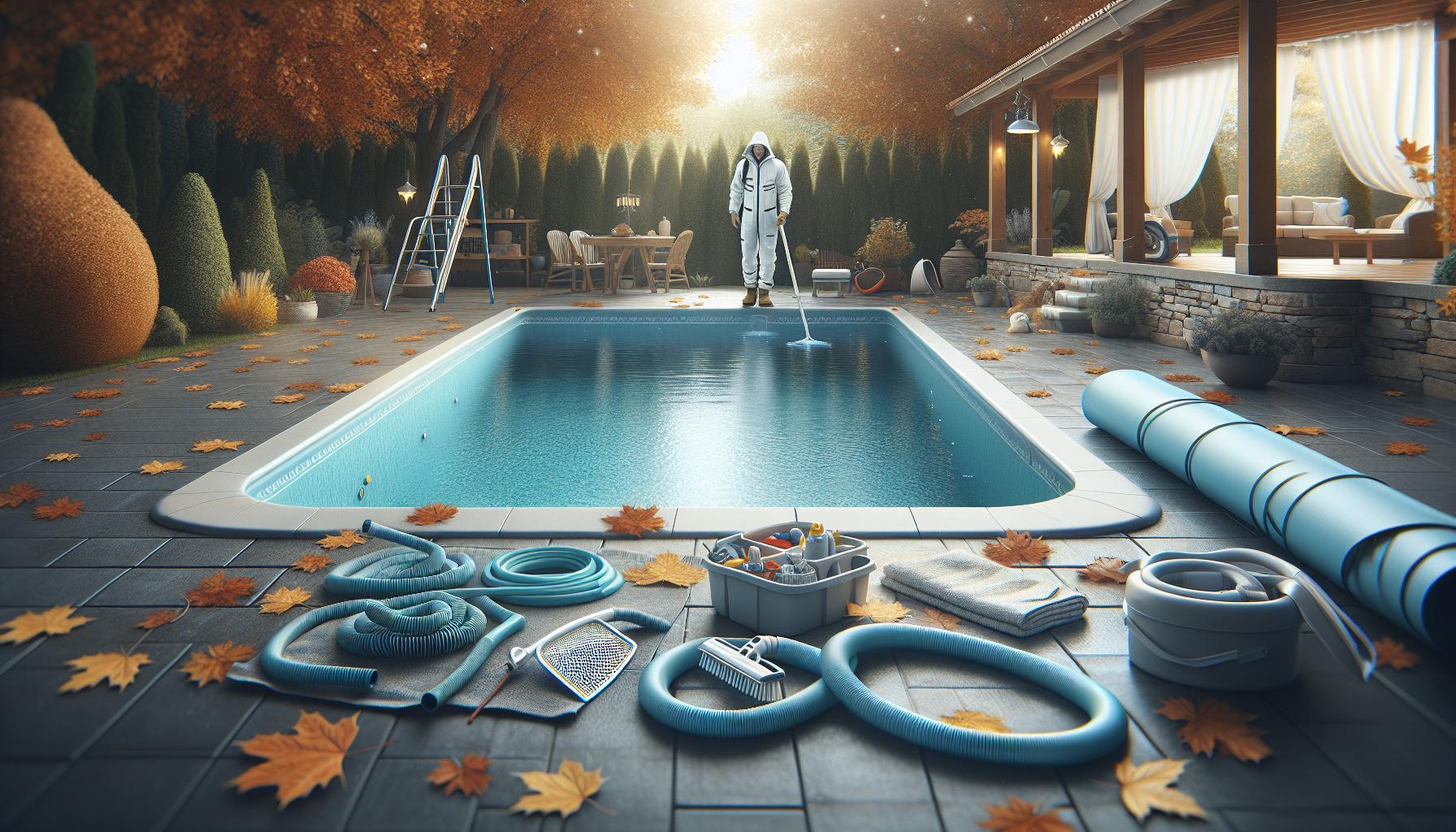
Essential Tools and Supplies for Winterizing
As the temperature begins to drop, preparing your above ground pool for hibernation becomes not only essential but also a straightforward task with the right tools and supplies. Stocking up on these items before the colder months strike ensures a smooth winterization process, allowing you to easily protect your investment and simplify the reopening in the spring.
To get started, gather these critical winterizing supplies:
- Winter Pool Cover: A high-quality cover is crucial for keeping debris out and protecting your pool from harsh winter elements. Look for covers specifically designed for above ground pools.
- Submersible Pump: This tool is vital for removing water that can accumulate on top of your pool cover, preventing damage from excess weight and potential cover failures.
- Pool Chemicals: Stock up on winterizing chemicals such as algaecide and chlorine tablets. These will help maintain water quality even when the pool isn’t in use.
- Water Bags or Retaining Wall Blocks: Use these to secure your pool cover against wind and snow, ensuring it stays in place throughout winter.
- Antifreeze for Pools: Specialized non-toxic antifreeze can be added to the plumbing lines to prevent freezing and cracking.
- Cleaning Tools: Essential items such as a skimmer net, pool broom, and vacuum will help you effectively remove debris and clean the pool before closing.
- Filter Cleaning Supplies: Ensure that you have the necessary cleaning agents and brushes to maintain your filtration system before winterization.
- Hand Tools: Basic tools for disassembling pool accessories, like a screwdriver or wrench, are also important to have on hand.
Having these supplies ready can make the winterization process more efficient and less stressful. Each item plays a pivotal role in not just protecting your pool but also ensuring that you don’t encounter issues when it’s time to reopen. For instance, neglecting to use a proper winter cover can lead to significant debris buildup and potential algae growth, making spring cleaning much more arduous. By approaching winterization with an organized plan and the right tools, you can confidently face the off-season, knowing your above ground pool is well-prepared for whatever the winter months may bring.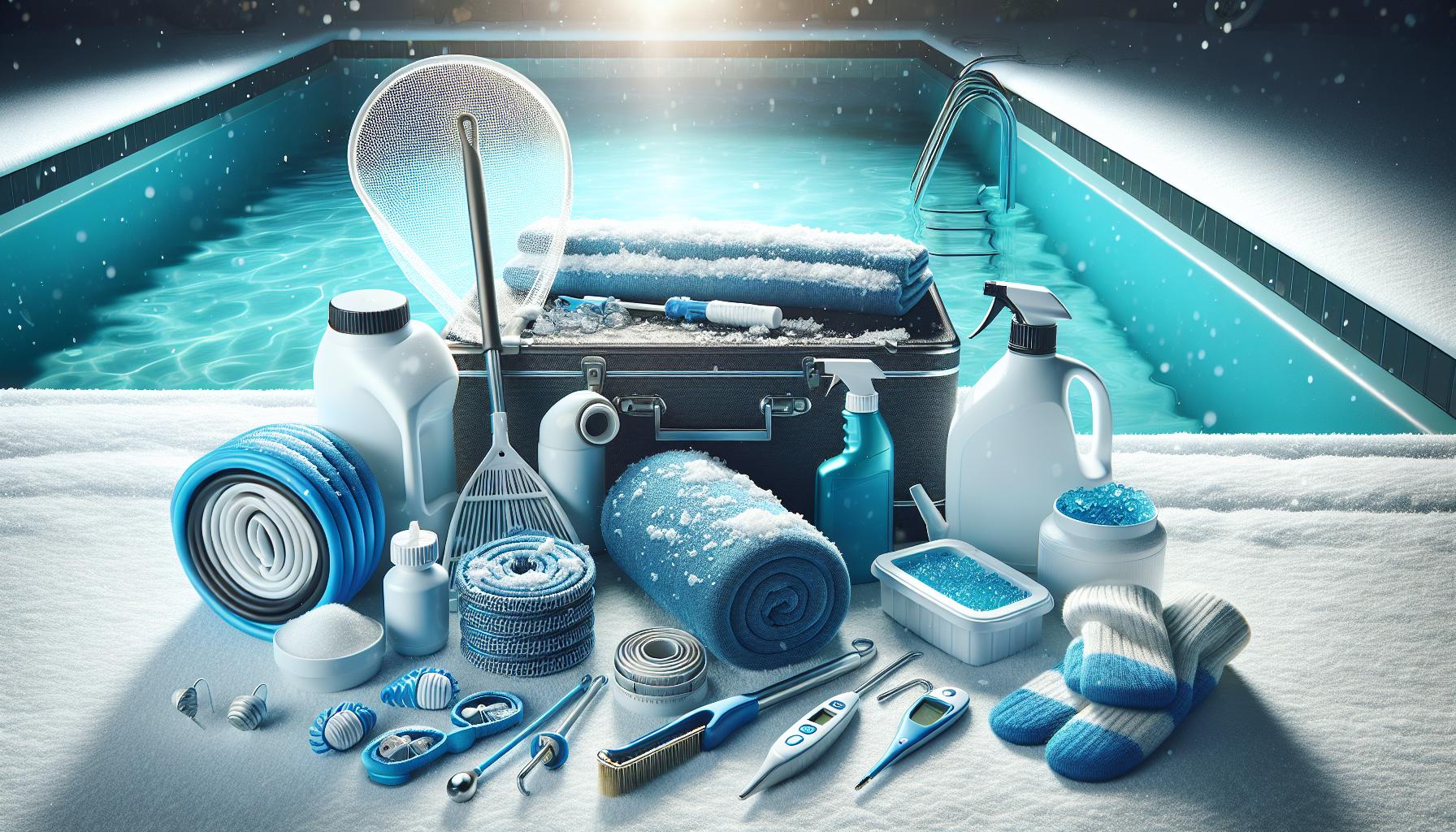
Step-by-Step Guide to Closing Your Pool
As summer fades and cooler weather approaches, methodically closing your above-ground pool becomes vital to protect your investment. Taking the time to winterize your pool not only ensures it remains in top condition but also simplifies the reopening process come spring. Here’s a straightforward step-by-step guide to effectively close your pool for the winter months.
Start by cleaning the pool thoroughly. Remove any debris with a skimmer net, and scrub the walls and floor to prevent stains. Vacuum the pool to eliminate dirt and particles that could cause algae growth while the pool sits idle. After cleaning, run the filter for several hours to circulate the water and ensure it is clear and balanced.
Next, it’s crucial to balance the pool water. Check and adjust the pH levels, alkalinity, and calcium hardness, making sure everything meets the recommended ranges. This step is essential as it helps prevent corrosion and scaling during the winter months. Once balanced, add winterizing chemicals such as algaecide to inhibit algae growth and a chlorine shock treatment to maintain water clarity.
After the water is prepared, proceed to lower the water level. Ideally, the water should be lowered below the skimmer to prevent freezing and cracking. Use a submersible pump if you need to extract excess water. Once the water level is adjusted, remove the filter and pump according to the manufacturer’s instructions and store them in a dry area.
With these steps completed, it’s time to add antifreeze to the plumbing lines. This step will protect your pipes from freezing temperatures. Make sure to use non-toxic pool antifreeze, carefully following package instructions for how much is needed based on your pool size. Afterward, cover your pool with a high-quality winter cover that’s designed for above-ground pools. Secure the cover tightly with water bags or retaining wall blocks to prevent it from blowing away or becoming damaged by snow buildup.
In summary, by methodically cleaning, balancing, and securing your above-ground pool, you can ensure it remains in great shape all winter long. This proactive approach not only protects your investment but also allows for a seamless and enjoyable reopening experience when warmer weather returns. Don’t hesitate to reach out for help if you encounter issues during the winterization process. Being prepared and paying attention to these details is the key to a healthy pool!
How to Clean and Balance Pool Water
To ensure your above-ground pool is properly winterized, cleaning and balancing the water before closing it up is essential. This crucial process not only prolongs the life of your pool but also lays the groundwork for a smooth opening come spring. By maintaining the right chemical balance, you prevent the build-up of harmful bacteria or algae which could thrive during the months of idle water.
Start the cleaning process by thoroughly removing debris and dirt. Use a skimmer net to clear leaves, twigs, and bugs floating on the surface. Next, scrub the walls and floor of the pool with a brush designed for your pool’s material to prevent staining and the growth of algae. Vacuum the bottom to capture any dirt or sediment that may not be easily visible. Once the pool is clean, run the filter for several hours to ensure that any remaining particles are removed, and the water is clear.
Balancing the Water
Maintaining the right chemical balance in your pool water is critical for preventing corrosion and scaling, especially during winter. Start by testing the pH level, which should ideally be between 7.2 and 7.6. Use a pool testing kit or test strips for accurate measurements. If your pH is too low, add a pH increaser (sodium carbonate), and if it’s too high, use a pH decreaser (sodium bisulfate).
Next, check the total alkalinity, which should be between 80 and 120 ppm (parts per million). Adjust alkalinity using an alkalinity increaser (sodium bicarbonate) or decreaser (muriatic acid) as needed. Finally, examine the calcium hardness; levels should fall between 200 and 400 ppm. If the calcium level is low, add calcium chloride to prevent water from becoming corrosive.
After the water balance is achieved, it’s crucial to use winterizing chemicals. An algaecide will help inhibit the growth of algae while a chlorine shock treatment will keep the water clear. Both these steps are key to maintaining the pool during the colder months.
By carefully cleaning and balancing your water, you set up a strong foundation for a healthy pool environment protected against the winter elements. This attention to detail now will lead to an easier and more enjoyable swimming experience next season.
Safely Removing Pool Accessories and Equipment
As the temperature drops, taking the time to properly remove accessories and equipment from your above-ground pool is crucial for prolonging their lifespan and ensuring a smooth reopening next season. Many pool owners overlook this step, but neglecting it can lead to unnecessary wear and tear on valuable items, as well as ensure potentially hazardous conditions for any stored components. Follow these practical steps to ensure safe and efficient removal of your pool’s accessories.
Start by disconnecting and removing any electrical equipment, such as the pump and filter. Before you begin, ensure that the power supply is completely turned off to prevent any risk of shock. Unplug the equipment and drain any remaining water from the filter and pump to prevent freezing and cracking during the colder months. Store these items in a dry, climate-controlled environment whenever possible, as this will minimize the risk of damage and prolong their usability.
Next, carefully take out other accessories like ladders, pool covers, and skimmers. For ladders, disassemble if they are designed to do so; this makes storage easier and prevents bent or broken parts. Clean each accessory thoroughly with mild soap and water before storing them away for winter. Not only does this remove dirt and debris, but it also prevents algae buildup and ensures that they are ready for use when reopening your pool in the spring.
Inventory and Organize
Maintaining a checklist can be an invaluable tool during this process. Take a moment to create an inventory of all equipment and accessories removed from the pool. Organizing items into labeled bins or storage boxes can facilitate easier access next season, preventing you from scrambling to find misplaced items when it’s time to reopen the pool. Consider creating a separate bin for winterizing chemicals, ensuring that they are stored properly and away from children’s reach.
In conclusion, is a straightforward process that pays off in the long run. By following these steps, you can ensure your equipment remains in excellent condition, ready for the first swim of the season. Take pride in your proactive approach to pool maintenance, and enjoy peace of mind knowing you’ve safeguarded your investment.
Covering Your Pool: Best Practices and Tips
As winter approaches, covering your above-ground pool is essential for protecting it from harsh weather conditions and debris. A well-covered pool not only preserves water quality but also extends the life of your pool components. The right cover can act as a barrier against ice formation, leaf accumulation, and even algae growth, ensuring a smoother transition when it’s time to reopen.
Choosing the right type of cover is the first step in winterizing your pool. There are generally three types of covers: solid, mesh, and inflatable. Solid covers prevent debris from entering the pool but require a pump to remove accumulated rainwater. Mesh covers allow water to drain through while keeping larger debris out but can become clogged if not monitored. Inflatable top covers are easy to install and provide substantial protection but should be used with caution as they can deflate. Whichever type you choose, ensure that it fits securely and leaves no gaps that could invite twigs, leaves, or even wildlife into your pool.
Before you cover your pool, take a moment to properly clean it. This includes vacuuming the floor, brushing the walls, and ensuring the water has been balanced chemically to prevent algae growth over the winter. Add a winterizing chemical kit specifically designed to protect your water and equipment. Once the pool is clean and chemically treated, proceed to cover it securely. Use water bags or specialty cover weights to hold the cover in place, especially in windy areas. A snug fit is vital, as a loose cover can billow in the wind, potentially causing damage.
Lastly, it’s wise to conduct regular checks on your covered pool throughout the winter months. Periodically remove any snow accumulation to prevent excessive weight and check for signs of wear on the cover. Keeping an eye on your pool during the off-season can save you from larger repairs or headaches when it’s time for spring opening. By taking these proactive measures, you can confidently sleep easy knowing your investment is safeguarded against winter’s wrath.
Managing Water Levels: What You Need to Know
Managing the water level in your above-ground pool is a crucial step in winterizing to prevent damage and ensure a smooth spring reopening. As temperatures drop, the water level should be carefully adjusted to strike a balance: too high can lead to ice formation, while too low may expose the walls to freeze damage.
Firstly, it’s essential to drain the water to the appropriate level. Aim to lower the water below the skimmer line, typically about 4 to 6 inches from the top of the skimmer. This not only helps minimize the risk of ice damage but also prevents water accumulation on the cover that can lead to structural stress. Use a submersible pump to efficiently remove excess water or siphon it out using a garden hose.
Water Level Maintenance Tips
- Monitor Rainfall: During the winter months, keep an eye on rainfall. If heavy rain causes water levels to rise, be prepared to drain some excess water to maintain the recommended level.
- Check For Drainage Issues: Ensure your pool area has good drainage to prevent water from pooling around the pool structure, which can lead to instability and damage over time.
- Pump Maintenance: Regularly check your pump and hoses for any clogs or damage. Ensuring these tools are in good shape will facilitate quick action if water levels need adjustment.
In addition to draining, using winterizing plugs for the skimmer lines can prevent water from entering and freezing, which is vital to safeguard your plumbing. After water has been removed and the winterizing plugs are in place, consider covering the pool with a properly fitted tarp or cover that can withstand harsh winter conditions. This prevents debris from falling in and keeps water levels manageable.
By taking these proactive steps to manage water levels, you can mitigate potential winter challenges and preserve your investment for when warmer weather arrives. Being diligent and attentive during this phase will pay off significantly when it’s time to reopen your pool for enjoyment.
Addressing Common Winterization Problems
As the temperatures start to drop, many pool owners may encounter several common problems while winterizing their above-ground pools. Being aware of these potential pitfalls allows you to proactively address them, ensuring a hassle-free reopening in the spring. One prevalent issue is the formation of ice if proper water levels are not maintained. If the water is too high, it can create significant pressure against the walls, while too low may expose the liner to freezing temperatures, leading to cracks. To avoid these scenarios, regularly check the water level and use a submersible pump to adjust as necessary.
Another challenge often faced during the winterization process is debris accumulation, which can damage pool liners and interfere with the efficacy of covers. To mitigate this risk, you should invest in a high-quality winter cover. Regularly inspect and clear any accumulated snow or debris from the top of the cover throughout the winter months. Additionally, consider using a leaf net beneath the cover to catch falling leaves and reduce further clutter.
Chemical balance is crucial during pool winterization to prevent algae growth and to preserve equipment integrity. An imbalance can lead to corrosion or staining that may require expensive repairs come spring. Before closing the pool, thoroughly test the water and make necessary adjustments to alkalinity, pH, and sanitizer levels. Regular monitoring of chemical levels during the winter will help keep the water pristine and decrease potential cleanup efforts when reopening.
Lastly, pooling water on top of the cover poses a risk of structural failure or stretching. It’s essential to regularly check and remove any excess water that accumulates due to rain or melting snow. Utilize a cover pump designed for this purpose or a siphon to efficiently keep the cover clear. By anticipating these common winterization problems and tackling them proactively, you can safeguard your investment, keeping your above-ground pool in excellent shape for the next swimming season.
Signs of Damage: Inspecting Your Pool Before Closure
Before closing your above-ground pool for the winter, it’s crucial to inspect it thoroughly for signs of damage that could lead to complications when spring rolls around. Neglecting this step can result in costly repairs and headaches when you’re ready to reopen. A proactive inspection not only saves money but also extends the life of your pool.
Start by examining the pool liner for any tears, punctures, or thin spots. Pay close attention to the seams and corners, as these areas are more prone to wear and tear. Any visible damage should be addressed immediately with appropriate patch kits designed for pool liners. Strong sunlight, pool chemicals, and fluctuating temperatures can deteriorate the liner over time, making regular inspections essential. If the damage is extensive, you may consider replacing the liner altogether before the cold sets in.
Next, look at the structure of the pool itself. Check for rust on metal components, particularly if your pool has a metal frame. Use a soft brush to clean any rust spots and treat them with rust-inhibiting paint or products designed for pool maintenance. For resin or polymer pools, inspect for cracks or other irregularities. Additionally, ensure that the support brackets and other structural components are secure and undamaged; if they appear loose, tighten them up to prevent further issues.
Finally, inspect the accessories associated with your pool. Items like ladders and skimmers should be checked for cracks or wear that could affect their performance next season. Remove and store them properly for the winter to prevent further weathering. By staying vigilant about minor issues now, you’ll prevent larger headaches and expenses during the swimming season. If you identify significant problems beyond your capacity to repair, don’t hesitate to consult a professional to safeguard your investment effectively.
Winter Pool Maintenance: Keeping It in Shape
As winter approaches, maintaining your above-ground pool doesn’t have to be a daunting task. In fact, taking the right steps during the off-season can keep your pool in prime condition, avoiding costly repairs or mishaps come spring. With proper care, you can prevent water damage, mold growth, and various other issues that can arise when a pool is left unattended for months.
To keep your pool in shape through the winter, start by regularly checking the water level. Ideally, the water level should remain halfway up the skimmer opening. If you notice the water has significantly dropped due to evaporation or rain, add water to maintain the proper level. During harsh winters, ice can form, so it’s crucial to balance the water chemistry ahead of time, ensuring alkalinity and pH levels are at optimal points. This balance helps prevent the growth of algae and other harmful organisms, which thrive in poor conditions.
Furthermore, regularly inspecting your pool cover is essential. Accumulated debris on a cover can cause stress and create potential breaches. Use a pool cover pump to eliminate standing water, and check for any tears or damages that might have occurred. If your cover is in disrepair, consider patching it or investing in a new one to safeguard your pool. By doing these checks and maintenance regularly throughout the winter, you’ll ensure that your pool is well-protected and ready for a smooth transition when it’s time to reopen in the spring.
Lastly, don’t underestimate the importance of a thorough clean before closing up for the season. Take the time to vacuum the pool floor, brush the walls, and ensure all contaminants are removed. This proactive approach doesn’t just make spring opening easier; it also helps maintain equipment longevity and performance. As with any maintenance endeavor, a little effort now will pay off immensely, allowing you to enjoy your pool without worry when the warmer weather comes back around.
Spring Opening: Tips for a Smooth Transition
As the days grow warmer and the promise of summer beckons, the thrill of re-opening your above-ground pool can be both exhilarating and daunting. The key to a successful transition from winter to swim season lies in careful planning and prompt action. By methodically tackling each step of the process, you can ensure that your pool is sparkling clean and ready for enjoyment, minimizing potential problems down the line.
Start by removing the pool cover while ensuring safety-use gloves to protect your hands from debris. Once the cover is off, clean it thoroughly before storing it away. Use a mild detergent and rinse it with water, allowing it to dry completely to prevent mildew. Next, inspect the pool structure for any visible signs of damage that might have occurred during the winter months. Check for rust on the frame, cracks in the material, or weakened connections. Addressing these issues promptly can save you time and money in repairs later.
Once your pool is clear and inspected, it’s time to focus on the water. Fill the pool to the recommended water level, usually halfway up the skimmer opening. If there are any visible stains or algae development, treat the water with appropriate chemicals to restore balance. Utilize a skimmer net to remove any leaves or debris that might have accumulated in the water. Following this, you’ll want to shock the water to eliminate any contaminants that survived the winter. This crucial step not only purifies the water but also prepares it for chemical balancing.
Finally, bring your pool equipment back online. Clean and connect the pump and filter, checking hoses and fittings for any signs of wear or leaks. Remember to run the pump for at least 24 hours to circulate the newly treated water. After a day, test the water chemistry again, focusing on pH, alkalinity, and chlorine levels. Adjust as necessary, and once everything is within safe ranges, you can finally take that long-anticipated plunge into your revitalized pool. With these efforts, you’ll transition smoothly into a season of relaxation and fun in the sun.
Frequently asked questions
Q: What is the best time to winterize an above ground pool?
A: The ideal time to winterize an above ground pool is before temperatures consistently drop below freezing. Typically, late autumn or early winter is best, as this allows for proper cleaning and preparation for the cold months, protecting your investment.
Q: Should I drain my above ground pool completely for winterization?
A: No, you should not drain your above ground pool completely. Instead, lower the water level to about 4-6 inches below the skimmer to prevent freeze damage while still allowing for necessary water volume to manage the pool cover and debris.
Q: How can I prevent my pool cover from blowing off in winter?
A: To prevent your pool cover from blowing off, use water bags or secure straps designed for winter covers. Additionally, ensure the cover is tight and properly fitted around the entire pool perimeter to withstand winter winds.
Q: What chemicals do I need to winterize my pool effectively?
A: Essential chemicals for winterizing your above ground pool include chlorine shock, algaecide, and a pH balancer. Applying these chemicals helps maintain water quality and prevents algae growth over the winter months.
Q: How do I store pool equipment during the winter?
A: Store pool equipment, such as ladders and skimmers, in a dry, sheltered location to protect them from freezing temperatures. Clean them thoroughly before storage to prevent dirt buildup and damage during winter.
Q: Can I use a regular tarp to cover my above ground pool?
A: While a regular tarp can provide temporary coverage, it lacks the durability of a designated pool cover. Using a proper winter cover is recommended, as it offers improved protection against debris and winter weather.
Q: What signs indicate my pool needs more maintenance before winterizing?
A: Look for signs like cloudy water, algae growth, or debris buildup. If you notice these issues, perform a thorough cleaning and chemical balancing before closing the pool to ensure proper winter conditions.
Q: How do I prepare my above ground pool for snow accumulation?
A: Ensure your pool is covered with a sturdy winter cover that can handle snow weight. Regularly check the cover to remove excess snow, preventing potential stress and damage to the structure underneath.
In Retrospect
Now that you have the essential steps for winterizing your above ground pool, it’s time to take action and protect your investment! Remember, closing your pool properly not only extends its lifespan but also ensures a smoother opening next season. If you have lingering questions about maintenance or need tips on selecting the right winter cover, check out our resources on Essential Pool Care Tips and Choosing the Best Pool Cover.
Don’t wait until it’s too late-start winterizing your pool today! Join our community for expert advice and the latest updates by signing up for our newsletter or follow us on social media. Your pool deserves the best, and you’re now equipped with the knowledge to ensure it stays in excellent condition. Let us tackle any challenges together, and feel free to leave your comments below-we love hearing from fellow pool enthusiasts!


