


Did you know that stained and scaled pool tiles not only detract from the beauty of your swimming pool but can also lead to more significant maintenance issues? Keeping your pool tiles spotless is essential for both aesthetics and hygiene. In this guide, we’ll dive into effective strategies for removing stubborn stains and scale from your pool tiles quickly and easily.
As a pool owner, you might often feel overwhelmed by the maintenance demands. However, with the right techniques and tools, you can restore your tiles to their original shine without hiring expensive professionals. By understanding how to tackle these common problems, you’ll enjoy a cleaner, healthier swimming environment while saving time and money.
Ready to transform your pool experience? Let’s explore simple, step-by-step methods that will make your pool tiles gleam and help maintain the overall integrity of your pool. With a little effort, you can achieve impressive results that enhance your outdoor space all summer long.
How Swimming Pool Tiles Get Dirty: Understanding Stains and Scale
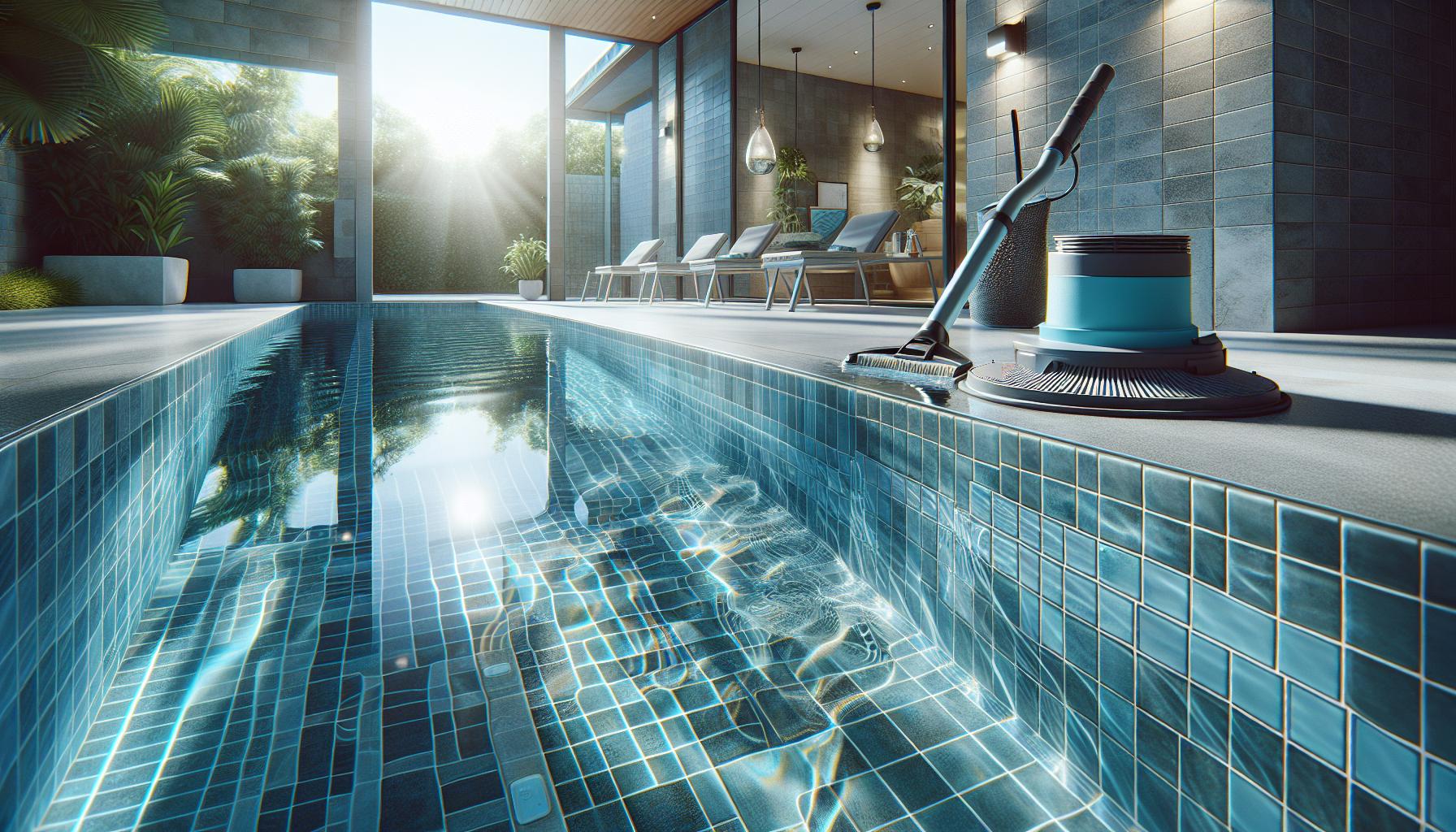
Swimming pool tiles often encounter a variety of stains and scale buildup that can diminish their appearance and longevity. Over time, dirt, algae, and mineral deposits from hard water can accumulate, creating unsightly blemishes and a lackluster look. Understanding how these issues arise is crucial in developing an effective cleaning and maintenance routine.
The primary cause of stains on pool tiles is typically organic material, such as algae, leaves, and other debris that enter the pool. When left untreated, this organic matter can lead to green or brown discoloration along the waterline and beyond. Additionally, minerals like calcium and magnesium found in hard water can precipitate out, forming a hard, chalky scale that adheres stubbornly to tiles. This scale can often appear as white or cloudy spots, giving the tiles a worn and dirty appearance.
To combat these challenges, regular maintenance is essential. Routine brushing of the tiles and proper water chemistry management can significantly minimize the accumulation of troublesome stains and scale. Utilizing the right cleaning techniques, such as monitoring pH levels and employing quality tile cleaners, can not only preserve the aesthetic appeal of your pool tiles but also extend their lifespan. Adequate filtration and circulation also play important roles; without them, debris may settle and contribute to the staining process more rapidly.
By recognizing the factors that contribute to tile staining and scale formation, pool owners can take proactive measures to keep their swimming areas clean, safe, and inviting. Regular attention to these details will help ensure that your pool remains a source of enjoyment rather than a maintenance headache.
Essential Tools for Cleaning Pool Tiles Effectively
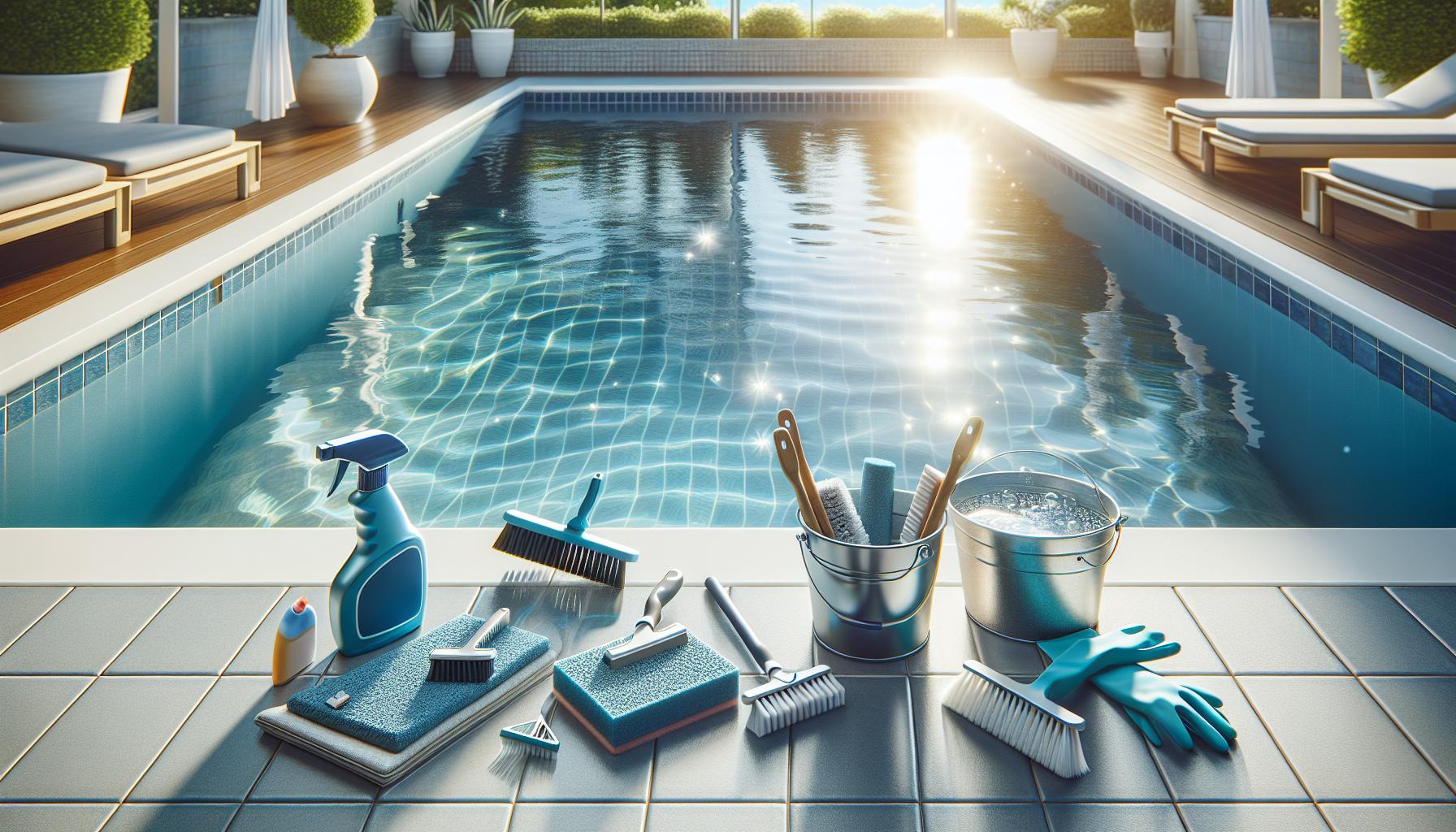
To achieve sparkling clean pool tiles, having the right tools at your disposal is essential. Using appropriate cleaning equipment not only makes the task more efficient but also ensures that your tiles are not damaged during the process. Generally, pool tile cleaning requires a combination of specialized brushes, cleaners, and tools designed specifically for the task at hand.
A pool brush is one of the most important tools you will need. Choose a brush with nylon bristles or soft stainless steel that is suitable for the type of tile you have; ceramic tiles typically require softer brushes, while more robust materials may withstand stiffer bristles. It’s advisable to have brushes of different sizes to effectively reach corners and tight spots along the waterline and the pool steps.
When it comes to cleaning solutions, a high-quality tile cleaner can make all the difference. Look for cleaners that specifically tackle tough stains and hard water scale. Many commercial cleaners are designed to bind to minerals like calcium and magnesium, making them easier to scrub away. If you prefer eco-friendly options, consider natural solutions like vinegar or baking soda, which can effectively break down scales without harsh chemicals. However, always test any new solution on a small area before widespread application to ensure it won’t damage your tiles.
Finally, have protective gear such as gloves and goggles on hand during cleaning. Some cleaners can be harmful to your skin or eyes. Additionally, a pool vacuum may help reduce debris and algae before tile cleaning even begins, allowing for a more seamless and efficient cleaning process.
In summary, investing in the right tools for your pool tile cleaning routine will simplify the job and ensure your tiles remain looking their best year-round. With regular maintenance using these tools, you can effectively prevent stains and scale buildup, keeping your swimming area inviting and beautiful.
Step-by-Step Guide: Removing Stains from Pool Tiles
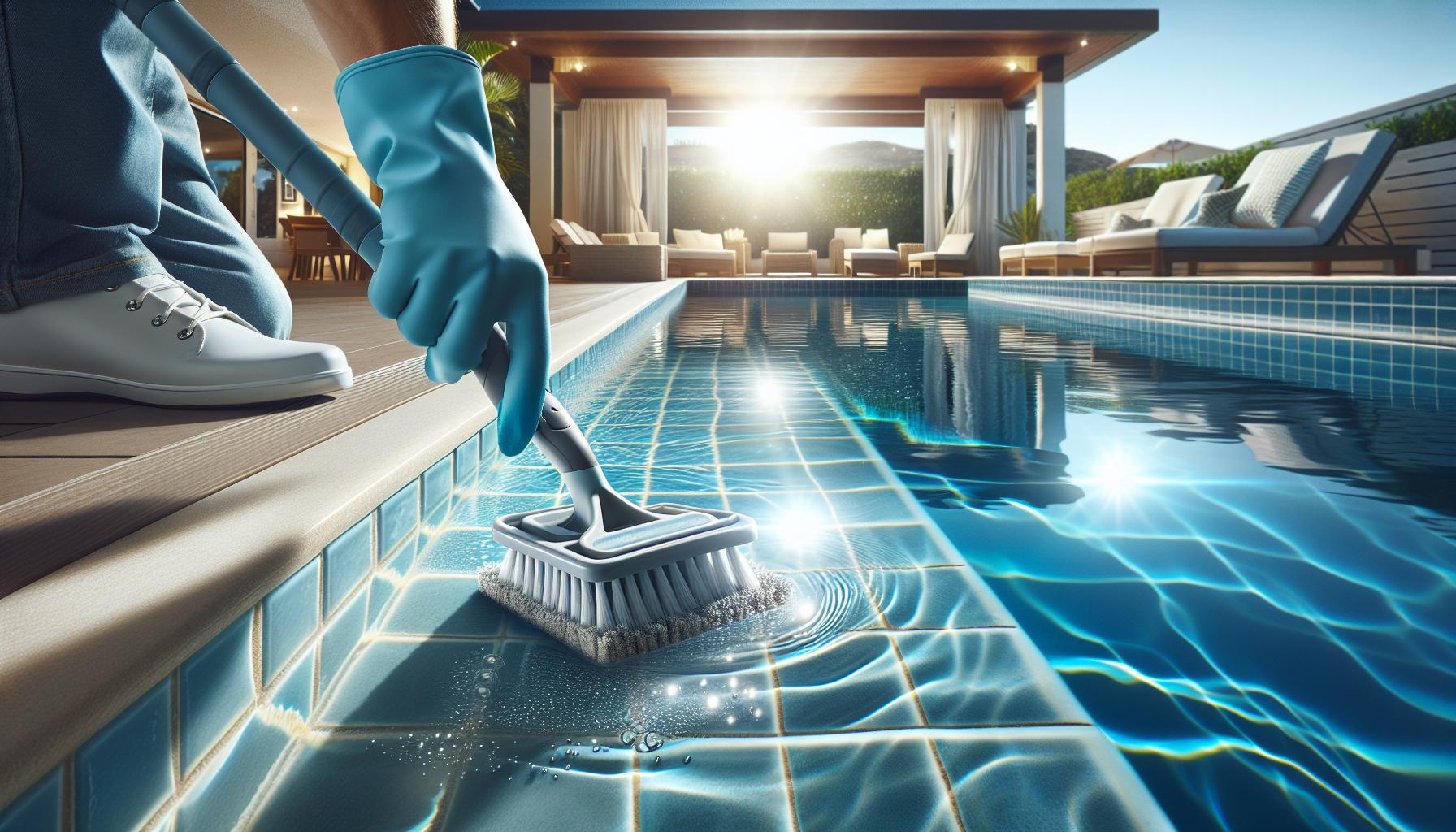
The sight of stained pool tiles can be disheartening, but tackling those unsightly marks doesn’t have to be a daunting task. Whether your pool tiles have accumulated grime from algae, calcium buildup, or general dirt, a systematic approach can restore their former glory. Follow these steps to effectively remove stains and keep your pool area sparkling clean.
Begin by gathering your materials. You’ll need a soft-bristle pool brush, your chosen cleaning solution (commercial tile cleaner or a natural alternative like a vinegar-water mix), and plenty of water for rinsing. It’s also smart to have protective gear handy, such as gloves and goggles, to keep yourself safe from any harsh chemicals.
Step-by-Step Process
- Preparation: Before diving into cleaning, ensure your pool is free of debris. Use a skimmer net to remove leaves and larger particles from the water’s surface.
- Apply Cleaning Solution: Depending on your choice of cleaner, apply it directly onto the stained areas. If using a commercial cleaner, follow the manufacturer’s instructions. For a natural solution, mix equal parts of vinegar and water in a spray bottle and apply generously.
- Scrubbing: Allow the solution to sit for 10-15 minutes to penetrate the stains. Then, use your soft-bristle brush to scrub the tiles, focusing on stained areas. Use firm pressure, but avoid excessive force to prevent damaging the tiles.
- Rinse: After scrubbing, thoroughly rinse the tiles with clean water to remove any residue from the cleaning solution. This step is crucial to prevent any chemical buildup that could affect pool water quality.
- Evaluate and Repeat: Assess the effectiveness of your cleaning. For tough stains, you may need to repeat the scrubbing process or try a different cleaner. Ensure that you test any new cleaning product on a small, inconspicuous area before full application.
Regular maintenance is key to avoiding the buildup that leads to staining. By keeping an eye on your pool’s condition and addressing stains promptly, you can enjoy a clean and welcoming swimming environment all season long. Remember, patience and consistency will go a long way in maintaining your pool tiles. With these simple steps, you’ll have the confidence to tackle any stains and keep your pool area looking its best.
How to Tackle Hard Water Scale on Pool Tiles
Hard water scale can be a persistent bane for pool owners, often appearing as unsightly white deposits on your tiles, particularly around waterlines and spillways. This scale is primarily made up of calcium and magnesium, minerals that precipitate out of the water due to high mineral content or pH levels. Not only does this buildup detract from your pool’s aesthetics, but it can also harbor algae if not addressed regularly. Fortunately, with the right techniques, you can conquer hard water scale effectively.
To tackle hard water scale on your pool tiles, start by preparing your area and gathering the necessary tools. You will need a rubberized pool brush, a bucket, a cleaning solution specifically designed for calcium buildup, vinegar, or a commercial descaler. If you plan to use a commercial product, ensure it is safe for the tile material of your pool. Always wear gloves to protect your hands, and goggles to shield your eyes from splashes.
Step-by-Step Cleaning Process:
- Initial Rinse: Begin by rinsing the affected area with water to remove loose debris and dirt. This will give you a clearer view of the scale you are dealing with.
- Apply Cleaning Solution: Depending on your choice of cleaner, apply it generously to the calcium scale. If using vinegar, pour it directly onto the affected areas and allow it to sit for 10-15 minutes. For commercial products, follow the instructions on the label.
- Scrubbing: Use a rubberized pool brush to scrub the tiles gently but firmly. The rubber bristles help to lift the scale without scratching the tile. Focus on areas where the buildup is heaviest.
- Thoroughly Rinse: After scrubbing, ensure you rinse the tiles thoroughly with clean water to wash away any remaining cleaner and scale particles. This step is crucial to prevent any chemical residue from affecting water balance.
- Assessment: Inspect the tiles to determine if any areas still show signs of scale. For stubborn spots, repeat the application of the cleaning solution and scrubbing process until the tiles are clear.
By integrating this systematic approach into your regular maintenance routine, you can keep hard water scale at bay. Additionally, consider testing and balancing your pool’s water chemistry to prevent future scale buildup. Regularly check pH and alkalinity levels, as maintaining these within the optimal range can significantly reduce instances of hard water deposits. With a little effort and the right techniques, your pool tiles can remain pristine, enhancing the overall beauty and health of your swimming environment.
Best Practices for Maintaining Clean Pool Tiles
Maintaining the pristine appearance of your pool tiles is essential not only for aesthetics but also for the overall health of your swimming environment. Regular upkeep can prevent unsightly stains and scale buildup, ensuring your pool remains a beautiful retreat. Incorporating best practices into your maintenance routine will help you keep your tiles looking brand new.
One of the most effective strategies is to implement a routine cleaning schedule. Consider dedicating time weekly to inspect the waterline tiles for any signs of dirt or scaling. A quick rinse with a hose can remove loose debris, while a gentle scrub with a soft brush keeps the tiles free from buildup. For deeper cleaning, apply a suitable tile cleaner monthly, following the manufacturer’s instructions to maintain tile integrity.
Water Chemistry Monitoring
Understanding the impact of water chemistry on tile maintenance is crucial. Regularly test your pool water for pH, alkalinity, and calcium hardness levels. Keeping these within the recommended ranges can significantly reduce the likelihood of scale formation. Specifically, aim for a pH between 7.2 and 7.8, as this helps prevent calcium deposits. If levels stray outside this range, adjust them promptly to mitigate future cleaning challenges.
Preventive Measures
Incorporating preventive measures can save you time and effort in the long run. Install a good-quality pool cover when the pool is not in use to reduce debris accumulation. Additionally, maintaining proper water circulation and filtration enhances water quality and minimizes contaminants that lead to stains. If your pool has issues with hard water, consider using a sequestering agent to bind calcium and prevent deposit formation.
By integrating these best practices into your pool maintenance routine, you can effortlessly maintain clean and beautiful tiles while enhancing the overall swimming experience. Regular inspections, proactive water management, and preventive measures will keep the aesthetic and functional qualities of your pool in top shape, ensuring a welcoming environment for family and friends alike.
Natural Cleaning Solutions: Eco-Friendly Options for Pool Tile Care
Using eco-friendly cleaning solutions for your pool tiles not only helps in maintaining their appearance but also supports a healthier swimming environment. Many commercial pool cleaners contain harsh chemicals that may harm both the aquatic life and the people using the pool. Fortunately, there are several natural alternatives that effectively combat stains, scale, and other buildup without compromising safety or sustainability.
One of the most effective natural cleaning agents for pool tiles is baking soda. This versatile powerhouse acts as a gentle abrasive, allowing you to scrub away stains without damaging the tile surface. To use, simply create a paste by mixing baking soda with water and apply it to stained areas. Allow it to sit for 15-30 minutes before scrubbing with a soft brush and rinsing thoroughly with clean water.
White vinegar is another excellent, eco-friendly option. Its acidity helps to dissolve mineral deposits and stains. Spray undiluted white vinegar onto the affected areas of the tiles and let it sit for about 10-15 minutes. After this, scrub the surface gently with a sponge or soft brush, followed by a thorough rinsing. For more stubborn deposits, you can increase the vinegar application frequency.
For those concerned about maintaining a balanced pool environment, consider using a citric acid solution. Citric acid, a natural component found in lemons and limes, can help to break down tough calcium deposits. To make your own solution, dissolve a quarter cup of citric acid in a gallon of water. Apply the solution to the scales and stains, allow it to sit for 10-15 minutes, scrub away, and rinse thoroughly.
It’s important to note that while these natural solutions are safe and effective, regular maintenance and monitoring of your pool’s water chemistry are also crucial. Combining natural cleaning methods with a routine cleaning schedule can significantly enhance the longevity and visual appeal of your pool tiles, creating a welcoming environment for family and friends.
When to Call a Professional: Signs You Need Help
Sometimes, pool maintenance can feel like an uphill battle, especially when dealing with stubborn stains and scale on your tiles. Knowing when to call in a professional can make a significant difference in maintaining the beauty and longevity of your pool surfaces. While many homeowners can handle regular cleaning, there are signs that indicate it may be time to seek expert assistance to ensure your pool tiles remain pristine.
If you notice persistent stains that resist your best cleaning efforts, it may be a sign of deeper issues. Stains caused by algae, rust, or even calcium buildup can sometimes indicate problematic water chemistry or inadequate pool maintenance. If scrubbing with natural solutions like baking soda or vinegar repeatedly doesn’t yield results, consider consulting a professional who can assess the situation and apply specialized treatments. These experts have access to powerful cleaning agents and tools that can tackle deep-set stains without damaging your tiles.
Another key indicator that you should reach out for professional help is the presence of hard water scale that seems to multiply despite regular maintenance. This mineral buildup not only detracts from your pool’s appearance but can also result in long-term damage to the tile surface if left untreated. Skilled pool cleaners have the techniques and products necessary to safely remove hard water scale, ensuring your tiles are not only clean but also preserved for years to come.
Additionally, if you’re experiencing issues with your pool’s overall balance-such as cloudy water or excessive algae growth-it may be a sign that your pool’s chemistry requires expert intervention. Professionals are trained to conduct thorough water tests and can offer tailored solutions, including proper chemical adjustments to keep your swimming environment healthy.
In summary, don’t hesitate to seek help when faced with persistent stains, uncontrollable scaling, or water chemistry issues. Investing in professional cleaning ensures that your pool tiles will sparkle, improving both the aesthetic appeal and the health of your swimming area. Regular maintenance combined with expert assistance when necessary sets the stage for a beautiful and inviting pool for you and your family.
Preventive Measures: Keep Your Pool Tiles Pristine
Keeping your pool tiles looking pristine is not only achievable but also essential to enhancing the overall beauty and longevity of your pool. Regular maintenance and preventive care can significantly reduce the likelihood of stains and scale buildup, allowing you to enjoy a crystal-clear swimming experience.
First and foremost, establish a consistent cleaning schedule. Depending on your pool usage, aim to wipe down tiles weekly with a soft brush or sponge. This light cleaning can prevent dirt and algae from settling and forming stubborn stains. Incorporating a gentle tile cleaner during your regular pool cleaning routine can help keep tiles sparkling without causing damage. Using specialty cleaning tools like a pool tile brush with nylon bristles will ensure that you avoid scratching the tile surface while effectively removing grime.
Monitoring your pool’s water chemistry is another vital preventive measure. Maintain proper balans by regularly checking pH, alkalinity, and calcium hardness levels. An unbalanced pool can lead to various issues, including scale buildup on your tiles. If you observe fluctuating levels, be proactive by adjusting chemical balances with appropriate pool care products. Regularly adding a calcium sequestering agent can also help prevent the formation of hard water deposits on tiles.
Furthermore, consider implementing a few smart design choices around your pool area. Installing a water feature or fountain not only adds aesthetic appeal but also helps in maintaining better water circulation. Improved water circulation reduces the chances of stagnant water that can contribute to algae growth. Additionally, ensuring that landscaping elements like trees and shrubs are sufficiently trimmed will minimize debris falling into the pool, reducing the cleaning workload.
Lastly, investing in a pool cover can substantially decrease the frequency of cleaning. A cover protects tiles from direct sunlight, limiting algae growth and preventing leaves and debris from entering the pool when it’s not in use. Always remember that a bit of preventive care can save you countless hours of scrubbing and restore the brilliance of your pool tiles effortlessly.
Tips for Seasonal Pool Tile Maintenance
Maintaining your pool tiles throughout the changing seasons is crucial to ensure they remain free from stains and buildup. As weather conditions fluctuate, they can introduce various challenges, such as algae growth in warmer months or calcium scaling during colder temperatures. Implementing a proactive seasonal maintenance plan can significantly enhance the longevity and appearance of your pool tiles, allowing you to enjoy your swimming oasis to the fullest.
Start your seasonal maintenance routine with a thorough inspection of your pool area. Look for early signs of discoloration, algae, or scale buildup, which can be exacerbated by fluctuating temperatures and humidity. Regular cleaning is paramount; aim to scrub your tiles every week using a soft-bristled brush to prevent dirt from settling. For light staining, a mixture of water and vinegar can serve as a natural cleaner, providing an effective solution without harsh chemicals. If you encounter tougher stains, consider a commercial tile cleaner specifically designed for pool use, ensuring it’s safe for your tile material.
In addition to cleaning, regularly check your pool chemistry, especially as you transition from one season to another. Balancing pH and alkalinity is essential to prevent water-related issues that negatively impact tile condition. Conduct tests every couple of weeks, adjusting the chemical levels as necessary. Additionally, adding a calcium sequestering agent at the start of the summer can help prevent hard water from causing buildup on tiles during the hotter months.
Preventive Measures
Implementing preventive measures can also make maintaining your pool tiles more manageable. Consider covering your pool when not in use, especially during the fall and winter months. This practice not only minimizes debris but also protects your tiles from harsh weather conditions. Additionally, trimming nearby trees and shrubs can greatly reduce leaf accumulation, which, when left unchecked, promotes algae growth.
Finally, investing in quality cleaning tools can transform your approach to seasonal maintenance. Using a specialized pool tile brush with nylon bristles minimizes the risk of scratching while effectively removing grime and mildew. Embracing a holistic, seasonal maintenance strategy not only protects your investment but helps you maintain the beauty of your pool throughout the year, ensuring it remains a welcoming haven for relaxation and recreation.
Troubleshooting Common Pool Tile Problems
Keeping pool tiles clean is essential to maintaining the overall aesthetic and durability of your swimming area, but sometimes, persistent problems arise. Homeowners often encounter issues such as stubborn stains, scaling, and even discoloration that can be frustrating to deal with. Fortunately, addressing these common problems can be straightforward with the right approach and tools at your disposal.
One of the most frequent challenges pool owners face is stains from organic matter, such as leaves or algae. If you notice dark spots on your tiles, it’s crucial to act quickly. Use a soft-bristled brush and a mixture of water and mild detergent to scrub the area gently. For deeper stains, white vinegar can be an effective solution. Apply it directly to the stain, let it sit for about 10 minutes, and scrub again. If the stain persists, a commercial pool tile cleaner, which is pH balanced and safe for your tiles, may be necessary.
Scaling, often attributed to hard water, presents another common issue, leading to unsightly white deposits that detract from your pool’s beauty. To mitigate this, regular maintenance is key. First, ensure your pool’s water chemistry is balanced-particularly the pH and calcium levels. If existing scale needs removal, you can use a pumice stone or a dedicated scale remover; just remember to test these products on a small, inconspicuous area to avoid damage. By incorporating a calcium sequestering agent into your maintenance routine, you can significantly reduce scale buildup over time, preserving the integrity of your tiles.
Lastly, discoloration due to a combination of sun exposure and chemical imbalances can also be problematic. To restore the color of your tiles, try scrubbing with a paste made of baking soda and water, applying it directly to the affected areas, and rinsing thoroughly. Regularly checking and balancing your pool’s chemicals is vital; doing so will help maintain vibrant and shining tiles, preventing major issues before they arise.
By staying proactive and utilizing these targeted strategies, you can effectively troubleshoot and resolve common pool tile problems, ensuring your swimming space remains pristine and inviting year-round.
Understanding Pool Chemistry: Impact on Tile Longevity
Understanding the intricate balance of pool chemistry can play a pivotal role in the longevity and aesthetic appeal of your pool tiles. When water chemistry is in optimal condition, it not only promotes safe and enjoyable swimming experiences but also helps prevent common issues such as stains and scale that can mar your tile surfaces. Regular monitoring and adjustment of chemical levels create a protective environment, safeguarding your tiles from damage caused by misuse or neglect.
Maintaining balanced levels of key chemicals is essential. For instance, the pH level should ideally be between 7.4 and 7.6. If the pH is too high, it can lead to scale formation from calcium deposits, while low pH can corrode tiles and grouts. Similarly, calcium hardness should be kept within 200-400 ppm to avoid both scaling and etching of the tiles. It’s also vital to pay attention to chlorine levels, which should be maintained between 1-3 ppm to ensure adequate sanitation while being gentle on tile surfaces.
- Regular Testing: Use a reliable test kit to regularly check the water chemistry. Adjust your chemicals accordingly to keep balances stable.
- Routine Maintenance: Chemicals should be added based on usage, weather changes, and evaporation rates. A weekly maintenance schedule can go a long way.
- Shock Treatment: Periodically shocking your pool helps to eliminate contaminants and maintain clear water, which indirectly protects tile surfaces.
Taking these preventative steps not only protects the tiles but also enhances their appearance, ensuring that they remain bright and free of discoloration or staining from organic materials and algae. Additionally, being proactive about pool chemistry can save you time and money in the long run by preventing the need for costly repairs or professional cleaning. Remember, a small investment in chemical balance can yield significant returns in maintaining the beauty and longevity of your pool tiles.
Expert Tips: Enhancing the Shine of Your Pool Tiles
One of the most satisfying aspects of pool ownership is the crystal-clear, glistening appearance of well-maintained tiles that beckon you for a swim. However, over time, exposure to environmental factors, along with the chemical treatments necessary to keep your pool clean, can dull the shine and leave your tiles looking lackluster. Following a few expert tips can not only reinstate their original beauty but also enhance their longevity, allowing your pool area to remain the shining centerpiece of your backyard.
A straightforward method to enhance the luster of your pool tiles is by incorporating a regular polishing routine. After cleaning your pool tiles and removing any stains or scaling, consider utilizing a specialized tile cleaner that includes a polishing agent. Apply the cleaner with a soft cloth or sponge, ensuring even coverage, and work in small sections to achieve the best results. Rinse thoroughly with pool water to prevent any remaining cleaner from affecting the water chemistry. For a gleaming finish, consider using a microfiber cloth to buff your tiles once the cleaner has dried completely.
Maintain Optimal Water Chemistry
Maintaining an optimal water chemistry plays a vital role in the shining appearance of your pool tiles. Regularly check the pH level, alkalinity, and calcium hardness of your water. Keeping the pH between 7.4 and 7.6 helps prevent both etching and scaling, which can diminish the tile’s shine over time. Adding the right chemicals will minimize deposits and stains, making it easier to maintain that polished look.
- Regular Testing: Test your pool water at least once a week using a reliable test kit.
- Adjust as Needed: Adjust chemical levels immediately if you notice imbalances, especially after heavy rains or filtration changes.
Another effective trick is to use a non-abrasive baking soda paste. Baking soda not only serves as a gentle abrasive but also acts as a natural pH balancer. Mix it with a bit of water to form a paste, then apply it to areas needing extra shine. Let it sit for a few minutes before scrubbing gently with a soft brush, and rinse off thoroughly. The result is improved shine without the risk of scratching.
By integrating these tips into your routine, you can continuously enjoy the aesthetic appeal of your pool. A few simple actions can lead to a substantial difference in both appearance and longevity of your pool tiles, making your aquatic oasis as inviting as ever. Remember, consistency is key-by staying proactive with your cleaning and maintenance regimen, you’ll maintain that dazzling shine that reflects your commitment to quality pool care.
Faq
Q: What causes stains on swimming pool tiles?
A: Stains on swimming pool tiles are typically caused by minerals in water, algae, organic debris, and chemical imbalances. High levels of calcium can lead to scale buildup, while rust and leaves can create darker stains. Understanding these causes can help in choosing the right cleaning method.
Q: How can I safely remove stubborn stains from my pool tiles?
A: To safely remove stubborn stains, use a mixture of baking soda and water to create a paste, apply it to the stain, and scrub with a soft-bristle brush. Avoid harsh chemicals that can damage the tiles. Rinse thoroughly after cleaning to prevent residue buildup.
Q: When is the best time to clean pool tiles?
A: The best time to clean pool tiles is during the off-peak swimming season or when the water is low. Spring and fall are ideal for deep cleaning, as the pool is not in frequent use. Regular maintenance during this time helps prevent major buildup.
Q: Can I use vinegar to clean pool tiles?
A: Yes, vinegar is an effective natural cleaner for pool tiles. Mix vinegar with water in a spray bottle, apply it to the stained areas, and let it sit for about 10 minutes before scrubbing. Rinse well afterward to avoid any acid residue that could affect pool chemistry.
Q: How do I prevent scale buildup on my pool tiles?
A: Prevent scale buildup by maintaining balanced water chemistry. Regularly test and adjust the pH, alkalinity, and calcium levels. Additionally, consider using a scale inhibitor and clean the tiles regularly to minimize deposits from hard water.
Q: What are the signs that my pool tiles need professional cleaning?
A: Signs that your pool tiles may need professional cleaning include persistent stains that won’t come off with regular cleaning, severe scale buildup, or if the tiles appear dull and lack shine despite your efforts. Hiring a professional can ensure deeper cleaning and restoration.
Q: Is it safe to use a pressure washer on pool tiles?
A: Using a pressure washer on pool tiles can be safe if done carefully. It’s best to use a low psi setting and maintain a distance of at least 12 inches from the tiles to prevent damage. Always test a small area first to ensure no adverse effects.
Q: How do I enhance the shine of my pool tiles after cleaning?
A: Enhance the shine of your pool tiles by applying a tile polish specifically designed for swimming pools. After cleaning, apply the polish with a soft cloth and buff gently. Regular maintenance with a polish will keep tiles looking new and shiny.
Insights and Conclusions
Cleaning your swimming pool tiles doesn’t have to be a daunting task. By removing stains and scale quickly, you not only enhance the beauty of your pool but also maintain a safe and enjoyable swimming environment. Remember, regular maintenance is key to preventing build-up and prolonging the life of your pool. Don’t wait until the next maintenance session-start implementing these tips today!
For more in-depth guides, check out our articles on “Essential Pool Care Tips” and “Choosing the Right Pool Cleaning Tools” to dive deeper into maintaining your oasis. If you have any questions or need personalized advice, feel free to leave a comment below or explore our consultation services. Join our community by signing up for our newsletter to stay updated on the latest pool care trends and techniques. Your dream pool is just a few steps away-let’s keep it sparkling clean!


