Did you know that a well-maintained sand filter can significantly enhance your pool’s water quality and clarity? Regular cleaning is essential to ensure that your filter operates efficiently, keeping your swimming environment safe and inviting. Failing to clean your sand filter can lead to cloudy water, increased chemical usage, and even costly repairs.
In this step-by-step guide, we will walk you through the process of cleaning your sand filter, whether through routine backwashing or a deep clean. By empowering yourself with this knowledge, you can confidently tackle one of the most vital aspects of pool maintenance. Your pool is a place for relaxation and enjoyment, and maintaining a clean filter is key to achieving that refreshing swim. Continue reading to discover practical tips and clear instructions that will keep your pool sparkling all season long.
Understanding Your Sand Filter: Basics You Need to Know
A sand filter is a fundamental component of maintaining a clean and clear swimming pool, working tirelessly to remove dirt, debris, and contaminants. At its core, a sand filter operates on a simple yet effective principle: water is pumped through a tank filled with specially graded sand, where impurities are trapped. As time goes on and usage increases, however, the effectiveness of this filtration system can diminish, necessitating proper understanding and maintenance.
The primary function of a sand filter is to ensure that swimming pool water remains free of pollutants, which can enhance the swimming experience and protect pool equipment from damage. Understanding how your filter works is essential. When water flows into the tank, it passes through the sand layer, where particles collect as the water exits through the bottom. The pressure created in the system is a crucial indicator of how well your filter is functioning. Notably, it’s important to monitor the filter’s pressure gauge; a significant increase often indicates that the filter needs cleaning or backwashing.
Regular maintenance can significantly extend the lifespan of your sand filter and ensure optimal performance. Basic maintenance tasks include periodic backwashing, typically performed every week, depending on the frequency of pool usage. In addition to backwashing, replacing the sand itself every 3 to 5 years is crucial to maintain filtering efficiency, as older sand can become less effective over time due to the buildup of oils and debris. By understanding these key aspects of sand filters, pool owners can take proactive steps to ensure their systems remain effective, ultimately leading to a healthier and more enjoyable swimming environment.
Essential Tools for Cleaning Your Sand Filter
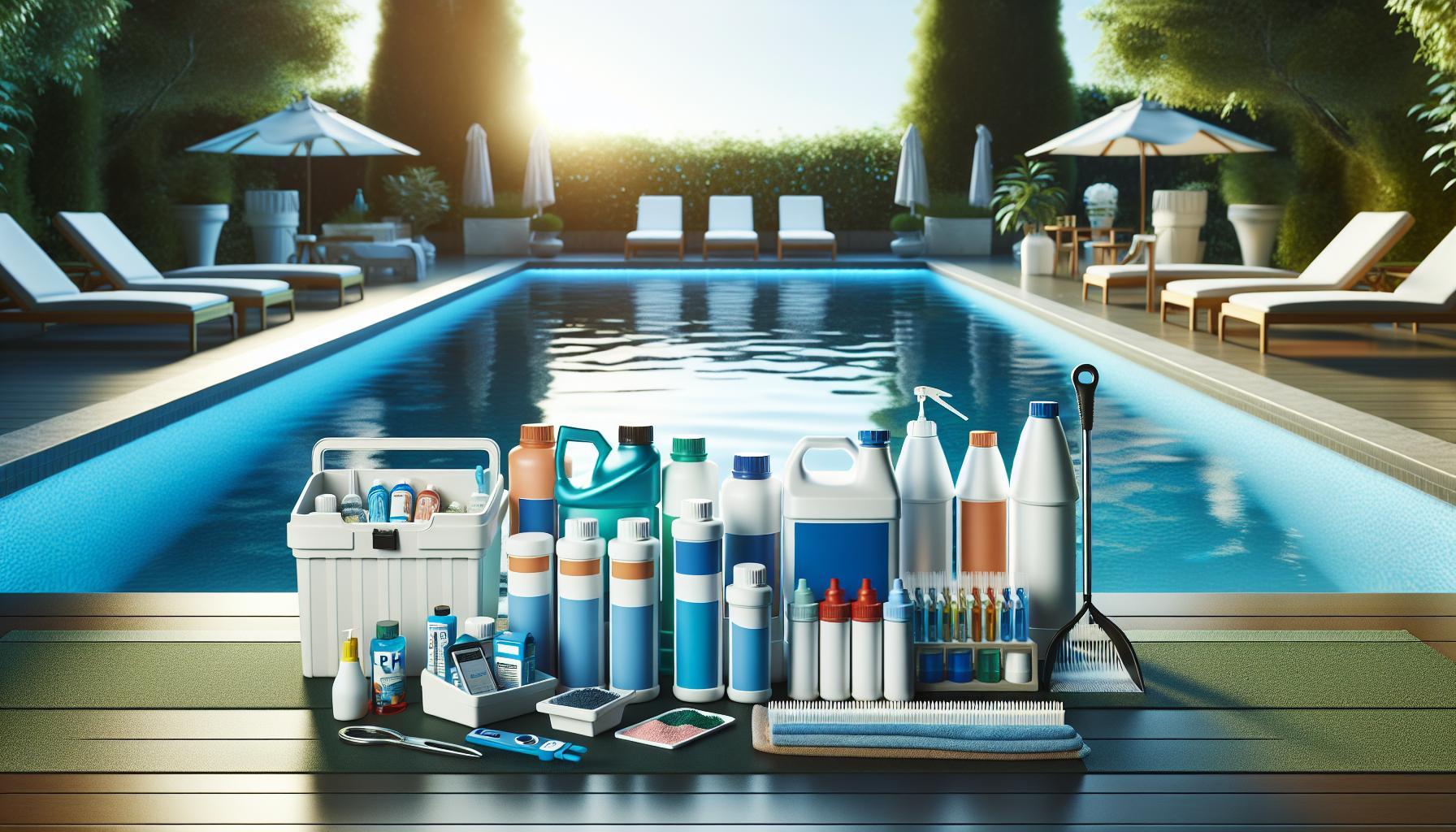
When it comes to cleaning your sand filter, having the right tools on hand can make the process smoother and more effective. With a few essential items, you can maintain your filter effectively and ensure that your pool remains crystal clear. Remember, proper maintenance will not only enhance the lifespan of your filter but also optimize its performance, so investing in the right equipment is crucial.
To begin with, here’s a list of tools you’ll need:
- Backwash Hose: A durable, flexible hose is critical for effectively directing waste water away from your pool area during the backwashing process.
- Filter Sand: Replacement sand is essential for your filter, typically needing replacement every 3-5 years. Make sure to opt for the right grade specified by your filter manufacturer.
- Protective Gear: Safety goggles, gloves, and masks keep you protected from dust and debris, ensuring a safe cleaning process.
- Vacuum Hose and Head: These tools enable you to remove dirt and debris from the pool floor, making it easier for your filter to do its job once it’s clean.
- Water Quality Testing Kit: Regular testing helps you monitor your pool water’s chemical balance, allowing you to clean the sand filter proactively.
- Bucket: Use a bucket to carry out the old sand safely when it’s time for replacement.
Having these tools at your disposal will empower you to tackle the cleaning process efficiently. For instance, when utilizing the backwash hose, ensure it’s connected properly to avoid water wastage. Similarly, keeping your water testing kit handy enables you to preemptively address any chemical imbalances, reducing the strain on your sand filter. Employing these tools as part of your regular maintenance routine not only simplifies the cleaning process but also enhances the overall effectiveness of your pool’s filtration system.
Step-by-Step Cleaning Process for Your Sand Filter
Cleaning your sand filter is a pivotal task in maintaining the health and clarity of your pool water. Regularly cleaning your sand filter ensures that it operates efficiently, removing dirt and debris effectively without straining your pump. Follow these straightforward steps to keep your sand filter in optimal condition.
Start the cleaning process by turning off your pool pump. Safety is paramount, so ensure the power is off before, during, and after maintenance. Next, locate the multiport valve on your sand filter. This valve has several settings, but for cleaning, you will primarily use the “Backwash” setting. Connect your backwash hose to the valve, ensuring it’s pointed away from the pool to prevent any debris from being redirected back into your water. Turn the valve to “Backwash” and restart the pump. Allow the pump to run for about 2-3 minutes. During this time, you should see dirty water flowing out through the hose.
Once backwashing is complete, turn off the pump again. Switch the multiport valve to the “Rinse” setting to clear any remaining dirt from the filter. After rinsing for about 1 minute, turn off the pump once more. Now, set the valve back to the “Filter” position to resume normal operation. If your sand filter’s sand appears dirty or clogged, it’s time to replace the sand. Remove the sand through the top of the filter using a bucket, taking care to minimize dust exposure. Rinse the new sand before adding it to ensure cleanliness and optimal performance.
Finally, check and maintain water balance in your pool. Use your water quality testing kit regularly to monitor chemical levels, as this can help prevent the filter from becoming overloaded. By adhering to these steps and maintaining a consistent cleaning schedule, your sand filter will contribute to a sparkling clean pool environment, ready for enjoyment at any time.
Common Mistakes When Cleaning Sand Filters
Cleaning a sand filter can seem straightforward, but many pool owners make common mistakes that compromise the effectiveness of their maintenance efforts. Avoiding these pitfalls can enhance filter performance and extend its lifespan, ensuring crystal-clear pool water all season long.
One frequent error is neglecting the importance of regular backwashing. Many believe that backwashing can be done sporadically, but this is a crucial step that should occur weekly or when the pressure gauge indicates a 7-10 psi increase compared to the clean setting. Failing to backwash adequately can lead to accumulated dirt and debris, hampering the filter’s ability to purify the water. Always monitor the pressure gauge and be proactive with backwashing.
Another mistake involves insufficient rinsing after backwashing. Some users rush this step or skip rinsing entirely, which can leave remaining debris in the filter. This could lead to cloudiness in pool water or the ineffective functioning of the filter. After backwashing, be sure to set the multiport valve to “Rinse” for at least one minute to clear out residual dirt properly.
Additionally, many owners overlook the importance of replacing the sand when it becomes excessively dirty or compacted. If you notice a significant decline in water clarity despite regular cleaning, it may be time to replace the sand. Using old, clogged sand not only diminishes filtration efficiency but can also put undue stress on the pump.
Lastly, don’t ignore the necessity of balancing your pool’s water chemistry after cleaning. Ignoring water balance can lead to problems like algae bloom or scale buildup, both of which can adversely affect filter performance. Incorporate regular testing and adjustments into your maintenance routine to maintain optimal water conditions and filter effectiveness. By avoiding these common missteps, you’ll ensure your sand filter operates smoothly and efficiently, keeping your pool water sparkling clear.
How Often Should You Clean Your Sand Filter?
Regular maintenance is essential for keeping your sand filter performing optimally. One question that frequently arises among pool owners is how often they should clean their sand filter. The answer can vary based on several factors, including pool usage, environmental conditions, and the design of the filtration system. However, a good rule of thumb is to backwash your sand filter every 4-6 weeks during the swimming season.
To determine if it’s time to clean your filter, pay close attention to the pressure gauge. When the pressure rises 7-10 psi above the normal clean range, it’s time to backwash. This process removes accumulated dirt and debris from the filter sand, ensuring your pool continues to be clear and free from contaminants. For owners with pools that see heavy usage or those situated in areas with a lot of debris, more frequent backwashing-possibly every 2-3 weeks-may be necessary.
In addition to backwashing, it’s advisable to perform a more thorough cleaning at least once a year. This deeper cleaning involves removing the sand from the filter, cleaning the inside of the tank, and replacing the sand with new, high-quality sand. This process typically takes place towards the end of the swim season, helping to prepare your filter for the next year.
Lastly, always remember to assess the clarity of your pool water. If you notice persistent cloudiness or a sudden drop in water quality, it may indicate the need for immediate filter cleaning, regardless of the schedule you have in place. Keeping a close eye on both your schedule and the pool’s condition will ensure your sand filter remains efficient, prolonging its life and maintaining the beauty of your pool.
Troubleshooting Issues with Your Sand Filter
Regular pool maintenance is crucial to ensure a smooth and enjoyable swimming experience. However, even with diligent care, sand filters can occasionally develop issues that hinder their performance. Recognizing and addressing these problems promptly not only saves time but also protects your investment. Below are some common troubleshooting solutions for the most frequent sand filter problems.
Common Issues and Solutions
- Sand Leaking Into the Pool: If you notice sand in your pool, it could be due to a damaged laterals or a worn-out filter. Inspect the filter and replace any broken components. Regular checks can prevent this issue from escalating.
- High Filter Pressure: Elevated pressure readings typically indicate that your filter is dirty or clogged. Backwashing your sand filter should help in this case. If backwashing isn’t effective, consider a deeper cleaning by removing and rinsing the sand.
- Dirty Water: If the water in your pool remains cloudy despite regular maintenance, it could signal that your sand filter is not capturing particles effectively. Backwash the filter or replace the sand if it’s nearing the end of its lifespan, usually every 3-5 years as recommended.
- Slow Return to Pool: If water is returning slowly to the pool, inspect the multiport valve and ensure it’s set correctly. Also, check for any blockages in the plumbing that could restrict flow.
- Leaking Sand Filter: Inspect for leaks in the filter unit itself. Cracks in the tank or fittings can cause problems and may require replacement or repair. Ensure all connections are tight and functional.
Regular Maintenance Checks
To keep your sand filter working correctly, establish a routine for inspections. Conduct a visual check of the filter and surrounding equipment monthly. Pay special attention to the pressure gauge-if it fluctuates significantly, take action immediately. Additionally, monitor the clarity of your pool water, as murky water can signal underlying issues.
When addressing sand filter problems, remember that prevention is often the best remedy. Regular backwashing, routine sand replacements, and thorough cleaning at least once a year are essential practices. Also, encourage proper chemical balancing and cleanliness to avoid unnecessary strain on the filtration system. By following these guidelines, pool owners can troubleshoot effectively and maintain the efficiency of their sand filters.
Maintenance Tips for Long-Lasting Sand Filter Performance
To ensure that your sand filter remains in top condition and continues to provide clear, clean water for your pool, consistent maintenance is essential. A well-maintained sand filter not only enhances the overall efficiency of your pool system but also extends the life of your equipment, making it a worthwhile investment.
A fundamental practice is to frequently monitor the pressure gauge on your filter. Ideally, this gauge should read between 10 to 20 psi during normal operation. If the pressure spikes by 8 to 10 psi above the baseline, it’s time to backwash the filter. This quick action helps to remove debris and sediment that can hinder performance. Regular backwashing-typically every 4 to 6 weeks-prevents build-up and ensures the filter operates efficiently.
Additionally, consider giving your sand filter a comprehensive clean at least once annually. This involves not only backwashing but also removing and rinsing the sand. Every 3 to 5 years, be prepared to replace the sand, as its effectiveness diminishes over time, allowing more particles to pass through unfiltered. Use high-quality, silica sand specifically intended for pool filters to maintain optimal performance.
Lastly, keep an eye on the water chemistry. Proper chemical balancing prevents algae growth and reduces strain on your filter. Regularly test the water’s pH, alkalinity, and chlorine levels to ensure they are within the recommended ranges. This proactive approach protects your filter from unnecessary load and prolongs its operational life, ensuring your pool remains a clean and inviting oasis.
Understanding Sand Filter Replacement: When and How
When it comes to maintaining your swimming pool, recognizing when to replace your sand filter is crucial for ensuring clean and clear water. Sand filters are built to last, but the filtration media-a vital component of the system-has a limited lifespan. Over time, sand can become less effective at trapping debris and particles, which could lead to cloudy water or a spike in contaminants. Understanding the signs that indicate a need for replacement, along with knowing how to perform the process, empowers you to keep your pool in pristine condition.
One of the primary indicators that it’s time to replace your sand filter is when you notice persistent increases in pressure or diminished water clarity, even after regular backwashing. Typically, sand filters should be replaced every 3 to 5 years, depending on usage, environmental conditions, and how well you maintain your pool. If backwashing fails to bring the pressure down or if you find yourself backwashing more frequently-closer to every 2 weeks instead of every 4 to 6 weeks-it’s a signal that the sand has lost its effectiveness. Similarly, if water flow decreases significantly, it could mean that the sand is clogging and needs to be replaced.
How to Replace Your Sand Filter
Replacing your sand filter doesn’t have to be a daunting task. Here’s a straightforward guide to help you through the process:
- Turn Off the System: First and foremost, ensure that your pool pump and filter system are completely turned off to avoid any accidents.
- Drain the Filter: Open the drain valve and allow the sand filter to drain completely. This may take a few minutes.
- Remove the Multiport Valve: Carefully detach the multiport valve from the top of the filter, making sure you note how it’s connected for reassembly.
- Take Out the Old Sand: Use a vacuum or a scoop to remove the old sand from the filter tank. Be cautious, as the sand may be heavy and make a mess.
- Clean the Tank: Rinse out the inside of the tank to eliminate any residual dirt or contaminants.
- Add New Sand: Using high-quality silica sand specifically designed for pool filters, fill the tank according to the manufacturer’s guidelines, typically 1/3 to 1/2 full, depending on the size of your filter.
- Reattach the Multiport Valve: Secure the valve back onto the filter, ensuring all connections are tight.
- Start the System: Turn on the pump and check for any leaks. Run the filter for a few minutes, then backwash to ensure any dust from the new sand is cleared.
Performing this replacement proactively will save you from larger issues down the line. It’s more than just a maintenance task; it’s a significant part of your pool’s overall health and functionality. Your commitment to looking after your sand filter will lead to a more enjoyable swimming experience, making your pool a refreshing getaway throughout the season.
Safety Precautions for Cleaning Your Sand Filter
Cleaning your sand filter is essential for maintaining a sparkling pool, but safety should be your top priority during the process. The interaction between water and electrical equipment, combined with the need to handle potentially heavy materials, necessitates careful planning and execution. Ensuring a safe cleaning environment not only protects you but also safeguards your pool equipment.
Begin by turning off the power to the pool pump and filter system. Mistakes during cleaning can lead to serious accidents, so ensuring that the system is powered down eliminates the risk of electric shock or accidental activation while you work. Wear appropriate safety gear, including gloves and goggles, to protect yourself from debris, dust, and any chemicals that might be present in the sand. This protective equipment is especially important when handling materials that can irritate your skin or eyes.
As you proceed with disassembling the filter, always be mindful of the weight of the sand. Sand can be quite heavy, especially when accumulated over time. Consider using a dust mask to avoid inhaling any fine sand particles that may be released during the cleaning process. Additionally, if your filter tank is placed at a height, use a proper ladder if needed, ensuring it is stable to prevent falls.
In case of any leaks or signs of damage discovered during the cleaning process, address these immediately. Don’t hesitate to consult the manufacturer’s guidelines or seek professional help if repairs seem complex. By taking these precautions, you’ll create a safe working environment, allowing you to efficiently clean your sand filter and keep your pool water clear and inviting for your enjoyment.
Benefits of Regular Sand Filter Maintenance
Regular maintenance of your sand filter is crucial for ensuring crystal-clear pool water and optimizing the lifespan of your filtration system. Neglecting this task can lead to several issues, from reduced water clarity to costly repairs or replacements. By committing to routine maintenance, you save both time and money in the long run, while also enjoying a healthier swimming environment.
The most immediate benefit of consistent sand filter maintenance is improved water quality. A well-maintained filter effectively traps dirt, debris, and contaminants, preventing them from circulating back into your pool. This means lower levels of bacteria and algae, which not only keeps your pool looking inviting but also reduces the need for excessive chemical treatments. As a result, maintaining optimal water balance becomes far more manageable, leading to a safer swimming experience for your family and guests.
Additionally, regular maintenance helps extend the lifespan of your sand filter system. By addressing minor issues before they escalate into significant problems, you can avoid the wear and tear that often leads to malfunction. For instance, routine backwashing and sand replacement can help maintain filter efficiency and reduce pressure buildup. This proactive approach minimizes the risk of needing major repairs or a complete filter replacement, which can be quite expensive.
In addition to cost savings, the environmental cannot be overlooked. By ensuring your filtration system operates efficiently, you help conserve water and chemicals, making your pool more eco-friendly. Furthermore, a clearer pool reduces the frequency of backwashing, which can waste treated water and contribute to runoff issues.
Overall, making sand filter maintenance a priority pays off in numerous ways. Not only do you enhance the aesthetic and hygienic quality of your pool water, but you also contribute to a more sustainable pool maintenance routine. Taking these steps will empower you to keep your pool in peak condition and enjoy an inviting oasis all season long.
Comparing Sand Filters: Why Choose This Option?
When it comes to pool filtration, sand filters often stand out as a popular choice among pool owners for several compelling reasons. Their combination of efficiency, durability, and ease of maintenance makes them a strong contender in the filtration market. Unlike other filtration systems, sand filters utilize a simple yet effective mechanism where water flows through sand, trapping dirt and debris. This natural filtration process is not only cost-effective but also helps maintain the clarity and cleanliness of your pool water.
One of the key advantages of sand filters is their relatively low maintenance compared to other types of filters. While cartridge filters require periodic replacement of filter cartridges, sand filters typically need just a backwash and sand replacement every 3-5 years. This means less hassle and lower ongoing costs for pool maintenance. Moreover, the capacity of sand filters to handle larger volumes of water makes them ideal for both residential and commercial pools.
Another aspect worth considering is the environmental impact of various filtration methods. Sand filters operate efficiently without the need for harsh chemicals, which can sometimes leach into water systems. By choosing a sand filter, pool owners can not only ensure effective water purification but also contribute to a healthier ecosystem. Additionally, sand can be recycled and reused, making these filters a more sustainable option in the long run.
In summary, selecting a sand filter is a decision rooted in practicality and sustainability. Its user-friendly operation, minimal maintenance needs, and environmental benefits make it a fitting choice for pool owners looking to keep their swimming environments clean without overwhelming effort or impact. With proper maintenance practices, including regular cleaning and monitoring, a sand filter can maintain your pool’s water quality and clarity for years to come.
Faq
Q: How do I know when my sand filter needs cleaning?
A: You can identify the need for cleaning by monitoring the pressure gauge on your sand filter. If the pressure rises 8-10 psi above the normal operation level, it’s time to clean the filter. Regular checks help maintain optimal performance and prevent circulation issues.
Q: Can I clean my sand filter without backwashing?
A: Yes, you can clean a sand filter without backwashing by using a sand filter cleaner solution. These products help break down contaminants without the need for backwashing, extending the life of your filter sand. Follow the product instructions for the best results.
Q: What is the best way to prevent algae in my sand filter?
A: To prevent algae, regularly clean your sand filter and maintain proper chlorine levels in the pool. Additionally, using algaecides as part of your regular maintenance can help inhibit algae growth and keep your water clear.
Q: How long should I run my sand filter after cleaning?
A: After cleaning your sand filter, run it for at least 24 hours to ensure all debris is properly removed. This helps restore optimal filtration performance and ensures your pool remains clean and safe to use.
Q: What can I do if my sand filter is leaking?
A: If your sand filter is leaking, first check for loose fittings and tighten them. If the leak persists, inspect the filter tank and valves for cracks or damage. Replacing worn components can resolve the issue. For specific troubleshooting steps, refer to the “Troubleshooting Issues with Your Sand Filter” section.
Q: Is it possible to clean sand filter sand?
A: Yes, sand in the filter can be rinsed and reused if it hasn’t broken down. Remove the sand, rinse thoroughly with water to clear debris, and ensure it’s dry before adding it back to the filter. However, replacing old sand every 3-5 years is recommended for best performance.
Q: How does the weather affect my sand filter cleaning schedule?
A: Weather impacts cleaning frequency; heavy rains and high temperatures can increase debris and algae growth, necessitating more frequent cleaning. Adjust your cleaning schedule based on pool usage and environmental conditions to maintain water clarity effectively.
Q: Can I use vinegar to clean my sand filter?
A: While vinegar can help clean surfaces, it’s not recommended for sand filters. Vinegar may not be effective at removing built-up oils and residues. Instead, use a specialized filter cleaner designed for sand filters to ensure thorough cleaning and optimal performance.
In Retrospect
Now that you know how to clean your sand filter, you can keep your swimming pool crystal clear and inviting all season long! Regular maintenance not only enhances your filter’s performance but also extends its lifespan. Don’t wait for cloudy water-take action now and implement these steps to ensure your pool is always ready for a swim.
For additional tips on pool care, check out our guides on chemically cleaning your sand filter for deeper maintenance and troubleshooting common pool issues to keep everything in top shape. If you found this guide helpful, consider signing up for our newsletter for exclusive tips and pool care insights, or explore our product pages for high-quality pool cleaning supplies.
Engage with us-share your experiences or ask questions in the comments below! Your sparkling pool awaits, so get started today on keeping it the oasis you dream of!