When it comes to maintaining your pool, understanding the chemistry is crucial for keeping the water safe and enjoyable. One common concern among pool owners is whether shocking a pool can affect its alkalinity levels. This topic is vital, as proper alkalinity ensures that your pool remains balanced, protects your equipment, and enhances swimmer comfort.
Shocking your pool can offer quick solutions to problems like algae growth and cloudy water, but it’s essential to know how it interacts with your water’s alkalinity. Lowering alkalinity unexpectedly can lead to further imbalances, affecting pH levels and the overall water quality. By grasping this concept, you can make informed decisions and take proactive steps to safeguard your pool’s environment.
Curious about the connection between shocking and alkalinity? Keep reading to explore the nuances and solutions that will help you maintain a healthy and inviting pool for everyone to enjoy.
Will Shock Treatments Impact Alkalinity Levels?
It’s a common misconception that shocking your pool to disinfect it and eliminate contaminants will significantly alter its alkaline levels. In reality, while chlorine shock treatments primarily target the pool’s bacteria and organic matter, they can have a minimal effect on total alkalinity. This is largely because the process of shocking – whether using granular chlorine, liquid bleach, or other chlorine-based products – typically does not contain significant amounts of alkaline substances, so it won’t drastically lower alkalinity on its own.
However, it’s crucial to understand the interplay between shock treatments and water chemistry. Shocking your pool can temporarily lower the pH of the water, which might give the impression that the alkalinity has changed. Since alkalinity serves as a buffer for your pool’s pH levels, if pH drops after shocking, water chemistry can feel unbalanced until further adjusted. Therefore, after you shock, it’s essential to retest both your pH and alkalinity, ensuring they remain within the optimal ranges: a total alkalinity of 80-120 ppm and a pH between 7.2 and 7.6.
To effectively manage these levels, monitor your water frequently, particularly after performing shock treatments. If alkalinity is too high, you may need to add an acid (like muriatic acid) to bring it down. Conversely, if alkalinity is low, you can use sodium bicarbonate (baking soda) to raise it. Always remember, irrespective of whether you’re shocking your pool or adjusting alkalinity, the key is consistent monitoring and maintenance to ensure a safe and enjoyable swimming experience.
Understanding Pool Alkalinity and pH Balance
Properly managing pool alkalinity is crucial for maintaining balanced water chemistry, ensuring a safe and enjoyable swimming environment. Alkalinity acts as a buffer for pH levels, helping to prevent drastic shifts that could irritate skin or eyes and damage pool equipment. The optimal range for total alkalinity is typically between 80-120 parts per million (ppm). When the alkalinity is within this range, it helps stabilize the pH, making it easier to maintain it effectively.
Understanding the relationship between alkalinity and pH is vital. Alkalinity consists primarily of bicarbonates, carbonates, and hydroxides, which react to changes in acidity. If the alkalinity is too low, the pH can rise or fall significantly with the introduction of acids (like chlorine shock), leading to a phenomenon called “pH bounce.” This instability can cause discomfort for swimmers and potentially lead to costly repairs for pool surfaces and systems. Conversely, high alkalinity can resist pH changes but may lead to cloudy water and scaling on surfaces.
To maintain these levels effectively, regular testing is essential. Use a good-quality test kit to measure both pH and alkalinity at least once a week or more frequently during heavy pool usage. If adjustments are necessary, here are some immediate steps:
- For high alkalinity: Add a tested amount of muriatic acid or sodium bisulfate to lower alkalinity. Follow the manufacturer’s instructions regarding dosing.
- For low alkalinity: Use sodium bicarbonate (baking soda), which raises alkalinity without drastically altering pH levels.
By actively monitoring and adjusting alkalinity levels, you will ensure a comfortable swimming experience and prolong the lifespan of your pool’s infrastructure. Remember, a balanced pool is not only inviting but also promotes safety and peace of mind for all users.
How Shocking Pools Works: The Science Explained
Shocking a pool is a critical maintenance practice that not only sanitizes the water but also impacts its chemical balance. When chlorine shock is added to the pool, it significantly increases the concentration of chlorine in the water, effectively targeting harmful contaminants and pathogens. However, this sudden influx of chlorine can also lead to changes in the pool’s alkalinity levels, a vital aspect of water chemistry.
The process of shocking relies on a chemical reaction where chlorine breaks down organic matter, such as algae and bacteria. This reaction produces acidic byproducts, which can influence the overall pH of the pool water. When chlorine levels spike, they can exert additional pressure on buffering agents like bicarbonates that maintain alkalinity. As a result, you may find that alkalinity temporarily decreases after shock treatments, especially if the water chemistry was already unbalanced before treatment.
To manage alkalinity effectively post-shock, it’s crucial to monitor water chemistry closely. Here’s a straightforward strategy to maintain balance:
- Test water parameters: Use a reliable testing kit to check both pH and alkalinity levels after shocking. This helps you understand the changes your pool has undergone.
- Adjust accordingly: If alkalinity has dipped below the optimal range (80-120 ppm), add sodium bicarbonate to raise it without major shifts in pH.
- Wait before retesting: After adding chemicals, wait several hours (or as directed) before retesting to get accurate results.
By understanding how shock treatments interact with your pool’s chemistry, you can take proactive steps to maintain balanced, safe, and clear water. Always remember that regular testing and timely adjustments are keys to successful pool care.
The Link Between Chlorine Shocks and Alkalinity
When it comes to pool maintenance, understanding the relationship between chlorine shocks and alkalinity is essential for keeping your water balanced and safe for swimming. Chlorine shock treatments are primarily intended to eliminate contaminants like bacteria and algae, but they can also impact the chemical equilibrium in your pool, particularly its alkalinity levels. When chlorine is introduced in large doses, it can lead to a temporary decline in alkalinity, affecting the pool’s overall pH stability.
The mechanism behind this phenomenon lies in the chemical reactions that occur during shocking. As chlorine attacks organic matter, it produces acidic byproducts that can reduce the concentration of buffering agents-namely bicarbonates-that help maintain alkalinity. If your pool water was already on the lower end of the alkalinity spectrum prior to shocking, you might observe a noticeable dip in alkalinity after treatment. This is a critical factor to monitor, as inadequate alkalinity can lead to fluctuating pH levels, making your pool water corrosive or scale-forming.
To effectively manage and restore alkalinity following a shock treatment, take the following proactive steps:
- Regular Testing: Use a reliable water testing kit to check alkalinity and pH levels shortly after shocking. This will help you assess the impact of the shock treatment and understand what adjustments may be necessary.
- Add Buffering Agents: If your alkalinity readings fall below the optimal range of 80-120 ppm, consider adding sodium bicarbonate (baking soda). It’s effective for raising alkalinity without causing significant shifts in pH.
- Give It Time: After making any adjustments, be patient. Wait several hours-usually at least 4-6-before retesting the water to ensure accurate readings. Immediate testing may yield misleading results due to residual chemicals still reacting in the water.
By staying attentive to your pool’s chemical balance and implementing these practices after shocking, you can help ensure your swimming environment remains safe, comfortable, and enjoyable. Regular oversight and timely adjustments are keys to maintaining a healthy pool, allowing you to enjoy crystal-clear waters all season long.
Signs Your Pool’s Alkalinity is Impacted
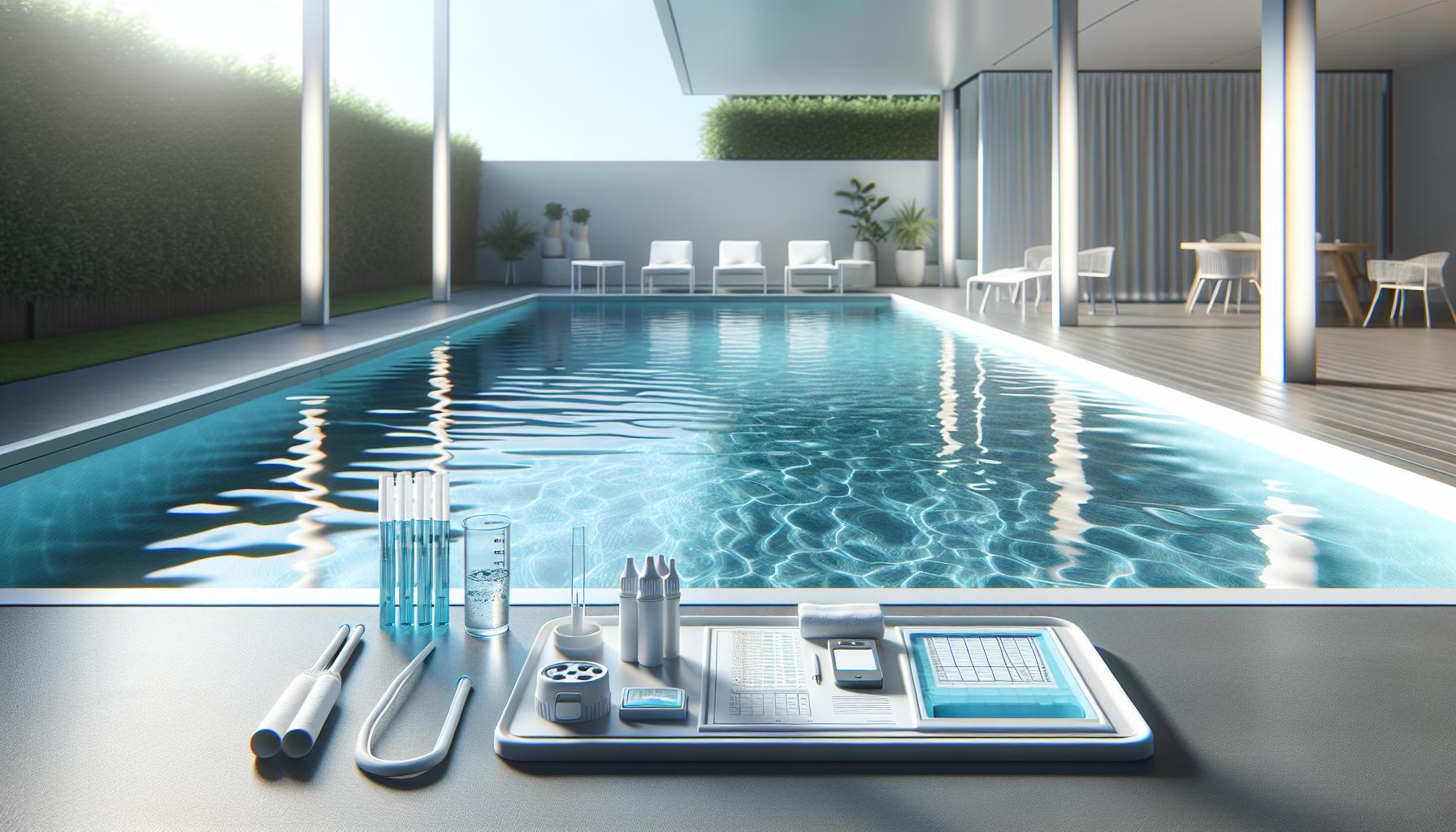
Changes in your pool’s alkalinity can occur subtly, often before more serious issues arise. Keeping an eye on specific signs can help you address problems early, ensuring a safe swimming environment. One of the first indicators that alkalinity levels may be impacted is water clarity. If you notice that your pool’s water has become cloudy or hazy, it could signal a drop in alkalinity which hampers your pool’s ability to stabilize pH levels effectively.
Additionally, evaluate the comfort of swimmers. Ensuring a pleasant swimming experience is vital. If swimmers start to experience skin irritations or eye redness, it often points to imbalances, including those related to alkalinity. Proper alkalinity levels help buffer the harshness of chlorine and maintain pH, both crucial for swimmer comfort.
Another telltale sign is the presence of scale or mineral buildup along the pool walls and equipment. A pool suffering from low alkalinity may experience fluctuating pH levels, leading to corrosion of surfaces or the formation of scale deposits. This not only affects aesthetic appeal but could also lead to costly repairs down the line.
To effectively assess these signs, consider implementing a routine testing schedule. Check for fluctuations not only after shocking but also at regular intervals throughout pool maintenance. If you observe these indicators, follow up with proper adjustments, such as adding sodium bicarbonate if alkalinity dips below 80 ppm. By maintaining vigilance and addressing these symptoms proactively, you can better ensure the long-term health and clarity of your pool.
- Cloudy Water: A change in water clarity is often one of the first signs of alkalinity issues.
- Swimmer Discomfort: Red, irritated skin and eyes can indicate low alkalinity levels.
- Scale Buildup: Regularly inspect for mineral deposits that suggest instability in chemical balance.
- Frequent pH Fluctuations: Note if your pool requires constant adjustment of pH levels.
By staying attuned to these symptoms, you can take decisive action and maintain an inviting and balanced pool environment.
Step-by-Step Guide to Testing Alkalinity
Testing your pool’s alkalinity is crucial for maintaining a healthy swimming environment, especially after performing shock treatments. Alkalinity acts as a buffer for pH levels, preventing rapid fluctuations that can lead to swimmer discomfort and damage to your pool equipment. Here’s a straightforward guide to help you test alkalinity effectively, ensuring your pool remains clear and safe.
Start by gathering your supplies: you’ll need a reliable test kit or test strips specifically designed for measuring alkalinity. Make sure the testing equipment is calibrated and suitable for your pool’s chemistry. It’s also useful to have a clean container for collecting water samples.
Once you have your supplies, follow these simple steps:
- Collect a Water Sample: Using your clean container, scoop pool water from about elbow-deep (shoulder-deep if possible) to ensure a representative sample. Avoid getting any debris or particles in the container.
- Perform the Test: If using a test kit, follow the manufacturer’s instructions. Generally, this involves adding a specified number of drops from your reagent bottle to the water sample. If you’re using test strips, simply dip one into the water for the time indicated in the instructions.
- Wait and Observe: Allow the sample to sit for the time recommended by the manufacturer. This duration is crucial for accurate color development, which will help you determine alkalinity levels.
- Compare Colors: After the waiting period, compare the color of your sample against the color chart provided with your test kit. This will indicate the total alkalinity level in parts per million (ppm). Ideally, alkalinity should be between 80 and 120 ppm for optimal water balance.
- Record and Adjust: Document the results for ongoing maintenance tracking. If the alkalinity level is outside the ideal range, take corrective actions as needed, such as adding sodium bicarbonate (to raise alkalinity) or muriatic acid (to lower it).
Regular testing is essential, especially after shocking your pool, as chemical treatments can temporarily alter alkalinity levels. By implementing a routine testing schedule and responding promptly to any imbalances, you can enhance swimmer comfort and prolong the life of your pool equipment.
Adjusting Alkalinity: Effective Solutions and Tips
After shocking your pool, it’s not uncommon to wonder how to adjust alkalinity levels effectively to maintain a safe and pleasant swimming environment. The shock treatment can lead to temporary shifts in your pool’s chemistry, potentially lowering alkalinity levels. Understanding how to remedy this situation is key to keeping your pool water balanced and inviting.
To boost alkalinity, consider the following strategies:
- Add Sodium Bicarbonate: This is one of the most straightforward methods for increasing alkalinity. When dissolved in water, sodium bicarbonate (baking soda) raises both alkalinity and pH levels. A general recommendation is to add about 1.5 pounds of sodium bicarbonate per 10,000 gallons of water to increase alkalinity by roughly 10 ppm.
- Use Alkalinity Increaser Products: Many pool supply stores offer specialized alkalinity increaser products, often composed of sodium bicarbonate. Follow the manufacturer’s recommendations for dosage based on your pool’s size and the current alkalinity level.
- Retest After Treatment: After adding sodium bicarbonate or any increaser, allow the water to circulate for at least 4 to 6 hours before retesting the alkalinity. This waiting period ensures that the chemicals have had sufficient time to mix and affect the water chemistry properly.
- Monitor pH Levels: While adjusting alkalinity, keep an eye on your pool’s pH levels as well. Ideally, pH should remain between 7.2 and 7.6. If pH rises too high, additional adjustments might be necessary.
Maintaining proper alkalinity is an ongoing process. Regular testing, especially after shocking, ensures your pool stays within the ideal range of 80 to 120 ppm, promoting a healthier swimming environment. Taking proactive steps to adjust alkalinity allows you not only to enjoy crystal-clear water but also to extend the lifespan of your pool equipment, which is sensitive to chemical imbalances.
When to Shock Your Pool: Best Practices
To ensure a sparkling and safe swimming pool, knowing when to shock it is crucial. Regular maintenance is important for preventing algae growth and ensuring water clarity, but there are specific instances that call for shock treatments. If you notice cloudy water, an increase in organic debris, or if your pool has been subjected to heavy usage, these are signifying criteria that it’s time to apply a shock treatment.
Another significant time to shock your pool is after rainstorms, especially if the water appears discolored or has been impacted by debris. Rain can introduce contaminants, including bacteria and other pathogens, into the pool water. Shocking helps to eliminate these harmful elements and restores sanitary conditions. Additionally, you should plan to shock your pool after a period of inactivity, like during holidays or for extended vacations, to refresh and revitalize the water for returning swimmers.
Steps for Effective Shocking
Here are some steps to maximize the effectiveness of your shock treatment:
- Choose the Right Shock: There are various types of pool shock available, such as chlorine-based or non-chlorine shock. Select the one that best suits your pool type and conditions.
- Check the Forecast: Preferably, shock your pool in the evening or on a cloudy day to reduce the effects of sunlight, which can dissipate chlorine quickly.
- Prepare the Pool: Ensure that your filter is running and the pool is clean. Vacuum any debris and brush walls and floors to help distribute the shock uniformly.
- Follow Dosage Instructions: Use the manufacturer’s guidelines to determine the correct amount of shock for your pool size. It is essential to use the proper dosage to avoid over-treatment.
- Retest Water Chemistry: After the shock treatment, wait the recommended time, usually about 12 hours, and then retest your pool’s alkalinity, pH, and chlorine levels before allowing swimming.
By adhering to these best practices, you can effectively manage your pool’s water quality post-shock, ensuring a healthy and enjoyable swimming experience. Always stay vigilant about your pool’s condition, and adjust your shocking schedule based on usage and environmental factors to maintain optimal water chemistry.
Common Mistakes When Shock Treating Pools
Although shocking your pool is essential for maintaining clean and safe water, many pool owners inadvertently make mistakes that can affect their pool’s chemistry, particularly alkalinity levels. One common error is failing to test the water before shocking. Always check the alkalinity and pH levels first; shocking can cause fluctuations in these values, and knowing your starting point helps you better manage them afterward.
Another frequent mistake is using the wrong type or dosage of shock. Different types of shock-chlorine-based or non-chlorine-affect water chemistry differently. In particular, overusing chlorine shock can temporarily decrease total alkalinity, leading to a pH drop that may cause issues like corroded pool equipment and skin irritation for swimmers. Always adhere to the manufacturer’s instructions for proper dosage based on your pool size and current chemical levels.
It’s also crucial not to overlook timing when shocking. Shocking your pool in direct sunlight not only wastes chemicals but can also lead to uneven distribution, resulting in pockets of high chlorination and inconsistent water conditions. Instead, aim to shock during the evening or on cloudy days for optimal efficacy and to ensure that chlorine is effectively working to eliminate contaminants without quick degradation.
Finally, many pool owners neglect to retest their water chemistry after shocking. Waiting for 12 hours and then conducting tests can help you determine if further adjustments are needed, especially if you notice signs of imbalance. By taking these practical steps and avoiding these common pitfalls, you’ll successfully protect your pool’s alkalinity and maintain a healthier swimming environment.
Maintaining Optimal Alkalinity Post-Shock
Maintaining the proper alkalinity levels in your pool after shocking is critical for ensuring a safe and pleasant swimming environment. Shock treatments can temporarily disrupt your pool’s chemical balance, often leading to fluctuations in total alkalinity and pH. A well-balanced pool not only enhances swimmer comfort but also protects your pool equipment from corrosion and damage.
To actively maintain optimal alkalinity post-shock, start by retesting your water chemistry approximately 12 hours after application. This timeframe allows the chemicals to circulate and stabilize, providing an accurate reading. If you find that your alkalinity is low (below 80 ppm), you can increase it by adding sodium bicarbonate (baking soda). A general rule of thumb is to add about 1.5 pounds of sodium bicarbonate per 10,000 gallons of water to raise alkalinity by approximately 10 ppm. If your pool has high alkalinity (above 120 ppm), use muriatic acid or sodium bisulfate to lower levels, being careful to follow the product instructions closely.
Monitoring and Adjusting Alkalinity
Once your alkalinity is within the recommended range, aim to monitor it regularly, ideally once a week, especially during peak swimming seasons or after heavy rainfall. Consistent testing allows you to catch any imbalances early. Additionally, consider implementing routine maintenance practices such as:
- Regular skimming and brushing to remove debris and contaminants.
- Ensuring your filtration system runs adequately, as good circulation is essential for chemical distribution.
- Adding pool water as needed to compensate for evaporation, especially in hot weather.
By closely monitoring these factors, you can help ensure that your pool maintains a balanced environment that supports both equipment longevity and swimmer comfort.
Common Post-Shock Challenges
It’s also important to note common challenges that can arise in the period following a shock treatment. High chlorine levels immediately after shocking can lead to higher acidity, which might temporarily lower your alkalinity. If you notice acidic water post-shock, add alkalinity increaser to counteract it.
Incorporating these maintenance practices and adjustments will empower you to confidently manage your pool’s alkalinity levels post-shock. By being proactive and addressing any issues quickly, you can enjoy your swimming oasis with peace of mind.
Alternative Pool Treatment Methods for Alkalinity Management
One effective way to manage alkalinity levels in your pool is through the use of alternative chemical treatments, providing you with more options than traditional shock treatments alone. While shocking your pool is essential for maintaining sanitation, it can sometimes lead to immediate fluctuations in alkalinity. Fortunately, there are several other methods and products available that can help stabilize your pool’s alkalinity levels effectively.
Using alkalinity increasers is one of the most common approaches to raising low alkalinity. Products like sodium bicarbonate can be easily added when you find your levels drop below the recommended range (80-120 ppm). To apply, simply add approximately 1.5 pounds of sodium bicarbonate per 10,000 gallons of water to increase alkalinity by about 10 ppm. This method is straightforward and can be done during your regular maintenance routines.
Conversely, if you encounter high alkalinity levels, it’s crucial to act promptly to avoid further complications, such as difficulty in balancing your pool’s pH levels. Muriatic acid or sodium bisulfate are effective options to lower alkalinity. Carefully follow the manufacturer’s instructions for dosage, typically starting with small amounts to gauge the reaction before adding more. Safety precautions, such as wearing gloves and goggles, should always be observed when handling these chemicals.
Additionally, consider implementing natural treatments like well-balanced enzyme products. These can help break down contaminants and assist in stabilizing chemical levels, which may contribute to overall pool health. Another insightful alternative is using baking soda as a part of your regular cleaning and maintenance routine. Regularly adding small amounts during routine cleanings not only helps in maintaining alkalinity but keeps the water clearer and more pleasant for swimming.
Being proactive with these methods not only enhances your pool experience but can also save you from potential issues down the line. Simple, consistent habits focusing on the right balance of chemicals can lead you to a cleaner, healthier swimming environment for you and your guests. Remember to test regularly and adjust according to your unique pool conditions, ensuring that your haven remains enjoyable all season long.
Expert Insights: FAQs About Pool Alkalinity and Shocking
When it comes to maintaining your pool, understanding the relationship between shock treatments and alkalinity levels is crucial for effective water management. One common question is whether shocking your pool will lower alkalinity. The quick answer is yes, but the impact varies based on the type of shock used and your pool’s existing chemical balance. Chlorine-based shock treatments can raise chlorine levels significantly, and in the process, they can slightly alter alkalinity. However, the change is usually minor unless your pool’s alkalinity is already unbalanced or if excessive quantities of shock are applied.
For those concerned about maintaining optimal alkalinity post-shock, regular testing is key. Testing strips or liquid test kits can help you monitor changes in alkalinity after shocking, typically within a few hours or the next day. Aim for an alkalinity level between 80 to 120 ppm; if you discover a drop below this range, adjusting your alkalinity with sodium bicarbonate can help. This product is not only effective but easy to use. Simply add approximately 1.5 pounds per 10,000 gallons of water to raise alkalinity by about 10 ppm immediately.
It’s also worth noting that while shocking is necessary for sanitation, it should be done with a strategy in mind. Avoid shocking your pool too frequently; follow a maintenance schedule based on usage, weather conditions, and water quality to keep chlorine levels stable without unduly affecting alkalinity. If you’re unsure, consider the valuable insight from professionals regarding your specific pool type and condition, as various factors like pH, bather load, and weather can influence results.
Lastly, don’t overlook the importance of preventive measures. Maintaining a consistent balance of all pool chemicals minimizes drastic fluctuations in alkalinity and pH, leading to fewer issues down the line. Regular maintenance, such as using quality balancers and keeping an eye on water quality, sets the stage for a cleaner, safer swimming environment. With a little diligence and proactive testing, you’ll maintain the perfect balance to enjoy your pool all season long.
FAQ
Q: Does shocking a pool affect alkalinity levels?
A: Yes, shocking a pool can impact alkalinity levels. The process of adding chlorine or shock treatments may lower alkalinity, especially if muriatic acid is used. It’s essential to monitor and adjust alkalinity levels afterward to maintain balanced water chemistry.
Q: What should I do if my pool’s alkalinity drops after shocking?
A: If your pool’s alkalinity decreases after shocking, you can raise it by adding sodium bicarbonate (baking soda). It’s recommended to add 1.5 pounds of baking soda per 10,000 gallons of water for a 10 ppm increase. Test your levels regularly to ensure proper balance.
Q: How often should I shock my pool to maintain alkalinity?
A: You should shock your pool every 1-2 weeks during peak usage seasons, or as needed after heavy rain or algae blooms. Regular shocking helps maintain water clarity and prevents imbalances, keeping alkalinity levels stable when combined with proper pH management.
Q: Can high alkalinity affect the effectiveness of pool shock?
A: Yes, high alkalinity can hinder the effectiveness of pool shock. If alkalinity levels are above 120 ppm, it can buffer the chlorine, leading to inadequate sanitation. It’s advisable to lower alkalinity first to enhance shock effectiveness.
Q: How does pool shock impact pH and alkalinity together?
A: Pool shock treatments typically lower both pH and alkalinity levels. While you need to address pH after shocking, always check alkalinity too, as the two are interconnected. Maintaining alkalinity helps stabilize pH levels in your pool.
Q: What is the best time to shock a pool with high alkalinity?
A: The best time to shock a pool with high alkalinity is in the evening. This prevents the sun from degrading the chlorine before it can effectively sanitize the water. Also, check and adjust alkalinity before shocking for optimal results.
Q: Are there alternative treatments to manage alkalinity besides shocking?
A: Yes, besides shocking, you can manage alkalinity using a pH decreaser like muriatic acid. Regular testing and balancing, along with maintaining proper chemical levels, will suffice. Products designed specifically for alkalinity management can also be effective.
Q: Why is it essential to maintain alkalinity after shocking?
A: Maintaining proper alkalinity after shocking is crucial to prevent rapid pH fluctuations. Optimal alkalinity acts as a buffer, stabilizing pH levels and enhancing chlorine’s effectiveness, ensuring a safe and comfortable swimming environment. Check levels regularly to avoid imbalances.
For additional information on managing alkalinity levels and shock treatments, refer to sections on adjusting alkalinity in your pool maintenance guide.
Closing Remarks
In summary, shocking your pool can help manage alkalinity levels effectively, but understanding the balance is crucial for optimal water chemistry. If you still have questions about maintaining your pool’s water quality, explore our articles on “Adjusting pH Levels in Your Pool” and “The Importance of Regular Pool Maintenance” for actionable tips. Don’t wait-take control of your pool maintenance today to ensure a safe and enjoyable swimming experience!
Remember, a well-maintained pool not only promotes health and safety but can also enhance the enjoyment of your outdoor space. If you’re feeling overwhelmed or uncertain about your next steps, consider reaching out for a consultation or checking out our recommended maintenance products. Your pool deserves the best care, and we’re here to support you! Share your thoughts in the comments below, and don’t forget to subscribe to our newsletter for the latest expert insights. Dive in and make your pool a refreshing retreat!