Did you know that without proper stabilization, your pool’s chlorine can lose effectiveness in just a few hours of sunlight? This is where pool stabilizer comes in. Often referred to as pool conditioner or cyanuric acid, this essential chemical acts like a shield for your chlorine, enabling it to work longer and harder while saving you money on chemical replacements.
For pool owners, maintaining the right chemical balance can feel overwhelming and costly. By using a pool stabilizer, you not only enhance your pool’s sanitation but also extend the life of your chlorine, significantly reducing your overall maintenance costs. Understanding how to use this powerful tool can transform your pool care routine and give you confidence in your ability to keep your water clean and inviting.
Dive into this article to discover the ins and outs of pool stabilizer, including when and how to add it for optimal results. Your sparkling oasis awaits, and with the right knowledge, you can enjoy a pristine pool all season long.
Understanding Pool Stabilizer: What You Need to Know
Understanding how a pool stabilizer functions is essential for any pool owner aiming to maintain optimal water quality while maximizing chlorine efficiency and reducing costs. A pool stabilizer, often referred to as cyanuric acid, works by protecting chlorine from the degrading effects of sunlight. Without stabilizer, chlorine can dissipate rapidly when exposed to UV rays, leading to increased chemical usage and higher maintenance costs.
Using a stabilizer can significantly enhance the longevity of your chlorine, enabling it to function more effectively in sanitizing the water. This not only saves you money in the long run by requiring less frequent chlorine additions but also ensures a consistently clean swimming environment. In a typical backyard pool, stabilized chlorine levels can lead to improved comfort and safety for swimmers, as proper sanitation levels can be maintained even during peak sunlight hours.
To effectively manage your pool’s chemistry, it’s important to regularly test the stabilizer levels. Ideally, the concentration of cyanuric acid in your pool should be maintained between 30 to 50 parts per million (ppm). This balance helps in achieving adequate UV protection for your chlorine. If tests show a need for stabilizer, consider your pool size and existing chlorine levels to determine the appropriate amount to add.
In conclusion, understanding the role of a pool stabilizer can empower you as a pool owner, allowing you to make informed decisions about your pool maintenance routine. By investing in a stabilizer, you’re not just saving money; you’re investing in a healthier and more enjoyable swimming experience.
The Importance of Chlorine Stabilization for Your Pool
A well-maintained pool is not just a luxury; it’s a commitment to health and safety. One of the most crucial factors in maintaining your pool’s sanitation is ensuring that chlorine levels are effectively stabilized. Chlorine, while a powerful sanitizer, is vulnerable to the harsh effects of sunlight. Without proper stabilization, chlorine can evaporate rapidly, leading to inadequate microbial control and frequent costly chemical replacements. The importance of a chlorine stabilizer extends beyond just maintaining clear water; it plays a vital role in reducing overall maintenance costs while enhancing the swimming experience.
Using a pool stabilizer, primarily composed of cyanuric acid, can keep your chlorine levels consistent. When the stabilizer binds with chlorine, it offers significant protection against UV ray degradation. This means that you can enjoy crystal-clear water for longer periods, translating to fewer pool maintenance chores and lower expenses. By maintaining stabilized chlorine levels, you ensure effective disinfection, which is particularly important during peak usage times when higher swimmer loads can introduce additional contaminants into the water.
Here are some key points to consider regarding the importance of chlorine stabilization:
- Cost Savings: Less frequent chlorine additions mean lower chemical costs.
- Improved Water Quality: Stabilized chlorine maintains effective sanitation levels, ensuring a safe swimming environment.
- Consistency: Prevents rapid fluctuations in chlorine levels, providing a more predictable pool maintenance routine.
- Optimal Comfort: Reduces the chances of swimmer irritation caused by improper chemical balance.
To achieve these benefits, it’s essential to regularly test your pool’s cyanuric acid levels, ideally keeping them between 30 and 50 parts per million (ppm). If levels fall below this range, it’s a clear indicator that you should add stabilizer. By proactively managing these levels, you position yourself to avoid potential problems such as algae growth and cloudy water, allowing you to enjoy your pool throughout the summer without interruptions.
How Pool Stabilizers Work: A Detailed Explanation
To truly appreciate how pool stabilizers work, it’s crucial to understand the dynamics at play when chlorine is introduced to your pool. Chlorine is a highly effective sanitizer that helps keep your water clean and safe; however, its potency can be compromised by environmental factors, particularly ultraviolet (UV) rays from sunlight. Without stabilizers, chlorine can dissipate quickly, leading to ineffective sanitation and requiring frequent chemical replenishments. This is where cyanuric acid, the main component of most pool stabilizers, comes into play.
When you add a pool stabilizer to your water, cyanuric acid forms a protective bond with chlorine molecules. This interaction significantly reduces the likelihood of chlorine loss due to UV exposure, allowing it to remain active in the water for much longer. Essentially, the stabilizer acts as a shield, enabling the sanitizer to fight bacteria and algae effectively while minimizing the frequency at which you must add chlorine. This means that your pool not only stays cleaner but also saves you money on chemical costs in the long run.
To maintain optimal pool performance, it is essential to monitor the concentration of cyanuric acid in your pool water. The ideal range is typically between 30 and 50 parts per million (ppm). Regular testing will help you identify when levels drop and may require you to add more stabilizer. In addition, keeping an eye on your water’s chlorine and pH levels is crucial; a balanced pool environment promotes better swimmer comfort and reduces the risk of irritations that can occur from improper chemical levels.
In summary, understanding how pool stabilizers function empowers you to take control of your pool’s maintenance routine effectively. By protecting your chlorine investment, you ensure that your water remains clean and healthy while reducing the burden of ongoing chemical additions. This strategic approach not only enhances the overall swimming experience but also instills confidence in your pool ownership journey.
Different Types of Pool Stabilizers and Their Benefits
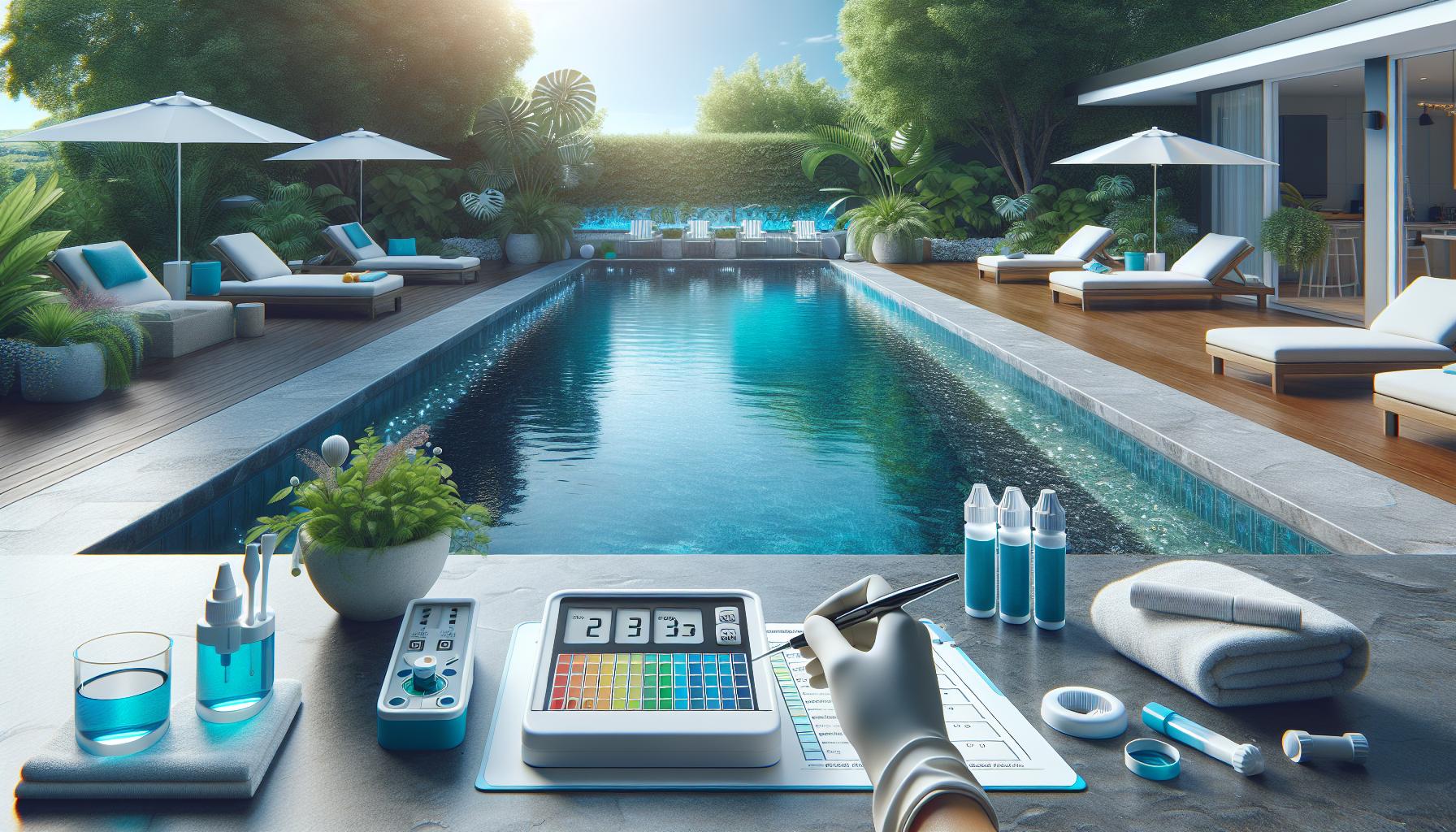
Understanding the various types of pool stabilizers available can significantly enhance your pool maintenance routine and reduce overall costs. Primarily, there are two types of stabilizers commonly used: cyanuric acid and liquid pool stabilizers. Each has unique benefits that cater to different pool needs and conditions.
Cyanuric Acid
Cyanuric acid is the most widely used stabilizer among pool owners. This chemical compound not only acts as a stabilizer but also protects chlorine from being broken down by UV rays. By adding cyanuric acid, you can create a protective barrier around chlorine molecules, allowing them to remain effective in your pool water for a more extended period. This means fewer chlorine additions are necessary, translating to cheaper upkeep over the pool season. The ideal concentration range for cyanuric acid is typically between 30-50 ppm.
Liquid Pool Stabilizers
Liquid pool stabilizers offer a more immediate solution for adding stabilizer to your pool. They are easily mixed with water and can quickly bring your stabilizer levels to an appropriate range. Unlike cyanuric acid, which may take some time to dissolve and blend fully, liquid stabilizers provide faster results. This makes them suitable for reactive maintenance when a quick adjustment is necessary, like after a heavy rain or a shocking treatment. Additionally, liquid stabilizers can sometimes offer fewer issues with cloudiness or sediment in the pool.
Choosing the Right Stabilizer
When determining which stabilizer is best for your pool, consider factors such as water exposure to sunlight, your geographical location, and the pool’s usage frequency. For example, outdoor pools that receive significant sunlight will benefit greatly from cyanuric acid, while indoor or shaded pools might not require heavy stabilization.
By being informed about the types of stabilizers available, you can better manage chemical use, maintain balanced water conditions, and ultimately enjoy a more pleasant swimming experience. Regular testing of your pool’s water chemistry will also help ensure that you are using the right type and amount of stabilizer, allowing you to keep your pool clean and safe for all swimmers.
How to Choose the Right Stabilizer for Your Pool
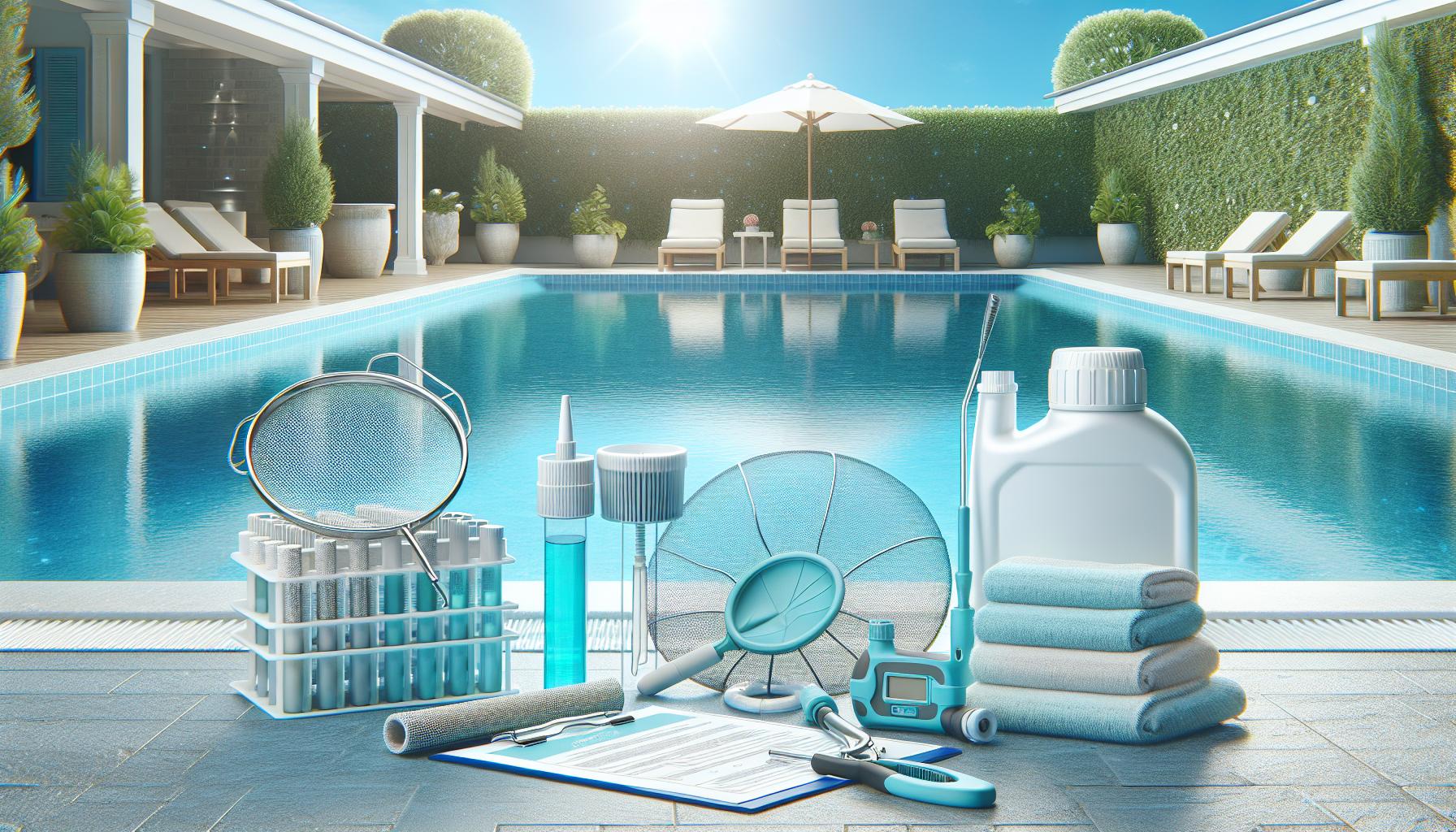
Choosing the appropriate stabilizer for your pool is crucial for maintaining water quality and enhancing the effectiveness of your chlorine. A well-informed choice not only optimizes your pool’s chemical balance but also helps you save on maintenance costs. Start by evaluating a few key factors that directly influence the effectiveness of stabilizers, primarily sunlight exposure, geographic location, and pool usage.
One of the primary drivers in selecting a stabilizer is the amount of sunlight your pool is exposed to. Pools that bask in direct sunlight will benefit greatly from using cyanuric acid, which helps prevent the sun’s UV rays from breaking down chlorine. A balanced concentration of cyanuric acid, typically between 30-50 ppm, ensures that chlorine remains active longer, translating to lower chemical costs over time. If your pool is located in an area with intense sun or is outdoors, this stabilizer should be a staple in your maintenance routine.
For pools that are shaded or indoors, however, the need for heavy stabilization may be reduced. In such cases, liquid pool stabilizers can offer rapid adjustments without the need for long-term buildup like their granular counterpart. These can quickly restore the balance after changing circumstances, such as heavy rain or a shock treatment. Their fast-acting nature allows for flexibility in maintenance, but keep in mind that they may require more frequent applications compared to cyanuric acid.
Ultimately, ongoing water testing is indispensable. Regularly check your pool’s chemistry to gauge the current levels of stabilizers and other chemicals. This proactive measure not only ensures safe swimming conditions but also guides your decision on which stabilizer to employ and when. By understanding these factors, you can create a smooth and effective maintenance routine, making your pool an inviting spot for relaxation and enjoyment.
Effective Ways to Add Stabilizer to Your Pool
To keep your pool water crystal clear and your chlorine effective, adding a stabilizer like cyanuric acid is essential. However, knowing how to properly introduce this vital chemical into your pool can make all the difference in maintaining optimal water balance. Adding stabilizer effectively ensures you maximize the benefits, enhancing chlorine’s lifespan and minimizing costs associated with chemical replenishment.
Start by determining the current level of cyanuric acid in your pool water. It’s advisable to perform a water test using a reliable pool testing kit. The optimal range for cyanuric acid is typically between 30 to 50 parts per million (ppm). If your levels are lower than this, you’re ready to add stabilizer.
When it comes to physically adding the stabilizer, there are a few methods that work well:
- Granular Stabilizer: Measure the necessary amount according to the product instructions based on your pool’s volume and current CYA levels. Pre-dissolve the granules in a bucket of warm water to ensure even distribution, then pour it into the pool while the circulation system is running. This will help disperse the stabilizer quickly and efficiently throughout the pool.
- Liquid Stabilizer: This option works more quickly but might require more frequent applications compared to granular forms. Simply measure the correct amount and add it directly to the skimmer or around the edges of the pool while the pump is on. This method allows for faster integration into the water.
Regardless of the method you choose, ensure that the pool pump is running to facilitate distribution. After adding the stabilizer, retest the water in a few days to monitor the cyanuric acid levels. Adjust as necessary following the same procedures.
In addition to adding stabilizer, it’s crucial to establish a routine for regular pool maintenance. This includes checking chemical levels weekly, especially during hot weather, as high UV exposure can deplete chlorine. Keeping an eye on your stabilizer levels will ensure you are maximizing chlorine efficiency and keeping maintenance costs down, allowing you to enjoy your pool without worry.
Signs Your Pool Needs Stabilizer: Warning Indicators
If you’ve noticed your chlorine levels plummeting quicker than expected or your pool water has taken on a murky hue, these could be signs that you need to add a pool stabilizer. In essence, without adequate cyanuric acid, your pool’s chlorine can deteriorate rapidly, especially under the sun’s harsh rays. Recognizing these warning indicators is crucial for maintaining a clean and healthy swimming environment.
One of the clearest signs that your pool may need stabilizer is frequent chlorine loss. If you test your pool and find that the chlorine levels drop significantly within a day or two, especially during sunny weather, it’s likely that your stabilizer levels are low. When stabilizer is insufficient, ultraviolet rays break down chlorine molecules at an accelerated rate, rendering your sanitization efforts ineffective. Testing the cyanuric acid levels should be your immediate next step-in a well-balanced pool, these levels should ideally be between 30 to 50 ppm.
Another indicator lies in the water clarity. If your pool is cloudy, or if you’re experiencing algae blooms despite regular chlorination, it’s an apparent signal that your chlorine isn’t lasting long enough to keep the pool sanitized. Poor water clarity may also suggest fluctuations in chemical balance, often linked to inadequate stabilization. Testing for CYA and adjusting your levels accordingly can help restore that clear and inviting pool aesthetic.
Finally, consider how often you’re adding chlorine to your pool. If you find yourself continually adding chlorine more frequently than usual, it may be time to evaluate your stabilizer levels. A well-stabilized pool allows for efficient chlorine usage, helping to stray from unnecessary over-chemical use and leading to savings in pool maintenance costs. If signs point to low stabilizer, addressing the issue promptly will help ensure your pool remains a safe and enjoyable space for all.
Pool Maintenance Tips: Maximizing Chlorine Efficiency
Maintaining efficient chlorine levels in your pool is essential for keeping the water clear and safe for swimmers. By maximizing chlorine efficiency, you can prolong the life of your chlorine and reduce your pool maintenance costs. One effective method to achieve this is through the use of a pool stabilizer, commonly known as cyanuric acid. This compound acts as a shield against the sun’s ultraviolet rays, ensuring that your chlorine remains effective for a longer duration. Here are several practical tips to help you maintain optimal chlorine efficiency:
Regular Testing
Perform routine tests of your pool water to monitor both chlorine and stabilizer levels. Aim for cyanuric acid levels between 30 to 50 ppm for maximum chlorine efficiency. Using test strips or a liquid test kit, you can easily check these levels at home. If you notice your stabilizer levels are low, make adjustments promptly to enhance chlorine performance.
Proper Chlorine Addition
When adding chlorine to your pool, do so in the late evening or early morning hours. This timing minimizes the exposure to sunlight, allowing more chlorine to sanitize your water rather than being depleted by UV rays. Additionally, ensure that you’re using the right form of chlorine for your pool type, whether it’s liquid, granular, or tablet, and store it correctly to maintain its efficacy.
Maintain Balanced pH Levels
The effectiveness of chlorine is significantly influenced by the pH levels of your pool. Ideally, keep pH between 7.2 and 7.8. When pH levels are too high or too low, chlorine becomes less effective, leading to potential algae growth and cloudy water. Regularly adjust pH with appropriate chemicals (like pH increasers or decreasers) to ensure the water chemistry remains balanced.
Circulation and Filtration
Ensure that your pool’s circulation system is running effectively. Turn on your pump and filter for at least 8 to 12 hours each day, depending on your pool size. Proper circulation helps distribute chlorine evenly throughout the water, optimizing its sanitizing ability. Regularly clean or replace your filtration system to avoid blockages that can reduce efficiency.
Employing these tips not only enhances chlorine efficiency but also contributes to a healthier and more enjoyable pool experience. A well-maintained pool saves both time and money, allowing you to focus on what truly matters: enjoying your pool to the fullest.
Common Mistakes When Using Pool Stabilizers
Many pool owners overlook the crucial role that stabilizers play in keeping their pool water safe and clean. Unfortunately, mistakes often occur, leading to ineffective pool management and unintended expenses. Understanding these common pitfalls can help you ensure your pool maintains optimal chlorine levels, enhancing both its safety and your enjoyment.
One frequent error is adding too much stabilizer, which can lead to elevated cyanuric acid levels. While a stabilizer is essential for protecting chlorine from UV degradation, exceeding the recommended range of 30-50 ppm can actually hinder chlorine’s effectiveness. This can create a false sense of security, as you may believe your chlorine levels are adequate when, in fact, they are inefficiently working. Regular testing of your pool’s water is vital, as maintaining balanced cyanuric acid levels is crucial for optimal chlorine performance.
Another common mistake is neglecting to dissolve the stabilizer properly before adding it to the pool. If stabilizer granules are added directly to the water without getting fully dissolved, this can lead to uneven distribution and localized high levels of cyanuric acid, which might stress your pool’s chemical balance. To avoid this, mix the stabilizer with water in a bucket and stir until completely dissolved before pouring it into your pool, ensuring even distribution throughout the water.
Finally, some pool owners assume that stabilizers are a one-time fix. In reality, stabilizer levels can decline due to water dilution, splash-out, and draining, among other factors. Therefore, it is essential to regularly check stabilizer levels, particularly after heavy rain or significant pool use. Adopting a routine of consistent monitoring and adjustments will not only protect your pool’s chlorine but also help minimize maintenance costs over time.
By steering clear of these frequent mistakes, you can maintain a perfectly balanced pool that is both safe and enjoyable for everyone. Remember, an informed approach to using pool stabilizers can lead to longer-lasting chlorine effectiveness and a healthier swimming environment.
Cost-Benefit Analysis: Is a Pool Stabilizer Worth It?
Regularly using a pool stabilizer can provide pool owners significant cost savings in both maintenance time and chemical expenses. By incorporating cyanuric acid into your pool care routine, you can enhance chlorine efficacy and prolong the life of your pool’s chemical treatments. This not only ensures clean and safe water but also reduces the frequency of chlorine resupply, which can be a major expense.
When evaluating the value of a pool stabilizer, it’s important to consider the long-term benefits against the initial costs. For instance, a single bottle of stabilizer costs a fraction of the ongoing expense of replacing lost chlorine. Without a stabilizer, a pool’s chlorine levels can rapidly deplete under direct sunlight, potentially leading to the need for excessive chlorination. This means that while the up-front expense for stabilizer might seem unnecessary, it often pays for itself by maintaining more consistent chlorine levels and reducing the overall need for expensive chemical adjustments.
Key Benefits of Using a Pool Stabilizer:
- Enhanced Chlorine Efficiency: Stabilizers help maintain higher chlorine levels for extended periods, making your pool cleaner with less frequent chemical additions.
- Cost Savings: Investing in stabilizers reduces the total annual spending on pool chemicals and maintenance.
- Improved Water Quality: With better chlorine retention, the water remains clearer and safer for swimming, ultimately enhancing your enjoyment.
- Less Maintenance Stress: A stabilized pool means reduced fluctuations in water chemistry, leading to easier maintenance and fewer surprises.
Additionally, properly using stabilizers can have a discernible impact on pool health. A well-balanced pool not only looks better but is also less prone to issues like algae blooms and harmful bacteria growth. By preventing these problems, owners can avoid more costly treatments, including algaecides or water replacements, which are often necessary when chlorination is inconsistent.
In conclusion, while the initial investment in a pool stabilizer might seem minimal, the recurring savings and enhancements in pool quality provide clear justification for its use. Making it a regular part of your pool management routine means less time worrying about chemical levels and more time enjoying your pool.
Troubleshooting Pool Stabilizer Issues Effectively
Maintaining the right balance of pool stabilizer is crucial for the overall health of your pool, but challenges can arise that disrupt this delicate balance. If you find your pool water is not performing as expected, there are several common issues you may encounter involving stabilizer levels and their effects on your chlorine efficiency. By knowing how to troubleshoot these problems effectively, you can keep your pool clean and enjoyable.
One frequent issue is over-stabilization, which occurs when the cyanuric acid levels exceed the recommended range of 30 to 50 parts per million (ppm). Elevated levels can reduce chlorine’s effectiveness, leading to algae growth and cloudy water. To resolve this, you can partially drain your pool and refill it with fresh water, which will dilute the stabilizer concentration. Regular testing using a reliable test kit can help you monitor cyanuric acid levels accurately and avoid this situation.
Conversely, low stabilizer levels can make your chlorine vulnerable to rapid degradation from sunlight, resulting in the need for more frequent chemical additions. If you notice that your chlorine levels drop faster than usual, test for cyanuric acid deficiency. If low levels are confirmed, it’s recommended to add the appropriate stabilizer product according to the manufacturer’s instructions. Remember to retest the water after a few days to ensure that the desired balance is achieved.
Another common challenge is the misapplication of stabilizer, either by not dissolving it properly before introducing it to the pool or adding it at inappropriate times, such as when the pump is off. To avoid this, always dissolve granular stabilizer in a bucket of water before adding it to the pool. Ensure that your filtration system is running for several hours after application to help evenly distribute the stabilizer throughout the pool, enhancing its effectiveness.
Maintaining a properly functioning pool stabilizer system is ultimately about awareness and proactive management. By regularly checking chemical levels and following best practices during application, you can tackle these challenges head-on and maintain a clean, welcoming swimming environment. In case of persistent instability or unusually high or low cyanuric acid levels, consulting a pool professional may provide insights specific to your pool’s unique conditions.
Enhancing Your Pool Experience: Beyond Stabilizers
To truly elevate your swimming pool experience, there’s much more to consider than just balancing stabilizer levels. A clean, enjoyable pool environment adds value to your home and enhances your leisure time, so focusing on additional maintenance tips and practices can significantly improve your overall enjoyment.
Maintain Optimal Water Chemistry
Beyond pool stabilizers, regular monitoring of your pool’s water chemistry is crucial. This involves testing pH, total alkalinity, and chlorine levels weekly. Here’s a simple checklist to follow:
- Use a pool testing kit to check water balance.
- Adjust pH levels (ideal range: 7.4 to 7.6) using pH increasers or decreasers.
- Balance total alkalinity (ideal range: 80 to 120 ppm) to stabilize pH levels.
- Ensure chlorine levels are sufficient to keep the water sanitized (ideally between 1-3 ppm).
By keeping the water balanced, not only do you prevent potential problems such as algae blooms and eye irritation, but you also optimize the effectiveness of your stabilizer.
Regular Cleaning and Maintenance
Diligent pool cleaning routines can further enhance your swimming experience. Regular skimming to remove debris, using a pool vacuum weekly, and maintaining your filter system can significantly impact water clarity and overall sanitation. Here are some best practices:
- Skim the surface daily to eliminate leaves and bugs.
- Brush the walls and steps weekly to prevent algae adhesion.
- Backwash or clean the filter according to your pool type and manufacturer’s guidance.
This routine helps maintain an inviting pool ready for family and friends, making for more enjoyable gatherings.
Incorporate Appealing Features
To enhance your pool experience, consider adding elements that can transform your space. This might include:
- Colorful LED lighting for nighttime swimming.
- Water features such as fountains or waterfalls for aesthetic appeal and soothing sounds.
- Surrounding landscaping with tropical plants or lounge areas for relaxation and fun.
These enhancements not only contribute to a beautiful environment but also make your pool a focal point for social activities and relaxation.
By focusing on these additional strategies-maintaining optimal water chemistry, committing to regular cleaning, and enhancing the aesthetic qualities of your pool-you’ll ensure that your swimming area is more than just a spot for cooling off. It will become a well-loved oasis that your family enjoys year-round.
Q&A
Q: What is the main purpose of a pool stabilizer?
A: The primary purpose of a pool stabilizer is to protect chlorine from the degrading effects of sunlight, specifically UV rays. By preventing chlorine loss, stabilizers help maintain effective sanitation in your pool, ultimately saving you money on chlorine products and ensuring better water quality.
Q: How often should I add pool stabilizer?
A: It’s advisable to check stabilizer levels monthly. If levels dip below the recommended range of 30-50 ppm, consider adding stabilizer. Regularly monitoring ensures optimal chlorine efficiency and helps avoid excessive chlorine costs.
Q: Can I use pool stabilizer in all types of pools?
A: Yes, pool stabilizers are suitable for various types of pools, including vinyl, fiberglass, and concrete pools. However, it’s essential to follow manufacturer recommendations for dosage to prevent over-stabilization, which can lead to cloudy water.
Q: How does pool stabilizer affect water balance?
A: Pool stabilizer, typically cyanuric acid, modifies water chemistry by increasing the overall total alkalinity. This can impact the pH level, so always test and adjust your pool water balance after adding stabilizer to maintain optimal conditions.
Q: What signs indicate that my pool needs stabilizer?
A: If you notice chlorine levels dropping quickly or if water clarity diminishes rapidly, it may indicate a need for stabilizer. Monitoring chlorine levels regularly can help you identify when additional stabilizer is required to maintain effective sanitation.
Q: Can too much pool stabilizer be harmful?
A: Yes, excessive stabilizer can lead to “stabilizer lock,” where chlorine becomes ineffective, resulting in cloudy or green water. To manage this, conduct regular water testing and maintain stabilizer levels within the recommended range of 30-50 ppm.
Q: Should I use stabilizer during winter?
A: It is generally not necessary to add stabilizer during winter since pools are usually covered and do not receive much sunlight. However, maintaining stabilizer levels before closing your pool for winter can help ensure a smoother reopening and chlorine efficiency in the spring.
Q: What is the difference between chlorine stabilizer and algaecide?
A: Chlorine stabilizer primarily protects chlorine from UV degradation, while algaecide prevents algae growth in your pool. While both contribute to pool maintenance, they serve different purposes and can work effectively together. Ensure to align your usage with your pool’s specific needs for optimal results.
Final Thoughts
By understanding the crucial role of pool stabilizer, you’re on your way to maximizing your chlorine’s effectiveness and saving money on maintenance. Remember, using stabilizer not only extends your chlorine’s lifespan but also enhances your pool’s overall chemistry. Don’t wait-ensure your pool remains sparkling clean and safe by checking your stabilizer levels today.
For more insights, explore our articles on managing pH and total alkalinity, or learn about the importance of CYA in optimizing your pool care routine. Ready to simplify your pool maintenance? Sign up for our newsletter for expert tips and tricks straight to your inbox, and consider our consulting services for personalized guidance. Dive into a world where your pool shines brighter than ever-your perfect oasis awaits!