
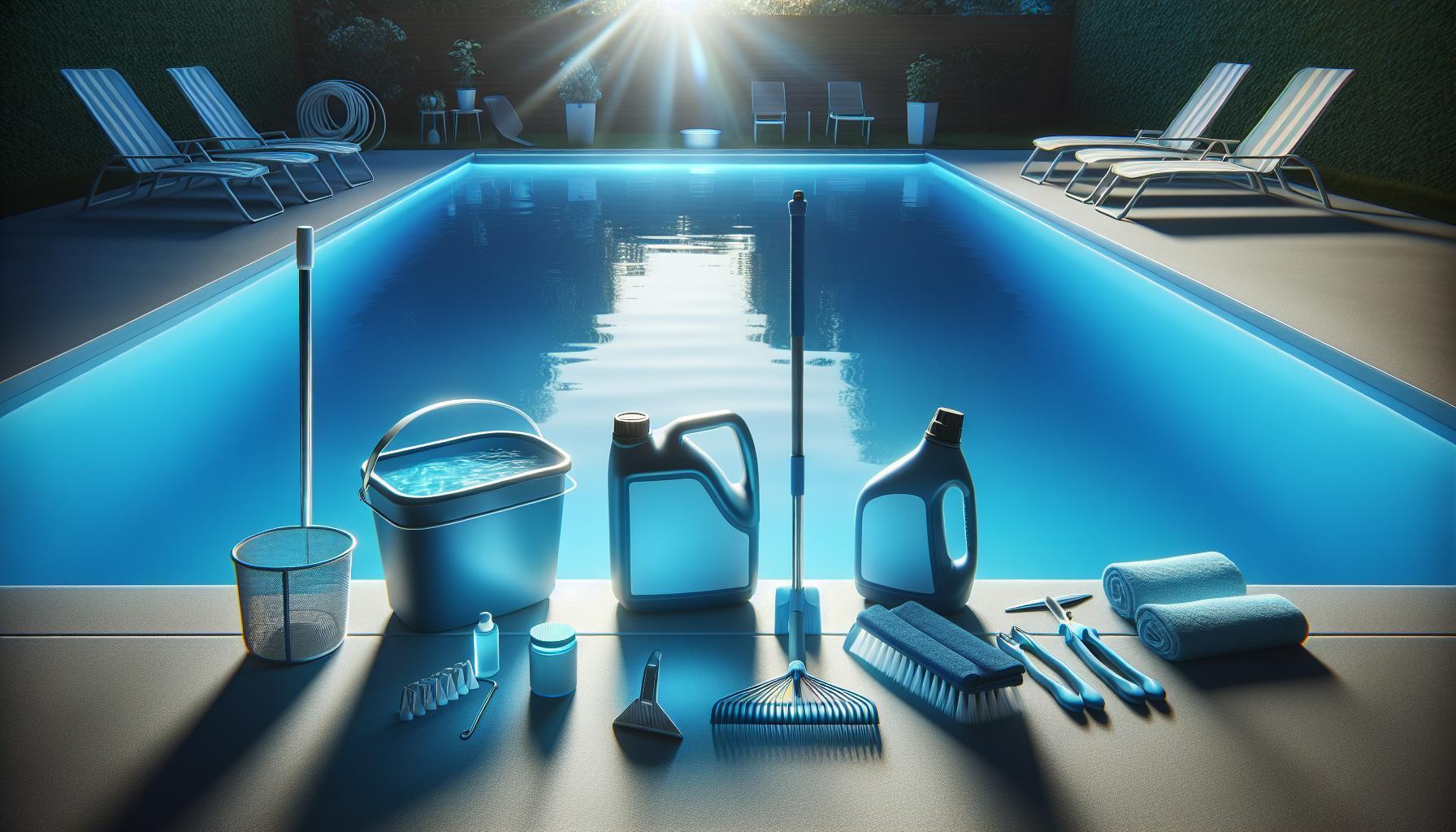

If you’ve ever found yourself puzzled by the term “pool bleach,” you’re not alone. Understanding what this commonly used sanitizer truly is-and how it plays a crucial role in maintaining water quality-can ease the concerns of pool owners everywhere. Pool bleach, often referred to as sodium hypochlorite, is vital for effective sanitation, preventing harmful bacteria and algae from compromising your swimming experience.
Incorporating pool bleach into your routine maintenance can significantly enhance the safety and clarity of your water. However, many pool owners feel overwhelmed when it comes to proper usage and dosage, leading to stress and potential mismanagement. By grasping the essentials of pool sanitizers, including pool bleach, you’ll not only become equipped to tackle cleaning challenges but also ensure a safe swimming environment for yourself and your loved ones. Ready to dive into a clearer understanding of pool sanitizers? Let’s explore the world of pool maintenance together!
What Is Pool Bleach and Its Role in Sanitization
Pool bleach, commonly referred to as sodium hypochlorite, is a vital component in maintaining pool sanitation. Its primary role in the pool ecosystem is to disinfect the water, effectively eliminating harmful microorganisms, including bacteria and algae that can thrive in warm water. By regularly adding pool bleach to your swimming pool, you ensure a safe and hygienic environment for swimmers, reducing the risk of waterborne illnesses. This powerful sanitizer not only disinfects but also contributes to overall water clarity, making your pool visually appealing.
In practical use, pool bleach works by releasing chlorine when it is added to the water. This chlorine then binds to contaminants, breaking them down through a chemical reaction. The result is clean, sanitized water that is essential for health and safety. It is crucial to monitor the chlorine levels in your pool, as maintaining a balance within the recommended range (usually between 1 to 3 parts per million) is key to effective sanitation. Regular testing with a pool water testing kit will help you achieve this balance.
When using pool bleach, it’s essential to follow specific guidelines to maximize efficiency and safety. Always handle bleach with care, wearing gloves and goggles to protect your skin and eyes from potential irritation. Additionally, ensure that you dilute the bleach appropriately before adding it to the pool, as concentrated bleach can directly harm pool finishes or cause skin irritation. For best results, add pool bleach in the evening, allowing it to work effectively overnight while the pool is not in use.
By understanding how pool bleach functions in swimming pool maintenance, you can take proactive steps to ensure your pool remains a clean and inviting space. Incorporating bleach into your routine maintenance not only enriches water quality but also provides peace of mind for you and your guests, aligning with the goals of a safe swimming experience. Remember, a well-maintained pool is not just an aesthetic benefit; it promotes health and enjoyment throughout the swimming season.
Different Types of Pool Sanitizers Explained
Different pool sanitizers offer unique benefits and methods for keeping your swimming area safe and enjoyable. While many are familiar with chlorine-based products like pool bleach (sodium hypochlorite), the world of pool sanitization encompasses a variety of options, each with its specific applications and advantages. Understanding these can empower pool owners to make informed decisions tailored to their needs.
Chlorine-based Sanitizers are the most common types, including traditional liquid chlorine, stabilized chlorine tablets, and granular chlorine. These products work effectively to kill bacteria and algae in pool water. Liquid chlorine is quite powerful and acts quickly, making it ideal for rapid sanitation boosts. In contrast, stabilized tablets provide a slower release of chlorine and are beneficial for maintaining steady chlorine levels in outdoor pools, where sunlight can deplete chlorine rapidly.
Bromine is another popular choice, particularly for hot tubs and indoor pools. Unlike chlorine, bromine remains effective at higher temperatures and is less likely to cause skin and eye irritation, making it a gentle alternative. However, bromine tends to be more expensive and may require more frequent dosing compared to chlorine.
Saltwater Systems
A growing trend among pool owners is the use of saltwater systems. These systems use salt to generate chlorine through a process called electrolysis, providing a more consistent and softer swimming experience. The water feels gentler on the skin, and saltwater pools typically require less maintenance in terms of chemical adjustments. However, the initial setup can be costlier.
Alternative Sanitizers
For those looking to reduce chemical reliance further, alternatives like ozone generators and UV systems can serve as complementary or primary sanitizing methods. Ozone systems produce ozone gas to destroy contaminants quickly, while UV systems use ultraviolet light to kill bacteria and viruses. Both options require additional operational equipment but can enhance overall water quality when used alongside other sanitizers.
By familiarizing yourself with these different types of pool sanitizers, you can choose a solution that fits your pool’s specific needs, ensuring a clean and healthy swimming environment for you and your family. Regular monitoring and maintenance, regardless of the sanitizer type, remain critical to achieving the best results and preventing any potential issues.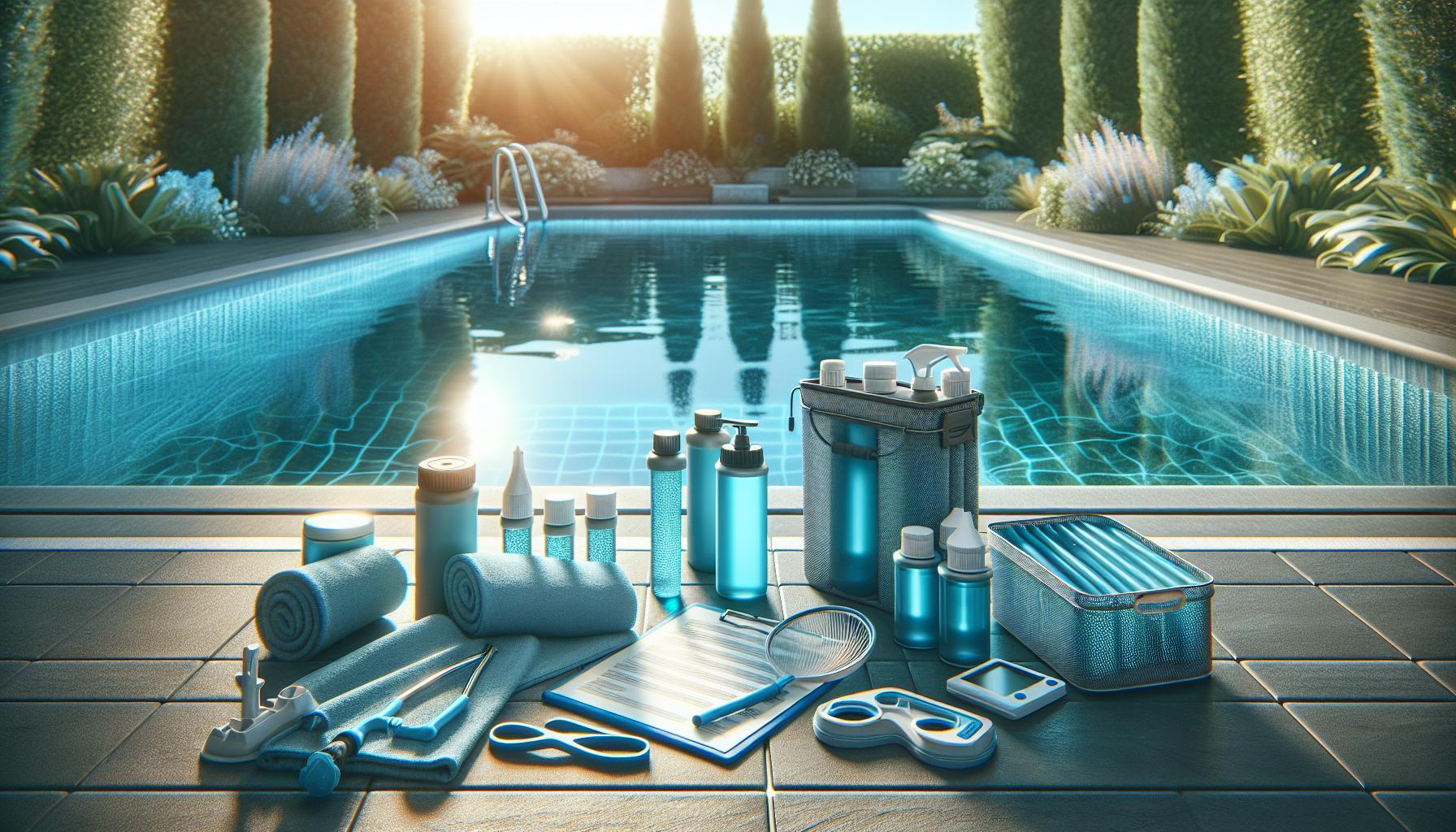
How Pool Bleach Works for Water Clarity
To achieve crystal-clear water in your pool, pool bleach, or sodium hypochlorite, plays a crucial role in effective sanitization. By breaking down organic materials and neutralizing contaminants, it enhances water clarity, ensuring a safe and inviting swimming environment. When added to your pool, bleach raises the chlorine levels efficiently, allowing it to combat algae, bacteria, and other unwanted substances that cloud your water.
When using pool bleach, timing and technique are essential. First, determine your pool’s current chlorine levels by testing the water-aim for a pH between 7.2 and 7.8. If you find that your chlorine levels are low, usually below 1 ppm, it’s time to make your move. The standard recommendation for adding bleach is about 1 gallon per 10,000 gallons of water, giving you a quick boost in chlorine. Always pour the bleach slowly into the deep end of the pool, ideally with the pump running to distribute it evenly and prevent localized high concentrations that could harm the pool surfaces.
To maintain optimal water clarity, run your filtration system continuously for at least 24 hours after adding bleach. This helps circulate the newly freed chlorine and allows it to interact with organic matter, effectively neutralizing it. Regularly monitoring and maintaining chlorine levels after treatment will also ensure ongoing clarity without fluctuations that can lead to algae blooms or cloudy water.
In addition to enhancing water clarity, proper utilization of pool bleach contributes to a more balanced overall pool chemistry. The residual effect of bleach helps prevent future algae growth and maintains sanitation, reducing the frequency of more intensive cleaning tasks down the line. When used correctly, sodium hypochlorite becomes not just a powerful tool for immediate clarity but also a cornerstone of your pool’s long-term health and hygiene.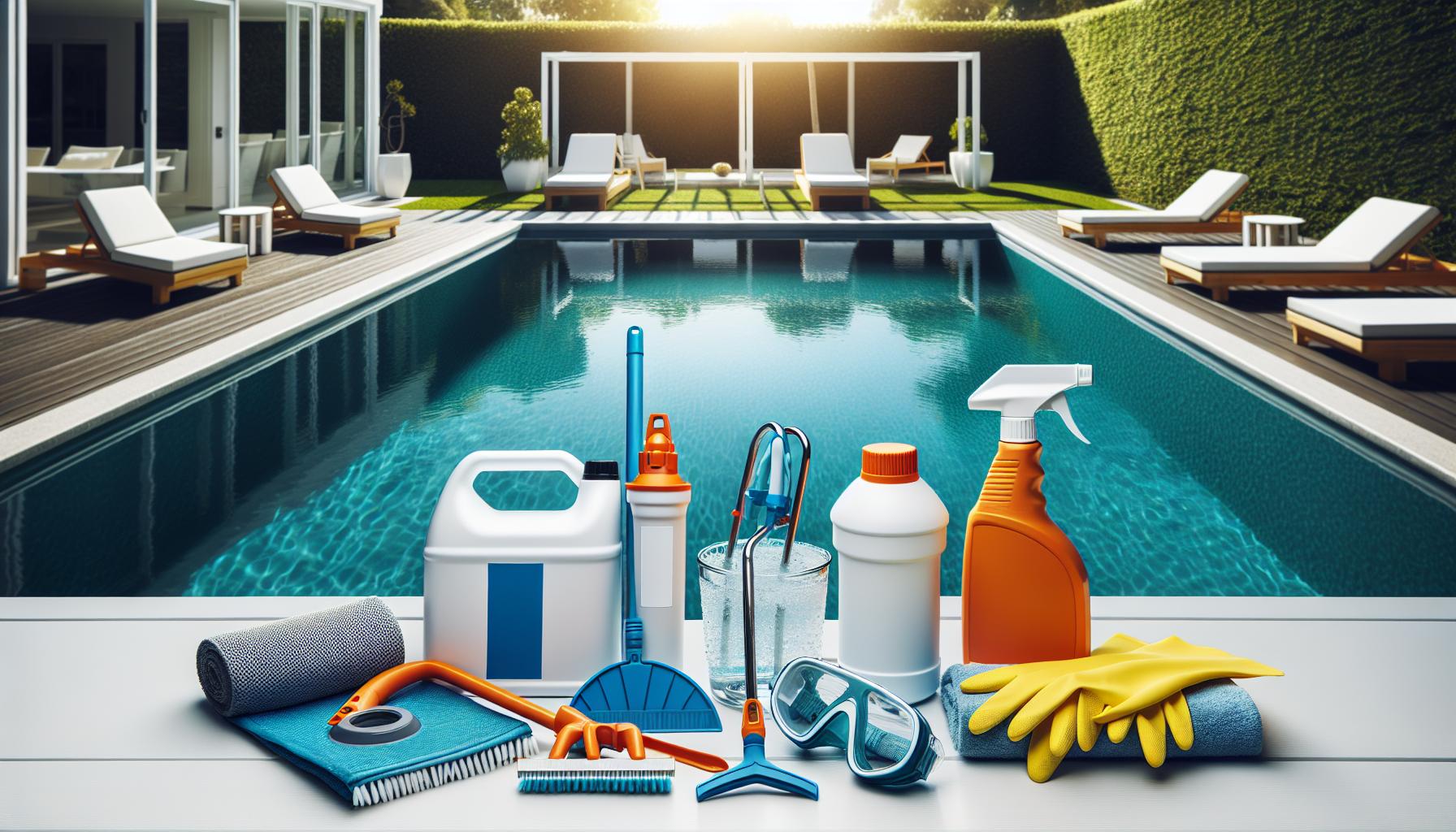
Safety Measures When Using Pool Bleach
Using pool bleach can be an effective method of sanitizing your swimming pool, but it comes with important safety considerations that every pool owner should prioritize. Sodium hypochlorite, the active ingredient in pool bleach, is a powerful chemical that can pose health risks if not handled correctly. Proper precautions will ensure not only the safety of those maintaining the pool but also the safety of everyone who enjoys it.
To begin with, it’s critical to wear appropriate protective gear when handling pool bleach. Always use gloves to protect your skin from potential irritation and chemical burns. If possible, wear goggles to shield your eyes from splashes. Additionally, it’s wise to work in a well-ventilated area, especially if you are mixing bleach with other chemicals, as fumes can become harmful. Never mix bleach with ammonia or acidic cleaners, as this can produce toxic gases.
When adding bleach to your pool, follow these steps for safe application:
- Test Your Water: Before adding bleach, test the pool water to determine the current chlorine levels. This ensures that you only add the necessary amount.
- Calculate the Amount Needed: Use the guideline of one gallon of bleach per 10,000 gallons of pool water for a boost in chlorine.
- Pour with Care: Slowly pour the bleach into the deep end of the pool while the pump is running. This helps to evenly distribute the bleach and prevents localized concentrations that could harm pool surfaces.
- Rinse Tools Immediately: Clean any tools that come into contact with bleach to prevent contamination or accidental exposure later.
After adding bleach, allow the pool’s filtration system to run for at least 24 hours to ensure thorough circulation and sanitization. It’s essential to monitor the water chemistry regularly, as imbalanced pH or chlorine levels can compromise the cleaning efforts and create unsafe swimming conditions.
By taking these safety measures into account, you can effectively use pool bleach to maintain a clean and healthy swimming environment while ensuring the safety of yourself and others.
Comparing Pool Bleach to Other Sanitizers
When it comes to keeping your pool clean and safe, various sanitizing options exist, but the effectiveness of each can vary widely. Pool bleach, or sodium hypochlorite, is a popular choice, but how does it stack up against other sanitizers like chlorine tablets, bromine, and saltwater systems? Understanding these differences can help you make an informed decision that suits your specific needs.
Pool bleach offers several advantages, including immediate effectiveness and ease of use. A significant benefit is that it usually has a higher concentration of available chlorine compared to traditional chlorine tablets. This means that a smaller volume of bleach can achieve the same sanitizing power, particularly in emergency situations such as after a heavy rainfall or increased swimmer load, where contaminants may quickly enter the water. However, while bleach can be very effective, it requires careful handling and monitoring of chemical levels to maintain a balanced pool environment.
Comparative Overview of Pool Sanitizers
- Chlorine Tablets: These are stabilized forms of chlorine that dissolve slowly, providing a consistent level of sanitizer over time. They are easy to apply via floating dispensers or automatic chlorinators, reducing the need for frequent applications. However, they can sometimes lead to high cyanuric acid levels, particularly in outdoor pools.
- Bromine: This alternative to chlorine is often favored for indoor pools and spas due to its lower odor and skin irritation properties. Bromine also remains effective at higher temperatures, but it is usually more expensive and less effective in sunlight without proper stabilization.
- Saltwater Systems: While not a sanitizer itself, a saltwater system generates chlorine through the electrolysis of salt. This method offers convenience as it continuously produces chlorine, but the initial investment and ongoing maintenance can be higher. Saltwater pools also require careful monitoring of both salinity and chlorine levels.
In choosing the right sanitizer for your pool, consider factors such as maintenance preferences, pool usage, and budget. Each type has its pros and cons, and the most effective sanitization approach often involves a combination of methods adapted to your particular situation. Ultimately, consistent monitoring of chemical levels and regular maintenance are key to achieving a clean and enjoyable swimming experience, no matter which sanitizer you choose.
DIY Pool Maintenance: Using Bleach Effectively
Maintaining a sparkling clean pool doesn’t have to be a daunting task, especially when you have pool bleach, or sodium hypochlorite, in your toolkit. This powerful sanitizer not only keeps your water clear and safe but also can significantly simplify your DIY maintenance routine. By understanding how to use bleach effectively, you can ensure that your pool remains a refreshing oasis all season long.
To start, you’ll want to determine the right dosage of bleach for your pool. Generally, a dosage of 1 to 3 cups of bleach per 10,000 gallons of water is recommended to maintain optimal chlorination, depending on your pool’s current chlorine levels and whether you’re treating for algae or cloudy water. Use a reliable test kit to check your pool’s chlorine level before adding bleach; the ideal level typically falls between 1-3 ppm (parts per million). Once you’ve measured the appropriate amount, pour the bleach into a bucket of water to dilute it, which makes it less harsh on your pool surfaces.
When applying bleach, it’s vital to focus on distribution. Pour the diluted bleach slowly around the perimeter of the pool while the pump is running to ensure even distribution. Avoid adding bleach directly to the skimmer or in areas with concentrated water flow to prevent damage to the filtration system. After adding bleach, let the pool circulate for several hours before testing the chlorine levels again to ensure it is within the safe range.
Regularly monitoring your pool chemistry is key to maintaining a healthy swimming environment. If you notice signs indicating that your pool may need more bleach, such as a strong chlorine odor, an increase in algae growth, or cloudy water, don’t hesitate to dose again. Keeping a maintenance log can help you track the frequency and amounts of bleach used, making it easier to develop a tailored maintenance schedule that meets your specific pool condition.
Lastly, safety cannot be overstated. Always wear gloves and protective eyewear when handling bleach to avoid skin burns or eye irritation. Store bleach in a cool, dry place and never mix it with other chemicals, especially ammonia or acids, as dangerous reactions can occur.
By incorporating these practices into your pool maintenance routine, you can effectively use bleach to keep your water clean, safe, and inviting for family and friends all summer long. Remember, a little diligence and the right techniques make pool upkeep manageable and rewarding.
Common Misconceptions About Pool Bleach
misconceptions about pool bleach often stem from misunderstandings about its use and effectiveness. Many pool owners believe that all sanitizers are created equal, or that using bleach is overly harsh for pool water. In reality, bleach, specifically sodium hypochlorite, is one of the most effective and economical pool sanitizers available. It effectively kills bacteria and algae while also helping to clear up cloudy water, making it a crucial part of pool maintenance.
One common myth is that using bleach will lead to harsh, irritating water that isn’t safe for swimming. However, when used correctly-diluted properly and applied in the right amounts-bleach will not only sanitize your pool but can also maintain a comfortable swimming environment. Regular testing of chlorine levels ensures that the concentration is kept within safe limits, typically between 1-3 ppm. If your pool water is properly balanced, the presence of sodium hypochlorite will not pose any discomfort to swimmers.
Another prevalent misconception is that bleach can cause damage to pool equipment and surfaces. While it’s true that concentrated bleach can be harmful, following recommended guidelines for dilution and application largely mitigates any risks. Bleach should always be poured into a bucket of water to dilute it before adding to the pool. Additionally, it should be distributed evenly around the pool while the pump is running, preventing it from settling in one area and potentially causing damage.
In conclusion, dispelling these misconceptions allows pool owners to harness the full power of bleach for maintaining their pools effectively. By understanding its role in sanitization and adhering to safe handling practices, owners can enjoy a clean and safe swimming environment without fear. Always remember to keep an eye on your pool’s overall chemistry and consult product guidelines to optimize your sanitization efforts.
Understanding Pool Chemistry: pH and Chlorine Balance
Understanding the delicate balance of pool chemistry, specifically pH and chlorine levels, is essential for maintaining a safe and inviting swimming environment. The pH level of your pool water indicates its acidity or alkalinity, with the ideal range being between 7.2 and 7.8. This balance ensures optimal chlorine effectiveness in killing harmful bacteria and minimizing algae growth. When the pH strays outside this range, chlorine can become less effective-if the pH is too high, chlorine binds with other chemicals in the water and only a fraction remains available to sanitize, while excessively low pH can cause corrosive issues for both swimmers and equipment.
To manage these levels effectively, regular testing with a reliable test kit is crucial. For convenience, you can test your pool water at least once a week. Here’s a systematic approach to maintaining correct pH and chlorine balance:
- Test pH Levels: Use test strips or a liquid test kit. If levels are outside the optimal range (7.2 – 7.8), adjust accordingly.
- Adjust pH: If the pH is too low, add a pH increaser (sodium carbonate). If it’s too high, use a pH decreaser (sodium bisulfate).
- Test Chlorine Levels: Ideally, free chlorine levels should be maintained between 1-3 ppm. This ensures your sanitizer is working effectively.
- Chlorine Adjustment: To raise chlorine levels, you can add liquid bleach (sodium hypochlorite) or chlorine tablets as directed. Be meticulous with dosing-you want to achieve desired levels without overshooting.
Achieving this balance not only contributes to a clear and welcoming pool but also prolongs the life of your equipment and enhances the overall swimming experience. Remember, maintaining regular checks and adjustments is far easier than addressing problems after they arise. If algae blooms or cloudiness develop, intervene promptly with appropriate treatments. By empowering yourself with knowledge about pH and chlorine balance, you can tackle common pool issues confidently, ensuring a safe and enjoyable swimming oasis all season long.
Signs Your Pool Needs Bleach Treatment
Cloudy or discolored pool water can be a major sign that your pool needs some attention-specifically, a dose of bleach treatment. Bleach acts as a powerful sanitizer that can help restore clarity and eliminate harmful microorganisms that thrive in murky conditions. If you notice changes in water quality despite regular maintenance, it’s time to investigate further.
One clear indicator is the presence of algae. Algae can take on different forms, from green to yellowish or even black, and can quickly spread if not addressed. If you see any signs of algae growth on the pool walls or floor, adding bleach can help combat the problem effectively. Similarly, if you detect a strong chemical smell, especially that of chloramines (byproducts of chlorine), it may signal that the chlorine is being used up by contaminants, indicating a need for additional bleaching to restore balance.
If your water test kit reports that free chlorine levels are consistently below the recommended range, typically between 1-3 ppm, this is another signal that bleach treatment is necessary. When the chlorine levels drop, it can lead to bacterial growth and reduced sanitation. Regular testing should reveal if a bleach application is in order.
In addition to the visible and measurable indicators, consider the overall health of your swimming environment. If swimmers report skin irritations or if you find more insects or pests around the pool area, these can also hint at inadequate sanitization. Taking action with bleach not only addresses existing issues but can prevent further complications, ensuring that your pool remains a safe and enjoyable place for family and friends.
When you decide to apply bleach, it’s crucial to do so correctly. Begin by pouring the bleach slowly into the deep end of the pool to allow for even distribution. It’s advisable to run the pump/filter for several hours post-application to circulate the sanitizer effectively throughout the water. Always remember to retest your pool water after treatment to confirm that you’ve achieved the desired chlorine levels, and enjoy a clear, sparkling pool!
Troubleshooting Pool Issues: When to Use Bleach
Cloudy or discolored pool water can often signal the need for immediate action, and using bleach could be the solution. When faced with this common problem, it’s crucial to pinpoint the underlying issues that necessitate bleach treatment. One of the most frequent culprits is algae growth, which can escalate rapidly if not addressed. If you notice green, yellow, or even black spots in your pool, this suggests an algae bloom that bleach can effectively eradicate. Additionally, a strong chemical odor, particularly from chloramines, may indicate that your chlorine levels are being consumed by contaminants, suggesting it’s time to boost sanitation with bleach.
Another key aspect to monitor is your free chlorine levels. Ideally, these should reside between 1-3 ppm. If your water testing reveals unsatisfactory readings, it’s essential to act swiftly. Low chlorine levels mean that bacteria can proliferate, compromising water sanitation. Regular testing is your best ally in proactive pool care; it allows you to determine when a dose of bleach is not just helpful, but necessary.
Beyond visible signs and chemical measurements, consider the overall environment of your pool. Complaints of skin irritations from swimmers or an increase in pests around the pool area can indicate inadequate sanitation. By treating with bleach, you not only manage current issues but also help avert future complications, maintaining a safe space for enjoyment.
When you decide that bleach is needed, the application process is critical. Start by carefully pouring the bleach into the deep end of your pool, which helps ensure even distribution throughout the water. After application, run the pump and filter for several hours to facilitate proper mixing. Lastly, don’t forget to retest subsequent to your treatment to verify that your chlorine levels have returned to the desired range, promoting a sparkling clean pool for all to enjoy.
Best Practices for Pool Sanitation and Hygiene
Maintaining pristine pool water isn’t just a luxury-it’s a necessity for health and enjoyment. Regular sanitation practices ensure that your pool is safe for swimmers and free from harmful bacteria, algae, and contaminants. To achieve this, following established best practices is essential.
One of the most effective approaches is to maintain balanced water chemistry, which involves regularly testing pH, free chlorine levels, and alkalinity. Aim for a pH level between 7.2 and 7.6 and keep your free chlorine levels between 1-3 ppm. Conduct tests at least once a week during peak swimming season. By maintaining these parameters, you not only enhance the efficacy of sanitizers like pool bleach but also prevent skin irritations and eye discomfort for swimmers.
Incorporating a regular cleaning schedule can dramatically improve pool hygiene. Skim the surface daily to remove debris and leaves, and brush the walls and pool bottom weekly to prevent algae growth. Additionally, cleaning your pool filter regularly-be it sand, cartridge, or diatomaceous earth-ensures efficient operation and water clarity. Remember to backwash or replace filter media as needed to ensure that it continues to effectively trap particulates.
When applying pool bleach, timing and technique matter. Always add bleach to the pool during the evening or night hours to reduce the rate of evaporation and UV degradation, ensuring it works effectively overnight. Pour the bleach slowly into the deep end of the pool while the circulation system is running to help distribute it evenly throughout the water. Afterwards, run the filter for at least 4-6 hours to achieve optimal mixing and ensure that all surfaces are sanitized.
By adhering to these practices, you not only keep your pool sparkling clean but also create an inviting and safe environment for friends and family to enjoy all season long. Consistent attention to these details can save you from more significant issues down the line and allow you to relax in the refreshing water without worry.
Seasonal Pool Care: Bleach Application Tips
Maintaining a sparkling clean pool during the changing seasons requires strategic planning and timely application of sanitizers, such as bleach. Utilizing pool bleach effectively can minimize algae growth and harmful bacteria, especially when preparing for peak swimming season. Here are some essential tips to enhance the application process, ensuring your pool remains a safe haven for relaxation and enjoyment.
First, consider the best timing for your bleach application. The evening or night is ideal because the cooler temperatures reduce evaporation and sunlight’s impact on chlorine levels. To apply, measure the appropriate amount of bleach based on your pool’s volume-approximately 1 quart of 6% bleach treats 10,000 gallons of water-and dilute it in a bucket of pool water to avoid any adverse reactions. Always pour the solution into the deep end while the circulation system is active to facilitate even distribution.
Additionally, it’s crucial to regularly check your pool’s chemistry, especially before and after adding bleach. Ensure that the pH level is between 7.2 and 7.6 and that your free chlorine concentration is within the recommended 1-3 ppm range. Use test strips or kits to monitor these levels accurately. After treatment, run your filter for at least 4-6 hours to allow the bleach to circulate thoroughly, optimizing the sanitization effect.
Lastly, remember to keep an eye on seasonal changes in water temperature and bather load. As temperatures rise, you may need to adjust your bleach application frequency. Monitor for signs of algae or water cloudiness, which could indicate a need for additional treatment. By adhering to these strategic tips, you can ensure your pool remains inviting and safe for all users, setting the stage for worry-free enjoyment throughout the swimming season.
Faq
Q: What do you call bleach specifically used for pools?
A: The bleach used for pools is commonly referred to as “liquid chlorine” or “sodium hypochlorite.” It’s a powerful sanitizer effective in maintaining clear and safe pool water, helping to eliminate bacteria and algae.
Q: Why is pool bleach important for water hygiene?
A: Pool bleach, or liquid chlorine, is vital for maintaining water hygiene as it kills harmful microorganisms and helps keep the water clean and free from contaminants. Regularly adding bleach ensures optimal sanitation in your pool.
Q: Can you use household bleach in a pool?
A: It’s not advisable to use household bleach for pools, as it typically contains additives that can be harmful to pool surfaces and equipment. Always opt for pool-specific bleach to ensure safe and effective sanitation.
Q: How often should I add bleach to my pool?
A: You should add bleach to your pool weekly or as needed, depending on water usage and weather conditions. Regular testing of your pool’s chlorine levels will help determine the correct frequency and amount to maintain proper sanitation.
Q: What are the alternatives to pool bleach for sanitation?
A: Alternatives to pool bleach include saltwater chlorination, bromine, and mineral systems. Each offers distinct benefits and can provide effective sanitation, though they may differ in cost, maintenance, and chemical balance requirements.
Q: How does pool bleach affect pH levels in the water?
A: Pool bleach can raise the pH level of your pool water. It’s essential to regularly test and adjust your pool’s pH after adding bleach to maintain balanced water chemistry, which is crucial for both swimmer comfort and equipment longevity.
Q: What is the best way to store pool bleach?
A: Store pool bleach in a cool, dry place away from direct sunlight and extreme temperatures. Make sure it is tightly sealed to prevent spills and degradation, ensuring it remains effective for pool sanitation.
Q: Can too much bleach harm my pool?
A: Yes, excessive bleach can lead to high chlorine levels, which may irritate skin and eyes, damage pool surfaces, and create imbalances in water chemistry. Always adhere to recommended dosage guidelines to prevent these issues.
Concluding Remarks
Understanding what pool bleach is called and how it functions as a sanitizer is just the beginning of maintaining a crystal-clear and safe swimming environment. Now that you’re armed with this knowledge, it’s time to take action! Regularly check your pool’s chemical balance and consider testing kits or automatic chlorinators to streamline your maintenance routine. If you’re looking for more tips on effective pool maintenance, check out our guides on “Essential Pool Care Tips” and “Choosing the Right Pool Chemicals” to further enhance your skills.
Don’t let confusion about pool sanitizers keep you from enjoying your oasis. Take control today and create a refreshing swimming experience for family and friends. For any lingering questions or to share your pool care journey, we invite you to leave a comment below. Remember, for optimal pool health, continuous learning and maintenance are key! Explore our resources, and don’t forget to subscribe for the latest tips and updates on pool care.


