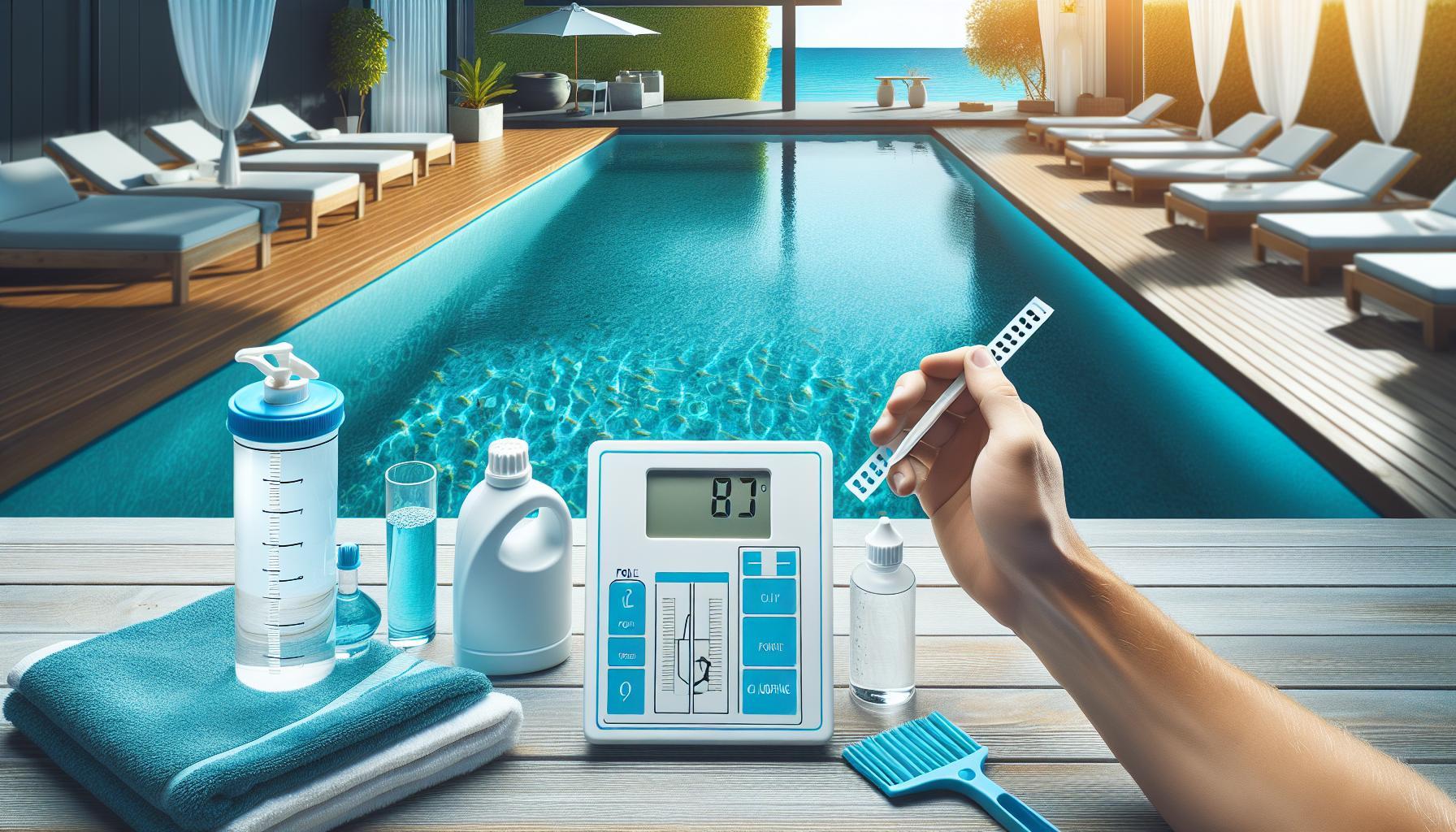
Did you know that maintaining the right balance of chemicals in your pool can save you time and money in the long run? Pool stabilizer, specifically cyanuric acid, plays a crucial role in protecting your chlorine investment by preventing its degradation from sunlight. This simple addition to your maintenance routine can significantly enhance the efficiency of your chlorine, reducing the amount you need to add and keeping your water clear and safe for swimming.
As a pool owner, understanding the importance of stabilizer can help you avoid the frustration of rapid chlorine loss and unexpected algae blooms. With the right knowledge and approach, you can ensure that your pool remains a pristine oasis, ready for enjoyment at a moment’s notice. In this article, we’ll explore how pool stabilizer works, its benefits, and practical tips on how to use it effectively, so you can maximize your pool experience while minimizing maintenance challenges. Keep reading to discover how to protect your investment and maintain the perfect swimming environment.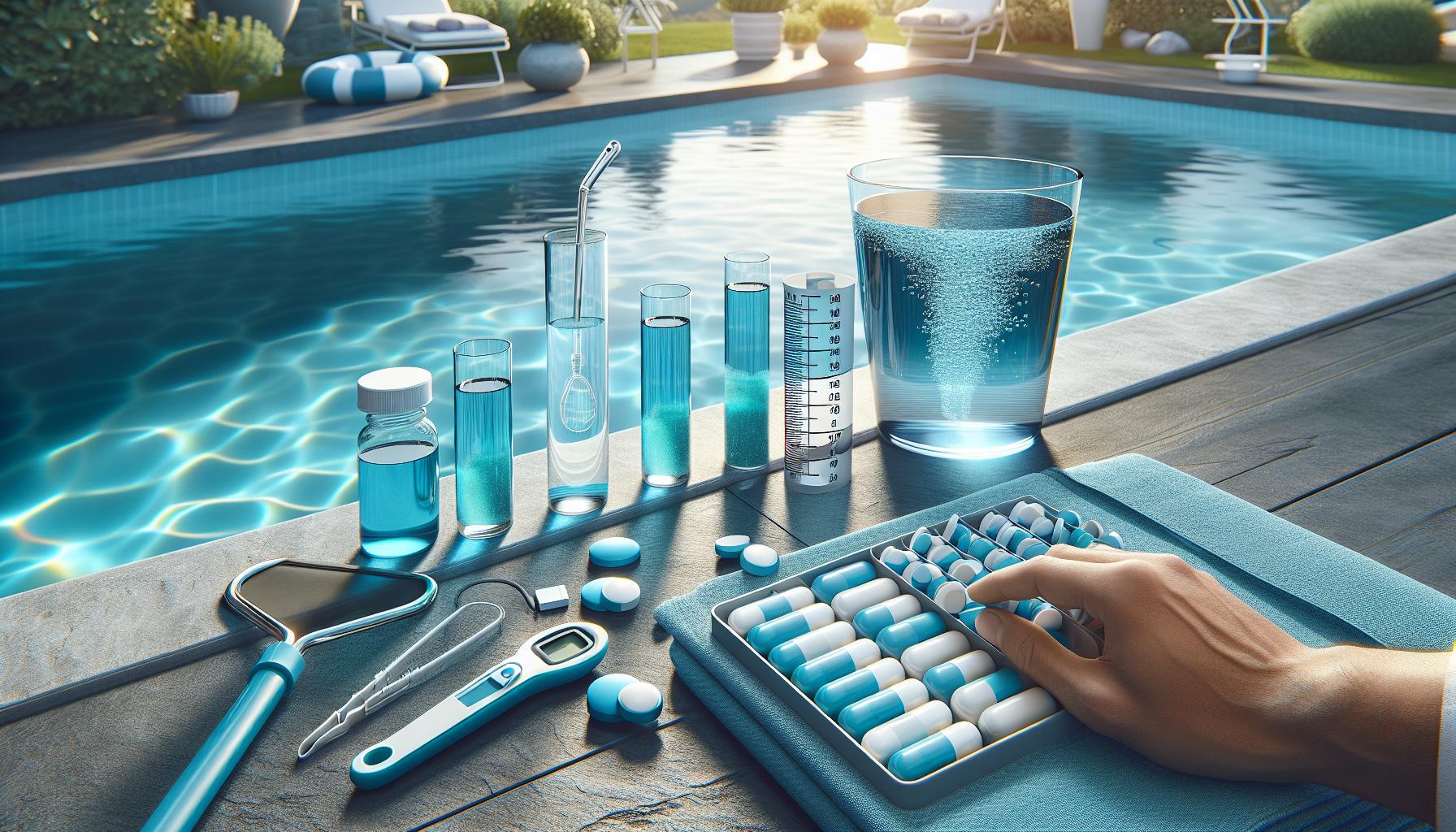
What is Pool Stabilizer and How Does it Work?
Pool stabilizer plays a crucial role in maintaining the effectiveness of chlorine in pools, particularly in outdoor settings where exposure to sunlight can drastically diminish chlorine’s efficacy. Essentially, pool stabilizer, often in the form of cyanuric acid, acts as a protective shield for chlorine molecules, helping to prolong their residual effects in the pool water. When chlorine is exposed to UV rays, it can degrade quickly, evaporating in just a few hours without the aid of a stabilizer. By adding pool stabilizer, you can significantly improve the retention of chlorine, ensuring that it remains active long enough to do its job of sanitizing the water effectively.
Understanding how stabilizer works is key to managing pool chemistry. When added to the pool, cyanuric acid forms a bond with chlorine, creating a protective layer that shields it from UV radiation. This interaction allows chlorine to linger in the water longer, thus providing consistent sanitization. A recommended range for cyanuric acid levels is typically between 30 to 50 parts per million (ppm); anything outside this range can either be ineffective or lead to complications such as chlorine lock, where chlorine becomes ineffective despite appearing present in the water.
To maintain optimal pool conditions, it’s important to regularly test both chlorine and stabilizer levels. If you notice that your chlorine levels drop quickly after shocking the pool or regular maintenance, it might be time to evaluate the stabilizer concentration. Properly balancing these chemicals not only prevents unnecessary chlorine usage but also promotes a healthier swimming environment by ensuring adequate disinfection without excessive chemical exposure. Regular monitoring and adjustment can empower pool owners to maximize their chlorine investment, ensuring crystal clear and safe water for swimming.
Benefits of Using Pool Stabilizer for Chlorine
The effectiveness of chlorine in pool water is often undermined by the sun’s harsh UV rays, which can break it down within a few hours. To combat this challenge, utilizing a pool stabilizer is a game changer. By incorporating cyanuric acid into your pool maintenance routine, you create a protective barrier for chlorine, allowing it to last significantly longer. This investment in stability not only enhances the pool’s sanitation but also saves you money by reducing the frequency of chlorine additions.
Utilizing pool stabilizerv presents several key benefits:
- Enhanced Chlorine Longevity: Stabilizers can prolong the life of chlorine, helping it remain active in the water for days instead of hours. This extended residual effect means fewer chemical additions, which can help lower maintenance costs over time.
- Improved Water Clarity: When chlorine levels are maintained at optimal levels due to stabilization, it leads to clearer and more inviting water. Guests are more likely to enjoy swimming in a pool that looks pristine and feels clean.
- Lower Chemical Usage: By reducing the rate at which chlorine is consumed, stabilizers can decrease the overall demand for chlorine, resulting in a more cost-effective approach to pool maintenance.
- Protection Against Chlorine Lock: Proper stabilizer levels help prevent chlorine lock, a condition where chlorine becomes less effective due to imbalances. This ensures your pool water remains safe and sanitized.
Maintaining an appropriate stabilizer level is essential, ideally between 30 and 50 parts per million (ppm). Regular testing of your pool’s water chemistry will help you stay within this range, ensuring that the stabilizer adequately shields your chlorine. Implementing a stabilizer not only promotes a more effective and economical pool maintenance routine but also empowers you to maintain a safe, enjoyable swimming environment for all users.
Signs Your Pool Needs Stabilizer Now
Understanding when your pool requires stabilizer is crucial for maintaining an effective sanitation system. If you notice that your chlorine levels are fluctuating dramatically despite regular additions, it’s likely that your pool is in need of an adequate supply of stabilizer. Without this protective agent, the sun’s ultraviolet rays can rapidly deplete chlorine, leading to poor water quality and increased chemical costs.
One telltale sign that your pool needs stabilizer is consistently cloudy or hazy water. This condition often arises when chlorine is being broken down too quickly, resulting in insufficient levels to sanitize the pool effectively. If your pool appears murky, a quick test of the cyanuric acid levels can provide insight into whether stabilizer is needed. Ideally, you should maintain levels between 30 to 50 parts per million (ppm). If your readings are below this range, it’s time to add more stabilizer to ensure your chlorine remains effective.
Another indicator is the frequent occurrence of algae growth, even shortly after shocking the pool. Algae thrives when chlorine levels drop too low, leading to unabated growth and unsightly green water. Regular monitoring of your pool’s water chemistry can help you catch these fluctuations early. If this pattern emerges, increasing your stabilizer will help create a robust defense against chlorine degradation.
Lastly, if you’ve recently experienced significant rainfall or a pool cleaning event, these can dilute chemical levels, including stabilizer. It’s advisable to check your cyanuric acid levels after such events. If they are low, adding stabilizer will help restore your pool’s balance. By staying vigilant and responsive to these signs, you can ensure a cleaner, clearer swimming environment while optimizing your chlorine investment effectively.
How to Properly Use Pool Stabilizer: Step-by-Step Guide
Maintaining a clear and healthy pool is always a priority for any owner, and using pool stabilizer effectively can be a game changer. For those looking to protect their chlorine investment, properly applying pool stabilizer ensures that your chlorine levels remain effective against the deteriorating effects of sunlight and other environmental factors. Here’s a systematic guide to help you navigate the process seamlessly.
Begin by testing your pool’s cyanuric acid (CYA) levels. This will determine if your pool is in need of stabilizer. Most pools should aim for a CYA level between 30 to 50 parts per million (ppm). Use a reliable pool test kit or strips that measure stabilizer levels accurately. If your readings fall below the ideal range, it’s time to add stabilizer.
To apply pool stabilizer, follow these steps:
Steps to Properly Use Pool Stabilizer
- Choose the Right Product: Look for a stabilizer that contains cyanuric acid, which is the most effective form for pool use. Products are often available in granule, powder, or liquid forms.
- Calculate the Needed Amount: Based on your test results and pool size, calculate how much stabilizer you need. A general guideline is to add about 10 to 15 ounces of stabilizer per 1,000 gallons of water to raise CYA levels by 10 ppm.
- Dissolve if Necessary: If you’re using granules or powder, it’s best to pre-dissolve them in a bucket of water. This will prevent settling at the bottom of the pool, which can lead to staining or filter issues. Mix thoroughly until dissolved.
- Add to the Pool: Slowly pour the dissolved stabilizer around the perimeter of the pool while the pump is running. This will help ensure even distribution throughout the water. If you’re using liquid stabilizer, you can pour it directly into the pool in a similar manner.
- Run the Pump: After adding the stabilizer, run your pool pump for at least 24 hours to help circulate the stabilizer throughout the pool and ensure it mixes well with the water.
- Retest Water Chemistry: After a couple of days, retest your CYA levels to confirm that they have reached your target. Adjust your chlorine levels accordingly to maintain water sanitation.
By following these steps, you can effectively safeguard your chlorine levels, enhancing your pool’s overall health and clarity. Keeping a close eye on your stabilizer levels, especially after significant rainfall or heavy swimming activity, will also help maintain that pristine pool environment. Remember, consistent testing and maintenance are keys to a balanced pool!
Common Misconceptions About Pool Stabilizer
Many pool owners are often misled by common misconceptions regarding pool stabilizers, which can lead to improper usage and ineffective pool maintenance. One prevalent myth is that pool stabilizer is only necessary in sunny climates. While it’s true that ultraviolet (UV) rays from the sun break down chlorine, pools in any location can benefit from stabilizer due to factors like water temperature and outdoor conditions. Adding cyanuric acid helps retain chlorine’s effectiveness regardless of weather patterns, thus reducing the frequency and amount of chlorine needed for effective sanitation.
Another misconception is that pool stabilizer eliminates the need for chlorine altogether. In reality, stabilizer enhances chlorine’s longevity but does not replace its sanitizing function. A balanced approach is essential: even with high stabilizer levels, sufficient chlorine must still be maintained to keep the water clean and safe for swimming. Pool owners should regularly test their chlorine levels in conjunction with cyanuric acid to ensure they meet safety standards, particularly after heavy use or rain.
It’s also often assumed that once stabilizer is added, it remains effective indefinitely. In truth, levels can diminish over time due to water dilution from rain, backwashing, or pool cleaning activities. Regular testing is crucial; a CYA level below the recommended range of 30 to 50 parts per million can lead to reduced chlorine efficiency. Owners should check their stabilizer levels periodically, especially during seasonal changes, to ensure optimal pool conditions are maintained.
Lastly, some believe that increasing stabilizer levels leads to unavoidable challenges, such as difficulty in adjusting chlorine levels. While higher CYA levels can indeed influence chlorine chemistry, it can be managed with informed practices. Regular testing of both chlorine and CYA levels, along with direct adjustments based on those readings, enables effective pool management. Pool owners equipped with knowledge can overcome these challenges and make informed decisions, ensuring a sparkling and safe swimming experience for all.
Troubleshooting Pool Stabilizer Issues
Maintaining optimal chlorine levels in your pool requires not just the right amount of chlorine but also the proper use of pool stabilizer. Troubleshooting issues related to pool stabilizer can often seem daunting. However, understanding common problems and their solutions can empower you to keep your pool sparkling and well-maintained.
One common issue pool owners face is high cyanuric acid (CYA) levels, which can lead to reduced chlorine efficiency. If your chlorine levels seem to be dropping quickly even after adding stabilizer, it’s crucial to test both the stabilizer and chlorine levels. If your CYA level exceeds the recommended range of 30 to 50 parts per million, you may need to partially drain and refill your pool with fresh water to dilute the stabilizer concentration. To ensure continuous monitoring, consider investing in a reliable test kit or strips that measure both chlorine and CYA levels, allowing for informed adjustments.
Another challenge arises from fluctuating chlorine levels, which can be exacerbated by irregular stabilizer use. If you notice that despite regular usage, your pool water remains cloudy or has a chlorine smell, it may indicate an imbalance. In this situation, first, check your CYA levels. If they are within range but chlorine levels are still low, try super chlorination-or shocking-your pool to quickly raise chlorine levels back to optimal conditions. This process helps to not only kill any lurking bacteria but also allows chlorine to stabilize effectively with the aid of the stabilizer.
Lastly, some pool owners may experience problems related to the visibility of stabilizer effects. If your pool seems to be consistently requiring higher amounts of chlorine, the problem might lie in the ratio of stabilizer to water chemistry. Make it a routine to check your stabilizer at the beginning and end of each swimming season. If initial levels are low, and significant use is expected, preemptively add stabilizer to ensure chlorine can work efficiently throughout the season.
By actively monitoring and adjusting your pool stabilizer and chlorine levels, you can tackle these common issues head-on and ensure a safer, more enjoyable swimming environment.
Choosing the Right Pool Stabilizer for Your Needs
Choosing the right pool stabilizer is essential for maximizing chlorine effectiveness and maintaining a clean, safe swimming environment. With various products available, making an informed decision can significantly enhance your pool maintenance routine. Most pool stabilizers contain cyanuric acid (CYA), which helps protect chlorine from being degraded by UV rays. Therefore, understanding your pool’s specific needs based on its conditions and your usage patterns can lead to better management of chlorine levels.
When selecting a stabilizer, consider the following factors:
- Pool Type: Above-ground pools and in-ground pools might have different requirements. Ensure that the stabilizer you choose is suitable for your pool type.
- Current CYA Levels: Test your pool water to determine existing cyanuric acid levels. The ideal range is typically between 30 to 50 ppm. If you’re close to this range, you might only need to maintain, but if it’s low, a higher concentration stabilizer can be beneficial.
- Usage Frequency: If your pool is used frequently, especially during sunny days, you may want to opt for a stronger stabilizer to minimize chlorine loss.
- Brand Reputation: Choosing a reputable brand can often ensure better quality and effectiveness. Reading reviews and seeking recommendations can guide you towards a reliable product.
Keep in mind that while it’s easy to assume that more stabilizer is better, oversaturating your pool with CYA can inhibit chlorine’s ability to sanitize effectively. Therefore, before making a purchase, evaluate the current chemical balance of your pool. Additionally, monitoring your levels regularly will help you adjust accordingly and maintain a well-balanced environment.
In summary, opting for the right pool stabilizer involves assessing your pool’s unique conditions and testing the current chemical levels. By choosing wisely, you’ll not only enhance the stability and longevity of your chlorine but also significantly improve your overall pool experience. Remember, informed decisions lead to less frustration and more enjoyment in your backyard oasis.
Cost-Effective Tips for Maintaining Chlorine Levels
Maintaining balanced chlorine levels in your pool can save you both time and money, ensuring that your swimming environment remains safe and enjoyable. One of the best ways to protect your investment in chlorine is through the use of a pool stabilizer, commonly composed of cyanuric acid. This chemical forms a protective barrier around chlorine molecules, shielding them from the degrading effects of UV rays and extending their efficacy. Here are some cost-effective strategies to help you maintain optimal chlorine levels while maximizing your investment in stabilizers.
Start by incorporating regular water testing into your routine. Testing your pool water at least once a week-especially during peak swimming season-enables you to monitor the levels of chlorine and stabilizer effectively. Many pool supply stores offer affordable test kits that can provide accurate readings for cyanuric acid along with other essential chemicals. Maintaining your cyanuric acid levels between 30 to 50 ppm is crucial, as even minor fluctuations can significantly affect chlorine performance. Regular monitoring allows you to make timely adjustments, reducing the risk of overspending on unnecessary chemicals.
Utilize a Stabilizer Efficiently
When it comes to application, timing and method matter greatly. Adding stabilizer during the evening can maximize its effectiveness, as the chlorine will remain protected from the sun overnight. Moreover, consider using a slow-dissolving form of cyanuric acid; these products generally release stabilizer steadily into the pool, maintaining consistent levels without the need for frequent additions.
Additionally, regular maintenance tasks like skimming leaves and debris or vacuuming your pool can also help maintain chlorine levels. Organic materials that decompose in the water consume chlorine, leading to rapid depletion. By keeping your pool clean, you reduce the need for additional chemicals and help your existing chlorine work more efficiently.
Embrace Natural Solutions
You may also explore natural solutions to complement your stabilizer. For instance, planting shade-providing plants or structures around your pool can block sunlight and decrease UV exposure, thereby extending the life of your chlorine. While this method may require an initial investment, the long-term savings from reduced stabilizer and chlorine usage can be substantial.
Finally, consider the frequency of pool usage when planning your maintenance schedule. During periods of heavy use, such as hot summer weekends, you may need to add stabilizer more frequently. Conversely, during cooler months or if the pool is used less often, you can reduce chemical inputs. By aligning your maintenance plan with your pool usage, you’ll ensure that you’re neither overspending nor left with imbalanced chemical levels.
By implementing these practical and budget-friendly strategies, you can effectively maintain your chlorine levels, ultimately enhancing the longevity of your pool’s chemical balance while maximizing your investment. Consistent upkeep and mindful choices will lead to clearer water and a more enjoyable swimming experience.
Comparing Stabilizers: Cyanuric Acid vs. Alternatives
The effectiveness of pool stabilizers in maintaining chlorine levels prompts many pool owners to consider their options, specifically the most common choice: cyanuric acid. Understanding how cyanuric acid compares to alternatives available on the market is essential for achieving optimal water quality while managing costs effectively. Cyanuric acid serves as a protective agent, shielding chlorine from the sun’s harmful ultraviolet rays and significantly prolonging its life in your pool. However, alternatives exist, each with unique benefits and potential drawbacks.
One alternative to cyanuric acid is sodium bicarbonate, often referred to as baking soda. This compound is primarily used for raising alkalinity in pool water, but it can also provide some stabilizing effects. While it isn’t a direct substitute for cyanuric acid when it comes to protecting chlorine from UV degradation, maintaining optimal alkalinity can enhance overall pool chemistry and contribute to a more balanced environment where chlorine efficacy is maximized. In pools with fluctuating pH levels, sodium bicarbonate can combat rapid chlorine depletion, improving the effectiveness of your sanitization efforts.
Another option for pool owners is liquid chlorine stabilizer products. These often combine multiple compounds and aim to deliver the benefits of traditional stabilizers along with additional features like faster dissolution and enhanced compatibility with various pool types. Liquid stabilizers can offer a great solution for pool owners who prefer more immediate results or who may not be comfortable with granulated forms. However, it’s crucial to note that while liquid stabilizers can provide convenience, they may also come at a higher cost compared to traditional cyanuric acid.
Ultimately, the choice between cyanuric acid and its alternatives hinges on the specific needs of your pool and your maintenance preferences. Here are a few factors to consider while making this decision:
- Cost: Cyanuric acid is generally more economical in the long run due to its effectiveness and longevity.
- Application method: Consider whether you prefer powder, granules, or liquid for ease of use.
- Water chemistry balance: Ensure that whichever stabilizer you choose complements your existing water chemistry and doesn’t introduce new challenges.
In summary, while cyanuric acid remains the industry standard for pool stabilizers, exploring alternatives can yield surprising benefits depending on your specific circumstances. The key is to remain informed and proactive about your pool’s unique needs to ensure a clean, safe, and enjoyable swimming environment.
FAQs About Pool Stabilizer and Pool Care
Understanding the ins and outs of pool stabilizers is crucial for effective pool maintenance, especially when dealing with chlorine. Many pool owners often find themselves grappling with the same questions about stabilizers and their role in maintaining sparkling clear water. One common query is: Why do I need a stabilizer for my pool? The primary function of a stabilizer, particularly cyanuric acid, is to protect chlorine from the intense UV rays of the sun, which can deplete chlorine levels by up to 90% in just a few hours. By using a stabilizer, you prolong the effectiveness of your chlorine, saving time and money in the long run.
Another frequent concern is the proper amount of stabilizer to use. To determine how much cyanuric acid your pool requires, you should regularly test the stabilizer levels. The ideal range is typically between 30 to 50 ppm (parts per million) for outdoor pools, while indoor pools may not need any stabilizer at all. If you find that levels are low, adding stabilizer can be done by either using granular products or liquid, following the manufacturer’s instructions for dosages.
Issues can arise if the stabilizer levels become too high. What are the signs of excessive stabilizer? If you notice cloudy water or difficulty keeping chlorine levels high despite regular additions, it may be an indication of over-stabilization. In such cases, the solution is often to partially drain and refill the pool with fresh water to dilute the stabilizer concentration.
By addressing these common questions, pool owners can maintain their pools effectively while maximizing the life and performance of their chlorine investment. Regular testing and mindful adjustments play key roles in achieving a healthy, enjoyable swimming environment.
Expert Tips for Long-Term Pool Maintenance
Maintaining a pool can often feel like a daunting task, but with the right strategies, you can keep your water sparkling clean and inviting for years to come. One key component of effective long-term pool maintenance is the regular use of pool stabilizer, or cyanuric acid, which protects your chlorine investment and saves you money in the long run. By following a few expert tips, you can ensure your pool remains in top shape with minimal effort.
Regular Testing and Monitoring
The foundation of successful pool care lies in consistent testing. Test the water at least once a week to check the chlorine levels and stabilizer concentration. The ideal cyanuric acid level for outdoor pools is typically between 30 to 50 parts per million (ppm). If your levels are low, it’s time to add more stabilizer. Conversely, excessive stabilizer can lead to cloudy water and reduced chlorine efficiency, so knowing when to dilute or refresh your pool water is critical.
Establish a Seasonal Maintenance Routine
As seasons change, so do the needs of your pool. Before opening your pool for the summer, ensure that stabilizer levels are adequate. During peak usage times, you might want to consider adding stabilizer more frequently. As fall approaches, check for any debris buildup that could hinder water circulation and chemical balance. For winterizing your pool, draining some water and adding antifreeze can be effective, but ensure that you maintain appropriate stabilizer levels.
Utilize Proper Application Techniques
Understanding how to effectively add stabilizer is crucial for achieving balanced pool chemistry. Whether you are using granular or liquid stabilizers, disperse the product evenly across the water surface to avoid concentrated areas that can lead to over-treatment. For granular product, it’s often recommended to pre-dissolve it in a bucket of water before adding it to the pool to ensure it mixes properly.
Stay Proactive Against Common Issues
Cloudy water and fluctuating chlorine levels often signal trouble. If you encounter such issues, review your stabilizer levels first. Remember, too much stabilizer can hinder chlorine performance, so if your pool appears cloudy and chlorine is not effective, consider partially draining the pool to lower the levels. Additionally, ensure your filtration system is functioning properly, as efficient circulation is vital for maintaining crystal-clear water.
With these actionable tips, you can simplify your pool maintenance regimen while ensuring a safe, enjoyable swimming experience for all. Regular attention to stabilizer levels and proactive troubleshooting will extend the life of your chlorine and enhance the overall quality of your pool water.
Q&A
Q: How does pool stabilizer protect chlorine?
A: Pool stabilizer, primarily cyanuric acid, protects chlorine from being degraded by sunlight. It acts like a sunscreen for chlorine, allowing it to remain effective longer, which reduces the frequency of chlorine additions and helps maintain balanced water chemistry.
Q: When should I add pool stabilizer?
A: Add pool stabilizer when opening your pool for the season or after heavy rains or water dilution. Monitoring cyanuric acid levels regularly ensures they stay within the optimal range of 30-50 ppm for effective chlorine stabilization.
Q: Can too much pool stabilizer be harmful?
A: Yes, excessive stabilizer levels can lead to chlorine lock, making chlorine less effective. If levels exceed 100 ppm, consider diluting the pool water to restore balance and ensure chlorine remains active.
Q: What are the signs that my pool needs stabilizer?
A: Signs include rapid chlorine loss, a strong chlorine smell, and algae growth. Testing for cyanuric acid levels can confirm if stabilizer is needed, ideally maintaining levels between 30-50 ppm for optimal chlorine efficiency.
Q: How do I test for pool stabilizer levels?
A: Use a testing kit specifically designed for cyanuric acid. These kits provide accurate readings, helping you determine if your stabilizer levels are appropriate and enabling you to adjust as necessary to maintain pool health.
Q: What is the difference between pool stabilizer and chlorine?
A: Pool stabilizer helps protect chlorine from sun degradation, while chlorine is the sanitizer that kills bacteria and maintains clear water. Both are essential for pool health, but they serve different but complementary functions.
Q: Can you use pool stabilizer in saltwater pools?
A: Absolutely! Pool stabilizer is beneficial in saltwater pools, just as in chlorine pools. It helps maintain effective chlorine levels produced by the salt chlorine generator, ensuring your pool stays clean and safe.
Q: How often should I check stabilizer levels in my pool?
A: Check stabilizer levels at least once a month during the swimming season. Regular testing helps maintain optimal water chemistry and prolongs the effectiveness of chlorine in your pool.
Wrapping Up
To ensure your pool remains a refreshing oasis, investing in a high-quality pool stabilizer is essential. By protecting your chlorine against the sun’s harsh rays, you not only save time and money but also keep your water clean and inviting for every swim. Don’t wait-take charge of your pool care today! For more tips on maintaining ideal water conditions, explore our articles on how to maintain your pool chemistry and top pool maintenance tools.
If you have any lingering questions or need personalized advice, don’t hesitate to reach out or leave a comment below. Join our newsletter for exclusive tips and offers that enhance your swimming experience. Invest in your pool’s longevity and enjoy that summer splendor-your chlorine investment deserves it!