
Did you know that high alkalinity levels in your pool can not only affect water chemistry but also pose health risks to swimmers? Maintaining proper alkalinity is crucial for providing a safe and enjoyable swimming environment. When alkalinity rises beyond the ideal range, it can lead to cloudy water, skin irritation, and ineffective sanitization, jeopardizing the health of your loved ones.
As a pool owner, understanding the implications of high alkalinity empowers you to take proactive steps in safeguarding both your pool and its users. You might be wondering how exactly this affects swimmers and what measures can be implemented to correct it. In this article, we’ll explore the dangers of high alkalinity and offer effective strategies to restore balance, ensuring your pool remains a safe haven for everyone. Stay with us to learn how you can protect your swimmers while enjoying a sparkling clean pool!
Understanding High Alkalinity in Pools: What You Need to Know

High alkalinity in swimming pools is a common issue that can affect water chemistry and overall pool enjoyment. When alkalinity levels rise beyond the recommended range, it impairs the pool’s ability to maintain stable pH levels, making water treatments less effective and leading to cloudy water conditions. Typically, the ideal total alkalinity for pools falls between 80 and 120 parts per million (ppm). Understanding the implications of high alkalinity not only enhances the swimming experience but also prevents long-term damage to the pool structure and equipment.
Recognizing high alkalinity is crucial for any pool owner; aside from cloudy water, other indicators include persistent scaling on surfaces or equipment, and difficulties adjusting pH levels. Owners often report that excessive alkalinity can make it challenging to achieve the desired water balance, suggesting a deeper issue that needs to be rectified. While high alkalinity on its own may not pose direct health risks, it can lead to uncomfortable swimming conditions, such as skin irritation or reduced effectiveness of chlorine, which are essential for combating harmful bacteria.
Steps to Manage High Alkalinity
- Test Regularly: Utilize pool test strips or kits to assess alkalinity levels frequently.
- Adjust with Acids: If high alkalinity is detected, you can lower it effectively by adding muriatic acid or sodium bisulfate. Follow manufacturer instructions for safe dosage.
- Incremental Changes: Make adjustments gradually, allowing the water to circulate before retesting to avoid drastic fluctuations that can lead to further imbalances.
By maintaining awareness and taking proactive steps, pool owners can enjoy clear, balanced water that enhances safety and overall swimmer enjoyment.
Signs of High Alkalinity: How to Identify the Problem
High alkalinity in pools can often go unnoticed until it creates larger problems, making early detection crucial for maintaining water quality. One of the most immediate signs of high alkalinity is persistent cloudy water. If your pool’s water lacks clarity and has a murky appearance, it may indicate that the alkalinity levels are out of balance. This cloudiness is not just unsightly; it can also deter swimmers and indicate the presence of other chemical imbalances.
Another telltale sign is the buildup of scaling on pool surfaces, tiles, and equipment. This mineral deposit often occurs when alkalinity levels are elevated, leading to a hard, crusty substance that is not only unattractive but can also lead to costly maintenance issues if left untreated. Increased scaling can result in damage to your pool’s finish and components over time, prompting the need for repairs.
Additionally, if you find yourself frequently adjusting pH levels with little success, this could signal high alkalinity. A stable pH should ideally range between 7.2 and 7.8, but when alkalinity is elevated, maintaining this balance becomes more challenging. Swimmers may also notice discomfort during their time in the water, such as skin irritations or stinging eyes, stemming from high alkalinity impacting the effectiveness of sanitizers like chlorine.
To tackle these symptoms, be proactive. Regular testing with high-quality pool test kits can help you monitor alkalinity levels, ensuring you stay within the ideal range of 80 to 120 ppm. If readings indicate high alkalinity, you can take immediate action by introducing acids such as muriatic acid or sodium bisulfate to bring levels back into balance. Always remember to add chemicals gradually and retest frequently to avoid drastic fluctuations, which can lead to further imbalances. With consistent monitoring and maintenance, you can ensure a safe and enjoyable swimming environment for everyone.
Health Risks: Is High Alkalinity Dangerous for Swimmers?
Elevated alkalinity levels in pools may not seem immediately alarming, but they can pose health risks to swimmers that warrant attention. When alkalinity exceeds the recommended range, it can significantly impact the pool’s overall water chemistry, making it difficult to maintain optimal pH levels. A high total alkalinity can lead to a pH reading that is consistently above the ideal range of 7.2 to 7.8. This imbalance is not only uncomfortable but can also be unsafe for those enjoying your pool.
When alkalinity climbs too high, swimmers might experience various physical reactions, such as skin irritations and stinging eyes. This discomfort often arises because the elevated alkalinity affects the efficacy of the pool’s sanitizer (most notably chlorine), which may lead to insufficient disinfection. As a result, harmful bacteria or algae can flourish, increasing the risk of skin infections or other waterborne illnesses. Furthermore, if the water is not properly sanitized, swimmers can be more susceptible to irritations and infections, especially if they have sensitive skin or allergies.
Additionally, consistently high alkalinity can create a cloudy appearance in the water, which not only detracts from the pool’s aesthetic appeal but also indicates potential chemical imbalances. Visibility issues can inhibit safe swimming by making it difficult to see submerged hazards. Regularly monitoring alkalinity levels is key to preventing these health risks. Keeping alkalinity within a balanced range not only promotes a safe swimming experience but also ensures that your pool equipment is functioning effectively, further protecting your investment and your swimmers.
To alleviate elevated alkalinity, consider taking immediate action using muriatic acid or sodium bisulfate. These chemicals can help return alkalinity to the recommended range of 80 to 120 ppm. Always follow the manufacturer’s instructions closely when adjusting chemical levels and retest frequently to ensure stability. In doing so, you’ll maintain a healthier swimming environment that is both enjoyable and safe for everyone.
The Science Behind Pool Alkalinity: Why It Matters
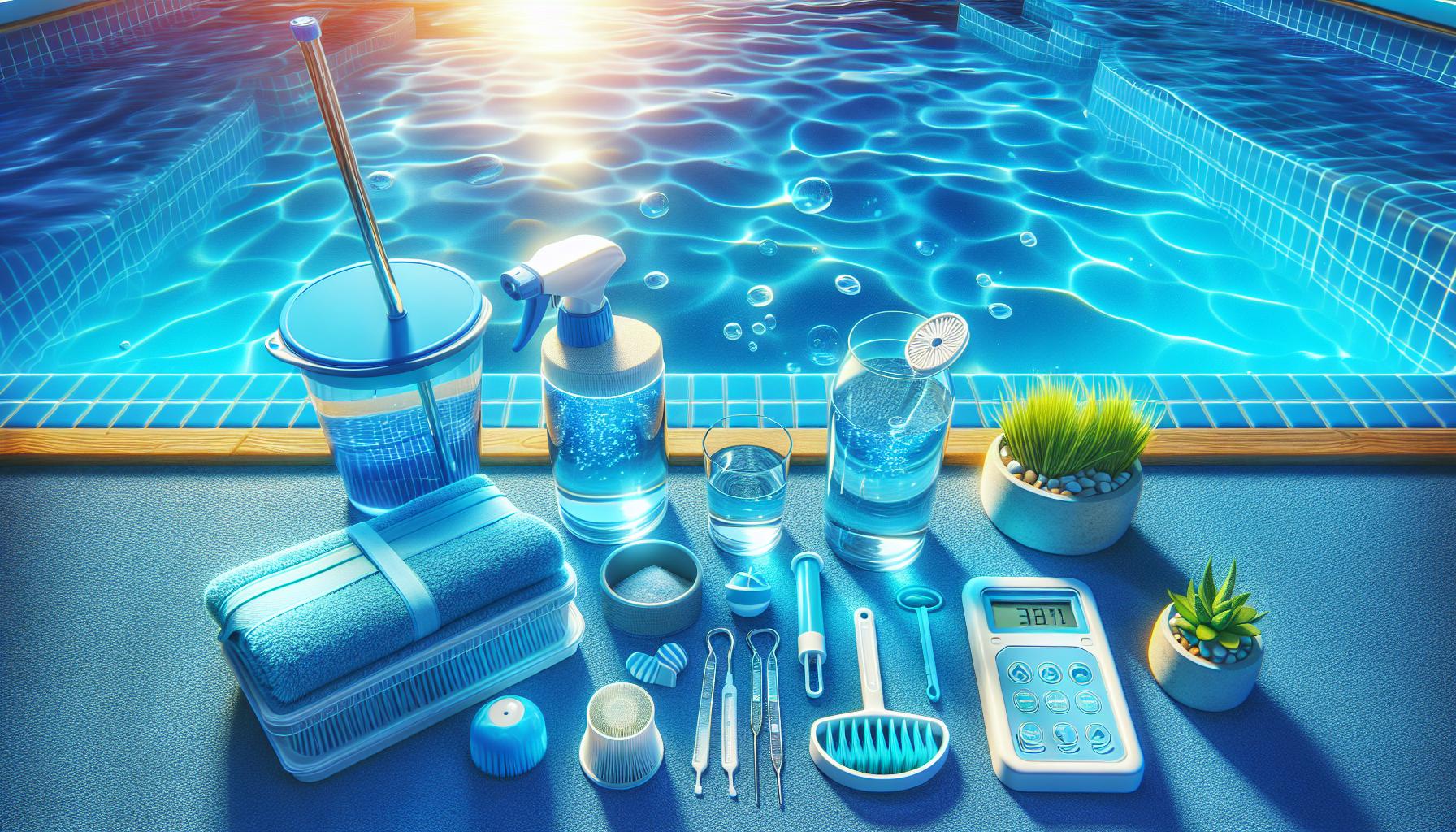
Understanding pool alkalinity is essential for maintaining a safe and enjoyable swimming environment. Alkalinity in pool water serves as a buffer that stabilizes pH levels, helping to resist fluctuations caused by environmental factors, swimmer activity, and chemical use. When alkalinity is properly balanced-ideally between 80 and 120 ppm-it ensures that chlorine and other sanitizers work effectively, keeping harmful bacteria, algae, and other contaminants at bay. High alkalinity can lead to a range of issues that detract from both the health of the swimmers and the longevity of the pool equipment.
The importance of managing alkalinity cannot be overstated. A high alkalinity level can result in a pH that consistently hovers above the ideal range of 7.2 to 7.8, contributing to poor water clarity and diminished sanitizer effectiveness. This situation can create favorable conditions for bacteria and algae growth, which can lead to cloudy water, skin irritations, and an unpleasant swimming experience. Moreover, when swimmers experience discomfort, such as stinging eyes or itchy skin, it may deter them from enjoying the pool, leading to reduced use over time.
In terms of chemistry, alkalinity is primarily influenced by the presence of bicarbonates, carbonates, and hydroxides in the water. Understanding these compounds helps pool owners recognize how adding chemicals or even natural materials can affect overall alkalinity. For instance, sodium bicarbonate (baking soda) is commonly used to raise low alkalinity levels, while acids, such as muriatic acid, effectively lower high levels. Therefore, monitoring and adjusting alkalinity requires a fundamental understanding of these chemical interactions to make informed maintenance decisions.
To ensure optimal pool conditions, regular testing and prompt adjustments are vital. Utilizing test kits or strips every few weeks allows pool owners to keep a close eye on alkalinity levels, ensuring that they remain in the recommended range. By actively managing alkalinity, you not only enhance swimmer comfort and safety but also extend the life of your pool equipment, ultimately leading to a more enjoyable and hassle-free swimming experience.
Immediate Solutions: Correcting High Alkalinity Levels

High alkalinity in a pool can be more than just an irritating problem; it can undermine swimmer comfort and pool maintenance as a whole. When alkalinity levels exceed the recommended range, you may notice symptoms like cloudy water, stinging eyes, and itchy skin, signaling it’s time for immediate action. Correcting high alkalinity is crucial not just for aesthetic reasons but to ensure a safe swimming environment. Luckily, there are precise steps you can take to rectify this issue.
To begin addressing elevated alkalinity, you’ll want to introduce an acid to the pool water. Muriatic acid (hydrochloric acid) is a common and effective choice. Here’s how to do it safely and effectively:
Step-by-Step Guide to Lowering Pool Alkalinity
- Test Your Water: Always start with a reliable pH test kit or strips. Determine the alkalinity level; if it’s above 120 ppm, you’re ready to lower it.
- Calculate the Amount of Acid Needed: Generally, adding 1 quart of muriatic acid per 10,000 gallons of water can lower the total alkalinity by about 10 ppm. Adjust this quantity based on your specific pool volume and current alkalinity levels.
- Prepare the Acid: In a well-ventilated area, put on protective gear, including gloves and goggles. Dilute the acid in a bucket of water according to safety instructions on the label (never add water to acid; always add acid to water).
- Apply the Acid to the Pool: Pour the diluted acid slowly into the deep end of the pool while the pump is running. This helps disperse the acid throughout the water.
- Re-Test and Adjust: Allow the water to circulate for at least 4-6 hours, then retest alkalinity levels. Repeat the process if necessary until your pool water falls within the ideal range of 80-120 ppm.
Post-Adjustment Care
After correcting the alkalinity, it’s essential to monitor other chemical levels, especially pH, which may also require adjustment as it typically lowers when alkalinity is corrected. Keeping a consistent testing schedule, using test strips weekly, and learning your pool’s behavior can drastically improve your maintenance routine.
Incorporating regular maintenance practices, such as adding chemicals slowly and incrementally, not only improves safety but also ensures a more pleasant swimming experience. Empowering yourself with knowledge and practical steps to manage alkalinity will pave the way to a crystal-clear, inviting pool that you and your swimmers can enjoy confidently.
Long-Term Maintenance: Keeping Alkalinity Balanced
Maintaining a balanced alkalinity level in your swimming pool is essential for ensuring a safe and pleasant swimming experience. Regular monitoring and adjustments will not only enhance water clarity but will also protect both swimmers and your pool’s equipment from the adverse effects of high alkalinity. Over time, neglecting this balance can lead to a range of problems, from cloudy water to potential damage to pools and filtration systems.
To establish a successful long-term maintenance routine, consider the following strategies:
- Regular Testing: Test your pool water at least once a week during peak swimming seasons. Use reliable testing kits that measure both alkalinity and pH levels, ensuring they remain within the ideal range (80-120 ppm for alkalinity and 7.2-7.8 for pH).
- Consistent Chemical Balance: The alkalinity and pH levels are closely linked; if you adjust one, check the other. After adding any chemicals to the pool, give the water ample time to circulate (4-6 hours) before retesting.
- Scheduled Maintenance: Incorporate regular maintenance tasks such as brushing the walls and vacuuming the floor to reduce debris that can influence water chemistry. This practice not only improves aesthetics but also aids in even chemical distribution.
- County-Specific Guidelines: Depending on your geographical location and its effects on water quality (such as rainfall or heavy leaf litter), adjust your maintenance frequency and methods accordingly.
Implementing a consistent schedule and staying informed about changes in your pool water can drastically reduce the risk of alkalinity spikes. Additionally, consider investing in quality pool accessories, such as automated chemical dispensers, which can simplify the process of maintaining appropriate chemical levels. With these practices, you can create a safe, enjoyable swimming environment year-round, empowering you to handle pool challenges independently.
Testing Pool Alkalinity: Tools and Techniques
Testing the alkalinity of your pool water is a crucial step in maintaining a safe and enjoyable swimming environment. High alkalinity can hinder your pool’s water chemistry, leading to discomfort for swimmers and potential damage to equipment. Regular testing not only helps you catch issues early but also equips you with the knowledge needed to take corrective action promptly.
To get started, investing in a reliable testing kit is essential. There are a few types to consider: test strips, liquid test kits, and digital testers. Each type has its advantages. Test strips are user-friendly and provide quick results, while liquid test kits offer more precise readings and are preferred by many professionals. Digital testers can be more expensive but provide accurate measurements with minimal effort. Regardless of the method chosen, ensure your kit tests for both alkalinity (ideally between 80-120 ppm) and pH levels (7.2-7.8).
When testing, follow these systematic steps for reliable results. First, gather your testing kit, a clean sample container, and water from about elbow-deep in the pool to avoid surface contaminants. Next, if using strips, dip them into the water sample and wait for the specified time before comparing the colors to the provided scale. For liquid tests, mix the appropriate reagents with your sample according to the kit’s directions, observing any color changes to determine your alkalinity level. If using a digital tester, simply place the sensor in the water, and wait for the reading to stabilize.
After taking your readings, you can determine your pool’s chemistry needs. If your tests indicate high alkalinity, consider using muriatic acid or sodium bisulfate as a corrective measure. It’s best to add the chosen chemical gradually and retest after a period-typically 4-6 hours of circulation-to ensure your levels are decreasing to the desired range.
By routinely testing alkalinity and acting on the results, you can protect both your swimmers and your pool investment, ensuring a clear, safe aquatic experience year-round. Consistency in testing will empower you to maintain optimal water conditions, making pool ownership a more enjoyable endeavor.
Common Misconceptions About Pool Alkalinity
Many pool owners hold misconceptions about alkalinity, often leading them to misunderstand its role and implications for water chemistry. One common belief is that high alkalinity inherently means better water quality. In reality, while alkalinity is essential for stabilizing pH levels, excessively high alkalinity can create a slew of issues. It can lead to cloudiness, difficulties in maintaining a balanced pH, and scaling on pool surfaces, which detracts from the overall aesthetic and functionality of the pool.
Another prevalent myth is that alkalinity does not affect swimmers’ safety. While it may not pose immediate health risks, such as pathogen exposure, high alkalinity can create an uncomfortable swimming experience. It can cause skin irritation, eye discomfort, and reduced sanitizer effectiveness. These discomforts may inadvertently discourage swimming or reduce the enjoyment of the pool, which counteracts the purpose of having one.
Additionally, some believe that managing alkalinity is a one-time task rather than a continual process. In truth, alkalinity can fluctuate due to various factors such as rainfall, organic debris, and the introduction of chemicals, necessitating regular testing and adjustments. To counter this misconception, make it a routine practice to check alkalinity levels at least once a week, especially during peak swimming seasons.
To prevent and correct high alkalinity levels effectively, consider adding muriatic acid to your pool. Start with small doses (approximately 25.6 ounces for a 10,000-gallon pool to lower alkalinity by 10 ppm) and retest after a few hours to see the results. This gradual approach avoids sudden shifts in water chemistry, protecting both swimmers and your pool equipment.
Empowering yourself with knowledge about pool chemistry not only ensures a safe swimming environment but also enhances the longevity of your pool. A proactive and informed approach to managing alkalinity contributes significantly to maintaining optimal water quality and a pleasant swimming experience for all.
Preventive Measures: Avoiding High Alkalinity
To maintain a healthy swimming environment, understanding how to effectively avoid high alkalinity in your pool is crucial. Many factors contribute to elevated alkalinity levels, but proactive management can prevent issues that lead to cloudy water and swimmer discomfort. First and foremost, regular testing of your pool’s water chemistry is essential. By using a reliable test kit, you can monitor not just alkalinity, but also pH levels, allowing for prompt adjustments. Aim to test the water at least once a week, especially during peak usage seasons, to stay ahead of any potential problems.
Taking a comprehensive approach to pool maintenance is also beneficial. For instance, maintaining appropriate water levels will help counteract the effects of rainwater and debris, which can introduce new sources of alkalinity. If you know that there are frequent weather changes or heavy rainfall in your area, consider using a pool cover when the pool is not in use. This practice minimizes debris accumulation while also reducing the rate at which rainwater dilutes your chemicals.
In addition, the chemicals you use can have a significant impact on alkalinity. When adding sanitizers or other chemicals, always follow the manufacturer’s instructions to avoid excessive buildup of alkaline substances. If you need to use other add-ons, such as algaecides, ensure they do not contribute to high alkalinity levels. If you’re unsure, seeking advice from a pool care professional can offer insights tailored to your specific situation.
Another strategy involves integrating a regular cleaning schedule for your pool. By skimming debris from the surface and vacuuming the pool floor, you minimize organic buildup that can affect water chemistry. It is also important to regularly clean your filter. A clogged filter can not only compromise water clarity but can also impair the effectiveness of chemical treatments, potentially leading to imbalances including high alkalinity.
Lastly, if you’re using well water, be aware of its alkalinity level. Test the fill water before introducing it to your pool, and consider treating it to an acceptable range if necessary. By taking these preventive steps, you can effectively manage alkalinity, ensuring a safe swimming environment that enhances the enjoyment and longevity of your pool.
Impact on Pool Equipment and Water Chemistry
High alkalinity in your pool can lead to a myriad of issues affecting both the water chemistry and your pool equipment, making it crucial to understand the implications. When total alkalinity levels exceed the recommended range of 80 to 120 ppm (parts per million), several problems can arise. First and foremost, high alkalinity creates a buffer that prevents pH levels from adjusting easily, resulting in a stable but undesirable environment that’s vulnerable to fluctuations. Insufficient acid in the water due to high alkalinity can hinder the pool’s ability to manage chlorine effectively, ultimately leading to inefficiencies in sanitation. This can contribute to cloudy water, algal blooms, and increased maintenance costs.
Moreover, the repercussions extend beyond water quality. Elevated alkalinity can cause scaling and corrosion within your pool’s plumbing and equipment. Filters, heaters, and pumps can suffer from mineral buildup, reducing their effectiveness and lifespan. Scale can accumulate in the heater’s heat exchanger, which can lead to overheating and potential failure. Additionally, if the alkalinity is too high, it can exacerbate the wear on pool liners and tile work, leading to costly repairs. Therefore, it’s essential to monitor and adjust alkalinity levels proactively.
To address high alkalinity and its impacts effectively, consider these actionable steps:
- Test Regularly: Use a reliable test kit regularly to monitor alkalinity levels. Aim for at least once a week, especially during high usage periods.
- Add Acid Carefully: If alkalinity is high, use muriatic acid or sodium bisulfate to lower levels. Always add acid to water, not the other way around, to prevent violent reactions.
- Flush the System: Regularly backwash or clean your filter to prevent buildup of minerals and contaminants from the water.
- Check Fill Water: If you’re using municipal or well water to fill the pool, test its alkalinity before adding it to the pool, as it can introduce high alkalinity.
By implementing these strategies, you can mitigate the risks associated with high alkalinity, protect your swimmers, and ensure that your pool equipment remains in optimal condition. Keeping alkalinity within the recommended ranges will contribute to a more enjoyable swimming experience and extend the lifespan of your pool system.
When to Call a Professional: Signs You Need Help
The complexities of maintaining proper pool chemistry can be daunting, especially when balancing alkalinity levels. If your attempts to rectify high alkalinity are met with persistent issues, it may be time to consult a professional. Certain signs indicate you need expert intervention to ensure the safety and functionality of your pool.
Firstly, if you notice persistent cloudy water or frequent algae blooms despite regular chemical adjustments, it could suggest that high alkalinity levels are interfering with the effectiveness of your chlorine. These persistent problems indicate that your pool is struggling to maintain a safe swimming environment, and a professional can perform a comprehensive analysis to identify underlying issues.
Professional Testing and Treatment
Swimmer discomfort, such as skin irritation or eye redness, can also signal that the water chemistry is off balance. If DIY solutions-including adjusting alkalinity or chlorine levels-fail to alleviate these symptoms, reaching out to a pool service professional is recommended. They can provide advanced testing and tailored treatments to restore ideal conditions in your pool.
Additionally, if you encounter significant corrosion or scaling on your pool equipment, it might indicate a severe alkalinity imbalance. For instance, check your filters, heaters, and pumps for signs of wear or buildup. This type of damage can compromise your pool’s overall integrity and efficiency, necessitating the expertise of a professional who can address these issues and protect your investment.
Ultimately, if managing chemical levels becomes overwhelming, trusting a professional can not only save you time and frustration but also ensure your swimming area remains safe and enjoyable for everyone. Taking immediate action on these signs will keep your pool in prime condition, allowing for a healthier swimming experience.
Frequently Asked Questions About Pool Alkalinity
High alkalinity in your pool can prompt a myriad of concerns, leading many pool owners to seek out answers to their questions. It’s essential to understand the nuances of pool alkalinity and its implications for both water quality and swimmer safety.
One common query revolves around the ideal alkalinity range. The recommended total alkalinity for pools is between 80-120 ppm (parts per million). When levels exceed this range, swimmers may experience discomfort, such as skin irritation or eye redness. Regular testing using simple test strips or more advanced kits can help maintain optimal alkalinity levels. If you discover high alkalinity, immediate corrective measures should be taken, such as adding an acid like muriatic acid or sodium bisulfate, carefully following the manufacturer’s instructions.
The effects of high alkalinity extend beyond discomfort; they can significantly impact chlorine’s effectiveness. Elevated alkalinity levels can cause cloudy water, making it harder for chlorine to sanitize the pool effectively. This scenario can lead to a potential increase in harmful bacteria and algae growth, posing risks to swimmer health. It’s crucial to balance alkalinity along with pH levels to enhance overall water quality and ensure a safe swimming environment.
For long-term maintenance, establishing a regular testing schedule is key. Monitoring water chemistry weekly, especially during peak swimming seasons, can help catch fluctuations early. Additionally, implementing preventive measures, such as pre-testing refill water for alkalinity and avoiding treatments that might raise it unnecessarily, will lead to a healthier pool. If DIY methods fail or if you have persistent issues, consulting a pool professional can be invaluable. They can provide in-depth analysis and tailored solutions to bring your pool’s chemistry back to balance and protect your swimmers effectively.
Frequently Asked Questions
Q: What are the symptoms of high alkalinity in pool water?
A: Symptoms of high alkalinity may include cloudy water, difficulty maintaining pH balance, and potential scaling on pool surfaces. If you notice these signs, it’s crucial to test your water frequently and take corrective actions as needed.
Q: How does high alkalinity affect pool chemicals?
A: High alkalinity can hinder the effectiveness of chlorine and other sanitizers, leading to poor water quality. It’s essential to maintain balanced alkalinity levels to ensure that disinfectants work effectively, keeping your pool safe for swimmers.
Q: Can high alkalinity cause skin irritation for swimmers?
A: While high alkalinity is not typically dangerous, it can lead to skin irritation and discomfort for some swimmers due to uneven pH levels. Regular monitoring and adjustments can help prevent such issues, keeping the water comfortable for all users.
Q: What should I do if my pool alkalinity is too high?
A: To lower high alkalinity, you can add muriatic acid or sodium bisulfate, which helps bring levels back to normal. Always follow the manufacturer’s instructions for dosage, and test the water frequently during the process to ensure proper balance.
Q: Is high alkalinity in a pool more dangerous than low alkalinity?
A: While both high and low alkalinity levels can negatively impact water quality, high alkalinity is generally less harmful. However, it can complicate pH management and pool maintenance, which may lead to issues affecting swimmer safety and comfort.
Q: How often should I test pool alkalinity?
A: It’s recommended to test pool alkalinity at least once a week during the swimming season. More frequent testing may be necessary after heavy rains or after adding significant amounts of chemicals, ensuring a safe and enjoyable swimming environment.
Q: Can high alkalinity lead to algae growth in pools?
A: Yes, high alkalinity can contribute to algae growth by preventing effective disinfection of the water. Maintaining balanced levels of alkalinity and pH is essential to keeping your pool free from algae and other contaminants.
Q: What is the ideal alkalinity range for pool water?
A: The ideal alkalinity range for pool water is typically between 80 and 120 parts per million (ppm). Keeping levels within this range helps ensure stable pH levels and optimal water quality for swimming. Regular testing and maintenance are key.
Key Takeaways
Maintaining safe water conditions is essential for a healthy swimming environment. To protect your swimmers, address high alkalinity promptly using tested methods like muriatic acid or sodium bisulfate. Be proactive-monitor your pool chemistry regularly to prevent future issues. If you’re unsure where to start, explore our guide on how to reduce alkalinity (Maytronics) for step-by-step instructions.
Don’t let high alkalinity compromise your pool experience! Consider signing up for our newsletter to stay informed on maintenance tips, and visit our resources on common pool problems and best practices for a sparkling clean pool that’s always ready for fun. Remember, your pool’s safety is in your hands-act now and make your pool a welcoming retreat for everyone!