


Maintaining the correct pH level in your pool is crucial for ensuring clear water and a comfortable swimming environment. Did you know that a balanced pH helps prevent skin irritation and preserves the effectiveness of your pool chemicals? If your pool has cloudy or green water, adjusting the pH is a vital step in your maintenance routine.
This guide will walk you through easy adjustments to raise your pool’s pH level, empowering you to tackle common pool challenges confidently. Understanding the importance of pH balance not only enhances your swimming experience but also prolongs the life of your pool equipment-saving you time and money in the long run.
Ready to dive in and discover simple solutions for achieving crystal-clear water? Let’s explore how easy it is to bring your pool’s pH back into the optimal range for healthy, enjoyable swimming.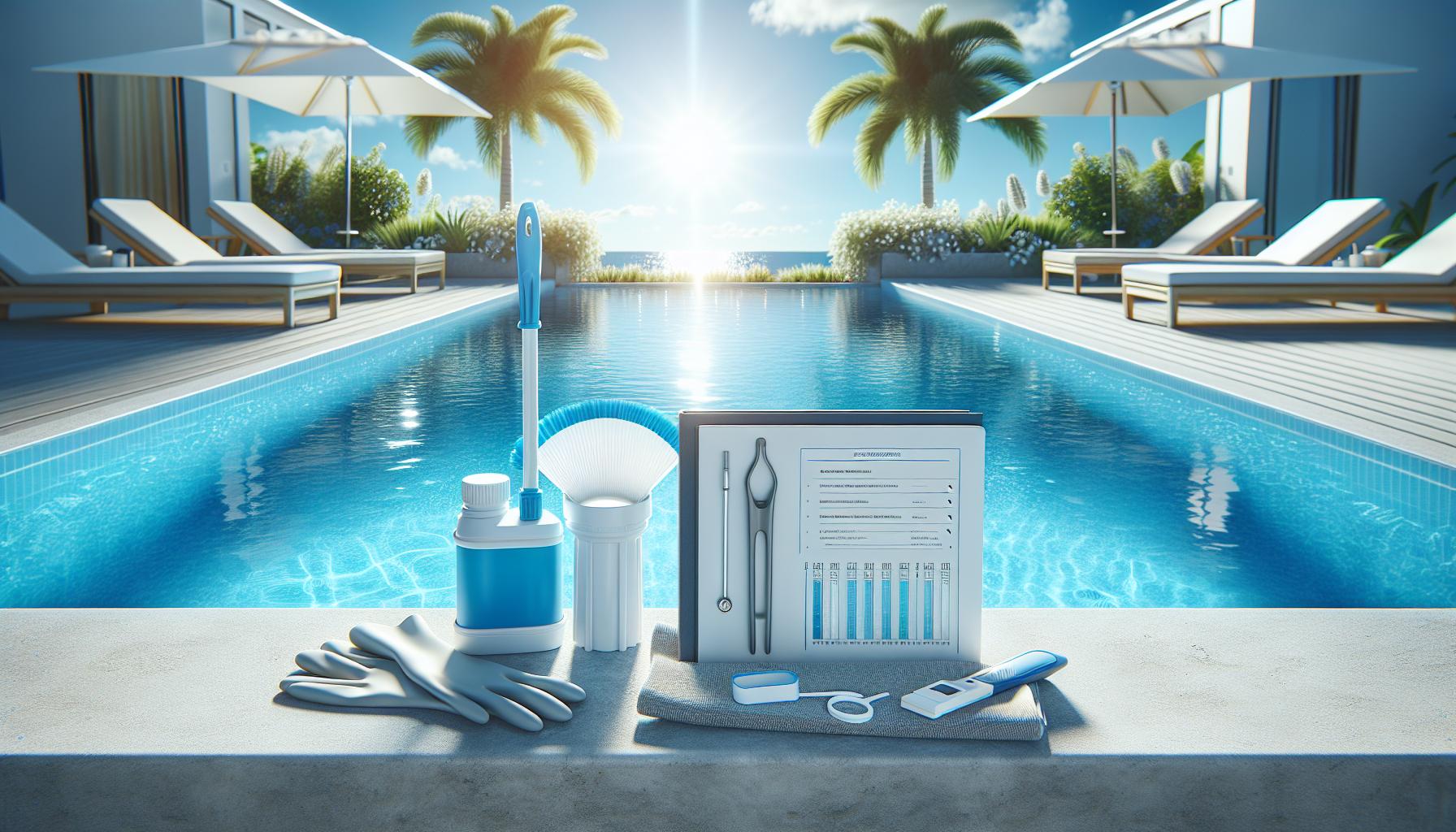
How pH Levels Impact Pool Clarity and Health
Maintaining optimal pH levels in your pool is crucial not only for clarity but also for the overall health of your swimming environment. When the pH balance is off, it can lead to a variety of issues that affect both the water quality and the comfort of swimmers. A pH level that’s too low (acidic) can irritate skin and eyes, corrode pool equipment, and cause unsightly algae blooms. Conversely, a high pH level (alkaline) can render sanitizers like chlorine less effective, leading to cloudy water and increased bacteria growth. Aim for a pH range between 7.2 and 7.8, which is ideal for effective sanitation and swimming comfort.
Regularly monitoring and adjusting the pH levels in your pool is essential for clarity and safety. If you notice that the water is becoming cloudy or if swimmers are experiencing skin irritation, these could be clear indicators of pH imbalance. Simple tests can be done using liquid test kits or test strips, which will quickly inform you of your water’s current pH. If corrective action is needed, there are various methods and products available that can help bring the levels back to optimal ranges. Remember, a little proactive maintenance goes a long way in ensuring your pool remains a beautiful and healthy oasis.
Implementing a routine for checking and adjusting pH can also dramatically reduce the occurrence of more significant issues down the line. For instance, consistently low pH levels may lead to damage to the pool surface and filtration systems, which could result in costly repairs. On the other hand, ensuring that your pH levels remain within the recommended range not only enhances water clarity but also protects your investment while providing a comfortable and enjoyable swimming experience for all users.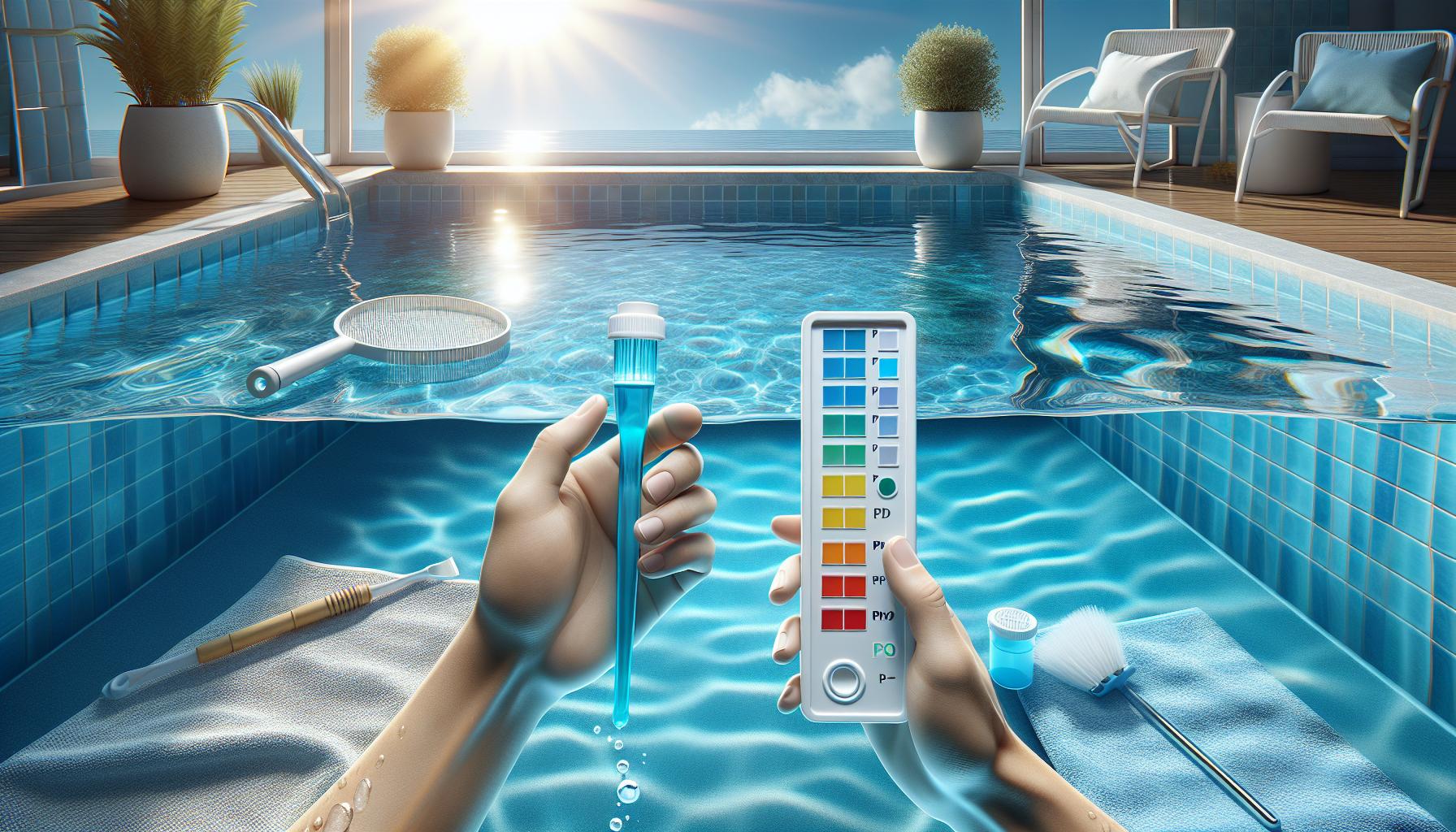
Understanding Optimal pH Levels for Your Pool
Maintaining the correct pH levels in your pool is akin to keeping a well-tuned engine: it ensures that everything runs smoothly and efficiently. A pH level between 7.2 and 7.8 is ideal for pool health. This range not only enhances water clarity but also optimizes the effectiveness of sanitizers, such as chlorine, which play a critical role in keeping your swimming environment safe and clean. When the pH strays outside this optimal range, it can lead to a cascade of problems that affect both swimmer comfort and pool functionality.
Understanding how pH levels function in your pool is essential. Low pH, which translates to more acidic water, can cause skin and eye irritation, accelerate the corrosion of pool equipment, and promote the growth of algae. Conversely, high pH makes it difficult for disinfectants to do their job effectively, leading to cloudy water and potential bacterial proliferation. Regular testing is your first line of defense. Use reliable testing kits or strips weekly to check your pH and ensure that it remains stable within the recommended range.
If you find that your pH levels are off, don’t worry-simple adjustments can restore balance. When raising pH, products like sodium carbonate (soda ash) are effective and widely used. A standard approach involves gradually introducing the chemical into the pool water while the pump is running, allowing for even distribution. Always follow the manufacturer’s guidelines on dosage to avoid overshooting your target pH range.
Staying proactive is key. Make it a habit to incorporate pH checks into your routine maintenance and educate yourself about the factors that might influence pH fluctuations in your pool, such as rainwater, heavy bather loads, and the use of certain cleaning chemicals. By understanding and managing your pool’s pH levels effectively, you not only protect your investment but also create a more enjoyable swimming experience for everyone.
Signs Your Pool’s pH Level is Too Low
A pool with low pH can pose several challenges, making it crucial for owners to recognize when their water chemistry is off. One of the most noticeable signs is discomfort among swimmers. If you notice that participants frequently complain of eye irritation or skin rashes after enjoying a swim, it could be a strong indicator that the water’s acidity level is too high. Generally, a pH level below 7.2 means the water is more acidic, which can lead to these irritations, diminishing the overall swimming experience.
In addition to swimmer discomfort, low pH can significantly impact pool equipment and surfaces. This acidic environment accelerates corrosion of metal components, such as ladders, lights, and pumps, leading to costly repairs or replacements over time. If you observe visible rusting or deterioration of pool fixtures, it may be time to check your pH levels. Moreover, low pH can contribute to the deterioration of plaster surfaces, creating rough patches that can trap debris, making cleaning and maintenance more laborious.
Another critical aspect to consider is water clarity. When pH levels drop, the balance of your pool chemicals can be upset, potentially leading to cloudy water. This cloudiness often results from ineffective disinfection, as low pH can inhibit the performance of chlorine and other sanitizers, allowing bacteria and algae to thrive. If you notice a decrease in visibility or a greenish tint to the water, it’s a clear sign that your pool pH may be too low.
To address these issues effectively, regular testing of your pool water should become a habit. Utilize reliable pH testing kits to monitor levels frequently. If low pH is confirmed, it’s time to take corrective action. By taking proactive measures to maintain proper chemistry, you can ensure that your pool remains a safe, inviting, and enjoyable space for everyone.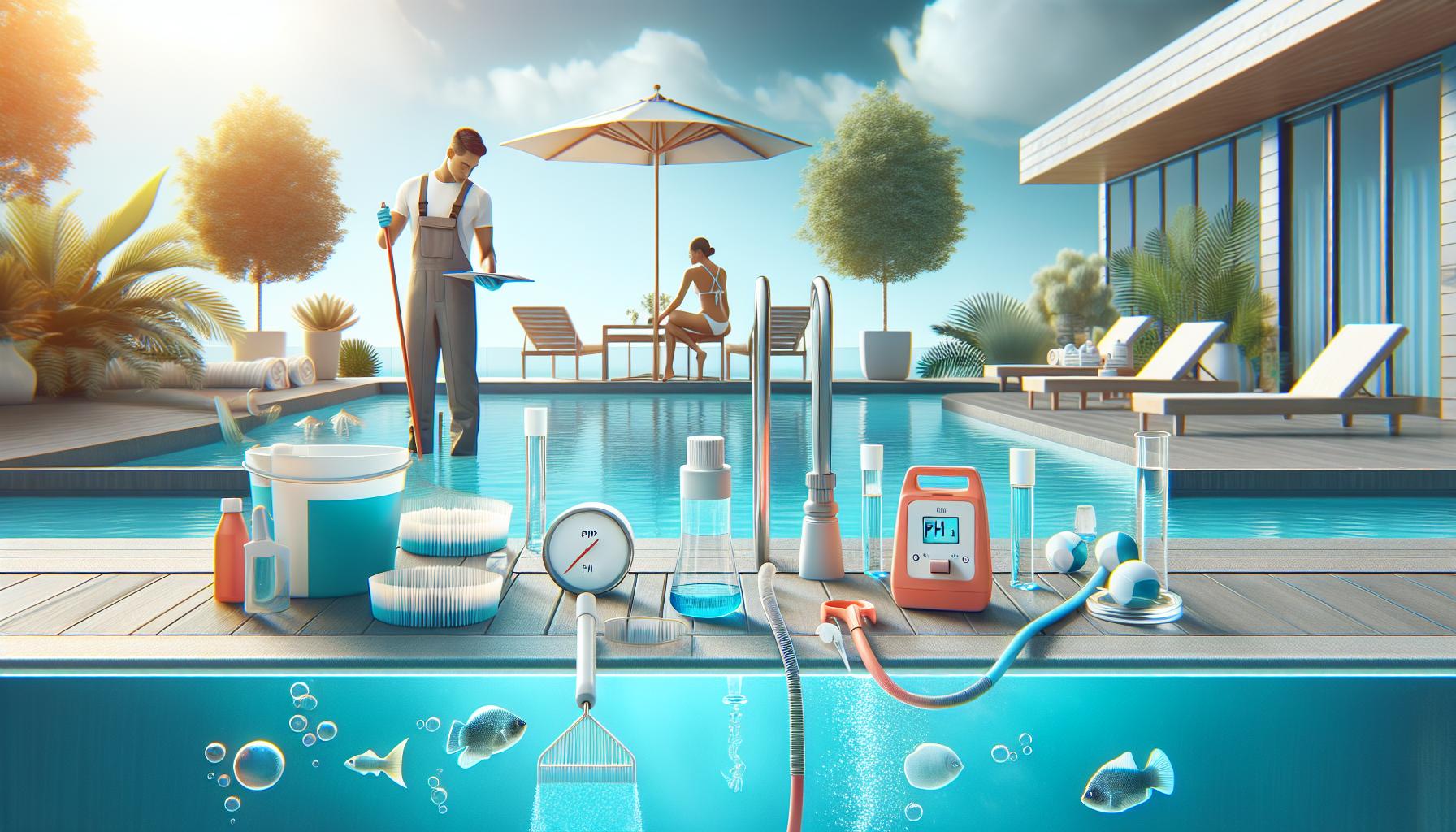
Step-by-Step Guide to Raising pH Levels
To effectively address low pH levels in your pool, it’s essential to take a methodical approach that ensures safe and efficient adjustments. Low pH can lead to irritation for swimmers and can also harm your pool’s infrastructure. Fortunately, raising the pH is a manageable task that can be accomplished with a few straightforward steps.
First, begin by testing your pool’s current pH level using a reliable testing kit. Look for a reading below 7.2, indicating that your pool is too acidic. Once confirmed, it’s crucial to select an appropriate pH increaser, such as sodium carbonate (soda ash) or sodium bicarbonate (baking soda). Each of these substances can effectively raise pH levels, but they serve slightly different purposes; soda ash is typically used for a more significant increase, while baking soda can help stabilize alkalinity as well.
Next, calculate the needed quantity of the pH increaser based on your pool’s volume. For example, to raise the pH of 10,000 gallons of water by 0.1, you generally need about 1.5 pounds of soda ash. Adjust your measurements according to your specific pool size and the desired pH raise. Always read the product instructions for precise dosing guidelines.
Once you have your pH increaser ready, follow these steps:
- Turn on the Circulation System: Ensure your pool pump and filter are running. This helps distribute the chemicals evenly throughout the pool.
- Add the Increaser: Slowly pour the pH increaser into the pool, ideally near the skimmer or in the deep end to help disperse it quickly. Avoid adding too much at once to prevent a rapid spike in pH.
- Allow for Circulation: Let the water circulate for at least 4 to 6 hours before retesting the pH level to see if further adjustments are necessary.
After adjusting the pH, it’s important to continuously monitor the levels and make adjustments as required to keep your pool water clear and safe. Setting a regular maintenance schedule for testing can streamline the process and ensure that you nip any potential pH problems in the bud, maintaining a pleasant swimming environment for all users.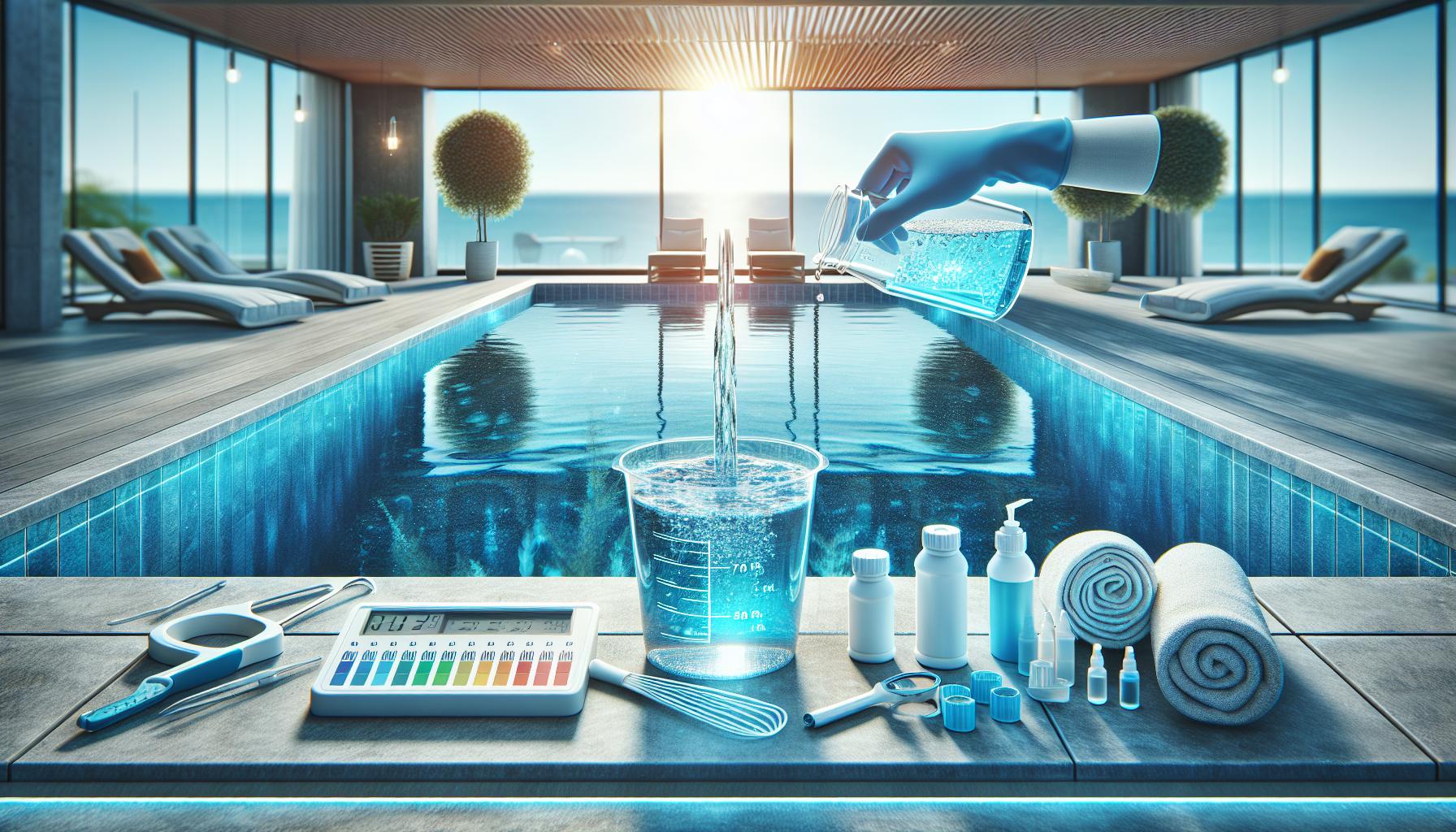
Common Products for Increasing pH in Pools
To maintain a pristine swimming environment, understanding the products available for adjusting pH levels in pools is essential. A balanced pH not only protects your pool equipment but also ensures comfort for swimmers. Commonly used products include sodium carbonate (commonly known as soda ash) and sodium bicarbonate (baking soda), which are effective in raising pH levels.
Sodium carbonate is a powerhouse when it comes to significant increases in pH. When you have a considerably low pH reading, using soda ash can rapidly adjust the levels, making your pool less acidic. On the other hand, sodium bicarbonate serves a dual purpose; it raises pH levels while also stabilizing alkalinity, providing a more gradual approach for pools that require gentle adjustments.
How to Use These Products
- Soda Ash: Typically, you would add about 1.5 pounds of sodium carbonate to increase the pH of 10,000 gallons of water by 0.1. It’s best to distribute the soda ash while the pump is running to promote even dispersal.
- Baking Soda: For pools needing not only a pH boost but also alkalinity support, sprinkle about 1.5 pounds of bicarbonate for every 10,000 gallons to increase total alkalinity without drastically affecting pH.
Other Options
In addition to the primary products, there are specialized pH increasers available at pool supply stores. These may combine other chemicals to offer a more balanced approach to water chemistry. Always check the label for instructions specific to the product you select.
Using these products effectively will empower you to take charge of your pool’s maintenance. Regular testing and adjustments will lead to clear, healthy water, creating an inviting atmosphere for all swimmers.
Safe and Effective Methods for pH Adjustment
Maintaining the right pH level in your pool is vital for ensuring a safe and enjoyable swimming experience. When the pH strays too far from the ideal range of 7.4 to 7.6, it can lead to various issues, including skin irritation for swimmers and corrosion of pool equipment. To adjust your pool’s pH effectively, it’s important to use safe and proven methods, making adjustments that suit your pool’s specific needs.
One of the most reliable methods to raise pH levels is through the application of sodium carbonate (soda ash). This compound acts quickly and is highly effective; for instance, adding about 1.5 pounds of sodium carbonate to 10,000 gallons of water can increase the pH by approximately 0.1 units. It’s crucial to pour the soda ash into the pool while the pump is running to ensure it disperses evenly throughout the water. This ensures that the chemical is effectively integrated, optimizing its performance in raising pH.
Another method involves using sodium bicarbonate (baking soda). While its primary purpose is to increase alkalinity, it also has a mild effect on raising pH levels. When you sprinkle about 1.5 pounds of baking soda into 10,000 gallons of pool water, it helps stabilize the pH without causing drastic changes. This can be particularly beneficial for pools that require careful management of water chemistry. Additionally, frequent testing is essential; using pH test strips or electronic testers can help you stay on top of your pool’s pH balance.
Safety is paramount when making these adjustments. Always wear gloves and goggles when handling pool chemicals, and ensure that you have the correct dosage before adding any substance to the water. If you’re uncertain about the appropriate levels or how to proceed, consider consulting a pool maintenance professional who can provide tailored advice based on the current state of your pool.
Lastly, an effective practice for preventing pH fluctuations is regular maintenance. Skimming the surface for debris, vacuuming the pool floor, and cleaning the filter on a routine basis can contribute significantly to maintaining stable pH levels. By implementing these strategies, you can create a safe and inviting environment that enhances the overall swimming experience.
Testing Your Pool’s pH: Tools and Techniques
To ensure optimal water quality, regularly testing your pool’s pH is essential. The pH level, which should ideally range between 7.4 and 7.6, significantly impacts swimmer comfort and equipment longevity. If the pH is off-balance, it can lead to problems such as skin irritation for swimmers or damage to the pool’s surfaces and equipment. Understanding and employing the right tools and techniques for testing pH is crucial for effective pool maintenance.
Using a reliable pH testing method can simplify monitoring efforts. The most common tools include pH test strips and liquid test kits. Test strips are user-friendly and provide quick results-just dip a strip into the water and match the color change to the scale on the package. For more detailed readings, liquid test kits offer precision. To use a liquid kit, you’ll generally collect a sample of pool water, add specific reagents, and observe any color changes that indicate the pH level. Both methods can yield immediate results to help you adjust your pools chemistry properly.
Advanced Testing Techniques
For pool owners seeking accuracy, consider using a digital pH meter. These devices can provide precise measurements with just a drop of water. To use one, simply calibrate it according to the manufacturer’s instructions, dip the probe into a sample of your pool water, and read the display. Regular calibration and cleaning of the probe are critical to ensuring accurate readings.
Regardless of the method you choose, testing your pool’s pH should be part of a regular maintenance routine. Aim to test the pH at least once a week, or more frequently during periods of heavy use, extreme weather, or after significant chemical additions. After testing, document the pH levels so you can track changes over time, making it easier to identify patterns or persistent issues.
Incorporating these testing habits-coupled with immediate adjustments when pH levels are out of range-will help create a safe and inviting swimming environment. By keeping a close eye on your pool’s chemistry, you can not only enhance swimmer comfort but also prolong the life of your pool and its equipment.
DIY Adjustments vs. Professional Help: What to Choose
Maintaining the perfect pH level in your pool can feel daunting, but you don’t always have to call in the professionals. In many cases, DIY adjustments are not only feasible but can also save you money and give you a sense of accomplishment. Understanding when to step in and make changes yourself versus when it’s best to bring in an expert is crucial for any pool owner.
For routine maintenance, DIY adjustments can be effective with the right knowledge and tools. If your pH levels are slightly off, you can easily rectify the situation using store-bought chemicals designed for pH adjustment, such as sodium carbonate (soda ash) to raise pH levels or sodium bisulfate to lower them. Following manufacturer instructions, you can accurately measure and add the necessary amount to your pool water. Regularly testing the water using pH test strips or a liquid kit will provide the data needed to make informed decisions about what adjustments are required.
However, if you notice persistent issues with your pool’s water clarity, or if your pH levels swing widely despite your efforts, it might be time to consult a professional. These fluctuations can indicate underlying problems such as imbalanced alkalinity or issues with pool equipment that require expert attention. A professional can conduct more detailed water analysis and provide insights that may not be apparent through standard tests.
In essence, the choice between DIY adjustments and professional help boils down to your level of comfort and the specific circumstances you encounter. When in doubt, seeking expert advice can provide peace of mind and assurance that your pool remains safe and enjoyable for everyone. By blending both approaches as needed, you’ll be well-equipped to maintain a sparkling, balanced pool that you and your family can enjoy all season long.
Preventive Measures to Maintain Ideal pH Levels
Maintaining the right pH level in your pool is crucial not only for clarity but also for the health of swimmers and the longevity of pool equipment. Did you know that a stable pH range between 7.2 and 7.8 can significantly enhance your swimming experience by preventing skin irritation and eye redness? To keep your pool in optimum condition, implementing a few preventive measures can save you from the hassle of major adjustments down the road.
One effective method is to monitor your pool’s pH regularly, ideally at least once a week, and more often during heavy use or after significant rainfall. Utilizing high-quality test strips or a digital pH meter ensures that you get accurate readings. Always keep a log of your pH measurements to identify trends over time, helping you catch any discrepancies before they become problematic.
Additionally, consider using a pH stabilizer or buffering agent, particularly in areas with fluctuating water chemistry. Such products help maintain consistent pH levels by neutralizing factors that can affect the balance, like rainwater or debris. Another practical tip is to maintain good water circulation and filtration. Ensure that your pump runs at least 8 to 12 hours daily, as proper circulation helps distribute chemicals evenly and prevents localized pH imbalances.
Finally, be mindful of the type of pool chemicals you use. Some chemicals can cause pH spikes or drops, so choose those that are specifically designed for your pool type and follow the manufacturer’s instructions carefully. By integrating these preventive measures into your regular pool maintenance routine, you’ll not only protect your investment but also enjoy a clean, inviting swimming environment all season long.
Troubleshooting pH Issues: Tips and Tricks
Maintaining proper pH levels in your pool is essential, not just for clarity but also for the health and comfort of swimmers. When pH levels fluctuate outside the optimal range of 7.2 to 7.8, it can lead to various issues, including cloudy water, equipment corrosion, and skin irritation. If you’re facing challenges with pH levels, understanding how to troubleshoot these issues can significantly improve your pool maintenance routine.
One common problem is when your pool’s pH level is consistently low, causing irritation to eyes and skin. To tackle this, first test the water using reliable pH strips or a digital meter to confirm the accuracy. If the pH is indeed low, you can gradually raise it by adding a pH increaser, typically sodium carbonate. Start with a small quantity, as pouring in too much at once can spike the pH level beyond the safe range. After adding the product, allow the water to circulate for several hours before retesting pH levels. This method ensures that adjustments are based on actual readings rather than guesswork.
If pH levels tend to swing wildly, consider implementing some preventive strategies. Regularly check your pool chemistry, especially after heavy rain or increased pool activity. You might also want to invest in a floating pH stabilizer. This product will buffer your pool’s water, helping to maintain balanced pH in the face of environmental changes. For pools with frequent pH issues, adjusting the frequency of chemical additions could make a difference. Small, regular adjustments can help stabilize pH levels better than infrequent, larger doses.
Moreover, examine the chemical products you are using. Some pool treatments can alter pH significantly. Products with high acidity can lower pH, while others that introduce alkalinity may raise it. Always read labels carefully and opt for products specifically designed for your pool type. Additionally, ensure your filtration system is operating effectively. Poor water circulation can lead to uneven chemical distribution, resulting in localized pH imbalances. Run your filter for at least 8-12 hours daily, particularly after treatments.
Adapting your pool care routine with these practical troubleshooting techniques will empower you to swiftly resolve any pH-related issues, ensuring a clean, clear, and enjoyable swimming experience. Remember, consistent maintenance and monitoring are key to keeping your pool vibrant and healthy.
Essential Maintenance Practices for Clear Water
To achieve and maintain clear, inviting pool water, regular maintenance is pivotal. Ensuring that your pool’s water remains not only visually appealing but also chemically balanced requires consistent effort and attention to detail. By integrating a few key practices into your routine, you can create a smooth experience that keeps both the water and your pool equipment healthy.
One of the most effective strategies for clarity is to monitor and adjust your pH levels regularly. Aim to test the water at least once a week, using a reliable testing kit. This will help you catch any fluctuations in pH before they lead to larger issues, such as algae growth or cloudy water. In addition to checking pH, it’s equally important to keep track of alkalinity and chlorine levels, as these can influence water clarity. Consider creating a maintenance schedule that includes routine testing, cleaning, and chemical adjustments to keep your pool in top condition.
Another essential practice is consistent skimming and vacuuming. Floating debris such as leaves and insects can cloud your water and promote bacterial growth. Utilize a skimmer net daily and vacuum the pool floor weekly to remove waste. Pairing this with regular brushing of the sides and floor will prevent dirt from building up and ensure that your filtration system can operate efficiently. Healthy circulation of water is crucial, as stagnant areas can lead to algae and cloudiness, so be sure to run your pump for 8-12 hours a day.
Lastly, consider the impact of your surrounding environment on water quality. Wind, rain, and heavy usage can all influence the pool’s chemical balance. After storms or high-traffic days, double-check your chemical levels. Implementing preventive measures, such as using a pool cover when it is not in use, can greatly reduce debris and help maintain stable chemical levels.
Integrating these maintenance practices into your pool care routine will not only extend the life of your equipment but also ensure that your pool remains a safe, enjoyable haven for swimming all season long. By taking proactive steps, you’ll cultivate sparkling clear water that enhances the overall swimming experience.
FAQ
Q: What household items can raise the pH level in my pool?
A: Baking soda is a common household item that can effectively raise your pool’s pH level. It’s safe, easy to use, and helps counteract acidity. Use approximately 1.5 pounds of baking soda for every 10,000 gallons of water to increase the pH by 0.2.
Q: How often should I test my pool’s pH level?
A: You should test your pool’s pH level at least twice a week during the swimming season. Regular testing helps maintain water balance and ensures a safe swimming environment. Consider testing more frequently after heavy rainfall or high usage.
Q: Why is maintaining proper pH levels important for my pool?
A: Maintaining proper pH levels (between 7.2 and 7.8) is essential because it affects water clarity, chemical effectiveness, and swimmer comfort. Imbalanced pH can lead to skin irritation, equipment corrosion, and algae growth. For more on pH impacts, see the section on “How pH Levels Impact Pool Clarity and Health.”
Q: Can I use vinegar to lower the pH level in my pool?
A: While vinegar can lower the pH, it is not recommended for pools due to its acetic acid content, which can affect the water balance adversely. Instead, use a dedicated pool acid like muriatic acid or sodium bisulfate for safe adjustments.
Q: What is the best time of day to adjust my pool’s pH levels?
A: The best time to adjust your pool’s pH levels is in the evening or early morning. This timing allows chemicals to distribute evenly without interference from sunlight, which can affect chemical efficacy.
Q: How long after adding pH increaser should I wait to swim?
A: You should wait at least 30 minutes after adding a pH increaser before swimming. This allows time for the chemical to circulate and balance the water properly, ensuring a safe swimming environment.
Q: Are professional pool services worth it for pH adjustments?
A: Hiring a professional pool service can be worthwhile if you’re unsure about maintenance or have recurring pH issues. They provide expertise and equipment that ensure effective adjustments and save you time, as outlined in the section on “DIY Adjustments vs. Professional Help.”
Q: What should I do if my pool’s pH level keeps dropping?
A: If your pool’s pH level keeps dropping, check for potential causes such as high acidity from chemicals, rainfall, or organic matter. Routinely adding a pH increaser and monitoring your pool’s chemistry can help maintain balance. For more troubleshooting tips, refer to the “Troubleshooting pH Issues” section.
To Conclude
Now that you understand how to effectively raise your pool’s pH level, it’s time to take action for crystal-clear water. Remember, balancing your pool chemistry not only enhances swimmer comfort but also prevents potential damage to your equipment. If you’re eager to dive deeper, check out our articles on “Essential Pool Maintenance Tips” and “How to Lower pH Levels in Your Pool” for further insights.
Don’t wait for the weather to change; test your pH levels today and implement these easy adjustments! If you have any lingering questions or need personalized advice, consider reaching out through our consultation services or signing up for our newsletter for more expert tips. Your pool deserves the best care, and taking these steps will ensure it remains a safe and welcoming oasis. Join our community by sharing your success stories and experiences in the comments below-we’d love to hear from you!


