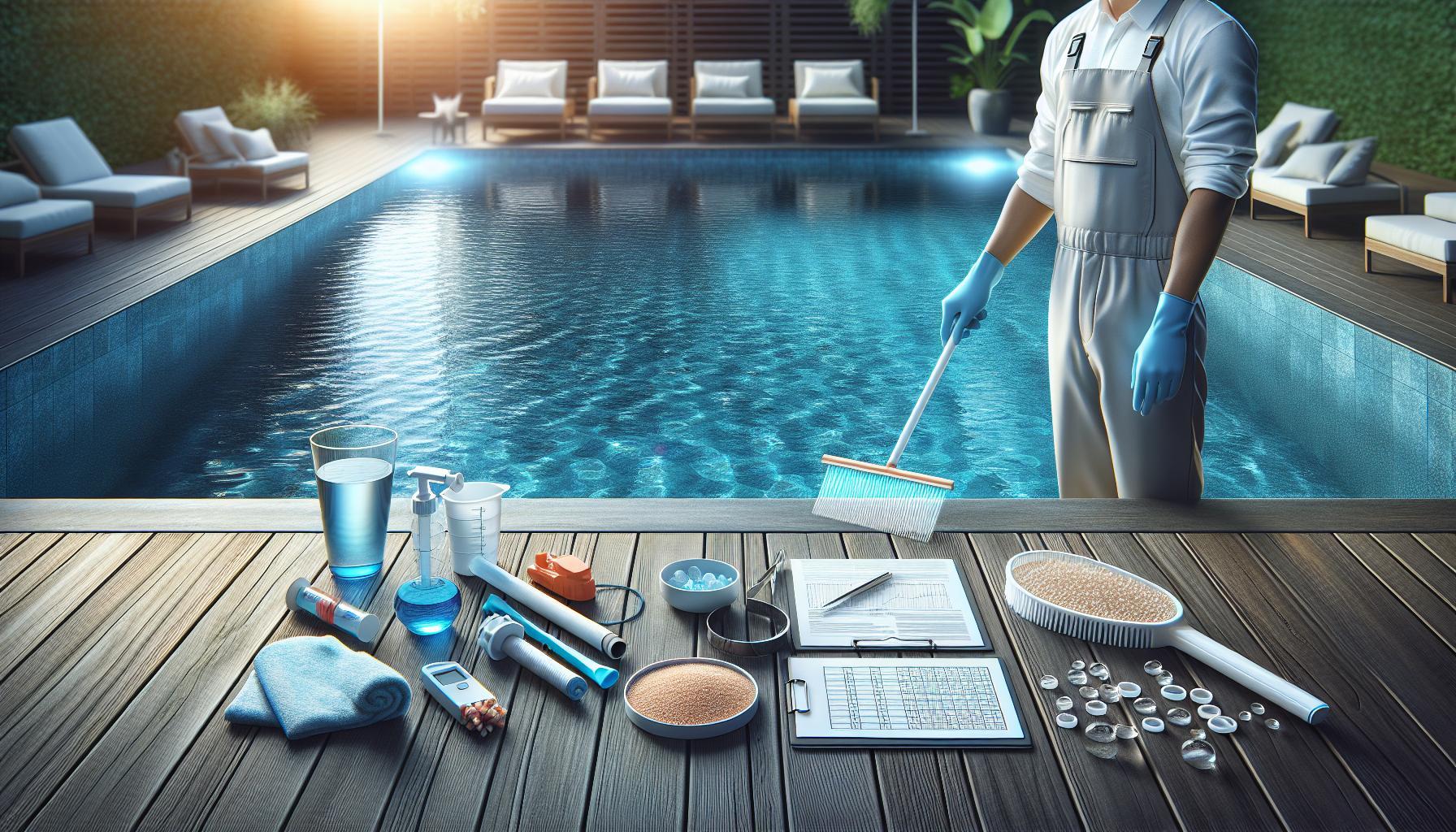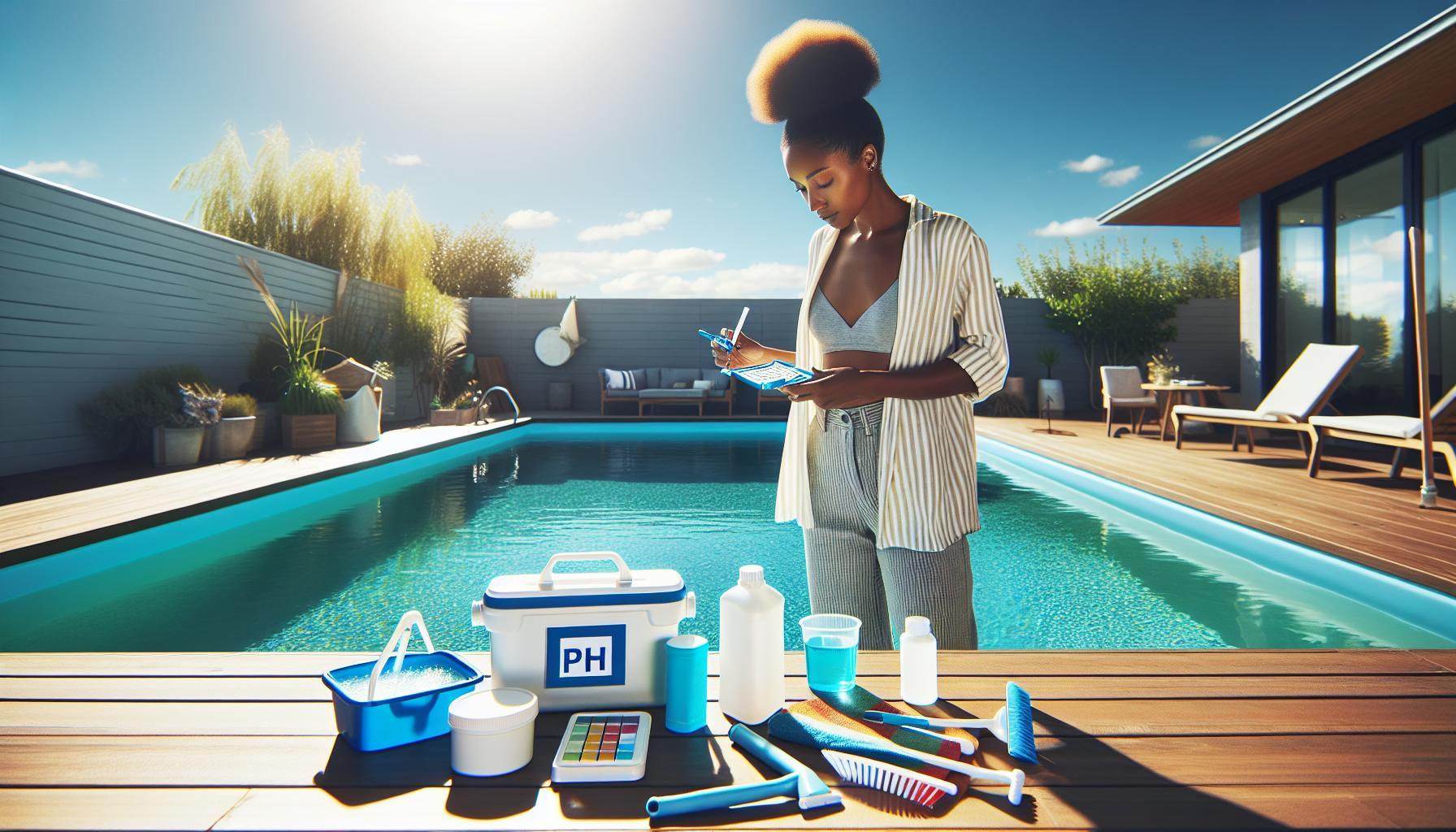

Maintaining the right pH level in your pool is crucial for ensuring a safe and enjoyable swim experience. If the pH strays too low, not only can it lead to irritations for swimmers, but it can also damage your pool equipment and surfaces. In fact, the ideal pH range for pool water is between 7.2 and 7.8; anything outside of this range can cause issues.
Are you noticing cloudy water or irritated skin after swimming? These are common signs that your pool’s chemistry may be off balance. The good news is that raising pH in your pool is a straightforward process that can be easily managed with the right steps. By understanding how to adjust pH levels, you can enhance your pool’s clarity and ensure a healthier environment for your family and friends. Let’s dive into the simple steps to bring your pool’s pH back into the ideal range!
How pH Affects Your Pool Water Quality
Maintaining the right pH level in your pool is essential for ensuring both water quality and swimmer safety. The ideal pH range for pool water is typically between 7.4 and 7.6. If your water’s pH levels fall outside this range, it can lead to a variety of issues that affect not only the clarity and cleanliness of the water but also the equipment and surfaces of your pool. A low pH level can make the water corrosive, damaging pool surfaces, equipment, and even potentially causing skin and eye irritation for swimmers. Conversely, a high pH level can reduce the effectiveness of chlorine, leading to cloudy water and unsanitary swimming conditions.
A pool with an imbalanced pH can display clear signs of distress. For instance, swimmers may notice skin irritation or eye redness, which are immediate indicators that the water’s chemistry is off. Additionally, you may see algae growth or scaling on surfaces, both of which can contribute to a more significant maintenance headache. Understanding how pH affects your pool’s water quality allows you to proactively manage its balance, ensuring a pleasant swimming environment while safeguarding your investment in pool care.
Regularly testing your pool’s pH is fundamental to maintaining optimal water quality. Utilizing simple testing kits or test strips can help you gauge the current pH level accurately. If you find that your pH is too low, raising it can often be accomplished through natural means, such as adding baking soda or using pool-specific chemicals like sodium bicarbonate. Each approach not only adjusts the pH but also supports the overall health of your pool water, making it a more enjoyable space for relaxation and activity. Regular and targeted pH management is the cornerstone of a Trouble-Free Pool, ensuring that your water remains safe, clean, and inviting.
Signs Your Pool’s pH is Too Low

Detecting low pH levels in your pool can be crucial for maintaining a safe and enjoyable swimming experience. If the pH of your pool water falls below the ideal range of 7.4 to 7.6, several signs may emerge, indicating that action is required. Swimmers may experience skin irritation or red, stinging eyes, which serve as immediate and uncomfortable reminders that the chemical balance is off. Additionally, a noticeable increase in green algae growth can occur, leading to unsightly appearances and potential health hazards.
Another observable sign of low pH is the presence of etching or deterioration on the pool’s surfaces. This can be particularly concerning for plaster pools, as a corrosive environment can damage the finish over time, resulting in costly repairs. If you notice metal components such as ladders or filters showing signs of rust or degradation, this is often linked to acidic water conditions. Moreover, the effectiveness of chlorine diminishes in low pH scenarios, resulting in cloudy water and insufficient sanitation, further complicating pool maintenance.
Maintaining a close watch on your pool’s pH levels can save you time, effort, and money in the long run. By regularly using testing kits or strips to monitor pH, you can catch these issues early and take corrective measures promptly. If you notice any of these signs, it’s essential to quickly assess and adjust the pH levels to restore balance and ensure a clean, safe swimming environment.
Quick Steps to Test Pool pH Levels

To ensure a refreshing swim, keeping an eye on your pool’s pH levels is essential. Testing pH is a straightforward task that can be done frequently to maintain a healthy balance. An accurate reading allows you to take appropriate actions to adjust the pH as needed and avoid complications like skin irritation or algae growth. Here are quick and effective steps to test your pool’s pH levels.
Start by gathering your testing materials. You’ll need either a pH testing kit or strips, both of which are readily available at pool supply stores. To begin, take a sample of water from your pool-ideally about a foot below the surface to get a better representation of the water’s overall condition. This is important as surface water can be affected by sunlight and debris, potentially skewing your results.
Now, either follow the instructions on your pH test kit or dip a testing strip into the water sample. Wait the required amount of time specified in the instructions; this is crucial for accurate readings. After waiting, compare the color change (if using strips) or the results from the kit with the provided scale to determine the current pH level. The ideal range is typically between 7.4 and 7.6 for pools.
If your readings show a pH level outside this range, it’s time to take action. Regular testing-at least once a week, or more frequently during heavy use or after storms-will help you promptly catch any pH imbalance and make necessary adjustments. Remember, maintaining balanced water is not just about comfort; it’s a key aspect of ensuring the longevity of your pool and its sanitizing chemicals. Consistent monitoring empowers you to keep your pool in top condition.
Easy Solutions to Raise pH Naturally
To keep your pool water comfortable and inviting, it’s essential to maintain a proper pH balance. If your testing indicates that the pH level is too low, raising it naturally can be a straightforward endeavor. Not only does this ensure a safer swimming environment, but it can also enhance the effectiveness of your pool’s sanitizing chemicals.
One effective natural solution to increase pH is by using baking soda. Simply dissolve one pound of baking soda in a bucket of water and then pour it around the edges of the pool while the pump is running. This method not only raises pH but also increases total alkalinity, which stabilizes pH levels in the long run. Depending on your pool’s size, you might need to adjust the amount used. For a more precise approach, generally, adding 1.5 pounds of baking soda per 10,000 gallons of water will increase the pH by approximately 0.1.
Another option is to utilize soda ash, also known as sodium carbonate. This chemical is more potent than baking soda and works efficiently to elevate pH levels without significantly affecting total alkalinity. To apply soda ash, you can again dissolve it in a bucket of water. The recommended dosage is about one pound for 10,000 gallons of water for a pH boost of 0.2. Always remember to add soda ash gradually, monitoring the pH to avoid over-adjustment.
For those who favor organic solutions, consider using wood ash from untreated wood fires. While it may take longer to see results, this approach is environmentally friendly. Simply sprinkle it around the pool area, allowing it to dissolve and raise the pH naturally over time. Monitor the levels closely after application to determine when it’s best to reapply.
Maintaining a stable pH requires regular testing and adjustments, especially in warmer months or after heavy rainfall. By employing these natural methods, you can efficiently raise your pool’s pH while promoting a healthy swimming environment. Remember, informed decisions about your pool chemistry will lead to clearer, more enjoyable water.
Chemical Products for pH Adjustment
Maintaining the pH level of your pool is crucial for ensuring a safe and enjoyable swimming experience. When your pool’s pH dips too low, using chemical products for adjustment can provide a quick and effective solution. Two of the most common chemicals used for raising pH are sodium carbonate (commonly known as soda ash) and sodium bicarbonate (baking soda). Understanding their properties and how to use them can empower you as a pool owner to take control of your water chemistry.
Soda ash is a powerful alkaline substance that significantly increases pH levels without greatly affecting alkalinity, making it ideal for quick adjustments. To use soda ash, measure the appropriate amount based on your pool size-typically one pound will increase the pH by about 0.2 in 10,000 gallons of water. Dissolve the soda ash in a bucket of water, and pour it evenly around the edges of the pool. It’s essential to keep the pool pump running during this process to help distribute the chemical thoroughly.
Baking soda, while also effective in raising pH, primarily boosts total alkalinity, which in turn stabilizes pH levels over time. This makes it a great first step if your pH is slightly low and you want to make a gradual adjustment. The suggested dosage is about 1.5 pounds per 10,000 gallons of water for a 0.1 increase in pH. Similar to soda ash, dissolve it in water and apply it around the pool’s perimeter.
It’s vital to test the water after applying these chemicals to avoid over-adjustment. For persistent or extreme cases, particularly in larger pools, commercial pH increasers are available, often labeled as “pH Up” or “pH Increase.” These products are formulated for quick results and come with specific instructions for application. Always read and follow the manufacturer’s guidelines, ensuring the safety of both your pool and its users.
In summary, using the right chemical products and employing them correctly can simplify the process of managing your pool’s pH levels. Regular testing and maintenance will lead to clearer, more pleasant swimming conditions, while empowering you to confidently tackle any water issues that arise.
Best Practices for Maintaining Balanced pH
Maintaining balanced pH levels in your pool can significantly enhance your swimming experience and prolong the life of your pool equipment. A few simple practices can lead to a healthier pool environment, preventing common issues such as algae growth and skin irritation. Regular attention to your pool’s pH helps mitigate fluctuations caused by weather changes, bather load, and chemical treatments.
First, consistent water testing is crucial. Use a reliable test kit at least once a week to check pH levels, ideally targeting a range between 7.4 and 7.6 for optimal comfort and chlorine effectiveness. For those who want to streamline this process, consider investing in an automated water testing system that provides real-time data, reducing the risk of major imbalances. If you notice pH levels consistently trending lower or higher, it may be time to investigate further and adjust your overall water balance strategy.
Incorporating the right environmental controls can also minimize pH fluctuations. Keep debris and organic materials out of the pool, as these can introduce impurities that disrupt water chemistry. Regularly cleaning skimmers and filters, maintaining proper circulation, and using pool covers when the pool is not in use can significantly reduce contaminants. Furthermore, consider adjusting your water parameters before, during, and after heavy use days-such as weekends-when bather load is high, and the risk of pH imbalance increases.
Educate yourself on how different chemicals interact within your pool. Always add chemicals gradually, allowing time between adjustments, and monitor the impact on pH before adding more. This cautious approach prevents drastic changes, which can be detrimental not only to the water quality but also to swimmers’ comfort. When faced with unyielding pH levels, explore your chlorine levels and total alkalinity, as these factors can also influence the pH balance-adjusting them may resolve persistent issues.
By employing these best practices, you can master the art of maintaining balanced pH in your pool, ensuring a clean, inviting swimming environment for everyone to enjoy. Remember, a little knowledge and consistent effort go a long way in keeping your pool sparkling and well-balanced.
Common Mistakes When Adjusting pH Levels
Adjusting your pool’s pH levels is essential for maintaining a safe and enjoyable swimming environment, but it’s easy to make mistakes that can lead to imbalances and further issues. One common error is making drastic changes to pH in a short period. Many pool owners, eager for immediate results, may dump a large amount of pH increaser into the water all at once, hoping to correct the imbalance quickly. However, this can cause the pH to overshoot the ideal range (7.4-7.6) and create new problems. Instead, aim to add substances gradually and test frequently to monitor the effects, allowing your pool’s systems to adjust naturally.
Another frequent pitfall is ignoring the role of total alkalinity. This parameter acts as a buffer for pH levels; if it’s too low, your pH can fluctuate wildly, making it hard to maintain balance. When focusing solely on pH, it’s easy to overlook your alkalinity levels, which should ideally be between 80-120 ppm. Prioritize testing and adjusting alkalinity first to provide a stable environment for pH management.
Furthermore, many pool owners forget to distribute chemicals evenly throughout the pool water. When adding pH adjusters, ensure proper circulation to mix the chemicals thoroughly. Inadequate circulation can lead to areas of concentrated chemicals, potentially harming the pool’s surface or irritants for swimmers. Using a pool brush or the pool pump can help enhance mixing.
Lastly, relying on outdated test kits can lead to miscalculations. Chemical compositions can change, so ensure your test strips or kits are current and suitable for the type of pool you have, whether it’s chlorine or saltwater. Regularly calibrate your testing methods or invest in digital testing devices for accuracy. By avoiding these common missteps, you can maintain the perfect pH balance, ensuring a comfortable and safe swimming experience.
Understanding The Role of Alkalinity in pH
Understanding the proper balance of alkalinity in your pool water is crucial for effective pH management. Total alkalinity acts as a buffer that helps stabilize pH levels, making it easier to maintain your pool’s health. Essentially, it resists changes in pH, allowing for a more consistent swimming environment. Without adequate alkalinity, the pH can swing wildly, leading to discomfort for swimmers and potential damage to pool surfaces and equipment.
Testing and adjusting pool alkalinity should be part of your regular maintenance routine. The ideal total alkalinity levels should be between 80-120 parts per million (ppm). You can measure this using simple test kits available at pool supply stores. If your alkalinity is low, the pH can fluctuate dramatically with even minor adjustments, causing a reactive cycle that can be frustrating and costly. To address low alkalinity, consider adding sodium bicarbonate (baking soda) to the water. This not only increases alkalinity but also helps raise pH levels gradually.
Keep in mind that high alkalinity can also lead to issues, making pH levels harder to manage and potentially causing cloudy water. If you find your alkalinity above the ideal range, applying muriatic acid can help bring it back down. Always add this chemical slowly and in a well-ventilated area, monitoring the levels to avoid overshooting. To ensure even distribution of these chemicals, run your pool pump for several hours after any adjustments, which will circulate the water and optimize chemical balance.
By prioritizing alkalinity management, you create a stable foundation for effective pH control. This foundational element not only enhances swimmer comfort but also prolongs the life of your pool equipment and surfaces, making your pool maintenance tasks more efficient and less prone to error. Regular testing and careful adjustments will empower you to maintain a balanced, inviting swimming environment all season long.
Preventive Measures for pH Fluctuations
Maintaining a consistent pH level in your pool is essential for providing a safe and enjoyable swimming environment. Sudden fluctuations can lead to a myriad of issues, from eye irritation and skin discomfort for swimmers to corrosion of your pool equipment. To help prevent these unwanted changes, integrate a few proactive measures into your maintenance routine.
First, regular water testing is key. Investing in a reliable test kit allows you to monitor your pool’s pH and alkalinity levels at least once a week. This proactive approach helps you catch any imbalances before they escalate. If you notice that your pH levels tend to drift out of the ideal range (7.2 to 7.8), consider adjusting your routine based on usage patterns. For instance, heavy swimming days or after pool parties may require more frequent testing and adjustments.
Another effective preventive strategy is ensuring proper water circulation. A well-functioning pump not only helps to distribute chemicals evenly but also aids in keeping debris and contaminants from settling, which can alter pH levels. Make it a habit to run your pump for at least 8-12 hours a day, especially during peak swimming seasons. Regularly cleaning the filter and skimming the surface will further boost circulation and promote balanced water chemistry.
Lastly, avoid harsh weather conditions’ influence on your pool’s chemistry. Heavy rains can dilute your pool’s chemical balance, while high temperatures can accelerate the breakdown of chlorine. To combat this, use pool covers when the pool is not in use, particularly during storms or intense heat waves. Additionally, stabilizers can be added to protect chlorine levels from the sun’s ultraviolet rays, further safeguarding against pH fluctuations.
By embracing these preventive measures, you create a stronger defense against pH changes, ensuring your pool remains a clean and inviting oasis throughout the swimming season. Regular monitoring, diligent maintenance, and smart practices can empower you to maintain a balanced, enjoyable pool environment effortlessly.
How to Troubleshoot Persistent pH Issues
Persistent pH issues in your pool can be frustrating, but understanding how to troubleshoot these problems can assure you a clearer, more enjoyable swimming experience. When faced with consistently low or high pH readings, it’s essential to take a systematic approach to identify and correct the underlying causes. One common culprit is the introduction of various contaminants into the water, which can stem from organic matter, such as leaves and debris, as well as swimmers themselves. These elements can significantly influence pH levels, meaning you’ll need to prioritize regular cleaning and skimming.
To start resolving these issues, conduct a thorough analysis of your pool maintenance routine. Ensure that your water circulation is optimal; running the pump for 8-12 hours daily is crucial, especially during peak swimming times. Inadequate circulation can lead to uneven chemical distribution, which may contribute to fluctuating pH levels. Additionally, inspect your filtration system-clogged or dirty filters can impede water flow and lead to imbalances. Clean or replace filters as necessary to ensure they are functioning effectively.
Common Causes of Persistent pH Issues
To further diagnose the problem, consider these factors:
- Water Source: The water you use to refill or top off your pool may have a high or low pH. Testing the source water before adding it to your pool can help identify if it’s contributing to the issue.
- Chemical Imbalances: Regularly check and balance other water chemistry components such as alkalinity, which plays a crucial role in stabilizing pH levels. If alkalinity is too low, pH levels will fluctuate more easily, so raising alkalinity may also stabilize your pH.
- Rain and Environmental Effects: Rain can introduce contaminants and alter the pH balance of your pool. After heavy rain, it’s a good practice to check and adjust pH levels.
Solutions to Stabilize pH
Once you’ve identified potential underlying issues, implement these solutions:
- Test Water Regularly: Use a reliable test kit at least once a week to monitor pH and alkalinity levels. After any significant weather events or pool usage, test more frequently.
- Adjusting pH: If you find that pH levels are consistently too low, add a pH increaser, such as sodium carbonate. Conversely, if pH is too high, use a pH decreaser like sodium bisulfate. Always follow the recommended dosage on the product label and allow the water to circulate for at least an hour before retesting.
- Chemical Stabilizers: To combat the impact of UV rays and unpredictable weather, consider adding stabilizers that protect your chlorine levels, thus supporting pH stability.
By carefully addressing these common pitfalls and implementing consistent testing and adjustments, you can take control of your pool’s pH levels and ensure a safe, enjoyable swimming environment. Regular maintenance, attention to detail, and appropriate chemical use are your best tools for achieving balanced water.
Seasonal pH Management Tips for Pool Owners
Managing pool pH levels through the changing seasons is essential for maintaining crystal-clear water that’s safe for swimming. As environmental factors fluctuate-such as rain, temperature, and swimmer load-your pool’s chemistry will also need to adapt. Understanding how to proactively manage pH throughout the year can save you time and effort while ensuring an inviting swimming environment.
In the warmer months, increased pool activity can lead to rapid changes in pH due to the introduction of contaminants and higher evaporation rates. To counteract this, establish a routine testing schedule. Conduct pH tests at least once a week, or more frequently during periods of heavy use. If readings consistently indicate low pH, consider adding a pH increaser like sodium carbonate to bring levels into balance. A careful adjustment will help prevent skin irritation and maintain water clarity.
As the seasons change towards cooler weather, external factors such as rain and falling leaves can severely impact your pool’s pH. Consider implementing a winterizing routine that includes installing a pool cover to limit debris accumulation. Additionally, regularly check and adjust your pH levels, especially after heavy rains that can introduce acidity into the water. This proactive measure helps maintain balanced conditions, reducing the likelihood of algae growth during the off-season.
Fall and Spring Transition Tips
In transitioning seasons like spring and fall, keep an eye on how temperature fluctuations affect your pool’s chemical balance. Sudden shifts in temperature can alter the solubility of chemicals already in the pool. Use stabilizers to protect chlorine levels and thereby support pH stability, particularly during the spring when warmer temperatures encourage more frequent swimming and evaporation.
Utilize precise measurement tools to check the effectiveness of your adjustments. Invest in a quality test kit that measures not only pH but also alkalinity and chlorine levels. By ensuring that alkalinity is at appropriate levels (generally between 80-120 ppm), you can create a buffer that helps stabilize pH and enhances overall water quality. Proper alkalinity management works synergistically to create a harmonious water chemistry, making your maintenance tasks less daunting.
By embracing these seasonal management strategies, you can stay ahead of pH fluctuations and ensure a safer, enjoyable swimming experience all year long. Regular testing, timely adjustments, and the use of protective measures against environmental factors are key steps to achieving long-lasting pool health.
The Benefits of Regular pH Maintenance
Maintaining your pool’s pH levels is not just a routine chore; it’s a vital aspect of pool ownership that can dramatically impact the overall health of your pool environment. When pH levels are balanced, typically between 7.2 and 7.8, the water feels comfortable for swimmers, chemicals perform effectively, and the equipment operates optimally. This simple yet essential practice can save you time, money, and frustration in the long run.
Regular pH maintenance brings several benefits that enhance the swimming experience and prolong the life of your pool components. Firstly, balanced pH minimizes the likelihood of skin and eye irritation for swimmers. High or low pH levels can lead to discomfort, making your pool less inviting. Moreover, keeping pH levels stable helps prevent corrosion of metal parts, such as ladders and filters, and scaling in plaster and tile surfaces, which can become costly repairs if neglected.
Additionally, a well-maintained pH contributes to the effectiveness of chlorine and other sanitizers, optimizing disinfection. When pH is ideal, these chemicals work harder to keep your water clean and clear, reducing the need for excessive chemical use. This not only saves money but also decreases the frequency of shocking the pool, allowing for a more sustainable pool management routine.
To foster this balance, perform regular pH tests-at least weekly, or more frequently during peak swimming season-using a reliable test kit. If you discover an imbalance, quickly adjusting with appropriate pH increasers or decreasers will keep the water in optimal condition. By making pH maintenance a priority, you can ensure your pool remains a safe, inviting retreat for family and friends all season long.
FAQ
Q: How often should I test my pool’s pH levels?
A: You should test your pool’s pH levels at least once a week during the swimming season. More frequent testing is recommended after heavy rain or several swimmers have used the pool, as these factors can affect chemical balance. Regular testing helps maintain balanced water for a safe swim experience.
Q: What are the best natural methods to raise pH in a pool?
A: Baking soda is an effective natural method to raise pH levels in your pool. Dissolve it in a bucket of water before adding it to the pool to prevent cloudiness. Additionally, adding aeration or increasing water circulation can help naturally raise the pH without chemicals.
Q: How can pool temperature affect its pH levels?
A: Pool temperature can influence pH levels; warmer water often results in higher pH and alkalinity. It’s important to monitor pH closely during hot weather or after using pool heating systems, as fluctuations can lead to imbalanced water chemistry.
Q: When is the best time to adjust my pool’s pH levels?
A: The ideal time to adjust your pool’s pH is in the evening after the sun sets, as sunlight can accelerate chemical reactions and affect readings. This allows for better accuracy in testing and helps maintain stability overnight.
Q: What pH level is considered safe for swimming pools?
A: The ideal pH level for swimming pools is between 7.4 and 7.6. This range is safe for swimmers and ensures optimal chlorine effectiveness. Regular maintenance and testing are crucial to keep pH levels within this range.
Q: Can high pH levels damage pool equipment?
A: Yes, high pH levels can lead to scale buildup and corrosion on pool equipment, including filters, pumps, and heaters. It is essential to maintain balanced pH to prevent costly damages and ensure the longevity of your pool system.
Q: Why is alkalinity important in managing pool pH?
A: Alkalinity acts as a buffer for pH levels, preventing rapid fluctuations. Maintaining proper alkalinity (between 80-120 ppm) helps stabilize pH, making it easier to manage and reduces the frequency of adjustments needed.
Q: What should I do if my pool’s pH keeps dropping?
A: If your pool’s pH keeps dropping, check for factors such as heavy bather load, rain, or usage of certain chemicals. Increasing the alkalinity may help stabilize pH levels. Regular testing and maintenance are crucial for consistent water balance.
For more on maintaining balanced pH levels, see our sections on Best Practices for Maintaining Balanced pH and Troubleshooting Persistent pH Issues.
The Conclusion
Now that you’ve learned how to raise the pH in your pool for balanced water, don’t let your maintenance journey stop here. Regularly checking and adjusting your pool’s chemical levels can ensure a safe and enjoyable swimming experience. Dive deeper by exploring our articles on “Pool Maintenance Checklist” and “Troubleshooting Common Pool Issues” to keep your pool in top shape.
Take action today! Whether you need to purchase pH increasers or want to sign up for our newsletter for more expert tips, every step you take enhances your pool maintenance skills. Don’t hesitate to drop a comment below if you have questions or share your successes with our community; it’s always great to hear from fellow pool enthusiasts!
Remember, a well-maintained pool not only extends its life but also provides hours of enjoyment for you and your family. Start implementing these steps now to achieve sparkling clear water!