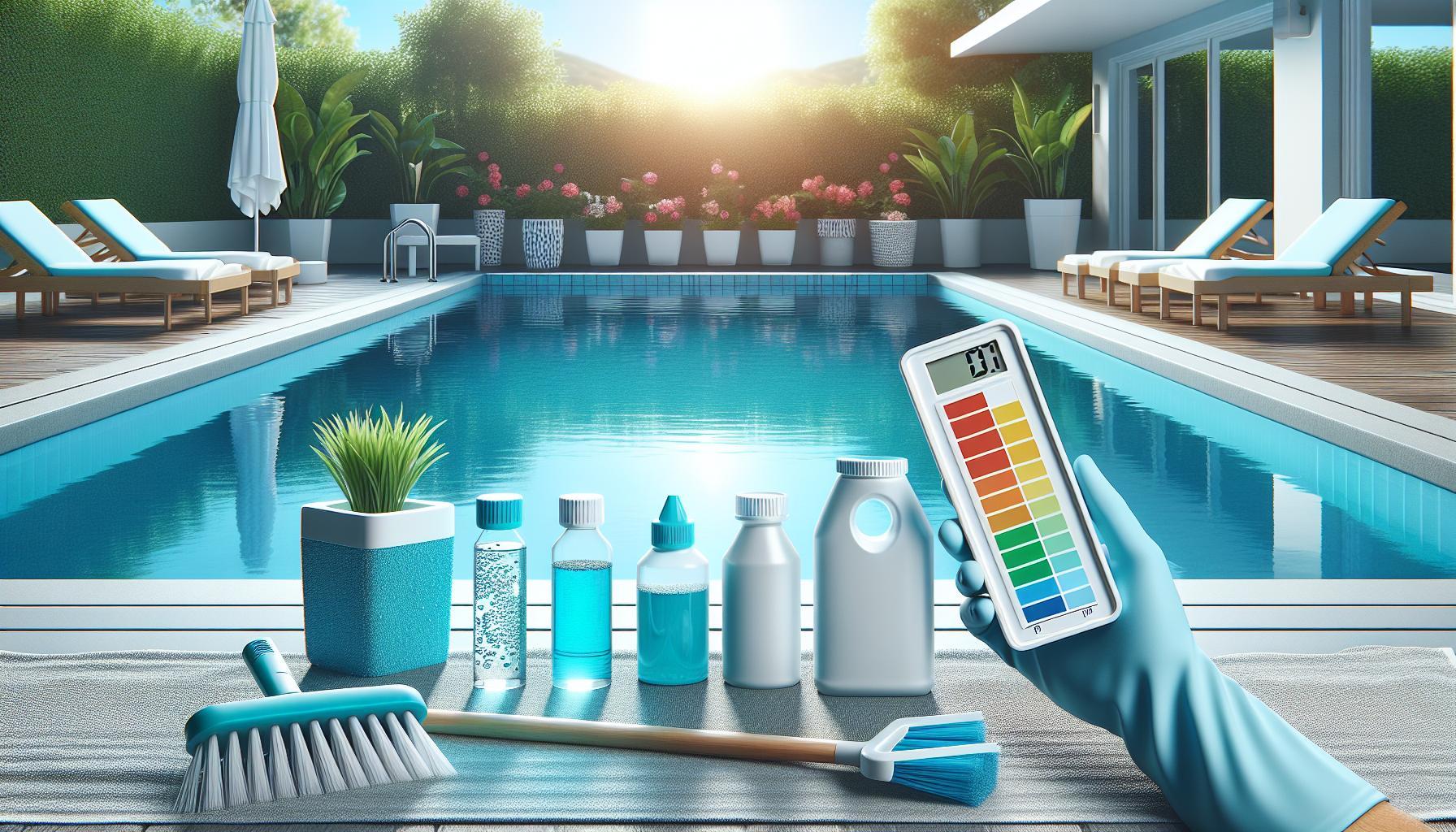

Balancing your pool’s pH is essential for ensuring a safe and enjoyable swimming experience. Did you know that high or low pH levels can lead to skin irritation, cloudy water, and even damage to your pool equipment? Many pool owners face the ongoing challenge of keeping their water chemistry in check, and fluctuating pH can complicate matters.
Understanding how to effectively raise your pool’s pH not only protects your investment but also enhances the overall enjoyment of your swimming environment. Whether you’re preparing for a family swim or just want to maintain crystal-clear water, knowing the right steps to take can make all the difference.
In this guide, we’ll provide you with quick, actionable solutions to raise your pool’s pH levels, empowering you to tackle this common maintenance task with confidence. Get ready to dive into effective strategies that will help keep your pool water balanced and welcoming!
Understanding pH and Its Importance in Pool Care
Understanding the proper pH balance in your pool is crucial for both water clarity and swimmer comfort. pH is a measure of how acidic or basic water is, typically ranging from 0 to 14, with 7 being neutral. For pools, the ideal pH level should be maintained between 7.2 and 7.8. When pH is too low, water becomes acidic, which can cause irritation to skin and eyes, corrode pool equipment, and reduce the effectiveness of chlorine for sanitization. Conversely, a high pH can lead to calcium scaling and cloudiness, making your pool less inviting.
Maintaining the right pH balance not only enhances the overall swimming experience but also prolongs the lifespan of your pool and its components. Regular testing and adjustment are essential to minimizing the risk of imbalances that can negatively impact both health and equipment. Acquiring a reliable water testing kit will help you monitor these levels accurately and consistently, allowing for timely interventions when needed.
To ensure your pool remains in optimal condition, it’s important to establish a routine that includes frequent testing, especially after heavy rain or when there are changes in pool usage. Understanding the signs of pH imbalance, such as skin irritation or cloudy water, can help you act quickly. By being proactive and educated about pH management, pool owners can enjoy a safe, clean, and refreshing swimming environment year-round.
Signs Your Pool’s pH is Too Low
The health of your swimming pool depends significantly on its pH levels. Low pH can turn your pool into a less inviting place, leading to dissatisfaction among swimmers. When the pH drops below the ideal range of 7.2 to 7.8, several noticeable signs can occur, alerting you to take corrective measures. One of the first indicators is the physical discomfort swimmers might experience; you may notice complaints of stinging eyes and irritated skin, which are often signs that the water is too acidic. This discomfort is not just annoying-it can deter people from enjoying the pool altogether.
In addition to sensory discomfort, low pH levels can wreak havoc on your pool’s equipment and overall aesthetics. If you observe corrosion on metal fixtures or staining on pool surfaces, this could be a direct result of consistently low pH. The acidity affects metal components like ladders, pumps, and heaters, leading to costly repairs and replacements over time. Furthermore, you might notice the water becoming cloudy or murky, which is indicative of chemical imbalance. Low pH can also disrupt the effectiveness of chlorine, making your pool more vulnerable to algae growth and other contaminants.
To stay ahead of these issues, regular testing is essential. Use a reliable pool testing kit to monitor pH levels at least once a week, particularly during heavy usage or after rainfall. If you identify signs of low pH, take immediate action by adjusting the water chemistry to restore balance. This proactive approach not only preserves your pool’s condition but also enhances the swimming experience for everyone. By staying vigilant and responsive to these signs, you can ensure a safe, clean, and enjoyable environment for all your pool activities.
Quick Methods to Raise Pool pH
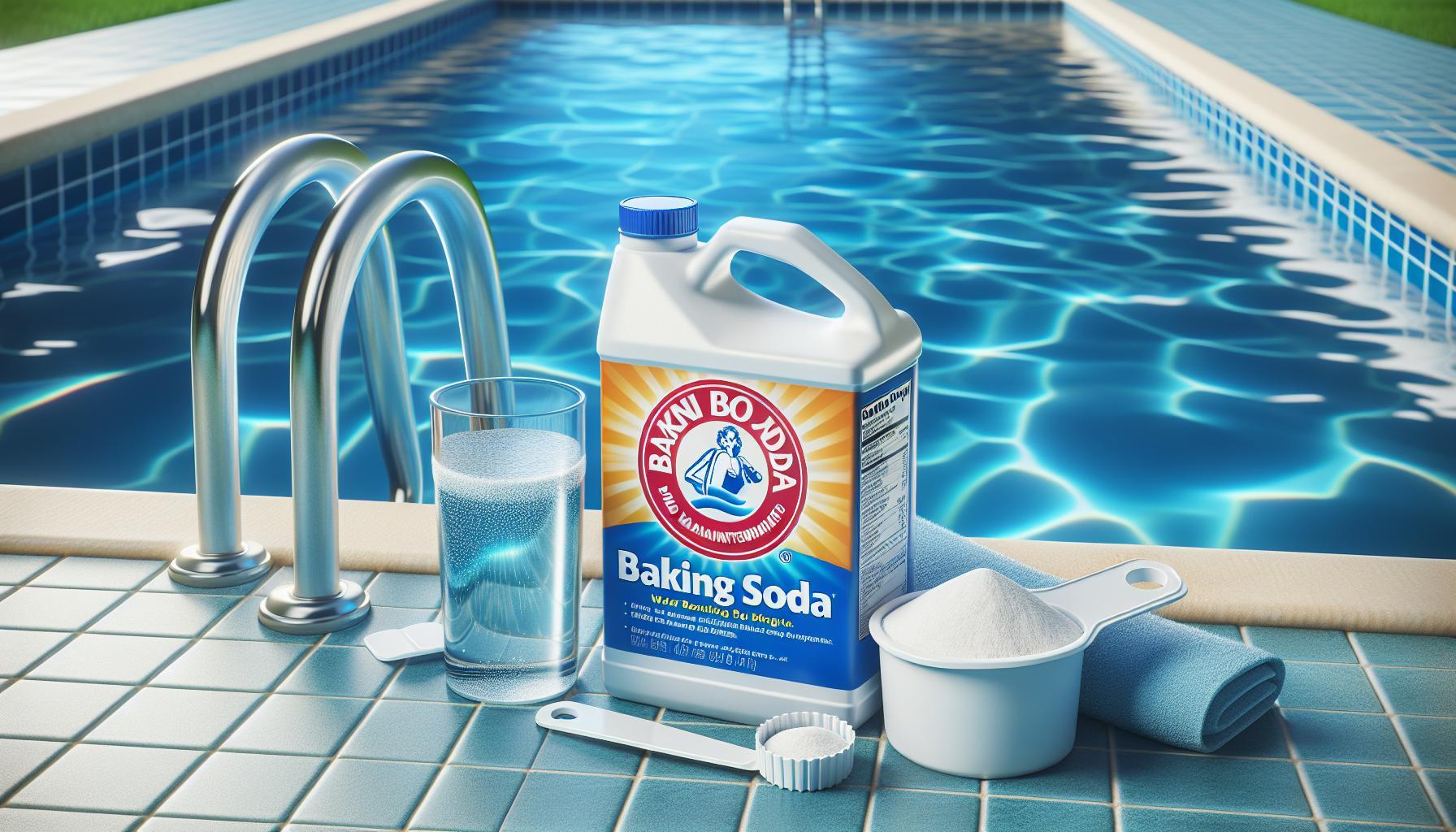
To quickly raise the pH of your pool and restore the optimal balance for comfortable swimming, consider using some effective methods that deliver immediate results. One of the simplest actions is to add baking soda (sodium bicarbonate), a common household item that not only increases pH but also helps raise total alkalinity. This is particularly beneficial as it stabilizes pH levels, making it less likely to fluctuate dramatically after other chemical adjustments.
Another straightforward approach is to use a commercial pH increaser specifically designed for pools, usually consisting of sodium carbonate (soda ash). To execute this method, follow these steps:
- Test Your Water: Start by testing your pool water using a reliable testing kit to determine the current pH level.
- Calculate Dosage: Based on the test results, refer to the pH increaser’s packaging for dosage recommendations. Generally, you’ll need to add about 1.5 pounds of soda ash per 10,000 gallons of water to raise the pH by 0.2.
- Distribute Evenly: Add the pH increaser directly to the water while the pump is operating to ensure even distribution. Sprinkle it around the perimeter of the pool, focusing on areas with higher circulation.
- Retest After a Few Hours: Wait about four to six hours before retesting the pH levels. This allows the chemicals to fully circulate and integrate into the water.
If you prefer a more natural approach, consider using a dilutive solution, such as adding a small amount of vinegar mixed with water, although the impact on pH could be less dramatic compared to chemical treatments. Additionally, allowing your pool to naturally aerate through splashing or using a fountain feature can also encourage an increase in pH levels as carbon dioxide escapes into the atmosphere.
By employing these straightforward methods, you can maintain a safe and enjoyable swimming environment, addressing low pH efficiently without extensive delays. Remember, consistent monitoring and adjustments not only help maintain water quality but also extend the lifespan of your pool and equipment.
Choosing the Right pH Increaser: A Comprehensive Guide
Choosing the right pH increaser for your pool is crucial in maintaining balanced water chemistry and ensuring a safe, enjoyable swimming experience. When the pH level of your pool drops below the ideal range of 7.2 to 7.8, it’s important to act promptly, as low pH can lead to corrosive water that irritates skin and eyes and damages pool equipment. Understanding the available pH increasers and their specific uses can empower you to restore balance effectively.
One of the most common pH increasers is sodium carbonate, often referred to as soda ash. It is particularly effective for significantly raising pH levels and is easy to handle. When selecting a commercial product, look for one specifically labeled for pool use, as these will have guidelines tailored to maintaining water chemistry. Additionally, this option is favored because it not only raises pH but also helps stabilize total alkalinity, which further contributes to balanced water.
Another option to consider is sodium bicarbonate, or baking soda. While it primarily acts as a total alkalinity increaser, it will also have a moderate effect on pH. This can be advantageous when you’re looking to make gradual adjustments without overshooting the target level. When using baking soda, the recommended dosage is about 1.5 pounds per 10,000 gallons of water for raising total alkalinity by 10 ppm, which can also lead to a corresponding rise in pH.
Regardless of which increaser you choose, follow these simple steps for effective use:
- Test Your Water: Before applying any chemicals, use a reliable test kit to check the current pH level.
- Calculate the Necessary Amount: Refer to the product’s guidelines to determine the appropriate dosage for your pool size.
- Add Carefully: Disperse the pH increaser evenly around the pool while the filtration system is running to ensure proper mixing.
- Retest Frequently: Check the pH after several hours to monitor changes and adjust further as necessary.
Making informed choices about your pH increaser will help you maintain a healthy swimming environment while avoiding common pitfalls such as chemical imbalances. Stay proactive with your pool care to enjoy crystal-clear water all season long.
Step-by-Step Guide: How to Adjust pH Levels
Testing and adjusting the pH levels in your pool is essential for maintaining a healthy swimming environment. Even experienced pool owners can sometimes find the pH balance tricky, but with a systematic approach, you can easily restore it to the ideal range of 7.2 to 7.8. Knowing how to make accurate adjustments not only protects your investment in pool equipment but also ensures a comfortable experience for swimmers. Here’s a straightforward method to guide you in adjusting your pool’s pH levels effectively.
Start by testing your water using a reliable pool test kit or strips to determine the current pH level. This initial step is crucial as it informs you of how much adjustment is needed. Make sure to follow the kit’s instructions carefully for the most accurate results. If the pH is below 7.2, it’s time to take action.
Once you know the current pH, calculate the appropriate amount of your chosen pH increaser, such as sodium carbonate or sodium bicarbonate, based on your pool’s size. For example, if you need to raise the pH by one full point in a standard 10,000-gallon pool, you might need approximately 6 ounces of soda ash. Be sure to check the product’s label for specific dosing guidelines, as this can vary based on concentration.
When ready, add the increment to your pool. It’s best to do this while the filtration system is running, as this helps distribute the chemicals uniformly throughout the water. Slowly pour the increaser into different areas around the pool instead of dumping it all in one spot to avoid localized chemical concentration.
After adding the chemical, allow the water to circulate for several hours, then retest the pH levels again. It may take time for pH adjustments to stabilize, so don’t be discouraged if it doesn’t reach the target immediately. Repeat this process until the desired pH balance is achieved, also keeping an eye on total alkalinity, which plays a crucial role in stabilizing pH levels. With these steps, you can maintain crystal-clear water and a welcoming swimming environment all season long.
Testing Your Pool Water: Tools You Need
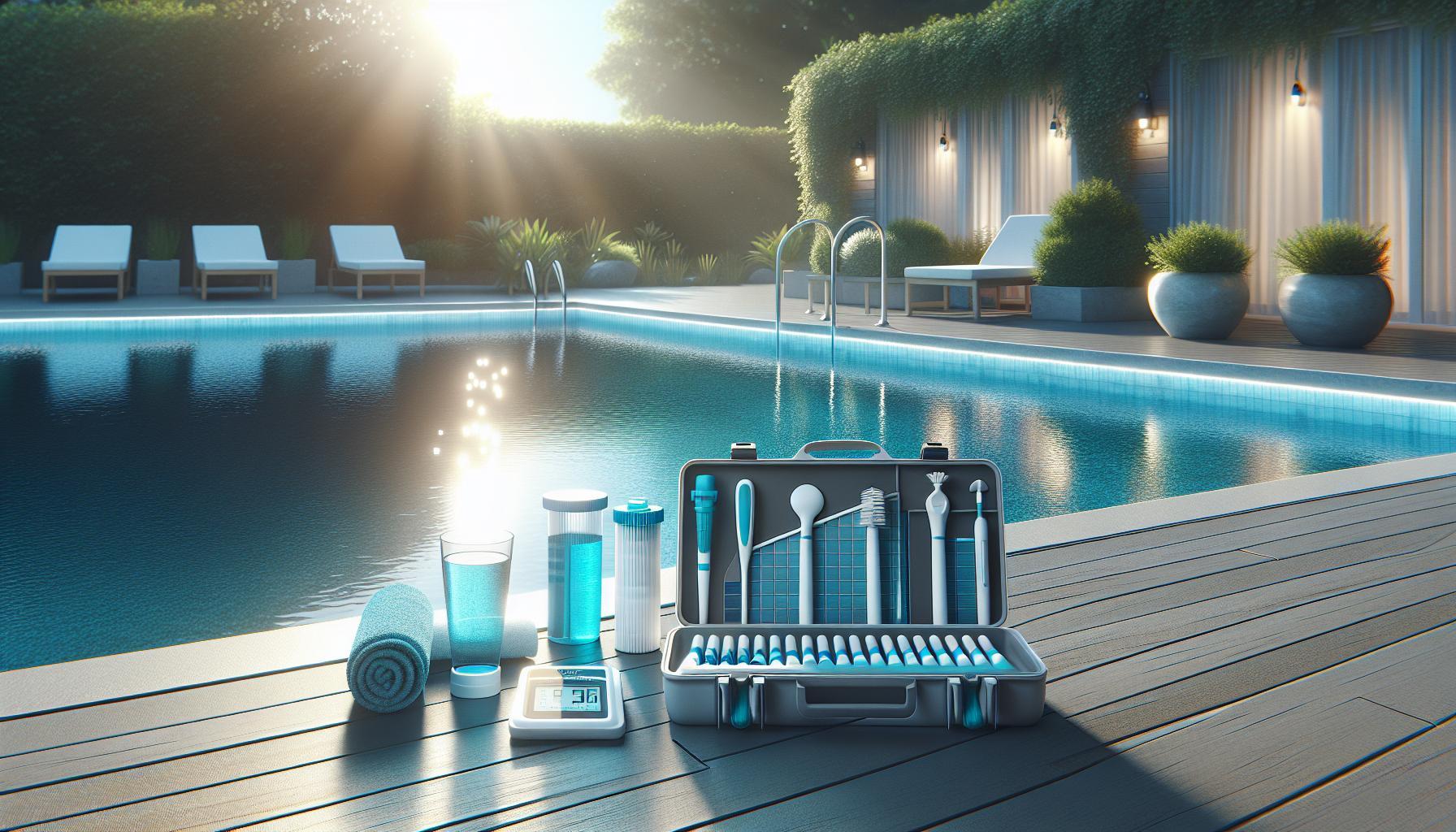
Testing your pool water regularly is essential for maintaining optimal balance and ensuring a safe swimming environment. Accurately measuring pH levels is the cornerstone of this task, allowing pool owners to make necessary adjustments before issues escalate. Utilizing the right tools can simplify this process significantly, empowering you to confidently manage your pool’s water chemistry.
A reliable pool testing kit is fundamental to your maintenance arsenal. These kits come in various forms, but they typically include reagents that change color in response to specific chemical levels, allowing you to determine pH, chlorine, alkalinity, and more. For ease of use and instant feedback, consider investing in a digital pH meter, which provides precise readings at the touch of a button. Whichever method you choose, follow the manufacturer’s instructions carefully to ensure accuracy-errors in testing can lead to incorrect adjustments that might compromise water quality.
To get started, collect a water sample from elbow-deep in the pool, away from inlets or skimmers, as these can mix chemicals differently. Testing multiple areas of the pool can also provide insight into any localized imbalances. After collecting your sample, use your testing kit or digital device, and record the readings. Here’s an easy checklist for your testing session:
- Gather Your Tools: Pool testing kit or digital meter, clean container for samples, and a notepad for recording results.
- Sample Collection: Draw water from the center of the pool, away from circulation points.
- Follow Instructions: Carry out the test as per your kit instructions.
- Record Results: Write down your findings for future reference and monitoring trends over time.
Remember, consistency is key. Regular testing-ideally once a week, or more frequently during heavy use-will help you maintain a balanced pool. Additionally, many pool supply stores sell affordable test strips that provide quick pH readings if you’re looking for a more immediate solution. Investing the time to test your pool water properly will save you from more significant problems and ensure a pleasant swimming experience.
Maintaining Balanced Water: Key Tips and Tricks
To achieve a vibrant and inviting pool experience, maintaining balanced water is crucial. When pH levels drift out of the ideal range of 7.2 to 7.8, not only does it affect the comfort of swimmers, but it can also lead to damaging effects on your pool equipment and surfaces. To keep your pool water balanced, it’s essential to adopt a consistent routine and be proactive in your approach.
One effective strategy is to regularly check and adjust pH levels in conjunction with total alkalinity. Maintaining total alkalinity between 80-120 ppm helps stabilize pH, making it less prone to fluctuations. When you notice the pH dropping, consider adding a pH increaser, typically sodium carbonate, also known as soda ash. When doing this, always add the increaser in small increments, monitoring your pH levels carefully after each addition to avoid overshooting the desired balance.
Additionally, consider integrating water aeration techniques, such as running your pool’s water features or using a fountain, which naturally helps raise the pH levels. This method is especially effective after heavy rainfall or when the pool water is overly acidic due to organic materials like leaves or algae. Regularly scrubbing pool surfaces prevents build-up that can affect chemical balance.
Lastly, being mindful of external factors can contribute to more stable water conditions. Limit the introduction of contaminants by implementing a designated entry area for swimmers and covering the pool when not in use. Adding enzymes or clarifiers can also help break down organic debris, preventing it from impacting your pH levels. By being proactive and systematic in your maintenance routine, you can enjoy crystal-clear water while extending the life of your pool investments.
Advanced Solutions for Persistently Low pH
Persistent low pH levels can create a myriad of issues for pool owners, from unappealing water quality to potential damage to pool surfaces and equipment. If conventional methods such as adding sodium carbonate aren’t yielding results, it’s critical to delve deeper into advanced solutions that can effectively raise and stabilize your pool’s pH.
One effective approach is to examine your pool’s total alkalinity. A level below 80 ppm can contribute to significant fluctuations in pH. If this is the case, consider using a sodium bicarbonate increaser to bolster total alkalinity. This adjustment not only helps stabilize the pH but also acts as a buffer against acidic conditions. After adjusting alkalinity, continue to test your pH regularly, as it often stabilizes as the alkalinity improves.
Utilizing Chemical Treatments
Beyond basic pH increasers, advanced chemical treatments can also be employed. Look for products specifically designed to target pH issues, such as calcium carbonate if your pool water is too acidic and calcium levels are low. Always follow the manufacturer’s instructions, and remember to add these chemicals gradually. Monitor the water chemistry closely after any addition; waiting a few hours to retest can help you avoid over-correcting.
Enhanced Water Aeration
Another innovative solution involves enhancing water aeration if persistent acidity is an issue. Utilizing fountains, waterfalls, or aeration devices can significantly boost the pool’s pH by increasing oxygen levels and facilitating gas exchange. This method not only helps to elevate pH but also improves overall water quality by promoting circulation. A consistent routine of running water features can create a more stable environment for your pool’s chemical balance.
Identifying External Factors
Additionally, it’s essential to investigate external factors that may be contributing to low pH. Factors such as frequent rain, landscaping runoff, and the influx of organic matter can introduce acidity into your pool. Implementing preventative maintenance, such as covering the pool during storms and regularly removing debris, can help mitigate these influences.
Ultimately, combining regular testing, chemicals, aeration, and a keen awareness of environmental factors will empower you to take control of your pool’s pH levels. Taking these advanced measures will not only provide immediate improvements but also promote long-term stability, ensuring a safe and enjoyable swimming experience.
Common Mistakes When Adjusting pH and How to Avoid Them
Adjusting pH levels in your pool can be a straightforward task, but many pool owners fall into common pitfalls that lead to ineffective results or further complications. One frequent mistake is adding too much pH increaser at once. It’s tempting to pour in a large dose when the pH is particularly low, but this can result in overshooting the desired levels. Instead, always start with smaller increments, retesting the water after each addition to ensure you’re approaching the ideal range gradually.
Another common error involves not testing total alkalinity before making adjustments. Total alkalinity acts as a buffer for pH levels. If alkalinity is low (below 80 ppm), adjusting the pH without addressing alkalinity first can cause constant fluctuations, leaving you in a cycle of adding more chemicals. Make it a rule to check both your pH and total alkalinity, adjusting in that order: first raise alkalinity if needed, then fine-tune the pH.
In addition, many homeowners underestimate the impact of environmental factors on pH levels. Rain, leaves, and debris can introduce acids that affect your water chemistry. To counteract this, regularly cover your pool during storms and conduct frequent maintenance to remove organic material. Understanding that the natural surroundings can influence your pool’s chemistry is key to proactive management.
Finally, neglecting to wait sufficiently between additions of chemical treatments can lead to instability in your water balance. Always allow a few hours, or even a day, before retesting and making further adjustments. This approach not only ensures accurate readings but also promotes a healthier pool environment by allowing chemicals to disperse evenly throughout the water. By avoiding these common mistakes, you can maintain a well-balanced pool that remains inviting and safe for swimming.
Natural Ways to Increase pH in Your Pool
For pool owners looking for effective methods to elevate their water’s pH naturally, several options exist that utilize common materials found around the home or easily sourced from local suppliers. These methods not only help maintain optimal water balance but also align with eco-friendly practices, ensuring that your pool remains a safe and enjoyable environment.
One popular natural solution involves using baking soda. This versatile ingredient is not just for baking; it effectively raises pH and total alkalinity levels in pool water. To use baking soda, simply follow these steps:
- Test the Water: Using a reliable pool testing kit, measure your current pH and total alkalinity levels.
- Calculate the Amount Needed: For a rough estimate, you’ll need about 1.5 pounds of baking soda for every 10,000 gallons of water to raise the pH by approximately 0.2. Adjust based on your pool’s size and current levels.
- Dissolve and Distribute: Dissolve the baking soda in a bucket of water to prevent any cloudiness, then pour it evenly around the pool while the pump is running. This helps circulate the solution rapidly throughout the water.
Another effective natural method involves enhancing your pool’s aeration. Increasing the water’s exposure to air can lead to higher pH levels, as it helps off-gas carbon dioxide, a common contributor to lowered pH. Here’s how to boost aeration:
- Use a Fountain or Waterfall Feature: If your pool has a fountain, waterfall, or similar feature, turn it on to increase water movement and aeration.
- Add a Pool Aerator: For pools without built-in features, consider installing a pool aerator. This device introduces air into the pool water, raising oxygen levels and helping to balance pH effectively.
In addition to these methods, regularly maintaining your pool can prevent pH imbalances. Introducing natural elements like calcium carbonate from crushed limestone can also adjust pH levels gradually while enhancing overall water quality.
By implementing these natural methods, pool owners can not only address pH imbalances effectively but also promote a healthier pool environment while enjoying the soothing aspects of water maintenance. Regular testing and adjustments will ensure that your swimming experience remains pristine and enjoyable.
When to Call a Professional for pH Issues
Managing pool pH levels can sometimes feel overwhelming, especially when fluctuating readings disrupt your maintenance routine. While many pool owners successfully handle adjustments themselves, there are specific scenarios where enlisting a professional’s expertise becomes essential. Recognizing these moments can not only save you time and effort but also protect your pool from potential damage.
Indicators of Professional Help Needed
If you’ve attempted to balance your pH levels using home techniques but see no improvement after a week, it might be time to call in a trained technician. An inability to achieve desired results can stem from underlying issues such as incorrect water chemistry or equipment malfunctions that require specialized knowledge and tools to diagnose.
Additionally, if you notice a persistent cloudiness or unusual coloration in your pool water despite regular chemical treatments, this could indicate a more significant water quality problem. Professionals have access to advanced testing equipment and can perform a thorough water analysis, identifying problems that standard kits might miss.
Complex Issues Demand Expertise
- Significant Equipment Failures: If your pool’s filtration system is malfunctioning, it may continuously affect pH levels and overall water balance. Issues with filters, pumps, or chlorinators often necessitate a professional’s touch.
- Severe Algae Blooms: A strong algae growth can skew pH readings and create an unsafe swimming environment. Professionals are equipped to deal with these situations efficiently, ensuring your pool returns to a safe, enjoyable state.
- Persistent Low pH: If adjustments through chemicals and natural methods yield no success, a professional can investigate possible causes such as high levels of dissolved solids or even groundwater issues.
When in doubt, it’s always better to err on the side of caution. A professional’s assessment not only offers peace of mind but can also prevent ongoing issues that might lead to costly repairs down the line. If you find yourself facing challenging water chemistry or persistent pH problems, expert guidance can make all the difference in restoring your pool to its sparkling best.
Preventive Measures for Long-Term pH Balance
To maintain a healthy pH balance in your pool, implementing preventive measures is essential. Regular monitoring and proactive steps can save you from the frustration of fluctuating pH levels and the associated chemical adjustments. It’s crucial to understand that environmental factors, such as rainfall and debris, can impact your pool’s pH levels. Therefore, establishing a routine not only keeps your water clear and inviting but also ensures a safe swimming experience.
Start by regularly testing your pool water. Weekly testing will help you identify trends in pH changes, allowing for timely adjustments. Utilize reliable testing kits or digital testers to accurately measure pH levels. Ideally, you want to maintain a pH range of 7.2 to 7.8; this not only enhances water clarity but also protects the longevity of your pool equipment and surfaces.
In addition to frequent testing, consider maintaining consistent filtration and circulation. Effective filtration systems help remove debris that can lower pH levels, such as organic matter and algae. Ensure your pool pump operates for at least 8-12 hours a day, particularly during peak usage periods. Regularly clean and maintain your filter to optimize its performance.
Practical tips for long-term pH balance:
- Regularly shock your pool: Raising the chlorine level temporarily can help eliminate contaminants that may affect pH.
- Use pH stabilizers: Products like sodium bicarbonate can help maintain steady pH levels, especially during hot weather or heavy rain.
- Optimize water source: If you’re filling your pool with municipal water, check its pH level too. If it’s outside the ideal range, consider adding adjustments before filling your pool.
By proactively managing these elements, you can significantly mitigate the risks of unbalanced pH levels and enjoy a clean, safe pool year-round. Remember, a little consistent effort goes a long way in preserving the pool’s integrity and inviting an enjoyable swimming environment for you and your family.
Frequently asked questions
Q: What is the ideal pH level for pool water?
A: The ideal pH level for pool water is between 7.4 and 7.6. This range ensures optimal chlorine effectiveness, comfort for swimmers, and prevents equipment corrosion. Regular testing and adjustments help maintain this balance. Check out the section on “Testing Your Pool Water” for tools you need.
Q: Why is my pool water cloudy after raising pH?
A: Cloudy water can occur if pH is raised too quickly or if the chemicals used react with existing water contaminants. Ensure thorough mixing and retest pH after adjustments. Refer to “Common Mistakes When Adjusting pH” for more insights on avoiding such issues.
Q: How often should I test my pool’s pH?
A: You should test your pool’s pH at least twice a week, especially during peak swimming seasons. Frequent testing helps ensure that pH levels remain stable and within the ideal range. Visit “Testing Your Pool Water” for the best practices and tools for accurate measurement.
Q: Can rain affect the pH of my pool?
A: Yes, rain can significantly affect your pool’s pH by diluting the chemicals and introducing minerals that may raise or lower pH levels. It’s essential to test your pool’s water after heavy rain and make necessary adjustments to restore balance.
Q: What ingredients are commonly found in pH increasers?
A: Common pH increasers include sodium carbonate (soda ash) and sodium bicarbonate (baking soda). Each serves to raise pH levels effectively but may have different side effects. Learn more about choosing the right pH increaser in “Choosing the Right pH Increaser: A Comprehensive Guide.”
Q: How long does it take for pH increaser to dissolve in the pool?
A: Generally, a pH increaser can take anywhere from 24 hours to fully dissolve and show effects. To ensure even distribution, add the powder slowly while the pump is running, and avoid adding large amounts at once. Check the “Step-by-Step Guide: How to Adjust pH Levels” for best practices.
Q: What are the signs that I need to raise my pool’s pH?
A: Signs that you may need to raise your pool’s pH include skin irritation, eye discomfort, and difficulty maintaining chlorine levels. You may also notice increased algae growth. For specific symptoms and their implications, refer to “Signs Your Pool’s pH is Too Low.”
Q: Is it safe to swim in a pool with low pH levels?
A: Swimming in a pool with low pH levels can irritate the skin and eyes. It’s advisable to avoid swimming until the pH is balanced, typically between 7.4 and 7.6, for a more comfortable swimming experience.
Wrapping Up
Maintaining the right pH balance in your pool is essential for a safe and enjoyable swimming experience. By following the quick solutions outlined, you can effectively raise your pool’s pH and ensure optimal water chemistry. Remember, a well-balanced pool not only protects your investment but also keeps swimmers happy! If you’re looking for more tips on pool maintenance, check out our guides on “How to Lower pH in Your Pool” and “The Ultimate Pool Maintenance Checklist.”
Don’t wait until your pool water turns cloudy-act now to achieve that crystal-clear freshness! Feel free to share your experiences or questions in the comments below; we love hearing from our community. For more insights and personal guidance, consider signing up for our newsletter. Together, let’s create a pool environment that’s both welcoming and safe for everyone!