


Maintaining the ideal calcium hardness level in your pool is crucial in preventing costly corrosion and ensuring a safe, enjoyable swimming environment. Did you know that imbalanced calcium levels can lead to major issues like flaky tiles or damage to your pool’s equipment? By understanding how to effectively raise calcium hardness, you can protect your investment and enhance your swimming experience.
For many pool owners, struggling with low calcium hardness can feel overwhelming, especially when you’re trying to achieve that crystal-clear water you dream of. The good news is that enhancing your pool’s calcium levels is a manageable task, and with the right approach, you can restore balance swiftly and efficiently.
In this guide, you’ll discover practical steps to elevate calcium hardness, from simple additions to helpful tips for monitoring levels. By the end, you’ll be empowered to tackle this maintenance challenge confidently and ensure your pool remains a refreshing oasis all season long.
Understanding Calcium Hardness in Pools
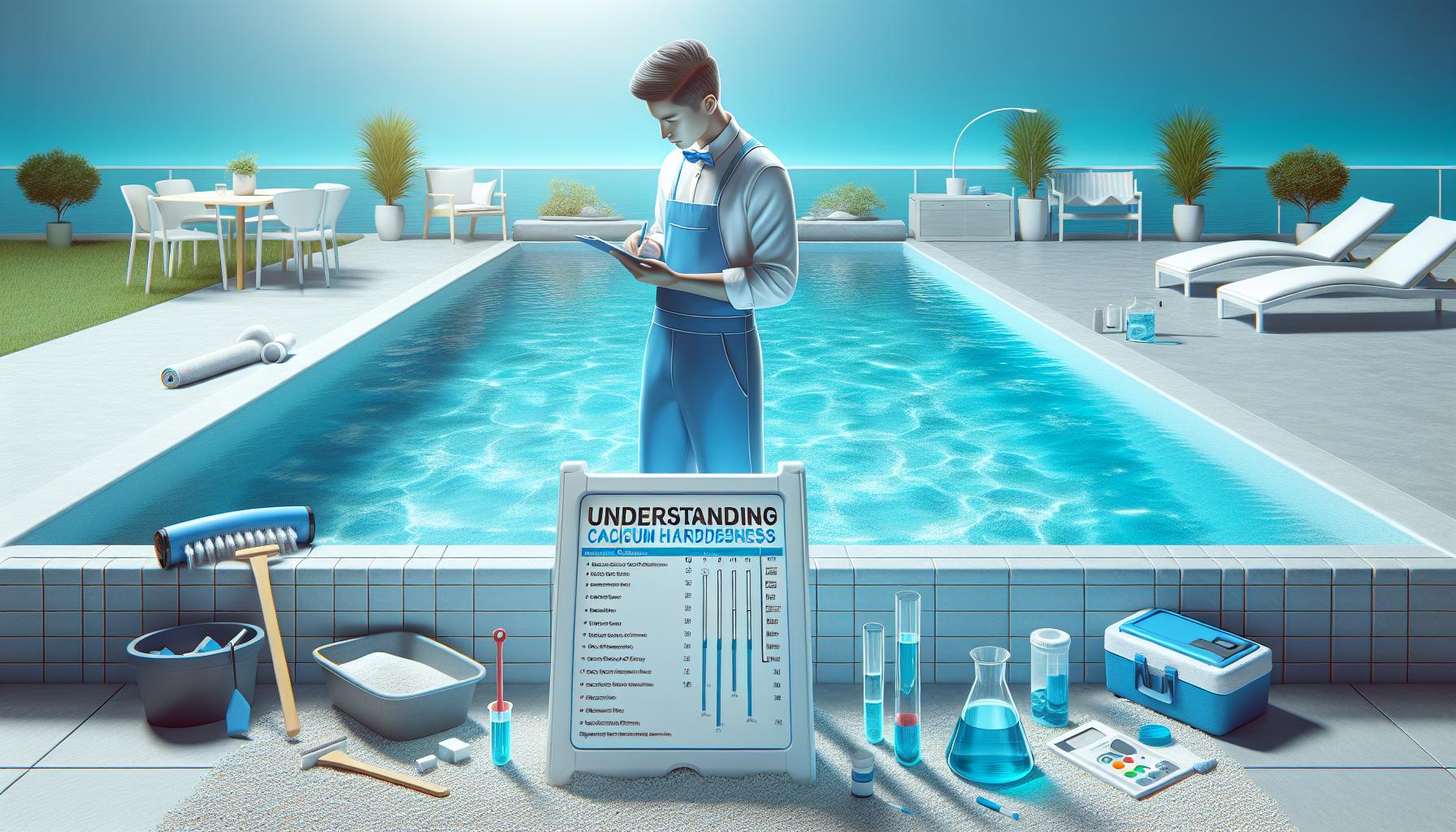
Calcium hardness is a crucial aspect of pool maintenance that is often overlooked. It refers to the concentration of calcium ions in your pool water and plays a significant role in preventing corrosion and maintaining the structural integrity of your pool. When calcium levels are adequate, they help to stabilize your pool’s pH levels, leading to clearer water and a more enjoyable swimming experience. Conversely, low calcium hardness can cause various issues, including plaster damage, corrosion of metal components, and an overall compromised pool environment.
Understanding the ideal calcium hardness range for your pool is essential. Generally, the recommended levels fall between 200 to 400 parts per million (ppm). Within this range, the water remains balanced, minimizing the risk of corrosion and other maintenance problems. Conversely, calcium levels that drop below the recommended range can lead to a fast decline in water quality, potentially damaging pool surfaces and equipment over time.
To maintain proper calcium hardness, routine water testing is essential. Testing kits are readily available at pool supply stores, and using them regularly will empower you to monitor and adjust your pool’s chemistry effectively. If you discover that your calcium hardness is low, you can take immediate steps to raise it, ensuring the longevity and aesthetic appeal of your pool. Regular maintenance not only protects your investment but also enhances the safety and enjoyment of swimming for you and your family.
In summary, keeping an eye on calcium hardness is more than just numbers; it’s about preserving the health of your pool and ensuring a safe, fun environment for all who use it.
Signs Your Pool Needs Higher Calcium Hardness
Pool maintenance involves monitoring various chemical levels, but one crucial indicator that often goes unnoticed is calcium hardness. When calcium levels dip below the ideal range, your pool might give off subtle yet telling signs that it’s time for a boost. Recognizing and addressing these symptoms early can prevent costly repairs and enhance the longevity of your pool.
The first sign to look out for is cloudy water. If your pool water appears hazy or dull, it could indicate that the calcium levels are insufficient, leading to unstable water chemistry. This instability often results in a fluctuating pH, which can contribute to discomfort for swimmers and hinder other sanitizing processes. Additionally, etching or rough patches on the plaster surface could be a warning sign. Low calcium hardness can cause the pool surface to wear down prematurely, leading to unsightly blemishes and increased risk of corrosion.
Another sign is corrosion of metal components, such as ladders and railings. Insufficient calcium hardness allows water to leach minerals from metal fixtures, weakening their integrity. If you notice any rust or pitting, it’s critical to test your water soon. Lastly, consider whether your pool chemicals seem to require frequent adjustments. If you find that you’re constantly battling imbalanced water, it may be that the underlying issue is low calcium hardness affecting overall water stability.
Monitoring these signs is essential for maintaining your pool’s health. If you suspect that your calcium levels are low due to these indicators, conducting a test should be your immediate next step to restore balance and prevent further complications.
Step-by-Step Guide to Raising Calcium Hardness
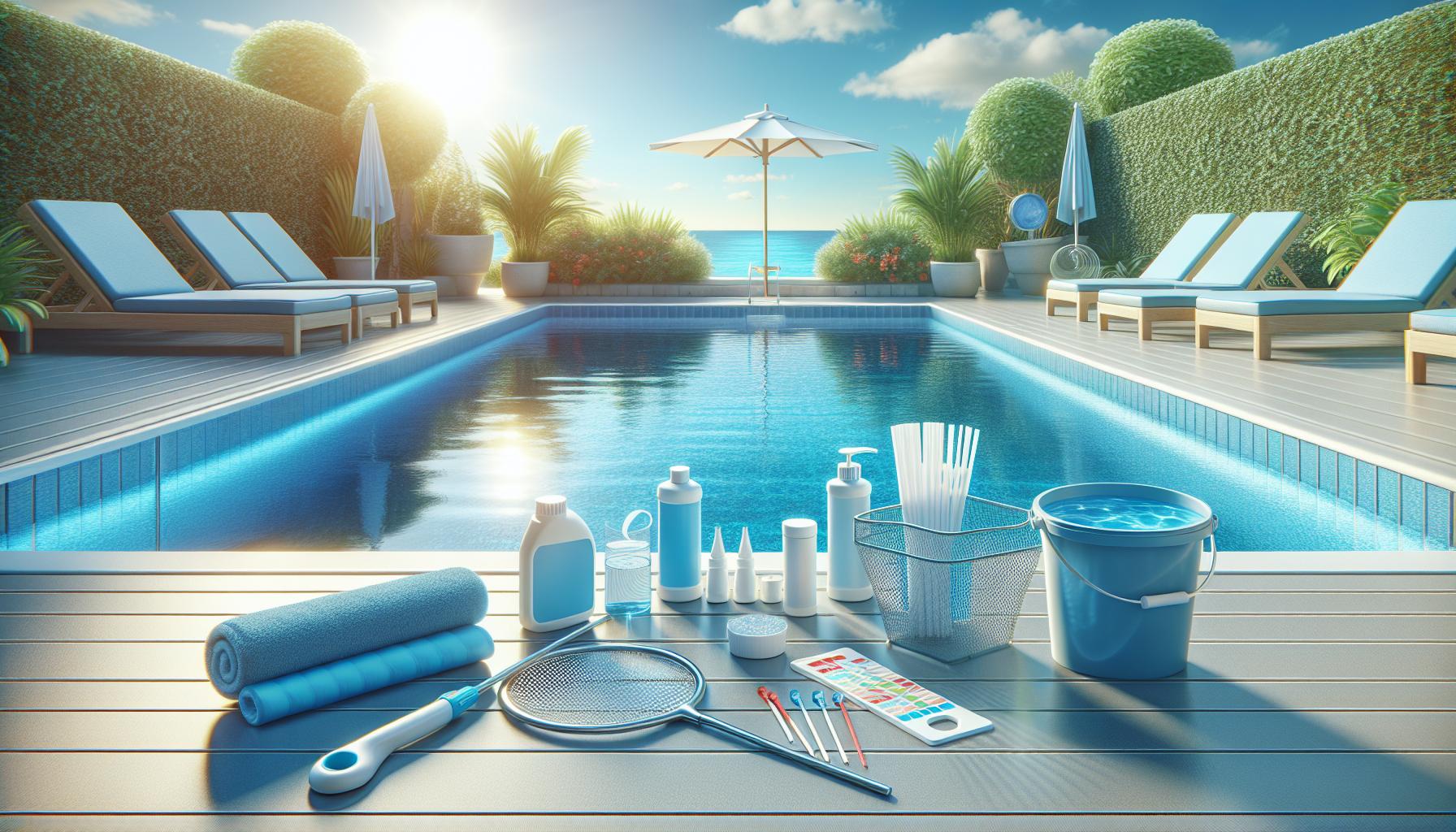
Maintaining the right calcium hardness in your pool is vital to ensuring its longevity and protecting against issues like corrosion and cloudy water. If you’ve tested your pool and found low calcium levels, it’s essential to act promptly to restore balance. Here’s a straightforward guide to help you raise calcium hardness effectively and improve your pool’s overall health.
Start by measuring the current calcium hardness level using a reliable test kit. The ideal range for pool calcium hardness typically falls between 200 to 400 parts per million (ppm). Once you have your reading, determine the amount of calcium chloride you need to add. As a general rule, adding approximately 1.5 ounces of calcium chloride will raise the calcium hardness of 1,000 gallons of water by about 10 ppm. For larger pools, you can scale this amount up accordingly.
Next, dissolve the calcium chloride in a bucket of water before adding it to your pool. This step is crucial to prevent cloudiness and ensure even distribution. Once mixed, pour the solution into the deep end of the pool while the pump is running to help circulate the chemicals throughout the water. Be sure to retest your calcium levels after 24 hours to see if further adjustments are needed.
To maintain optimal calcium hardness levels in the long term, consider stopping water evaporation by using a pool cover when the pool isn’t in use. Regularly backwashing the filter and topping off water with fresh supply also helps manage calcium levels. It’s equally important to avoid using soft water for filling the pool or topping it off, as this will dilute the calcium concentration.
By following these straightforward steps, you can effectively raise and maintain calcium hardness in your pool, preventing corrosion and ensuring a safe swimming environment for you and your family. Remember, a well-balanced pool not only enhances enjoyment but also protects your investment in the long run.
Choosing the Right Calcium Additives for Pools
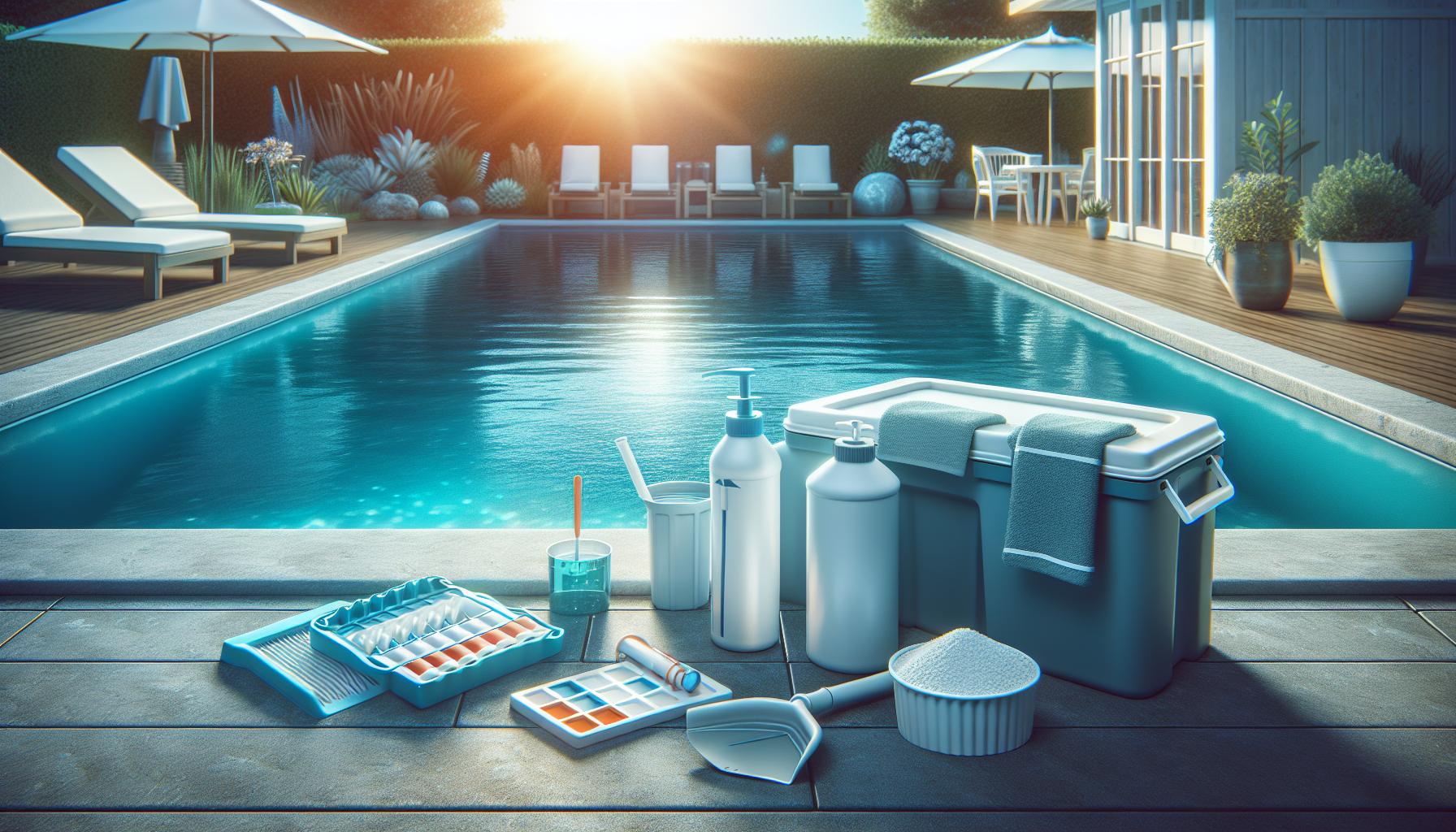
Inadequate calcium hardness in your pool can lead to severe problems, including corrosion of pool surfaces and equipment. Choosing the right calcium additives is key to maintaining healthy water chemistry and preventing these costly issues. Calcium chloride is the most commonly used additive for raising calcium hardness, largely due to its effectiveness and ease of use. When selecting a product, aim for those specifically formulated for pool use to ensure they dissolve quickly and efficiently without leaving residues.
How to Select Calcium Additives
When selecting calcium additives for your pool, consider the following factors:
- Purity and Composition: Look for high-purity calcium chloride that is explicitly labeled for use in swimming pools. This ensures it has minimal additives that could affect water quality.
- Granule Size: Smaller granules tend to dissolve more quickly, which helps in raising calcium levels efficiently. Checking for products marketed as “fast-dissolving” can save you time.
- Brand Reputation: Some brands have a proven track record for quality and effectiveness in pool maintenance. Researching user reviews and seeking recommendations can guide you toward trustworthy options.
Application Tips
To effectively raise calcium hardness levels in your pool:
- Calculate Requirements: Before adding any chemicals, measure your pool’s current calcium hardness level. This step ensures you add just the right amount of calcium chloride without overshooting the target range of 200-400 ppm.
- Pre-Dissolve for Ease: Always pre-dissolve calcium chloride in a bucket of warm water before adding it to your pool. This practice helps avoid cloudiness and ensures an even distribution throughout the pool.
- Introduce Gradually: Add the calculated solution at the deep end of the pool while the circulation pump is running. This allows the solution to disperse quickly and efficiently.
With the right calcium additives and proper application, you can ensure that your pool maintains optimal calcium hardness. Regular testing and routine adjustments will keep your pool water safe and crystal clear, allowing you to enjoy it to the fullest while protecting your investment.
Common Mistakes When Adjusting Calcium Levels
Maintaining the right calcium hardness in your pool is crucial for its longevity and safety, but many owners encounter common pitfalls during the adjustment process. One frequent mistake is neglecting to test the water before adding calcium additives. Without a proper measurement of the current calcium hardness, pool owners risk overcorrecting the levels, potentially leading to cloudiness or scaling. Always use a reliable testing kit to determine your pool’s existing calcium levels, ensuring you add the appropriate amount of calcium chloride to reach the optimal range of 200-400 ppm.
Another prevalent error is adding calcium is not properly dissolving it before introduction into the pool. Some may think tossing in granules will suffice, but adding undissolved calcium chloride directly can lead to uneven distribution and localized high concentrations, which may cause damage to pool surfaces. Instead, pre-dissolve the additive in a bucket of warm water, stirring until fully dissolved, and then pour it into the pool while the circulation system is running. This method promotes even distribution and prevents issues like staining or cloudy water.
Pool owners should also be cautious of timing their calcium adjustments. Adding large amounts of calcium during hot, sunny days can lead to rapid evaporation and affect chemical balance. It’s best to make adjustments in the evening or when sunlight levels are lower, reducing the chance of chemical loss. Moreover, consecutive adjustments are another area where mistakes often occur. After adding calcium chloride, allow sufficient time-typically 24 hours-before retesting and making additional adjustments. Rushing the process can lead to erratic water chemistry and ongoing maintenance difficulties.
Lastly, updating your understanding of pool water chemistry is vital. Many owners mistakenly believe that increasing calcium hardness alone can mitigate all corrosion problems. In reality, it’s just one piece of the puzzle. Regularly evaluate other factors such as pH, alkalinity, and total dissolved solids, as they all interplay with calcium levels and overall water balance. Keeping these elements in check not only protects against corrosion but also enhances the clarity and safety of your swimming environment.
The Relationship Between Calcium Hardness and Pool Corrosion
Water is often referred to as a universal solvent, which means it has the ability to dissolve a variety of substances, including metals. When pool water is low in calcium hardness, it becomes corrosive and can lead to significant deterioration of pool surfaces, equipment, and fittings. This corrosive action can manifest as etching in plaster surfaces, degradation of metal components, and even the failure of pool heaters. Maintaining the right level of calcium hardness is not just a matter of chemistry; it’s essential for protecting your investment and ensuring a safe swimming environment.
Why Calcium Hardness Matters
When calcium levels fall below the recommended range of 200-400 ppm, the pool water seeks out calcium from other sources, including plaster, tiles, and metal parts. This process can cause visible damage such as chips and cracks in surfaces, as well as increased wear on pool equipment. Corrosion is a silent enemy, often going unnoticed until the damage is done. Therefore, it’s crucial to monitor and adjust calcium hardness regularly.
Steps to Prevent Corrosion
To combat corrosion related to low calcium hardness, follow these steps:
- Regular Testing: Check your pool’s calcium hardness levels at least bi-weekly. Use a reliable test kit to obtain accurate readings, as fluctuations can happen rapidly due to factors like evaporation and water replacement.
- Maintain Balanced pH and Alkalinity: Keep pH levels between 7.2 and 7.8, and total alkalinity between 80-120 ppm. Both pH and alkalinity can influence calcium behavior in water.
- Add Calcium Chloride: If tests reveal low calcium levels, gradually add calcium chloride. Always pre-dissolve it in a bucket of water to ensure an even distribution.
- Check Water Source: If you refill your pool regularly, check the calcium hardness level of your source water, as some municipal supplies can be low in calcium, making regular maintenance even more crucial.
Choosing the Right Time for Adjustments
Timing can greatly affect the chemistry of your pool water. It’s advisable to make calcium adjustments in the late afternoon or evening when pool demand is lower and UV radiation is diminished. Such approaches help to stabilize the chemical balance and prevent sudden changes that could exacerbate corrosion.
By taking vigilant steps to manage calcium hardness, you can greatly reduce the potential for corrosion, preserving your pool’s surfaces and longevity. Remember, a little proactive maintenance goes a long way in ensuring your pool remains safe, inviting, and visually appealing.
Testing Your Pool’s Calcium Hardness Level
Testing your pool’s calcium hardness is a critical step in maintaining optimal water chemistry and preventing corrosion. It’s not just about keeping the water clear; understanding your calcium levels can save you significant repair costs and extend the life of your pool. Monitoring this factor can be the difference between a safe swimming environment and a corrosive nightmare.
To effectively test your pool’s calcium hardness, start with a reliable test kit designed for swimming pools. These kits typically measure calcium levels in parts per million (ppm). Here’s a step-by-step process to ensure accuracy:
- Gather Your Supplies: Ensure you have a clean sample bottle, your test kit, and instructions. Rinse the sample bottle with pool water before collecting your sample.
- Collect the Water Sample: Fill the sample bottle with water from elbow depth (about 18 inches below the surface) in the deep end of the pool. This helps ensure that you’re testing representative water rather than surface water that may be influenced by contaminants.
- Perform the Test: Follow the manufacturer’s instructions closely to perform the calcium hardness test. This typically involves adding a reagent to your water sample that reacts with calcium ions, changing the color of the solution in proportion to the hardness level.
- Note the Reading: Compare the color of your sample to the provided chart on the test kit. Record the calcium hardness level-ideally, it should be maintained between 200-400 ppm for optimal pool health.
If your test indicates low calcium hardness, don’t fret. Adjustments can be made quickly with calcium chloride, which can typically be purchased at local pool supply stores. By creating a maintenance schedule that includes regular testing-ideally at least bi-weekly-you can stay ahead of any potential corrosion issues, keeping your pool investment in top shape for years to come. A proactive approach not only facilitates swift correction but also gives you peace of mind as you enjoy your backyard oasis.
Maintaining Optimal Calcium Hardness Long-Term
Maintaining the right balance of calcium hardness isn’t just a routine chore; it’s an essential aspect of pool care that can protect your investment and ensure a pleasant swimming experience. When calcium levels are optimal, they help stabilize the pool water and prevent corrosive elements from causing damage to surfaces, fixtures, and equipment. The key to maintaining this balance lies in understanding how factors like evaporation, water replacement, and regular use can affect calcium levels over time.
To keep your pool’s calcium hardness at healthy levels, establish a regular maintenance routine that includes testing calcium levels at least bi-weekly. If you notice fluctuations, take immediate action to adjust levels using calcium chloride as needed. Monitor your water chemistry regularly and check the pH and alkalinity, as imbalances can further influence calcium hardness. Keeping the pH between 7.2 and 7.8 is particularly crucial because higher pH levels can lead to calcium scaling, while lower levels can cause corrosion.
Additionally, consider environmental influences. Heavy rains or water replacement due to evaporation can dilute your pool water, impacting your calcium levels. In areas with high rainfall, you may need to boost calcium hardness more frequently. A proactive approach is to assess the season’s impact, adjusting your maintenance habits accordingly. For example, during peak swimming months, you may find yourself needing to test and adjust more often due to increased usage and evaporation rates.
Lastly, don’t overlook the importance of preventative measures to combat calcium-related problems. Using a pool cover can significantly reduce evaporation and keep calcium levels more stable. Regular cleaning of the pool sides and tiles can also minimize the buildup of calcium deposits, ensuring the longevity of your pool surfaces and fixtures. By taking these steps, not only can you maintain optimal calcium hardness, but you can also enhance the overall health and aesthetic appeal of your swimming pool, giving you peace of mind to enjoy your outdoor oasis all season long.
Quick Troubleshooting for Calcium Hardness Issues
Identifying calcium hardness issues in your pool quickly can save you from costly repairs and maintain a safe and enjoyable swimming environment. If your water feels slippery after washing, or if you’re noticing cloudy water and scale buildup, it may indicate that your calcium levels are not where they should be. Keeping your pool water properly balanced ensures that you’re not only preventing corrosion but also promoting a healthy swimming area.
To tackle calcium hardness issues efficiently, start by testing your pool’s water with a reliable test kit. Aim for a calcium hardness range between 200-400 ppm (parts per million). If it falls below this range, you’ll want to take steps to raise the hardness. Follow these troubleshooting tips:
- Add Calcium Chloride: If the test shows low calcium levels, adding calcium chloride is the most direct way to increase calcium hardness. Follow the manufacturer’s instructions on the package for the right dosage based on your pool size.
- Retest Regularly: Allow the water to circulate for an hour after adding chemicals, then retest to ensure you’ve reached the desired levels. Adjust again as necessary.
- Maintain pH Balance: High pH levels can lead to calcium scaling, while low levels can corrode equipment. Keep your pH levels between 7.2 and 7.8 for optimal results. Regular testing is key.
- Monitor Water Replacement: Frequent water replacement due to evaporation or rain can dilute your calcium levels. During rainy seasons, be proactive with calcium adjustments.
In addition to these troubleshooting tips, be aware of other signs indicating calcium issues. Look out for white crusty deposits on pool tiles and surfaces, which suggest excessive calcium. If you encounter these problems, addressing them promptly will help prevent significant damage to your pool structure and equipment.
Implementing a consistent maintenance routine can greatly enhance your pool’s longevity. By staying vigilant and taking proactive measures, you can ensure a safe swimming experience and preserve the beauty and integrity of your pool for years to come.
Tips to Prevent Calcium Related Pool Problems
Maintaining optimal calcium levels in your pool is not just about achieving a balance; it’s a critical element in ensuring a safe and enjoyable swimming environment. To prevent calcium-related problems such as scaling, cloudiness, and corrosion, implementing proactive measures will save you time, money, and stress in the long run.
One of the most effective strategies is regular testing of your pool water. Test for calcium hardness at least once a month or more frequently if your pool experiences heavy use or significant water replacement. Establish a routine that includes checking other chemical levels, such as pH and alkalinity, as they all interconnect. For instance, keep your pH in the recommended range of 7.2 to 7.8 to prevent calcium buildup and corrosion. Regularly scheduled maintenance helps detect imbalances before they escalate into major issues.
Next, consider the water source you use to fill your pool. If you’re drawing water from a well or surface source, be mindful of its mineral content. Hard water has higher calcium and magnesium levels, which can push your pool’s hardness beyond the desirable range. In such cases, use a water conditioner or consider blending tap water with softer water to achieve a more balanced approach.
Water Circulation and Filtration
Ensure proper water circulation and filtration in your pool. Inefficient water movement can lead to stagnant areas where calcium deposits are more likely to form. Maintain your pool pump and filtration system by checking them regularly for any obstructions and ensuring they run for at least 8-10 hours daily, especially during peak swimming season. A well-circulated pool minimizes the risk of localized hardness and keeps the water clearer.
In addition to maintenance, educate yourself about the additives you use. Select calcium increasers featuring a calcium chloride base, as they are readily soluble and effective for raising levels quickly without causing cloudy water. Avoid adding calcium products excessively, as this can lead to oversaturation. Following the manufacturer’s dosage recommendations allows for controlled increases in hardness.
By incorporating these preventive strategies, you can mitigate common calcium-related pool issues and enhance your swimming experience. The key is consistent vigilance and a proactive approach-keeping your pool balanced will lead to clearer water and a more inviting environment for swimmers.
Benefits of Balanced Calcium Hardness in Pools
Maintaining balanced calcium hardness in your pool can significantly enhance both its longevity and your overall swimming experience. When calcium levels are within the optimal range, typically between 200 and 400 ppm (parts per million), you’ll notice a marked improvement in water clarity and comfort. Not only does balanced calcium hardness contribute to a safer swimming environment, but it also prevents a slew of common issues that can arise from improper levels.
One of the foremost benefits is the reduction of corrosion within your pool’s infrastructure. Low calcium levels can lead to aggressive water that erodes metal fixtures, pool liners, and the walls of your pool, resulting in costly repairs. When calcium hardness is balanced, it acts as a buffer, stabilizing the water chemistry and protecting your investment. Additionally, properly balanced calcium can prevent scaling, which creates unsightly deposits on tiles and surfaces, keeping your pool attractive and reducing the need for frequent cleans or acid washes.
To harness these advantages, regular testing of your pool water is essential. Test your calcium hardness at least once a month; make it a part of your routine alongside checking pH and alkalinity. If you find that calcium levels are low, consider incorporating a calcium increaser, typically calcium chloride, into your maintenance strategy. This method not only raises calcium levels but does so without clouding the water, allowing for swift correction while keeping your pool inviting.
Moreover, understanding the relationship between calcium hardness and overall water balance encourages a proactive approach. Maintaining optimal levels allows for smoother water circulation and filtration processes, decreasing the chances of algae growth and ensuring that your pool stays clean and inviting. By preventing these issues, you can enjoy more time swimming and less time troubleshooting-an invaluable benefit for any pool owner.
Frequently asked questions
Q: What is the ideal calcium hardness level for swimming pools?
A: The ideal calcium hardness level for swimming pools typically ranges between 200 ppm and 400 ppm. Maintaining this level helps prevent corrosion of pool surfaces and equipment, ensuring a balanced water chemistry that is easier to manage [3[3].
Q: How can I tell if my pool needs more calcium hardness?
A: Signs that your pool needs higher calcium hardness include cloudy water, scale buildup on surfaces, and corrosion of metal fixtures. It’s important to regularly test your water to observe any fluctuations in hardness levels [1[1].
Q: Can I use baking soda to raise calcium hardness in my pool?
A: While baking soda is primarily used to raise alkalinity, it can also indirectly increase calcium hardness. However, for a significant increase in calcium hardness, it’s more effective to use calcium chloride as a direct additive [1[1].
Q: When should I test my pool’s calcium hardness levels?
A: You should regularly test your pool’s calcium hardness levels at least once a month and after heavy rainfall or water additions. Regular testing helps maintain optimal conditions and can prevent issues related to corrosion and scaling [2[2].
Q: What should I do if my calcium hardness is too low?
A: If your calcium hardness is too low, you can raise it by adding calcium chloride, following the manufacturer’s instructions. It’s essential to ensure that your pool’s pH and alkalinity are balanced before making adjustments [1[1].
Q: What are the long-term effects of low calcium hardness in pools?
A: Low calcium hardness can lead to corrosion of pool surfaces and equipment, cloudy water, and potential damage to plumbing systems. It’s crucial to maintain adequate levels to prevent these issues [3[3].
Q: How much calcium chloride should I add to my pool to raise hardness?
A: The amount of calcium chloride to add depends on the current hardness level and desired increase. Generally, adding 1 pound of calcium chloride per 10,000 gallons of water will raise calcium hardness by about 10 ppm. Always consult product guidelines for specific dosages [2[2].
Q: Is it harmful to have high calcium hardness in pools?
A: While high calcium hardness can help prevent corrosion, excessively high levels (above 400 ppm) can lead to scale formation on surfaces and in plumbing, affecting water clarity and quality. Regular monitoring and adjustments are vital [3[3].
Concluding Remarks
Maintaining proper calcium hardness is essential to safeguarding your pool from corrosion and ensuring a pleasant swimming experience. By raising calcium levels effectively, you can prevent the aggressive behavior of low calcium water, ultimately protecting your pool surfaces and filtration system. Don’t wait to enhance your pool’s resilience! Check out our detailed guide on testing calcium hardness and learn how to balance your pool’s chemistry for optimal performance.
Ready to take action? Explore our calcium hardness solutions and discover products that can streamline your maintenance routine. If you have any questions or need personalized advice, join the conversation in the comments below or sign up for our newsletter for expert tips delivered straight to your inbox. Your crystal-clear, corrosion-free pool awaits-let’s keep it sparkling!


