


Did you know that high calcium hardness levels can lead to unsightly scale buildup and damage your pool’s surfaces and equipment? Maintaining the right calcium hardness is crucial for ensuring a clear, inviting pool and prolonging its lifespan. When calcium levels are too high, not only does it create a less pleasant swimming experience, but it can also increase maintenance costs and require frequent repairs.
In this guide, we will walk you through effective strategies to lower calcium hardness in your pool, helping you prevent scale formation and protect your investment. Whether you’re dealing with existing scale or simply aiming for optimal water chemistry, understanding how to manage calcium levels is essential for any pool owner. Dive into these actionable tips that will empower you to maintain sparkling, healthy water, and enjoy your pool with confidence!
Understanding Calcium Hardness in Pools
Understanding the balance of calcium hardness in your pool is crucial for maintaining a clean and safe swimming environment. Calcium hardness refers to the amount of dissolved calcium in water, which significantly impacts not only the water’s clarity and cleanliness but also the longevity of your pool surfaces and equipment. High levels of calcium can lead to a range of problems, including scale buildup on tiles and fixtures, cloudy water, and strain on machinery, resulting in costly repairs and maintenance issues.
To grasp the implications of high calcium hardness levels, it’s important to recognize the symptoms. Owners might notice white, chalky deposits forming on pool edges and equipment, or a feeling of slime on the skin even after washing. Such signs signal that the calcium concentration has exceeded optimal levels and invites potential problems down the line. The recommended range for calcium hardness in pools typically falls between 200-400 ppm (parts per million), depending on the type of pool and local water conditions.
Achieving the right calcium balance is both a science and an art. Regular water testing is not only recommended but essential, as it allows pool owners to stay ahead of fluctuations that can quickly escalate into major concerns. By utilizing testing kits and understanding the signs of imbalance, you can take proactive measures to correct calcium levels before they lead to significant issues. Ultimately, a well-maintained pool not only enhances the enjoyment of your swimming experience but also protects your financial investment in the long term.
Signs of High Calcium Levels in Your Pool
High calcium levels in your pool can create a host of visible and functional issues, often making it apparent that something is amiss with your water chemistry. One of the most prominent signs is the formation of white, chalky scale deposits on tiles, walls, and even pool equipment. These deposits can develop around the water line and on ladders, filters, and skimmers, indicating excessive calcium hardness, usually exceeding the acceptable range of 200-400 ppm. If you spot these telltale signs, it’s crucial to address the situation promptly, as scale buildup can lead to both aesthetic problems and operational issues.
Another common symptom of elevated calcium levels is cloudy or hazy water. If your pool appears less inviting than it should, high calcium might be to blame. Additionally, you may notice that your skin feels slimy or slippery after swimming, even after a thorough rinse. This sensation can be unsettling and often points to over-saturation of calcium in the water, affecting overall water quality and swimmer comfort. Monitoring these indicators can help you maintain a safe and enjoyable swimming environment.
To combat these issues effectively, pay attention to regular water testing using a quality test kit. Frequent checks will help you spot increasing calcium levels before they reach problematic heights. If you detect signs of high calcium, it’s essential to take immediate action, as neglecting these symptoms can result in equipment strain or costly repairs down the line. By staying vigilant and proactive, you can ensure your pool remains a beautiful and functional retreat.
Why Lowering Calcium Hardness is Essential
High calcium hardness in your pool can lead to a range of detrimental effects that extend beyond just unsightly scale. Scale buildup not only detracts from the visual appeal of your swimming area but also clogs filters, obstructs plumbing lines, and can cause wear and tear on pool equipment. These issues can escalate costs, prompting expensive repairs and replacements if not managed effectively. Addressing calcium hardness is essential for maintaining optimal water chemistry, which also influences the overall health, safety, and comfort of swimmers.
When calcium levels exceed the recommended ranges, several noticeable symptoms emerge. Beyond the aforementioned scale, swimmers may experience skin irritation or a slippery sensation due to overly hard water. This condition can deter people from enjoying the pool, leading to decreased usage and satisfaction. Furthermore, the aesthetic and comfort issues associated with high calcium can diminish the inviting atmosphere of your backyard oasis, converting a relaxing retreat into a maintenance headache.
Lowering calcium hardness is not only about preserving the beauty of your pool; it’s also crucial for ensuring the longevity of your pool equipment and enhancing water quality. Maintaining optimal calcium levels allows your pool’s sanitizer to work more effectively, preventing the growth of unwanted algae and bacteria. Regular monitoring and adjustment of calcium hardness help to minimize chemical usage and bolster the efficacy of other pool maintenance procedures.
To take action, start with routine testing to keep a close eye on calcium levels. If you identify elevated hardness, implementing methods to reduce it promptly can save you from significant hassle down the road. Consistent management translates to a healthier swimming environment, fewer repairs, and a more enjoyable experience for everyone who uses your pool. By staying proactive and informed, you can transform your pool from a maintenance burden into a refreshing escape.
Step-by-Step Guide to Testing Calcium Hardness
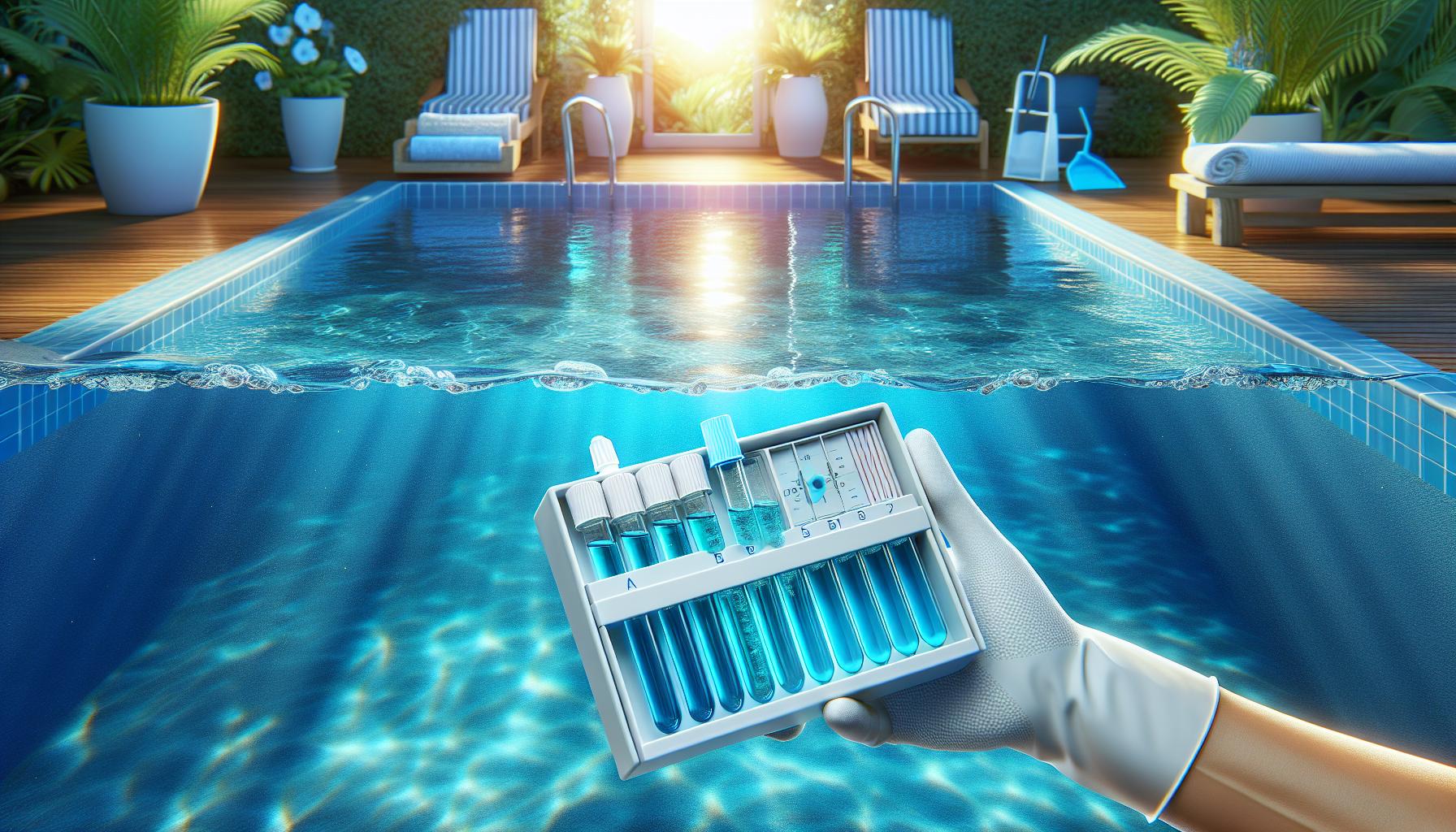
Testing calcium hardness in your pool is crucial for maintaining a healthy swimming environment and preventing potential damage from scale buildup. Knowing how to check your calcium levels accurately empowers you to take timely action, avoiding costly repairs down the line. Here’s a straightforward guide to help you measure calcium hardness effectively.
Begin by gathering the necessary tools: a pool water testing kit, which typically includes test strips or liquid reagents specifically for calcium hardness. Most kits come with detailed instructions, making them user-friendly even for beginners. The first step is to fill a clean container with water from about elbow depth in your pool-this provides a good sample away from surface contaminants.
Once you have your sample, follow the instructions provided with your testing kit. If using test strips, simply dip the strip into the water sample for the time specified on the package, then remove it and wait for the color to develop as instructed. For liquid reagents, add the recommended number of drops to the water sample and swirl gently; observe any color change that indicates calcium levels.
After observing the color or reading the scale associated with your test, compare the results to the optimal calcium hardness range-generally between 200 to 400 ppm (parts per million) for pools. If the levels fall outside this range, record the results and determine the necessary steps to adjust your calcium hardness accordingly. Consistent testing every 2-4 weeks is advisable, especially after heavy usage or rainfall, as these can alter the water balance.
Knowing how to test calcium hardness not only enhances your maintenance routine but also significantly contributes to a safe and enjoyable swimming experience. Being proactive allows you to address any imbalances before they escalate into larger issues.
Effective Methods to Reduce Calcium Hardness
Managing calcium hardness in your pool is essential not just for the longevity of pool equipment but also for ensuring a pleasant swimming experience. High calcium levels can lead to unsightly scale buildup, which can result in costly repairs and maintenance if left unchecked. Fortunately, there are effective strategies to lower calcium hardness safely and efficiently.
Start by performing a partial water change, which is one of the simplest methods. If your calcium hardness levels are significantly over the optimal range, draining a portion of the pool and refilling it with fresh water can help dilute the calcium concentration. This is particularly effective if your source water has lower calcium levels. When considering this method, ensure that your pool’s water level is brought back to normal before use to avoid operational issues.
Chemical Treatments can also be employed to manage calcium hardness. Specific products, often referred to as calcium reducers, are available at pool supply stores. These chemicals work by binding with the calcium in the water, making it easier to filter out. Always follow the manufacturer’s instructions carefully to maintain balance and avoid introducing additional problems.
Another approach is to utilize sequestering agents. These compounds bind calcium particles, which can help prevent scaling and keep calcium in suspension in the water, reducing the likelihood of deposits forming. It’s important to regularly check your levels even after applying these treatments to ensure they remain in the desired range.
Lastly, consider enhancing your pool filtration. Installing a more effective filter system can help remove excess calcium from your water. A sand filter or a cartridge filter can trap particles that contribute to high hardness levels. Additionally, running your filter longer during peak seasons can help maintain water clarity and balance.
By understanding and applying these methods, pool owners can effectively tackle high calcium hardness, ultimately leading to a more inviting and well-maintained pool environment. Regular monitoring and proactive measures are the keys to preventing long-term issues associated with calcium buildup.
Chemical Treatments for Calcium Hardness Control
Managing calcium hardness in your pool can make or break your swimming experience, especially when the stakes include potential scale buildup that can damage equipment and mar your pool’s aesthetic. One effective approach to tackle high calcium levels is through the use of chemical treatments. These chemicals can significantly contribute to maintaining water balance and enhancing the longevity of your pool.
Calcium reducers, available at most pool supply shops, are formulated specifically to lower calcium hardness. These products work by binding with excess calcium ions in the water, making it easier for your filtration system to remove them. It’s crucial to follow the manufacturer’s guidelines closely when applying these reducers to ensure you’re using the right dosage based on your pool’s volume and current calcium levels. Some common products include sodium hexametaphosphate and sodium polyacrylate, each designed to efficiently interact with calcium ions.
Another invaluable tool in your maintenance arsenal is sequestering agents. These compounds prevent calcium and other minerals from forming deposits by keeping them in suspension within the water. Using a sequestering agent can greatly reduce the likelihood of scale formation on pool surfaces and equipment. Regularly checking your calcium levels, even after applying these treatments, will help you keep track of the water’s balance and determine when it may be time for an additional application.
To further enhance the effectiveness of chemical treatments, it’s wise to optimize your pool filtration. Implementing a robust filtration system can help trap calcium particles and other impurities more efficiently. Consider increasing the runtime of your filter during periods of high pool usage or warmer weather when mineral content tends to rise. Combining these chemical treatments with an effective filtration strategy equals a proactive approach to maintaining optimal water chemistry in your pool, ensuring a clean, clear, and inviting swimming environment.
Physical Solutions for High Calcium Levels
High calcium levels in your pool can lead to unsightly scale buildup on surfaces, which not only detracts from the aesthetic appeal but can also damage equipment and create safety hazards. Fortunately, there are physical solutions you can implement to effectively manage and reduce calcium levels, ensuring your pool remains a safe and inviting space for recreation.
One of the most straightforward methods for addressing high calcium hardness is through water replacement. By partially draining your pool and refilling it with fresh water, you can significantly dilute the calcium concentration. Aim to replace about 25% of the water; this typically helps to lower calcium levels without drastically altering the pool’s chemistry. However, it’s crucial to retest the water after refilling to ensure that the calcium hardness is within the ideal range (generally between 200 and 400 ppm depending on your pool type).
Another essential measure is to improve your filtration system. A robust filtration system can capture more calcium particles suspended in the water. Ensure that your pool filter is functioning efficiently by regularly cleaning or replacing the filter media as needed. Additionally, consider increasing the filter’s runtime during periods of high usage or warmer weather, when mineral content tends to rise. This proactive approach can assist in mechanically reducing the amount of calcium in the water.
Implementing proper brushing techniques can also help mitigate scale formation. Regularly brushing the pool surfaces, especially the corners and steps where scale tends to accumulate, can prevent buildup and help keep calcium in suspension, allowing for easier removal by your filtration system. Using a pool brush compatible with your pool’s surface (such as a nylon or stainless steel brush for plaster pools) will enhance the effectiveness of this method.
Finally, if you notice significant scale deposits, physical removal may be necessary. This involves carefully scraping or chipping the scale from pool surfaces. Use caution to avoid damaging the underlying surface, and consider wearing safety gear, such as gloves and goggles, to protect yourself from sharp tools and debris. Regular maintenance and inspection can minimize the need for such drastic measures, allowing you to enjoy your pool without the worry of calcium concerns.
Adopting these physical solutions as part of your routine pool maintenance strategy not only counters high calcium levels but also promotes a healthier, more enjoyable swimming environment.
Preventive Measures to Avoid Scale Buildup
To maintain the pristine condition of your swimming pool and prevent unsightly scale buildup, adopting a proactive maintenance strategy is crucial. Did you know that a slight adjustment in pool maintenance routines can significantly reduce calcium levels and its associated complications? By taking preventive measures, you can keep your pool clean and sparkling while ensuring it’s safe and enjoyable for your family and guests.
One of the key steps is to regularly monitor and adjust the water chemistry. Aim to keep the calcium hardness within the ideal range, typically between 200 to 400 ppm, depending on your pool type. Utilize a reliable test kit to check calcium levels at least once a month, and after heavy rains or significant water loss due to evaporation. If levels are higher than recommended, promptly take action to rectify them before scale formation begins.
Additionally, consider implementing a robust filtration routine. Ensure that your pool filter is appropriate for your pool size and is maintained correctly. Replace or clean filter media regularly, as a well-functioning filtration system will effectively capture suspended calcium particles, minimizing potential buildup. For optimal results, increase the filtration runtime during peak usage seasons, such as summer months when minerals tend to concentrate more.
Regular cleaning can’t be overlooked-establish a routine for skimming debris, vacuuming, and brushing. Focus on areas that are prone to scale buildup, like corners, steps, and the waterline. A dedicated brush can make a significant difference; for plaster pools, a nylon bristle brush will help disrupt calcium deposits, preventing them from settling in the first place. Moreover, ensuring consistent water circulation and maintaining balanced pH levels will further aid in preventing scale accumulation.
By integrating these preventive strategies into your pool care routine, you not only fend off calcium hardness issues but also extend the life of your pool surfaces and equipment. A bit of diligence in regular maintenance can result in a more enjoyable swimming environment, free of the worry that scale buildup brings. Embracing this proactive approach empowers you as a pool owner to maintain a beautiful and safe aquatic space.
Impact of Water Temperature on Calcium Hardness
Maintaining an ideal calcium hardness level in your pool is not just a matter of chemistry; it is also significantly influenced by water temperature. As temperatures rise, the potential for calcium carbonate scaling increases, leading to unsightly deposits on your pool surfaces and equipment. Interestingly, warm water can hold less dissolved calcium and magnesium than cold water, which means that as the pool heats up, the solubility of these minerals decreases, prompting them to precipitate out of the water and form scale.
Understanding how temperature affects calcium hardness starts with recognizing that warmer water can encourage greater evaporation rates. This evaporation leads to higher concentrations of not just water, but also dissolved minerals in your pool. To mitigate these effects, consider the following strategies:
- Monitor Water Temperature: Regularly check the water temperature, especially during peak summer months, to anticipate changes in calcium levels.
- Manage Water Chemistry: Be proactive in balancing your pool’s chemistry. Maintain a calcium hardness range of 200-400 ppm, adjusting with additives if necessary.
- Keep Circulation High: Ensure that water circulation is maximized during hotter periods to evenly distribute chemicals and maintain optimal conditions.
- Use a Pool Cover: When not in use, covering your pool can help minimize temperature fluctuations and evaporation, leading to more stable water chemistry.
While it might seem daunting, adjusting your maintenance routines to account for temperature variations can help prevent costly repairs and keep your swimming experience enjoyable. By regularly testing calcium levels and adjusting your approach based on the temperature, you can effectively manage hardness and minimize scale development, ensuring the longevity of your pool surfaces and equipment. Remember, a little diligence in monitoring water conditions can lead to a more welcoming and enjoyable pool environment even in the hottest months.
Maintaining Optimal Calcium Levels After Adjustment
Maintaining ideal calcium levels in your pool after making adjustments is vital for sustaining water quality and preventing scale buildup. Once you’ve successfully lowered calcium hardness, a clear maintenance plan ensures these levels stay within the desired range, typically between 200-400 ppm. Regular monitoring and proactive management are keys to success, as fluctuations can occur due to factors like evaporation, rainfall, and the usage of calcium-rich fill water.
To maintain optimal calcium levels, establish a routine that includes frequent testing. Investing in a reliable test kit will empower you to monitor not only calcium hardness but also other crucial parameters like pH and alkalinity. Check calcium hardness weekly, especially during peak swimming seasons, to promptly address any shifts. If readings indicate an increase, take immediate action by adjusting your water chemistry. Here are some best practices to follow:
- Routine Water Testing: Conduct tests weekly using a reliable pool test kit. This will help you catch any spikes in calcium levels early.
- Balanced Chemistry: Ensure that pH levels are between 7.2 and 7.6 as this can significantly influence calcium solubility. High pH levels may cause calcium to precipitate and form scale.
- Adjust Pool Water: Consider replacing a portion of the pool water periodically. This dilution can help lower calcium levels while also addressing other potential imbalances in your pool chemistry.
- Utilize a Calcium Remover: If calcium levels begin to rise despite your best efforts, calcium hardness reducer products can effectively lower concentrations if used as directed.
Additionally, keep an eye on water temperature and evaporation rates, especially in hot months, as these can impact calcium solubility. Solutions like employing a pool cover during non-use can minimize evaporation and help maintain a more stable water temperature, thus supporting calcium levels. Remember, vigilance today translates to a healthier pool environment tomorrow, allowing you and your family to enjoy clear, sparkling water without the worry of scale damage or other related issues.
Common Mistakes When Managing Calcium Hardness
Managing calcium hardness in your pool can often feel like walking a tightrope; a small misstep can lead to significant issues such as scale buildup and cloudy water. One of the most common mistakes pool owners make is neglecting routine testing. Regular testing is fundamental, as calcium levels can fluctuate due to factors like rainfall, evaporation, or the introduction of fresh water. Instead of reacting to cloudy water or scaling only when it’s visible, create a proactive testing schedule. Testing weekly during peak swimming months can help you catch any increases early, preventing costly damage and extra work down the line.
Another frequent oversight is not balancing other chemical levels alongside calcium hardness. High or imbalanced pH levels can cause calcium to precipitate, leading to unsightly scale on pool surfaces and equipment. Ensure your pH levels are maintained between 7.2 and 7.6. When adjusting chemical levels, many users may focus solely on calcium; however, neglecting elements like total alkalinity can exacerbate calcium management issues. Always check and adjust all parameters in conjunction with each other for optimal results.
Additionally, a common pitfall is assuming that adding calcium hardness reducer products will solve the problem without considering water replacement. While these products can help, they are a short-term solution. Over-reliance on chemicals without physically diluting the pool water can lead to chemical imbalance, ultimately causing more significant issues down the line. Instead, periodically assess your water levels and replace a portion of it when necessary to effectively manage and lower calcium hardness.
Lastly, some pool owners overlook the impact of local water sources on their calcium levels. If you use hard water from a well or other sources for topping up your pool, you might inadvertently be increasing calcium hardness. To combat this, consider using a water softener for pool filling or explore other options for filling pools with balanced water. Understanding and addressing these common mistakes can lead to a healthier, more enjoyable pool experience for you and your family.
Long-Term Maintenance Strategies for Pool Owners
Maintaining optimal calcium hardness is crucial for prolonging the life of your pool and its equipment, as well as ensuring clean and clear water for your enjoyment. One of the most effective long-term strategies involves developing a routine that combines frequent testing and proactive adjustments. Establish a Testing Schedule: Test your pool water for calcium hardness at least once a week, especially during peak usage months. This helps detect any abnormal increases in calcium levels before they lead to scaling and other issues.
Consistent Water Balancing
Alongside checking calcium levels, regular balancing of all chemical parameters-pH, total alkalinity, and chlorine-is essential. Maintaining a pH between 7.2 and 7.6 is particularly vital, as an imbalanced pH can cause calcium to precipitate, leading to troublesome scale buildup. Consider using a comprehensive test kit that measures all critical factors to streamline this process and ensure that everything stays in harmony.
Regular Water Replacement
Another effective strategy for managing calcium hardness over the long term is periodic water replacement. As water evaporates, calcium and other minerals become more concentrated, leading to higher levels. By replacing a portion of your pool water (usually 10-20% monthly), you can dilute calcium concentration, making it easier to maintain appropriate levels. This practice also reduces the buildup of other unwanted chemicals and debris that accumulate over time.
Utilizing Water Softeners
If your primary water source is hard, consider investing in a water softener for filling your pool. This proactive measure can significantly reduce calcium and mineral content, contributing to a healthier pool environment. Additionally, using rainwater for top-ups can help-a simple rain collection system can provide a natural alternative that’s often lower in hardness than municipal or well water.
Implementing these strategies not only extends the longevity of your pool but also enhances your overall swimming experience. By taking a proactive, informed approach to calcium hardness, you can enjoy a pristine pool all season long.
Q&A
Q: How can I tell if my pool has high calcium hardness?
A: You can determine high calcium hardness by testing the water with test strips or a liquid kit. If the levels exceed 200-400 ppm (parts per million), it indicates hard water, often leading to scale buildup and cloudy water.
Q: What causes high calcium hardness in pools?
A: High calcium hardness in pools typically results from using hard water to fill the pool, the addition of calcium-based chemicals for balancing, or the evaporation of water, which leaves calcium behind. Regular water testing helps to identify these issues quickly.
Q: Can plants or landscaping affect my pool’s calcium levels?
A: Yes, plants and landscaping can influence pool calcium levels. Soil erosion, runoff, and mineral-laden irrigation water may introduce calcium into the pool. Using proper drainage and maintaining landscaping can help mitigate this issue.
Q: Is it safe to use chelating agents to lower calcium hardness?
A: Yes, chelating agents are safe and effective for lowering calcium hardness. They bind to calcium ions, preventing scale formation and making it easier to filter out. Always follow manufacturer instructions for proper use and dosage.
Q: How often should I test my pool’s calcium hardness?
A: It’s advisable to test your pool’s calcium hardness at least once a month, especially if you have hard water or are adding calcium-based chemicals. Regular testing will help you maintain proper levels and prevent scale buildup.
Q: What is the ideal calcium hardness level for a swimming pool?
A: The ideal calcium hardness level for a swimming pool is between 200-400 ppm. Keeping levels within this range prevents both scale formation and the corrosion of pool equipment.
Q: How does water temperature affect calcium hardness in pools?
A: Higher water temperatures can increase calcium hardness due to evaporation, concentrating minerals. Monitoring water temperature and adjusting it can help maintain balanced calcium levels and prevent scale.
Q: What should I do if I accidentally lower calcium hardness too much?
A: If calcium hardness drops below the ideal range, add calcium chloride to the pool water. Start with small amounts, continuously test the levels, and make adjustments accordingly to restore balance without overshooting the target.
Insights and Conclusions
By effectively managing your pool’s calcium hardness, you can prevent scale buildup and extend the life of your pool equipment. Remember, regular testing and adjustment are key to maintaining balanced water chemistry. Don’t wait for problems to arise-take proactive steps now! For more insights, check out our articles on essential pool maintenance tips and troubleshooting common pool issues to keep your pool in its best shape.
Stay informed and empowered; consider subscribing to our newsletter for ongoing tips and resources or schedule a consultation for personalized advice tailored to your specific pool needs. Your pool deserves the best care-act now to protect your investment and ensure a safe, inviting swimming environment. Share your thoughts or questions below, and let’s keep the conversation going!


