


Keeping your pool water at the right balance of pH and alkalinity is crucial for ensuring a safe and enjoyable swimming experience. Did you know that improperly balanced levels can lead to skin irritation, cloudy water, and even damage to your pool surfaces? Understanding how to effectively lower pH and alkalinity not only enhances water quality but also extends the life of your pool equipment.
For many pool owners, dealing with soaring pH and alkalinity can feel overwhelming. However, achieving a perfectly balanced pool is easier than you might think. By following a few straightforward steps, you’ll be able to tackle these common issues with confidence and ensure your swimming area remains inviting and safe for your family and friends.
Join us as we explore practical solutions to lower pH and alkalinity, transforming the maintenance chore into an effortless routine that keeps your pool inviting all season long.
How pH and Alkalinity Impact Pool Water Quality
The health of your pool’s water largely depends on maintaining the right balance of pH and alkalinity. When these two elements are properly adjusted, they work together to ensure clean, clear water that is safe and pleasant for swimmers. pH measures the acidity or basicity of your pool water on a scale of 0 to 14, where 7 is neutral. Proper pH levels, ideally between 7.2 and 7.8, not only enhance swimmer comfort but also optimize the effectiveness of chlorine and prevent corrosion of pool equipment. Conversely, alkalinity acts as a buffer for pH, helping to stabilize it and resist drastic fluctuations. The optimal alkalinity range is typically between 80 and 120 parts per million (ppm).
When either pH or alkalinity is out of balance, various issues can arise. High pH levels can cause cloudy water, scaling, and may diminish the effectiveness of chlorine, making your pool less sanitary. On the other hand, low pH can lead to corrosion of metal fixtures and damage to pool liners, as well as irritation to swimmers’ skin and eyes. If these levels are not regularly monitored and adjusted, you may find yourself facing expensive repairs and maintenance challenges.
To ensure the longevity and safety of your pool, regular testing is crucial. This involves:
- Using a reliable pool test kit to check pH and alkalinity levels at least once a week.
- Adding necessary adjustments based on your testing results, using appropriate chemicals to raise or lower both pH and alkalinity as needed.
- Keeping a log of your readings to identify trends and adjust your maintenance routines proactively.
By understanding the interplay between pH and alkalinity, pool owners can make informed adjustments that lead to better water quality. Regular maintenance not only enhances your swimming experience but also protects your investment, ensuring your pool remains a welcoming oasis for years to come.
Understanding pH and Alkalinity Levels in Your Pool
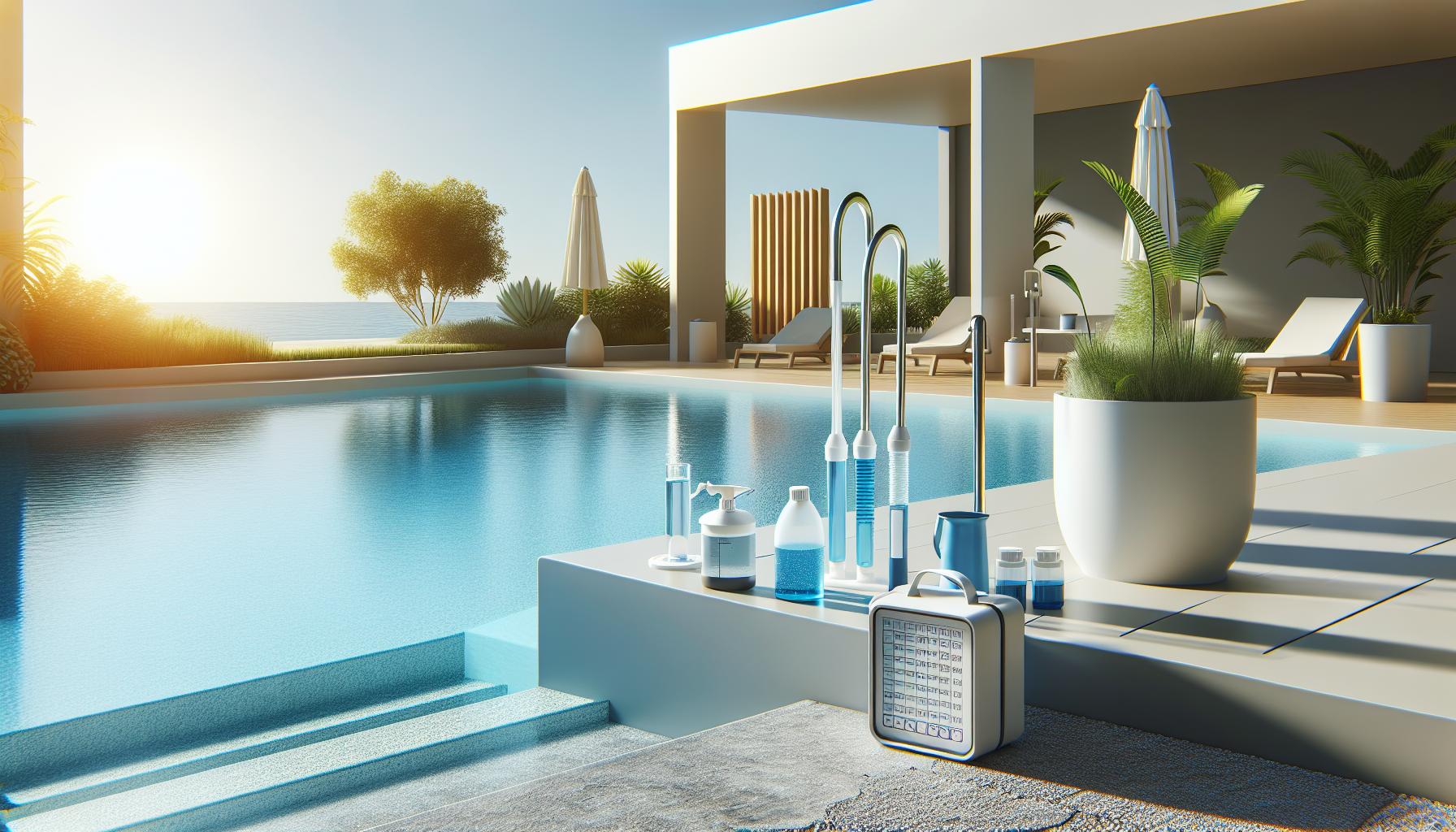
Understanding the delicate dance between pH and alkalinity is crucial for every pool owner aiming to maintain pristine water conditions. The pH levels in your pool indicate its acidity or basicity, operating on a scale from 0 to 14, with 7 being neutral. Ideally, your pool’s pH should fall between 7.2 and 7.8. This range not only maximizes the effectiveness of sanitizers like chlorine but also ensures a comfortable swimming experience, free from irritation of skin and eyes that can occur with imbalanced levels.
In parallel, total alkalinity serves as a buffer that stabilizes pH levels. Measured in parts per million (ppm), the recommended total alkalinity for pools is between 80 and 120 ppm. This buffering capacity helps prevent rapid swings in pH, which can lead to unstable water chemistry. When total alkalinity is too low, pH levels may fluctuate wildly, causing potential scale formation, corrosive damage to surfaces, and decreased sanitizer effectiveness. Conversely, excessive alkalinity can lead to high pH, resulting in cloudy water and additional maintenance challenges.
Recognizing the specific needs of your pool means being proactive in monitoring both pH and alkalinity. Use a reliable test kit to evaluate these levels regularly, ideally at least once a week. When reading your results, aim to keep them within the established ideal ranges, making adjustments as necessary. For instance, if your pH is too high, adding acid can bring it down, while sodium bicarbonate can raise low alkalinity levels. Understanding these fundamentals will not only enhance your pool maintenance efforts but also extend the longevity and enjoyment of your swimming environment.
By developing a routine that integrates regular testing and mindful adjustments, you create a stable and inviting aquatic space. Make it a habit to log your findings to notice any patterns or recurring issues, which can guide future maintenance decisions. This vigilance not only protects your investment but also ensures a safe, clean, and enjoyable swimming experience for all.
Signs Your Pool Needs pH and Alkalinity Adjustment

Maintaining the sparkle of your pool can sometimes feel like a juggling act, especially when pH and alkalinity seem to be constantly shifting. Understanding when your pool needs adjustments can save you from potential headaches down the line. Here are some telltale signs that your water chemistry might be off balance, signaling a need for immediate pH and alkalinity adjustments.
One of the first indicators of an imbalance is water clarity. If your pool starts looking cloudy or hazy, it may be time to check your water levels. Cloudiness can often result from elevated pH, which in turn can reduce the effectiveness of chlorine, leaving your pool vulnerable to algae growth and bacteria. Additionally, if swimmers report skin or eye irritation, this is another red flag. High or low pH levels can cause discomfort, leading to an unenjoyable swimming experience; ideally, you want to keep your pH between 7.2 and 7.8 for maximum comfort.
Regular testing is crucial for keeping these issues at bay. Instead of waiting for obvious signs, conduct weekly tests using a reliable test kit. If your test results show total alkalinity below the recommended 80 ppm or above 120 ppm, you will need to make adjustments. A low alkalinity level can lead to unstable pH levels, causing damage to your pool surfaces and increasing the potential for corrosion. Alternatively, if the alkalinity is too high, you might encounter cloudy water and scaling, both of which complicate maintenance.
If you observe any of these symptoms, take action immediately. Adjustments can often be made with simple solutions: add muriatic acid or sodium bisulfate to lower pH and sodium bicarbonate to raise alkalinity. Remember, balancing your pool water not only maintains its aesthetic appeal but also safeguards the health and enjoyment of your swimming experience. Regular monitoring and prompt adjustments create a serene aquatic retreat, ensuring your pool remains a refreshing escape all season long.
Step-by-Step: Testing Your Pool’s pH and Alkalinity
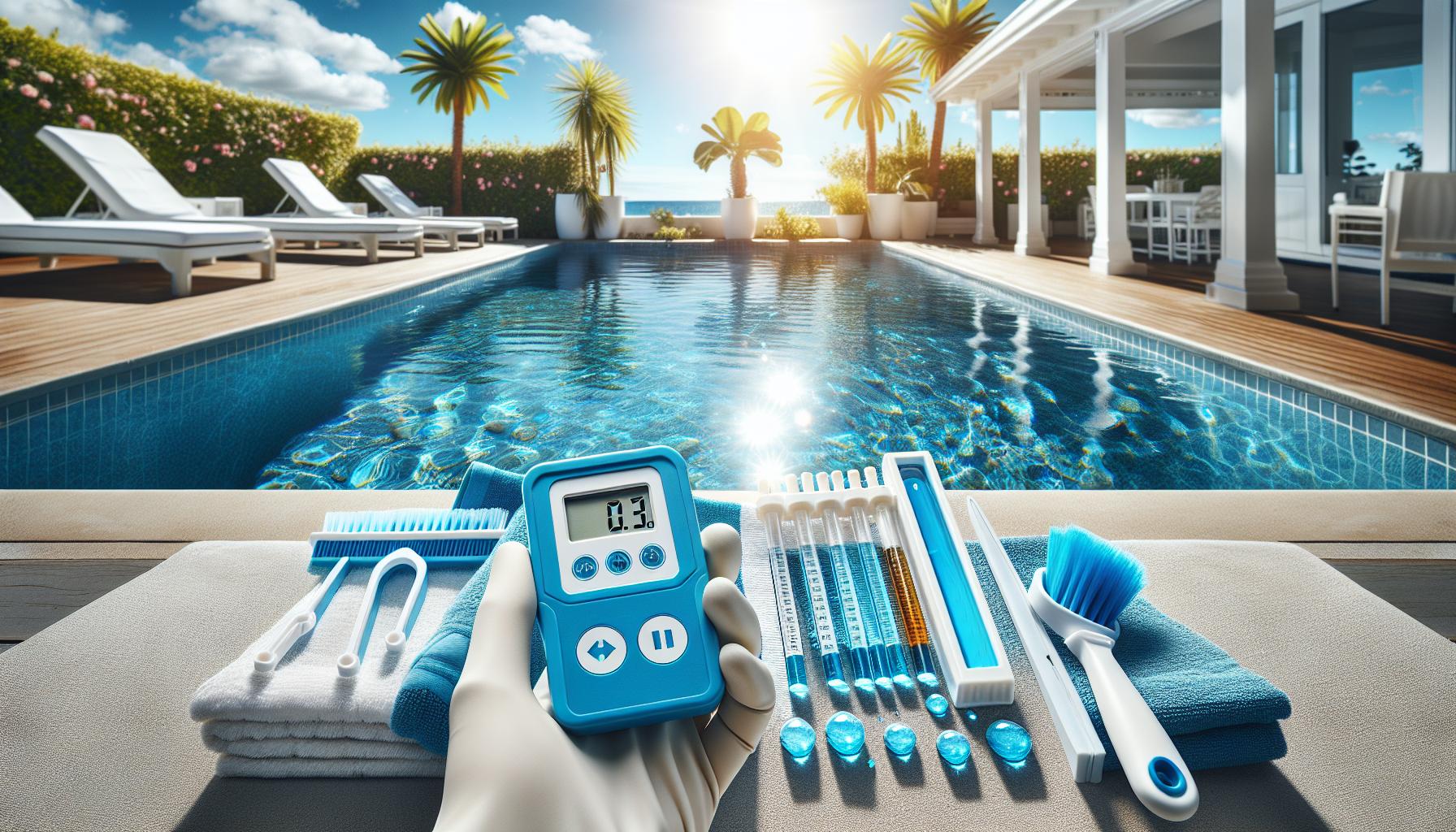
To ensure your pool remains a refreshing haven, testing its pH and alkalinity levels regularly is vital. In just a few simple steps, you can accurately assess these crucial aspects of your pool’s chemistry, enabling you to maintain optimal water quality and swimmer comfort. Whether you’re a seasoned pool owner or just starting, the right knowledge makes all the difference.
Start by gathering your supplies: a reliable test kit or test strips specifically designed for pool water, a clean container, and, if necessary, a sample of your pool water. Collecting your water sample is straightforward-submerge a clean container approximately 12 inches beneath the surface in the deep end of the pool, ensuring it won’t be contaminated by floating debris or surface scum. Fill the container and return to land, ready for testing.
Next, follow the instructions provided with your testing kit. If using test strips, simply dip one into the water sample and wait for the designated amount of time as indicated by the manufacturers. Alternatively, if you’re using a liquid test kit, add the recommended number of drops to your sample. The solution will change color based on the levels of pH and alkalinity in your water. Compare the resulting color to the chart included in your kit to determine your pH and alkalinity readings. For a balanced pool, aim for a pH level between 7.2 and 7.8 and a total alkalinity between 80 and 120 ppm.
Regular testing, ideally once a week or more frequently during peak usage times, will help you catch any discrepancies early on. When results indicate that either pH or total alkalinity falls outside these recommended ranges, you can then proceed to make the necessary adjustments to bring your pool back into balance. Keeping a log of your tests can also help you spot trends over time, allowing you to anticipate future adjustments and ensure a consistently comfortable swimming environment.
Effective Solutions for Lowering pH in Pool Water
To tackle high pH levels in your pool efficiently, it’s essential to act quickly to maintain water quality. Elevated pH can result in cloudy water, scale buildup, and discomfort for swimmers. Fortunately, there are effective methods to lower pH and restore balance safely.
One of the most popular and effective ways to reduce pH levels is by using muriatic acid. Muriatic acid, also known as hydrochloric acid, is a powerful substance that can quickly lower pH when added to pool water. It’s important to handle this chemical with care, wearing protective gloves and goggles. Follow these steps to ensure safe and effective usage:
Steps to Lower pH with Muriatic Acid
- Calculate the Amount: Determine how much acid you need based on your pool’s volume and current pH. A typical guideline is to use 1 quart of muriatic acid to lower the pH of 10,000 gallons by about 0.2.
- Prepare the Pool: Turn on the pool’s pump to ensure proper circulation. This aids in distributing the acid evenly throughout the water.
- Add the Acid: Pour the muriatic acid slowly into the pool, ideally in the deep end, to minimize risks-this localized effect helps create a more controlled reaction.
- Allow for Distribution: Let the pump run for at least 4 to 6 hours after adding the acid to mix it thoroughly into the water.
- Test Again: After the waiting period, retest the pH level. Repeat the process if necessary until you reach the desired pH range of 7.2 to 7.8.
Alternatively, if you prefer a less aggressive approach, sodium bisulfate (also known as dry acid) can also be utilized to lower pH levels. This option is safer to handle than muriatic acid and can be sprinkled directly into the pool or dissolved in water before application.
Additional Tips for Maintaining Safe Levels
- Regular Monitoring: After adjusting pH levels, make it a routine to check the water chemistry regularly. Frequent tests will help you catch issues before they escalate.
- Consider Environmental Factors: Rain, high bather loads, and debris can all influence pH levels, so adjust your maintenance routine accordingly.
- Use pH Reducers Wisely: When purchasing pH reducers, always follow the manufacturer’s instructions regarding dosage and application for safety and efficacy.
By staying proactive and informed on these methods, you can successfully manage high pH levels, ensuring clarity and comfort in your pool while protecting your investment in pool equipment.
Safe Methods to Reduce Alkalinity in Your Pool
High alkalinity levels in your pool can lead to cloudy water, scale buildup, and challenges in maintaining proper pH levels. Understanding how to safely reduce alkalinity is crucial for keeping your pool crystal clear and enjoyable. One effective method for lowering alkalinity is using muriatic acid. Though it’s a robust solution, caution is needed when handling it. Proper ventilation and protective gear, such as gloves and goggles, are essential for safety.
Steps to Reduce Alkalinity with Muriatic Acid
- Calculate the Required Amount: Generally, you’ll need to add about 1 quart of muriatic acid for every 10,000 gallons of water to lower alkalinity by approximately 10 ppm. Check your pool volume to ensure accurate dosing.
- Prepare Your Pool: Start by turning on the pool pump. This ensures thorough circulation of the acid throughout the water, promoting uniform treatment.
- Add the Acid: Pour the muriatic acid into the deep end of the pool slowly. This localized method minimizes the shock to the water and spreads the acid more evenly.
- Allow to Circulate: Let the pump run for at least 4 to 6 hours to effectively distribute the acid and lower alkalinity levels.
- Retest Alkalinity: After the circulation period, retest the pool water to confirm the alkalinity level is within the ideal range of 80 to 120 ppm. Repeat the process if necessary.
If you’re looking for a gentler alternative, sodium bisulfate, or dry acid, is another option. It can be sprinkled directly onto the water surface or dissolved in water before adding, and it’s significantly easier to handle than muriatic acid.
Additional Tips for Effective Alkalinity Management
- Regular Monitoring: Consistent testing of both pH and alkalinity helps in maintaining optimal water conditions and prevents fluctuations that could affect swimmer comfort.
- Environmental Considerations: Rain, debris, and swimmer load can easily alter your pool’s chemistry. Be aware of these factors during maintenance routines.
- Follow Manufacturer Guidelines: Always adhere to recommended guidelines for any chemicals used. Correct dosage is critical for safe and effective treatment.
By addressing alkalinity proactively and following these steps, you can keep your pool water balanced, inviting, and safe for all swimmers. Regular maintenance not only enhances water quality but also extends the life of your pool equipment.
Combining pH and Alkalinity Adjustments for Optimal Balance
Successfully managing the pH and alkalinity levels in your pool is akin to mastering a delicate balancing act. When pH and alkalinity are in sync, not only does your pool water look clear and inviting, but it also enhances the effectiveness of disinfectants, ensuring a safe swimming environment. Here’s how you can effectively adjust both parameters in a coordinated manner to achieve optimal pool chemistry.
To start, it’s essential to understand that alkalinity serves as a buffer for pH. Therefore, when you adjust one, you often influence the other. If your pH is low, you may need to increase alkalinity before making further pH adjustments. Here’s a systematic approach to effectively modify both levels:
Step 1: Test Your Water
Begin by testing your pool’s water using a reliable testing kit. Aim for a pH level between 7.2 and 7.8 and a total alkalinity range of 80 to 120 ppm. Knowing the exact measurements allows for precise corrective actions.
Step 2: Adjust Alkalinity First
If your alkalinity is low (below 80 ppm), add sodium bicarbonate (baking soda). A general guideline is to add 1.5 pounds of sodium bicarbonate for every 10,000 gallons of water to increase total alkalinity by approximately 10 ppm. Make sure your pump is running while you add the solution to ensure it mixes evenly.
Step 3: Modify pH Levels
Once total alkalinity is adjusted, you can then look at pH. If the pH remains on the low side, use sodium carbonate (soda ash) to raise it. For each 10,000 gallons, adding about 1 pound can increase pH by roughly 0.5 units. Conversely, if pH is too high, introduce muriatic acid, attending to the same measurement guidance provided earlier for adjusting alkalinity.
Step 4: Retest Regularly
After allowing the pump to circulate the water for several hours, retest both pH and alkalinity. Repeat the adjustments patiently, as large swings can overwhelm your pool’s chemistry. Ultimately, maintaining a routine of checking both levels ensures long-term water balance, comfort, and protection for your swimming pool materials.
By taking the time to combine pH and alkalinity adjustments thoughtfully, you can enjoy a hassle-free swimming experience while extending the life of your pool’s equipment. Regular maintenance will often prevent drastic discrepancies and alleviate much of the stress that comes with balancing pool chemistry.
Common Mistakes to Avoid When Balancing Pool Chemistry
Balancing the chemistry of your pool is a crucial yet sometimes challenging task. Many pool owners fall into common traps that can lead to ineffective maintenance and complicated adjustments. Understanding these pitfalls is key to achieving clear, inviting water. One of the most prevalent mistakes is making drastic changes all at once. Sudden shifts in pH or alkalinity can shock the system and create imbalances that might require extensive corrective action. It’s crucial to make small, gradual adjustments instead of attempting to correct a significant problem in one go.
Another common error is neglecting to retest after making adjustments. After adding chemicals, it’s essential to allow time for them to circulate and take effect-typically a few hours-before retesting. Failing to do so might lead you to overcorrect or misinterpret the actual water chemistry. This can create a cycle of constant adjustments without achieving any real stability. Setting a reminder to retest can help ensure you don’t overlook this crucial step.
Additionally, many pool owners underestimate the importance of alkalinity when managing pH levels. Since alkalinity acts as a buffer, adjusting pH without addressing alkalinity first can lead to frequent swings in pH levels. Always start with checking and adjusting alkalinity to within the ideal range of 80-120 ppm before focusing on pH levels. This foundational step helps maintain the overall stability of your pool chemistry.
Lastly, be cautious with the types and amounts of chemicals you use. Each chemical has its specific use and recommended dosage. Improper usage can cause more harm than good, including potential damage to your pool’s surfaces and equipment. Always read labels carefully and follow industry guidelines, or consult a professional if you’re uncertain. By avoiding these common missteps, you’ll maintain a healthier, better-balanced pool environment for all to enjoy.
Preventative Measures to Maintain Ideal pH and Alkalinity
Maintaining ideal pH and alkalinity levels in your pool is vital for ensuring water quality and the comfort of swimmers. One effective way to prevent fluctuations in these critical measurements is by establishing a regular maintenance routine. Regularly monitoring your pool’s water chemistry is essential-it allows you to detect issues before they develop into more significant problems. Consistent testing can help you keep pH levels between 7.2 and 7.8 and alkalinity within the ideal range of 80 to 120 ppm.
Implementing a few simple practices can significantly contribute to stabilizing pH and alkalinity. For example, regularly brushing your pool surfaces and vacuuming debris can prevent the build-up of organic matter that can alter water chemistry. Here are a few preventative steps to consider:
- Cover your pool: Using a pool cover when it’s not in use helps reduce debris accumulation and minimizes evaporation, both of which can impact chemical balance.
- Balance your pool with preventative chemicals: Consider using a climbing agent or an alkalinity increaser regularly as part of your maintenance routine. These products can help maintain stability and buffer pH levels.
- Manage usage and swimmer load: The more people that use the pool, the more contaminants (like sweat, lotion, and organic waste) can alter the chemical balance. Implement policies such as showering before swimming to reduce these effects.
- Maintain equipment: Regularly check and clean your filtration system. A well-maintained filter helps ensure that your pool’s circulation remains optimal, promoting even chemical distribution.
- Monitor water levels: After heavy rain or watering the surrounding landscape, check pH and alkalinity to adjust accordingly, as dilution can skew levels.
By integrating these practices into your routine, you’ll create a proactive environment that supports balanced pH and alkalinity. Consistent maintenance not only improves water quality but also enhances the overall enjoyment and safety of your swimming experience. Always remember that small, regular adjustments are more effective than waiting for significant fluctuations that require drastic measures.
Advanced Techniques for Professional Pool Maintenance
In the realm of pool maintenance, staying ahead of pH and alkalinity levels is essential for ensuring both water quality and swimmer comfort. go beyond basic adjustments; they involve a systematic approach that anticipates challenges and employs comprehensive strategies for consistent balance. Utilizing technology and tailored treatments can elevate your pool management prowess.
Implementing Automation for Consistent Monitoring
Consider integrating a computerized pool management system equipped with sensors that continuously monitor pH and alkalinity levels. These systems send alerts when levels stray from the ideal range, allowing timely adjustments without manual testing. For example, an automated chlorinator can adjust chlorine levels in response to changes in pH, promoting a well-rounded chemical balance. Investing in such technology not only saves time but also enhances the reliability of your pool’s chemical composition.
Utilizing Professional-Grade Chemical Solutions
When addressing persistent pH or alkalinity issues, professional-grade chemical products can provide effective and lasting results. For lowering pH, options like sodium bisulfate (dry acid) or muriatic acid can be more efficient than their household counterparts. Similarly, for reducing high alkalinity, consider using sodium bisulfate, which can also help in lowering pH simultaneously. Administer these chemicals in small doses, continually testing your water to achieve the desired effect smoothly.
Seasonal Adjustments for Optimal Balance
As seasons change, so do the demands on your pool’s chemical balance. During hot summer months, increased swimmer load and higher temperatures can raise pH and alkalinity levels significantly. Plan to adjust your treatment routine accordingly by performing more frequent water tests and administering preventive treatments, such as alkalinity reducers or stabilizers, before peak usage periods. Conversely, in cooler months, prioritize maintaining lower pH and alkalinity to accommodate reduced chemical demand and evaporation rates.
Implementing these advanced techniques equips you to tackle pH and alkalinity challenges with confidence. By embracing technology, using targeted chemical solutions, and adapting your strategy to seasonal changes, you’ll not only keep your pool crystal clear but also ensure a safe and enjoyable swimming environment for all.
The Importance of Regular Pool Water Testing
Regular testing of your pool water is not merely a routine chore; it’s an essential practice that directly impacts the quality of your swimming environment. Understanding the current levels of pH and alkalinity can make the difference between a sparkling oasis and a murky, unhealthy pool. Just like checking the weather before heading outdoors, keeping tabs on these chemical parameters ensures that your pool remains safe for all users and functions optimally.
To maintain perfect balance and prevent issues such as cloudiness, irritants for swimmers, or equipment corrosion, you should test your water at least once a week during the peak swimming season. This frequency allows you to catch potential problems early, facilitating timely adjustments that keep your pool both clean and inviting. Generally, ideal pH levels should fall between 7.4 and 7.6, while total alkalinity should be maintained between 80-120 ppm. Deviations from these ranges can lead to discomfort and damage.
- Consistency is Key: Regular testing enables you to create a pattern of water changes and adjustments, helping you to identify trends and anticipate when your pool might need attention.
- Utilize Reliable Testing Kits: Invest in a good quality test kit or strips, which can provide accurate results for both pH and alkalinity levels. Digital testers are even more precise and can streamline the testing process.
- Automatically Log Results: Consider keeping a log of your test results, which can help you quickly analyze what adjustments are needed over time, allowing for more efficient pool management.
High levels of total alkalinity can complicate pH adjustments, trapping you in a cycle of ineffective treatments. Therefore, proactive testing is crucial; it gives you the chance to make informed decisions before any major issues arise. If you consistently monitor your water conditions, you not only promote a healthy swimming experience but also extend the life of your pool equipment by preventing corrosive or scaling-related damages. Staying on top of water testing leads to a clearer understanding of what your pool needs, paving the way for effective long-term maintenance strategies.
Expert Tips for Long-lasting Pool Health and Safety
Maintaining the perfect balance of pH and alkalinity in your pool is not just about achieving crystal-clear water; it is also essential for ensuring the safety and comfort of swimmers. When pH levels are too low or high, it can lead to skin and eye irritation, as well as corrosion of pool equipment. Similarly, improperly balanced alkalinity can hinder your pool’s ability to stabilize pH, leading to erratic water chemistry that challenges even the most vigilant pool owner. To keep your pool in top condition and provide a safe environment for all, adhering to a few key practices can make a significant difference.
One of the most effective ways to promote long-lasting pool health is to establish a routine maintenance schedule. Regularly test your water levels-ideally at least once a week during peak usage periods-to track pH and alkalinity accurately. Using reliable testing kits will empower you to recognize trends over time, allowing for quick identification of any issues that may arise. If pH levels fluctuate outside the ideal range of 7.4 to 7.6, or if alkalinity strays from 80 to 120 ppm, take immediate action. Adjusting the levels will minimize potential damage to your pool’s surfaces and reduce the risk of discomfort for swimmers.
In addition to routine testing, consider implementing a strategic approach to chemical adjustments. When lowering pH, add acid gradually and ensure proper mixing by circulating the water. This method not only helps maintain stability but also prevents sudden changes that can stress pool fixtures or affect swimmer comfort. For alkalinity reduction, introduce an appropriate acid carefully and allow the pool to circulate completely before retesting. This attention to incremental changes fosters a safer and more manageable environment.
Lastly, don’t underestimate the importance of comprehensive pool care beyond just adjusting chemical levels. Regular cleaning, appropriate filtration, and skimming debris will help prevent organic material buildup that can undermine water quality. Encourage healthy habits for swimmers and educate them about pool safety-this not only promotes a great swimming experience but also aids in reducing unwanted contaminants that can impact water chemistry. Through diligent monitoring and proactive maintenance, you can preserve your pool’s health and ensure a safe and enjoyable atmosphere for everyone.
Faq
Q: What is the ideal pH level for pool water?
A: The ideal pH level for pool water is typically between 7.4 and 7.6. This range ensures optimal comfort for swimmers and enhances sanitizer effectiveness, particularly chlorine. Regular testing is recommended to maintain these levels, as noted in the “Step-by-Step: Testing Your Pool’s pH and Alkalinity” section of your article.
Q: How often should I test my pool’s pH and alkalinity?
A: It is recommended to test your pool’s pH and alkalinity at least once a week. However, after heavy use or rainfall, more frequent testing may be necessary to ensure balanced water chemistry. Refer to the “Importance of Regular Pool Water Testing” section for best practices.
Q: Can high temperature affect my pool’s pH and alkalinity?
A: Yes, high temperatures can cause pH levels to rise, making it essential to monitor your pool chemistry during hot weather. Elevated temperatures can lead to increased evaporation, concentrating chemicals in the water. Consider checking out the “Common Mistakes to Avoid When Balancing Pool Chemistry” section for further insights.
Q: What impact does rain have on pool alkalinity?
A: Rainwater can lower alkalinity in pools because it is naturally acidic. This can alter the overall balance of your pool water. After significant rainfall, testing and adjusting your alkalinity might be necessary to maintain optimal levels, as discussed in your article.
Q: How can I raise alkalinity without impacting pH?
A: To raise alkalinity without significantly affecting pH, use sodium bicarbonate (baking soda). This method increases alkalinity while only slightly raising pH levels. Check the “Safe Methods to Reduce Alkalinity in Your Pool” section for detailed dosages and application.
Q: What are the signs that my pool needs pH adjustment?
A: Signs that your pool needs pH adjustment include cloudy water, skin or eye irritation for swimmers, and poor sanitizer effectiveness. Monitoring these indicators can help maintain a healthy swimming environment, referenced in the article’s “Signs Your Pool Needs pH and Alkalinity Adjustment” section.
Q: Why is alkalinity important in pool maintenance?
A: Alkalinity acts as a buffer for pH levels, helping to stabilize water chemistry and prevent rapid pH fluctuations. Maintaining proper alkalinity levels contributes to overall pool health and can enhance the effectiveness of sanitation systems. For more on this topic, refer to the “Understanding pH and Alkalinity Levels in Your Pool” section.
Q: How long does it take for pH adjusters to work in a pool?
A: pH adjusters typically take effect within a few hours of being added to the pool water. It’s essential to retest the water after 4-6 hours to ensure levels have stabilized, as highlighted in the “Effect Solutions for Lowering pH in Pool Water” section of your article.
In Conclusion
Now that you understand how to effectively lower pH and alkalinity in your pool, it’s time to put this knowledge into action. Consistent pH and alkalinity levels not only ensure a safe swimming environment but also prolong the life of your pool equipment. If you’re ready to dive deeper into pool maintenance, check out our articles on “Essential Pool Chemicals to Keep Your Water Crystalline” and “Top 5 Common Pool Maintenance Mistakes to Avoid.”
Don’t wait-schedule those maintenance tasks today to enjoy a crystal-clear pool all season long! If you have any questions or want to share your own tips, drop a comment below. And remember, staying proactive with your pool care will save you time and money while giving you more time to relax and enjoy your backyard oasis. Subscribe to our newsletter for more expert advice and exclusive offers that keep your pool in pristine condition. Happy swimming!


