


Did you know that high chlorine levels in your pool can not only affect the water’s clarity but also irritate your skin and eyes? Striking the right balance of chlorine is essential for maintaining a safe and enjoyable swimming environment. If you’re concerned about the harsh effects of excessive chlorine, you’re not alone-many pool owners grapple with this issue.
In this guide, we will explore safe and effective methods to lower chlorine levels in your pool, ensuring that your swimming experience remains comfortable and healthy. From natural alternatives to simple adjustments in your maintenance routine, you’ll find practical solutions tailored to your needs. Dive in to discover how you can achieve that perfect pool balance and enjoy your time in the water without discomfort.
How High Chlorine Levels Affect Swimming Comfort
Swimming should be a refreshing escape, but high chlorine levels can turn this experience into discomfort. When chlorine concentration exceeds recommended levels, swimmers may encounter skin irritation, eye redness, and a strong chemical odor that can detract from enjoyment. Notably, discomfort increases for sensitive individuals, including children and those with respiratory issues. It’s crucial to recognize that while chlorine is essential for keeping water safe and clean, balancing its level is key to ensuring a pleasant swimming environment.
One of the most immediate signs of elevated chlorine levels is the noticeable smell reminiscent of bleach, which often misleads people into thinking the pool is clean. In actuality, this odor can indicate an overload of chlorine, leading to irritation for swimmers. Additionally, swimmers may experience dryness and itchiness of the skin, or stinging sensations in their eyes. These symptoms are not trivial; they highlight the importance of regular testing and management of chlorine levels to create a comfortable swimming experience.
To maintain comfort while swimming, regularly test the pool’s water chemistry using a reliable test kit. The ideal chlorine level for swimming pools typically falls between 1-3 parts per million (ppm). If readings exceed this, consider utilizing methods like dilution or aeration. Frequent testing not only promotes swimmer comfort but also preserves the pool’s overall health, preventing the onset of chemical imbalances that can complicate maintenance and lead to larger, more costly issues down the line.
Maintaining a balanced swimming environment goes beyond merely adjusting chlorine levels. Employing strategies such as improving water circulation and ensuring proper filtration can play a significant role in achieving optimal conditions. Regular maintenance-cleaning pool surfaces, checking for debris, and ensuring chemical levels are consistent-contributes tremendously to a delightful swimming experience, promoting safety and enjoyment for everyone involved.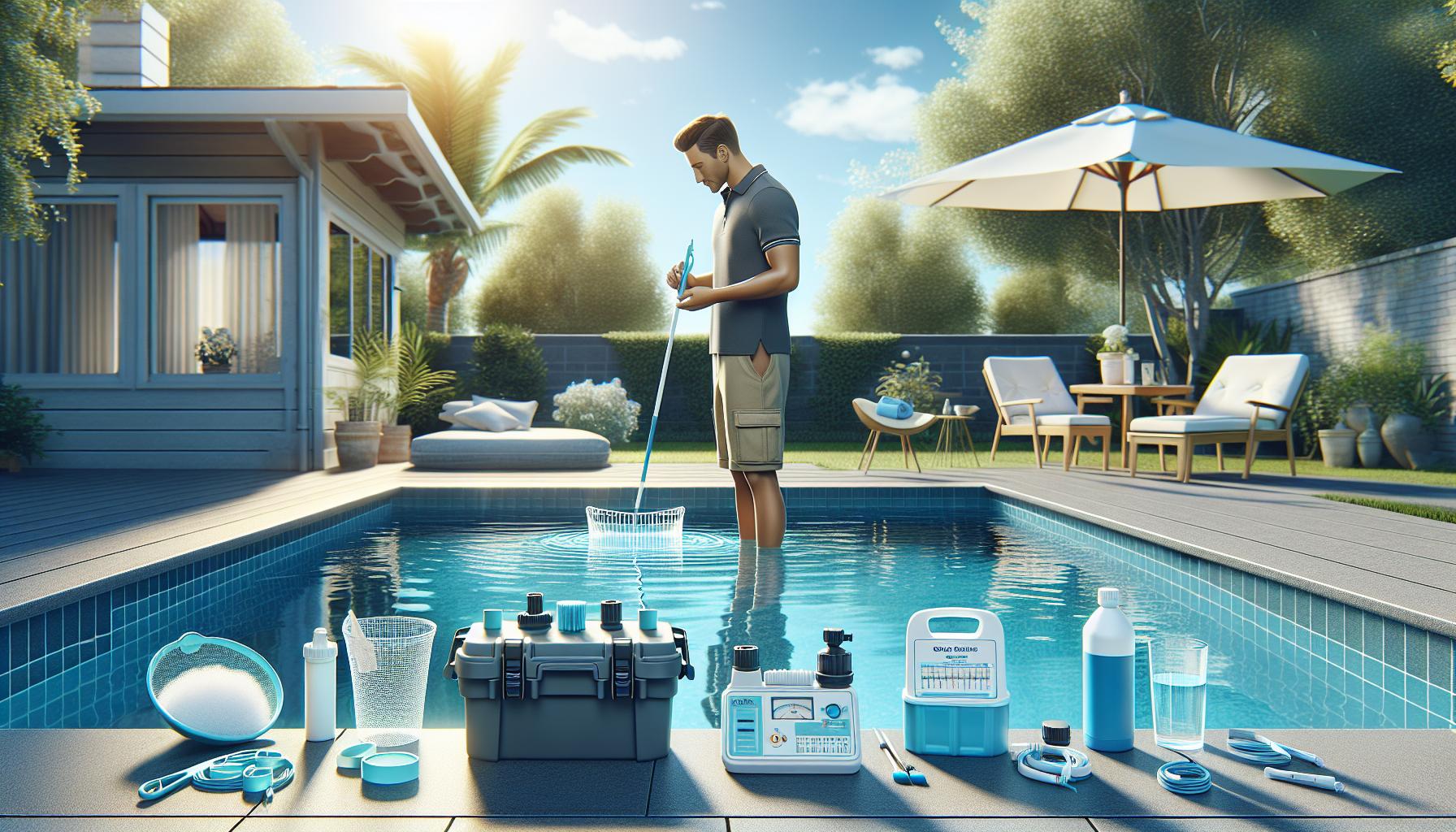
Signs Your Pool Has Too Much Chlorine
Swimming in a pool should be a refreshing and enjoyable experience, but too much chlorine can quickly turn this pleasure into discomfort. Elevated chlorine levels often manifest through several telltale signs, which every pool owner should be vigilant about to maintain a pleasant swimming environment. One of the most obvious indicators is the strong, chemical smell that is reminiscent of industrial bleach. While this potent odor might falsely suggest cleanliness, it commonly signals an overload of chlorine that can irritate swimmers’ eyes, skin, and lungs.
Swimmers may also experience physical symptoms that highlight excessive chlorine levels. Look for red or stinging eyes which can occur even after brief exposure to overly chlorinated water. Additionally, dryness and itchiness of the skin can indicate irritation, making a simple swim feel uncomfortable rather than refreshing. If you notice children showing signs of distress, such as coughing or difficulty breathing, it’s essential to take immediate action to lower chlorine levels and ensure their safety.
To identify high chlorine levels definitively, regular water testing is crucial. Use a reliable test kit that measures chlorine concentrations, focusing on maintaining levels between 1-3 parts per million (ppm). If your readings exceed this range, it is a clear sign that action is required. Apart from testing, another practical approach is to pay attention to the overall clarity of the water; cloudy or discolored water often correlates with chemical imbalances, including excessive chlorine.
Immediate steps to remedy high chlorine include diluting the pool water by adding fresh water or employing aeration techniques, such as using fountains or surface aerators to promote evaporation of chlorine. Understanding these signs and promptly addressing them not only enhances swimming comfort but also plays a significant role in maintaining the overall health of your pool. Regular maintenance and attentive monitoring can help create a safe and enjoyable swimming environment for everyone.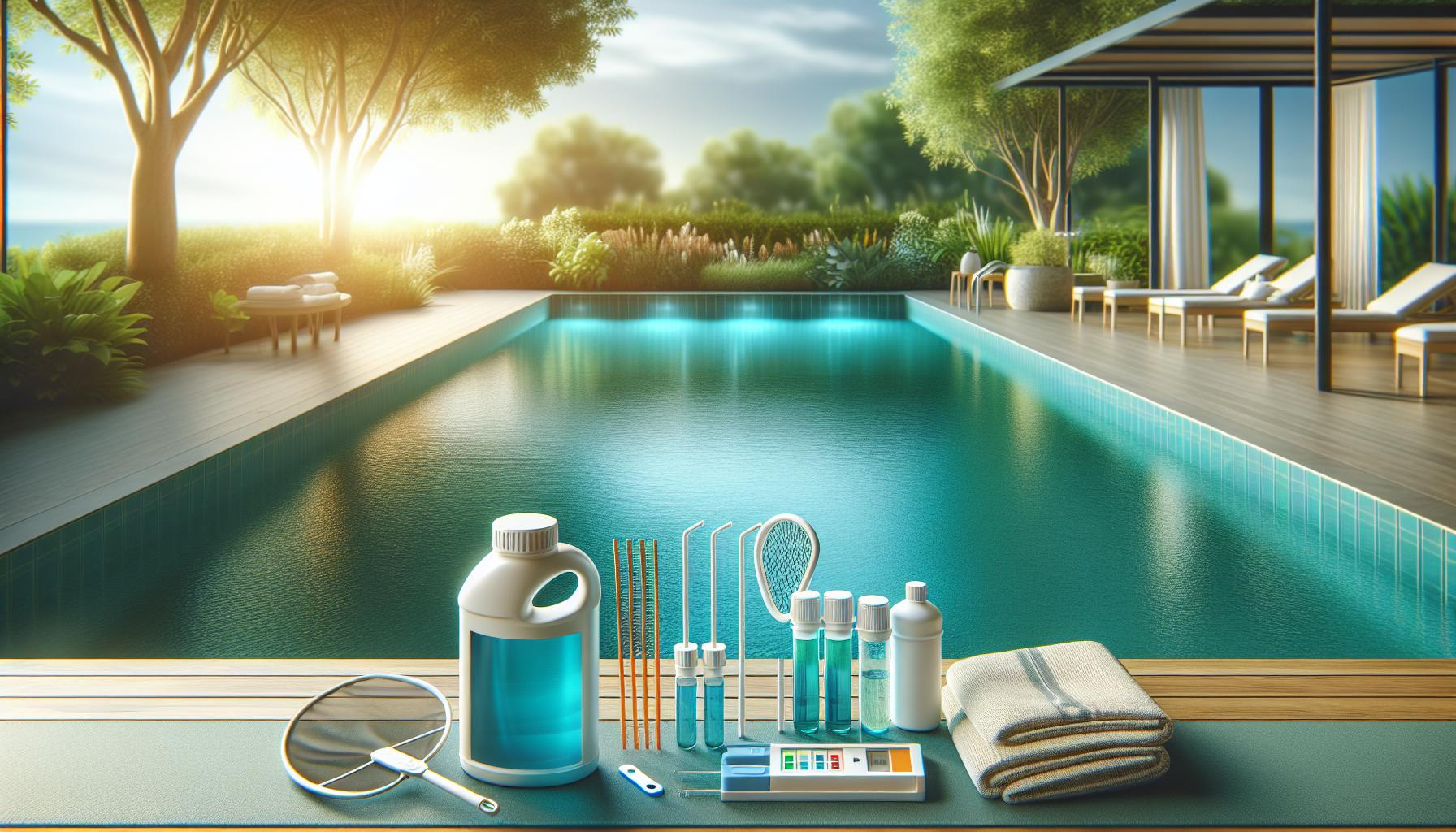
Safe Methods to Reduce Chlorine Levels
Maintaining the right chlorine levels in your swimming pool is essential for both the comfort of swimmers and the health of the water. When chlorine levels become too high, it can lead not only to unpleasant side effects like skin irritation and watery eyes but also compromise the overall swimming experience. Fortunately, there are several effective and , ensuring your pool remains a refreshing oasis.
One of the quickest ways to decrease chlorine levels is to dilute the pool water. This can be done by adding fresh water from your garden hose. For every inch of additional water you add, you reduce the concentration of chlorine significantly, making it a straightforward solution. It’s recommended to test the chlorine levels regularly with a reliable pool testing kit before and after dilution to ensure that the levels are within the safe range of 1-3 parts per million (ppm).
Another effective method is to employ pool aeration techniques. Introducing aerators, fountains, or even water features can increase oxygen flow, facilitating the evaporation of chlorine. This method not only helps to lower chlorine levels but also enhances the aesthetic appeal of your pool area. You can create a gentle spray with a hose or install a floating aerator, which circulates the water and releases chlorine gas into the atmosphere.
If natural solutions appeal to you, consider using sunlight to your advantage. Sunlight acts as a natural disinfectant, breaking down chlorine molecules when the pool is exposed. Simply remove the pool cover on sunny days and allow the sun to work its magic for a few hours. Just be cautious not to leave the pool uncovered for too long, as this could lead to other imbalances that you would need to address.
For an added layer of control, utilizing chlorine stabilizers can help maintain stable chlorine levels while reducing excessive buildup. Stabilizers, like cyanuric acid, protect chlorine from being broken down by UV rays, allowing you to use lower levels without sacrificing water sanitation. Always read the manufacturer’s instructions for proper dosing to prevent overuse.
By combining these methods-dilution, aeration, utilizing sunlight, and stabilizers-you can effectively manage chlorine levels and ensure a comfortable swimming environment. Regular monitoring and proactive maintenance will keep your pool safe and enjoyable, turning your backyard into a refreshing retreat all summer long.
Natural Alternatives to Chlorine
Exploring alternatives to chlorine can lead to a more pleasant swimming experience while still maintaining safe water conditions. Natural options not only help reduce reliance on chemical sanitizers but also appeal to those looking for eco-friendly solutions. Many pool owners are discovering that natural techniques and products can effectively sanitize and clarify water.
One of the most recognized natural alternatives is the use of saltwater systems. These systems utilize salt to produce chlorine through a process called electrolysis, providing a gentler swimming experience. Saltwater pools generally have lower chlorine levels, reducing the risk of skin irritation and chlorine smell. The initial setup may be higher than traditional chlorine pools, but the long-term benefits include lower maintenance costs and a more stable chlorine production.
Another effective method is UV (Ultraviolet) pool sanitization. This technology involves installing a UV light system that helps kill bacteria and viruses in the water without the harshness of chlorine. UV systems require less chlorine overall, making a significant difference in water quality and swimmer comfort. To implement this, consult with a professional to determine the best placement and sizing for your pool’s specific needs.
Ozone generators are also emerging as a popular choice for natural pool sanitation. Ozone is a powerful oxidizer that helps in breaking down contaminants without the residual effects associated with traditional chlorine. This method is particularly effective in reducing organic material and bacteria levels. Like UV systems, ozonators should be installed by professionals for optimal results.
Lastly, introducing natural pool chemicals such as hydrogen peroxide can serve as an alternative sanitizer. It effectively sanitizes water while breaking down without creating harmful byproducts. However, it’s critical to monitor levels closely as too much hydrogen peroxide can lead to unwanted reactions.
By exploring these natural alternatives, pool owners can enhance their swimming experience while maintaining safe and clean water. Balancing these options with routine maintenance and care will ensure your pool remains a welcoming oasis for relaxation and enjoyment.
How to Properly Dilute Pool Water
Maintaining the right balance of chemicals in your pool, particularly chlorine, is essential not just for hygiene but also for swimmers’ comfort. When chlorine levels exceed the recommended range, it can lead to irritation and unpleasant experiences in the water. Diluting your pool water is a straightforward method to help restore balanced chlorine levels, and it’s crucial to approach this carefully to ensure that your pool remains safe and enjoyable.
To properly dilute pool water, the first step is to measure the current chlorine level using a reliable test kit. The ideal chlorine concentration should typically be between 1 to 3 ppm (parts per million). If you find your levels are above this range, follow these guidelines:
Step-by-Step Dilution Process
- Calculate the Volume of Your Pool: Knowing the size of your pool is imperative. This is usually measured in gallons. For a standard rectangular pool, multiply the length by the width and the average depth, then multiply by 7.48 (the number of gallons in a cubic foot).
- Determine the Amount of Water to Add: A general approach is to replace 10% of your pool water to effectively lower chlorine levels without drastically altering the overall chemistry. For example, if your pool holds 20,000 gallons, you would drain and refill about 2,000 gallons.
- Drain a Portion of the Water: Use your pool pump or a submersible pump to remove the calculated amount of water. Make sure to follow local regulations regarding water drainage.
- Refill with Fresh Water: Once you have removed the appropriate amount of water, refill your pool using a garden hose or another water source. This fresh water will dilute the chlorine concentration, providing a safer swimming environment.
- Retest the Water: After refilling, wait a few hours and retest the chlorine levels to ensure they fall within the recommended range. If levels are still high, consider performing the process again or employing additional methods like aeration or using a neutralizer.
For persistent chlorine issues, you may want to explore supplemental strategies. Aeration techniques can complement your dilution efforts; running your pool’s water features or introducing fountains can naturally help release chlorine gas. Additionally, if you’re seeking significantly lower chlorine levels without excessive water replacement, consider using chemicals designed to neutralize chlorine effectively.
By following these practical steps to dilute your pool water, you empower yourself to maintain a comfortable and inviting swimming environment, minimizing irritation for everyone who enjoys your aquatic space.
Using Aeration Techniques for Chlorine Reduction
When dealing with high chlorine levels in your pool, utilizing aeration techniques can be an effective way to naturally reduce chlorine concentration. Aeration harnesses the power of air to help volatilize chlorine, making it an eco-friendly option compared to chemical neutralizers. This approach not only reduces chlorine levels but also helps maintain the overall health of your pool water.
One of the simplest methods to incorporate aeration is by activating existing water features such as fountains or waterfalls, if your pool is equipped with them. These features not only add aesthetic value but can also significantly increase water movement and surface area exposure, enhancing chlorine evaporation. If your pool lacks built-in features, consider using a submersible pump to create water movement or temporarily installing a floating fountain. These techniques can efficiently agitate the water surface, allowing chlorine gases to escape into the atmosphere.
To maximize the effectiveness of aeration, perform the following steps:
- Run Your Pool Pump: Ensure your pool pump is running to circulate water effectively.
- Utilize Water Features: Turn on any fountains, waterfalls, or jets to create turbulence in the water.
- Introduce Motion: If you don’t have existing features, use a submersible pump or aeration hose to create movement. Position the pump near the surface to enhance air contact.
- Monitor Weather Conditions: Windy conditions can aid the evaporation process; consider running aeration techniques during breezy days for optimal results.
In addition to these methods, consider timing your aeration sessions for periods when swimmers are least likely to be present. This ensures a safe environment while effectively lowering chlorine levels. Consistently employing aeration techniques during high chlorine periods can contribute to a well-balanced pool, promoting a more enjoyable swimming experience.
As you integrate these methods, proactively monitor chlorine levels with a reliable test kit. This will allow you to adjust aeration intensity and duration as necessary, ensuring that your swimming pool remains a safe and inviting space for you and your family.
Understanding Chlorine Stabilizers and Their Role
Utilizing chlorine stabilizers is a crucial step in achieving the right balance in your pool water chemistry. These compounds, primarily cyanuric acid, play a pivotal role in maintaining effective chlorine levels while minimizing the likelihood of chlorine degradation due to sunlight exposure. When chlorine is introduced into your pool, it can rapidly dissipate when exposed to ultraviolet (UV) rays from the sun. Stabilizers act as a protective barrier, allowing chlorine to remain active longer, which is particularly beneficial during hotter months when sunlight is more intense.
To effectively incorporate chlorine stabilizers into your pool maintenance routine, consider following these practical steps:
- Measure Cyanuric Acid Levels: Regular testing is essential. Aim for a cyanuric acid concentration between 30 and 50 ppm (parts per million) for optimal stabilizing effects.
- Add Stabilizer as Needed: If levels are low, add the required amount of cyanuric acid according to the product instructions. Always dissolve it in a bucket of water before introducing it to the pool to prevent localized high concentrations.
- Monitor Chlorine Levels: Stabilizers allow you to achieve effective chlorine levels with less chemical input. Regular testing will help you determine the right balance, ensuring that your pool remains safe and comfortable for swimming.
- Reassess After Heavy Rain or Water Changes: Environmental factors like heavy rain can dilute pool chemicals, so recheck the cyanuric acid levels and adjust as necessary.
Implementing these steps can significantly enhance the effectiveness of your chlorine treatment while lowering the overall amount of chemicals you need to use. This not only promotes a safer swimming environment but also aligns with eco-friendly practices by reducing chemical runoff into your surroundings. Remember, stability and balance in your pool are the keys to a comfortable and enjoyable swim experience.
When to Consult a Pool Professional
Sometimes, the DIY approach to pool maintenance can hit a roadblock, especially when dealing with persistent high chlorine levels. While maintaining your pool can be rewarding, recognizing when to seek professional help is crucial for ensuring a safe and enjoyable swimming environment. If your pool consistently shows elevated chlorine readings, or if you notice symptoms such as skin irritation or strong chemical odors, it may be time to consult a pool professional.
A pool professional can conduct a comprehensive water analysis, offering insights that go beyond basic testing strips or kits. This analysis can identify chemical imbalances and the effectiveness of current treatments. In scenarios where chlorine levels remain high despite your efforts, it might indicate underlying issues such as improper water balance, inadequate filtration, or contamination. An expert can pinpoint these challenges and provide tailored solutions to restore comfort and safety.
Additionally, if you’re contemplating the use of alternative sanitizing options or considering major adjustments to your pool’s chemical regimen, consulting a professional can offer valuable guidance. They are equipped to advise on ecological alternatives and advanced treatments that ensure pool safety without compromising swimmer comfort. Furthermore, complicated matters such as equipment malfunctions or deep-cleaning processes may require specialized skills or tools that are best handled by trained professionals.
In summary, being proactive about your pool’s health can save you time, money, and discomfort in the long run. Regular consultations with a pool expert can empower you to maintain your pool effectively while also safeguarding your loved ones’ swimming experience.
Preventing Chlorine Buildup: Best Practices
Chlorine buildup in your swimming pool can not only diminish comfort but also pose health risks, making it essential to adopt practices that prevent excessive accumulation. By implementing a few strategic maintenance routines and understanding how chlorine functions in your pool, you can keep your water safe and pleasant for swimming. One effective approach is to balance the use of chlorine with natural methods of water care, which can significantly reduce the need for high chemical levels.
Regular Testing and Monitoring
Consistently testing your pool water should be your first line of defense against chlorine buildup. Invest in a reliable pool testing kit and check chlorine and pH levels at least once a week. Ideally, chlorine levels should be maintained between 1-3 parts per million (ppm) for a swimming pool. Keep records of your results for trend analysis; this data will help you identify patterns that lead to spikes in chlorine and allow for timely adjustments.
Adequate Filtration and Circulation
Ensure your pool’s filtration system is operating efficiently. A well-functioning filter aids in removing contaminants that can lead to increased chlorine demand. Run the filter pump for at least 8-12 hours daily, especially during the peak swimming season. Additionally, consider regularly cleaning or replacing filter media according to the manufacturer’s recommendations. This practice not only helps in maintaining balanced chemical levels but also enhances water clarity and hygiene.
Limiting Organic Contaminants
Minimizing the introduction of organic materials-such as leaves, bug debris, and sunscreen-can significantly lower chlorine demand. Use a pool cover when the pool is not in use to prevent debris from entering the water. Encourage bathers to rinse off before entering the pool and consider regular skimming and vacuuming. These simple steps can reduce the buildup of contaminants that consume chlorine, thereby maintaining healthier chlorine levels.
Utilizing Stabilizers and Alternatives
Introduce chlorine stabilizers, like cyanuric acid, to protect chlorine from degradation due to sunlight. This method reduces the need for constant chlorine replenishment, helping maintain stable levels without excessive buildup. Additionally, explore alternatives like saltwater chlorinators, which convert salt into chlorine, promoting a gentler swimming experience. Such options allow for effective sanitation while potentially lowering the overall chlorine levels in your pool.
By integrating these best practices into your pool maintenance routine, you can effectively manage chlorine levels and ensure a more enjoyable and healthy swimming environment for everyone. Implementing regular testing, improving filtration, minimizing contaminants, and considering stabilizers or alternatives will go a long way in preventing chlorine buildup while promoting a safer swimming experience.
Steps for Regular Pool Maintenance
Maintaining a pool is an essential aspect of ensuring safe and enjoyable swimming conditions, particularly when it comes to managing chlorine levels. One of the first steps in effective pool maintenance is to adopt a consistent routine that addresses various components of pool care. Regularly scheduled checks not only keep your pool clean and clear but also help you stay ahead of potential chlorine-related issues.
Start by implementing a systematic testing regimen. Use a reliable pool testing kit to measure chlorine and pH levels at least once a week, ideally maintaining chlorine levels between 1-3 parts per million (ppm). Keep a log of your readings to identify trends and adjust your maintenance practices accordingly. If you notice rising chlorine levels, this could indicate excess contaminants or issues with your filtration system.
Another crucial aspect is maintaining proper filtration and circulation. Make sure the pool’s filtration system is running efficiently by operating the pump for at least 8-12 hours daily, especially during peak usage times. Regularly clean or replace filter media as recommended by the manufacturer, as a clean filter will enhance water clarity and reduce chlorine demand by effectively removing debris.
In addition to water chemistry and filtration, controlling organic contaminants is vital for managing chlorine levels. Regular skimming to remove leaves, insects, and debris should be part of your daily or weekly cleaning schedule. Encourage swimmers to rinse off before entering the pool to minimize sunscreen, lotions, and organic materials that can deplete chlorine. Installing a pool cover can also keep debris out when the pool is not in use, significantly lessening the chlorine burden on your system.
Finally, consider the use of chlorine stabilizers like cyanuric acid, which can help extend the life of chlorine by shielding it from sunlight. These stabilizers create a more balanced environment, reducing the need for constant chlorination and helping you maintain a comfortable swimming experience with lower chemical levels. By incorporating these methods into your regular pool maintenance routine, you can effectively manage chlorine levels and ensure a safe and enjoyable swimming environment for everyone.
Balancing Pool Chemicals: A Comprehensive Guide
Balancing the chemicals in your pool is critical for maintaining a safe and enjoyable swimming environment. Achieving the right chemical equilibrium not only ensures the comfort of swimmers but also protects the integrity of your pool equipment. For instance, high chlorine levels can lead to irritating skin and eyes, while low levels may fail to adequately sanitize the water, increasing the risk of bacterial growth.
To effectively manage pool chemistry, start with regular testing of chlorine, pH, and alkalinity levels. Use a reliable pool testing kit, ideally checking these levels at least once a week. Ideally, chlorine levels should be maintained between 1-3 parts per million (ppm). If your tests indicate imbalances, it’s essential to address them quickly. For example, if chlorine levels are too high, one remedy is to increase water circulation and dilution by adding fresh water. In contrast, if chlorine levels are low, you may need to add a chlorine shock treatment to boost sanitization.
Adjusting the pH is equally important, as the ideal range is between 7.2 and 7.8. A high pH can reduce chlorine’s effectiveness, making it crucial to correct it using pH decreaser products, typically comprising sodium bisulfate or muriatic acid. If the pH is too low, sodium carbonate can be used to raise it. Regularly monitoring and adjusting these levels not only fosters a healthier swimming environment but also prolongs the lifespan of your pool’s equipment.
Finally, don’t overlook the role of alkalinity in maintaining chemical balance. Total alkalinity acts as a buffer for pH levels, helping to stabilize them against fluctuations. Aim for a total alkalinity level between 80-120 ppm. If adjustments are necessary, baking soda can effectively raise alkalinity, while muriatic acid can lower it. By proactively managing your pool’s chemicals and adhering to a consistent maintenance routine, you’ll not only enhance swimmer comfort but also extend the longevity and efficiency of your pool system.
Troubleshooting Persistent High Chlorine Levels
High chlorine levels can transform the bliss of swimming into an uncomfortable experience, leading to skin irritations, red eyes, and even breathing difficulties. Understanding how to troubleshoot and resolve persistent high chlorine levels will help restore your pool to its inviting state. To tackle this issue effectively, begin by testing your water regularly with a reliable test kit. If your chlorine readings exceed the ideal range of 1-3 parts per million (ppm), immediate action is required.
One of the primary solutions to high chlorine levels is dilution. Begin by partially draining the pool and replacing it with fresh water to effectively lower the concentration of chlorine. This method is straightforward and often the quickest way to restore balance. Additionally, ensure your pool’s circulation system is functioning optimally; running your pump for longer periods can help disperse the chlorine.
Another strategy involves the use of chlorine neutralizers, such as sodium thiosulfate. This chemical safely reduces chlorine levels and can be used according to package instructions, ensuring you maintain safe swimming conditions. It’s also critical to examine the types of chlorine products you’re using. If you’re relying heavily on stabilized chlorine, consider switching to unstabilized versions, especially in closed environments where sunlight isn’t available to help dissipate the chlorine.
Finally, maintaining the proper pH and alkalinity levels will directly influence chlorine effectiveness. Higher pH levels can cause chlorine to become less effective, leading to the need for more product, which can worsen the situation. Regularly check and adjust pH to remain between 7.2 and 7.8 and total alkalinity between 80-120 ppm. By consistently monitoring these levels and employing effective dilution and neutralization methods, you can maintain a safe and comfortable swimming environment.
Q&A
Q: What are some common signs that my pool has too much chlorine?
A: Common signs of excessive chlorine in your pool include strong chemical odors, skin or eye irritation after swimming, and faded swimsuits. Additionally, high chlorine levels can also cause water to appear cloudy. Regular testing can help monitor chlorine levels effectively.
Q: How can I reduce chlorine levels quickly in my pool?
A: To quickly lower chlorine levels, consider specific methods like partial water replacement, where you drain a portion of the pool and refill it with fresh water. You can also use sodium thiosulfate, a chlorine neutralizer, for rapid reduction. Always re-test the water after implementing changes.
Q: What natural methods can I use to lower chlorine in my pool?
A: Natural methods to lower chlorine include using vitamin C tablets or ascorbic acid to neutralize chlorine. Installing plants that naturally filter water and encourage aeration can also help to maintain balanced levels. Always monitor pH and alkalinity after applying these methods.
Q: How often should I test pool chlorine levels?
A: You should test your pool chlorine levels at least twice a week, especially during peak swim seasons or after heavy rainfall. Maintaining optimal chlorine ranges helps ensure safe swimming conditions and effective sanitation.
Q: Will adding more chemicals help balance high chlorine levels?
A: No, adding more chemicals will not balance high chlorine levels. Instead, it can worsen the situation. Focus on methods like dilution through water replacement or using neutralizers to effectively lower chlorine. Consult your pool maintenance guide for specific advice.
Q: When is it necessary to seek professional help for chlorine issues?
A: Consult a pool professional if you consistently experience high chlorine levels despite regular maintenance or if your testing reveals extreme imbalances. They can provide tailored solutions and ensure safe swimming conditions.
Q: What should I do if my pool’s chlorine levels are too low?
A: To raise low chlorine levels, add a chlorine shock treatment or granular chlorine based on pool size. Regularly test the water to ensure levels reach the recommended range of 1-3 ppm for safe swimming.
Q: Can sunlight lower chlorine levels in my pool?
A: Yes, sunlight can naturally lower chlorine levels through a process called photolysis, where UV rays break down chlorine compounds. However, relying solely on sunlight can be inconsistent, so regular testing and maintenance are essential.
These responses provide actionable insights and link back to core topics in your article, encouraging deeper engagement and understanding on chlorine management for comfortable swimming.
Wrapping Up
In summary, lowering chlorine levels in your pool not only enhances your swimming experience but also contributes to a healthier environment for your family and guests. By employing safe methods like using natural alternatives and maintaining proper water balance, you can enjoy a comfortable and inviting pool. Don’t wait to make these changes-your next swim could be just around the corner!
For more tips on maintaining a crystal-clear pool, check out our guides on pool water balance and best practices for pool maintenance. If you have any lingering questions or need support, consider joining our newsletter for expert advice and the latest resources. Your oasis awaits, so take action today and create the perfect swimming environment tailored to your needs! Let’s dive into better pool care together.


