
Did you know that maintaining the right alkalinity levels in your pool is essential for both crystal-clear water and comfortable swimming conditions? High alkalinity can lead to cloudy water, scaling, and even make balancing your pool’s pH more challenging. If you’ve noticed these signs, worry not! Understanding how to lower alkalinity in your pool is a straightforward task that can transform your swimming experience.
In this guide, you’ll discover simple steps to restore your pool’s chemistry, ensuring safe and enjoyable swimming all season long. By learning effective methods to manage alkalinity, you’ll not only improve the aesthetics of your pool but also create a healthier environment for your family and friends. Dive in with us as we explore practical solutions to achieve that pristine water you dream of!
How Alkalinity Affects Pool Water Quality
Alkalinity plays a crucial role in maintaining the overall water quality of your pool. It acts as a buffer to stabilize pH levels, preventing drastic fluctuations that can lead to uncomfortable swimming conditions and potential damage to pool equipment. When alkalinity is within the ideal range of 80 to 120 ppm (parts per million), it helps shield against acid rain, debris, and contaminants that can disrupt pH balance. Without sufficient alkalinity, the water can become acidic, leading to corrosion of metal components and irritations for swimmers.
Maintaining the right alkalinity levels also impacts clarity and sanitation. Low alkalinity can lead to “pH bounce,” a phenomenon where pH levels swing wildly, making it difficult to maintain a consistently clean and clear pool. In contrast, if alkalinity is too high, it can result in cloudy water, making it unclear and uninviting. Furthermore, high alkalinity can complicate the effectiveness of chlorine and other sanitizers, thereby putting swimmers at risk. Thus, understanding and adjusting your pool’s alkalinity is essential to achieving crystal-clear water that is safe and pleasant for everyone.
To manage alkalinity effectively, regular testing is vital. Testing strips or liquid test kits can easily be used weekly to track your pool’s alkalinity levels. Adjustments should be made promptly, as prolonged neglect can lead to more significant issues and costly repairs. By adopting preventive measures and becoming attuned to your pool’s needs, you can ensure water quality that promotes an enjoyable swimming experience. Whether through chemical adjustments or natural balancing methods, tackling alkalinity issues proactively will ultimately lead to a well-maintained pool environment.
Signs You Need to Lower Alkalinity
When it comes to maintaining a sparkling pool, recognizing the signs that indicate your alkalinity levels need adjustment is crucial. Alkalinity should ideally sit between 80 and 120 ppm for most pools. If your testing reveals levels above this optimal range, various complications can arise, leading to murky water and an unhygienic swimming environment. Understanding these symptoms can enhance your pool’s overall health and maintain its inviting clarity.
One of the most evident signs that your pool’s alkalinity is too high is cloudy water. High alkalinity can create a situation where your pool looks inviting but often feels unclean, leading to a frustrating swimming experience. Increased levels can also interfere with chlorine effectiveness. If you’ve noticed that despite adding chlorine, the water isn’t as clear or fresh-smelling as it should be, it may be time to check your alkalinity.
Another indicator is unstable pH levels characterized by “pH bounce,” which occurs when the pH fluctuates widely even after pumping in chemicals. This situation happens because high alkalinity can inhibit your ability to effectively manage pH adjustments, ultimately leading to an imbalanced chemical environment. Swimmers may also experience skin and eye irritations when the balance is off, causing discomfort during swims.
In addition to visual cues, frequent testing is vital. A periodic alkalinity assessment, ideally weekly, will help spot any potential issues before they grow. You can employ simple testing kits to determine your pool’s chemistry. Armed with this knowledge, you can take timely action, ensuring that your pool remains safe, clean, and pleasant for everyone.
Step-by-Step Guide to Lowering Alkalinity
To achieve crystal clear water and maintain a healthy swimming environment, managing the alkalinity levels in your pool is essential. When alkalinity levels exceed the ideal range of 80 to 120 ppm, it can lead to various complications like cloudy water, skin irritations, or ineffective chlorine use. Lowering alkalinity is a straightforward process that, when done correctly, can result in significant improvements in your pool’s quality.
Begin by testing the current alkalinity level using a reliable pool testing kit. Knowing the precise value allows you to determine how much you need to adjust. If your alkalinity is above 120 ppm, follow these steps to bring it down effectively.
Step-by-Step Instructions
- 1. Use Acid to Lower Alkalinity: The most common way to reduce alkalinity is by adding an acid, such as muriatic acid or sodium bisulfate (dry acid). When using muriatic acid, dilute it in a bucket of water as per the manufacturer’s instructions to ensure safety and prevent damage to pool surfaces.
- 2. Add Acid to the Pool: Slowly pour the diluted acid around the perimeter of the pool while the pump is running. This ensures even distribution throughout the water. Follow the recommended dosage on the product label, adjusting based on your current alkalinity level.
- 3. Wait and Test Again: Allow the pool water to circulate for at least 4-6 hours after adding the acid. Then, retest the alkalinity. If it’s still above the desired range, repeat the process in smaller increments until you reach optimal levels.
- 4. Monitor pH Levels: After adjusting the alkalinity, check your pH levels. High or low alkalinity can affect pH stability, so ensure that it stays within the ideal range of 7.2 to 7.8. If necessary, make further adjustments using pH increasers or decreasers.
It’s important to adjust alkalinity gradually and avoid large changes at once, as rapid shifts can cause damage to your pool equipment and surfaces. Keep a close eye on alkalinity levels through regular testing, especially after heavy rains, recent pool parties, or the introduction of fresh fill water. With these straightforward steps, you’re on your way to maintaining a clear and enjoyable pool all season long.
Essential Tools for Successful Alkalinity Adjustment
To effectively adjust the alkalinity of your pool, having the right tools at your disposal can make all the difference. Making precise adjustments is key to maintaining optimal water quality, so investing in reliable equipment will pay off in the long run.
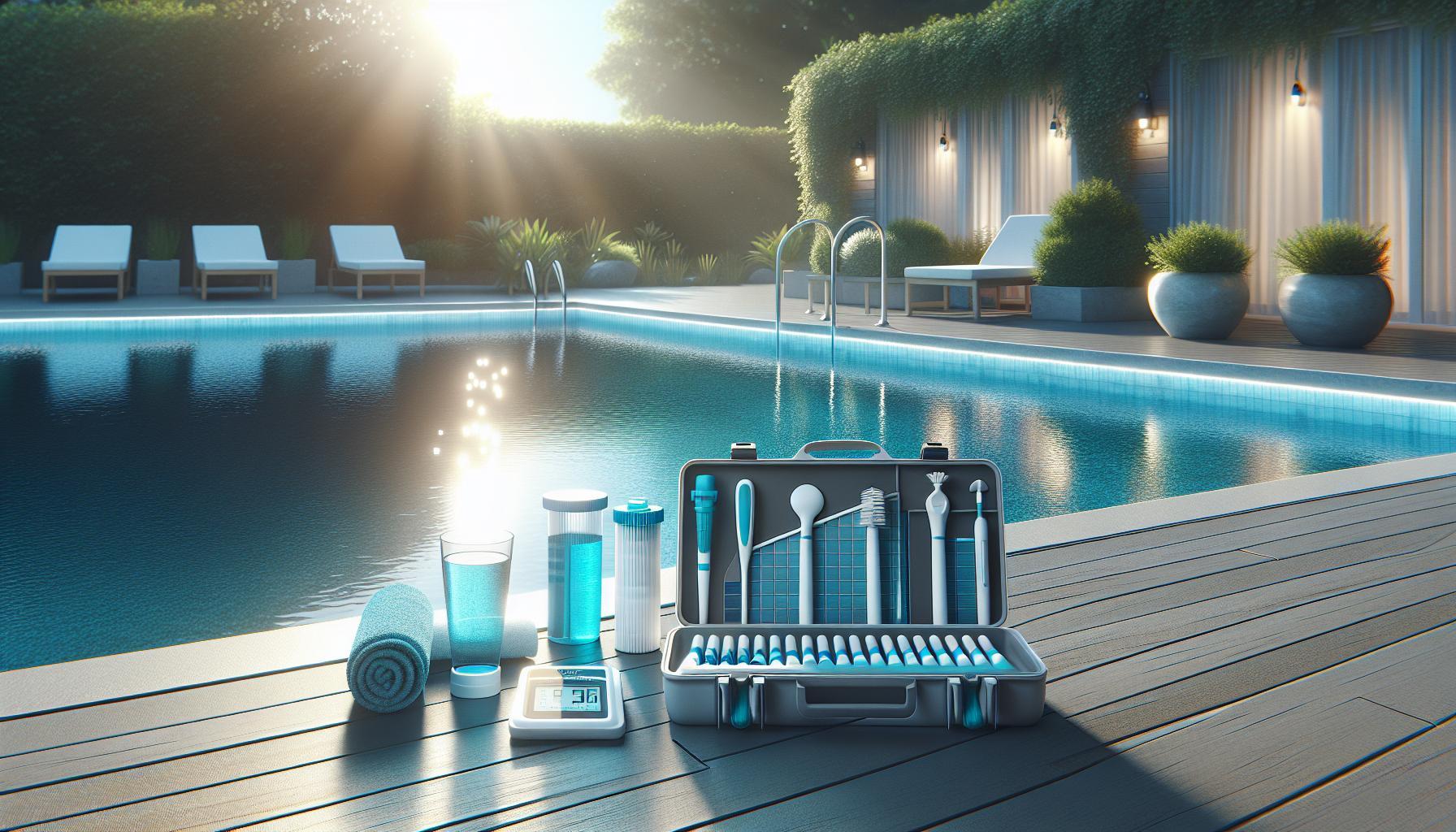
One of the fundamental tools for alkalinity management is a pool testing kit. This kit will typically include test strips or reagents to measure pH and total alkalinity levels accurately. Check the instructions from your test kit to ensure you’re reading results correctly. Regular testing is essential after rainfall, heavy usage, or when adding new water to your pool. Keep a log of your readings to monitor changes and identify patterns that might need attention.
When it comes to making chemical adjustments, acid is your primary tool. Muriatic acid and sodium bisulfate (dry acid) are common choices for lowering alkalinity. Before using these, ensure you have appropriate safety equipment, including gloves and goggles, to protect yourself from spills and splashes. Additionally, a plastic or glass bucket for dilution is recommended to safely mix acids before application. Avoid using metal containers, which can corrode.
For applying acid, a pool skimmer or a garden hose can help distribute the acid evenly throughout the pool. When handling chemicals, ensure the pool pump is running to circulate the water and prevent localized concentrations of acid that could harm your pool’s finish. Finally, a pH meter can be beneficial if your swimming pool water frequently fluctuates, as this allows you to quickly gauge the effects of any adjustments made to total alkalinity.
Incorporating these essential tools into your pool maintenance routine empowers you to tackle alkalinity challenges confidently, ensuring your pool remains a safe and inviting retreat.
Understanding pH Levels and Their Relationship to Alkalinity
Understanding how pH levels relate to alkalinity is essential for maintaining a healthy pool environment. pH measures the acidity or basicity of water, while alkalinity refers to the water’s ability to neutralize acids. Essentially, alkalinity acts as a buffer that helps stabilize pH levels, which in turn ensures that your pool water remains clear and safe for swimming.
When the alkalinity is too low, small changes can cause significant shifts in pH. This instability can lead to corrosive water that can damage your pool surfaces, equipment, and even irritate the skin and eyes of swimmers. On the flip side, high alkalinity can make it challenging to adjust the pH, leading to cloudy water and scaling issues. Therefore, maintaining the proper balance between alkalinity and pH is crucial for optimal water quality.
To effectively manage this relationship, regular testing is important. Aim to keep your pool’s alkalinity between 80 and 120 parts per million (ppm) for best results. If your readings show alkalinity above this range and the pH level is also high, using muriatic acid or sodium bisulfate can help lower both parameters simultaneously. Always follow the instructions closely and make small adjustments over time to avoid drastic changes, which can stress your pool’s ecosystem.
For further clarity on the relationship between pH and alkalinity, consider this example: if your pool’s alkalinity sits at a safe level but the pH spikes, the alkalinity can help stabilize the pH. However, if alkalinity is low, the pH may fluctuate wildly, necessitating frequent adjustments. Thus, keeping a close eye on both measurements not only promotes crystal-clear water but also enhances the overall health of your pool. Regular monitoring and adjustments can prevent problems before they escalate, ensuring a safe and enjoyable swimming experience for everyone.
Chemical Options for Lowering Alkalinity
Maintaining the right chemical balance in your pool is essential for a safe and enjoyable swimming experience, and one of the critical aspects of this balance is alkalinity. High alkalinity can lead to various issues such as cloudy water and difficulty managing pH levels. Fortunately, a few effective chemical options are available to help lower alkalinity and restore your pool’s clarity and health.
One of the most commonly used chemicals for reducing alkalinity is muriatic acid. This powerful acid works effectively to neutralize excess alkalinity in your pool water. To apply muriatic acid, first, measure the alkalinity level and determine how much you need to reduce it. As a general guideline, approximately 25.6 ounces of full-strength muriatic acid can lower the alkalinity by 10 parts per million (ppm) in a 10,000-gallon pool. Always pour the acid into the deepest part of the pool while the pump is running to ensure proper mixing, and retest the alkalinity after several hours to check its effectiveness.
Another chemical option is sodium bisulfate (also known as dry acid). This is a safer alternative to muriatic acid and is easier to handle. Similar to muriatic acid, sodium bisulfate can be used to adjust both alkalinity and pH simultaneously. The dosage will depend on your specific pool size and current chemical levels, so use a pool calculator to determine the correct amount. Follow the manufacturer’s instructions for application, ensuring you also allow time for the chemical to mix thoroughly in the water.
It’s important to note that when using any chemicals to lower alkalinity, gradual adjustments are key. Making significant changes at once can lead to rapid swings in water chemistry, which may stress your pool ecosystem. Always start with small doses, retest the alkalinity and pH after waiting for several hours, and make further adjustments as necessary. Monitoring the results will help you achieve optimal water balance and keep your pool crystal clear.
Natural Methods to Balance Pool Alkalinity
Maintaining proper water balance in your pool doesn’t always have to involve harsh chemicals. There are several natural methods to help you lower alkalinity that can be both effective and gentle on your pool environment. Utilizing these approaches can not only improve your pool’s water quality but also reduce your dependency on synthetic chemicals, promoting a more eco-friendly swimming experience.
One of the simplest ways to naturally lower alkalinity is to encourage rainfall to dilute pool water. If you anticipate a rainstorm, you can leave your pool cover off temporarily. Rainwater is typically less alkaline than pool water, which can help balance alkalinity levels. Additionally, consider using a hose to fill the pool with water that’s slightly acidic, like well water if available, which can also contribute to lowering alkalinity over time. This method does require patience, as significant changes may not be immediate, but it is safe and maintains the natural balance of your pool ecosystem.
Utilizing pH-Reducing Elements
Another natural approach involves adding substances like white vinegar or citric acid, which naturally lower pH levels and have the added effect of decreasing alkalinity. For example, adding approximately one gallon of distilled white vinegar per 10,000 gallons of pool water can gradually help correct imbalances. Remember to add it slowly and in increments, retesting the water after each addition to monitor effects. This approach allows you to make precise adjustments without drastically altering your pool’s chemistry.
Physical Solutions
Increasing water circulation through your pool’s filtration system can also aid in balancing alkalinity. When you run the pump for extended periods, it helps thoroughly mix and distribute the water, potentially leading to a natural adjustment in chemical levels. The presence of natural elements like plants or good bacteria can boost your pool’s ecosystem, helping to stabilize alkalinity over the long term.
By incorporating these natural methods into your pool maintenance routine, you empower yourself to address alkalinity issues while fostering a healthier swimming environment. Regular monitoring and adjustments based on your pool’s unique conditions will help maintain the clarity and comfort of your water, ensuring a pleasant swimming experience all season long.
Preventing Future Alkalinity Issues
Maintaining the right alkalinity levels in your pool is crucial not just for water clarity but also for overall pool health. Implementing a proactive maintenance strategy can save you time, money, and the frustration of dealing with imbalances down the road. By understanding the factors that influence alkalinity, you can take effective steps to prevent issues before they arise.
Start by regularly testing your pool water, ideally once a week, using a reliable test kit or strips. Consistent monitoring allows you to catch alkalinity fluctuations early and make adjustments before they lead to significant problems. Additionally, it’s wise to balance other chemical levels, particularly pH and chlorine, since they affect the overall stability of your pool’s water chemistry. Maintain good filtration practices by running your pool’s pump regularly and cleaning your filter as necessary. This ensures that water circulation remains optimal, helping to distribute chemicals effectively.
Another practical prevention strategy involves managing external influences on your pool. Regularly removing debris, such as leaves and dirt, can help reduce organic matter degradation, which can raise alkalinity. Covering your pool during heavy rains can also prevent an influx of rainwater that might artificially alter alkalinity. If you use a water source for topping off your pool, check its alkalinity levels before filling to avoid introducing high alkalinity water into your pool.
Lastly, consider adding algaecides and clarifiers as preventive measures; these help maintain a balanced water environment that discourages alkalinity spikes. Establishing a routine maintenance schedule can also enhance the overall health of your pool, ensuring that it remains inviting and safe for swimmers. By being proactive and informed, you’ll be able to enjoy a crystal clear pool all season long.
Common Mistakes When Adjusting Alkalinity
Adjusting pool alkalinity can be a straightforward task, yet many pool owners inadvertently make common mistakes that can lead to further imbalances or water quality issues. One frequent error is attempting to make drastic adjustments all at once. Pool owners often assume that applying a large quantity of chemicals will quickly solve the problem, but this can overwhelm the system and lead to even more fluctuations in alkalinity. Instead, aim for gradual changes; small amounts of chemicals can be more effective and stable in the long run.
Another misstep occurs when the wrong type of chemicals is used. For instance, some may mistakenly use pH reducers instead of alkalinity decreasers, which can ultimately worsen the water balance. It’s vital to differentiate between products designed to lower alkalinity, such as muriatic acid or sodium bisulfate, and those intended for pH adjustment. Always read product labels carefully and ensure you are using the correct chemical for your intended adjustment.
Failure to retest after adjustments is another common oversight. Many pool owners will add chemicals and assume the job is done, neglecting to perform a follow-up test to verify the new alkalinity levels. This can lead to recurring issues, as the initial adjustments might not have hit the target range. After making any chemical addition, waiting a few hours and then retesting can provide a clear view of where your alkalinity stands, allowing for precise follow-up actions.
Finally, keeping a consistent maintenance schedule and record of water chemistry changes can prevent miscalculations and inform future adjustments. By monitoring how changes in water chemistry affect overall pool conditions, you can refine your approach and avoid common pitfalls in the future, leading to sparkling, well-balanced pool water all season long. Regular learning and adjustments play a crucial role in fostering an optimal swimming environment.
Maintaining Crystal Clear Water After Adjustments
After making adjustments to your pool’s alkalinity, keeping the water crystal clear requires ongoing vigilance and a few well-executed strategies. The first step is regularly testing your water. Use a quality test kit at least once a week to track alkalinity, pH, and sanitizer levels. Maintaining the recommended total alkalinity range of 80-120 ppm is crucial for water balance. Promptly address any imbalances; if alkalinity drifts too low, it can lead to erratic pH levels that cloud your water.
Another essential practice is to maintain good circulation. Ensure your pool pump runs adequately for 8-12 hours daily, especially during peak swimming seasons. This circulation helps distribute chemicals evenly and reduces the likelihood of algae growth and cloudiness. Additionally, frequent skimming and cleaning will eliminate debris and organic matter that contribute to water quality issues. Performing routine maintenance on your filter system-cleaning or backwashing filters as necessary-ensures optimal performance.
Preventative measures can also bolster your efforts. Consider using a pool clarifier or flocculant after adjustments to improve water clarity. These products help to bind fine particles, making it easier for your filter to eliminate them. When adding chemicals, do so in the evening to prevent photodegradation, and allow sufficient time for the water to circulate before swimming.
Lastly, keep a close eye on environmental factors that can impact water clarity. High bather loads, rainfall, or debris falling into the pool can alter chemical levels. Be proactive: after heavy rains or a pool party, recheck your water balance and make necessary adjustments. With these practices, you can maintain clear, inviting water that enhances the enjoyment of your pool throughout the season.
When to Seek Professional Pool Services
In navigating the complexities of pool maintenance, knowing when to call in the professionals can save you time, effort, and potential headaches. While many pool owners are adept at handling routine tasks such as testing chemical levels and balancing alkalinity, certain situations may arise that warrant expert intervention. Recognizing these scenarios ensures your pool remains a safe and delightful retreat.
If you’ve followed the recommended steps for lowering alkalinity-such as adding muriatic acid or sodium bisulfate-but you’re still encountering persistent issues, it might be time to consult a professional. These experts have access to advanced testing equipment and a wealth of experience that allows them to diagnose underlying problems, such as issues with your pool’s filtration system or equipment malfunctions that could be affecting water chemistry.
Moreover, if your pool water appears consistently cloudy or exhibits unusual coloration despite adjustments, seeking professional help can provide clarity. These visual indicators often signal deeper water quality issues that may require specialized treatments, such as super shock treatments or the application of clarifiers that go beyond household maintenance routines. Always remember that ongoing problems can lead to costly repairs if left unaddressed, making early intervention a wise choice.
Lastly, if your schedule becomes too hectic to perform regular maintenance or you simply prefer to enjoy your pool without the worry of upkeep, hiring a pool service can be a convenient option. They can provide routine cleaning, chemical balancing, and monitoring services, ensuring your pool is always ready for use. Trusting professionals with this responsibility allows you to focus on enjoyment while maintaining an inviting, safe environment for family and friends.
FAQ: Alkalinity Questions Answered
Understanding pool alkalinity can make a significant difference in your pool maintenance routine, especially when it comes to achieving crystal clear water. Here, we address common questions surrounding alkalinity, its importance, and actionable solutions to maintain optimal levels.
What is Pool Alkalinity and Why is it Important?
Pool alkalinity refers to the concentration of alkaline substances in the water, primarily bicarbonates. Maintaining the right alkalinity level is crucial because it acts as a buffer for pH levels, helping to prevent rapid fluctuations. Proper alkalinity levels (typically between 80-120 ppm) are essential for keeping pool water clear and reducing the corrosive effects on pool equipment.
How Can I Tell if My Alkalinity is Too High or Too Low?
There are several signs indicating your pool’s alkalinity levels may need adjustment:
- Low alkalinity: Frequent pH swings, corrosion of metal fixtures, and a chalky buildup on surfaces.
- High alkalinity: Difficulty maintaining pH levels, cloudy water, and scale formation on surfaces.
It’s advisable to test your pool water regularly using a reliable testing kit. If the alkalinity is out of balance, take action promptly to avoid associated water quality issues.
What Are the Steps to Lower Alkalinity?
When you determine that your pool’s alkalinity is too high, follow these steps to lower it effectively:
- Test Your Water: Begin by testing the current alkalinity level.
- Calculate the Required Acid: Use the formula-approximately 25.6 ounces of muriatic acid will reduce alkalinity by 10 ppm for a 10,000-gallon pool. Adjust based on your pool’s volume and desired outcome.
- Apply Acid Properly: Pour the muriatic acid into the deepest part of the pool while the pump is running to ensure good circulation.
- Wait and Retest: Allow the pool pump to run for at least 5 hours, then retest the alkalinity and adjust further if necessary.
What Chemicals Can I Use to Adjust Alkalinity?
Common chemicals employed for lowering alkalinity include:
- Muriatic Acid: Most frequently used, effective at significant adjustments.
- Sodium Bisulfate: A safer alternative to muriatic acid, although it may not be as efficient for large reductions.
Always follow safety guidelines when handling chemicals and add them in small increments to avoid drastic changes in water chemistry.
Can Natural Methods Help Balance Alkalinity?
Yes! While chemical treatments are effective, natural methods can complement your approach. Increasing water circulation and reducing debris can help maintain balanced alkalinity levels. Also, using natural products like baking soda to raise alkalinity when needed can be beneficial.
In conclusion, maintaining proper pool alkalinity is vital for water balance and cleanliness. By staying informed and proactive about measurements and adjustments, you can enjoy a sparkling pool without the ongoing hassle of imbalanced water chemistry. If persistent issues arise, consider consulting a professional for further assistance.
Faq
Q: What is the ideal alkalinity level for pool water?
A: The ideal total alkalinity level for pool water is between 80 and 120 parts per million (ppm). Maintaining this range helps stabilize pH levels and prevents water from becoming corrosive or scaling.
Q: How can I tell if my pool’s alkalinity is too high?
A: Signs that your pool’s alkalinity may be too high include cloudy water, difficulty in adjusting pH levels, and an increase in scaling on pool surfaces and equipment. Testing with a reliable pool test kit can confirm high alkalinity.
Q: Can I use baking soda to lower pool alkalinity?
A: No, baking soda raises alkalinity. To lower alkalinity, consider using chemicals specifically designed for that purpose, such as muriatic acid or sodium bisulfate. Always follow directions carefully when using chemical treatments.
Q: How often should I test my pool’s alkalinity?
A: You should test your pool’s alkalinity at least once a week during the swimming season. Regular testing ensures that you can promptly adjust levels, keeping your water balanced and safe for swimmers.
Q: What happens if I lower alkalinity too quickly?
A: Lowering alkalinity too quickly can lead to rapid fluctuations in pH levels, which can harm pool surfaces and irritate skin or eyes. Always adjust alkalinity gradually to maintain stable water conditions.
Q: Is it safe to swim after lowering pool alkalinity?
A: It’s best to wait at least 24 hours after adding chemicals to lower alkalinity before swimming, allowing the chemicals to properly dilute and the water to stabilize. Always check pH levels before swimming.
Q: What tools do I need to measure pool alkalinity?
A: To measure pool alkalinity, you need a pool test kit or test strips specifically designed for measuring total alkalinity. These tools provide accurate readings and help you manage water chemistry effectively.
Q: How do environmental factors affect pool alkalinity?
A: Environmental factors such as rain, dust, and debris can influence pool alkalinity. Rain can lower alkalinity, while debris and evaporation may cause imbalances, so regular testing and adjustments are necessary.
Closing Remarks
By following the simple steps outlined in our guide, you can efficiently lower alkalinity in your pool, ensuring crystal clear water and a more enjoyable swimming experience. Remember, acting promptly is essential for maintaining optimal water quality. After adjusting alkalinity, retest your pool and consider exploring related topics like “Understanding Pool pH Levels” and “Essential Pool Maintenance Tips” to further enhance your pool care knowledge.
Don’t hesitate to dive deeper into our resources, and if you have any lingering questions or need personalized advice, feel free to reach out or sign up for our newsletter for expert tips delivered straight to your inbox. Sharing your experiences in the comments below not only helps you connect with other pool owners but also enriches our community. Let’s keep your pool beautiful and your maintenance easy-your oasis awaits!