
Maintaining the right calcium hardness in your pool is crucial for preserving its surfaces and ensuring a safe, enjoyable swimming experience. Did you know that low calcium levels can lead to erosion of your pool’s plaster, tile, or vinyl lining? This can not only shorten the lifespan of your pool but also increase maintenance costs over time.
Understanding how to increase calcium hardness can seem daunting, but it’s a manageable task that empowers you to protect your investment. Proper calcium levels help prevent issues like scale buildup and corrosion, ultimately keeping your pool pristine and inviting.
Dive into our guide to discover effective strategies for boosting your pool’s calcium hardness, so you can maintain that crystal-clear water and enjoy worry-free swims all summer long. Your pool deserves it!
Understanding Pool Calcium Hardness and Its Importance

Understanding the right calcium hardness levels in your pool is crucial for both its longevity and the comfort of its users. Calcium hardness refers to the amount of dissolved calcium in your pool water, and maintaining this balance is essential. A proper level of calcium hardness helps prevent damage to plaster, tiles, and other surfaces, ensuring the structural integrity of your pool. Too low calcium levels can lead to corrosion, while excessively high levels may cause scaling and cloudy water, which not only affect aesthetics but can also interfere with water chemistry and filtration systems.
When considering calcium hardness, ideal levels typically range from 200 to 400 parts per million (ppm). Staying within this range protects the pool’s surfaces and equipment from potential damage. Regular monitoring can help you address imbalances before they lead to costly repairs or maintenance. Comprehensive water testing is essential to monitor not only calcium hardness but also pH and alkalinity, which interact with calcium levels.
For pool owners, being proactive in managing calcium levels means understanding the factors influencing these levels. Water source, temperature, and chemical use can all affect calcium hardness. For instance, rain can dilute calcium concentrations, while high evaporation rates, often due to hot weather, can concentrate calcium levels. Keeping a vigilant eye on these aspects not only preserves the pool’s appearance but significantly reduces long-term repair costs.
Identifying Ideal Calcium Hardness Levels for Your Pool

Calcium hardness plays a vital role in the overall health and maintenance of your pool. When properly balanced, it contributes to not only the aesthetic appeal of your pool but also its structural integrity. The ideal calcium hardness level typically ranges between 200 to 400 parts per million (ppm). Staying within this range is essential to prevent issues like corrosion or scaling, which can harm pool surfaces and equipment over time.
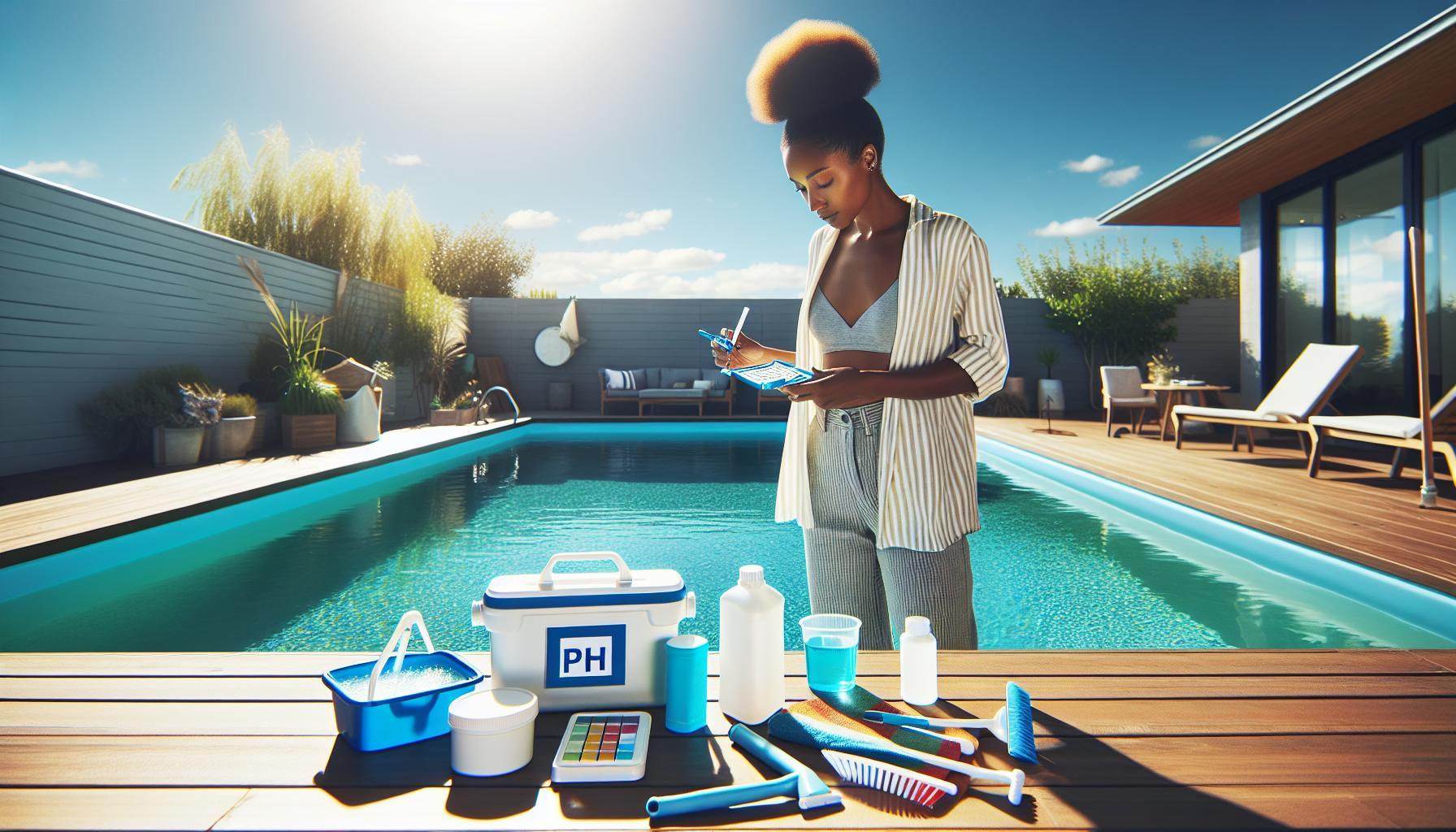
To effectively manage calcium hardness, it’s important to regularly test your pool water. A good testing kit will measure calcium levels alongside other essential parameters such as pH and alkalinity, creating a complete picture of your water chemistry. By keeping these factors in balance, you can prolong the life of your pool surfaces and ensure a safe swimming environment for all users.
If your tests reveal that your calcium levels are outside the ideal range, it’s crucial to take action promptly. For instance, if levels are too low, you might notice signs of wear on plaster and tile surfaces, leading to costly repairs. Conversely, high calcium levels can result in unsightly scaling and cloudy water, disrupting your pool’s appearance and filtration systems. Regular monitoring and maintenance will empower you to prevent these potentially expensive issues and keep your pool in prime condition.
Signs of Low Calcium Hardness You Shouldn’t Ignore
Calcium hardness is a critical factor most pool owners may not always consider until it manifests as a problem. If calcium levels dip too low, the repercussions can range from unsightly etching of your pool’s surface to costly repairs, which makes it imperative to recognize early warning signs. Ignoring these indicators can lead to more significant damage and financial strain.
One of the first signs of low calcium hardness is the appearance of rough or pitted surfaces on plaster, tiles, and concrete. You may also notice a white, chalky residue accumulating on fixtures and equipment due to the erosion of calcium from surfaces. Additionally, low calcium levels can disrupt water clarity, leading to cloudy water that detracts from the overall pool experience.
Other noticeable symptoms include:
- Corrosion: Metal components like ladders and fixtures may begin to corrode at a faster rate if calcium levels are inadequate.
- Staining: Low calcium hardness can contribute to staining on pool surfaces, often appearing as light or dark patches.
- Increased chemical usage: A struggling pool chemistry can result in increased use of other chemicals to maintain balance, leading to higher maintenance costs.
To address low calcium hardness promptly, consider testing your pool water using a reliable kit. If you identify calcium hardness levels below 200 ppm, it’s crucial to take corrective action, such as adding calcium chloride to the water to restore balance. Regular maintenance should include scheduled water testing to ensure calcium levels remain within the optimal range and can provide an invaluable safeguard against potential issues. By being vigilant and proactive about your pool’s chemistry, you can protect your investment and enjoy your swimming area without interruption.
Step-by-Step Guide to Increase Pool Calcium Hardness
To enhance calcium hardness in your pool, it’s essential to follow a systematic approach that aligns with safety and efficiency. A proper calcium hardness level not only protects your pool surfaces but also contributes to balanced water chemistry. If your tests indicate low calcium hardness-typically below 200 ppm-it’s time to take action.
Start by selecting a calcium chloride product, which is commonly used for increasing hardness levels. Before proceeding, ensure to calculate the exact amount needed. A general guideline is that to raise calcium hardness by approximately 10 ppm in a 10,000-gallon pool, you’ll need about 1.5 pounds of calcium chloride.
Next, prepare to add the calcium chloride safely to your pool:
- Dissolve the Calcium Chloride: Make sure to wear protective gloves and goggles. In a clean bucket, dissolve the required amount of calcium chloride in a few gallons of water. Always add the chemical to the water, not the other way around, to avoid any hazardous reactions.
- Add to the Pool: Slowly pour the dissolved mixture into the deep end of the pool while the pump is running. This ensures even distribution and minimizes localized concentration that could potentially damage the surfaces.
- Retest the Water: After allowing the pool pump to circulate the water for at least 24 hours, retest your calcium hardness levels. Adjust accordingly if the desired levels have not yet been reached.
- Regular Maintenance: To maintain optimal calcium hardness, establish a routine testing schedule-ideally every two weeks-to keep an eye on both calcium levels and overall water chemistry.
By following these steps, you can effectively increase calcium hardness, protect your pool surfaces, and enhance the overall longevity and aesthetic appeal of your swimming area. Engaging in diligent maintenance not only ensures sanitation and safety for swimmers but also safeguards your investment for years to come.
Best Chemical Products for Raising Calcium Levels
To safeguard your pool and maintain its aesthetic appeal, choosing the right chemical products for raising calcium levels is crucial. Calcium chloride is the most popular and effective choice among pool owners, praised not only for its ease of use but also for its ability to quickly dissolve and increase hardness levels without disrupting water balance. When selecting a calcium chloride product, you can find it in either granular or liquid forms, each catering to different user preferences.
Recommended Calcium Chloride Products
Several reputable brands offer high-quality calcium chloride specifically designed for pool maintenance. Look for products that are marketed for pool use, as these are formulated to dissolve easily and disperse uniformly in water. Common options include:
- HTH Calcium Chloride: This product is well-known for its quick-dissolving capabilities and is ideal for pools of all sizes.
- In The Swim Calcium Chloride: This granular product is widely used and is perfect for pool owners who prefer a straightforward application.
- Clorox Pool&Spa Calcium Hardness Increaser: Specifically formulated to increase calcium hardness levels, this product is readily available and easy to use.
It’s essential to read and follow the manufacturer’s instructions to ensure safe and effective use. This will typically include guidelines on how much product to use based on your pool’s volume and the desired increase in calcium hardness.
Mixing and Application Tips
When preparing to add calcium chloride to your pool, proper mixing is key to maximizing its effectiveness. Begin by dissolving the specified amount in a bucket of water before application. For example, to raise calcium hardness by 10 ppm in a 10,000-gallon pool, you’ll generally need about 1.5 to 2 pounds of calcium chloride. After dissolving, slowly pour the mixture into the deep end of the pool while the pump is running to ensure even distribution.
Monitor and Maintain
After you’ve added calcium chloride, allow the water to circulate for at least 24 hours before retesting the calcium levels. This monitoring process is vital, as it enables you to make any necessary adjustments and maintain optimal hardness. Regularly checking and maintaining calcium levels not only enhances your pool’s longevity but also protects its surfaces from potential damage caused by fluctuations in hardness. Consider keeping a log of your chemical adjustments for streamlined future maintenance.
By utilizing the right products and strategies for raising calcium levels, you can effectively safeguard your pool surfaces and ensure an inviting swimming environment throughout the season.
Mixing and Applying Calcium Hardener Safely
When it comes to maintaining a healthy pool environment, the process of mixing and applying calcium hardener is crucial. Calcium chloride, the favored choice among pool owners, effectively increases the calcium hardness levels, ensuring the water is balanced and less corrosive to pool surfaces. To do this safely and effectively, follow these steps to enhance the effectiveness of your pool maintenance routine.
Start by gathering the necessary materials: a bucket, a stir stick, and your chosen calcium chloride product. Begin with calculating the amount of calcium chloride needed based on your pool size and the desired increase in hardness. As a general guideline, for a 10,000-gallon pool, adding about 1.5 to 2 pounds of calcium chloride will raise the hardness by approximately 10 parts per million (ppm). It’s essential to read the product instructions carefully, as specific products may have differing recommendations.
To mix the calcium chloride properly, fill your bucket with water and then add the measured calcium chloride. This method of dissolving the product in water before application helps it dissolve uniformly, preventing any harmful reactions that could occur if it’s added directly to the pool. Once the calcium chloride is completely dissolved, slowly pour the mixture into the deep end of the pool, ideally while the pool pump is running. This ensures even distribution throughout the pool, maximizing the effectiveness of the treatment.
After you’ve added the calcium hardener, allow the water to circulate for a minimum of 24 hours before retesting the calcium hardness. Regularly monitoring levels is essential, as it enables you to make further adjustments as needed, ensuring the calcium hardness remains within the ideal range. Staying proactive not only enhances the overall longevity of your pool surfaces but also creates a safer environment for swimmers. Documenting your chemical adjustments can simplify future maintenance tasks and help identify trends that may need addressing over time.
With these careful mixing and application techniques, you can confidently boost your pool’s calcium hardness and protect its surfaces effectively.
Preventing Calcium Hardness Issues in Your Pool
To keep your pool in optimal condition and to prevent calcium hardness issues, it’s essential to adopt proactive maintenance strategies. Establishing a routine that focuses on water balance can greatly mitigate potential problems before they arise. Calcium hardness plays a significant role in protecting your pool’s surfaces, as imbalanced levels can lead to scaling or corrosion that diminishes not only aesthetics but also the longevity of your pool materials.
One effective method for preventing calcium hardness issues is regular testing. Aim to test your pool’s water at least once a week, particularly during peak swimming season. This will allow you to stay ahead of fluctuations in calcium and other chemical levels. If calcium hardness levels are consistently high, consider employing a reverse osmosis service to exchange the water without compromising your overall pool chemistry. Likewise, diluting the pool with fresh water can help manage excess hardness.
Additionally, keep an eye on the pool’s surrounding environment. Using a pool cover when the pool is not in use can prevent debris from accumulating and can help maintain a more stable chemical environment. Periodically brushing the pool walls and floor can also help prevent calcium buildup, as it removes potential sources of scale that develop from stagnant debris. Lastly, choose appropriate cleaning agents that are formulated to work with your pool type while minimizing risks associated with overly aggressive chemicals that could disrupt your water balance.
By implementing these practical measures, you can effectively protect your pool surfaces from calcium damage, ensuring a cleaner and more enjoyable swimming experience. Remember, a little preventative maintenance goes a long way in preserving the health of your pool.
Regular Testing: Maintaining Optimal Calcium Levels
Maintaining optimal calcium levels in your pool is not just an important task-it’s a vital part of preserving the aesthetics and structural integrity of your swimming space. Regular testing is the cornerstone of effective pool management, allowing you to catch fluctuations in calcium hardness before they escalate into larger problems like scaling or corrosion that can damage your pool surfaces. By testing your water consistently, ideally at least once a week, you create a proactive approach that can save you time and money down the line.
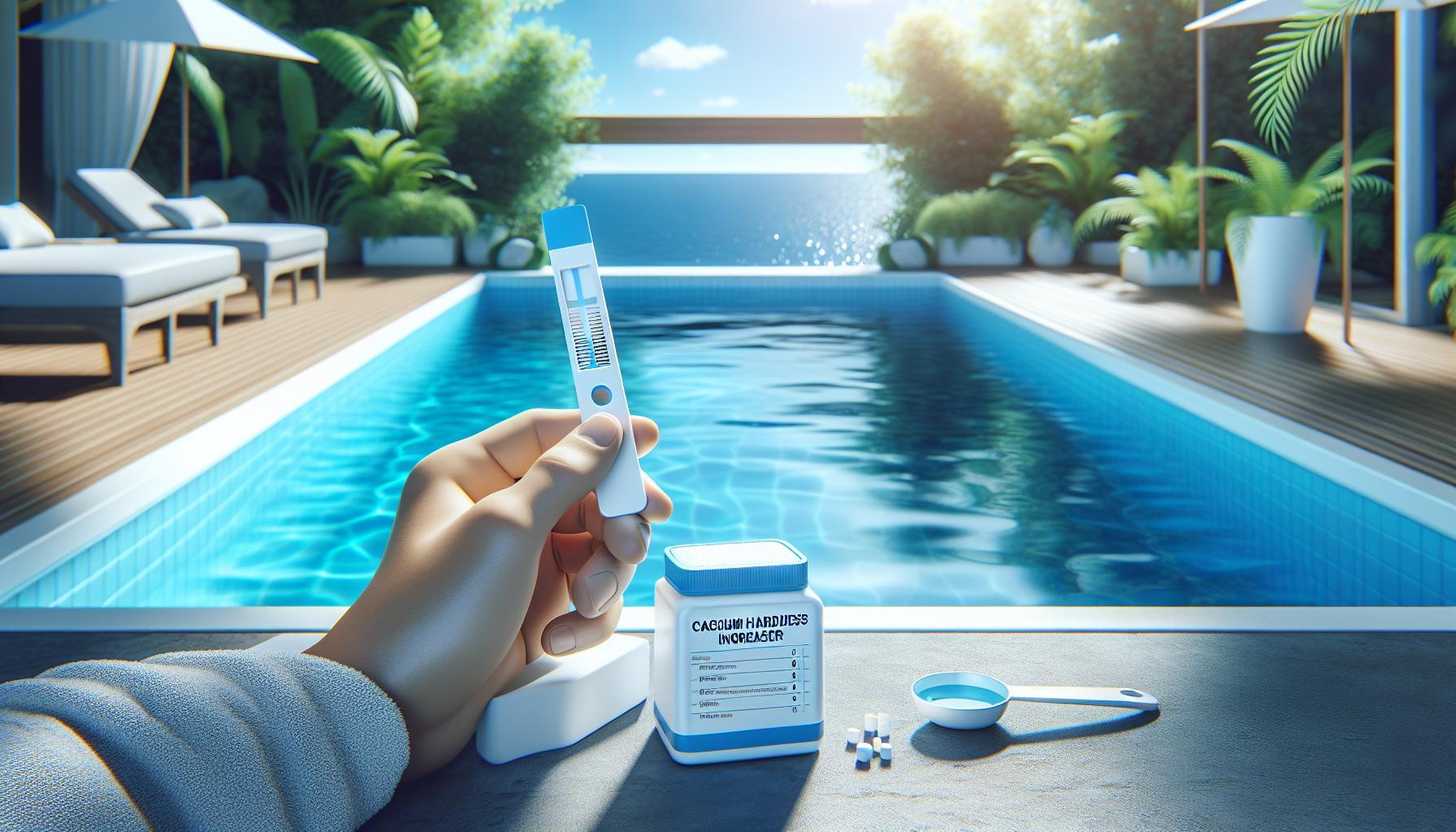
When testing for calcium hardness, ensure you use a reliable test kit, which may include reagents that react with the calcium in the water, giving you a clear reading. It is essential to aim for calcium hardness levels generally between 200-400 ppm (parts per million) for most pool types, but checking specific recommendations for your pool material can provide more tailored benchmarks. If you find that hardness is too low, it can lead to problems like corrosion of metal fixtures, while high levels can cause scaling and cloudiness in the water.
- Step 1: Use a pool water test kit to check calcium hardness levels. Follow the manufacturer’s instructions carefully for accurate results.
- Step 2: If levels are out of the ideal range, consider adjusting your chemical balance. For low levels, use calcium chloride, while for high levels, diluting with fresh water or using a reverse osmosis service can help.
- Step 3: Record your results and any adjustments made in a pool maintenance log. This will help you identify trends over time and make better-informed decisions.
In addition to regular testing, it’s essential to be mindful of factors affecting calcium hardness. Changes in temperature, rainfall, and even bather load can influence your calcium levels. For instance, a sudden influx of rainwater may lower your calcium hardness, requiring you to readjust soon after. Regular monitoring not only aids in maintaining a balanced pool but also enhances your swimming experience by keeping the water clear and comfortable. Adopting these strategies will empower you to tackle calcium hardness issues confidently, ensuring a safe and enjoyable environment for all who use your pool.
Impact of Water Temperature on Calcium Hardness
Water temperature plays a significant role in the management of calcium hardness within pools. As temperatures rise, the solubility of calcium increases, which can lead to higher calcium levels dissolving into the water. Conversely, when the water cools, the ability of water to hold calcium diminishes, often resulting in calcium precipitating out of solution and forming scale or cloudy water. Understanding this dynamic can help pool owners anticipate changes in water chemistry and act accordingly to maintain optimal calcium levels.
When swimming pools experience high temperatures, particularly during the summer months or in hot climates, the demand for regular testing becomes critical. Elevated water temperatures can accelerate the depletion of calcium as it reacts with other pool chemicals or organic materials. Therefore, it’s advisable to increase the frequency of water testing during these hotter periods. Keeping your calcium hardness within the ideal range of 200-400 ppm is essential for preventing both scaling on surfaces and corrosion of metal fixtures.
To manage the effectively, consider the following strategies:
- Regular Testing: Monitor calcium levels more frequently as temperatures rise. A weekly test is recommended in hot weather.
- Adjust Chemical Additions: If calcium levels are consistently dropping, consider adding calcium chloride to raise hardness when temperatures are elevated.
- Preventative Maintenance: Clean the pool regularly to avoid organic debris that can consume calcium. This also includes ensuring your filtration system is functioning optimally.
- Monitor Water Replacement: During extremely hot conditions, evaporation may lead to water replacement, which can dilute calcium levels. When refilling, ensure the new water is calibrated for calcium content.
By staying proactive about these strategies, pool owners can mitigate the effects of temperature changes on calcium hardness, thereby protecting their pool surfaces and ensuring a safe, inviting swimming environment.
How to Protect Pool Surfaces from Calcium Damage
Calcium damage can significantly affect the appearance and longevity of your pool surfaces, making it essential to take proactive measures to protect them. High calcium levels can lead to the formation of scale deposits on pool walls and tiles, and these unsightly buildups not only detract from the pool’s visual appeal but can also cause damage over time. To safeguard your investment and maintain your pool in pristine condition, consider integrating the following practices into your routine maintenance plan.
- Regular Water Testing: Conduct frequent tests of your pool water, focusing on calcium hardness levels, alkalinity, and pH balance. It’s advisable to perform these tests at least once a week during peak swimming season or hot weather. Keeping calcium hardness within the ideal range (200-400 ppm) not only prevents scaling but helps maintain overall water chemistry.
- Use of Organic Pool Cleaners: Consider utilizing organic-based pool cleaning products that can help dissolve calcium deposits without harming your pool surfaces. These are often gentler and more environmentally friendly than harsh chemicals.
- Calcium Inhibitors: Adding calcium inhibitors to your pool water can help prevent calcium from precipitating out and forming scale. These chemicals are designed to bind with the calcium ions in the water, keeping them in solution and reducing the likelihood of scaling.
- Proper Circulation: Ensure that your pool’s circulation system is operating efficiently. A well-functioning pump and filter system will help keep water moving, which can prevent the settling of calcium deposits on surfaces. Regularly clean your filters to maintain optimal flow rates.
- Surface Maintenance: Periodically clean your pool tiles and surfaces using a soft brush and appropriate cleaning solutions to remove any early signs of scaling. Focus on corners and areas with poor water circulation, as these are common spots for buildup.
By implementing these strategies, you can effectively protect your pool surfaces from calcium damage. Addressing the challenge through regular maintenance and proactive chemical management not only enhances the longevity of your pool but also ensures a more enjoyable swimming experience. Remember, a beautiful and functional pool is within reach with the right practices!
Common Myths About Calcium Hardness Explained
Many pool owners hold misconceptions about calcium hardness, which can significantly affect both pool maintenance and the overall swimming experience. One common myth is that high calcium levels are always bad. In reality, calcium in moderate amounts is essential for maintaining pool water balance. Calcium hardness levels between 200 and 400 ppm are generally considered ideal for most pools, as they prevent aggression toward pool surfaces that can occur with low calcium levels.
Another prevalent myth suggests that the only way to increase calcium hardness is through expensive chemical products. However, there are affordable options available. For instance, calcium chloride is a widely used and inexpensive method to raise calcium levels effectively. When applying any pool chemicals, it’s vital to follow the manufacturer’s recommendations to avoid overshooting the needed levels, which can lead to scaling and cloudy water.
Additionally, some pool owners believe that they can ignore calcium hardness during colder months. While it’s true that warmer water typically promotes calcium scaling, neglecting calcium levels year-round can lead to imbalanced water chemistry. Regular testing, ideally at least once a week, helps catch any discrepancies early and allows for corrective action before issues arise.
Lastly, there’s a myth that adjusting calcium hardness is a one-time task. In fact, maintaining optimal calcium levels is an ongoing process that requires regular monitoring and adjustments due to factors like evaporation, rain, and chemical treatments. Implementing a consistent testing schedule and responding proactively can keep your pool water balanced and prevent potential damage to your surfaces from low or high calcium levels.
Troubleshooting Calcium Hardness Problems in Your Pool
If you’re noticing cloudiness in your pool water, stained surfaces, or even increased scaling on your tiles, you may be facing calcium hardness problems. Properly managing your pool’s calcium hardness is crucial not just for aesthetic reasons but also to protect your pool surfaces and ensure a pleasant swimming experience. Troubleshooting issues involving calcium hardness can be straightforward when you know the signs and steps to take.
To begin troubleshooting, regularly test your pool water using a reliable test kit. If your calcium hardness levels are above the ideal range of 200-400 ppm, consider the following solutions:
- Drain and Refill: This is one of the most effective methods to reduce calcium hardness quickly. Depending on your pool’s size, draining a portion of your pool (around 30-50%) and replacing it with fresh water can dilute the calcium concentration.
- Use a Calcium Reliever: Specialty products designed to lower calcium hardness can be added to your pool. However, these products should be used cautiously and according to the manufacturer’s instructions to avoid unintended imbalances.
Conversely, if you find that your calcium levels are too low (below 200 ppm), the following actions are recommended to increase calcium hardness:
- Add Calcium Chloride: This is a common and effective method to raise calcium levels in your pool. Dissolve the calcium chloride in a bucket of water before adding it to ensure it distributes evenly.
- Monitor pH Levels: Maintaining a balanced pH (between 7.2 – 7.8) alongside appropriate calcium levels is vital. If calcium is low, consider adjusting the pH as well, since low pH can lead to further calcium leaching from surfaces.
Implementing regular testing protocols is essential. Aim to test your pool water at least once a week, especially during peak swimming seasons or after heavy rain, which can alter chemical balances. A consistent schedule for monitoring calcium levels enables you to catch any discrepancies early and make adjustments before serious issues arise.
Lastly, always be aware of environmental factors that can influence calcium hardness, such as rainwater runoff or the use of calcium-heavy source water when refilling your pool. By being proactive and informed, you can effectively manage calcium hardness and protect your pool surfaces, ensuring a safe and enjoyable swimming environment.
Q&A
Q: What are the risks of low calcium hardness in my pool?
A: Low calcium hardness can lead to several issues, including corrosion of pool surfaces and equipment, as well as cloudy water. It’s essential to maintain optimal calcium levels to protect your pool’s integrity and ensure clear, safe water. Regular checks can help you catch low levels early.
Q: How often should I test my pool’s calcium hardness?
A: You should test your pool’s calcium hardness at least once a month. Frequent testing, especially after heavy use or rainfall, ensures that you maintain optimal levels, preventing potential damage to pool surfaces and equipment.
Q: What is the ideal range for calcium hardness in a swimming pool?
A: The ideal calcium hardness level for a swimming pool is typically between 200 to 400 parts per million (ppm). Keeping your levels within this range helps protect pool surfaces and equipment from corrosion and scaling.
Q: Can I use regular salt to increase calcium hardness?
A: No, regular salt should not be used to increase calcium hardness. Instead, use calcium chloride or similar products specifically designed for pool treatments. These will ensure safe and effective adjustments without introducing unwanted elements.
Q: How does water temperature affect calcium hardness levels?
A: Water temperature can influence calcium hardness levels because warmer water holds less calcium. As a result, warmer pools may experience increased scaling. It’s important to monitor both temperature and hardness to maintain balance.
Q: Are there natural ways to increase calcium hardness in my pool?
A: To naturally increase calcium hardness, consider using calcium-rich materials like crushed limestone or calcium carbonate. However, this method is often slower and less precise than using commercially available calcium increasers.
Q: How can I protect my pool surfaces from calcium scaling?
A: To protect your pool surfaces from calcium scaling, regularly maintain balanced water chemistry and monitor calcium levels. Flushing out excess calcium buildup and using a scale preventer can also help keep surfaces clean and clear.
Q: What common mistakes lead to high calcium hardness in pools?
A: Common mistakes include overusing calcium-based chemicals, topping off with hard water, and failing to maintain proper water balance. Paying attention to water source and chemical application can prevent unnecessary increases in calcium hardness.
Wrapping Up
Maintaining optimal calcium hardness levels is crucial for protecting your pool surfaces and ensuring a crystal-clear swimming experience. As we’ve discussed, keeping calcium hardness between 200-400 ppm not only prevents corrosion but also enhances water clarity and overall pool health. Don’t wait for problems to arise-take action now! Regularly test your water and make adjustments as needed to avoid issues down the road.
For more guidance, check out our detailed articles on how to lower calcium hardness or troubleshoot common pool challenges. Also, consider subscribing to our newsletter for expert tips directly to your inbox, ensuring your pool remains in peak condition year-round. Have questions or tips to share? Join the conversation in the comments below, and let’s keep the pool community thriving together. By taking these steps, you’re well on your way to enjoying a beautiful, well-maintained pool for seasons to come!