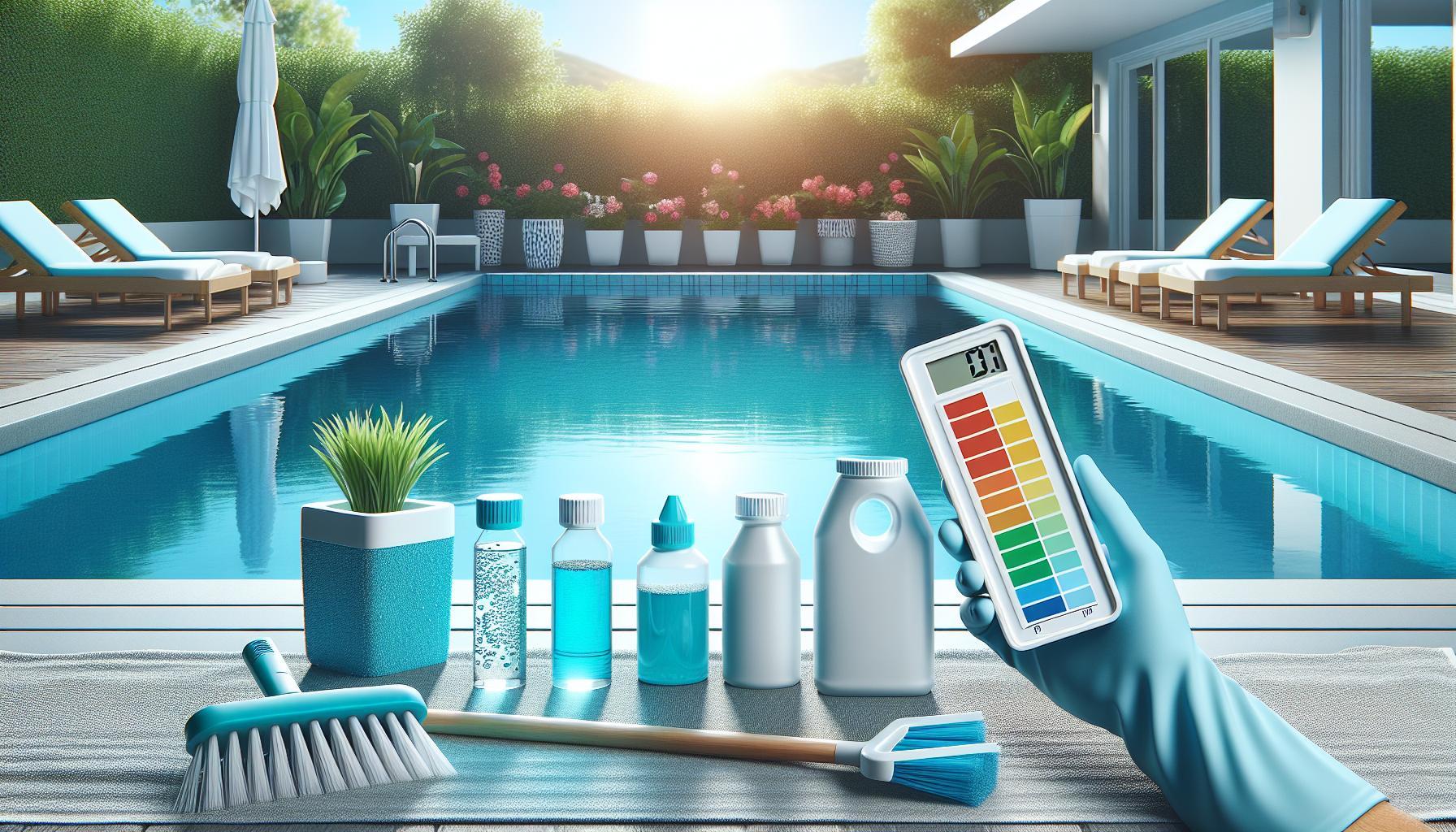
Did you know that phosphates in your pool can lead to rampant algae growth? This common problem not only makes your pool unsightly but can also raise maintenance costs and reduce water quality. Understanding how to manage phosphates effectively is crucial for any pool owner striving to enjoy a clean, inviting swimming environment.
Excess phosphates often originate from organic debris, swimmer waste, and even the products you use to maintain your pool. By learning how to reduce these levels, you can prevent algae before it has a chance to take hold, saving you time, effort, and money in the long run. This guide will empower you with practical strategies to combat phosphates, ensuring your pool remains crystal clear and inviting all season long. Get ready to dive into effective solutions!
Understanding Phosphates: The Root of Algae Growth
Phosphates are a key contributor to algae growth in swimming pools, often acting as a nutrient source that stimulates the proliferation of these unwanted organisms. Understanding how phosphates function can empower pool owners to take preemptive measures against algae blooms. When phosphate levels rise, your pool becomes a more inviting environment for algae, leading to unsightly green water and potential damage to your pool surfaces and equipment.
Phosphates can enter your pool from various sources, including rainwater, fertilizers from nearby lawns, and even organic materials like leaves and debris. Additionally, pool treatments and some chemicals can introduce phosphates as byproducts. Once present in your pool, these compounds can support algae growth, especially when combined with warm water and sunlight-conditions that create a perfect storm for algae formation.
To combat this issue, it’s crucial to regularly test phosphate levels. Use a phosphate test kit for accurate readings, and keep levels below 100 parts per billion. If your tests reveal high phosphate concentrations, don’t panic. Incorporating phosphate removers specifically formulated for pool use can help restore balance. Regular maintenance practices such as thorough skimming, vacuuming, and employing algaecides can also significantly reduce the likelihood of phosphates accumulating in your swimming environment.
Deploying these strategies not only helps maintain a clean and healthy pool but also contributes to a more enjoyable swimming experience. By understanding and addressing phosphates proactively, you can effectively thwart algae growth before it begins.
How Phosphates Enter Your Pool: Common Sources
Phosphates are insidious visitors in your pool, often entering unnoticed through various common sources. Understanding where these compounds come from is crucial for effective algae prevention. Rainwater can serve as a significant carrier, washing phosphates from the ground and surrounding areas into your pool. Additionally, fertilizers used on nearby lawns contain high levels of phosphates, and during rain or watering, these nutrients can leach into your pool. Organic materials like leaves, grass clippings, and dirt can also contribute phosphates, especially when debris accumulates.
Some pool treatments inadvertently add to phosphate levels as well. For instance, certain algaecides and clarifiers might contain phosphates as part of their composition. Regular pool routines, if not managed correctly, can exacerbate phosphate issues. For example, if you neglect skimming and vacuuming, decomposing organic matter adds unwanted nutrients to your water, setting the stage for algae outbreaks.
To mitigate these risks, it’s important to adopt a proactive approach. Start by regularly checking surrounding areas for potential phosphate sources and consider using phosphate-free fertilizers in your garden. During rainstorms, covering your pool can prevent excess rainwater from diluting your chemicals and introducing new phosphates. By understanding and managing these common sources, you can significantly reduce the likelihood of phosphates entering your pool and creating a conducive environment for algae growth.
The Impact of High Phosphate Levels on Pool Health
High phosphate levels in your pool can lead to significant health issues, primarily fueling algae growth that not only tarnishes your pool’s appearance but also affects its overall integrity. When phosphates accumulate, they create an environment ripe for algae to thrive. This can manifest as visible green or cloudy water, not to mention unpleasant odors and slippery surfaces that compromise safety. Algae not only necessitates expensive and time-consuming cleaning efforts, but it can also damage the pool’s surfaces and equipment, leading to costly repairs.
Understanding the biological implications of high phosphate levels can help pool owners identify the urgency of the situation. Phosphates serve as a nutrient source for algae, which can reproduce rapidly, creating blooms that can quickly overtake pool water. A single pound of phosphates can lead to tens of thousands of algae cells in just a few days. This rapid growth not only leads to unsightly water but can also stress the filtration system, reducing its effectiveness and increasing the risk of clogs or malfunctions.
To combat this issue effectively, regular testing of phosphate levels is essential. Utilizing a phosphate testing kit allows you to proactively monitor water quality so you can take necessary actions before the algae bloom becomes unmanageable. It’s advisable to maintain phosphate levels below 500 parts per billion (ppb) to keep your pool healthy. If testing reveals elevated phosphate levels, immediate action is necessary.
Implementing regular maintenance strategies is key to phosphate control. Regularly skimming and vacuuming, healthy circulation, and proper chemical balance can greatly support your pool’s health. Moreover, investing in phosphate removers can significantly aid in reducing these nutrient levels, offering a practical solution to maintain clean and safe water. With consistent care and monitoring, you can successfully manage phosphate levels and prevent algae from becoming a frequent foe in your pool maintenance routine.
Testing Your Pool for Phosphates: Step-by-Step Guide
Keeping a close eye on phosphate levels in your pool is crucial to prevent algae outbreaks and ensure the cleanliness of your water. Testing for phosphates can seem daunting, but it’s a straightforward process that empowers you to maintain a healthy swimming environment. Here’s a simple step-by-step guide for assessing phosphate levels in your pool.
Gather Your Supplies
Before you start testing, make sure you have the necessary tools at hand. You will need:
- A phosphate testing kit (available at pool supply stores or online)
- A clean container for sample collection
- A timer or stopwatch
- Pipette or dropper (if your kit doesn’t include one)
Collect a Sample
To get accurate readings, it’s important to take a proper sample from your pool:
- Choose the Right Spot: Use water from the deep end or areas where water flows to collect a representative sample, avoiding surface debris.
- Fill Your Container: Use the clean container to fill with pool water-aim for at least a cup to ensure ample testing material.
- Avoid Contamination: Don’t touch the inside of the container and ensure your hands are clean to avoid introducing outside contaminants.
Conduct the Test
With your sample ready, follow the instructions provided with your phosphate testing kit. Most kits will require you to:
- Add Reagents: Use the included reagents as directed, usually involving adding a powder or liquid to your water sample.
- Mix Well: Ensure the sample mixes thoroughly, which may mean shaking or stirring based on your kit’s specifications.
- Wait for Color Change: Allow the sample to sit for the recommended time. You’ll notice a color change indicating the phosphate concentration.
Read the Results
Compare the color of your sample against the color chart included with your kit. The chart will help you determine the phosphate level:
- Below 500 ppb: Generally acceptable for pool water.
- Above 500 ppb: Indicates a need for correction to prevent algae growth.
If your levels are elevated, take immediate steps to reduce them, such as using phosphate removers or adjusting your pool maintenance practices to minimize future accumulation.
Regular testing not only helps keep algae at bay but also ensures a sparkling, healthy pool. By mastering this essential maintenance step, you can enjoy clean water and peace of mind during every swim.
Effective Methods to Remove Phosphates from Your Pool
Phosphates can quickly accumulate in your pool and create an inviting environment for algae, but removing them effectively is essential for maintaining water quality. Fortunately, several practical methods can help you lower phosphate levels and keep your pool clean and clear.
One of the most efficient methods is using phosphate removers, which are specifically designed to bind with phosphate ions, rendering them harmless and facilitating their removal from the water. These products typically come in liquid or granular form and should be applied according to the manufacturer’s instructions based on your pool’s volume and existing phosphate levels. After application, allow the pool’s filtration system to run for several hours to ensure effective circulation and filtration of the treated water, helping to eliminate the bound phosphates.
In addition to chemical treatments, regular maintenance practices can significantly aid in phosphate control. Skimming the pool often to remove organic debris, vacuuming regularly, and ensuring your pool’s filter system is functioning optimally are crucial steps. Organic matter, such as leaves and grass, can introduce phosphates into your pool. Therefore, maintaining the area surrounding your pool and minimizing runoff during rainfall can further reduce contaminants. Additionally, consider using phosphate-absorbing filter media in your pool filter, which can help capture phosphates as the water passes through.
Routine Water Testing
Implementing a routine water testing regimen will help you stay ahead of phosphate issues. Testing for phosphates at least bi-weekly allows you to track their levels and respond promptly if they start to rise. This proactive approach, combined with your phosphate removal methods, ensures you maintain clean, clear, and algae-free water.
By understanding and applying these effective techniques, you’ll be equipped to tackle phosphate levels, ensuring a safe and enjoyable swimming environment for you and your family. Consulting with your pool supply specialist can also provide tailored advice regarding the best phosphate removal methods for your specific pool type and condition.
Choosing the Right Phosphate Remover: A Comprehensive Overview
When it comes to managing phosphate levels in your pool, the market offers a variety of phosphate removers, but not all are created equal. Choosing the right product is crucial for effectively lowering phosphate concentrations and preventing algae growth. With the right approach, you can maintain sparkling clear water and a healthy swimming environment.
Phosphate removers typically fall into two categories: reactive and non-reactive. Reactive phosphate removers actively bind to phosphate ions, forming a compound that can be filtered out of the water. These are preferred for quick fixes when phosphate levels are excessively high. On the other hand, non-reactive removers work by preventing phosphates from being utilized by algae, reducing their growth without directly removing the phosphates from the pool. This proactive approach can be particularly useful if you regularly test and address low phosphate levels before they escalate.
When selecting a phosphate remover, consider the following factors:
- Pool Volume: Always check the product’s recommended dosage based on your pool’s size. Over-application can lead to unnecessary chemical use, while under-application may not yield results.
- Type of Pool: Some products are formulated specifically for fiberglass or vinyl pools, while others may be better suited for concrete pools. Ensure compatibility to avoid damaging your pool.
- Ease of Application: Liquid phosphate removers tend to mix well into the water and can be easier to apply than granular forms, especially for quick treatments.
- Effectiveness: Look for removers that have been tested and proven to quickly reduce phosphate levels without impacting other water chemistry factors.
Once you select a suitable phosphate remover, follow the manufacturer’s instructions for application carefully. Typically, you’ll add the remover to the pool at dusk, allowing for optimal interaction before the sun breaks down the product. After treating the water, run your filtration system continuously for several hours to ensure any bound phosphates are effectively removed.
Regular maintenance and testing remain essential to managing phosphate levels. Combining the use of phosphate removers with routine filter cleaning and water testing creates a comprehensive strategy to keep your pool algae-free. Empower yourself with the right knowledge and tools, and you’ll be able to enjoy a pristine swimming environment all season long.
Preventative Measures to Keep Phosphates at Bay
To maintain a phosphate-free pool, proactive strategies are essential. Phosphates, often stemming from organic matter like leaves and grass or human activities such as swimming or adding water from a garden hose, can quickly accumulate and provide a nutrient-rich environment for algae. Taking the right steps can help you significantly reduce phosphate levels before they cause any problems.
Regular Pool Maintenance
One of the most effective preventative measures is to stick to a consistent maintenance schedule. Clean your pool weekly, ensuring you remove debris that can break down and release phosphates into the water. Use a skimmer to collect leaves and twigs, and regularly vacuum the bottom. Additionally, maintain your filter and consider backwashing it when necessary to eliminate trapped materials.
Water Source and Chemical Usage
Be cautious about the water source you’re using to fill your pool. Tap water may contain phosphates, so consider using a phosphate-free product to treat your water or test the tap water before filling. Moreover, be mindful of the chemicals you add. Some pool additives and algaecides can introduce phosphates, so always select products that are phosphate-free.
Landscaping Around the Pool
Your landscaping choices can also impact phosphate levels. Opt for native plants that require less fertilizer and encourage minimal runoff into the pool area. Installing a buffer strip of plants or grass around the pool can help absorb excess nutrients before they reach the water. If landscaping maintenance includes fertilizers, choose slow-release options or those formulated to minimize runoff.
Regular Testing
Implementing a regular testing regime is crucial to track phosphate levels. Use a reliable testing kit to check phosphate concentrations at least once a month, and more frequently during peak swimming season. Understanding your baseline allows you to respond quickly if levels start to rise.
Routine Use of Phosphate Removers
While you should strive for prevention, consider incorporating phosphate removers into your routine maintenance. Use them semi-regularly, especially after heavy rain or if you’ve noticed increased organic debris in your pool. This blended approach of prevention and treatment will keep your pool healthy and algae-free, ensuring you can enjoy your swimming space without worry.
Balancing Your Pool Chemistry: Key Steps for Success
Balancing your pool chemistry is essential to prevent phosphate build-up, which often leads to unsightly algae growth. Maintaining the right levels not only keeps your pool inviting but also protects the surfaces and equipment from potential damage caused by imbalanced water. Understanding and managing the chemical balance forms a strong foundation for a safe swimming environment.
To begin, regularly monitor your pool’s pH, alkalinity, and sanitizer levels. The ideal pH for pool water should be between 7.4 and 7.6, as this range optimizes chlorine effectiveness while being gentle on swimmers’ skin and eyes. Use a reliable water testing kit or strips to frequently check these parameters, aiming for inspections at least every two weeks or more often during peak usage periods. Following pH balancing, ensure your total alkalinity is within 80-120 ppm; this will stabilize pH levels. If your alkalinity is too high or too low, adjust it using sodium bicarbonate or muriatic acid as needed.
Another crucial element is ensuring you maintain appropriate levels of chlorine or other sanitizers. Chlorine levels should ideally be between 1 and 3 ppm for effective algae prevention. If you notice rising phosphate levels, consider temporarily increasing the chlorine dosage, but monitor carefully to avoid any adverse effects on water clarity and swimmer comfort.
Regularly adding algaecide can also act as an effective barrier against algae growth. Choose a product that suits your pool type, and follow the manufacturer’s instructions closely regarding dosage and timing. Scheduled shock treatments can further assist in controlling high phosphate levels by breaking down organic matter that could otherwise contribute to algae blooms. It’s recommended to perform these shock treatments weekly during warmer months or after significant rainfall, which often washes additional phosphates into the pool.
To sum it up, the key to preventing phosphates lies in the routine monitoring and adjustment of your pool’s chemical balance. By keeping a close eye on pH, alkalinity, sanitizer levels, and using supportive products, you can effectively manage phosphate levels and ensure your pool remains a pristine oasis throughout the swimming season.
Maintaining Clean Water: Routine Treatments and Tips
Maintaining a clean pool is essential not just for aesthetics but for the health of both your pool and its users. Algae thrives in environments where phosphates are abundant, making it crucial to implement routine treatments and maintenance strategies that prevent phosphate accumulation and keep your water crystal clear. A proactive approach ensures that you can enjoy a serene swimming experience free of unsightly growth.
Start by incorporating regular water testing into your maintenance routine. Use a reliable testing kit to measure phosphate levels along with pH and chlorine. Aim for weekly tests during peak swimming seasons and bi-weekly during cooler months. High phosphate levels can be an indicator of potential algae problems, so if you find levels exceeding 100 ppb, take immediate action.
Routine Maintenance Tips:
- Skim Regularly: Remove debris such as leaves and insects, as these can contribute to organic matter in your pool, ultimately raising phosphate levels.
- Brush Walls and Steps: Weekly brushing helps prevent algae from taking hold and keeps surfaces clean, reducing potential phosphate sources.
- Circulate Water: Run your pump adequately to ensure proper circulation; aim for at least 8-12 hours a day, especially in heat, which promotes algae growth.
- Use Algaecide: Integrate a quality algaecide into your weekly maintenance schedule. Select one that targets both algae and phosphates.
Incorporate shock treatments into your regimen, especially after heavy rainfall or high pool usage, as both can introduce additional phosphates. Shocking your pool raises chlorine levels temporarily, effectively breaking down organic materials and reducing nutrient loads that algae feed on. You might also consider using phosphate removers, which are specifically formulated to reduce levels in your pool water.
Lastly, consider your landscaping and the area surrounding your pool. Ensure that plants and lawns are not shedding debris or fertilizers directly into your pool, as these can introduce additional phosphates. Creating a barrier with proper landscaping can help minimize these risks.
By following these maintenance strategies, you can effectively keep your pool water clean and combat phosphate levels that lead to algae growth. Regular checks, combined with actionable treatments, allow for a beautiful, inviting swimming environment that prioritizes the enjoyment and safety of all who use it.
Algae Prevention Techniques: Creating a Healthy Pool Environment
One of the most effective strategies for maintaining a healthy pool environment is to focus on preventing algae before it has a chance to take hold. Algae thrive in pools rich in phosphates, which serve as a nutrient source for these unwanted organisms. By implementing a combination of proactive measures, you can significantly reduce the risk of algae growth and enjoy a clean, inviting swimming pool year-round.
To start, maintaining proper water balance is crucial. Regularly check and adjust key parameters such as pH, alkalinity, and chlorine levels. Aim for a pH level between 7.4 and 7.6, which not only maximizes the effectiveness of chlorine but also provides a less hospitable environment for algae. Use a reliable testing kit weekly during peak swimming season and bi-weekly during cooler months to catch any fluctuations early.
Routine Maintenance Practices
Integrating routine maintenance practices into your schedule can also make a significant difference. Here are some actionable steps:
- Skim and Vacuum: Regularly skim the surface of your pool to remove leaves, insects, and other debris. Vacuuming the bottom weekly prevents organic materials from decomposing and releasing nutrients into the water.
- Brush Surfaces: Brush the walls and floor of your pool at least once a week to dislodge any algae spores or biofilm before they grow. Pay particular attention to corners and steps, as these areas are common trouble spots.
- Maintain Circulation: Ensure your pool pump runs effectively for about 8-12 hours daily to keep water circulating and minimize stagnation, a condition that promotes algae growth.
In addition to regular cleaning, consider using algaecides and phosphate removers as part of your maintenance routine. Choosing a high-quality algaecide can help inhibit algae growth, while phosphate removers specifically target the excess phosphates that fuel algae. Introducing these products can be invaluable, especially after heavy rain or significant pool usage when phosphate levels may rise.
Finally, be mindful of the landscaping around your pool. Fertilizer runoff, lawn debris, or plant material can introduce phosphates into your pool. Installing barriers, like mulch beds or decorative rocks, can protect your pool from external contaminants while maintaining an appealing aesthetic. By focusing on these algae prevention techniques, you’ll create a healthier pool environment that not only deters algae but also enhances your swimming experience.
Troubleshooting Phosphate Issues: Common Problems and Solutions
Phosphates can be a significant challenge for pool owners, often leading to unwanted algae growth if not properly managed. Understanding common phosphate issues and their solutions is essential for maintaining a clean, healthy pool. One of the most prevalent problems arises from environmental factors such as runoff from nearby grass fertilization, which can introduce high levels of phosphates into your pool water. Additionally, regular pool usage, particularly after heavy rain, can elevate phosphate levels due to debris and organic matter entering the pool.
To troubleshoot high phosphate levels, start with a water test using a phosphate test kit, which provides immediate feedback on your pool’s phosphate concentration. If levels are elevated, consider the following solutions:
- Introduce a Phosphate Remover: Choose a phosphate remover that specifically targets the excess phosphates in your pool. These products can quickly reduce phosphate levels and help deter algae growth.
- Increase Filtration Time: Running your pool filter for extended hours can help remove phosphates mechanically. Ensure your filter system is functioning optimally and backwash or clean the filter as needed.
- Regular Maintenance Routines: Implement a routine that includes skimming, vacuuming, and brushing. This daily or weekly maintenance will prevent organic debris from breaking down and releasing phosphates into the water.
Don’t forget to address potential phosphate sources outside your pool. If you use fertilizers in your garden or lawn, opt for phosphate-free products or ensure that landscaping features divert runoff away from the pool.
Finally, consider establishing a maintenance routine with periodic phosphate testing even if algae outbreaks are not currently visible. This proactive approach will help you stay ahead of any phosphate-related issues, creating a more enjoyable swimming experience and reducing your pool maintenance burden in the long run. Regular maintenance is your ally in preventing algae; integrating these strategies into your pool care arsenal can lead to lasting success.
The Benefits of Regular Pool Maintenance for Phosphate Control
Maintaining your pool is not just about aesthetics; it’s a critical factor in controlling phosphate levels and preventing algae growth. Regular maintenance acts as the first line of defense against elevated phosphates, which can stem from both natural debris and the day-to-day activities around your pool. By dedicating time to upkeep, you can significantly reduce the likelihood of a full-blown algae outbreak, ensuring a cleaner, safer swimming environment for you and your family.
One of the most crucial aspects of regular maintenance is the routine testing of water chemistry, particularly phosphate levels. A simple water testing kit can quickly identify phosphate concentrations, allowing you to take corrective actions before the situation escalates. Implementing a schedule for testing-perhaps weekly during peak swimming months-can keep you informed and prepared. If you notice rising phosphate levels, you can promptly use phosphate removers or adjust your filtration system to combat the issue effectively.
In addition to testing, consistent cleaning routines directly contribute to phosphate control. Regularly skimming debris from the surface, vacuuming the pool floor, and brushing walls prevent organic materials that decompose and release phosphates into the water. Combine this cleaning regimen with ensuring that your filtration system runs efficiently, and you’ll create an environment less conducive to algae growth. Operating your filter for longer periods or adjusting the cycle can significantly enhance phosphate removal, giving you peace of mind.
Lastly, remember that the battle against phosphates extends beyond the pool’s edge. Be mindful of landscaping choices, opting for phosphate-free fertilizers, and positioning them away from potential runoff areas. By integrating these proactive strategies into your pool care routine, you not only ensure sparkling clear water but also foster a longer-lasting and healthier pool environment. Regular maintenance doesn’t just prevent problems; it transforms your pool into a serene retreat rather than a source of stress.
FAQ
Q: How do phosphates contribute to algae growth in my pool?
A: Phosphates act as a nutrient source for algae, promoting rapid growth when present in high levels in your pool water. They can accumulate from various sources like fertilizers, organic debris, and bodily fluids, leading to cloudy water and unsightly algae blooms if not managed properly.
Q: What are the signs of high phosphate levels in my pool?
A: Signs of high phosphate levels include cloudy water, persistent algae growth, and poor water clarity. Testing your pool water regularly for phosphates can help detect these issues early and allow you to take corrective measures before algae thrive.
Q: When should I test my pool for phosphates?
A: You should test your pool for phosphates before opening for the season, after heavy rainfall, or after adding new water. Regular testing every month is also recommended to maintain a clear, algae-free pool and ensure proper chemical balance.
Q: What are effective ways to prevent phosphates from entering my pool?
A: To prevent phosphates, avoid using phosphate-rich fertilizers near your pool, regularly clean debris and leaves, and ensure your pool cover is adequately sealed during off-seasons. Implementing good maintenance practices can significantly reduce phosphate introduction.
Q: Can I remove phosphates from my pool without chemicals?
A: Yes, phosphates can be reduced using physical methods like vacuuming the pool to waste and ensuring good filtration. Additionally, incorporating natural enzymes can help break down organic materials that contribute to phosphate buildup.
Q: How often should I apply phosphate remover to maintain my pool?
A: The frequency of phosphate remover application depends on your pool’s phosphate levels. For heavily used pools or after heavy rain, applying a phosphate remover every few weeks might be necessary. Regular testing will guide your schedule for optimal results.
Q: What is the best method to balance my pool after removing phosphates?
A: After removing phosphates, balance your pool by adjusting pH, alkalinity, and chlorine levels. Consider retesting after chemical treatments to ensure water quality. Regular maintenance and testing help keep these levels stable to prevent future phosphate problems.
Q: Are there any long-term solutions for managing phosphates in my pool?
A: Long-term solutions include regular water testing, using phosphate-removing filters, and maintaining proper sanitation methods, such as UV systems, which minimize algae growth. Regular cleaning and smart landscaping around the pool will also help control phosphate sources effectively.
Concluding Remarks
Ready to take control of your pool maintenance? By effectively managing phosphates, you’ll not only prevent algae growth but also ensure crystal-clear water all season long. Don’t wait-apply the strategies shared in “How to Get Rid of Phosphates in Pool: Stop Algae Before It Starts” today, and watch your pool transform into a safe and inviting oasis.
Looking for more tips on pool care? Dive into our helpful guides on testing water chemistry and maintaining a balanced pool environment. Make sure to explore our articles on preventing common pool problems so you can stay ahead in your maintenance routine.
Join our community by signing up for our newsletter to receive expert advice directly to your inbox! Your pristine pool is just a click away-take action now and share your success stories with fellow pool enthusiasts!