


Adding salt to your pool is a simple yet transformative step toward achieving crystal-clear water that feels softer and more refreshing. Did you know that saltwater pools, while often perceived as low-maintenance, require careful attention to ensure optimal water quality? Many pool owners want to enjoy the benefits of a saltwater system but may feel unsure about the process.
Understanding how to properly add salt to your pool not only enhances the clarity and hygiene of your water but also creates a more enjoyable swimming experience for you and your family. By following the right techniques, you can easily overcome common challenges associated with water balance and clarity.
In this guide, you’ll discover effective step-by-step instructions for adding salt to your pool, alongside crucial tips for maintaining balanced water chemistry. Get ready to dive into a cleaner, more inviting pool that brings summer joy to your backyard!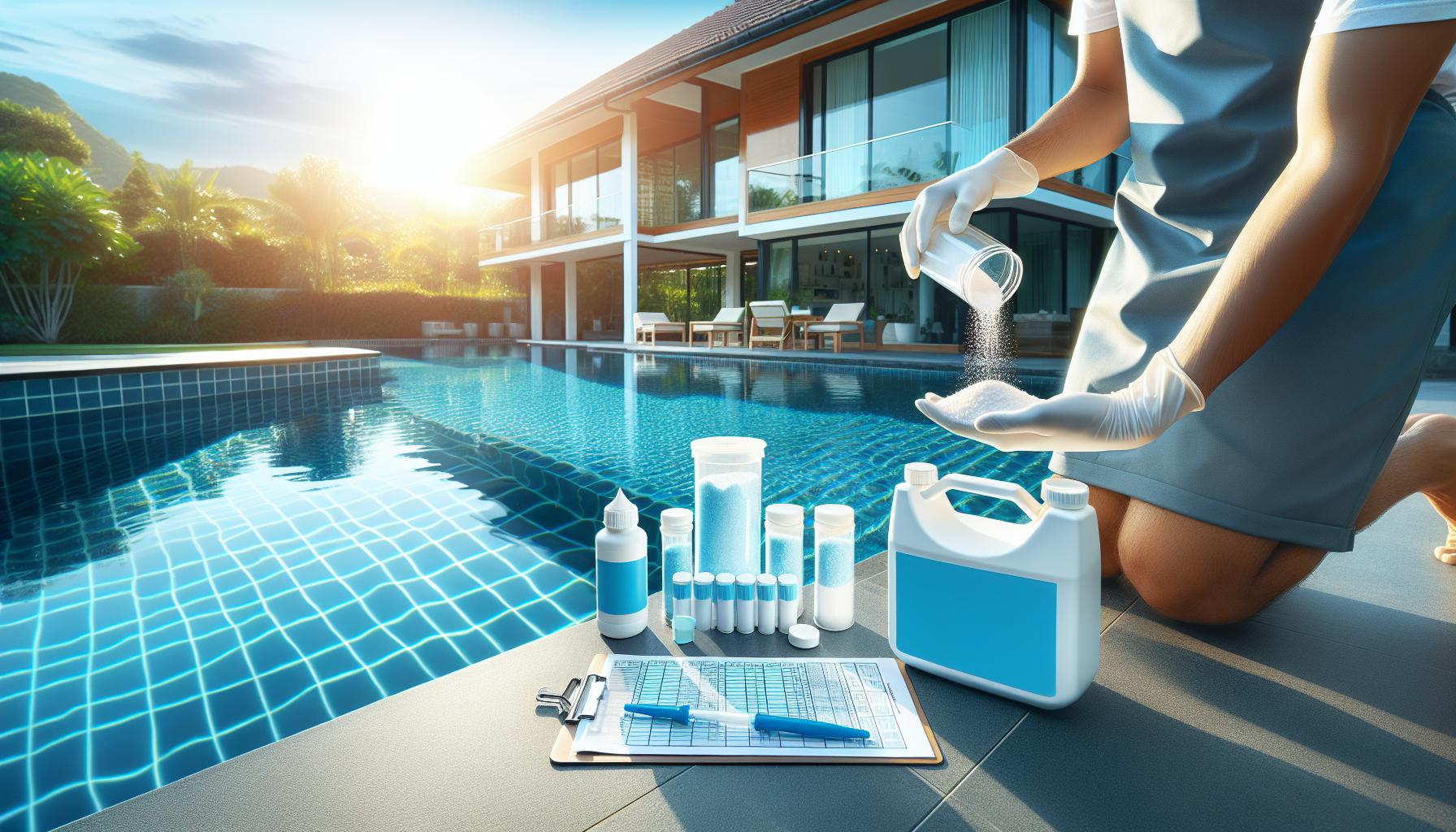
Choosing the Right Salt for Your Pool System
Choosing the right salt for your pool is crucial to maintaining a healthy, clear swimming environment. Not all salts are created equal, and using the wrong type can lead to problems down the line. When selecting salt for your saltwater pool system, prioritize high-purity salt that is specifically designed for pool use. This ensures fewer impurities-such as calcium, which can cause scale buildup-and enhances the efficiency of your chlorinator.
The most common type of salt used is solar salt, which is made from evaporated seawater and generally contains a purer form of sodium chloride. Look for brands that offer pool-specific salts, as these often include additives to help prevent corrosion and improve solubility. Avoid using regular table salt or rock salt, as they can contain anti-caking agents and other chemicals that may harm your pool system or affect water quality.
When purchasing salt, be mindful of the grain size. Coarse salt crystals tend to dissolve more slowly, which can affect the salinity levels in your pool immediately after adding. Conversely, finer salts dissolve quickly and can help achieve optimal salinity levels faster. It’s important to refer to your pool manufacturer’s recommendations regarding the appropriate salt type and grain size for your specific system.
To ensure the longevity and effectiveness of your pool’s salt systems, always check the salt’s purity level, ideally looking for a salt with at least 99% sodium chloride. Regularly monitor and test your salt levels using a reliable test kit, especially after a major rain or water addition event that could dilute your salinity. By choosing the right salt and staying proactive with your maintenance, you’ll help maintain crystal clear water while ensuring the health of your pool’s equipment.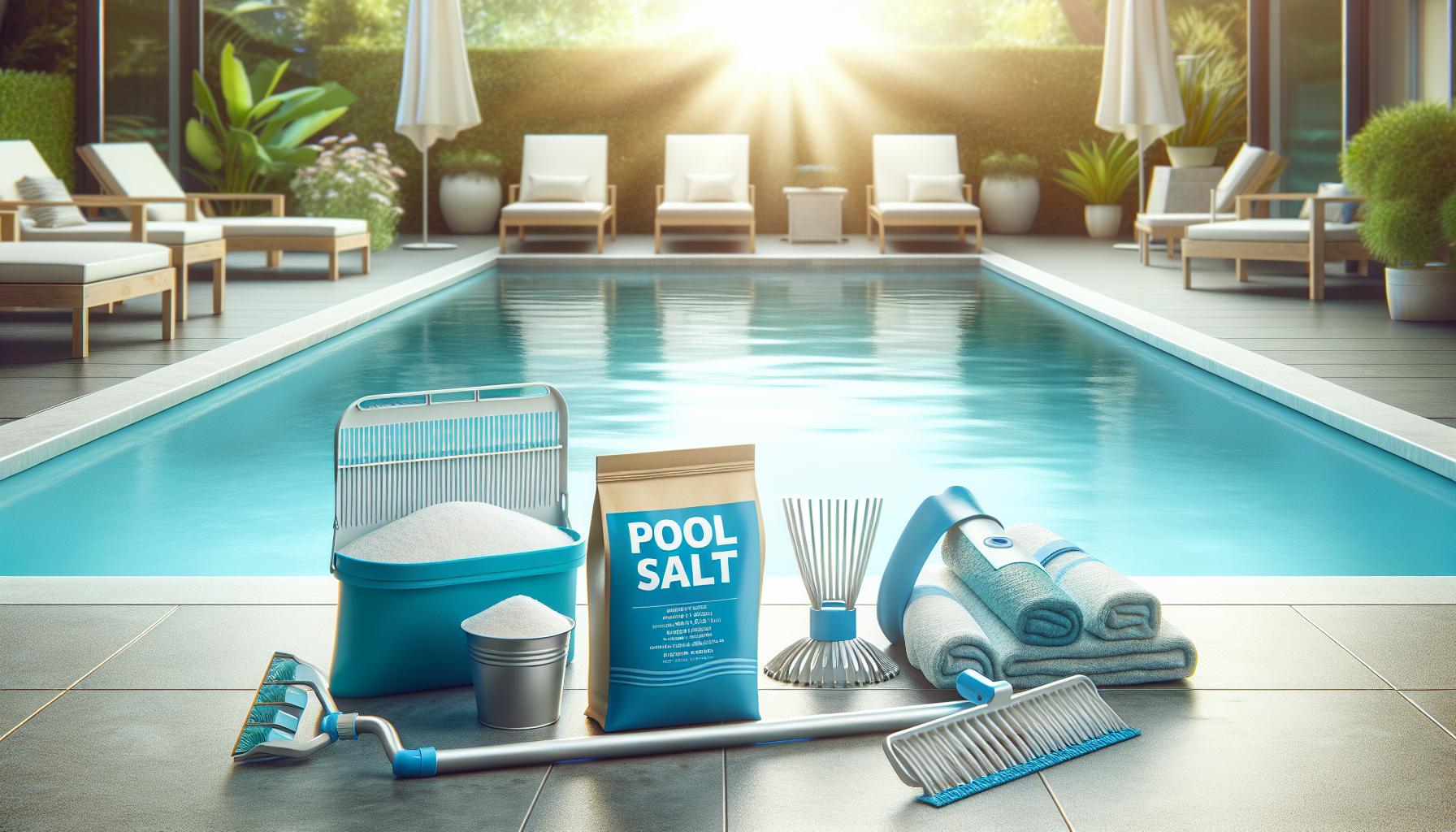
Understanding the Benefits of Saltwater Pools
Swimming in a saltwater pool offers numerous advantages that can enhance your overall swimming experience while simplifying maintenance. Saltwater pools, which use a salt chlorine generator, convert salt into chlorine through electrolysis, ensuring a consistent level of sanitized water without the harshness often associated with traditional chlorine pools. Many swimmers praise the softer water quality that feels gentler on their skin and eyes, making it an excellent choice for those with sensitivities or skin conditions.
One of the less noticeable but remarkable benefits is the therapeutic nature of saltwater. Salt has long been recognized for its ability to cleanse and moisturize the skin, providing relief and helping manage conditions like eczema and psoriasis. This natural property makes swimming in saltwater not only refreshing but also beneficial for skin health. Furthermore, because these pools typically maintain lower chlorine levels than traditional pools, you reduce the risk of irritants that can cause stinging eyes or dry skin.
Saltwater pools can also lead to financial savings in the long run. Although the initial investment in a salt chlorine generator can be higher compared to traditional pool systems, the reduced need for chlorine chemicals and lower overall maintenance costs can make saltwater pools more economical over time. Moreover, the consistent production of chlorine through electrolysis means you’ll spend less time handling chemicals and more time enjoying your pool.
Additionally, saltwater pools are better for the environment, as they require fewer chemical additives and less water replacement, contributing to a cleaner swimming experience. In essence, transitioning to a saltwater pool system can not only cater to immediate enjoyment and convenience but also promote sustainable practices and skin health long-term. By understanding and leveraging these benefits, you can make informed decisions that enhance your pool’s usability and ensure crystal clear water year-round.
Step-by-Step Guide to Adding Salt to Your Pool
Adding salt to your pool is a crucial step in maintaining the right chemical balance, ensuring crystal clear water that enhances your swimming experience. Understanding the precise method for adding salt can prevent common pitfalls and help you maximize the efficiency of your saltwater system. Here’s how to do it effectively.
Start by measuring the current salinity level of your pool water using a reliable salt test kit. This will help you determine how much salt you need to add to reach the optimal concentration, typically between 2,500 and 4,000 ppm, depending on your salt system’s requirements.
Step 1: Choose the Right Salt
Use only high-quality salt specifically designed for swimming pools, such as solar salt, evaporated salt, or mineral salt. Avoid rock salt or table salt, as they may contain impurities that can harm your pool’s equipment and water balance.
Step 2: Calculate the Required Amount of Salt
Once you know the current salt level, consult your pool’s manufacturer guidelines to find the exact amount needed to achieve the desired level. Generally, it takes about 40 pounds of salt to raise the salinity of 10,000 gallons of water by approximately 1,000 ppm.
Step 3: Add the Salt
To distribute the salt evenly:
- With the pump running, slowly pour the recommended amount of salt directly into the deep end of the pool.
- Avoid adding all the salt in one spot; instead, spread it out to enhance dissolution.
If your pool has a skimmer, consider adding the salt through it, allowing the water circulation to help dissolve the salt effectively.
Step 4: Monitor the Water
After adding the salt, allow the pump to run continuously for at least 24 hours to facilitate proper mixing. Keep an eye on the salt levels with your test kit; it’s essential that the salinity stabilizes within the recommended range.
Step 5: Adjust Water Chemistry
Once the salt has fully dissolved and the levels are ideal, check and balance other water chemistry parameters, such as pH, alkalinity, and calcium hardness, to ensure a healthy swimming environment.
By following these clear steps, you can confidently add salt to your pool, ensuring it remains a clean, inviting space. Regular maintenance and precise adjustments will lead to a sparkling pool that’s ready for enjoyment.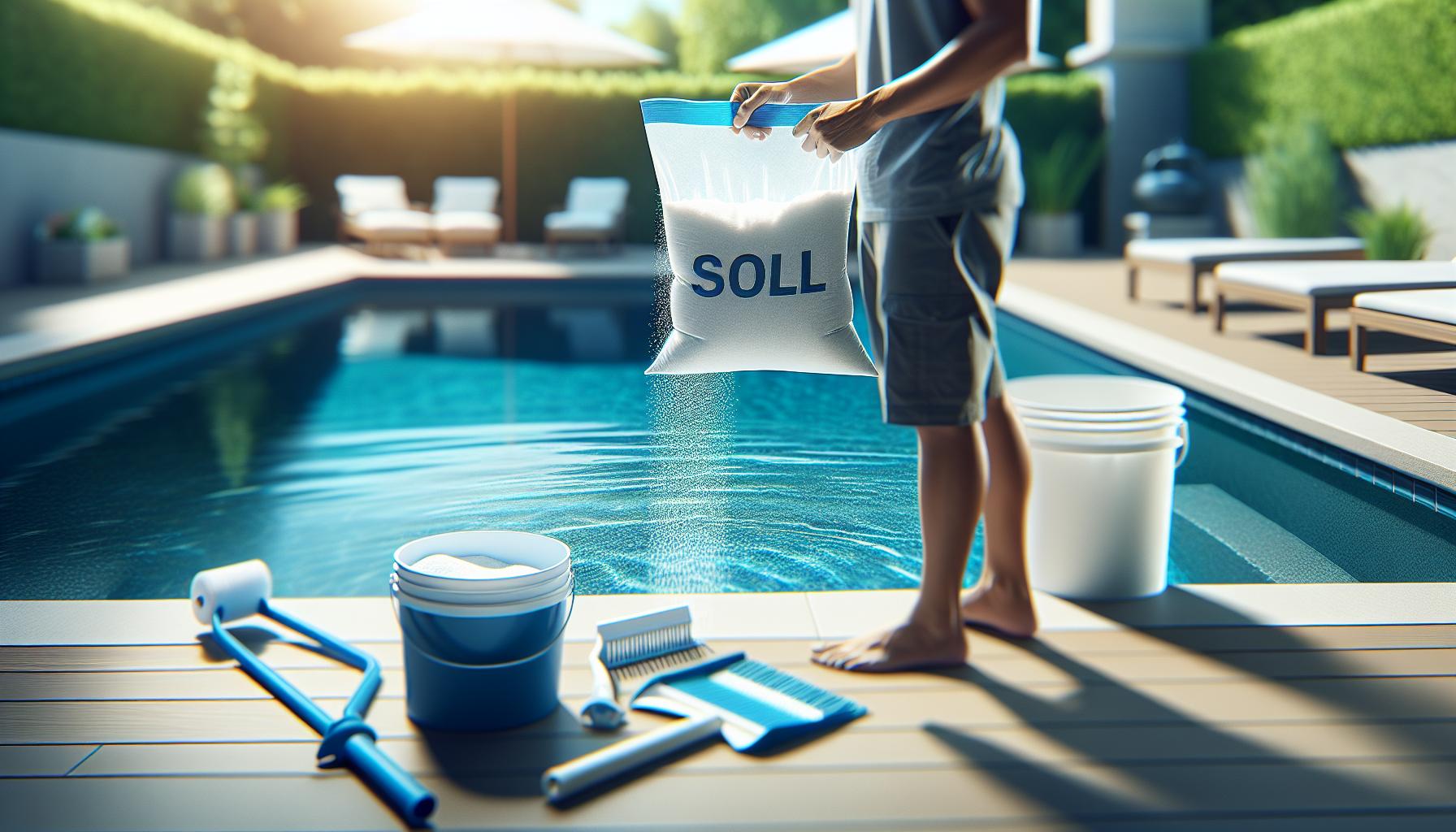
Optimal Salt Levels for Crystal Clear Water
Achieving and maintaining optimal salt levels is essential for the clarity and overall health of your pool water. The ideal salinity level in a saltwater pool typically ranges from 2,500 to 4,000 parts per million (ppm), depending on the specific requirements of your salt chlorination system. Staying within this range not only enhances the pool’s water quality but also ensures your chlorine production is efficient, minimizing the need for additional chemicals.
To determine the right salt level, start by using a reliable salt test kit. Measuring the current salinity will give you a clear starting point. If your readings fall below the required levels, you’ll need to add salt to enhance water clarity and sanitation. If the levels are too high, dilution with fresh water might be necessary. Here’s how to keep your salt levels optimal:
- Regular Testing: Check salinity levels at least once a month or after any significant changes, such as heavy rainfall or frequent pool use.
- Adjusting Salt Levels: If you find your salt levels are too low, refer to your pool’s manufacturer guidelines to calculate the exact amount of salt needed. It is important to do this methodically, as over-salting can lead to equipment issues.
- Monitor Water Chemistry: After adjusting salt, ensure other chemical parameters like pH and alkalinity are balanced. High pH levels can hinder chlorine effectiveness and may be exacerbated by the addition of salt.
When you maintain your pool’s salinity properly, you set the stage for water that not only looks great but is safe and inviting for swimmers. Regularly attending to salt levels and making adjustments as needed will mitigate the risk of cloudy water, algae growth, or other common issues, ensuring your pool remains a pristine retreat all season long.
Common Mistakes When Salting Your Pool
Mistakes in salting your pool can lead to a range of issues, from water clarity problems to malfunctioning equipment. One common error is failing to measure the existing salt levels before adding more. Many pool owners assume their pool has the right salinity, but testing is crucial. A simple salt test kit can provide immediate insight into your pool’s needs. Without this step, over-salting can occur, which not only affects water clarity but also stresses the pool’s chlorination system, leading to costly repairs.
Another frequent mistake is adding salt too quickly or without proper distribution. Pouring salt in a concentrated area can create a high salinity zone that may harm the pool’s equipment. Instead, when applying salt, always disperse it evenly around the pool’s perimeter. If you have a saltwater chlorinator, run the pump continuously for at least 24 hours after adding salt to ensure it dissolves properly and is evenly integrated into the water. This step is vital for maintaining optimal water quality and preventing localized high salinity areas.
Many pool owners neglect to regularly check the overall water chemistry after salting. Increased salt levels can affect other chemical balances, especially pH and alkalinity. High pH can render chlorine less effective, undermining the benefits of your salt system. Regularly monitor these levels and make adjustments accordingly, ensuring that all aspects of pool chemistry remain balanced. A proactive approach helps prevent potential issues like algae growth or cloudy water, maintaining a clean and inviting swimming experience.
Lastly, overlooking the type of salt used in your pool can lead to significant problems. Not all salts are created equal; for instance, using table salt or non-purified salts can introduce impurities into your pool, causing cloudy water and damaging your equipment. Always opt for pool-grade salt specifically designed for saltwater pools, ensuring a cleaner and more efficient salt chlorination process. By avoiding these common mistakes, pool owners can create a crystal-clear oasis that remains inviting all season long.
Maintaining Your Saltwater Pool for Long-Term Clarity
Maintaining a pristine saltwater pool is akin to ensuring a thriving ecosystem; it requires regular attention to various elements that contribute to water clarity and pool health. A well-maintained saltwater pool not only enhances your swimming experience but also prolongs the life of your equipment, offering a consistently inviting oasis in your backyard. To achieve this, it’s crucial to follow a systematic maintenance routine that focuses on balancing water chemistry, regular equipment check-ups, and proactive troubleshooting.
Regular testing is paramount in keeping your pool clear and healthy. Invest in quality test kits that measure key parameters such as pH, free chlorine, total alkalinity, and salt levels. Performing these tests weekly, especially during peak swimming months, will help you identify discrepancies before they escalate into issues. For optimal performance, aim for a pH level between 7.2 and 7.8, total alkalinity between 80-120 ppm, and salt levels typically around 2700-3400 ppm, depending on your salt chlorinator’s specifications. Adjust these levels promptly using appropriate chemicals to maintain the delicate balance necessary for clear water and effective chlorine generation.
Routine Equipment Maintenance
Another integral component of maintaining clear water is paying attention to your pool equipment. Ensure that your salt chlorinator is functioning correctly by inspecting the salt cell for scaling or buildup, which can impair its efficiency. Clean it regularly, particularly if you notice a decrease in chlorine production. Additionally, keep an eye on your filter system; clean or replace filters as needed and ensure the pump runs adequately to promote circulation. Consistent circulation prevents stagnant water, minimizing the likelihood of algae growth and cloudy water.
Algae Prevention
One common enemy of pool clarity is algae, which can proliferate if conditions are right. To combat algae growth effectively, implement a regular brushing routine for the pool walls and floor, particularly in corners and shaded areas where algae thrive. Consider using pool clarifiers or algaecides as a preventative measure, especially during warmer months. If you encounter cloudy water, carry out a thorough shock treatment. This process involves raising the free chlorine levels significantly to eliminate impurities. Remember to retest your water before swimming to ensure it’s safe.
Ultimately, the key to maintaining long-term clarity lies in an engaged approach to pool care. By establishing consistent testing routines, performing necessary equipment maintenance, and implementing preventative measures against algae, you can ensure that your saltwater pool remains an inviting retreat for relaxation and enjoyment.
Troubleshooting Cloudy Water Issues
Cloudy water in a saltwater pool can be both frustrating and concerning, but understanding its causes empowers you to take swift action and bring your pool back to crystal clarity. Multiple factors can contribute to cloudiness, including imbalanced water chemistry, poor filtration, or the presence of algae and other contaminants. Regular monitoring and prompt troubleshooting are essential for maintaining a beautiful and inviting swimming environment.
Start by testing the water to analyze key parameters: pH, free chlorine, total alkalinity, and salt levels. The optimal range for pH is between 7.2 and 7.8, with free chlorine ideally maintained between 1 to 3 ppm. If your test results show a significant deviation from these levels, it is crucial to adjust them accordingly using appropriate chemicals. For example, if your pH is low, add pH increaser; if chlorine levels are too low, consider a chlorine shock treatment to rejuvenate your pool.
Filtration and Circulation
Equally important is the effectiveness of your pool’s filtration system. Ensure that the filter is clean and functioning properly. If the filter is dirty, it won’t adequately remove debris, which can lead to cloudy water. Depending on your filter type, this may involve rinsing a sand filter, cleaning cartridges, or backwashing the system. Additionally, verify that your pump runs long enough to ensure proper circulation-at least 8 to 10 hours daily, especially during peak usage periods. Good circulation helps prevent the conditions that lead to algae growth and sediment build-up.
Addressing Algae and Contaminants
If you’ve ruled out chemical imbalances and filtration issues, the cloudiness might signal a growing algae problem. To combat this, perform a thorough cleaning of all surfaces in the pool, including walls and floor. Use a pool brush to scrub areas where algae may cling, paying special attention to corners and shaded zones. Following this, apply a shock treatment to raise chlorine levels rapidly, targeting any lingering algae and bacteria. Always retest the water prior to swimming to verify safety and clarity.
By systematically addressing these potential cloudiness triggers, you can effectively restore your saltwater pool to its sparkling best. Regular maintenance and vigilance are key; staying proactive ensures that your aquatic retreat remains a refreshing haven for you and your guests.
Testing and Adjusting Chlorine Levels in Salt Pools
Regular testing and adjusting of chlorine levels in saltwater pools are crucial for maintaining a safe and inviting swimming environment. While saltwater pools utilize a chlorine generator to convert salt into chlorine, this process can result in fluctuations in chlorine levels due to factors such as usage, weather conditions, and other chemical balances in the water. Understanding how to effectively manage these levels can prevent problems like algae growth and skin irritation while ensuring crystal clear water.
Start by using a reliable test kit or test strips to routinely check the free chlorine levels in your pool, ideally maintaining them between 1 to 3 parts per million (ppm). This range is sufficient to keep the water sanitized without overwhelming swimmers with a strong chemical smell. If your test reveals levels below this range, it’s time to take corrective action.
Adjustment Steps
If your free chlorine levels drop below the recommended range, consider the following steps:
- Shock Treatment: Apply a chlorine shock treatment to rapidly increase the chlorine concentration. This involves adding a higher dose of chlorine than usual to quickly elevate the levels.
- Regular Additions: For ongoing maintenance, you may need to add granular chlorine or liquid chlorine in smaller amounts to balance the levels. Refer to the manufacturer’s instructions for specific dosing based on your pool size.
- Check Chemical Interactions: Sometimes, other chemicals like stabilizers can affect chlorine’s effectiveness. Ensure that your cyanuric acid levels are within the optimal range of 30 to 50 ppm to protect chlorine from depletion due to UV exposure.
- Monitor After Adjustments: After adding chlorine, retest the water after a few hours to confirm the levels have stabilized within the desired range.
Don’t forget that oxidation and the natural breakdown of chlorine occur over time, so keep a regular schedule for testing, especially during peak swimming seasons or after heavy rain. Maintaining the right chlorine balance not only preserves your pool’s clarity but also enhances the overall enjoyment for swimmers while ensuring safe and hygienic conditions.
How to Overcome Salt Corrosion Risks
Saltwater pools are often praised for their ease of maintenance and gentle swimming experience, but salt corrosion can pose a challenge if not properly managed. By understanding the risks and implementing straightforward preventive measures, pool owners can protect their investment and enjoy crystal clear waters without the worry of corrosion affecting their equipment.
First and foremost, it’s crucial to select the right materials for your pool system. Opt for corrosion-resistant equipment, such as stainless steel or polymer components, which are designed specifically for saltwater environments. Many saltwater systems are compatible with these materials, reducing the risk of damage and lengthening the lifespan of your pool’s infrastructure.
Maintaining balanced water chemistry is another critical step in combating corrosion. Regularly test your water’s salinity levels, ensuring they remain within the optimal range of 2700 to 3400 ppm, as recommended for most saltwater systems. Additionally, monitor the pH levels, keeping them between 7.2 and 7.6. Elevated pH levels can exacerbate corrosion, so, if necessary, use pH decreasers to restore balance. It is also important to keep total alkalinity in check, ideally between 80-120 ppm, to prevent sudden shifts in pH that could lead to corrosion.
Routine Maintenance Tips
Incorporating regular maintenance routines can further safeguard against corrosion:
- Clean Your Salt Cell: Regularly inspect and clean your salt cell according to the manufacturer’s instructions. Built-up calcium can insulate the cell, decreasing efficiency and potentially leading to corrosion.
- Monitor for Leaks: Check for any leaks in your pool’s plumbing and repair them immediately. Leaks can lead to increased salinity levels in the surrounding area, creating aggressive conditions for corrosion.
- Use a Corrosion Inhibitor: Consider adding a corrosion inhibitor to your pool maintenance routine. These products create a protective barrier on metal surfaces, reducing the chances of corrosion.
By taking these proactive steps and remaining diligent about maintenance, pool owners can significantly mitigate the risks associated with salt corrosion, ensuring their pool remains a safe and enjoyable oasis for years to come.
Enhancing Your Pool’s Chemistry with Additives
Balancing your pool’s chemistry is essential to achieving and maintaining crystal clear water, and this often requires the addition of various chemical additives. These substances not only ensure the water is clean but also enhance the swimming experience by preventing cloudiness, algae growth, and other common water issues. Understanding how to properly utilize these additives will empower pool owners to take control of their pool maintenance effectively.
To start enhancing your pool’s chemistry, it’s crucial to evaluate the current state of your water. Regular testing for pH, sanitizer levels, and alkalinity will provide a clear picture of what additives might be needed. After testing, you may find that your pH levels are too high, prompting a need for a pH decreaser. Similarly, if your chlorine levels are low, you might consider using granular chlorine or liquid chlorine to boost sanitation. In every case, it’s essential to follow the manufacturer’s recommended dosages for the additives to avoid potential over-treatment.
Key Additives to Consider
Here are some common chemical additives that can help fine-tune your saltwater pool’s chemistry:
- Stabilizers: Cyanuric acid is vital for protecting chlorine from being degraded by sunlight. Keeping your stabilizer levels between 30-50 ppm will help maintain your chlorine’s effectiveness.
- Algaecides: Regular use of algaecides can prevent the onset of algae blooms, particularly during hot weather. Look for non-foaming formulations that are compatible with saltwater systems.
- Conditioners: Adding clarifiers to your pool will help clump together dirt and debris, making it easier for your filter to capture them, resulting in clearer water.
- Enzymes: These can assist in breaking down organic contaminants like oils and leaves, which can cloud your water if not managed.
For optimal results, consider implementing a routine maintenance schedule that incorporates the testing and adjustment of these additives. Regularly check the chemistry at least once a week. If you notice persistent cloudiness despite these efforts, a thorough cleaning of your pool filter and a review of your water circulation system may reveal underlying issues affecting your water quality. By staying proactive, you can create a healthy and inviting swimming environment while minimizing common chemical challenges in saltwater pools.
Seasonal Pool Maintenance for Saltwater Systems
For saltwater pool owners, seasonal maintenance is crucial in ensuring an inviting swimming environment when the warmer months arrive. As temperatures fluctuate, the water in your pool can experience changes that impact chemical balance and overall water clarity. Whether it’s spring cleaning after a winter hiatus or preparing for a new swimming season, undertaking a thorough maintenance routine will help maintain crystal clear water throughout the year.
Start by conducting an extensive inspection of your pool equipment before the swimming season begins. This includes checking the salt chlorinator, pump, and filtration system for any signs of wear or damage. Clean the filter to ensure efficient water circulation, as a clean filter can significantly affect water clarity and chemical balance. Pay attention to the pool’s surface; a quick brush and vacuum will remove debris and prevent algae growth.
After assessing your equipment, it’s essential to test the water chemistry comprehensively. Use a reliable water testing kit to measure key parameters such as salinity, pH, alkalinity, and chlorine levels. Adjust any imbalances immediately, as failing to do so can lead to cloudy water or worse, algae blooms. For salt levels, maintain a range between 2,700 and 3,500 ppm, which is optimal for most saltwater systems. Add salt gradually, allowing it to dissolve completely before retesting. Regularly adopting this testing routine, especially after heavy rainfall or significant temperature swings, will keep your pool’s chemistry in check.
As the swimming season advances, consider additional preventive measures against common challenges. Utilize algaecides periodically to deter algae, particularly during peak heat periods, and maintain stabilizer levels to protect your chlorine’s effectiveness from sunlight degradation. Protecting your pool system from salt corrosion is also vital; periodically check for any buildup or signs of damage to handrails, ladders, or other metal components.
Before closing your pool at the end of the season, perform a final deep clean of the entire area. This includes treating your water for winterization, ensuring that all systems are properly drained, and covering the pool securely to minimize debris buildup during the off-season. By adhering to these seasonal maintenance practices, you can enjoy a pristine saltwater pool all year round, making your swimming experience as delightful and stress-free as possible.
Q&A
Q: How do I determine the right amount of salt to add to my pool?
A: To determine the right amount of salt, check your pool’s specific salt level requirements, usually outlined in the manufacturer’s guide. Generally, you need about 30-50 pounds of salt per 1,000 gallons of water to achieve the optimal level for crystal-clear water.
Q: Can I use any type of salt for my pool?
A: No, you should only use salt specifically designed for pools, such as solar salt or pool salt. These types are purer and free of additives that can harm your pool equipment and affect water clarity.
Q: What should I do if my pool water looks cloudy after adding salt?
A: If your pool water appears cloudy after adding salt, check the filtration system and run it continuously until the cloudiness clears. Additionally, test the water balance and adjust pH, alkalinity, and chlorine levels as necessary to improve clarity.
Q: When is the best time to add salt to a pool?
A: The best time to add salt is in the evening or early morning when the sun is less intense. This helps prevent the salt from dissolving too quickly and ensures an even distribution throughout the pool.
Q: How often should I check the salt levels in my pool?
A: Check your pool’s salt levels at least once a month. Regular testing ensures you maintain the optimal salinity for effective chlorine production and helps prevent water quality issues.
Q: Can too much salt harm my pool?
A: Yes, excessive salt can lead to corrosion of metal fixtures, damage to pool surfaces, and imbalance in water chemistry. Always adhere to the recommended salt concentration for your specific saltwater system.
Q: How does temperature affect salt levels in my pool?
A: Temperature impacts the dissolution of salt in water. Higher temperatures can enhance salt dissolution rates, but during cold weather, salt can remain undissolved at the bottom. Always monitor and adjust your salt levels according to water temperature changes.
Q: Are there any specific maintenance steps after adding salt to my pool?
A: After adding salt, ensure your pool’s filtration system is running to circulate the water. Regularly test the water chemistries, such as pH and chlorine levels, for at least 24 hours after salting to maintain clear water and system efficiency.
Future Outlook
Now that you’ve learned how to add salt to your pool for crystal clear water, you’re on your way to enjoying a pristine swimming environment. Remember, regular maintenance will help keep your water clean and balanced, enhancing your summer experience. If you’re looking for additional tips on maintaining pool chemistry or troubleshooting common issues, check out our articles on “Essential Pool Care Tips” and “Common Pool Problems and Solutions.”
Don’t hesitate to take the plunge-visit our product page for high-quality pool salt and accessories, and consider signing up for our newsletter for expert advice right to your inbox. Join our community by sharing your experiences or questions in the comments below. Let’s keep that water inviting and your pool sparkling! Your crystal clear oasis awaits!


