
Maintaining a clean and safe swimming pool is essential for enjoyable summer days, and knowing how much chlorine to add is a key factor in that upkeep. Pool chemistry can often feel overwhelming, but with the right tools, you can master it effortlessly. The “How Much Chlorine to Add to Pool Calculator” simplifies this process, helping you determine the precise dosage needed for crystal-clear water.
Many pool owners struggle with balancing their pool’s chemical levels, which directly affects water clarity and safety. Adding too little chlorine can lead to algae growth, while excessive amounts can irritate skin and eyes. Our easy dosage tool empowers you to make informed decisions about your pool maintenance, ensuring a refreshing and healthy swimming environment for your family and friends.
Curious about how this tool works and how it can make your life easier? Dive into our article to learn the straightforward steps for optimal chlorine balancing and enjoy all the benefits of a well-maintained pool!
Understanding Chlorine Basics for Your Pool

When it comes to maintaining a clean and safe swimming pool, understanding the role of chlorine is essential. Chlorine acts as a powerful disinfectant, effectively killing bacteria, viruses, and algae, and ensuring your pool water remains clear and inviting. It is crucial to grasp the basic principles of how chlorine works, especially its effectiveness and the different forms it comes in. Regularly testing your pool’s chlorine levels allows you to adjust accordingly, preventing common issues such as green water and irritating skin or eyes for swimmers.
Types of Chlorine: There are various types of chlorine available for pool use, including granular, liquid, and tablet forms. Each type has its benefits; for instance, granular chlorine dissolves quickly, while tablets are slow-dissolving and provide a steady release of chlorine. Understanding these differences enables you to choose the right chlorine product based on your pool usage and maintenance habits.
How Chlorine Works
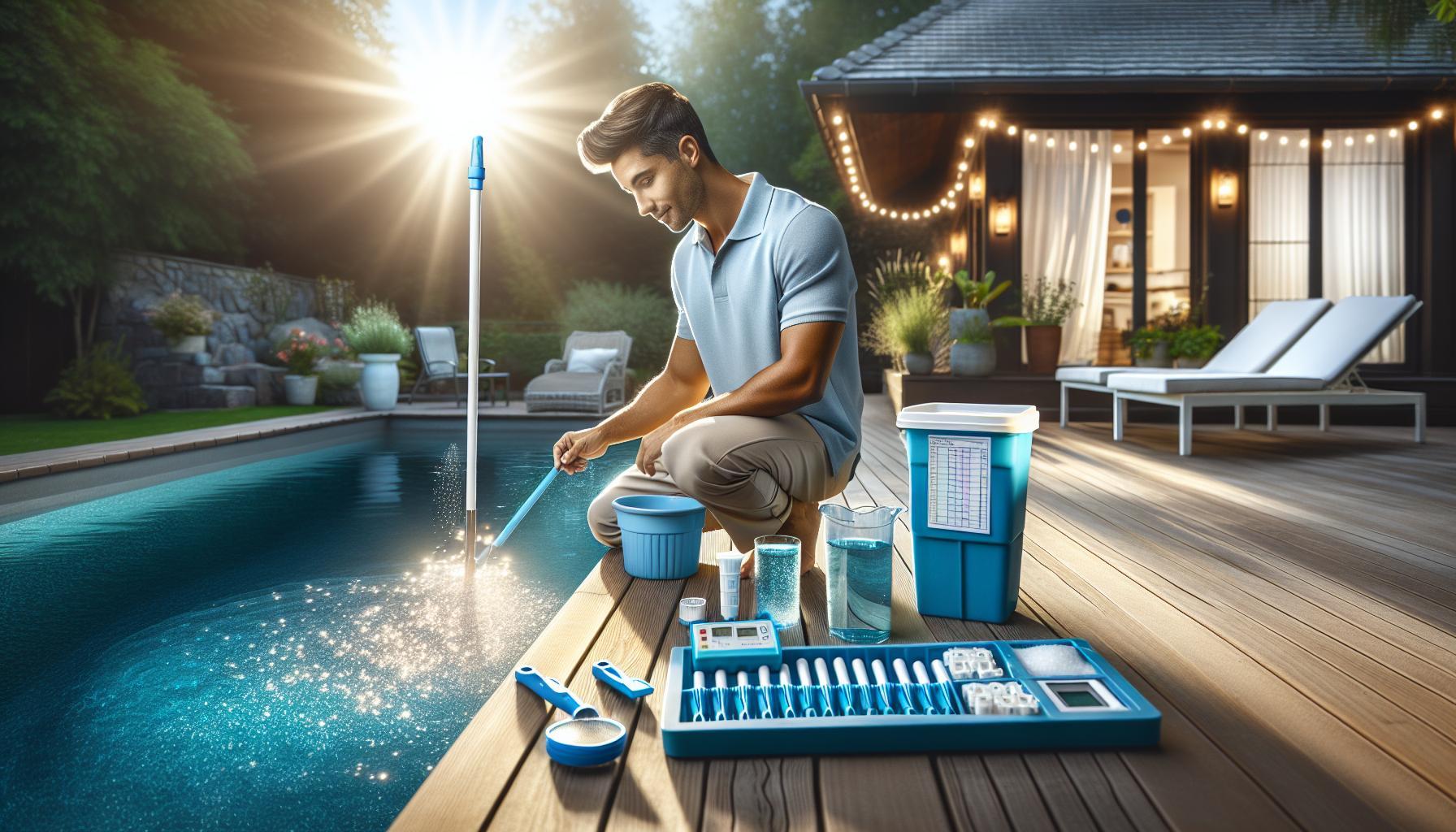
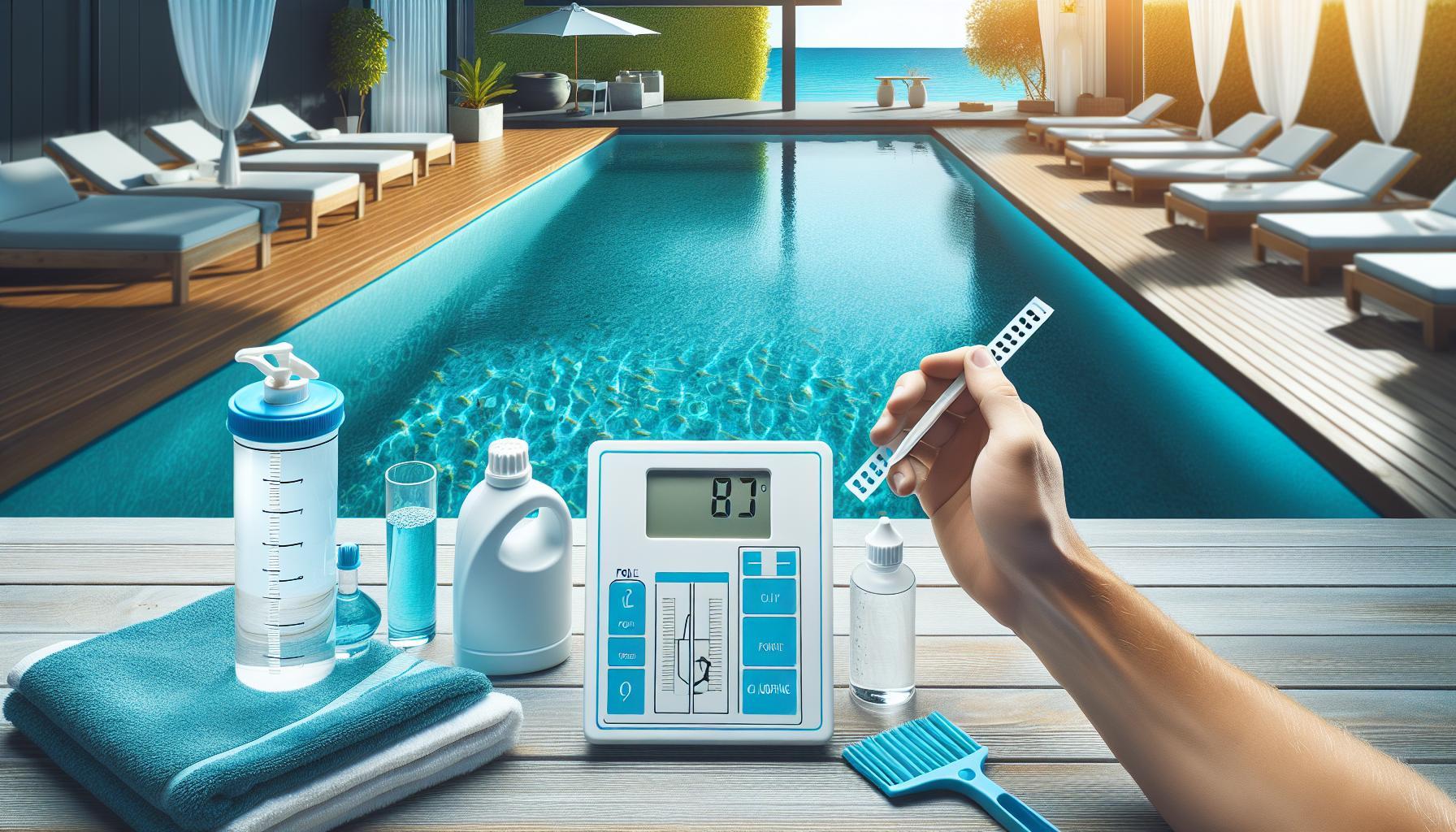
Chlorine interacts with contaminants in the water through a process called oxidation. When added to water, chlorine forms hypochlorous acid, which is effective at destroying pathogens. However, it’s not only about adding chlorine; maintaining the proper balance is key. The ideal chlorine level is between 1 to 3 parts per million (ppm). Regular testing with test strips or a liquid testing kit helps you monitor these levels, preventing fluctuating conditions that could compromise water quality and safety.
By comprehending the basic aspects of chlorine-its role, types, and functionality-you empower yourself to effectively manage your pool’s sanitation needs. A clear understanding ensures that your swimming environment remains healthy and enjoyable for everyone.
Why Accurate Chlorine Levels Matter
Maintaining accurate chlorine levels in your pool is crucial for creating a safe and enjoyable swimming environment. Did you know that improper chlorine levels can lead to not only unsightly green water but also pose health risks to swimmers? When chlorine levels fall below the recommended 1 to 3 parts per million (ppm), harmful microorganisms can thrive, resulting in conditions perfect for bacteria and algae growth. On the other hand, excessive chlorine can irritate the skin and eyes, leaving swimmers uncomfortable and unwilling to enjoy the water.
To prevent these issues, regular testing and precise management of your pool’s chlorine levels are essential. Utilizing a chlorine dosage calculator can simplify this process, helping you determine the correct amount of chlorine to add based on your pool size and current chemical levels. This proactive approach enables you to tackle any imbalances before they escalate, ensuring your pool remains crystal clear and inviting. Properly balanced water not only enhances the swimming experience but also prolongs the lifespan of your pool equipment by preventing corrosion and buildup.
Furthermore, understanding the factors that influence chlorine levels can empower owners to take swift action. Environmental conditions, such as sunlight and rainfall, can deplete chlorine faster, necessitating more frequent monitoring and adjustments. Implementing a routine of checking your pool’s chemical levels at least once a week, or more often during heavy use or extreme weather, can keep your water quality in check. Combine this with regular maintenance, such as cleaning filters and skimmers, and you’ll create a holistic approach to pool care that promotes a safe, enjoyable swimming experience for all.
How to Use a Chlorine Dosage Calculator
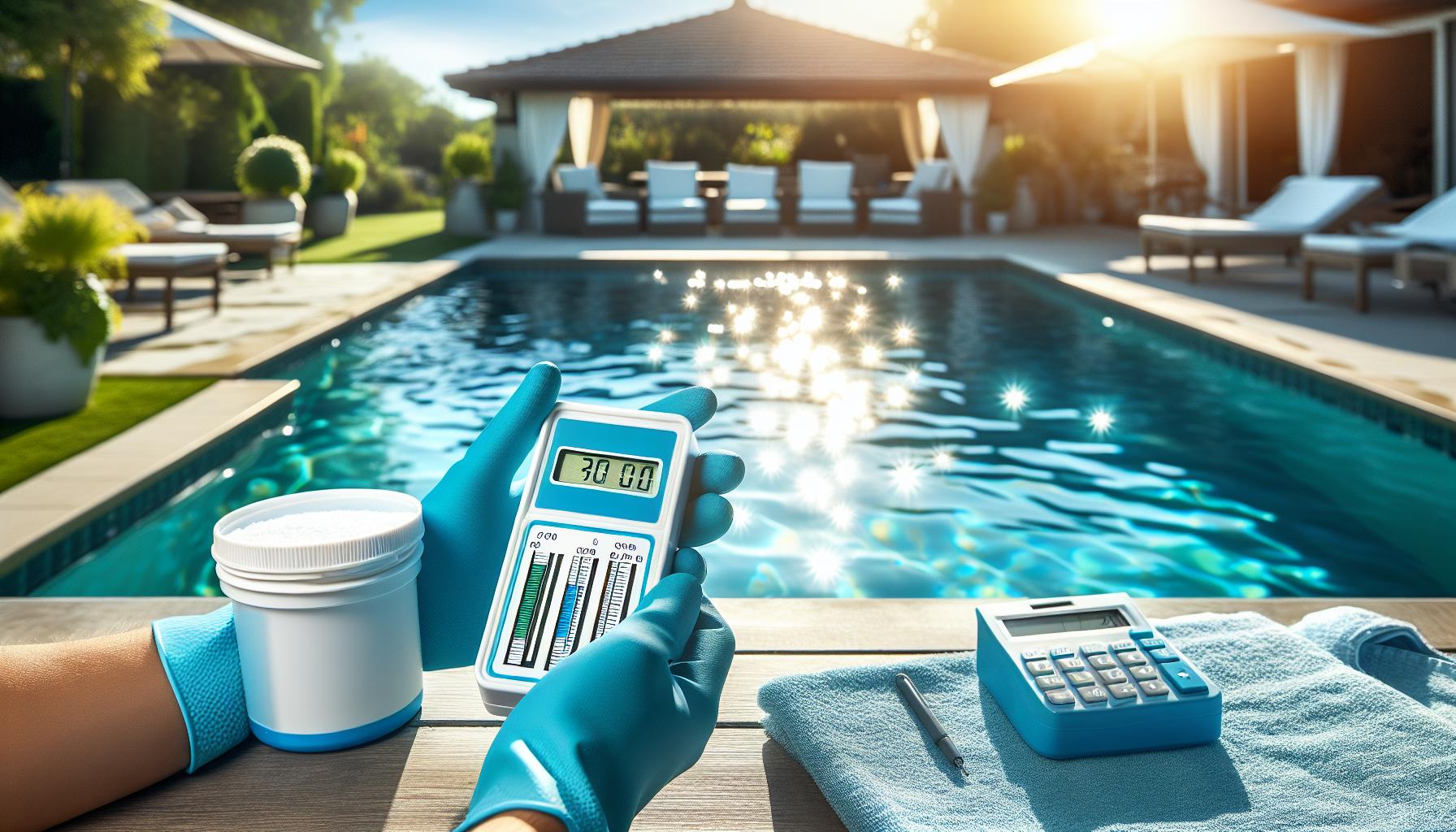
Incorporating a chlorine dosage calculator into your pool maintenance routine can vastly simplify the task of maintaining water quality. This tool not only saves time but can also prevent common issues linked to improper chlorine levels. By inputting essential information about your pool-such as its size, current chlorine level, and the desired level-you can quickly calculate the amount of chlorine needed.
Here’s how to effectively use a chlorine dosage calculator:
- Measure Your Pool’s Volume: Determine the volume of your pool in gallons. If you’re not sure, you can calculate it using the formula: Length x Width x Average Depth x 7.48 (for rectangular pools) or use specific formulas for other shapes.
- Test Your Current Chlorine Level: Use a reliable testing kit to measure the current concentration of chlorine. This step is crucial, as it informs you how much adjustment is needed.
- Enter Your Desired Chlorine Level: The recommended chlorine level for residential pools is typically between 1 and 3 ppm (parts per million). Decide on your target based on this guideline.
- Input Data into the Calculator: Now that you have all necessary figures, enter them into the calculator. Most calculators will require the pool volume, current chlorine level, and desired level.
- Review the Results: The calculator will provide the amount of chlorine needed to achieve your target level. Make sure to follow the recommendations closely!
After obtaining the dosage, it’s essential to apply the chlorine correctly. Disperse it evenly around the pool, ideally while the pump is running to enhance distribution. Additionally, ensure that you regularly monitor the chlorine levels post-application to confirm that your adjustments yield the desired results.
In using a chlorine dosage calculator, you not only simplify the balancing process but also empower yourself to keep your pool healthy and inviting. A thorough understanding of when and how much chlorine to add can lead to a much more enjoyable swimming experience, with clearer water and reduced risks related to algae and bacteria.
Step-by-Step Guide to Calculating Chlorine Needs
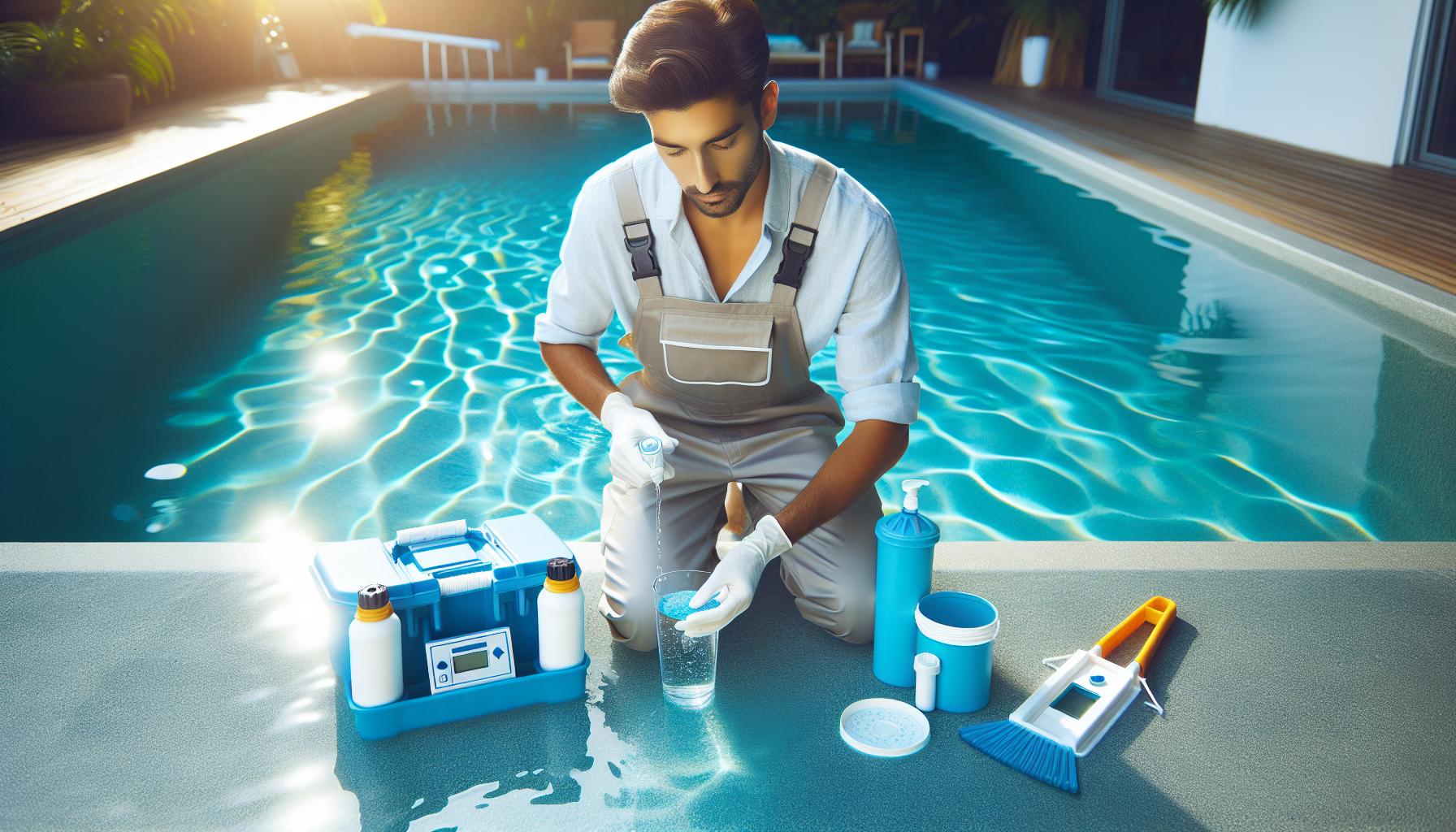
Understanding how much chlorine to add to your pool is crucial for maintaining clear and safe water. When chlorine levels are properly balanced, you minimize the risk of algae growth, harmful bacteria, and unpleasant odors. Calculating your chlorine needs can seem daunting, but breaking it down into a simple step-by-step process makes it manageable.
Begin by assessing your pool’s volume, which is typically measured in gallons. Use this formula for rectangular pools: Length x Width x Average Depth x 7.48. For other shapes, you can find specific formulas; remember, knowing the volume is the foundation of your calculations.
Next, test your current chlorine level using a reliable pool testing kit. This measurement is critical because it tells you how much chlorine is already in the water and informs you about any necessary adjustments. The recommended chlorine level for most residential pools is between 1 and 3 ppm (parts per million).
Now, enter your data into a chlorine dosage calculator. Input the pool volume, current chlorine level, and your desired level. The calculator will indicate the amount of chlorine needed to reach your target. This straightforward approach ensures you are not overdoing or underdoing your chlorine addition.
After obtaining the necessary dosage, apply the chlorine evenly around the pool while the pump is running to optimize distribution. Finally, always monitor your chlorine levels after adding to ensure they align with your goals. By following these steps, you equip yourself to maintain a safe, clean pool, transforming it into a refreshing oasis for family and friends.
Common Chlorine Dosage Mistakes to Avoid
One of the biggest challenges pool owners face is ensuring the correct dosage of chlorine to maintain a healthy swimming environment. Even experienced pool operators can fall into common traps that lead to ineffective chlorination or, worse, hazardous water conditions. Understanding these pitfalls is essential to achieving and maintaining optimal chlorine levels.
A prevalent mistake is overestimating the pool’s volume. Accurately calculating your pool’s volume is crucial, as a miscalculation can result in the application of too much or too little chlorine. Be sure to measure the pool’s dimensions precisely, using the appropriate formula based on its shape. For instance, rectangular pools follow the formula: Length x Width x Average Depth x 7.48. Always double-check your figures to avoid potential pitfalls.
Another frequent error is relying solely on outdated or inaccurate water testing kits. To rectify this, ensure you use a reliable and up-to-date testing kit capable of providing precise chlorine readings. Testing your water at different times-such as after heavy rain or after significant pool use-can provide insight into fluctuations that require immediate attention. This way, you’ll better understand your pool’s unique needs and can adjust your chlorine dosage accordingly.
Moreover, some pool owners make the mistake of applying chlorine in a concentrated manner instead of dispersing it evenly throughout the pool. To avoid this issue, always add chlorine while the pool pump is running to help circulate the chemical uniformly. This practice not only ensures even distribution but prevents sudden spikes in chlorine concentration, which can be harmful to swimmers and irritate skin and eyes.
Lastly, it’s essential to revisit your chlorine level periodically, as environmental factors, usage, and weather can all affect it. Make checking your chlorine levels part of your regular maintenance routine. Keeping a log of your chlorine levels can help track patterns, allowing for improved predictions and adjustments in your chlorine dosing strategy.
By being mindful of these common mistakes, you can maintain a safe and enjoyable pool environment. Taking the time to understand and manage your chlorine levels effectively empowers you to keep your pool clean and inviting for all who use it.
Pool Size and Its Impact on Chlorine Dosage
Understanding how pool size directly affects chlorine dosage is crucial for maintaining a clean and safe swimming environment. Larger pools naturally require more chlorine to achieve the same disinfecting effect as smaller pools. This is because the volume of water dilutes the chlorine, which means you must adjust your dosage based on the actual size of your pool to keep the water safe and clear.
To accurately calculate the chlorine requirements for your pool, start by determining its volume in gallons. Use the appropriate formula based on the shape of your pool: for rectangular pools, multiply the length, width, and average depth (in feet) and then multiply by 7.48 (the number of gallons in one cubic foot). For example, a pool that measures 20 feet long, 10 feet wide, and has an average depth of 5 feet would have a volume of:
20 x 10 x 5 x 7.48 = 7,480 gallons
With this figure in mind, you can consult a chlorine dosage chart or a dosage calculator to find out how much chlorine your specific volume of water needs. Typically, a recommended chlorine level is between 1-3 parts per million (ppm). Therefore, a pool of 7,480 gallons would need approximately 7-22 ounces of chlorine per week, adjusted based on factors like usage and environmental conditions.
To ensure effective chlorination, assess your pool size regularly, especially if your pool is above ground or if it is equipped with inflatable features that may affect water levels. Factors such as heavy rain, pool parties, or debris will also impact chlorine loss, necessitating adjustments in your chlorine routine.
Being precise with your calculations and adjustments is vital not only for water quality but also for the health of swimmers. Using a reliable chlorine dosage calculator can help you easily modify your chlorine levels according to your pool size and specific circumstances, ensuring safe and enjoyable swim times.
Types of Chlorine: Which One to Use?
When it comes to maintaining a clean and safe swimming pool, the type of chlorine you choose can make a significant difference in both effectiveness and convenience. Understanding the various options available will not only help you achieve optimal water quality but also contribute to a more enjoyable swimming experience.
Different forms of chlorine serve distinct purposes and have unique characteristics. Here’s a breakdown of the most common types:
- Chlorine Gas: This is the purest form of chlorine, but it’s typically only used in industrial applications or larger commercial pools due to its hazardous nature. Handling requires strict safety measures.
- Calcium Hypochlorite: Often sold in granular or tablet form, calcium hypochlorite is highly effective for shock treatments. It’s suitable for use in all pool types but can raise calcium levels in the water, which could lead to scaling if not monitored.
- Sodium Hypochlorite: Commonly known as liquid bleach, sodium hypochlorite is a popular choice for pool sanitation due to its ease of use and quick dissolving properties. However, it requires careful handling and can affect pH levels, necessitating additional balancing.
- Trichloroisocyanuric Acid (Trichlor): This stabilized form of chlorine comes in tablet or stick form and is excellent for regular chlorination. It dissolves slowly and maintains chlorine levels over a prolonged period, making it convenient for consistent use.
- Dichloroisocyanuric Acid (Dichlor): Similar to trichlor but more versatile, dichlor is suitable for both shock and regular chlorination. It dissolves quickly and is less potent than trichlor, making it a safe option for more sensitive pool surfaces.
Knowing the strengths and limitations of each type of chlorine can help you make informed decisions that suit your pool’s needs. A common practice is to use a combination of these forms, like using dichlor for regular maintenance and calcium hypochlorite for shocking the pool after heavy use or inclement weather.
Ultimately, selecting the right type of chlorine involves not only evaluating the chemical properties but also considering your pool type, maintenance routine, and environmental factors. Regularly monitoring chlorine levels and adjusting dosages based on usage will ensure your pool remains sparkling clean and safe for all swimmers.
Manual vs. Automated Chlorine Addition
Maintaining proper chlorine levels in your pool is crucial for keeping the water clean and safe for swimming. One of the key decisions you’ll face as a pool owner is whether to opt for manual or automated chlorine addition. Each method has its pros and cons, and understanding them can help you streamline your pool maintenance routine while ensuring optimal water quality.
Using manual chlorine addition typically involves regularly measuring the pool’s chlorine levels using test kits and manually adding the required chlorine based on the readings. This approach gives you precise control over the amount of chlorine being added and allows for adjustments based on specific conditions, such as heavy pool usage or after a rainstorm. For many pool owners, this hands-on method can feel reassuring, as you can visually inspect and gauge how your pool is responding. However, it does require diligence and regular monitoring, which can be time-consuming, especially during peak swimming season.
In contrast, automated chlorine feeders offer a more convenient solution by constantly monitoring water chemistry and dispensing chlorine as needed. These systems reduce the frequency of manual adjustments, making them ideal for busy pool owners or those who prefer a more hands-off approach. They can be especially beneficial for large pools or those with heavy usage, as they help maintain consistent chlorine levels without the constant oversight of a manual method. However, initial setup costs can be higher, and there may be a learning curve in programming and calibrating the system correctly to prevent over-chlorination.
When deciding between manual and automated methods, consider factors such as your pool size, the frequency of use, and your personal maintenance preferences. For some, a combination approach may be best, where you rely on automated feeders for standard maintenance but still manually shock the pool as needed. Regardless of your choice, regularly testing your water and adjusting chlorine levels is essential to keeping your pool safe and enjoyable for everyone.
Monitoring Chlorine Levels: Best Practices
Regularly monitoring chlorine levels in your pool is essential for maintaining a safe and enjoyable swimming environment. In fact, maintaining the right chlorine balance not only helps to eliminate harmful bacteria and pathogens but also ensures that the water remains clear and inviting. To effectively manage and sustain optimal chlorine levels, consider these best practices that will empower you to take control of your pool maintenance routine.
Start by testing your pool water frequently, ideally at least once a week. Utilize reliable test kits or strips to measure both free and total chlorine levels. The *ideal range for free chlorine is typically between 1-3 ppm (parts per million)*. For a more accurate assessment, particularly after heavy usage or following a rainstorm, increase your testing frequency. After testing, make a habit of recording your results in a log. This not only helps track changes over time but also aids in identifying trends, which can be invaluable for anticipating necessary adjustments.
Adjusting Chlorine Levels
If your tests indicate that chlorine levels are too low, you can easily add chlorine using either granular, liquid, or tablet forms. Be sure to use a chlorine dosage calculator to determine the exact amount needed based on your pool size and current chlorine levels. For example, if your pool is 20,000 gallons and you’re aiming to raise chlorine levels by 2 ppm, a dosage calculator can provide a precise amount of chlorine to add. Conversely, if levels are too high, refrain from using the pool and consider using a chlorine neutralizer to bring levels back into the desired range.
Tips for Ongoing Monitoring
To streamline ongoing monitoring, consider investing in a digital pool monitor or automated testing system. These devices can provide real-time readings and alert you when levels fluctuate outside of the recommended range. It’s also beneficial to keep an eye on environmental factors such as rainfall and temperature, as both can affect chlorine demand. For instance, heavy rain can dilute chlorine levels, necessitating a review of your testing schedule.
In summary, regular testing and adjustments, coupled with the use of a chlorine dosage calculator, will keep your pool water healthy and enjoyable. By maintaining vigilance and staying informed about your pool’s chemistry, you can confidently navigate the challenges of pool maintenance and ensure a safe swimming experience for everyone.
Tips for Maintaining Optimal Water Quality
Ensuring your pool water remains crystal clear and safe for swimming is both an art and a science. One critical aspect of this process is effective chlorination, which plays a crucial role in combating harmful bacteria and maintaining overall water quality. To achieve optimal chlorine levels, there are several strategies pool owners can adopt, each aimed at simplifying maintenance and enhancing the swimming experience.
First, establish a consistent testing routine to monitor free chlorine levels. Aim to test your water at least once a week, and more frequently during periods of heavy use or after rainfall. Utilize reliable test kits or strips, and remember that the ideal free chlorine range is typically between 1-3 ppm (parts per million). For more accurate measurements, log your results in a dedicated notebook or app; this can help you identify patterns over time and adjust your chlorine dosage accordingly.
When adjusting chlorine levels, consider these practical steps:
- Choose the Right Chlorine Type: Depending on your pool type, you may choose from liquid chlorine, granular chlorine, or chlorine tablets. Each has its benefits and specific dosing instructions.
- Follow Dosage Guidelines: Use a chlorine dosage calculator to determine the exact amount needed based on your pool’s size and the current chlorine levels. Accurate dosing prevents over-chlorination and helps maintain water clarity.
- Consider Environmental Impacts: Be mindful of factors like sunlight exposure, temperature, and rainfall, all of which can affect chlorine efficiency. During sunny days, chlorinated water can evaporate faster, requiring more frequent checks.
- Maintain Proper pH Levels: Before adding chlorine, ensure your pool’s pH is balanced; ideally between 7.2 and 7.8. A well-balanced pH level enhances chlorine effectiveness and promotes clearer water.
Additionally, invest in regular maintenance practices such as cleaning the pool filter, brushing the walls and floor, and removing debris. These actions not only help maintain clarity but also reduce chlorine demand by limiting contaminants. If challenges arise, such as a persistent cloudiness or unpleasant odors, consider conducting a shock treatment to reset chlorine levels and eliminate organic matter.
By following these targeted tips, you can take proactive steps to maintain optimal water quality in your pool, ensuring a safe, healthy, and enjoyable swimming environment for you and your guests. Consistent testing, careful dosing, and attention to environmental factors are your best allies in navigating the complexities of pool maintenance.
Troubleshooting Chlorine Imbalance Issues
When chlorine levels fluctuate, it can lead to a range of issues, from cloudy water to algal blooms, impacting your pool’s cleanliness and safety. Understanding how to troubleshoot these imbalances is crucial for every pool owner. Start by identifying the symptoms of imbalance: excessively high chlorine can cause skin and eye irritation, while low levels fail to adequately prevent bacteria growth, leading to unsafe swimming conditions. Regular testing is your first line of defense; aim to check your pool’s chlorine levels at least once a week.
If you find yourself with low chlorine levels, there are several immediate actions you can take. First, add chlorine according to your pool volume and the specific type of chlorine being used. Utilize a chlorine dosage calculator to guide you on the precise amount needed based on the current reading. Next, ensure your pool’s pH levels are optimal, ideally between 7.2 and 7.8, as acidic or basic water conditions can significantly hinder chlorine effectiveness.
In cases of excessively high chlorine levels, the best remedy is to stop adding chlorine and let the sun help reduce levels naturally; solar UV rays can dissipate chlorine. You can also partially drain your pool and refill it with fresh water to dilute the concentration. Additionally, ensure that any stabilizers or chemicals used don’t contribute to the imbalance.
Monitoring and adjusting chlorine levels is an ongoing process. Consider scheduling regular maintenance where not only chlorine levels but also pH, alkalinity, and stabilizer levels are checked. This approach prevents imbalances before they escalate into major issues, ensuring a safe, clear, and inviting swimming pool environment. By being proactive and using a systematic troubleshooting approach, you empower yourself to keep your pool in optimal condition, ready for enjoyment.
Enhancing Pool Safety with Proper Chlorination
Proper chlorination is crucial not only for keeping your pool crystal clear but also for ensuring the safety of every swimmer who enjoys it. With the right chlorine levels, you can effectively eliminate harmful pathogens and maintain a healthy swimming environment. Did you know that maintaining appropriate chlorine levels significantly reduces the risk of waterborne illnesses? This aspect is especially vital for families with children, as they are more susceptible to infections from contaminated water.
To enhance safety through proper chlorination, start by consistently monitoring your chlorine levels using a reliable test kit. Ideally, free chlorine should be between 1-3 parts per million (ppm) for optimal sanitation. Regular testing, ideally at least twice a week, allows for prompt adjustments. If your reading indicates lower than ideal levels, use a chlorine dosage calculator to determine the exact amount needed based on your pool’s volume and current readings. This tool can help alleviate the guesswork, making your maintenance routine more efficient and effective.
In addition to regular testing, consider these practical tips for enhancing safety:
- Shock Treatments: Periodically shocking your pool-typically after heavy use or rain-helps remove organic contaminants and boosts chlorine levels, ensuring your pool stays sanitized.
- Maintain Balanced pH Levels: Keep your pH between 7.2 and 7.8. An imbalanced pH can reduce chlorine’s effectiveness, making it harder to maintain a clean pool.
- Use Stabilized Chlorine: For outdoor pools, consider stabilized chlorine products that resist breakdown from sunlight, helping maintain consistent levels throughout the day.
In addressing common issues such as algae blooms or cloudy water, timely action is essential. For example, if you encounter algae, increase your chlorine levels immediately and scrub the affected areas, then retest after 24 hours. This proactive approach not only keeps your pool looking inviting but also greatly enhances swimmer safety. By adhering to these steps and leveraging the benefits of a chlorine dosage calculator, you set your pool environment up for success, ensuring a safe and enjoyable experience for all.
Q&A
Q: How often should I check chlorine levels in my pool?
A: You should check chlorine levels at least 2-3 times a week or more often during heavy use. Maintaining proper levels helps prevent algae growth and ensures safe swimming. For precise monitoring, refer to the “Monitoring Chlorine Levels: Best Practices” section of our article.
Q: What is the ideal chlorine level for a swimming pool?
A: The ideal free chlorine level for a swimming pool is between 1 to 3 parts per million (ppm). Keeping levels within this range ensures effective sanitation. For tips on maintaining these levels, see our “Tips for Maintaining Optimal Water Quality” section.
Q: How do I calculate the amount of chlorine needed for my pool?
A: To calculate the amount of chlorine needed, use a chlorine calculator or follow our step-by-step guide in the “Step-by-Step Guide to Calculating Chlorine Needs” section. Consider your pool size, current chlorine level, and desired level for accurate dosing.
Q: What factors impact chlorine dosage in pools?
A: Factors impacting chlorine dosage include pool size, usage frequency, water temperature, and exposure to sunlight. Our article discusses “Pool Size and Its Impact on Chlorine Dosage” for a more comprehensive understanding.
Q: Can I use different types of chlorine in my pool?
A: Yes, you can use various types of chlorine such as liquid, tablet, or granular. Each has unique benefits. For a detailed comparison, check out the section “Types of Chlorine: Which One to Use?” in our article.
Q: What should I do if my pool chlorine is too high?
A: If chlorine levels are too high, reduce usage frequency, add more water to dilute, or allow the pool to sit uncovered for a while. For comprehensive troubleshooting, refer to our “Troubleshooting Chlorine Imbalance Issues” section.
Q: Is it safe to swim right after adding chlorine?
A: It’s generally recommended to wait at least 30 minutes to 1 hour after adding chlorine before swimming. This allows time for the chlorine to distribute evenly. For more information, consult our “Enhancing Pool Safety with Proper Chlorination” section.
Q: How do weather conditions affect pool chlorine levels?
A: Weather affects chlorine levels, with rain and high UV exposure decreasing them. Regularly monitor and adjust levels post-storms and during sunny days to maintain balance, as discussed in “Monitoring Chlorine Levels: Best Practices.”
Future Outlook
Now that you know exactly how much chlorine to add to your pool, enjoying crystal-clear water all summer long is just a few clicks away! Don’t let pool maintenance overwhelm you-use our handy calculator to ensure your pool is always in top condition. For even more tips, check out our guides on “Pool Water Testing Essentials” and “How to Balance Your Pool’s pH” for a comprehensive approach to keeping your pool safe and enjoyable.
Take action now-monitor your chlorine levels regularly and share your success with friends using the calculator! If you have any questions or need assistance, feel free to leave a comment below. Stay proactive with your pool maintenance, and explore more resources on our site to ensure your backyard oasis attracts compliments all season. Happy swimming!