


Did you know that saltwater pools can provide a much gentler swimming experience compared to traditional chlorine pools? As a pool owner, understanding how your saltwater system operates is key to enjoying crystal-clear waters with minimal effort. Saltwater pools use a chlorinator to convert salt into chlorine, reducing the need for harsh chemicals while simplifying maintenance.
Many pool owners grapple with the common challenges of water balance, algae growth, and frequent chemical adjustments. By grasping the mechanics behind saltwater pools, you’ll not only save time but also enhance the longevity of your pool system. Whether you’re new to saltwater or seeking to optimize your current setup, this guide will equip you with essential knowledge and practical tips for effortless pool care. Dive in and discover how easy enjoying your oasis can be!
How Salt Water Pools Function: A Simple Explanation
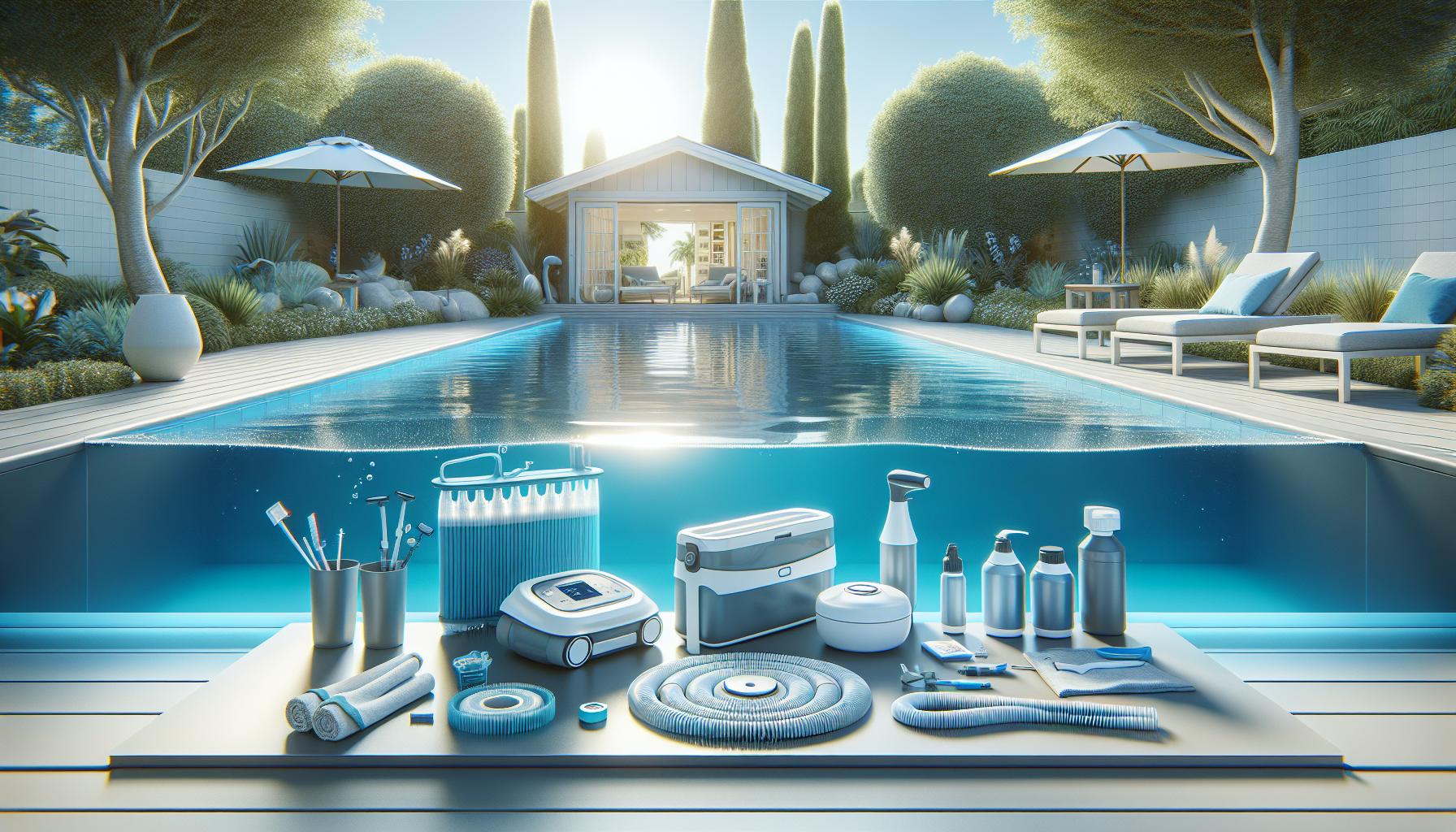
In a saltwater pool, the water is not just the medium we swim in; it’s an intricate part of a self-sustaining system that continuously transforms salt into the essential sanitizing agent-chlorine. Unlike traditional pools that rely on adding chlorine directly, saltwater pools use a salt chlorinator to generate chlorine from sodium chloride (salt) dissolved in the water. This process, known as electrolysis, occurs within a salt cell, where a low-voltage current passes through the saltwater, converting it into chlorine gas. This gas quickly dissolves back into the water, providing a steady supply of chlorine that effectively keeps the pool clean and safe for swimming.
The operation of a saltwater pool can be both economical and efficient. Once the appropriate amount of salt is added to the pool’s water-typically between 2700 to 3400 parts per million (ppm)-the salt chlorinator can automatically produce enough chlorine to maintain proper levels without the need for constant manual intervention. This self-sufficiency not only reduces the frequency of chemical purchases but also helps in maintaining a more stable chlorine level, which can result in a more pleasant swimming experience without the harshness often associated with traditional chlorine pools.
Regular monitoring is essential in ensuring that the saltwater system functions optimally. Owners should routinely check the salt level and the performance of the salt cell, as prolonged usage can lead to calcium buildup, which may require cleaning to maintain efficiency. Additionally, maintaining balanced water chemistry is vital; parameters such as pH, alkalinity, and hardness should be tested frequently. By keeping these levels in check, pool owners can prevent common issues, such as scaling or cloudy water, ensuring a clear and inviting swimming environment.
In summary, understanding how a saltwater pool operates empowers owners to manage their pool systems more effectively and enjoy a low-maintenance, pleasant swimming experience all season long.
The Benefits of Choosing a Salt Water Pool
The advantages of opting for a saltwater pool extend far beyond just the allure of gentle and soft water. Imagine being able to enjoy a refreshing swim without the stinging sensation often associated with traditional chlorine pools. Saltwater pools not only offer a more comfortable swimming experience but also reduce the maintenance burden on owners, ultimately leading to less time and money spent on chemicals and upkeep.
One of the key benefits is the automatic chlorine generation that saltwater systems provide. This means that pool owners no longer need to spend time manually adding chlorine or other chemicals. Instead, the built-in salt chlorinator continuously produces chlorine through electrolysis, maintaining optimal cleanliness and safety without the hassle of frequent chemical purchases. This self-sustaining mechanism results in a more consistent chlorine level, which can enhance the swimming experience by eliminating abrupt changes in water quality.
Moreover, saltwater pools are known to be gentler on the skin, eyes, and hair, sparing swimmers from the harsh effects commonly associated with traditional chlorine pools, such as dryness and irritation. The lower chemical concentration not only makes for a more enjoyable swim but also contributes to an overall healthier aquatic environment. The soothing properties of saltwater can even lead to a more inviting pool that encourages friends and family to gather for sunny afternoons in the water.
Maintaining a saltwater pool is generally simpler, but it does require some attention to detail. It is essential to monitor the salt levels regularly, ensuring they remain within the ideal range of 2700 to 3400 parts per million (ppm). This can typically be accomplished with a simple salt testing kit. Additionally, while the salt chlorinator reduces the need for additional chemicals, regular checks on water chemistry parameters like pH and alkalinity remain crucial. Keeping these levels balanced promotes a clean and sparkling pool, avoiding issues such as scaling or cloudy water. By adopting these straightforward maintenance practices, saltwater pool owners can relish a serene swimming experience with minimal fuss.
Essential Components of a Salt Water Pool System
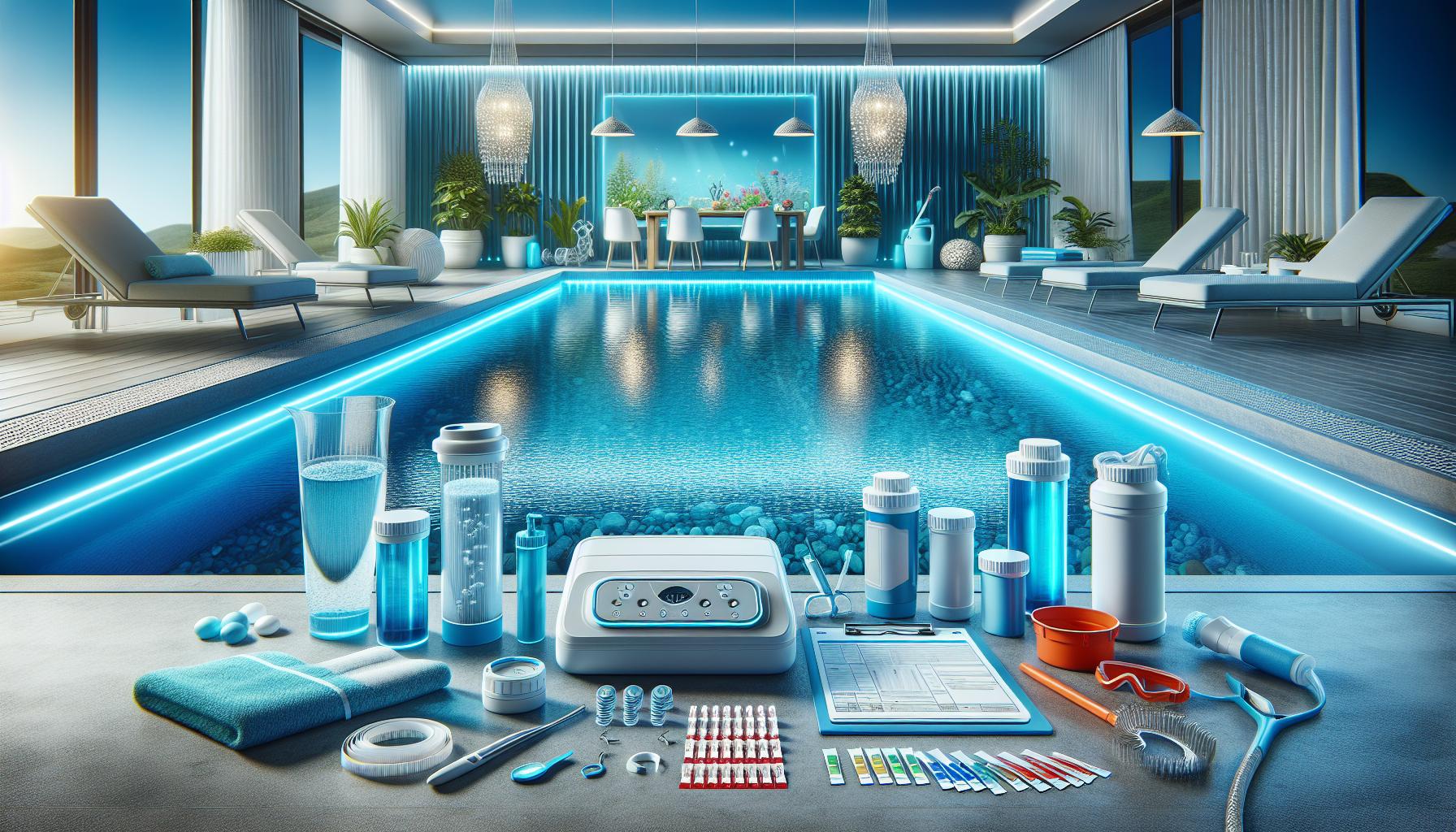
A saltwater pool system consists of key components that work synergistically to provide a clean and enjoyable swimming environment while minimizing maintenance tasks. Understanding these components is essential for any pool owner looking to optimize their experience and maintain the health of their pool.
The first crucial element is the salt chlorine generator, which is responsible for converting salt into chlorine through a process called electrolysis. The generator is typically installed in-line with the pool’s plumbing and continuously monitors the salt levels. When saltwater passes through the generator, it undergoes electrolysis, producing chlorine gas that is converted into hypochlorous acid, the active form of chlorine that disinfects the water. This not only eases the burden of manual chemical addition but also ensures a more consistent chlorination, reducing instances of pool water fluctuations and unpleasant odors associated with traditional chlorinated pools.
Another essential component is the filtering system, which can be sand, cartridge, or diatomaceous earth (DE) based. This system plays a critical role in maintaining water clarity and hygiene by removing debris, contaminants, and particles from the water. For optimal performance, it’s important to regularly clean or replace filter media according to the manufacturer’s guidelines. Regular filtration ensures that the water remains clear and inviting, allowing swimmers to enjoy a pristine environment.
The pump is another vital part of the system, as it circulates water through the salt chlorine generator and filter. Proper circulation is necessary to evenly distribute the chlorine produced and to help maintain balanced water chemistry. Pool owners should regularly check the pump’s operation and ensure that the skimmer and basket are clean to maximize efficiency.
Lastly, incorporating a saltwater testing kit is critical for monitoring the salinity and overall pool chemistry. It allows owners to keep track of salt levels, pH, alkalinity, and other essential parameters to ensure the pool water is balanced. Regular testing helps prevent problems such as scaling or algae growth, which can arise from improper water chemistry.
By understanding and properly maintaining these essential components, pool owners can enjoy the benefits of their saltwater pools while ensuring a safe and enjoyable swimming experience. Regular checks and balances will not only enhance the pool’s performance but will also provide peace of mind that the water remains healthy and inviting for family and friends alike.
Understanding the Salt Chlorinator’s Role
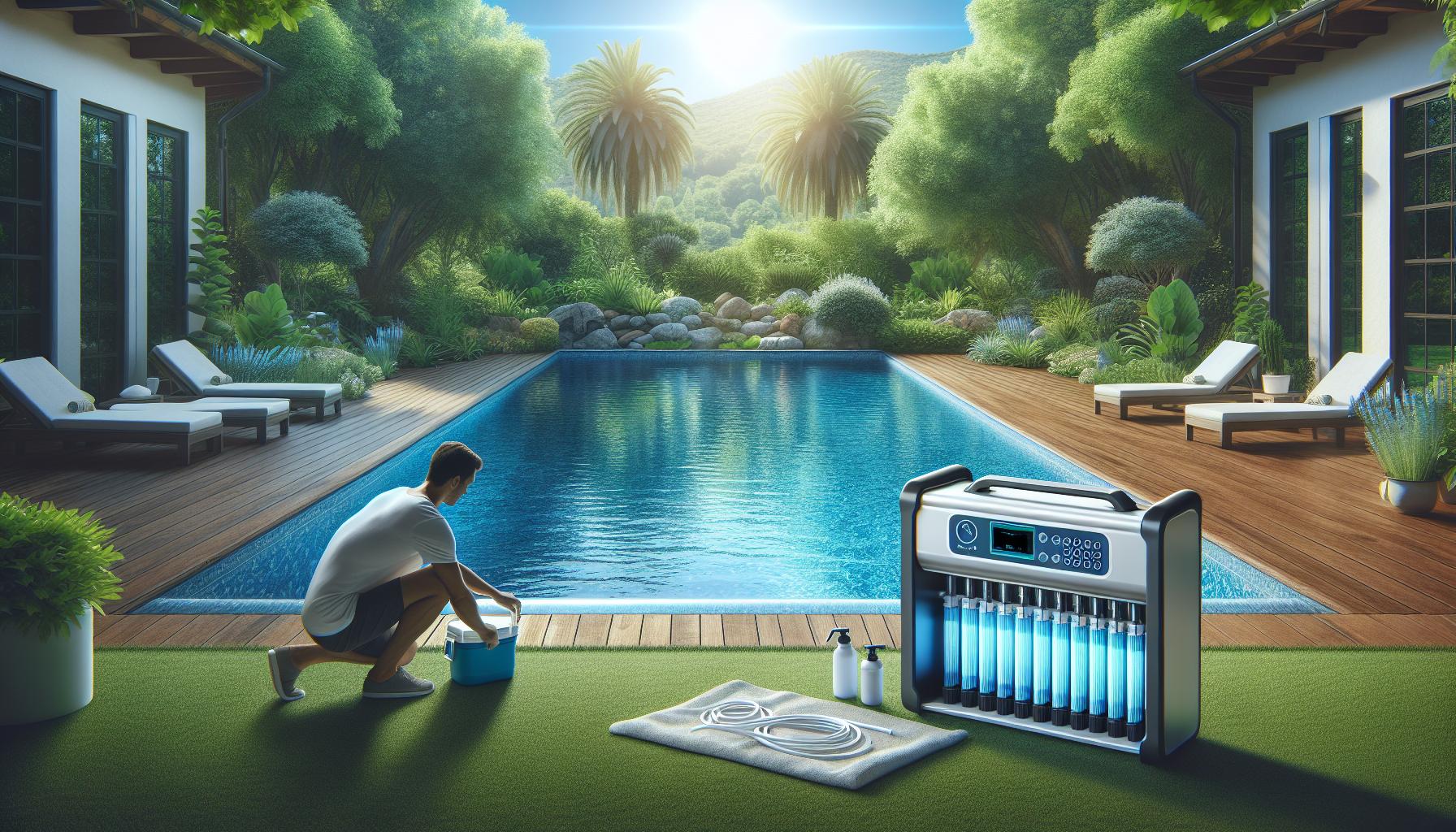
The heart of a saltwater pool’s operation lies in its salt chlorine generator, a sophisticated device that simplifies pool maintenance and enhances the swimming experience. This generator converts salt dissolved in the water into chlorine through a process known as electrolysis. As water flows through the generator, an electrical current is passed through the saltwater, which separates the sodium and chlorine molecules. The chlorine produced takes the form of hypochlorous acid, the active ingredient needed to sanitize the pool water effectively. This continuous generation of chlorine means that pool owners can enjoy consistently balanced water without the hassle of manual chemical additions.
One of the significant advantages of having a salt chlorine generator is the reduction in chlorine’s harsh chemical smell, which many traditional pools struggle with. With the generator in place, the chlorine levels remain stable, which helps reduce fluctuations that can lead to unpleasant odors and skin irritation often associated with traditional chlorine pools. This consistency not only enhances the bathers’ enjoyment but also extends the life of the pool equipment by mitigating potential issues related to chemical imbalances.
To keep the salt chlorinator functioning optimally, regular maintenance is essential. This includes checking the generator’s salt cell regularly for any signs of scaling or mineral buildup. A good practice is to clean the salt cell every few months, or as recommended by the manufacturer, to ensure efficient operation. Additionally, monitoring the salt levels in the pool is crucial; maintaining the ideal range-typically between 2700 to 3400 parts per million-ensures that the generator operates effectively and that chlorine production meets the needs of the pool. Using a reliable saltwater testing kit will help you keep track of these parameters and address any imbalances early.
By understanding the role of the salt chlorinator and integrating some straightforward maintenance practices, pool owners can significantly enhance their saltwater pool experience. This knowledge empowers you to address common issues proactively, ensuring your pool remains a refreshing and enjoyable haven for friends and family throughout the swimming season.
Maintaining Balanced Water Chemistry in Salt Water Pools
In a saltwater pool, maintaining balanced water chemistry is crucial for ensuring a clean and safe swimming environment. Unlike traditional chlorine pools, where chemicals are added manually, saltwater pools have a generator that produces chlorine from salt. However, this does not eliminate the necessity to monitor and balance the water’s chemistry regularly. Imbalances can lead to algae growth, skin irritation, and even damage to pool equipment.
To keep your water chemistry balanced, start by regularly testing your water. Use a reliable saltwater testing kit at least once a week to check for pH levels, chlorination, alkalinity, and calcium hardness. The ideal values to aim for are:
- pH: 7.4 to 7.6
- Chlorine: 1 to 3 ppm (parts per million)
- Alkalinity: 80 to 120 ppm
- Calcium Hardness: 200 to 400 ppm
If any of these levels stray from the targeted values, specific actions can be taken. For instance, if the pH is too high, adding pH minus (sodium bisulfate) can help bring it down. Conversely, if the pH is low, you can add pH plus (sodium carbonate) to elevate it. Balancing alkalinity may also require an adjustment-if alkalinity is high, using an acid can help; if it’s too low, adding a sodium bicarbonate is effective.
In addition to regular testing and adjustments, it’s essential to clean the pool and the salt cell frequently. Regular brushing of the walls and vacuuming the floor prevents dirt build-up and algae growth. Check the salt chlorine generator’s cell for scale or buildup and clean it according to the manufacturer’s recommendations. Typically, this involves soaking it in a mixture of water and muriatic acid.
Another crucial aspect of maintaining water chemistry is ensuring proper circulation and filtration. Run your pump for at least 8-12 hours daily to ensure all the water is adequately filtered and treated. This circulation helps distribute chlorine evenly throughout the pool and enhances water quality.
By following these steps, pool owners can effectively maintain balanced water chemistry in their saltwater pools, ensuring a pleasurable and healthy swim experience. Regular maintenance prevents larger issues down the line, empowering you to enjoy your pool worry-free during the swimming season.
Comprehensive Guide to Salt Water Pool Maintenance
Maintaining a saltwater pool is a seamless process when you understand its essential components and implement a consistent routine. Unlike traditional pools, saltwater pools continuously produce chlorine through a salt chlorinator, allowing for a more manageable maintenance schedule. However, to keep your pool sparkling and inviting, regular attention to its various aspects is crucial.
Start with water testing. Use a quality test kit to check your pool’s salinity, pH, chlorine, alkalinity, and calcium hardness levels at least once a week. The ideal ranges are as follows:
- pH: 7.4 to 7.6
- Chlorine: 1 to 3 ppm
- Alkalinity: 80 to 120 ppm
- Calcium Hardness: 200 to 400 ppm
If levels fall outside the recommended ranges, prompt adjustments are necessary. For example, if the pH is too high, adding sodium bisulfate can help restore balance, while low pH may be corrected with sodium carbonate. To manage alkalinity fluctuations, use acid to lower it or sodium bicarbonate to raise it.
Regular Cleaning and Maintenance
Cleaning your pool regularly is vital to prevent algae growth and maintain clarity. Skim the surface of the water to remove debris, and brush the pool walls and floor weekly. Pay special attention to the salt chlorinator’s cell; it’s responsible for converting the salt into chlorine. Inspect it monthly for scale buildup and clean it according to the manufacturer’s instructions-typically, a solution of water and muriatic acid is effective for this task.
To ensure proper chlorine distribution, run your pump and filtration system for 8 to 12 hours a day. This circulation is essential, especially after heavy pool usage or rainfall, as it helps circulate chemicals evenly and maintains water clarity.
Troubleshooting Common Issues
Even well-maintained saltwater pools may encounter challenges. Cloudy water often signals imbalances in chemicals, usually correctable by adjusting pH or alkalinity levels. If you experience persistent algae blooms, increase the output of the salt chlorinator and shock the pool with a chlorine treatment to eliminate the growth. In extreme cases, consider a thorough deep clean to reboot your water quality.
By embedding these practices into your routine, you empower yourself to enjoy your saltwater pool with confidence. Maintaining balance and cleanliness will not only enhance your swimming experience but also prolong the life of your pool components, ensuring that your oasis remains a point of relaxation and enjoyment for years to come.
Troubleshooting Common Salt Water Pool Issues
Even the most meticulously maintained saltwater pools can face occasional issues, and understanding how to troubleshoot these problems is essential for maintaining a pristine swimming environment. One common concern is cloudy water, often indicative of imbalanced chemical levels. If you notice the water losing its clarity, it’s time to conduct a thorough water test. Typically, low chlorine levels or elevated pH can cause this. Correct these by adjusting the salt chlorinator’s output-consider an increase if chlorine levels fall below 1.0 ppm-and fine-tune the pH to a range between 7.4 and 7.6 using sodium bisulfate for high pH or sodium carbonate for low pH.
In addition to cloudiness, persistent algae growth can trouble pool owners, especially in warmer months. If you spot green or brown algae, first increase the output of your salt chlorinator to boost chlorine levels. A shock treatment with liquid chlorine may be necessary for severe cases; this involves adding a significant amount of chlorine to eliminate algae spores effectively. After shocking the pool, brush the walls and vacuum to remove dead algae and ensure the water remains clear and inviting.
Another issue that might arise is insufficient water flow, which can compromise the performance of the salt chlorinator, leading to inadequate chlorine production. Check your pump and filtration system for any clogs or obstructions. Cleaning the skimmer and pump baskets, backwashing the filter, and ensuring that the pool water level is sufficiently high to allow for proper skimming can enhance water circulation. Remember that regular maintenance tasks, such as inspecting and cleaning the salt cell to prevent calcium build-up, play a vital role in avoiding performance issues.
By staying vigilant and proactive, you can tackle these common concerns effectively, ensuring that your saltwater pool remains a refreshing oasis ready for enjoyment all summer long.
Innovative Tips for Effortless Pool Care
Maintaining a saltwater pool can be both easy and efficient with the right strategies in place. Here are several innovative tips that can simplify your pool care routine, ensuring crystal-clear and inviting water while minimizing your workload.
One of the most effective ways to stay ahead of potential issues is to invest in an automatic pool cleaner. These devices can save you hours of manual cleaning by efficiently scrubbing the pool’s surface and vacuuming debris. Consider options that work in tandem with your saltwater system, maximizing efficiency without the need for additional chemicals. Combine this with regular maintenance of your pool’s filtration system-clean or replace filters as needed to optimize water circulation and clarity.
Utilize smart technology to keep tabs on your pool’s condition. Smart pool monitors can track chemical levels, temperature, and even pump performance, sending alerts straight to your smartphone. This proactive approach allows you to address imbalances or issues before they escalate, saving both time and money. Set a reminder to check the salt level regularly; it should range between 2700-4500 ppm, depending on your salt chlorinator’s specifications. If levels are too low, simply add the appropriate amount of salt and allow the system to process it.
Moreover, implement routine testing of your pool’s water chemistry at least once a week, especially after heavy usage or adverse weather conditions. Use reliable saltwater test strips or kits to check for free chlorine, pH levels, and total alkalinity. To maintain balanced water chemistry, keep the pH between 7.4 and 7.6 and ensure that free chlorine levels are around 1-3 ppm. A consistent schedule helps prevent the buildup of algae or cloudy water and allows for a more enjoyable swimming experience.
Additionally, consider adding a solar cover to your pool. This not only helps maintain the water temperature but also reduces evaporation, which can affect salt levels. By covering the pool when not in use, you can also minimize debris accumulation, reducing the frequency of cleaning needed.
By employing these tips, managing a saltwater pool can transition from a chore to an effortless task, allowing you more time to relax and enjoy your oasis.
Eco-Friendly Advantages of Salt Water Pools
The rising popularity of saltwater pools is not just about the swim experience; they bring significant eco-friendly advantages to the table. Unlike traditional chlorine pools that rely on harsh chemicals for sanitation, saltwater pools utilize a salt chlorination system. This process converts salt into chlorine through electrolysis, significantly reducing the need for chemical additives that can be harmful to the environment and our health.
Implementing a saltwater pool means fewer harmful chemicals leaching into the water and the surrounding soil. Traditional pool maintenance often involves transporting large quantities of chlorine and stabilizers, which can have an environmental footprint due to packaging waste and manufacturing processes. In contrast, saltwater pools require minimal chemical interventions-just a consistent supply of salt and occasional balancing agents to maintain optimal water chemistry.
Additionally, the low chlorine levels in saltwater pools lead to a gentler swimming experience. Swimmers often find that the water feels softer and less irritating to the skin and eyes, promoting more enjoyable swim sessions without the overwhelming smell of chlorine. The reduced need for additional chemicals can foster a more sustainable environment for surrounding flora and fauna, creating a healthier ecosystem around your pool area.
Maximizing Efficiency and Sustainability
To further enhance the eco-friendliness of your saltwater pool, consider the following practices:
- Utilize a Solar Cover: This helps retain heat, reduce water evaporation, and minimize chemical loss, ultimately leading to lower maintenance needs and energy costs.
- Implement Smart Technology: Smart monitors can keep tabs on your pool’s chemical balance, ensuring you use resources judiciously and only when necessary.
- Regular Maintenance: Maintaining your pool filtration system and components not only prolongs their lifespan but also ensures optimal performance, translating to less energy consumption.
By embracing these eco-friendly practices, saltwater pool owners can significantly contribute to sustainability while enjoying the myriad benefits that come with cleaner, healthier water. This thoughtful approach not only enhances the overall swimming experience but also aligns with responsible environmental stewardship.
Comparing Salt Water Pools vs. Traditional Chlorine Pools
When considering the choice between saltwater pools and traditional chlorine pools, understanding the fundamental differences can help make a more informed decision that aligns with your lifestyle and preferences. Saltwater pools utilize a salt chlorination system, which converts salt into chlorine through a process called electrolysis. This means that while you still have chlorine in a saltwater pool, it is generated on-site from the salt added to the water. In contrast, traditional chlorine pools rely on manually added chlorine in either liquid or tablet form for sanitation, requiring regular trips to the store and potential exposure to harsh chemicals when handling them.
One of the notable benefits of saltwater pools is the gentler swimming experience they offer. Swimmers often report that the water in saltwater pools feels softer, and there’s a reduced likelihood of skin and eye irritation due to lower chlorine levels compared to traditional pools. This user-friendly aspect contributes to longer, more enjoyable swims, making saltwater pools particularly appealing to families and those sensitive to the effects of chlorine.
However, traditional chlorine pools have their advantages as well. They can be easier to maintain for some owners because they do not require the additional initial investment of a salt chlorinator and the necessary maintenance associated with it. Moreover, traditional chlorine pools may be more accessible for quick repairs since replacement parts and chemical treatments are more commonly available, making it less complicated to troubleshoot issues.
Cost Considerations
From a cost perspective, the upfront installation of a saltwater system may seem daunting, but over time, it can lead to lower operational costs. The need for less frequent purchase of chlorine and the minimal upkeep of a saltwater generator can provide long-term savings. Documenting and calculating your pool costs over a few seasons will clarify which option proves more economical for your specific situation.
Ultimately, the best choice between a saltwater and traditional chlorine pool depends on your preferences, willingness to engage in maintenance tasks, and budget considerations. Whether you choose to go for the sophisticated convenience of a saltwater pool or the simplicity of a traditional chlorine pool, understanding their distinct characteristics is key to creating an ideal swimming environment for years to come.
Enhancing Your Pool Experience with Smart Technology
Integrating smart technology into your saltwater pool experience can significantly enhance convenience, efficiency, and enjoyment. Imagine controlling your pool’s settings directly from your smartphone or tablet. Modern pool automation systems allow you to manage various functions, such as water temperature, cleaning schedules, and even water chemistry, making pool ownership far less burdensome and more enjoyable.
Key Smart Technologies for Saltwater Pools
Smart technology solutions come in various forms, each designed to streamline pool maintenance and enhance usability:
- Automated Chlorine Generators: The heart of a saltwater pool is its chlorinator. Advanced models now come equipped with smart features that monitor chlorine levels in real-time and adjust production accordingly, ensuring optimal water quality without constant manual testing.
- Smart Pumps and Heaters: These devices can be programmed to run during off-peak energy hours, saving money and reducing wear and tear. They can also be controlled remotely, so pool owners can ensure everything is ready for a swim before they arrive.
- Water Chemistry Monitoring Systems: These technologies continuously measure pH, alkalinity, and salinity, sending alerts to your smartphone when levels go out of balance. Some even provide actionable recommendations for adjustments.
- Cleaning Robots: Automated pool cleaners are perfect for maintaining cleanliness without manual effort. Many modern robotic cleaners come with smart features, allowing you to set cleaning schedules and monitor activity through smartphone apps.
- LED Lighting Systems: For aesthetics and ambiance, smart LED lights can change colors, be scheduled to turn on or off at specific times, and even synchronize with pool parties or evening swims.
Practical Benefits of Smart Technology
The integration of smart technology not only saves time but also promotes a safer swimming environment. Automation allows for better monitoring of water conditions, which can help prevent issues such as algae growth and imbalanced water chemistry-challenges that can lead to greater spending on maintenance if left unaddressed.
Taking the next step towards smart technology means an initial investment, but the long-term benefits include reduced chemical usage, lower operational costs, and enhanced ease of use, transforming your pool into a personal oasis. With these innovations, managing your saltwater pool becomes an effortless and enjoyable experience, allowing you to focus on the relaxation and fun that come with pool ownership.
Expert Advice for Winterizing Your Salt Water Pool
Preparing your salt water pool for winter is crucial to extending its lifespan and ensuring it’s ready for use when warm weather returns. The process of winterization protects against freezing temperatures that can cause damage to plumbing and equipment, while also keeping your pool clean and well-maintained during the off-season.
Start by thoroughly cleaning your pool. Remove all debris, leaves, and dirt from the surface and vacuum the pool floor. This step prevents the buildup of algae and other contaminants. Adjust the water chemistry so that the pH is between 7.2 and 7.8, alkalinity is between 80-120 ppm, and calcium hardness is around 200-400 ppm. These levels help protect the pool’s surfaces and equipment during the winter months. After balancing the chemicals, shock the pool with a chlorine treatment to eliminate any remaining contaminants.
Next, lower the water level in the pool. You can do this to about 4 to 6 inches below the skimmer. This height helps prevent water from freezing in the skimmer, which could cause significant damage. Once the water level is lowered, you should also drain water from all pool equipment, including filters, heaters, and pumps, to avoid freezing and cracking. Additionally, ensure that your salt chlorine generator is completely drained of water and cleaned properly since freezing can damage it.
As an extra precaution, consider adding antifreeze to the plumbing lines as an added safeguard against freezing. Use non-toxic antifreeze specifically designed for pools, and follow the manufacturer’s instructions for application.
Finally, cover your pool with a high-quality vinyl or mesh winter cover. Ensure it is secured tightly to withstand snow and ice accumulation. Regularly check the cover throughout the winter to remove any debris, and keep the water level as needed to avoid water sitting on top of the cover. This proactive winterization process will protect your salt water pool, making spring opening much easier while ensuring the integrity of your investment.
Frequently asked questions
Q: How does a salt water pool generate chlorine?
A: A salt water pool generates chlorine through a salt chlorinator, which converts salt in the water to chlorine via electrolysis. This process maintains sanitizer levels consistently, making pool care easier and reducing the need for purchasing and storing traditional chlorine.
Q: What are the main benefits of using a salt water pool?
A: Salt water pools offer several benefits, including softer water that’s gentler on skin and eyes, lower maintenance costs, and reduced chemical handling. They also provide a more stable chlorine level, enhancing water clarity and comfort for swimmers.
Q: How often should I test salt levels in my pool?
A: It’s advisable to test salt levels in your salt water pool every 4-6 weeks, or after heavy rainfall, to ensure optimal chlorine production. Keeping salt levels around 3,200 PPM is essential for the efficient functioning of the salt chlorinator.
Q: Can I convert my traditional chlorine pool to a salt water pool?
A: Yes, you can convert a traditional chlorine pool to a salt water system. This typically involves installing a salt chlorine generator and adding the necessary salt to your pool water. It’s a popular upgrade due to the long-term benefits and ease of maintenance.
Q: What should I do if my salt water pool shows low chlorine levels?
A: If your salt water pool has low chlorine levels, first check the salt concentration and ensure it’s within the recommended range of 3,200 PPM. Additionally, inspect the salt cell for cleanliness and functionality. If necessary, run the chlorinator longer or adjust the settings to boost chlorine production.
Q: Are salt water pools more eco-friendly than traditional pools?
A: Yes, salt water pools can be more eco-friendly due to lower chemical usage and reduced need for harsh chlorine products, which contributes to a healthier swimming environment and minimizes environmental impact. Additionally, the consistent water balance helps reduce the necessity for frequent chemical treatments.
Q: What maintenance is required for a salt water pool?
A: Maintenance for a salt water pool includes regular testing of water chemistry (pH, alkalinity, calcium hardness, and chlorine levels), cleaning the salt cell, balancing chemicals, and ensuring filtration systems are operating efficiently. Routine inspections aid in identifying potential issues early.
Q: How long does the salt last in a salt water pool?
A: Salt in a salt water pool does not evaporate; however, it can decrease due to splash-out, backwashing, or heavy rainfall. As a result, it’s recommended to check and add salt as needed, approximately once a year or as your testing indicates.
Key Takeaways
Now that you understand how a salt water pool works and the effortless care it offers, it’s time to take advantage of your newfound knowledge. Remember, maintaining a salt water pool not only simplifies your upkeep but also enhances your swimming experience with softer, cleaner water. If you’re ready to dive in deeper, check out our guides on “Salt Water Pool Maintenance Tips” and “Common Salt Water Pool Problems and Solutions” to keep your pool in top condition.
Don’t hesitate to engage with us! Share your thoughts or questions in the comments below, and consider signing up for our newsletter for even more expert pool care tips delivered directly to your inbox.
Explore our resource library for essential tools and solutions that will empower you to confidently manage your pool maintenance. With our help, a beautiful and inviting salt water pool is just a few steps away!


