Picture this: a sunny day by the pool, and instead of the refreshing blue water you expect, you’re greeted by an unsightly green hue. This common issue can signal algae buildup, poor water chemistry, or inadequate filtration. Understanding why your pool water has turned green is crucial for preserving not just the aesthetics of your backyard oasis but also the health and safety of your swimmers.
In this article, we’ll dive into the reasons behind green pool water and provide practical, step-by-step solutions to restore your pool to its sparkling blue glory. Whether you’re preparing for a weekend gathering or just want to enjoy a peaceful swim, knowing how to tackle this problem can save you time, effort, and frustration. Don’t let green water ruin your summer-let’s explore the causes and quick fixes together!
Understanding the Causes of Green Pool Water

One common and frustrating issue for pool owners is the sudden transformation of their sparkling blue oasis into a murky green pool. This color change is usually indicative of a growing algae problem, which can thrive in poorly maintained water. Understanding the causes behind green pool water is crucial for effective remediation. Algae flourish when convenience meets neglect-specifically when pH levels rise or there’s insufficient chlorine to combat organic growth.
Among the major contributors to green pool water are inadequate sanitization and filtration systems. When chlorine levels dip below acceptable levels, typically below 1.0 ppm, it sets the stage for algae to take root. Furthermore, poor circulation due to clogged filters or malfunctioning pumps can leave pockets of stagnant water, creating the perfect breeding ground for algae. High temperatures also accelerate this process, as warm water invites algal blooms to flourish.
Additionally, external factors can exacerbate the issue. Rainstorms can introduce organic debris like leaves and pollen, which significantly affect water clarity if not regularly skimmed. If your pool is located near trees or grass, the influx of organic materials can overwhelm the sanitizer and lead to algae proliferation. Furthermore, introducing new swimmers or pets without proper sanitation measures can also unintentionally introduce additional contaminants.
To address and prevent the recurrence of green water, routine maintenance is key. Monitoring water chemistry regularly and ensuring consistent chlorine levels will safeguard against algae growth. Implementing regular cleaning schedules to remove potential contaminants can also play a significant role. With the right vigilance and proactive measures, your pool can remain a clear and inviting space throughout the swimming season.
Common Contaminants Turning Your Pool Green
The vibrant blue water of your pool can quickly become a greenish eyesore, often indicating the presence of harmful contaminants that jeopardize water quality. Understanding these contaminants can pave the way for effective solutions, allowing you to restore your pool to its pristine state. Algae is the most notorious culprit, thriving in conditions where chlorine levels drop and organic debris accumulates. While the primary focus is on algae, several other factors can contribute to that unsettling green hue.
One significant contaminant is bacteria and organic matter, which accumulates from various sources like fallen leaves, insects, and even dirt brought in by swimmers. As these materials decompose, they provide nutrients for algae, creating a cycle of contamination. Additionally, chemical imbalances-specifically low chlorine levels-can exacerbate the problem, allowing contaminants to thrive unchecked. Chlorine is your pool’s first line of defense, and when its levels dip below 1.0 ppm, algae can begin to flourish, leading to discoloration.
Moreover, pH imbalances can invite issues. An improper pH level can hinder chlorine’s effectiveness, making it easier for harmful bacteria and algae to take hold. As temperatures rise, the likelihood of these organisms blooming increases, particularly during warm summer months. Environmental factors-such as heavy rains that wash debris into the pool, or a nearby grassy area introducing excess lawn clippings or pollen-can overwhelm sanitizers, further contributing to water clarity problems.
To combat these contaminants, consider implementing regular maintenance routines. Skimming debris, brushing pool surfaces, and vacuuming should become standard practices, alongside routine water testing and balancing. Keeping your filtration system clean and functioning optimally is crucial for preventing stagnation, which can provide a hospitable environment for algae. By maintaining vigilance and addressing contaminants proactively, you can ensure that your pool remains a sparkling oasis rather than a murky mess.
Quick Fixes for Green Pool Water Issues
The reality of a green pool can be disheartening, especially when you’re eager to dive into refreshing water. Fortunately, addressing this issue doesn’t require professional intervention every time; many quick fixes can restore your pool to its sparkling state with just a bit of effort on your part.
Start by testing your pool water using a reliable test kit. Measure the chlorine and pH levels; ideally, chlorine should be between 1.0 to 3.0 ppm, and pH should range from 7.2 to 7.8. If the chlorine level is low, shock the pool. This involves adding a high dose of chlorine to quickly elevate the levels and kill off the algae and bacteria. It’s essential to follow the manufacturer’s instructions for dosage based on your pool’s size.
While shocking is in progress, take some immediate physical actions to help clear the water. Use a skimmer net to remove any floating debris like leaves or bugs. Follow this up by brushing the walls and floor of the pool with a pool brush to dislodge algae and dirt that might be clinging to the surfaces. After brushing, run your pool vacuum to help eliminate any particles that have settled to the bottom.
Next, ensure your filtration system is operating correctly. If the filter is dirty, clean or replace it as needed, and run it continuously for at least 24 hours following the shock treatment. This will help circulate the water and remove any remaining contaminants. If visibility remains poor after the initial shock treatment, consider using a flocculant or clarifier, which can help clarify the water by causing small particles to clump together and be filtered out more effectively.
Finally, remember that prevention is key. Regular maintenance routines, including routine water balancing, can stave off the onset of green water. Keeping your pool covered when not in use can also help reduce debris accumulation, mitigating future green water issues. Implementing these quick fixes allows you to reclaim your pool’s crystal-clear glory effectively.
Preventative Maintenance to Keep Pool Water Clear
To enjoy a crystal-clear swimming pool throughout the season, proactive maintenance is essential. Regular upkeep not only keeps your pool visually appealing but also prevents the onset of algae growth that causes unsightly green water. Implementing a systematic maintenance routine is key to thwarting any issues before they escalate.
Start by testing your water chemistry at least once a week. Keeping a consistent eye on key metrics such as pH, chlorine levels, and alkalinity will help you identify imbalances early. Chlorine levels should ideally be between 1.0 to 3.0 ppm, while pH should range from 7.2 to 7.8. If the readings are off, make necessary adjustments immediately to maintain a healthy water balance.
Regular Cleaning Protocols
In addition to chemical balancing, establish regular cleaning habits. Use a skimmer net daily to remove leaves, insects, and debris floating on the surface. Weekly, use a pool brush to scrub the walls and floor, targeting areas where algae can cling. Following this routine, running your pool vacuum will help eliminate any settled particles, ensuring all surfaces are kept clean.
Filtration Efficiency
Another critical aspect of maintenance is keeping your filtration system in top shape. Inspect and clean the filter regularly-especially during peak swimming season-to ensure it’s operating effectively. A dirty filter can impede water flow and allow contaminants to thrive. Aim to run your filtration system for at least 8 to 12 hours a day during hot weather to promote good circulation and particle removal.
By adopting these preventative measures, you can significantly reduce the chances of your pool turning green, allowing you to enjoy a stunning, inviting swimming environment. Remember that consistent care and early intervention are your best tools in maintaining beautiful, clear water all year round.
How Water Chemistry Affects Pool Color
Understanding is crucial for maintaining a sparkling, inviting swimming environment. When the balance of chemicals in the pool water is off, it can lead to a proliferation of algae and other contaminants that turn the water green. Chlorine and pH levels are particularly significant, as they influence not just sanitation but also the overall aesthetic of your pool.
To begin with, chlorine is your primary defense against algae and bacteria. Insufficient chlorine levels-below the recommended range of 1.0 to 3.0 ppm-allow algae blooms to flourish, resulting in that notorious green hue. It’s essential to regularly test your chlorine levels using either test strips or a liquid test kit. If levels are low, shock the pool with a chlorine treatment to rapidly kill off any existing algae and neutralize contaminants.
In tandem with chlorine, maintaining the correct pH balance-ideally between 7.2 and 7.8-is vital for water clarity. A pH level that is too high can diminish the effectiveness of chlorine, while levels that are too low can lead to corrosion of pool surfaces and equipment. Testing pH should be a part of your weekly routine, and if adjustments are necessary, use pH increasers or decreasers to return to the optimal range.
Additionally, be mindful of alkalinity; it acts as a buffer for pH. Alkalinity levels between 80 to 120 ppm help maintain consistent pH levels and improve overall water stability. Keep a close eye on these readings and make small adjustments with bicarbonate of soda or muriatic acid to ensure balanced chemistry.
Remember that even with a perfect chemical balance, other factors like debris and sunlight exposure can influence color perception. Thus, it is key to maintain cleanliness and optimize your pool’s filtration system. By diligently monitoring and adjusting your water chemistry, you can prevent the murky green problem and enjoy clear, beautiful water that invites swimming all season long.
Seasonal Tips for Green Pool Prevention
Every pool owner wants to enjoy crystal-clear water all year round, but seasonal changes can pose unique challenges for maintaining that pristine condition. As temperatures rise, algae thrive, and during cooler months, debris can accumulate and create imbalances in water chemistry. Staying proactive with your pool maintenance routine is key to preventing that dreaded green tint from appearing in your pool.
To prevent algae growth in warmer months, ensure that your pool receives consistent chemical treatment and regular cleaning. This is especially important in spring and summer when heat and sunlight create an ideal environment for algae blooms. Aim to test and adjust your chlorine levels weekly, keeping them in the optimal range of 1.0 to 3.0 ppm. Additionally, brush the walls and floor of your pool at least once a week to dislodge any budding algae, and run the pool filter for at least 8-12 hours a day to help remove any contaminants.
In the fall, as leaves and debris begin to fall, it’s vital to ramp up your maintenance efforts. Regular skimming and vacuuming will help manage debris and prevent it from decomposing in the water, which can lead to imbalances. Installing a pool cover during the off-season can significantly reduce the amount of debris that enters the pool and minimize the necessary cleaning tasks.
Lastly, don’t underestimate the impact of water temperature and sunlight exposure on your pool’s health. Adding a pool heater can help maintain a consistent temperature, which deters algae growth. On sunny days, consider using a pool blanket or solar cover to limit heat absorption and reduce the chance of algae formation. By combining these preventative measures with regular chemical testing, you’ll keep your pool water clear and inviting throughout the year.
When to Call a Professional Pool Service
Dealing with a green pool can be frustrating, especially after you’ve put in the effort to maintain it. While many pool owners can handle basic maintenance and troubleshooting themselves, there are times when calling in professionals becomes not just beneficial but necessary. If you’ve noticed that your pool remains green despite regular cleaning and chemical adjustments or if the problem seems to worsen, it might be time to seek help from experts.
Professional pool services can offer a comprehensive evaluation of your pool’s condition. They are equipped with specialized tools and knowledge to identify issues that may not be evident to the untrained eye, such as underlying mechanical failures in the filtration system or unbalanced water chemistry. If your efforts to clear the water have led to a deteriorating situation, or if you simply don’t have the time or resources to carry out extensive treatments, it’s advisable to engage a service that can address these complexities effectively.
In particular, if algae blooms are extensive or you’re unsure which type of algae is present, professionals can implement targeted treatments and provide a thorough cleaning that could be difficult for an owner to achieve alone. Furthermore, if you’ve experienced consistent problems with pool clarity, or if your water tests indicate unmanageable levels of contaminants despite attempted interventions, a professional assessment will help determine if changes are needed in your maintenance routine or if equipment upgrades are warranted.
Ultimately, knowing when to call in the experts is a valuable skill every pool owner should develop. It helps ensure that your investment is protected, and your pool remains a safe, enjoyable place for relaxation and recreation. If you experience persistent green water, extensive chemical imbalances, or mechanical malfunctions, don’t hesitate-contact a professional pool service to restore your pool’s pristine condition.
Algae Types and How They Influence Pool Color
Algae can significantly impact the clarity and color of your pool water. Understanding the different types of algae and their characteristics is essential for diagnosing the cause of your pool’s green tint and treating it effectively. The most common culprits include green algae, yellow (or mustard) algae, and black algae. Each type presents unique challenges and requires specific approaches for remediation.
Green Algae is the most prevalent type found in residential pools. It appears as a murky green cloudiness in the water, often resulting from warm temperatures and insufficient chlorine levels. Green algae are typically easy to treat as they are soft and can be removed with regular brushing and the right shock treatment. To tackle this, ensure you:
- Shock the pool with a chlorine-based product or non-chlorine shock.
- Brush the walls and floor of the pool to dislodge the algae.
- Run the pool filter continuously until the water clears up.
Yellow Algae, also known as mustard algae, is trickier to deal with. This type can cling tightly to pool surfaces and often requires more intense treatments. It has a yellow or brown color and may resemble dirt or sand. To eliminate yellow algae, follow these steps:
- Apply an algaecide specifically formulated for mustard algae.
- Boost chlorine levels significantly (shock) and adjust your pH to ensure it’s within the ideal range.
- Brush affected areas thoroughly and ensure proper circulation by running the filter longer than usual.
Black Algae is the most stubborn of the three. Recognizable by its dark green to black spots, it embeds itself into the plaster or concrete surfaces of the pool, making it particularly difficult to eradicate. For black algae, you will need to take a more aggressive approach:
- Use a special algaecide targeted for black algae.
- Brush the spots with a stainless steel brush to break the protective barrier.
- Shock the pool and maintain higher chlorine levels over several days while the filter runs continuously.
Through regular monitoring of water chemistry and maintaining adequate sanitation levels, pool owners can prevent algae growth. Testing your water regularly and adjusting the chemicals accordingly not only keeps your pool crystal clear but also safeguards your investment against the invasive nature of algae blooms.
Tips for Using Pool Chemicals Safely
Using pool chemicals can effectively maintain clear and safe water, but proper safety measures are crucial to protect both users and the environment. Start by always reading the labels of your chemical products thoroughly. Each product provides essential information about usage, safety precautions, and storage guidelines. Misapplication of pool chemicals can lead to dangerous situations such as chemical burns or adverse reactions.
When handling pool chemicals, it’s vital to use personal protective equipment (PPE). This includes gloves, goggles, and a mask if indicated. Always work with these chemicals in well-ventilated areas to minimize inhalation risks. Store chemicals in a cool, dry place away from direct sunlight, as exposure can lead to degradation and potential hazards. It’s also wise to keep them out of reach of children and pets to prevent accidental exposure.
Mixing chemicals can be particularly dangerous. Never combine chlorine-based products with other chemicals, as this can lead to harmful reactions, including toxic gas release. Instead, add chemicals to the water one at a time, following the recommended rates on product labels, and allow sufficient time for each to circulate before adding the next. This not only enhances safety but also ensures effective treatment of your pool.
Lastly, dispose of any unused or expired chemicals according to local regulations. Do not pour chemicals down drains, as this can contaminate water supplies and harm the environment. Many communities offer hazardous waste collection days to help safely dispose of these materials. By adhering to these safety tips, you can maintain a healthy pool environment while minimizing risks associated with chemical usage.
Debunking Myths About Green Pool Water
Misunderstandings surrounding green pool water are common, but diving into these myths can empower pool owners to tackle issues effectively. One prevalent myth is that a green pool indicates a serious, irreversible problem. In reality, many cases of green water are simply the result of algae growth due to imbalanced water chemistry or inadequate filtration. Regular maintenance can often restore the pool to its crystal-clear state without necessitating major repairs or expensive interventions.
Another misconception is that chlorine is the only necessary chemical to clear green water. While chlorine is vital for sanitizing, it is not a standalone solution. The presence of phosphates or high levels of stabilizer (cyanuric acid) can hinder chlorine’s effectiveness, leading to continued algae blooms. Pool owners should routinely test their water to understand the complete chemical balance, ensuring that all necessary adjustments are made, such as adding algaecides or balancing pH levels to enhance the effectiveness of chlorine.
Many believe that simply shocking the pool with chlorine will resolve green water issues instantly. Although shocking the pool is an essential step, it must be coupled with proper filtration and routine maintenance. Continuous operation of the filtration system while treating the water is crucial, as it helps remove dead algae and other contaminants from the pool, ensuring a faster recovery.
Lastly, the notion that green pool water is unsafe for swimming is another myth that deserves clarification. While a green pool often signifies the presence of algae, which can harbinger bacteria, it doesn’t automatically equate to hazardous conditions if proper treatment is underway. However, swimming in a poorly maintained pool is discouraged as it may pose health risks. Owners should ensure sufficient chlorination and clear visibly cloudy water before resuming swimming activities.
By dispelling these myths, pool owners can approach maintenance effectively and confidently, making informed decisions that restore and protect their swimming environment. Remember, understanding the complexities of pool chemistry is the first step to keeping your pool inviting and safe for family and friends.
Essential Tools for Diagnosing Pool Problems
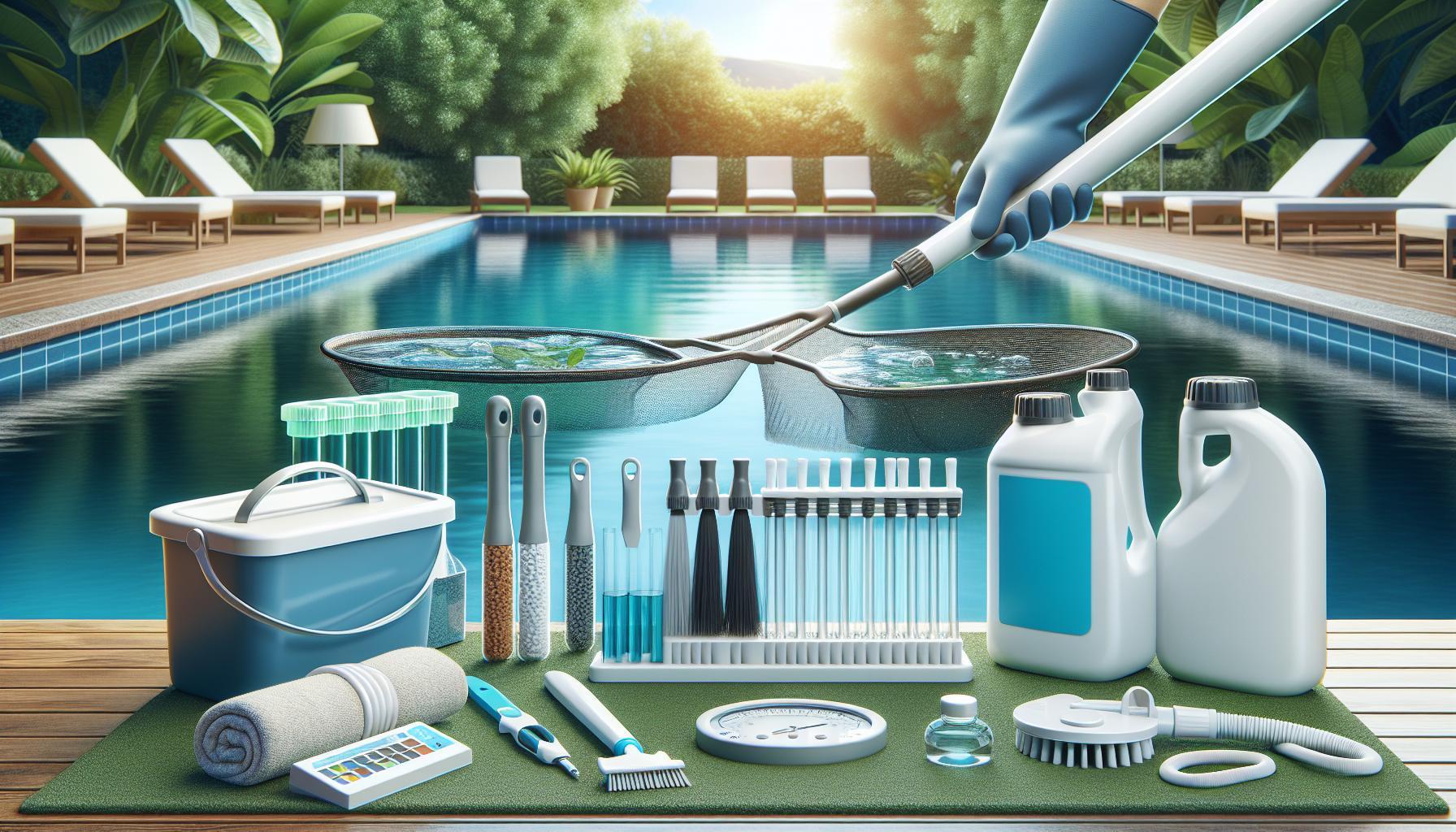
When faced with green pool water, having the right tools at your disposal can make the difference between a quick fix and endless frustration. To effectively diagnose and tackle the problem, there are several essential instruments every pool owner should possess. These tools not only help identify the underlying causes of discoloration but also guide you through the maintenance and adjustments needed to restore clarity to your pool.
Water Testing Kit
A reliable water testing kit is the foundation of effective pool management. This kit should include tests for pH, chlorine levels, alkalinity, and stabilizer. Regularly testing your water allows you to pinpoint imbalances, such as low chlorine or imbalanced pH, which can contribute to algae growth. For immediate diagnosis, consider using a photometer or digital reader, which provides accurate readings quickly, allowing you to make necessary adjustments right away.
Skimmer Net
While primarily used for debris collection, a skimmer net also serves as a simple tool to assess your pool’s condition. If you notice a lot of debris on the surface, it may indicate poor circulation or filtration, which can lead to algae blooms. Use the net to clear out leaves, insects, and other particles, as maintaining a clean surface is crucial to improving overall water quality.
Filtration System Efficiency
Understanding how well your filtration system operates is vital for diagnosing green water issues. Ensure that your filter is clean and functioning properly. Consider tools like a manometer to measure the pressure in your filtration system; this can alert you to clogs or inefficiencies. Additionally, check the backwash setting regularly to maintain optimal performance. If your filter is underperforming, it could be a primary factor in your pool’s algae problem.
Algae Brush
An algae brush is essential for scrubbing surfaces that may have become a breeding ground for algae. Using this brush, you can physically remove algae from the walls and floor of your pool, aiding in both diagnosis and cleanup. While brushing, observe the response of the water: if algae continue to dismantle easily, you may have an ongoing algae issue, requiring more intensive treatment such as shocking the pool.
By equipping yourself with these vital tools, you gain the ability to diagnose problems with confidence and implement solutions promptly. Not only does this empower you as a pool owner, but it also helps in maintaining a safe and inviting swimming environment for everyone. With the right approach and tools, you can tackle green water issues effectively and enjoy a crystal-clear pool experience.
Step-by-Step Guide to Cleaning a Green Pool
When the sparkling blue of your pool turns to an unsightly green, it’s often a sign of algae infestation, poor water chemistry, or inadequate filtration. Tackling this issue effectively requires a methodical approach to restore clarity and safety to your swimming environment. Here’s a step-by-step guide to help you clean a green pool and get back to enjoyable lounging by the water.
Start by gathering your essential tools: a pool skimmer, algae brush, vacuum, water testing kit, and appropriate pool chemicals-usually chlorine shock and an algaecide. Begin by skimming the surface of the pool with your skimmer net to remove any debris floating on the water; this not only helps improve circulation but also reduces organic matter that can fuel algae growth.
Next, test your water chemistry using a reliable water testing kit. Focus on critical parameters such as pH, total alkalinity, and chlorine levels. Ideal pH should be between 7.2 and 7.6. Balance these levels as needed by adjusting with pH increaser or decreaser, or through the addition of alkalinity boosters, which will create a more hospitable environment for your chlorine to work effectively.
Once the water chemistry is corrected, it’s time to target the algae directly. Use the algae brush to scrub the walls and floor of the pool. Pay attention to corners and areas with the most discoloration. As you scrub, the algae will loosen, making it easier to remove. After scrubbing, vacuum the pool to eliminate any algae and debris sourced from scrubbing; this can be done using a manual or automatic pool vacuum.
After physically cleaning the pool, it’s important to add a chlorine shock treatment. This involves distributing a concentrated amount of chlorine throughout the water, ideally in the evening when the sun won’t diminish its effectiveness. Follow up with an algaecide to ensure any remaining algae is destroyed and to prevent future outbreaks.
Finally, run the pool filter continuously for at least 24 hours to help clear the water. Monitor the filter’s pressure and backwash if necessary to keep it functioning optimally. Once the water clears and the residual chlorine returns to safe levels (below 3 ppm), your pool will be ready for a dip!
By following this comprehensive cleaning process, you can effectively combat green pool water and maintain the clarity and safety of your swimming experience. Regular maintenance and prompt action at the first signs of green water will make all the difference in enjoying a pristine pool.
FAQ
Q: What causes pool water to turn green?
A: Pool water turns green primarily due to algae growth, which thrives in conditions of poor sanitation, unbalanced pH, or inadequate chlorine levels. Organic debris like leaves and dirt can also contribute to this issue by providing nutrients for algae. Regular testing of water chemistry helps prevent these conditions.
Q: How do I quickly fix green pool water?
A: To fix green pool water, shock the pool with a strong chlorine treatment, clean the pool walls and floor, and run your filter continuously. After the initial shock, allow the filter to run for at least 24 hours to help clear the water. Check pH levels and adjust accordingly.
Q: Can too much chlorine make pool water green?
A: Yes, excessive chlorine can lead to a condition known as “chlorine lock,” where the chlorine becomes ineffective at sanitizing the pool. Regularly test the water and maintain balanced levels, typically between 1-3 ppm for chlorine.
Q: How do I prevent my pool from turning green?
A: Prevent green pool water by maintaining proper water chemistry, regularly skimming debris, vacuuming, and fully brushing the pool walls. Using a quality algaecide and ensuring proper circulation with your pool pump are also essential for prevention.
Q: Are there different types of algae that cause green pool water?
A: Yes, the most common types of algae include green algae, mustard algae (yellow), and black algae. Green algae is the most common cause of green water, while mustard algae can cause a yellow tint. Identifying the type can help in selecting the right treatment approach.
Q: When should I consider calling a pool professional for green water?
A: If your efforts to clear the green pool water fail after several treatments, or if the problem persists due to unclear issues with the pool system, it may be time to consult a professional. They can provide expertise in diagnosing and treating complex pool problems.
Q: What role does sunlight play in pool water color?
A: Sunlight affects pool water color by promoting the growth of algae, especially when pool chemistry is unbalanced. Sunlight can also degrade chemicals like chlorine, reducing their effectiveness against contaminants. Regular testing and balancing help to combat these effects.
Q: How does weather contribute to green pool water?
A: Weather plays a significant role; heavy rains can dilute chlorine levels and introduce organic debris into the pool. Hot weather encourages algae growth, especially if there’s insufficient circulation or filtration. Adjusting maintenance routines according to seasons helps mitigate these effects.
Closing Remarks
Now that you understand why your pool water may be green and how to implement effective fixes, don’t let the problem linger! Take action today by checking your water chemistry, balancing pH, and ensuring proper circulation. Regular maintenance is key to preventing a recurrence of this issue. For deeper insights, explore our articles on ChlorineRelationship”>CYA Chlorine Relationship, which will empower you further in achieving crystal-clear water.
If you still have questions or need personalized guidance, feel free to join our community forums, where fellow pool enthusiasts share experiences and solutions. We invite you to subscribe to our newsletter for ongoing tips and updates. Keeping your pool healthy shouldn’t be a chore; together, we can make it a breeze! Your pristine oasis is just a few steps away-let’s get started!