A vibrant, inviting pool is a hallmark of summer fun, but spotting green water can quickly turn excitement into frustration. A green pool typically signals an algae bloom, often stemming from poor circulation, inadequate sanitization, or imbalanced chemicals. Understanding the causes behind this common problem is essential for any pool owner eager to restore their backyard oasis.
In this guide, we’ll delve into the reasons your pool may have turned green and provide quick fixes to bring back its sparkle. By addressing these challenges head-on, you can not only reclaim the enjoyment of your pool but also empower yourself with the knowledge to prevent future issues. Ready to dive into effective solutions? Let’s explore the path to a crystal-clear pool together!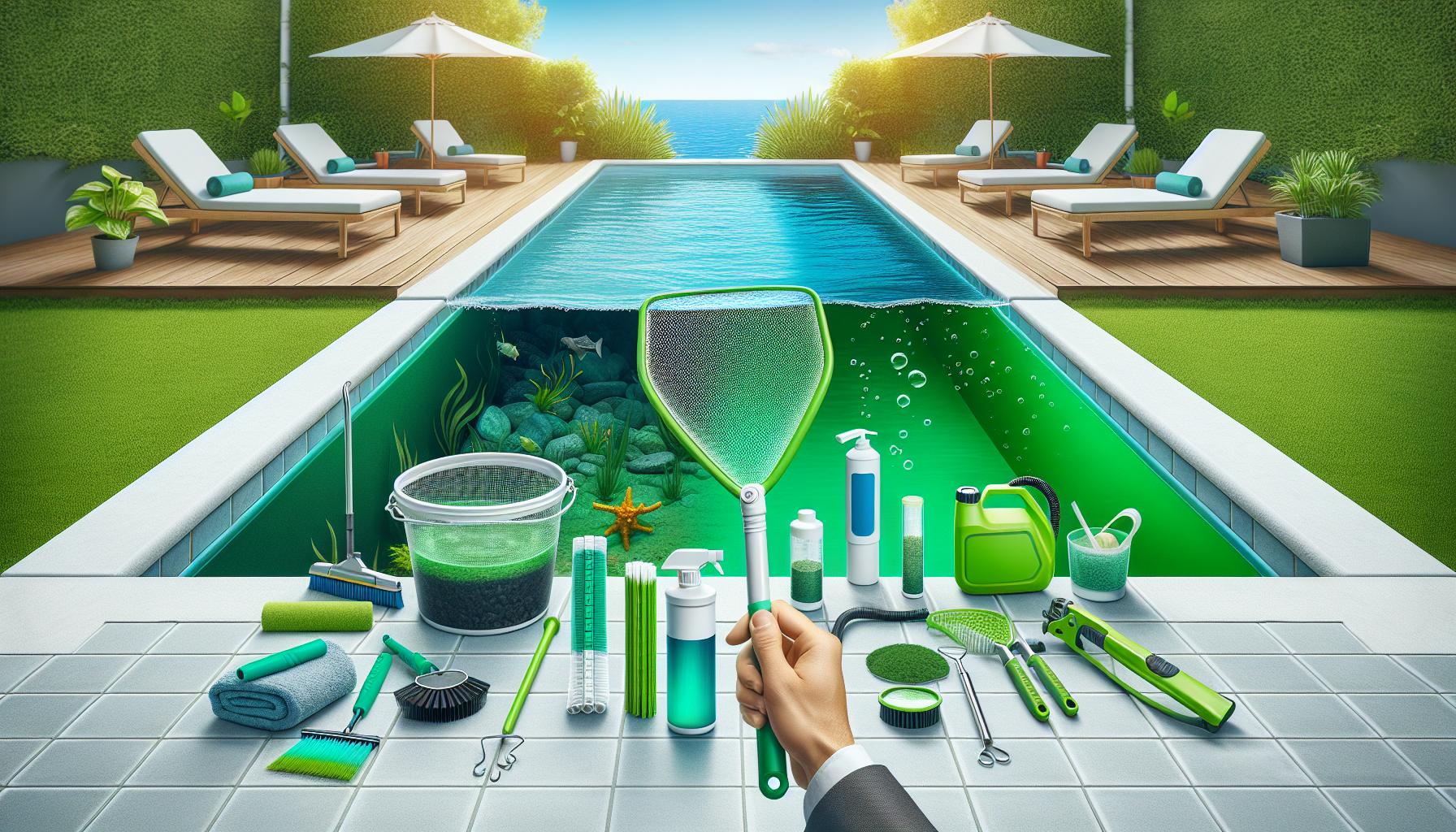
Identifying the Causes of Green Pool Water
To maintain a beautiful and inviting pool, it’s essential to understand the underlying causes of green water. A green pool is primarily a sign of algae growth, which can result from several factors. One common culprit is insufficient sanitization, often due to low chlorine levels. When chlorine isn’t able to effectively kill bacteria and algae, these microorganisms thrive and multiply, leading to an undesirable green hue. Another key factor is poor water circulation, typically caused by underperforming pumps or blocked filters. Without adequate circulation, stagnant water becomes a breeding ground for algae.
Environmental influences also play a significant role in the emergence of green pool water. For instance, heavy rainfall can introduce organic debris, fertilizers, and nutrients from surrounding landscapes into the pool. These nutrients create an ideal environment for algae to flourish. Sunlight can exacerbate this problem; prolonged exposure encourages rapid algae growth, particularly in unbalanced waters. Hence, monitoring and maintaining proper chemical balances becomes imperative to combating these effects.
To identify the specific cause in your situation, begin by testing your pool water. Ensure the pH levels, alkalinity, and chlorine levels are balanced within the ideal ranges. Regularly cleaning your pool and skimming away debris will help minimize the accumulation of nutrients that feed algae. Over time, maintaining these practices will significantly reduce the chances of your pool turning green, keeping it pristine and enjoyable year-round.
Signs Your Pool Needs Immediate Attention
Recognizing when your pool demands immediate attention can save you from more severe problems down the line. A quick glance at the water can reveal a lot about its condition. The most obvious sign is a greenish hue, indicating the presence of algae. If your pool water has turned murky or discolored, it’s crucial to act fast. Algae can lead to not only unsightly water but also health hazards for swimmers, as it may harbor bacteria.
Pay attention to the surrounding areas of your pool as well. If you notice a sudden increase in debris, such as leaves or dirt, this could signify unbalanced water that encourages growth. Also, monitor the water level-if you see a drop that isn’t due to evaporation, it’s possible that leaks or drainage issues are contributing to your pool’s decline. Additionally, an unusual smell often points to chemical imbalances or insufficient sanitation.
Here’s a quick checklist for signs that your pool needs immediate attention:
- Discolored Water: Green, cloudy, or murky water needs swift intervention.
- Algae Growth: Visible algae on surfaces or in water indicates serious issues.
- Strong Odor: A foul smell often indicates a chemical imbalance.
- Debris Accumulation: Excess dirt or debris could contribute to water quality problems.
- Poor Circulation: Reduced water flow from the pump may limit filtration effectiveness.
Quickly addressing these signs is essential. Start by checking and adjusting the chemical levels-specifically the chlorine and pH levels. Shocking the pool with a chlorine shock treatment will kill most algae and bacteria. If physical debris is present, skim the surface and clean the pool bottom and walls. Regular testing of water conditions will not only help you catch these signs early but also maintain a safe swimming environment.
By staying proactive and observant, you can ensure your pool remains a safe and enjoyable oasis, free from the unwanted complications that come with neglect.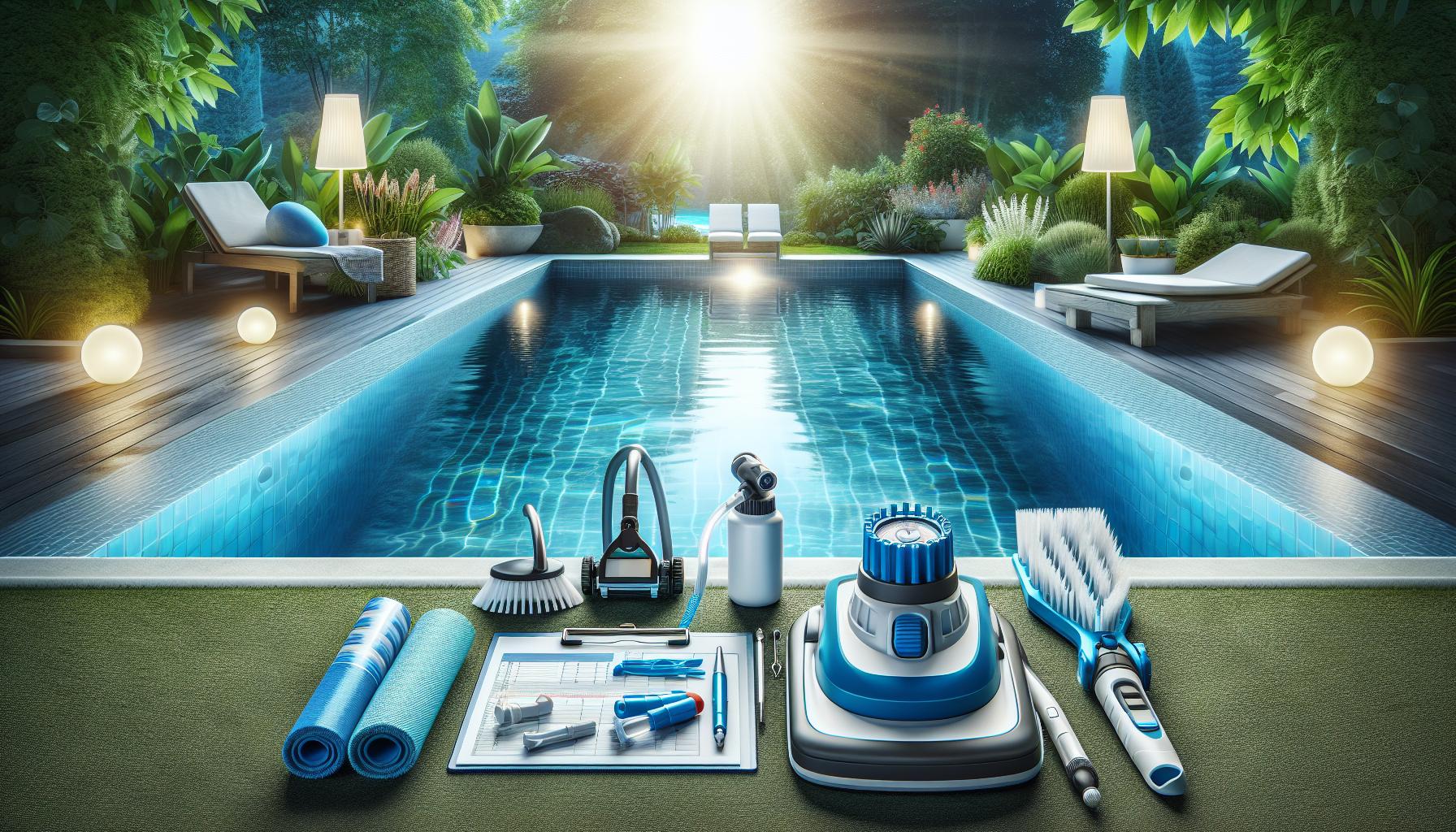
Quick Fixes for a Green Pool in 24 Hours
If you’re staring at your pool water’s alarming green hue, don’t panic! You can restore your pool to its clear-blue glory within just 24 hours with a systematic approach. Fast action is crucial, as the longer you wait, the more entrenched the algae can become. Here’s how to tackle this issue head-on with a focus on practical solutions that empower you.
Start by testing your pool water with a reliable test kit. You’ll want to check for the levels of chlorine, pH, and alkalinity. This initial step gives you a clearer picture of the problem and allows you to make targeted adjustments. Once you have your results, shock the pool with a chlorine shock treatment. Typically, you’ll want to add about 1 pound of shock per 10,000 gallons of water. This helps to kill the algae rapidly. Aim to do this in the evening, as sunlight can decrease the effectiveness of the chlorine.
Next, it’s essential to enhance your pool’s circulation and filtration system. Run the pump continuously for at least 24 hours after shocking the pool. While it’s running, use a skimmer net to remove any visible debris, such as leaves or twigs, from the water surface. After this, vacuum the pool floor to eliminate settled debris and dead algae. Don’t forget to clean the filter according to your manufacturer’s instructions; this will help maintain good water flow and prevent future clogs.
Finally, clarity may not return immediately, even after taking these steps. If the water remains cloudy, consider using a flocculant, which gathers tiny particles and makes it easier for your filter system to catch them. Remember to keep testing your water frequently to ensure the chemical levels stabilize, and maintain proper sanitation. Following these procedures will position your pool for a comeback, making it clean and safe for use in no time.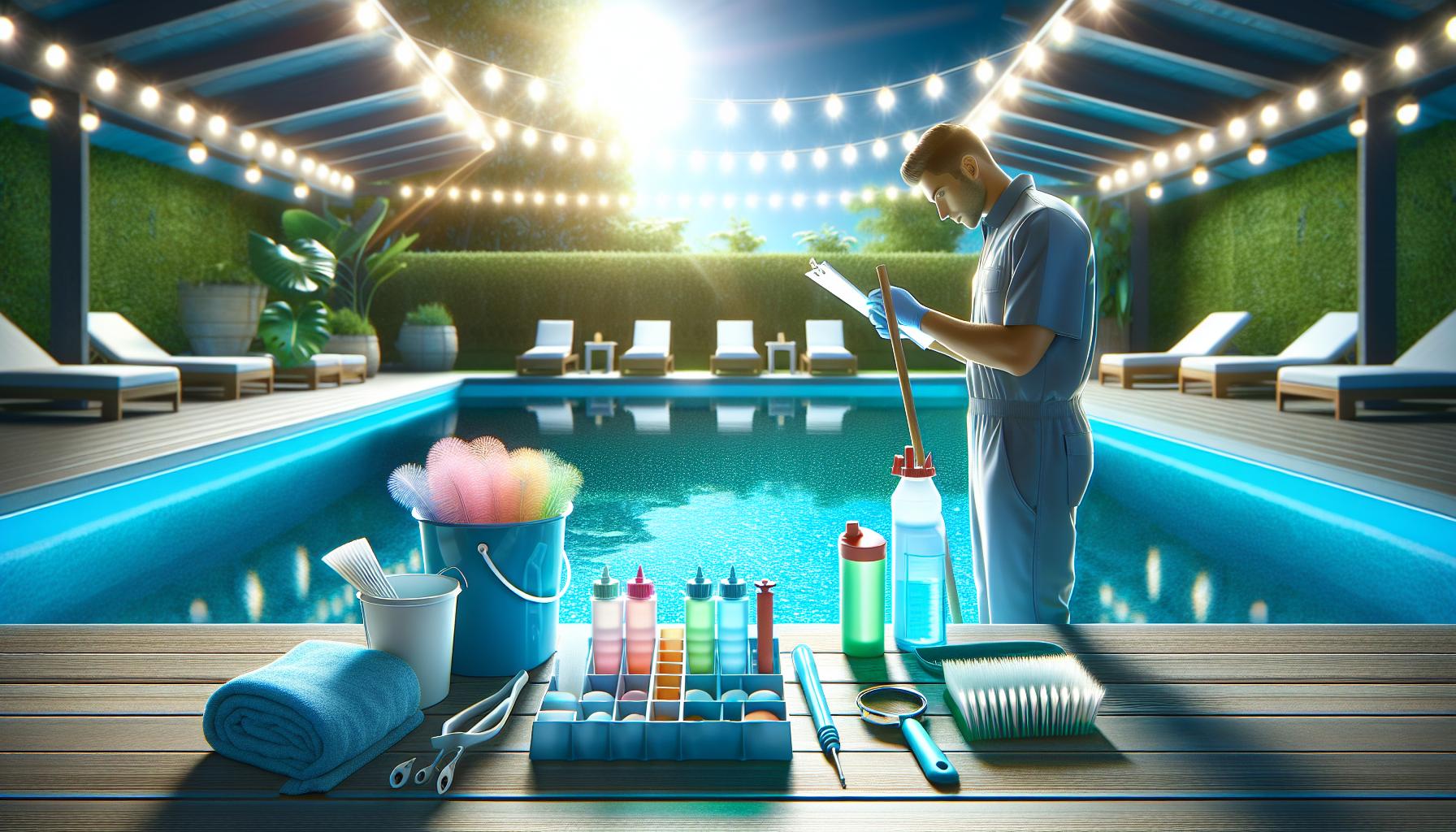
Understanding the Role of Algae in Pool Water
Algae are the primary culprits behind that unsettling green color in your pool water. When conditions favor their growth-like warm temperatures, sunlight, and an imbalance of essential chemicals-algae thrive and proliferate, transforming clear water into a murky green swamp within days. These microscopic organisms can bloom quickly, particularly in poorly maintained pools or those lacking proper sanitation, making it crucial to understand their role and how to combat them effectively.
To tackle algae growth, it’s essential to recognize their various types. The most common in pools are green algae, yellow/mustard algae, and black algae. Green algae are typically the easiest to manage, requiring regular cleaning and proper chemical balance. In contrast, yellow algae often cling stubbornly to surfaces and may require a more aggressive treatment approach, while black algae, characterized by dark spots, can form deep roots in plaster and vinyl, necessitating thorough scrubbing and higher concentrations of algaecides.
Preventing algae from taking hold starts with maintaining a consistent cleaning routine and balance of your pool’s chemical levels. Regularly testing for chlorine, pH, and alkalinity ensures that the water is hostile to algae growth. For example, keeping chlorine levels between 1 and 3 ppm and pH levels between 7.2 and 7.6 can significantly reduce the chances of an outbreak. Additionally, enhance your pool’s circulation by running the pump for at least 8-10 hours a day, especially during peak swimming season when usage is high. This circulation not only distributes the chemicals evenly but also helps to remove debris that can serve as food for algae.
In summary, understanding the role of algae in your pool water requires vigilance and proactive steps. By maintaining cleanliness and effective chemical balance, you can keep your pool sparkling clear and enjoy your swims without the worry of green water. Regular maintenance is your best defense against algae, transforming potential pool troubles into straightforward tasks that foster a fresh and enjoyable swimming environment.
Balancing pH Levels to Prevent Algae Growth
To keep algae at bay and ensure your pool remains a sparkling oasis, paying attention to the pH levels of your water is crucial. An optimal pH balance is generally between 7.2 and 7.6, providing a hostile environment for algae to thrive. When pH levels drift outside this range, it not only affects the efficacy of chlorine but also creates favorable conditions for algae growth. A high pH can lead to cloudy water and decreased sanitizer effectiveness, making it essential to regularly test and adjust the pH levels to avoid an unwelcome green pool.
To maintain the right pH levels, start by testing your pool water at least once a week using a reliable test kit. If you find that your pH is above 7.6, you can lower it by adding a pH decreaser, typically made of muriatic acid or sodium bisulfate. Conversely, if the pH is below 7.2, a pH increaser, usually sodium carbonate, should be added. Follow the manufacturer’s instructions for the correct dosages, and retest the water after a few hours to ensure levels are in the desired range.
Practical Steps for pH Balance
- Test Regularly: Use a quality water testing kit or strips weekly.
- Adjust pH Accordingly: Add pH decreasers or increasers as needed.
- Monitor Alkalinity: Check total alkalinity levels, as they should ideally be between 80-120 ppm to help stabilize pH readings.
- Keep a Maintenance Schedule: Establish a routine cleaning and testing schedule to catch imbalances before they lead to problems.
In addition to these steps, ensuring robust pool circulation plays a significant role in preventing algae. By running your pump and filter system for 8 to 10 hours each day, you facilitate even chemical distribution and minimize stagnant areas where algae can multiply. This proactive approach, combined with regular pH management, sets the stage for a clean, safe swimming environment, allowing you to enjoy your pool without the worry of green water.
The Importance of Proper Pool Filtration
Proper pool filtration is the backbone of any clean and clear swimming pool, serving a crucial role in preventing the dreaded green water caused by algae and bacteria. When pool water is not adequately filtered, debris, contaminants, and microscopic organisms can multiply rapidly, creating an environment conducive to algae growth. The effectiveness of your filtration system directly impacts the clarity and safety of your water.
To ensure optimal performance, it’s important to routinely check and maintain your filtration system. Start by examining the filter media-whether sand, cartridge, or diatomaceous earth-to ensure it is clean and effective. A clogged or dirty filter cannot efficiently remove particles from the water, which can lead to cloudiness and algae blooms. Follow these practical steps to keep your filtration system running smoothly:
- Regular Cleaning: Clean or replace your filter media based on manufacturer’s recommendations, typically every few months for cartridge filters and once a year for sand filters.
- Monitor Pressure: Keep an eye on the pressure gauge; if the pressure exceeds the normal range, it’s a sign that the filter is dirty and needs cleaning.
- Run Your Pump: Ensure your pool pump operates at least 8 to 10 hours a day, especially during peak usage times and warm weather, to maintain proper water circulation and filtration.
- Avoid Short Cycling: Prevent frequent on-off cycles of your pump, as this can stress the system and lead to ineffective filtration.
The choice of the right filtration system also matters based on your pool size and usage. For instance, in-ground pools with high usage may benefit from a larger sand filter system, which can handle more debris. Conversely, for smaller above-ground pools, a cartridge filter might be sufficient. Regularly assessing your pool’s needs and adjusting your filtration system accordingly ensures that your pool remains a refreshing escape rather than a breeding ground for unwanted algae.
Chemical Solutions: Using Shock and Algaecides
One of the most efficient methods to tackle a green pool and restore clarity is through the use of chemical solutions like shock treatments and algaecides. Pool shock, which typically contains a high concentration of chlorine or non-chlorine agents, works to significantly elevate the chlorine levels in your pool temporarily. This spike helps kill off algae spores and bacteria present in the water. As a first step, you should test the water using a pool testing kit to determine the current chlorine level and overall chemical balance. If you find that the free chlorine is below 1 ppm (parts per million), it’s time to shock the pool.
When applying shock, follow these practical steps to maximize effectiveness:
- Even Distribution: Dissolve powdered shock in a bucket of water before adding it to the pool for even distribution. Aim to pour the solution around the perimeter of the pool while the pump is running.
- Time of Application: It’s best to shock your pool in the evening or at night to prevent the sun from degrading the chlorine before it can effectively work against the algae.
- Safety Precautions: Wear protective gloves and goggles to guard against chemical splashes, and ensure that no swimmers enter the pool for at least 24 hours after shocking.
Once the immediate algae problem has been addressed with shock treatment, you’ll need to follow up with algaecides to inhibit future growth. Algaecides come in several types, including copper-based and quaternary ammonium compounds, and can serve as a preventative measure. To use algaecides effectively:
Application Guidelines
- Choose the Right Algaecide: Select a product compatible with your pool type (chlorine or saltwater) and the specific type of algae you’re dealing with (green, yellow, or black).
- Apply Post-Shock: Wait at least 24 hours after shocking before adding algaecide to ensure that the chlorine levels have appropriately balanced out.
- Follow Manufacturer Instructions: Dosing will vary by product, so always refer to the instructions to determine how much algaecide is needed for your pool size.
- Routine Maintenance: Incorporate a regular algaecide treatment into your weekly maintenance plan to create a protective barrier against algae.
By effectively utilizing shock treatments and algaecides, pool owners can not only clean up existing green water challenges but also greatly reduce the likelihood of recurring algae issues. Consistency in chemical management, along with regular water testing and filtration maintenance, can keep your pool inviting and refreshing, making algae a distant memory.
How to Maintain Water Clarity After Fixing
Properly maintaining water clarity after resolving a green pool issue is essential to ensure your pool remains inviting and safe for swimming. Algae particularly thrive in unbalanced water conditions, and even after successfully treating a green pool, prolonged neglect can lead to their quick return. One surefire way to keep your pool water clear is by implementing a routine that combines regular testing and appropriate chemical treatments.
Start by testing your water at least once a week using a reliable pool testing kit. This will help you monitor key parameters such as chlorine levels, pH, and alkalinity. A balanced pH (between 7.2 and 7.6) not only enhances water clarity but also optimizes the effectiveness of your sanitizers. If any levels seem off, adjust them accordingly. For instance, if the pH is low, adding a pH increaser will help create a more hospitable environment for your pool’s filtration system to work effectively.
Maintaining an efficient filtration system is another critical component. Ensure your pool’s filter is functioning correctly and clean it regularly to prevent dirt and debris from accumulating. Keep in mind that the filter should run for at least 8-12 hours a day to help cycle all the water, particularly during peak usage times. Alongside this, commit to regular brushing and vacuuming of pool surfaces to eliminate any algae spores that may be clinging on.
Another effective strategy is to establish a consistent routine for adding algaecides. Apply a preventative algaecide weekly, particularly during warmer months, as this helps form a protective barrier against algae growth. It’s important to follow the manufacturer’s instructions regarding dosage and application to avoid over-treatment, which can sometimes escalate water clarity issues.
By incorporating these practices into your pool maintenance routine, you can ensure that your pool remains crystal clear and ready for enjoyment, preventing the recurrence of green water challenges. Staying proactive with your pool care will make those refreshing swims all the more enjoyable.
Common Pool Maintenance Mistakes to Avoid
Maintaining a sparkling clean pool is fundamental not only for its appearance but also for the health and safety of swimmers. However, many pool owners unknowingly commit common maintenance mistakes that can lead to murky, uninviting water. Recognizing these pitfalls is essential to ensure your pool remains a refreshing retreat.
One frequent error is neglecting regular water testing. Failing to check chemical levels like chlorine and pH can create imbalances that allow algae to flourish. Aim to test your pool water at least once a week, using a reliable kit. This simple act helps you catch issues before they escalate into green water disasters. Moreover, remember that temperature and weather changes can affect water chemistry, so increase your testing frequency during peak seasons.
Another misstep occurs when pool owners assume that running the filtration system for a few hours daily is sufficient. In reality, the filter should operate for 8-12 hours a day, especially during hot weather or heavy usage. Skipping filter cleanings is also a mistake; a clogged filter won’t effectively circulate water or trap debris, leading to potential algal blooms.
Additionally, using too many chemicals or mixing different products can inadvertently destabilize your pool’s chemistry. Instead, follow the manufacturer’s directions closely and apply chemicals in recommended amounts. This approach helps maintain a balanced environment, reducing the chances for algae to thrive.
Lastly, many pool owners overlook the importance of physical cleaning. Regularly brushing and vacuuming your pool surfaces removes algae spores and debris that chemical treatments alone may not address. Implement a consistent cleaning routine to keep your oasis pristine and minimize the risk of water discoloration.
By steering clear of these common maintenance blunders, you’ll be better equipped to enjoy a clear and inviting pool, ensuring that every swim is a safe and refreshing experience.
Seasonal Tips for Keeping Your Pool Clean
Keeping a pool clean year-round not only enhances its aesthetic appeal but also ensures safe swimming conditions. Seasonal changes can bring unique challenges to pool maintenance, making it essential to adjust your routine to combat factors that contribute to green water. For instance, during warmer months, water temperatures rise, promoting algae growth if not managed properly. Here are some effective strategies to maintain your pool’s clarity throughout the year.
Spring Cleaning Essentials
As the swimming season approaches, it’s important to prepare your pool after the winter months. Begin by removing any debris from the cover and opening up all pool elements to inspect for leaks or damage. Test the water chemistry to determine pH, alkalinity, and chlorine levels, adjusting as necessary. This is also the perfect time for a thorough clean-brush the walls and floor, vacuum the entire surface, and check the filter system to ensure optimal operation. Incorporate a shock treatment to eliminate any lingering bacteria or algae spores that may have developed during the off-season.
Summer Maintenance Hacks
With the peak swimming season in full swing, routine upkeep becomes critical. Swim more frequently? You’ll want to check your water chemistry at least twice per week, keeping an eye on chlorine and pH levels. If algae blooms are a concern, schedule more frequent shock treatments, particularly after heavy use or rainstorms that can introduce phosphates into the water. Additionally, clean your pool filter regularly to ensure it runs efficiently-especially during times of high usage.
Fall Transition Strategies
As temperatures drop, leaves and debris from surrounding trees can quickly turn your crystal-clear pool into a swampy mess. Implement a strong regular skimming and vacuuming routine to keep these materials from decomposing in the water. Continue testing and adjusting your water chemistry as seasonal temperature fluctuations can cause instability. As the swimming season winds down, consider performing a deep clean and shocking the pool one last time before winterizing it to prepare for cold weather.
Winterizing for Success
If you live in an area with colder winters, proper winterization is vital to preserving the condition of your pool. After thoroughly cleaning and treating the water, lower the water level and cover the pool securely to prevent debris accumulation. Ensure that all pool equipment is correctly winterized to avoid damage from freezing temperatures. If you live in a milder climate, keep an eye on water clarity during the winter months and give your pool occasional checks to prevent algae from taking hold.
By altering your maintenance approach with the seasons, you can significantly reduce the likelihood of your pool turning green. The key is consistent monitoring and timely interventions to keep your oasis inviting throughout the year.
When to Call a Professional Pool Service
Determining when to seek professional help for your pool can save you time, money, and a lot of frustration. If you notice persistent green water despite your best efforts, it might be time to call in a professional. Sometimes, the problem could be due to a deeper issue, such as a failing filtration system or imbalanced water chemistry that requires expert knowledge to resolve. Professionals can perform thorough assessments, ensuring that no underlying problems are overlooked.
There are several telltale signs that your pool needs immediate professional attention. If the water is consistently green even after you have shocked the pool and added chlorine, this may indicate a severe algae bloom or contamination that needs specialized treatment. Additionally, if your filtration system is running continuously but not clearing the water, this could signal a malfunction. Other issues like visible debris buildup that resists regular cleaning methods or persistent odors can also suggest that a professional cleaning and maintenance service is necessary.
When opting for professional pool service, make sure to choose a reputable company with experience in tackling green water issues. Look for reviews or ask for recommendations from fellow pool owners. A professional service can not only bring your pool back to its sparkling state but also provide guidance on preventing future problems. They often use advanced techniques and products that are not readily available to consumers, ensuring a more thorough job.
In conclusion, while many pool maintenance tasks can be handled independently, recognizing when to involve a professional is crucial. By addressing serious issues proactively, you can maintain a safe, inviting swimming environment while reducing the likelihood of costly repairs down the road.
Long-Term Strategies for a Healthy Pool
Maintaining a green-free pool isn’t just about quick fixes; it requires a strategic, long-term approach to ensure your swimming environment remains inviting and safe. Regular maintenance practices can significantly reduce the likelihood of algae growth and other issues that turn your pool into a murky mess. By following a structured routine and being proactive, you can avoid the headaches associated with green water.
One of the most critical long-term strategies is to establish a consistent maintenance schedule. This includes regular cleaning tasks like skimming debris, scrubbing the walls, and vacuuming the bottom of the pool at least once a week. Additionally, ensure that your pool’s filtration system is running for the recommended amount of time each day, typically 8 to 12 hours, depending on the pool size and usage. This consistent circulation not only helps to clear dirt and debris but also prevents algae spores from taking root.
Another key component is monitoring and balancing your water chemistry. Regularly test your pool water for chlorine levels, pH, alkalinity, and stabilizer levels using a reliable test kit. Aim to keep your pH between 7.2 and 7.6, as balanced water chemistry significantly minimizes the chance of algae growth. If you find yourself frequently battling algae, consider using a weekly algaecide as a preventative measure. Not only does it help to keep your water clear, but it also provides a safeguard against sudden blooms.
Investing in effective filtration and sanitation systems can also make a significant difference in maintaining a healthy pool. If your current filtration system isn’t sufficient for your pool’s size, upgrading to a more robust unit, or adding a secondary filtration method such as a UV or Ozone system, can greatly improve water quality. Additionally, be vigilant about cleaning your filters regularly. Clogged filters restrict water flow and reduce their effectiveness, which can lead to cloudy or green water.
Lastly, embrace the changing seasons with smart, seasonal maintenance strategies. In colder months, cover your pool to prevent debris accumulation and add a winterizing chemical routine. In warmer seasons, ensure adequate circulation during peak usage times and consider increasing the pump runtime to deal with additional loads. By staying ahead of seasonal changes and adjusting your maintenance practices accordingly, you can maintain crystal-clear water year-round.
By integrating these long-term strategies into your pool care routine, you’ll not only prevent the onset of green water but also enhance the overall health of your pool, creating a pleasant oasis for relaxation and enjoyment.
Q&A
Q: What causes my pool water to turn green?
A: Pool water turns green primarily due to algae growth, which thrives in unbalanced water conditions, particularly when chlorine levels are low. Other causes can include high pH, poor filtration, or debris accumulation. Regular testing and maintenance are essential to prevent these conditions.
Q: How can I determine if my pool water needs chemical treatment?
A: You can determine if your pool needs chemical treatment by testing the water’s pH, chlorine levels, and alkalinity using a water testing kit. If any of these parameters fall outside the recommended ranges, it’s time to treat your pool with the appropriate chemicals to restore balance and clarity.
Q: What are the quick fixes for a green pool?
A: Quick fixes for a green pool include using a pool shock product to kill algae, running the filter continuously for 24 hours, and brushing the sides of the pool to remove algae buildup. Regularly checking pH and chlorine levels helps maintain clarity afterward [[2]].
Q: When should I consider professional help for a green pool?
A: Consider professional help if your DIY efforts fail after several attempts, or if the pool water remains cloudy and green despite proper chemical treatments. Professionals have advanced tools and expertise to resolve persistent issues effectively.
Q: Why is my pool still green after shocking it?
A: If your pool remains green after shocking, it could be due to insufficient chlorine levels, continued algae growth, or improper filtration. Ensure proper filtration, check for any organic debris, and possibly repeat the shock treatment for best results [[1]].
Q: How often should I check my pool water to prevent it from turning green?
A: Check your pool water at least once a week during the swimming season. This includes testing for pH, chlorine, and alkalinity to prevent green water caused by algae growth. More frequent testing may be necessary during heavy use or after rainstorms.
Q: What role does the filtration system play in preventing a green pool?
A: The filtration system is crucial in preventing a green pool as it removes debris, dirt, and contaminants that can contribute to algae growth. Ensure your filter is clean and operating correctly, and run the system for at least 8-12 hours daily during peak use to maintain clarity.
Q: Can environmental factors cause my pool to become green?
A: Yes, environmental factors such as heavy rain, storm debris, or pollen can contribute to pool water turning green. These materials can introduce nutrients and organic matter, promoting algae growth. Regular maintenance and cleanup are key to mitigating these effects.
Wrapping Up
Now that you’ve discovered the causes of a green pool and how to tackle them, it’s time to take action. Don’t let algae ruin your enjoyment; implementing these quick fixes will rejuvenate your pool in no time. If you’re looking for more in-depth guidance, check out our articles on routine pool maintenance and essential chemistry checks to keep your water sparkling clear.
Remember, regular upkeep is vital to prevent future algae blooms. For personalized support, consider our pool maintenance services that ensure your backyard oasis remains a refreshing escape. Have questions or need tips? Join the conversation in the comments and share your experiences or concerns! Explore more of our resources and keep your pool in top shape year-round. Your dream pool is just a few steps away!