


Mustard algae can quickly turn your sparkling pool into an unsightly mess, making it crucial for pool owners to act fast. Known for its distinctive yellow-green hue, this type of algae thrives in warm, poorly sanitized water, making prevention and swift treatment essential for maintaining a pristine swimming environment.
If you’ve noticed this stubborn invader in your pool, you’re not alone-the presence of mustard algae is a common concern that can deter you from fully enjoying your outdoor oasis. Fortunately, with the right strategies and tools, you can effectively eliminate mustard algae and restore your pool’s clarity.
In this guide, we’ll explore practical steps to tackle this issue head-on, helping you regain control of your pool maintenance routine. Dive in to discover effective solutions that will empower you to keep your pool clean and inviting all season long!
Identifying Mustard Algae: Signs and Symptoms
Despite being less common than other types of algae, mustard algae can be particularly troublesome for pool owners due to its stubborn nature and tendency to thrive in certain conditions. Recognizing the signs of mustard algae early can save you time, money, and effort in your pool maintenance routine. Typically, this type of algae appears as yellow or brownish spots on the pool floor and walls, resembling a dusting or a film, rather than the slimy green patches associated with green algae.
When it comes to identifying mustard algae, pay close attention to the water clarity. If your pool water appears hazy or cloudy, it may be a sign that algae are beginning to take hold. Additionally, mustard algae can cling to pool surfaces and requires scrubbing to remove, so noticing visible stains on pool surfaces, especially in shaded areas or regions with poor circulation, is crucial. One distinctive feature is that when disturbed, mustard algae often releases a yellow cloud, rather than simply dispersing like green algae.
To reinforce your identification efforts, consider checking the feel of the pool surfaces. Mustard algae can create an oily or slippery texture, particularly when brushed. If you’re in doubt about the algae type, conducting a simple test can help: scoop a sample of the growth into a clear container and expose it to a strong source of chlorine. If it fizzles, it’s likely mustard algae. Keeping an eye out for these signals will enable you to act swiftly and initiate treatment before the issue escalates into a more severe infestation.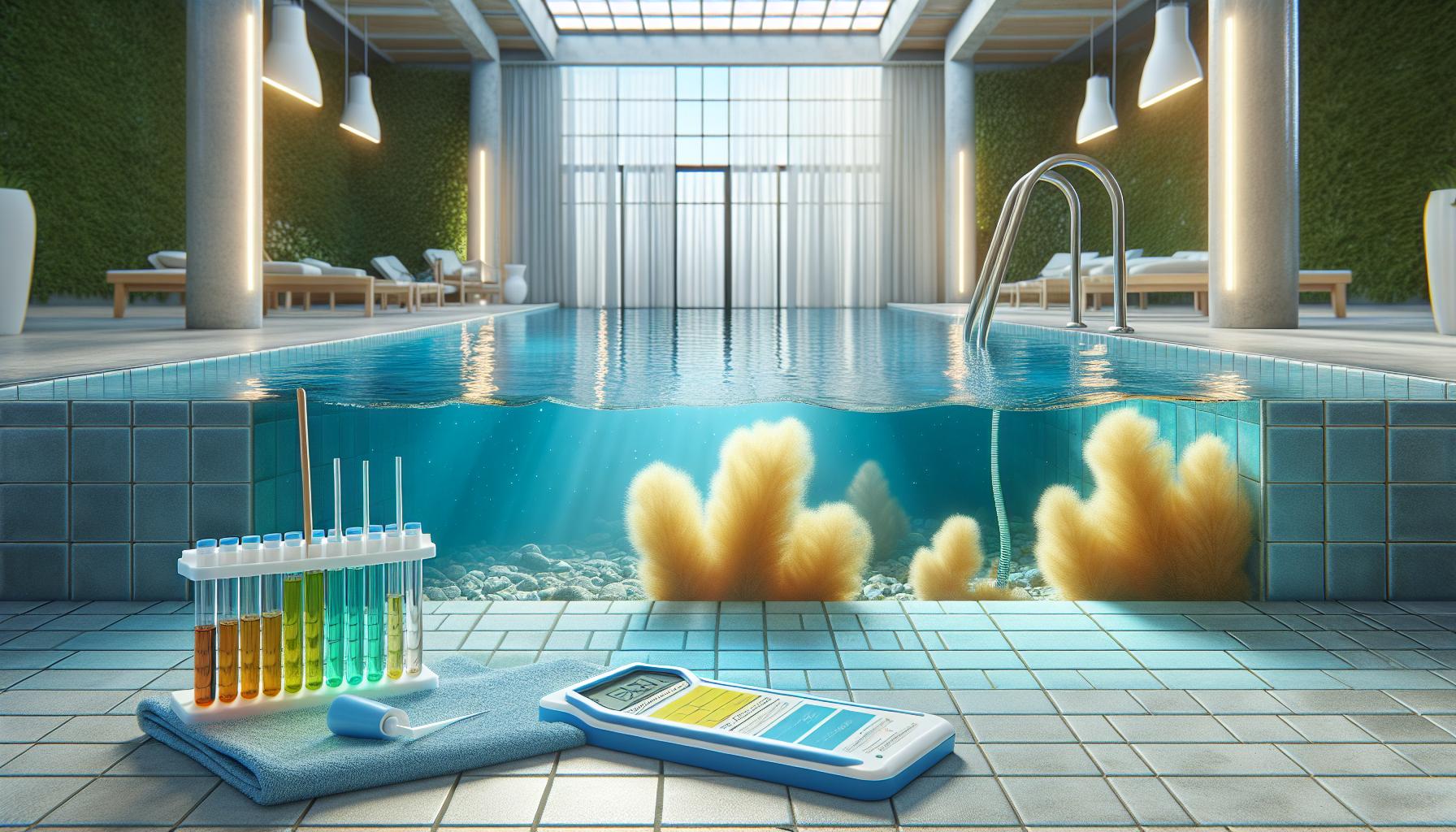
Why Mustard Algae Is a Pool Problem
Struggling with mustard algae in your pool can feel like an uphill battle, especially when you consider its unique characteristics that make it notorious among pool owners. This type of algae isn’t just stubborn; it thrives in environments where many other forms of algae might falter. Mustard algae can latch onto pool surfaces, often in areas with inadequate circulation or shading, leading to noticeable yellowish stains. Its tendency to flourish even in well-balanced water means that even the most diligent pool owners may find themselves facing this unwelcome issue.
What makes mustard algae particularly problematic is its resilience. Unlike green algae, which can often be tackled with a standard shock treatment, mustard algae requires a more targeted approach. It can return quickly if areas aren’t thoroughly cleaned, allowing it to embed itself in the pool’s surfaces and filter systems. If not addressed promptly, this algae can overwhelm your pool, creating significant maintenance headaches and potentially resulting in costly repairs to your equipment.
To maintain a pristine pool environment, you’ll need to adopt consistent preventive measures. These can include routine brushing of pool surfaces, regular vacuuming, and ensuring proper chemical balance. Additionally, investing in a quality pool circulation system can dramatically reduce the likelihood of mustard algae taking hold. Monitoring water chemistry regularly is also key. Creating a schedule for testing can help identify issues before they escalate, allowing you to address them proactively.
In summary, the presence of mustard algae is a challenge that should not be underestimated. Its ability to flourish in suboptimal conditions, combined with the commitment required for effective remediation, makes it a persistent issue for many pool owners. However, by employing thorough cleaning techniques, maintaining vigilant water testing, and implementing preventive strategies, you can reclaim your pool and keep it a vibrant space for enjoyment.
Assessing the Severity of Mustard Algae Infestation
To effectively tackle the issue of mustard algae in your pool, it’s crucial to assess the severity of the infestation. Understanding the extent of the problem will equip you with the necessary insights to devise an appropriate action plan. Mustard algae can manifest in several ways, often appearing as yellow or brownish stains on pool walls, steps, and even within the filter. These stains may seem innocuous at first, but if left unaddressed, they can proliferate quickly, resulting in a significant cleanup challenge.
Begin your assessment by examining all areas of your pool, paying close attention to less circulated regions such as corners and under ladders. Check for the following signs:
- Coloration: Noticeable yellow or brown patches on surfaces.
- Texture: A slimy, slippery feel when touched.
- Water Clarity: Cloudiness in the water that doesn’t clear up after basic treatment.
- Location: Increased growth around items that obstruct water flow, like pool lights or skimmers.
Once you identify the presence of mustard algae, it’s essential to determine the severity of the issue. A mild infestation may require just routine brushing and an increase in chlorine levels, while a more advanced case may necessitate a comprehensive cleaning, including deep scrubbing and a specialized shock treatment. Use the following criteria to gauge the level of infestation:
Infestation Severity Criteria
| Severity Level | Signs | Recommended Action |
|---|---|---|
| Minor | Some yellow stains, occasional cloudiness | Increase chlorine, regular brushing |
| Moderate | Widespread stains, visible growth in crevices | Shock treatment, deep clean, and filtration boost |
| Severe | Heavy discoloration, persistent slime on surfaces | Expert intervention, thorough chemical and physical cleaning |
By thoroughly assessing the presence and severity of mustard algae, you can tailor your maintenance strategy to effectively combat this stubborn pool problem. Proactively identifying the issue not only preserves your pool’s aesthetic but also saves you from extensive repairs and costs down the line.
Fast and Effective Treatments for Mustard Algae
To tackle mustard algae effectively, quick action is crucial. This stubborn type of algae can multiply rapidly, making early intervention key to preventing widespread issues in your pool. Thankfully, several proven methods can restore your pool to its clear, inviting state.
Start by increasing the chlorine levels in your pool. Mustard algae thrives in low-chlorine environments, so shocking the pool is one of the most immediate steps you can take. Use a high-quality pool shock product, applying it according to the manufacturer’s instructions to ensure sufficient concentration. Ensure that you brush the affected areas with a stiff-bristle brush before adding the shock to remove the algae from surfaces and improve its effectiveness.
Another effective treatment method involves using algaecide specifically formulated to combat mustard algae. Look for algaecides that contain ingredients like quaternary ammonium compounds or copper-based formulations. After shocking the pool, wait for the water to circulate, then add the algaecide, allowing it to work synergistically with the chlorine to eliminate the algae. Make sure to run your pool filter continuously for 24 to 48 hours post-treatment to help clear up any residual algae and improve water clarity.
In addition to these chemical methods, physical removal plays an essential role in getting rid of mustard algae. After treatments, use a vacuum (either manual or automatic) to remove dead algae, and be sure to clean or replace your pool filter if necessary, as it can harbor algae spores that may lead to a re-infestation.
Following these steps, monitor your water chemistry regularly. Test your pool’s pH, alkalinity, and chlorine levels to ensure they remain balanced. A stable environment will deter future algae growth and keep your pool sparkling clean. By promptly addressing mustard algae and adhering to these treatment recommendations, you can maintain a healthy swimming environment and enjoy your pool worry-free.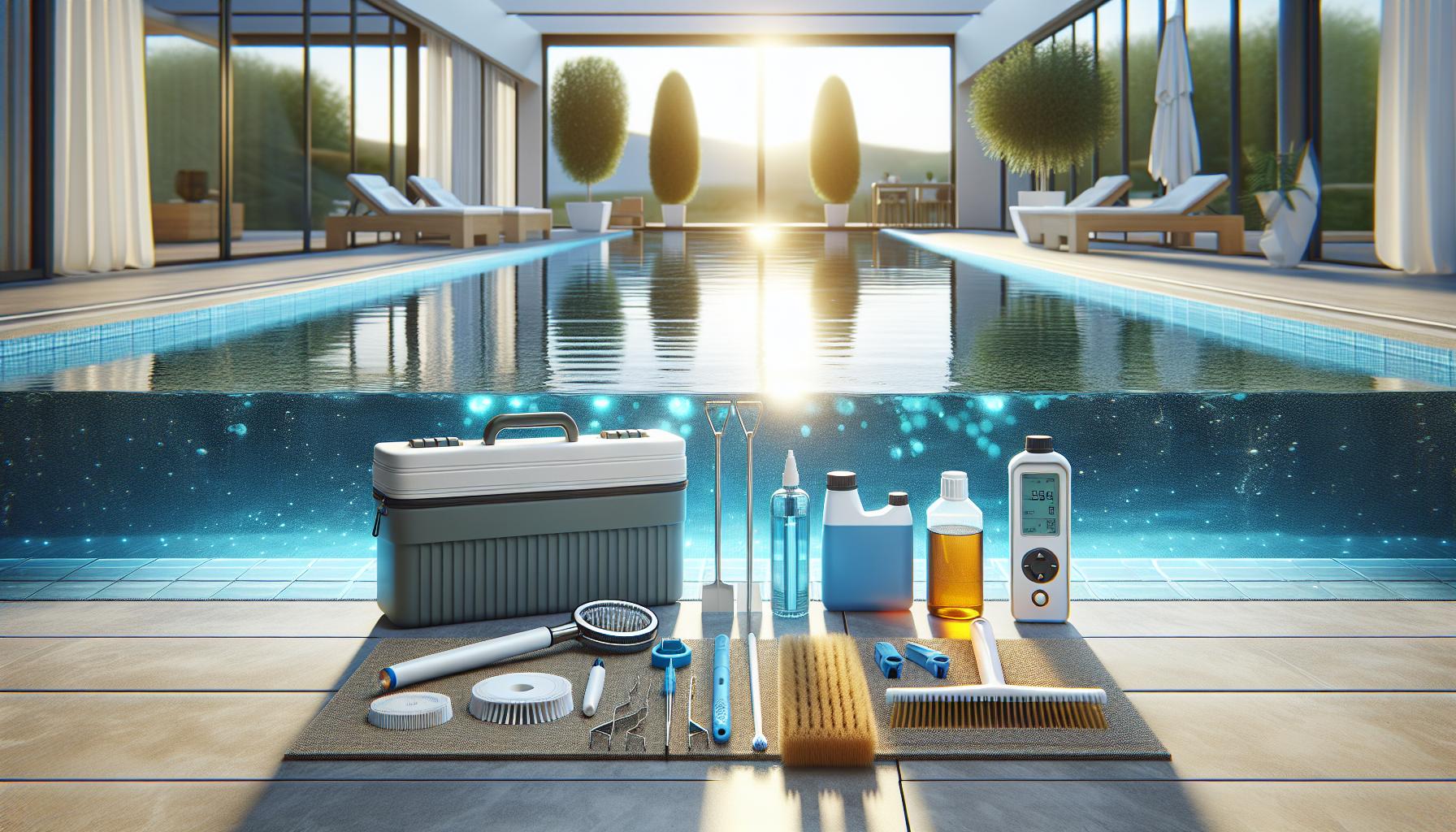
Step-by-Step Guide to Chemical Removal
To effectively eliminate mustard algae from your pool, a structured chemical removal process is essential. Mustard algae is notoriously challenging due to its ability to resist chlorine, so following a detailed step-by-step procedure can ensure comprehensive eradication.
Start by gathering the necessary supplies, which include a high-quality pool shock product, a specific algaecide for mustard algae, a stiff-bristle brush, and a pool vacuum. Make sure to wear protective gear, such as gloves and goggles, to safeguard against chemicals.
Step 1: Shock the Pool
The first crucial step in your algae-fighting plan is shocking the pool to elevate chlorine levels. This is how you can do it:
- Test the water to determine the current chlorine level.
- Follow the manufacturer’s instructions for the amount of pool shock needed; typically, you’ll want to use 2-3 times the normal dosage.
- Evenly distribute the shock around the pool, focusing on areas where algae is present.
- After applying the shock, brush the affected areas vigorously with the stiff-bristle brush. This will help dislodge the algae from surfaces, making it more susceptible to treatment.
Step 2: Apply Algaecide
Once the pool shock has been added and the chlorine has circulated, it’s time to introduce an algaecide specifically designed for mustard algae. Follow these steps:
- Choose an algaecide containing either quaternary ammonium compounds or copper-based ingredients.
- With the filter running, pour the algaecide around the perimeter of the pool.
- Allow the algaecide to circulate for the time recommended by the manufacturer, typically around 24 hours.
Step 3: Vacuum the Pool
After the algaecide has had time to work, manually vacuum the pool to remove dead algae. This step helps prevent particulates from re-entering the water. Here’s how to vacuum effectively:
- Use a manual or automatic pool vacuum to remove debris.
- Pay special attention to corners and steps, where algae may collect.
Step 4: Clean or Replace the Filter
Your pool filter can harbor algae spores, so it’s crucial to maintain it:
- Check the filter after vacuuming and clean it thoroughly to ensure all algae is removed.
- If the filter is heavily contaminated or old, consider replacing it to prevent future infestations.
Step 5: Monitor and Maintain Water Chemistry
After completing the chemical removal, regularly test your water chemistry:
- Keep your pH, alkalinity, and chlorine levels balanced to deter future algae growth.
- Maintain a chlorine residual of at least 1-3 ppm at all times.
By following these steps diligently, you can combat mustard algae effectively and restore your pool to a clean and inviting state. Regular monitoring and proactive maintenance will help you enjoy a beautiful swimming environment year-round.
Preventing Future Mustard Algae Growth
To keep mustard algae at bay, it’s crucial to establish a strong maintenance routine that emphasizes water quality and overall pool cleanliness. Did you know that maintaining proper water chemistry not only promotes clear water but also significantly reduces the likelihood of algae outbreaks? Regularly testing and balancing your pool’s chemistry is the first line of defense against mustard algae growth. Aim to keep your chlorine levels between 1-3 ppm, pH between 7.2-7.6, and alkalinity between 80-120 ppm. Employ a reliable test kit weekly during the swimming season to stay ahead of potential issues.
In addition to monitoring water chemistry, regular cleaning is essential. Make it a habit to brush the sides and floor of your pool at least once a week to disrupt any developing algae. Pay close attention to corners and areas where debris may settle, as these spots are prime breeding grounds for mustard algae. After brushing, vacuum thoroughly to ensure all particles are removed. Moreover, utilizing a quality pool cover when the pool is not in use can also help keep organic contaminants, such as leaves and dirt, from fueling algae growth.
One key aspect of preventing mustard algae is to ensure adequate circulation. Run your pool pump for at least 8-12 hours a day, and consider adjusting the return jets to promote even water movement. Inefficient circulation leads to stagnant areas where algae can flourish. Alongside this, consider using an appropriate algaecide as a preventative measure, especially after heavy rains or high-traffic pool events.
Lastly, educate yourself about seasonal changes and their impact on pool maintenance. For instance, increasing your maintenance efforts during peak algae growth months-typically late spring and summer-can significantly diminish risks. If you frequently encounter mustard algae despite these efforts, it may be worth evaluating your pool equipment. Keeping filters clean and functional ensures contaminants don’t spend extra time in your pool water. With diligence and the right practices, you’ll create an inviting swimming environment while keeping mustard algae firmly at bay.
Tips for Maintaining a Clean Pool Environment
Maintaining a clean pool environment is essential for preventing mustard algae growth and ensuring a pleasant swimming experience. One of the most effective strategies is to implement regular cleaning and maintenance routines that not only target visible issues but also address potential breeding grounds for algae. Did you know that mustard algae thrives in stagnant water? Ensuring proper circulation and filter maintenance can significantly reduce the chances of an outbreak.
Regular Cleaning
Aim to brush the walls and floor of your pool at least once a week. Use a pool brush to scrub hard-to-reach corners where debris tends to accumulate. This simple step disrupts the opportunity for algae to establish itself. After brushing, vacuum the pool to remove any dislodged particles. Additionally, consider skimming debris from the water surface daily or after heavy usage, as floating leaves or organic matter can contribute to algae growth.
Water Chemistry Management
Consistent testing and balancing of your pool’s water chemistry are critical. Check your chlorine levels, pH, and alkalinity regularly to ensure they are within the optimal ranges: chlorine should be between 1-3 ppm, pH between 7.2-7.6, and alkalinity from 80-120 ppm. Adjust as necessary using pool chemicals to maintain these levels. Keeping your water chemistry balanced helps to create an inhospitable environment for mustard algae.
Equipment Maintenance
Your pool’s filtration system plays a pivotal role in water cleanliness and circulation. It’s advisable to run the pump for at least 8-12 hours a day to promote uniform water flow throughout the pool. Regularly clean or replace filter elements to ensure they are functioning effectively. Inefficient filters can allow contaminants to linger in the water, which may contribute to algae formation.
By following these maintenance tips, you empower yourself to tackle algae issues proactively. Incorporating these practices into your routine can significantly enhance your pool’s cleanliness and enjoyment, providing a safe and inviting space for you and your family.
Choosing the Right Pool Equipment for Algae Issues
Choosing the right pool equipment is crucial for effectively combating mustard algae and maintaining a clean swimming environment. Did you know that the efficiency of your pool’s filtration system can make or break your battle against algae? Selecting the right tools not only enhances water clarity but also helps prevent algae from taking hold in the first place.
Essential Pool Equipment
To address mustard algae effectively, consider investing in the following essential equipment:
- High-Quality Pool Filter: A good filtration system is your first line of defense. Look for a filter that provides adequate flow rates and can handle the size of your pool. Sand, cartridge, and diatomaceous earth (DE) filters each have their advantages, but DE filters generally offer superior filtration.
- Powerful Pool Pump: Your pool pump should run for at least 8-12 hours daily. A pump with enough horsepower will ensure proper circulation, minimizing stagnant areas where algae thrive. Variable-speed pumps are an economical choice, providing adjustable flow rates while saving on energy costs.
- Robotic Pool Cleaner: Investing in a robotic cleaner can enhance your cleaning routine. These automated devices scrub surfaces and vacuum debris directly from the pool floor, leaving no corner untouched, thus reducing the chances of algae establishment.
- Pool Brush: A sturdy pool brush is vital for manually scrubbing surfaces that may harbor algae. Choose one with nylon or stainless steel bristles, depending on your pool’s surface material.
- Testing Kits: Regular testing of water chemistry is essential for algae prevention. A comprehensive pool testing kit allows you to monitor pH, chlorine levels, and alkalinity, ensuring your pool water remains balanced and inhospitable to mustard algae.
Tips for Equipment Usage
Using the right equipment is only part of the equation; knowing how to maintain and operate it effectively plays a significant role in keeping your pool algae-free:
- Regular Maintenance: Clean or replace filters regularly to prevent clogging and inefficiency. A dirty filter can reduce water circulation and create a breeding ground for algae.
- Scheduled Cleaning: Pair your robotic cleaner with manual brushing sessions at least once a week to ensure that all surfaces are kept spotless, especially areas that are hard to reach.
- Optimize Filtration:** Run the filtration system during peak algae growth periods, like summer, when temperatures soar. This reduces the chance of algae growth by promoting better water circulation.
By choosing the right equipment and maintaining it diligently, pool owners can significantly reduce the occurrence of pesky mustard algae and enjoy a clear, inviting swimming environment all season long. Proper investment in your pool setup not only saves time and effort but also leads to a more enjoyable swimming experience for everyone.
Testing and Balancing Pool Water Chemistry
Maintaining the right chemical balance in your pool is vital to prevent mustard algae and ensure a safe swimming environment. One of the most overlooked aspects in pool care is water chemistry; however, a well-balanced pool not only looks inviting but also minimizes the risk of algae growth. Mustard algae thrives in imbalanced conditions-specifically, when there is low chlorine and high pH levels. Regular testing can help you catch these issues before they escalate.
Start with a reliable pool testing kit. These kits typically measure pH, chlorine levels, alkalinity, and other chemical factors essential for pool health. Aim to test your water at least once a week, and more frequently during peak swimming seasons or after heavy rain. For optimal health, keep your pH between 7.2 and 7.8, and maintain free chlorine levels at 1-3 ppm for residential pools. If your chlorine levels drop, mustard algae can thrive, leading to potential health hazards for swimmers.
Steps to Test and Adjust Pool Chemistry
To properly test and maintain your pool chemistry, follow these systematic steps:
- Collect a Water Sample: Use a clean container to collect water from elbow-deep in the pool away from return jets to avoid disturbed levels.
- Run Your Test: Use your testing kit according to the manufacturer’s instructions. Most kits involve adding specific reagents to your water sample and comparing the resulting color against a chart.
- Adjust Your Chemicals: Based on your results, you may need to add either chlorine tablets or granules, along with pH adjusters (either up or down) to bring your levels into balance. Always follow the product instructions for dosage.
- Allow Time to Circulate: After adding chemicals, turn on your pool pump to circulate the water uniformly. Ideally, keep the pump running for at least 8-12 hours post-treatment.
- Retest: After 24 hours, retest your water to ensure proper levels are achieved. Consistent monitoring will help you maintain balance over time.
Balancing pool chemistry is a continuous process that can significantly reduce the chances of mustard algae developing. Be proactive: adjust your routine if you notice any consistent imbalances. By maintaining proper water conditions, you empower yourself to keep the water inviting and safe for swimming, while also eliminating conditions that allow stubborn algae types to flourish. Remember, a little time spent on maintenance now can save you a lot of trouble-and expense-later.
When to Seek Professional Help for Algae Problems
Proactively addressing mustard algae issues is crucial for maintaining a safe and enjoyable pool environment, but there are times when seeking professional assistance is the best course of action. If you’ve implemented several DIY treatments-such as shocking the pool, adjusting chemical levels, and brushing affected areas-yet the mustard algae persists, it may indicate a more severe underlying issue that requires expert intervention. Engaging a pool care professional can bring specialized knowledge and advanced treatment options to your aid.
Additionally, if your pool’s water chemistry seems consistently off, despite your best efforts at testing and balancing, consulting with a specialist would be wise. They can conduct a comprehensive analysis and provide insights on water tests that home kits may not cover. For example, issues such as phosphate or nitrate imbalances can promote algae growth, and professionals have access to testing methods and large quantities of necessary chemicals that could effectively resolve these problems.
It’s also advisable to seek professional help if you’re unable to determine the scale of the infestation on your own. Mustard algae can spread rapidly, and a small, seemingly manageable problem can escalate quickly if not assessed correctly. Professionals are equipped to provide thorough cleaning and possibly even install preventative systems to mitigate future outbreaks.
Ultimately, if you’re feeling overwhelmed or uncertain about handling the problem yourself, industry experts can alleviate stress and ensure that your pool returns to pristine condition. Remember, a clean and well-maintained swimming pool not only enhances your comfort and enjoyment but also protects the health of all who use it.
Understanding the Cost of Mustard Algae Treatment
The financial implications of treating mustard algae in your pool can vary widely, depending on the severity of the infestation and the methods you choose to implement. Understanding these costs can help you make informed decisions about whether to tackle the problem yourself or call in professionals. Typically, DIY treatments involve purchasing chemicals like chlorine, algaecides, and cleaning supplies. For a small to moderate infestation, expect to spend somewhere between $50 to $150 on the necessary supplies. This approach allows you to handle the situation independently, applying a combination of chlorine shock and algaecide while regularly brushing and vacuuming your pool.
However, if the algae problem is extensive, costs can escalate significantly. Engaging professional services might start at around $200 and can extend to over $500, depending on the level of intervention required. Professionals typically provide comprehensive services, which may include deep cleaning, advanced chemical treatments, and ongoing maintenance advice. While this option might seem pricier upfront, it can save you money in the long run by preventing future outbreaks and helping you maintain a cleaner pool environment.
Another factor to consider is the potential need for additional water testing and balancing. If your pool chemistry remains off even after treatment, you may need to spend extra on testing kits or services to identify underlying issues such as phosphates or nitrates, which can fuel algae growth. Allocating a budget for unexpected costs, such as replacing filters or cleaning the pool’s water features, is wise.
In summary, addressing mustard algae can range from a manageable DIY investment to a significant expense if professional help is needed. Prioritizing regular pool maintenance and monitoring water chemistry can help keep costs down and your pool pristine, ultimately enhancing your enjoyment and safety during pool season.
Real Pool Owner Success Stories in Combating Algae
Many pool owners have faced the dreaded challenge of mustard algae, yet countless success stories highlight that with the right approach, you can reclaim your sparkling oasis. One such tale comes from a family in Arizona who found their pool resembling a funky mustard soup after an unexpected summer rainstorm. They quickly learned that effective treatment required more than just a brush; it necessitated a full-scale battle plan.
Their first step was to assess the infestation. With a simple brush test, they discovered that the yellow substance brushed off easily, confirming it was indeed mustard algae. Armed with chlorine shock and a quality algaecide, they followed a step-by-step protocol: brushing every inch of the pool, applying the recommended doses of chemicals, and running their filter continuously for 24 hours. This persistence paid off; not only did they clear the algae, but they also established a routine of regular maintenance that included vacuuming twice a week and balancing the water chemistry.
Another inspiring story comes from a couple in Florida who dealt with a severe mustard algae outbreak that sprang up after a family gathering. With guests eager to swim, they couldn’t afford to hire a professional. Instead, they turned to their online community for support and formulated a strategy. They implemented a “triple shock” method, applying chlorine three times in one week and using a specialized algaecide that targeted resistant algae. They supplemented chemical treatments with physical efforts by brushing and vacuuming daily. Their commitment transformed their pool back into a clear and inviting space just in time for the next gathering.
Key Takeaways from Success Stories
- Immediate action is essential: Test and treat as soon as you notice signs of algae.
- Consistency is key: Regular brushing, vacuuming, and water testing will prevent future outbreaks.
- Community support can be invaluable: Don’t hesitate to seek advice from fellow pool owners.
These real-world experiences show that with determination, a strategy, and proactive maintenance, anyone can combat mustard algae effectively. Emulating these practices can empower you to transform your pool experience, ensuring it remains a safe and enjoyable space for family and friends.
Frequently Asked Questions
Q: What is mustard algae and how can I identify it in my pool?
A: Mustard algae appears as a yellow or brownish film on pool walls and floors, resembling dirt or sand. It thrives in warm water and often resurfaces rapidly after cleaning. Regularly checking for slimy spots or discoloration can help you identify its presence early.
Q: What causes mustard algae to grow in swimming pools?
A: Mustard algae thrive in warm environments with poor water circulation, inadequate sanitization, and unbalanced chemicals. High levels of phosphates and nitrates also contribute to its growth. Maintaining proper chemical balances is essential to preventing its infestation.
Q: How can I prevent mustard algae from returning after treatment?
A: To prevent mustard algae recurrence, ensure regular cleaning, maintain proper pool chemistry, and use a good sanitizer. Installing a pool cover and reducing organic debris in the water also help discourage algae growth. Regularly check for and promptly remove any visible algae.
Q: Can I use household products to treat mustard algae in my pool?
A: While some household products may help, they are not as effective as pool-specific chemicals. Using pool shock, algaecides, and scrubbing the affected areas with a pool brush are recommended for better results. Always follow manufacturer instructions for best practices.
Q: What steps should I take immediately after discovering mustard algae in my pool?
A: First, test your pool water to check chemical levels. Brush the affected areas vigorously, then shock the pool with chlorine to eliminate algae. Afterward, run the filter continuously for at least 24 hours to clear up remaining debris.
Q: How long does it take to get rid of mustard algae completely?
A: Typically, removing mustard algae can take anywhere from a few days to a week, depending on the severity of the infestation and the effectiveness of your treatment. Consistent maintenance and monitoring will aid in achieving a quicker resolution.
Q: Is mustard algae harmful to swimmers?
A: Mustard algae is not directly harmful to swimmers, but it can make pool surfaces slippery and unpleasant. This can lead to accidents. Additionally, it indicates poor water quality, which can harbor other harmful bacteria. Maintaining clean water is crucial for safety.
Q: When should I consider hiring a professional to deal with mustard algae?
A: If you’ve tried multiple treatments without success, or if the infestation is extensive, it may be time to call a professional. They have specialized equipment and expertise to tackle severe algae problems effectively.
In Retrospect
Now that you’ve learned how to effectively eliminate mustard algae from your pool, don’t let it return! Regular maintenance and the right products are key to keeping your pool crystal clear. Remember, a well-maintained pool not only looks great but is also safe for family and friends. For more tips on pool care, check out our articles on “Essential Pool Maintenance Tips” and “Common Pool Algae Problems and Solutions.”
Take action today by implementing the strategies discussed and watching your pool transform! If you have any questions or need further assistance, feel free to leave a comment below or reach out for expert advice. Subscribe to our newsletter for the latest updates and exclusive offers on pool maintenance products. Let’s keep your oasis inviting and refreshing all summer long!


