Black algae can be a persistent and frustrating issue for pool owners, often indicating underlying problems with water balance or maintenance. Did you know that this resilient organism can latch onto surfaces, thriving in chlorinated environments and making it challenging to remove? Understanding how to tackle black algae is crucial for maintaining a clean, safe swimming environment where family and friends can enjoy their time.
In this expert removal guide, we’ll provide you with practical, step-by-step solutions to eliminate black algae effectively. By addressing your concerns and equipping you with actionable techniques, you’ll feel empowered to regain control of your pool’s cleanliness and health. Dive into this guide to discover effective methods and key prevention strategies that will ensure your pool remains a sparkling oasis.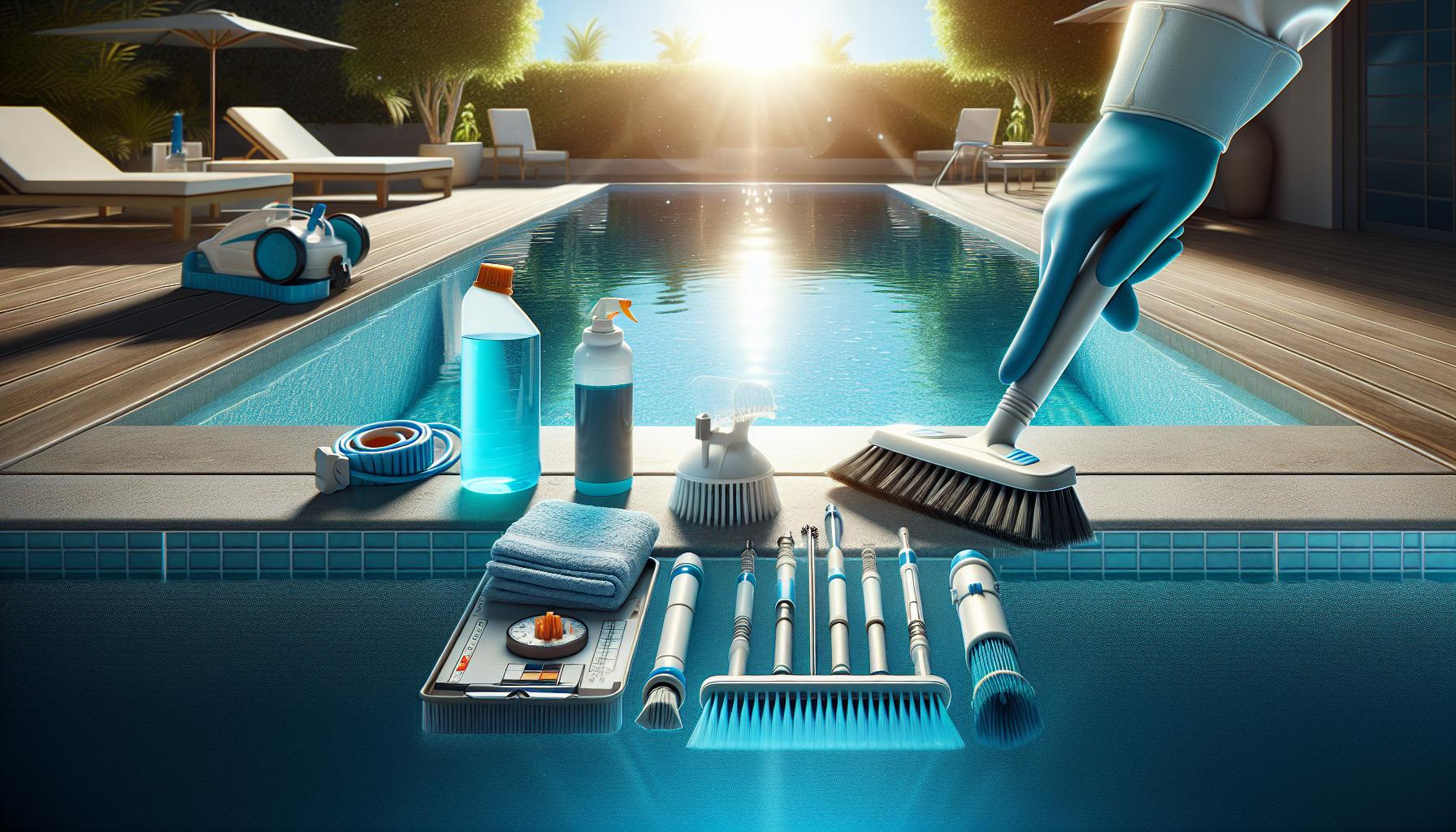
Understanding Black Algae: Characteristics and Risks
Black algae is a particularly stubborn variant of algae found in swimming pools, recognized for its dark green to black coloration and tufted appearance. Its tenacious nature not only makes it unsightly but also poses risks to both the pool infrastructure and user health. Unlike other types of algae, black algae can root itself in the pool’s surfaces, particularly in porous materials like plaster, making it challenging to eliminate completely. This characteristic also allows it to thrive in a range of conditions, often persisting even after chlorination efforts. Additionally, black algae can lead to slippery surfaces, presenting safety hazards for swimmers.
The presence of black algae can be indicative of underlying issues within the pool environment, such as poor water circulation, inadequate sanitization, or high levels of organic debris. These factors create an environment where black algae can flourish, and if not addressed, can lead to a larger infestation. Therefore, understanding its characteristics and risks is vital for pool owners. Regular maintenance and monitoring water quality can significantly reduce the likelihood of its growth, ensuring a clean and safe swimming experience. Early detection and proactive measures are essential; neglect can turn a minor issue into a major remediation project, resulting in costly repairs and a longer cleaning process.
To combat black algae effectively, it is essential to implement a robust cleaning and maintenance routine that addresses not only the algae itself but also the root causes of its growth. This approach will not only protect your pool’s integrity but also enhance the safety and enjoyment of all who use it.
Common Causes of Black Algae Growth in Pools
The battle against black algae in your pool often begins with understanding what encourages its growth. Black algae thrive in environments with poor sanitation and circulation, making it crucial for pool owners to be aware of the common factors contributing to its presence. One major culprit is inadequate water circulation, which can create stagnant areas where black algae can anchor and flourish. Installing and maintaining a reliable pump and filtration system will ensure consistent flow, effectively disrupting the conditions black algae need to survive.
Another significant factor is the pool’s chemical balance. Low chlorine levels diminish the pool’s ability to fight off algae, while higher levels of organic debris, such as leaves and dirt, provide nutrients for algae growth. Regularly testing your pool’s water chemistry and adjusting as needed can make a substantial difference. Aim to keep chlorine levels between 1-3 ppm (parts per million) and pH levels between 7.2 and 7.8 to create an inhospitable environment for black algae.
Bacterial activity can also play a role in the emergence of black algae. A lack of proper sanitation allows bacteria to flourish, leading to biofilm development that forms the perfect breeding ground for algae. Incorporating algaecides into your routine treatment plan can help eliminate existing bacteria and prevent new growth. Regular brushing of pool surfaces is a proactive step that can help dislodge early signs of black algae before they take root.
Lastly, make sure that your maintenance routine includes skimming and vacuuming to reduce organic debris, as well as using a pool cover to prevent debris accumulation when the pool is not in use. These practices will not only enhance the look of your pool but will also shape a healthier swimming environment. Recognizing these contributing factors empowers you to take comprehensive actions against black algae, turning your pool into a pristine oasis again.
Step-by-Step Guide to Identifying Black Algae
Identifying black algae in your pool can be challenging due to its unique characteristics, but understanding what to look for allows you to act swiftly. Black algae typically manifests as dark green or black spots, often found in shaded areas of the pool or in places with poor circulation. Unlike other types of algae, black algae clings firmly to surfaces, making it challenging to remove, which is why early identification is crucial.
To determine if you are dealing with black algae, perform a visual inspection of your pool walls and floor. Look for the following indicators:
- Appearance: Black algae can appear as small black or dark green spots that resemble dirt or stains on the pool surface.
- Texture: When brushed, black algae does not easily dislodge. Instead, it tends to take on a slick or slimy feel, indicating its strong attachment to the plaster or tile.
- Location: Commonly found in shaded spots such as the corners of the pool, near steps, or areas where water flow is obstructed.
- Presence of biofilm: If you notice a slimy layer over the algae, this is often a sign of biofilm, which sustains algae growth.
Once you suspect the presence of black algae, conduct a touch test. Using a stiff-bristled brush, scrub the affected area. If the algae does not come off easily and you see a dent or discoloration where you brushed, it’s likely black algae. To confirm, you can perform a simple test: apply a small amount of chlorine directly to the spots. If they turn a brighter color or start to react, it confirms the presence of black algae, as it is particularly resistant to chlorine.
Being proactive in identifying black algae early can save you time and effort later. Use this guide as your first line of defense in maintaining a clean and healthy swimming environment.
Essential Tools and Products for Removal
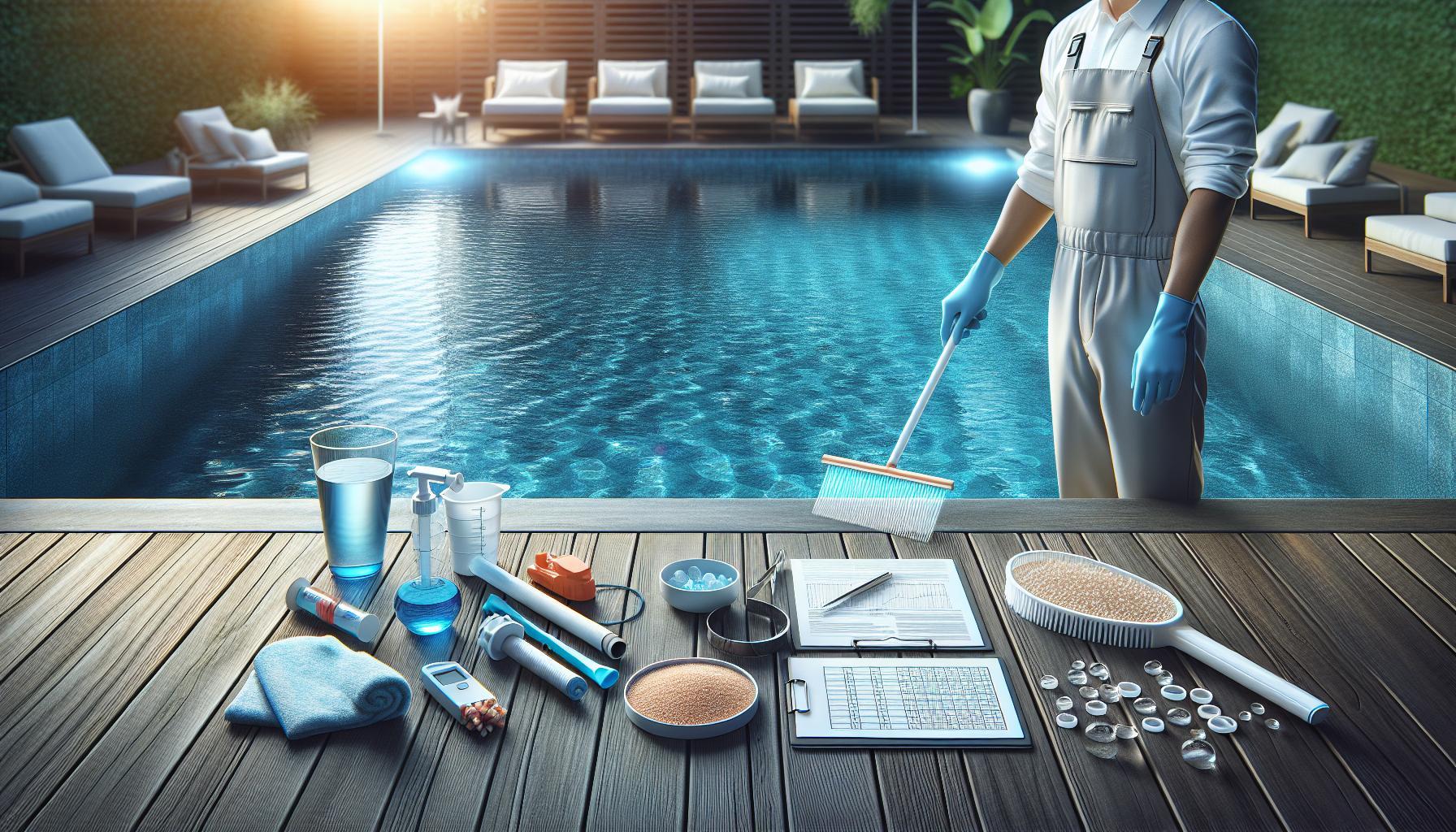
To effectively tackle black algae in your pool, it’s essential to equip yourself with the right tools and products. These specialized items are designed to break down the tough, stubborn bonds black algae form with pool surfaces, making removal more manageable. With the right arsenal at hand, you can restore your pool to its sparkling condition quickly and efficiently.
Start with a high-quality stiff-bristled brush specifically designed for pool use. This brush is crucial for dislodging black algae from textured surfaces like plaster and tile. Look for one with an extended pole for better reach, allowing you to scrub hard-to-access areas thoroughly. Coupled with the brush, a good algae vacuum or a manual vacuum with a fine mesh bag will help remove the loosened algae and debris from your pool bottom effectively.
Chemical treatments play a vital role in your algae removal strategy. Look for products containing algaecides specifically formulated for treating black algae, which can be more resistant than other types. Bronze algaecides are a popular choice as they penetrate the cell wall of algae more effectively. Always follow the manufacturer’s instructions for dosing to maximize effectiveness while ensuring safety. Additionally, having a pool shock treatment on hand can provide an immediate boost in chlorine levels, which may help in killing any residual algae spores post-cleaning.
Here are some recommended tools and products to keep on hand when tackling black algae:
- Stiff-Bristled Pool Brush: For scrubbing away clinging algae.
- Manual or Automatic Pool Vacuum: To remove debris post-brushing.
- Specialized Algaecide: Products containing bronze algaecides work best for black algae.
- Pool Shock Treatment: An essential for elevating chlorine levels effectively.
- Test Strips: To monitor water chemistry and ensure optimal conditions.
Equipped with these tools and chemicals, you’ll be ready to confront and eliminate black algae. Remember, consistent monitoring and maintenance are key to preventing its recurrence, ensuring a clean and enjoyable swimming space all season long.
Effective Chemical Treatments for Black Algae
Black algae is notorious for being one of the most resilient and challenging types of algae to eliminate from swimming pools. It forms a robust bond with surfaces, making typical cleaning efforts often ineffective. To successfully tackle this persistent problem, employing the right chemical treatments is essential for saving time and achieving lasting results.
One of the most effective chemical treatments for combating black algae is the use of specially formulated algaecides. Look for products containing quaternary ammonium compounds or copper-based algaecides, as these penetrate and disrupt the cell walls of the algae. Among the various options available, bronze algaecides stand out due to their enhanced ability to reach and kill stubborn black algae. When using these chemicals, adhere strictly to the manufacturer’s guidelines regarding dosage and application frequencies to maximize their effectiveness while ensuring the safety of pool occupants.
Another critical component in your arsenal against black algae is the use of pool shock treatments, particularly those that contain a high concentration of chlorine. Shocking your pool elevates the chlorine levels rapidly, effectively killing off residual algae spores that may remain after brushing. It’s advisable to shock the pool after you’ve brushed the walls and floors to offload any loosened algae; this ensures that the shock treatment can act directly on any remaining organisms. Following the shock treatment, retest the water to ensure that chlorine levels return to safe swimming conditions.
When implementing a chemical treatment plan, it’s also essential to monitor water chemistry closely. Maintaining optimal pH levels (between 7.2 and 7.8) is crucial, as pH can significantly influence the effectiveness of both algaecides and shock treatments. Regular use of test strips will help you keep the water balanced and the treatments effective, allowing for a cleaner and healthier swimming pool environment.
By utilizing the right chemical treatments and staying committed to regular water testing and maintenance, you can successfully combat black algae and prevent its return, ensuring a safe and enjoyable swimming experience all season long.
Manual Removal Techniques: Brush and Vacuum Strategies
The battle against black algae might seem daunting, but utilizing proper manual removal techniques can significantly enhance your pool’s cleanliness and appearance. The stubborn nature of black algae means that brushing and vacuuming are crucial steps in the removal process, and employing the right strategies can yield impressive results.
To begin, equip yourself with a high-quality pool brush designed for your pool’s surface type. For plaster pools, a stainless steel brush can be effective, while a softer brush is preferable for vinyl or fiberglass surfaces to avoid scratching. Focus on scrubbing the affected areas vigorously, particularly where the algae appears most tenaciously adhered. For optimal results, allow the water to circulate during this brushing to help dislodge spores, which will make them easier to remove. Aim to brush the walls, steps, and any crevices where algae tends to hide; consistent effort in this area is vital to breaking the algae’s grip.
Once you’ve thoroughly brushed the pool, it’s time to vacuum up the debris. A manual vacuum with a hose attached directly to the skimmer is often more effective than a robotic model in this scenario, as it allows for more targeted suction on the areas previously brushed. During vacuuming, remember to keep the vacuum head near the surface to capture any floating algae particles. For larger pools, section off the area into manageable parts to ensure no spots are missed.
Finally, after completing the brushing and vacuuming, it’s essential to carry out a thorough inspection of the pool. Check corners, behind lights, and along the water line for any remaining traces of black algae. If there are still some stubborn patches left, you may need a second round of brushing and vacuuming. This diligent approach not only aids in current removal efforts but dramatically reduces the chances of recurrence in the future. With persistence and these manual techniques, you can reclaim your pool from the clutches of black algae and enjoy a clean and sparkling swimming environment.
Preventing Recurrence: Best Practices for Pool Maintenance
To keep your pool in pristine condition and prevent the stubborn resurgence of black algae, establishing a reliable and proactive maintenance routine is essential. A clean pool is not just inviting; it also minimizes the chances of algae growth, including that which is particularly challenging to eliminate. Understanding and implementing a few best practices will set the foundation for a healthy swimming environment.
Regularly testing and adjusting your pool’s chemical balance is critical. Aim for a pH level of between 7.2 and 7.6 and maintain a chlorine level of at least 3 parts per million (ppm). You can utilize test strips or a liquid test kit weekly to monitor these levels. Proper chemical balance not only disinfects your pool but also inhibits algae growth. Additionally, shocking your pool with a higher dose of chlorine every few weeks can help keep unwanted organisms at bay.
Another essential strategy is to ensure adequate circulation and filtration. Make it a point to run your pool pump for at least 8-12 hours a day, especially during peak swimming season. This consistent movement of water helps distribute chemicals evenly and removes debris before it settles and becomes a potential breeding ground for algae. Furthermore, cleaning or replacing your pool filter regularly, whether it’s a sand, cartridge, or D.E. filter, ensures it operates efficiently.
Visual inspections should also be a monthly staple in your maintenance schedule. Look for any signs of algae or unusual discolorations. Pay close attention to corners, crevices, and the ladder, which can often trap debris and cause algal blooms. When you notice any green or black spots, address them immediately by brushing and vacuuming those areas to prevent any potential spread.
Lastly, consider employing preventive tools such as algaecides that target various types of algae, including black algae. These chemical agents can provide an extra layer of defense when added to your maintenance regimen. Read and follow the manufacturer’s instructions for safe and effective application.
By committing to these practices, you not only enhance the aesthetic appeal of your pool but also establish an environment that discourages black algae from taking hold again. A little diligence goes a long way in ensuring your pool remains a clean and enjoyable retreat.
Addressing Related Issues: Other Algae Types in Your Pool
The presence of various types of algae in your pool can pose challenges beyond just black algae. Understanding these other algae forms is crucial as they can indicate underlying issues in water chemistry or maintenance practices. For instance, green and yellow (or mustard) algae are common adversaries that thrive in poorly balanced water conditions, and they can spread swiftly if left unchecked. Each type has its unique characteristics and requires different approaches for effective removal and prevention.
Green Algae
Green algae is often the first type of algae pool owners encounter. It thrives in the presence of sunlight and can bloom rapidly when chlorine levels drop. To combat green algae, follow these steps:
- Shock the Pool: Begin with a chlorine shock treatment to drastically increase chlorine levels. This helps in killing off the algae bloom.
- Brush and Vacuum: Use a pool brush to scrub the walls and floor where green algae settles, followed by vacuuming to remove dead algae from the pool.
- Filter Maintenance: Ensure your filter is clean and functioning correctly to remove any remaining algae particles.
Mustard Algae
Mustard algae may resemble dirt or sand and cling tightly to pool surfaces, making it more challenging to remove. It tends to thrive even in chlorinated environments, often appearing in shaded areas or on the pool floor. Addressing mustard algae involves:
- Additional Shock Treatment: Use a non-chlorine shock or a larger quantity of chlorine to target mustard algae specifically.
- Prioritize Scrubbing: Since this type adheres more stubbornly, be vigilant in brushing affected areas multiple times to disrupt its grip.
- Frequent Filtering: Run your filter longer than usual, as it aids in clearing up residual algae during and after treatment.
Other Algae Types
Besides green and mustard algae, consider the potential presence of pink algae, primarily bacteria that thrive in wet environments and appear as a slimy pink film. This type is often mistaken for algae, but it may require specific antibacterial treatments rather than standard algaecides.
To keep your pool healthy and algae-free, regular maintenance and prompt intervention when spotting any discolorations are key. Employing a diversified approach to pool care not only addresses current algae problems but also fortifies against future outbreaks. By maintaining the right balance of sanitization and circulation, all pool owners can enjoy a clear and inviting swimming space year-round.
Troubleshooting: When Removal Efforts Fail
When efforts to remove black algae from your pool seem futile, it can be incredibly frustrating. Black algae, known for its resilience and ability to root itself deep into pool surfaces, often requires a more strategic approach when basic cleaning methods fail. One of the first things to check is whether you’ve correctly identified black algae. Sometimes, what appears to be black algae could be dirt or other debris. Consider conducting a more thorough inspection: if brushing reveals that the so-called black algae rubs away easily, you might just be dealing with an accumulation of dirt.
If the black algae persists despite your best efforts, assess the water chemistry. Imbalances in pH or chlorine levels can contribute to algae growth. You might need to shock the pool with a higher concentration of chlorine or use a specialized algaecide designed to tackle black algae. Ensure the water is properly balanced and sanitized before attempting another removal. When you return to cleaning, prioritize a firm scrubbing with a stiff-bristled brush specifically designed for pool surfaces; this can help expose the algae roots for more effective treatment.
Beyond immediate cleaning, consider the equipment used for filtration and cleaning. A malfunctioning filter or inadequate circulation can lead to persistent algae problems. Clean or replace your pool filter if it’s not functioning at optimal levels, and increase the runtime for your pool pump temporarily to ensure thorough circulation and filtration. This will help trap any floating spores or algae particles in the water that attempt to regrow.
In some cases, if black algae continues to resist removal efforts, it may be time to consult a professional pool service. They have access to more potent treatments and expertise that can effectively handle severe infestations and may also identify underlying issues in your pool maintenance routine you might have missed. Even when the situation feels dire, take heart-persistent problems can be resolved with the right strategies and expert advice.
Professional Services: When to Call an Expert
When the battle against black algae becomes overwhelming, knowing when to seek professional help is crucial. This resilient foe can thrive in various pool conditions, often embedding itself deeply into surfaces like plaster or vinyl, making it incredibly difficult to eradicate using standard cleaning techniques. If you’ve tried multiple DIY methods, such as scrubbing and chemical treatments, without success, it may be time to consider enlisting the experience of a professional pool service.
Factors Indicating the Need for Professional Services
First, if you notice the black algae returning rapidly after treatment or if the infestation is widespread, your pool’s sanitation and filtration systems might be compromised. Professionals have access to advanced diagnostic tools that can pinpoint problems in circulation, filtration, or chemical balance that you might not be able to detect. Additionally, they utilize specialized algaecides and cleaning equipment that can penetrate and remove stubborn algae much more effectively than store-bought products.
Another reason to contact an expert is if the algae has spread to hard-to-reach areas or if it persists despite thorough cleaning efforts. Professionals can often recognize patterns and underlying issues that are contributing to persistent algae growth. For instance, your pool’s surface might need resurfacing, or there may be cracks that allow algae to take hold.
How Professionals Can Help
When you call a professional service, they will typically start with a detailed assessment of your pool conditions. This includes testing the water chemistry, examining the filtration system, and inspecting the surface materials. Based on their findings, they will develop a tailored treatment plan that may involve shock treatments, deep cleaning, and advice on how to adjust your maintenance routine for long-term prevention.
- Assess pool condition with specialized equipment
- Implement targeted chemical treatments
- Repair circulation issues and improve filtration
- Provide maintenance guidance for future prevention
By turning to professionals when facing persistent black algae issues, you not only save time and frustration but also ensure a healthier swimming environment for you and your guests. Remember, a proactive approach to pool maintenance with periodic professional inspections can prevent minor issues from turning into major challenges in the future.
Safety Precautions During Algae Removal
When tackling the challenging task of removing black algae from your pool, taking the necessary safety precautions is essential to protect both yourself and your environment. Black algae can be stubborn and may require strong chemical treatments that pose potential hazards if not handled correctly. Proper preparation not only enhances the effectiveness of your removal efforts but also ensures a safe experience.
Begin by equipping yourself with the right safety gear. Protective eyewear and gloves are crucial, as they will shield you from splashes of algae treatments and chemicals that can irritate the skin and eyes. If you are working with potent algaecides or chlorine, consider wearing a face mask to avoid inhaling any fumes. Additionally, ensure that your workspace is clear of any obstacles or clutter that might cause slips or falls during the cleaning process.
Before applying any cleaning solutions, always read and follow the manufacturer’s instructions thoroughly. Different products have specific requirements regarding application methods, dilution, and safety measures. Never mix chemicals unless explicitly stated, as combining certain substances can create toxic reactions. It’s also vital to ventilate the area well; if you’re working within an enclosed space or near your pool’s pump, make sure there is adequate air circulation to minimize inhalation risks.
Lastly, after you’ve completed the algae removal process, conduct a thorough clean-up of any spills and properly dispose of any materials used, such as sponges or rags, to prevent recontamination. Store chemicals safely out of reach of pets and children, and ensure all containers are securely closed to prevent any accidents. Following these safety precautions will not only protect you during algae removal but also help you maintain a clean and healthy swimming environment.
Enhancing Your Pool’s Longevity: Maintenance Tips
Maintaining a clean and algae-free pool not only enhances your swimming experience but also extends the life of your pool infrastructure. Regular and effective maintenance practices can deter algae growth, including the notoriously resilient black algae. By implementing a proactive approach, you not only ensure a safe swimming environment but also save on costly repairs down the line.
To start, consistent routine cleaning is essential. Aim to clean the pool walls and floors at least once a week. Use a high-quality pool brush to scrub the surfaces, especially in corners and areas that receive less water circulation. Following the brushing, vacuum the pool to remove any debris and algae that have been dislodged. Additionally, consider investing in a reliable pool cover. This simple tool helps prevent debris from accumulating and reduces sunlight exposure, which can foster algae growth.
Maintaining the proper chemical balance is equally vital. Regularly test and adjust the pH, alkalinity, and chlorine levels of your pool water. Keeping the pH between 7.2 and 7.6, for instance, is crucial for effective sanitizer performance and can inhibit algae development. Use a good quality tester and consider routine adjustments through chemical treatments to maintain clarity in the water and strengthen its protective measures against algae.
Lastly, enhancing your pool circulation can significantly affect algae prevention. Ensure that your pool filter is running adequately-typically for 8 to 12 hours daily-to promote consistent water movement, which makes it harder for algae to settle. Periodically backwash your filter when the pressure gauge indicates it’s necessary, and regularly clean skimmer and pump baskets to maintain optimal flow. By focusing on these maintenance tips, you can significantly reduce the chances of black algae and other types invading your pool, allowing for a safer, cleaner swimming environment year-round.
Frequently asked questions
Q: What are the initial signs of black algae in my pool?
A: Initial signs of black algae include dark spots or patches on the pool walls, especially in shaded or damp areas. These spots resist brushing and can feel slimy. Regular checks can help catch them early for effective treatment. Check “Step-by-Step Guide to Identifying Black Algae” for detailed tips.
Q: How do I distinguish black algae from other types of pool algae?
A: Black algae appear as small, dark green or black spots with a slimy feel, often clustered in shady areas. Unlike green or mustard algae, black algae have a protective layer, making them harder to remove. Refer to the section “Addressing Related Issues: Other Algae Types in Your Pool” for more comparisons.
Q: Can I use regular pool shock to kill black algae?
A: Regular pool shock can help, but specifically formulated algaecides that target black algae are more effective. Consider using a pool shock product that contains calcium hypochlorite or specific algaecides for optimal results. See “Effective Chemical Treatments for Black Algae” for recommendations.
Q: What should I do if my black algae keeps returning?
A: If black algae reappears, ensure your pool’s pH is balanced and sanitizer levels are adequate. Regular brushing and proper filtration are crucial. Implement “Preventing Recurrence: Best Practices for Pool Maintenance” for a comprehensive strategy to keep algae at bay.
Q: When should I consider professional help for black algae removal?
A: Consider consulting a professional if the algae persists despite your efforts, or if extensive growth covers large areas. Professionals can apply stronger treatments and provide maintenance tips. Refer to “Professional Services: When to Call an Expert” for more insights.
Q: What are the best tools for manual removal of black algae?
A: The best tools for manual removal include a stiff-bristled pool brush, a vacuum, and a algae-specific skimmer. These can effectively lift and remove black algae from surfaces. Check “Essential Tools and Products for Removal” for more detailed recommendations.
Q: How does sunlight affect the growth of black algae in pools?
A: Sunlight encourages the growth of black algae in shaded areas while inhibiting it in well-lit sections. Regular exposure to sunlight can help minimize black algae growth. For thorough prevention methods, see “Best Practices for Pool Maintenance.”
Q: Is it safe to swim in my pool if it has black algae?
A: Swimming in a pool with black algae is not recommended as it can harbor bacteria. It’s important to treat the algae before use to ensure water safety. Always follow safety guidelines during removal, as discussed in “Safety Precautions During Algae Removal.”
In Summary
Eliminating black algae is a crucial step for maintaining a pristine and healthy pool environment. By following the expert techniques outlined in our guide, you’ve learned effective strategies for tackling this stubborn problem. Don’t let lingering algae spoil your summer fun-take action today!
For more insights, check out our articles on “Essential Pool Maintenance Tips” and “Choosing the Right Pool Chemicals.” You’ll also find helpful resources like our downloadable pool care checklist to stay on top of your swimming pool’s cleanliness.
Join our newsletter for exclusive tips and updates that will keep your pool sparkling all season long. Remember, a clean pool is a happy pool-let’s make sure yours stays that way! Feel free to share your experiences in the comments below; we love hearing from our community.