


Algae can turn your sparkling pool into a green nightmare, making it uninviting and unsafe for swimming. Understanding how to eliminate pool algae is crucial for maintaining clear, healthy water that enhances your enjoyment and protects your investment. The good news? With the right strategies for prevention and removal, you can effectively combat this common issue.
By understanding algae’s growth conditions and employing systematic maintenance practices, you can keep your pool pristine. Whether you’re grappling with persistent green slime or unsightly black patches, this guide will equip you with proven techniques to tackle algae head-on. Dive in to discover step-by-step solutions and actionable tips that will empower you to reclaim your pool’s clarity, ensuring it remains a refreshing escape all summer long.
Understanding Pool Algae: Types and Causes
Understanding pool algae is essential for any pool owner, as these unwelcome organisms can transform your tranquil oasis into a green and unsanitary pit. Algae thrive in warm, sunny environments and can reproduce rapidly, often leading to frustrating maintenance battles. The three main varieties of pool algae include green, yellow (mustard), and black algae, each with unique characteristics and challenges.
Green algae is the most common type and can turn your pool water green and cloudy. It has a slimy texture and can easily spread if not treated promptly. Yellow algae, or mustard algae, often appears as a yellowish stain and can be resistant to chlorine, making it a bit trickier to eliminate. Black algae is the most stubborn of the bunch, often clinging to pool surfaces with its dark patches and protective structure, which makes it resistant to standard cleaning methods.
The most prevalent causes of algae growth include poor filtration, imbalanced water chemistry, low chlorine levels, and inadequate water circulation. When these conditions exist, they create a perfect habitat for algae to flourish. Regularly monitoring and adjusting your pool’s water chemistry, ensuring proper filtration, and implementing effective circulation tactics are crucial in combating these issues before they escalate into more significant problems. Understanding these fundamental aspects will empower you to maintain a cleaner and healthier swimming environment.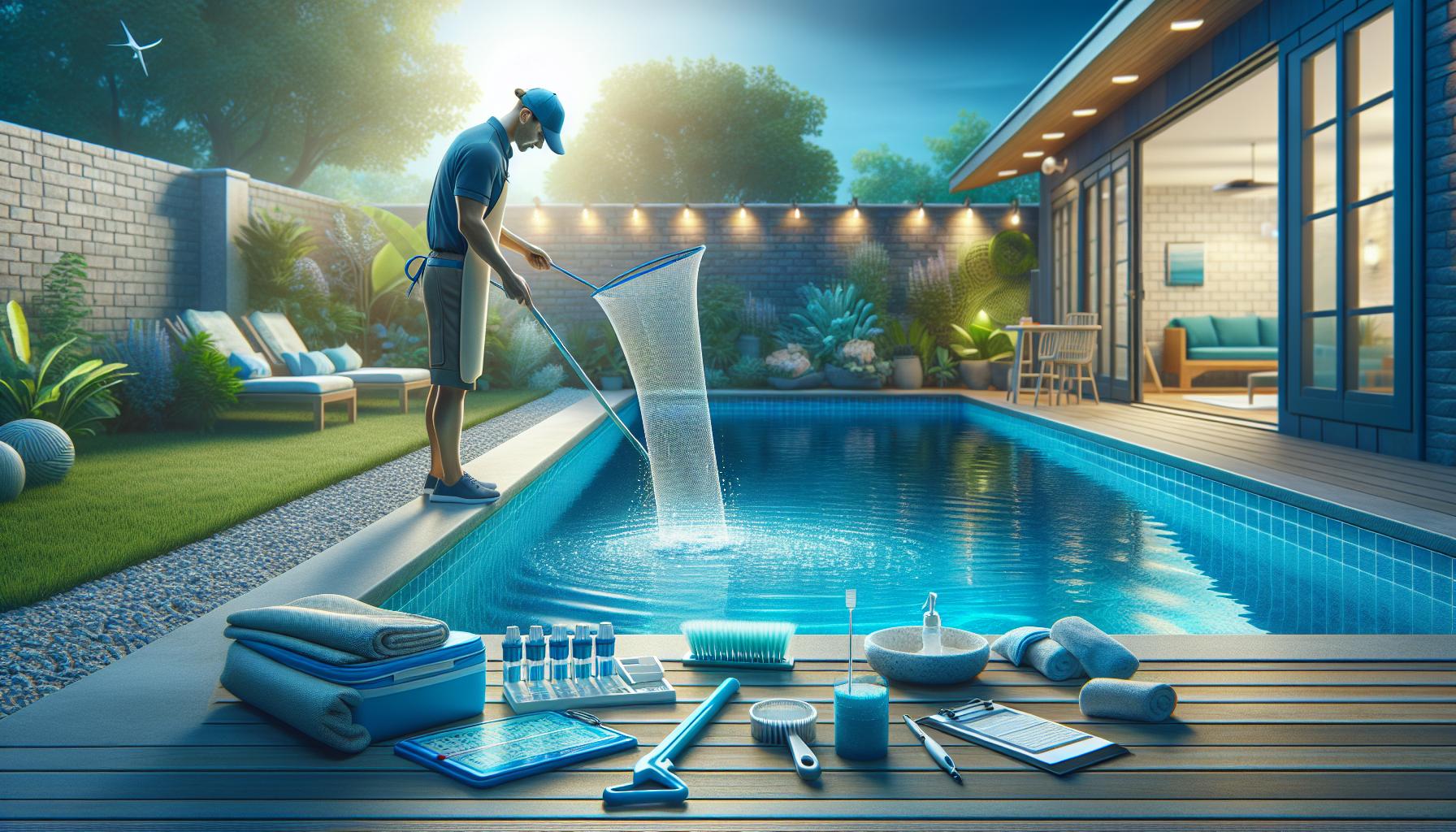
Preventative Measures: Stop Algae Before It Starts
To effectively keep algae at bay, proactive measures should be at the forefront of your pool maintenance routine. Algae thrives in environments that are poorly maintained, making it essential to create conditions that are less favorable for its development. A few small but strategic changes can make a big difference.
One of the most critical steps is to regularly test and balance your pool’s water chemistry. Ensure that chlorine levels are consistently maintained within the safe range (1-3 ppm) to inhibit algae growth. If your pool experiences heavy use or high temperatures, consider raising your chlorine levels slightly. Additionally, the pH should be kept between 7.2 and 7.8; high pH levels can reduce chlorine’s effectiveness. Implementing a weekly testing schedule during peak swimming months will help you catch any chemical imbalances before they lead to algae blooms.
Enhancing Filtration and Circulation
Equally important is the operation of your pool’s filtration system. Ensure that your pool filter is clean, functioning properly, and running for at least 8-12 hours a day, especially during hot weather. A well-maintained filter helps capture debris and contaminants that can contribute to algae growth. Similarly, ensure that your pool’s water circulates efficiently. This can be achieved by regularly checking and cleaning skimmers and returning jets. Aim for a flow rate that keeps the water moving without creating dead zones where algae can take hold.
Preventive Chlorination and Shocking
Incorporating regular chlorination and occasional shocking can also significantly prevent algae. Shocking your pool with a higher dose of chlorine can quickly eliminate contaminants and algae spores before they have a chance to grow. Engage in a shock treatment after heavy rain, pool parties, or when pool usage increases to ensure water clarity and quality are maintained.
Implementing these practical and strategic measures not only helps to minimize the appearance of algae but also prolongs the lifespan of your pool. Keeping a consistent maintenance schedule and being proactive with water chemistry will empower you to enjoy a clean, safe swimming environment without the ongoing struggle against algae.
Effective Sanitization: Choosing the Right Pool Chemicals
To keep your pool pristine and effectively combat algae, selecting the right pool chemicals is crucial. Not all chemicals work the same way, so understanding their roles can empower you to maintain crystal-clear water. At the heart of effective sanitization is chlorine, a powerful oxidizer that kills harmful bacteria and prevents algae growth. With proper maintenance of chlorine levels, typically ranging from 1-3 parts per million (ppm), you create an inhospitable environment for algae spores, allowing you to enjoy a safe swimming experience.
Choosing between types of chlorine can significantly impact your sanitization strategy. You have options such as liquid chlorine, granular chlorine, and chlorine tablets. Liquid chlorine is fast-acting and ideal for immediate sanitation, while granular options are easily adjustable for different water volumes. Tablets, which dissolve slowly in your skimmer, provide a steady release of chlorine, ensuring continuous disinfection. It’s important to regularly test your pool water to determine the appropriate type and amount of chlorine needed, ensuring that your levels remain within the ideal range.
In addition to chlorine, consider adding algaecides as a supplementary measure; they target algae specifically and can be invaluable during hot seasons or after heavy rainfall. Certain formulas, like copper-based algaecides, can prevent algae blooms more effectively but should be used with care to avoid staining pool surfaces. Furthermore, balancing pH levels between 7.2 and 7.8 is essential since high pH can diminish chlorine’s effectiveness and contribute to algae growth.
Ultimately, creating a comprehensive sanitization plan requires you to stay proactive. Regular testing, timely chemical adjustments, and a clear understanding of your chemical choices will enable you to maintain a clean pool environment year-round. By investing time in learning about and selecting the right chemicals, you not only enhance your pool’s health but also extend its lifespan, allowing for more enjoyable and hassle-free swim seasons.
Step-by-Step Guide to Remove Pool Algae
To effectively tackle the presence of algae in your pool, following a systematic approach is essential. Algae can quickly turn your sparkling oasis into a green, murky disappointment, but with the right steps, you can restore its clarity and safety. Here’s a comprehensive guide on how to remove pool algae, ensuring you’re equipped with practical solutions to manage this common pool challenge.
1. Identify the Type of Algae
Understanding the type of algae you’re dealing with is crucial for effective treatment. There are green, black, and mustard algae, each requiring different approaches for removal. Green algae is the most common and can often be treated with standard chlorination, while black and mustard algae may require specific algaecides for resolution.
2. Brush and Vacuum the Pool
Start by brushing all surfaces of your pool, including walls, steps, and ladders, using a pool brush suitable for your pool type. This loosens the algae, allowing it to be more effectively removed. Follow up by vacuuming the pool to directly siphon off the debris and loosened algae.
3. Shock the Pool
Once you’ve brushed and vacuumed, it’s time to shock the pool. Use a high dose of pool shock, typically 3-5 times the normal amount, depending on the severity of the algae outbreak. Ensure the pool pump is running to circulate the shock evenly throughout the water. This step is vital as chlorine not only kills algae but also helps clear the water.
4. Add Algaecide
After shocking the pool, you might want to apply a quality algaecide appropriate for the type of algae you’re dealing with. Copper-based algaecides work well against green and black algae, while other formulations may specifically target mustard algae. Carefully follow the manufacturer’s instructions for dosage and application.
5. Test and Balance Water Chemistry
Continuously monitor your pool’s water chemistry after algae treatment. Test for pH, alkalinity, and chlorine levels to ensure they fall within recommended ranges. Adjustments may be necessary-aim for pH levels between 7.2 and 7.8 to enhance chlorine effectiveness.
6. Run the Filter
Keep your pool filter running continuously for at least 24 hours after shock treatment and algaecide application. This ensures maximum filtration of dead algae and other particles. Check the filter periodically to clean or backwash as needed.
7. Regular Maintenance
To prevent future outbreaks, establish a rigorous maintenance routine that includes regular brushing, vacuuming, and chemical testing. Ensuring chlorine levels remain between 1-3 ppm and maintaining proper pH balance will create an inhospitable environment for algae growth.
By following these steps, you can confidently tackle algae and maintain a clean, inviting swimming pool. Don’t hesitate to reach out to local pool professionals if the issue persists or escalates, as sometimes professional insight may be necessary for stubborn algae types. Regular preventative maintenance is your best defense against algae returning.
Using a Pool Vacuum: Techniques for Removal Success
To efficiently eliminate algae from your pool, using a vacuum is a critical step that can significantly enhance your cleaning efforts. A pool vacuum not only removes visible algae but also sifts through debris and contaminants that contribute to algae growth, allowing for a deeper clean that regular skimming cannot achieve. Understanding the correct techniques and strategies for using the vacuum can make the process both effective and straightforward.
Start by preparing your pool vacuum according to the manufacturer’s instructions. If you’re using a manual vacuum, attach the vacuum head to a telescopic pole and connect the hose. Ensure that the vacuum hose is free of air bubbles to maintain optimal suction; you can do this by submerging the hose in the pool and allowing the water to fill it completely before connecting it to the skimmer. For automatic vacuums, check that all parts are assembled correctly and the device is programmed according to the pool’s layout.
As you begin vacuuming, it’s important to work in a systematic pattern. Move slowly and methodically across the pool surface-either starting from one end and moving to the other or vacuuming in a back-and-forth manner. This thorough approach ensures that all areas of the pool are covered, especially corners and steps where algae often hide. Be mindful to frequently check the filter and skimmer. If debris accumulates too quickly, the suction will decrease, making the vacuum less effective. Clean or backwash the filter as needed to maintain strong suction.
Once you’ve finished vacuuming, continue to run the pool’s filtration system for at least 24 hours post-cleaning to help eliminate any remaining particles. Regularly vacuuming your pool not only clears away existing algae but serves as a preventative measure against future growth. Establish a routine that includes vacuuming your pool once a week, particularly in warmer weather or if you notice a rise in algae presence.
With consistent use of a pool vacuum and accompanying maintenance practices, you can transform your pool from a breeding ground for algae into a clean and inviting oasis.
Shocking Your Pool: When and How to Do It
Shocking your pool is one of the most crucial steps in maintaining a clean and clear swimming environment. It involves adding a large dose of chlorine or other sanitizers to your pool to elevate the levels of free chlorine rapidly, effectively killing algae, bacteria, and other harmful microorganisms. Regular shocking helps prevent algae blooms and maintains a balanced water chemistry, ensuring your pool remains safe and welcoming.
When to Shock Your Pool
The best times to shock your pool are during the following situations:
- After heavy rain or strong winds, which can introduce debris and contaminants.
- When the water appears cloudy or green, indicating potential algae growth.
- After a significant amount of pool usage, such as a party or gathering.
- Weekly or bi-weekly during peak swimming season to keep water quality in check.
How to Shock Your Pool
Follow these steps to effectively shock your pool:
- Choose the Right Shock Treatment: There are several types of pool shock, including calcium hypochlorite, sodium dichlor, and potassium peroxymonosulfate. Select a product that suits your pool type (chlorine or saltwater) and follow the manufacturer’s dosage recommendations.
- Test the Water: Before shocking, test the pool’s current chlorine levels using a water testing kit. Ideally, your free chlorine level should be between 1 to 3 ppm before adding shock.
- Prepare the Shock: If using granular shock, dissolve it in a bucket of pool water, stirring until fully dissolved. This step helps prevent any potential damage to the pool surface and ensures even distribution.
- Add the Shock to the Pool: Pour the solution around the edges of the pool to allow for even distribution. Avoid adding shock directly to the skimmer as it can damage your filtration system.
- Run the Pump: After shocking, run the pool pump for at least 8 to 24 hours to circulate the water and distribute the chlorine evenly. Maintaining the pump’s operation during this period also helps filter out contaminants.
- Retest the Water: Wait for a minimum of 24 hours and then retest chlorine levels. Before swimming, ensure that levels return to the safe range of 1 to 3 ppm.
Shocking your pool may seem daunting, but by following these steps, you can be proactive about your pool maintenance. This practice not only enhances water clarity but also protects against algae growth, keeping your pool inviting for all who use it. Remember, regular shocking is part of a comprehensive strategy to maintain a safe and enjoyable swimming environment.
Maintaining Water Balance: Key to Algae Prevention
Maintaining proper water balance in your pool is essential for preventing algae growth and ensuring a safe, enjoyable swimming experience. Algae thrive in unbalanced water conditions, particularly when pH, alkalinity, and sanitizer levels fluctuate outside their ideal ranges. If you want to keep algae at bay, regular monitoring and adjusting of these parameters is your first line of defense.
To start, regularly test your pool water using a reliable test kit. You’ll want to check the following:
- pH Levels: Aim for a pH between 7.2 and 7.8. When pH is too high, it can reduce chlorine effectiveness, allowing algae to flourish.
- Alkalinity: Maintain total alkalinity between 80-120 ppm to stabilize pH levels and prevent drastic shifts that can foster algae growth.
- Chlorine Levels: Free chlorine should be kept between 1 and 3 ppm to effectively kill bacteria and prevent algae blooms.
Steps to Achieve Ideal Water Balance
Here’s how to maintain proper water balance effectively:
- Regular Testing: Test your pool water at least once a week, or more frequently during peak swimming season or after heavy rain.
- Adjust pH and Alkalinity: If pH or alkalinity levels are out of range, use appropriate chemical products to bring them into balance. For pH correction, use pH increaser (sodium carbonate) or pH decreaser (sodium bisulfate). For alkalinity, add sodium bicarbonate to raise levels or muriatic acid to lower them.
- Shock Treatment: Regularly shock your pool (every few weeks or after heavy use) to elevate chlorine levels and combat any emerging algae. This is particularly important after periods of rain or strong winds that can introduce contaminants.
Monitoring and Adjusting Sanitizer Levels
Keep a close eye on chlorine levels and adjust as necessary. During particularly hot weather or increased pool usage, you may need to increase your usual chlorine dosage to maintain adequate sanitation. By ensuring that your water chemistry remains within optimal ranges, you create an inhospitable environment for algae while promoting clear, inviting water.
Adhering to these maintenance practices not only combats algae but also enhances the overall health of your pool. A well-balanced pool is less prone to problems, making for a more pleasant swimming experience. Stay proactive, and you’ll find that keeping your pool algae-free is simpler than you might have thought!
The Role of Filtration Systems in Algae Control
A well-functioning filtration system is your pool’s first line of defense against algae growth. Not only does it circulate water to keep it clean, but it also plays a crucial role in maintaining an undesirable environment for algae. When operated correctly, these systems continuously filter out debris, organic matter, and microorganisms, mitigating the ideal conditions that lead to algae blooms.
To maximize the effectiveness of your filtration system, ensure that you follow a consistent maintenance schedule. This includes:
- Regular Cleaning: Depending on the type of filter (sand, cartridge, or diatomaceous earth), clean or backwash your filter according to the manufacturer’s recommendations. This keeps the filter basket and media clear of blockages that can impede water flow.
- Consistent Operation: Run your filtration system for at least 8-12 hours a day, especially during peak swimming season. This extended operation time helps ensure that all pool water is filtered multiple times daily, which is critical for reducing algae growth.
- Monitor Filter Pressure: Keep an eye on the pressure gauge. An increase of 8-10 psi above normal indicates that your filter needs cleaning. Ignoring this can lead to decreased efficiency in capturing particles that contribute to algae growth.
When encountering stubborn algae issues, consider enhancing your filtration routine. Running your filter in the “waste” setting during a cleaning or when applying shock treatments can help effectively remove algae and contaminants without pushing them back into the pool water. Remember, even the best chemicals won’t work if the algae is being recirculated around your pool by a dirty filter.
Lastly, ensure that your skimming and vacuuming practices are in alignment with your filtration efforts. Regularly removing debris and organic matter from the pool surface and floor not only supports the filter’s role but also limits the nutrients that algae need to thrive. By incorporating these strategies, you’ll be taking pivotal steps towards controlling and preventing algae, ensuring a clear, inviting pool all season long.
Natural Solutions: Eco-Friendly Algae Treatments
To combat pool algae effectively while being eco-friendly, many pool owners are turning to natural solutions that minimize chemical usage and environmental impact. Not only can these methods be gentle on the planet, but they can also be remarkably effective when applied consistently. One popular option is to use enzymes, which break down organic matter in the water, reducing the nutrients available for algae growth. These enzymes are often derived from naturally occurring substances and can help maintain a healthy balance in your pool without harmful side effects.
Another effective approach involves using baking soda, which has a dual role. It helps maintain pH levels while also providing alkalinity, making it less hospitable for algae. To implement this, simply add about one pound of baking soda for every 10,000 gallons of water, and monitor your pool’s chemistry regularly to ensure optimal conditions. This low-cost, easily accessible solution can aid in preventing algae growth while ensuring your pool remains clean and safe for swimmers.
Utilizing barley straw is another natural method worth considering. When placed in your pool, barley straw naturally decomposes and releases substances that can inhibit algae growth. You can find barley straw in various forms, including bales or biodegradable bags. For best results, place the barley straw in a mesh bag and float it near your skimmer. As it breaks down, it will help maintain clearer water and discourage algae blooms without affecting the environment adversely.
Incorporating natural clarifiers, such as moringa seed powder, can also serve as an effective eco-friendly treatment. Moringa helps to bind the particles in the water, making it easier for your filtration system to remove them. Just a couple of teaspoons mixed into the pool water can effectively clarify your pool and help fight algae growth simultaneously.
Staying proactive with these treatments and incorporating regular maintenance can build an effective strategy to keep your pool algae-free. By integrating these natural solutions, you reduce your chemical footprint and create a healthier swimming environment, making your backyard oasis a safe and enjoyable spot for family and friends.
Dealing with Stubborn Algae: Advanced Removal Tactics
Dealing with persistent algae growth can be one of the most frustrating challenges pool owners face. When standard cleaning and maintenance practices fail, it’s time to employ some advanced removal tactics. Successfully eliminating stubborn algae not only restores the aesthetic appeal of your pool but also helps ensure a safe and healthy swimming environment.
One effective approach is to enhance your sanitation methods with powerful algaecides. When choosing an algaecide, look for those specifically formulated to target the type of algae you’re dealing with; for example, a copper-based algaecide works exceptionally well against green algae, while an algaecide designed for yellow or mustard algae will help tackle that stubborn variant. Before applying, ensure your pool’s water chemistry is balanced, as improper pH levels can hinder the effectiveness of these treatments. Always follow the manufacturer’s instructions for dosing and application to achieve the best results.
Another technique is to perform a thorough manual cleaning of your pool surfaces. Use a brush with stiff bristles to scrub the walls and floor of the pool, paying special attention to the areas where algae tends to cling. Make sure to brush corners, steps, and the waterline where algae often takes hold. After scrubbing, vacuum the pool to remove the dead algae and debris from the bottom, which can contribute to recontamination if left unattended.
In cases of severe infestation, consider conducting a shock treatment on your pool. This involves adding a high dose of chlorine or a compatible shock treatment to your water. It’s crucial to follow up this treatment with a good filter run to clear away any residual dead algae. After shocking, allow the water to circulate for at least 24 hours before testing the water parameters and rebalancing chemicals to ensure safe swimming conditions are restored.
Finally, work on improving your pool’s filtration efficiency. A well-functioning filter is vital in preventing algae blooms. If your filter runs on a sand or cartridge system, ensure to backwash or clean it regularly to maintain its effectiveness. Additionally, consider running the filter for longer periods during peak algae growth seasons or after heavy rains, as this can significantly minimize the chances of algae returning.
By employing these advanced removal tactics and remaining vigilant, you can regain control of your pool and keep it looking pristine and inviting all season long.
Regular Maintenance Schedule: Keep Your Pool Algae-Free
Establishing a consistent maintenance schedule is vital for keeping your pool algae-free and ensuring crystal-clear water all season long. Routine care not only deters algae growth but also promotes a healthy swimming environment. Start by dedicating time each week to maintain your pool, incorporating several key tasks that work synergistically to combat algae.
Daily Essentials
On a daily basis, you should focus on checking the pool’s water level and skimming the surface for debris. This prevents organic matter from sinking, which can decay and contribute to algae growth. Additionally, running your filter for at least 8 to 12 hours each day is crucial for maintaining water clarity and circulation. Make it a habit to test the water chemistry at least once a week, ensuring proper pH levels (between 7.4 and 7.6) and chlorine levels (1-3 ppm) are maintained.
Weekly Responsibilities
Every week, take the time to brush the walls, steps, and corners of the pool where algae tend to collect. Follow this by vacuuming the pool to eliminate any debris and dead algae, as this can quickly lead to recontamination. It’s also advisable to clean the skimmer and pump baskets. Additionally, a thorough backwash of the filter should be performed weekly if you use a sand or DE filter. This helps maintain filtration efficiency and minimizes algae buildup.
Monthly Monitoring
At least once a month, examine and clean the filter according to the manufacturer’s guidelines, replacing any worn components if necessary. This might include checking the pressure gauge and considering a deeper clean or replacing filter media. You should also assess the pool’s water calcium hardness and total dissolved solids (TDS) levels, adjusting as required to keep your water balanced. This is important not just for water clarity, but for protecting your pool’s surfaces and equipment from damage.
Implementing this structured maintenance routine will significantly enhance your pool’s defense against algae. The key is to remain vigilant and proactive-by closely monitoring changes and staying ahead of potential issues, you can enjoy a beautiful and inviting swimming pool throughout the entire season.
Signs of Algae Reoccurrence: Be Proactive in Prevention
Recognizing the signs of algae reoccurrence is crucial for maintaining a pristine swimming pool. By being proactive, you not only address issues before they escalate but also save time and resources in pool maintenance. One of the most immediate indicators is a change in water clarity. If the water appears cloudy or takes on a greenish tint, it’s essential to investigate further as this could signal the beginning of an algae bloom. Other concrete signs include the sudden presence of slimy surfaces on the pool walls or steps, which often result from algae growth that has settled and begun to proliferate. Additionally, observe for any foul odors; a musty smell often implies organic matter decay and potential algae growth, signaling that your water chemistry may be out of balance.
To stay ahead of algae, regular water testing is paramount. It’s advisable to check your pool’s pH and chlorine levels at least once a week; pH should be maintained between 7.4 and 7.6, while chlorine levels should stay within the 1-3 ppm range. If you notice that you need to add chlorine more frequently than usual, that might be a red flag of an underlying issue encouraging algae growth. Beyond weekly checks, consider implementing a bi-weekly visual inspection. Simply take a moment to brush the walls and inspect the water surface for organic debris or shadows that could indicate algae formation. Taking these small steps can prevent major problems down the line.
Another effective strategy is to monitor the filtration system. A properly operating filter is one of the best defenses against algae. Make sure to clean or backwash your filter weekly, and if pressure readings are high, it may be time for a deeper clean or media replacement. This not only enhances filtration efficiency but ensures that algae spores are successfully eliminated before they can take hold.
Incorporating these practices into your routine maintenance schedule can empower you to proactively detect and manage potential algae issues. By staying vigilant, you can enjoy a clear and inviting pool environment, ultimately making your swimming experience much more enjoyable.
FAQ
Q: How can I tell if my pool has algae?
A: You can identify pool algae by observing cloudy water, green or yellow patches on the walls or floor, and a slippery feel on surfaces. Additionally, if you notice a sudden increase in chlorine demand, it may indicate algae presence. Regular testing and visual checks are essential for early detection.
Q: What is the best way to prevent pool algae growth?
A: To prevent pool algae, maintain balanced water chemistry, regularly clean and vacuum your pool, and ensure proper filtration. Use algaecides and cover your pool when not in use to minimize debris and contaminants. Regular maintenance, as outlined in our article, plays a vital role in prevention.
Q: How often should I shock my pool to prevent algae?
A: Shocking your pool should be done every 1-2 weeks, especially during peak swimming season or after heavy rains. This process helps eliminate chloramines and maintains optimal chlorine levels, making it less conducive for algae growth. Refer to our section on “Shocking Your Pool” for more details.
Q: What specific pool chemicals help in algae removal?
A: Chlorine-based shock treatments and algaecides specifically designed to target different algae types are effective. Look for products containing quaternary ammonia compounds or copper-based solutions for best results. Always follow manufacturer instructions for application and safety.
Q: Can I use natural remedies to treat pool algae effectively?
A: Yes, natural remedies like baking soda to balance pH and hydrogen peroxide for oxidation can help treat mild algae issues. However, for severe infestations, chemical treatments may be necessary. Explore our “Natural Solutions” section for more eco-friendly options.
Q: What troubleshooting steps should I take if algae returns?
A: If algae returns, first test your water for imbalances, then inspect your filtration system for blockages. Increase circulation by running your pump longer and re-evaluate your cleaning routine. Detailed steps can be found in our “Regular Maintenance Schedule” section.
Q: Why does my pool algae problem keep recurring?
A: Recurring algae issues are often caused by improper water balance, insufficient chlorination, and inadequate filtration. Regularly testing your water and maintaining a cleaning schedule are crucial steps to keep algae at bay. Check out the “Signs of Algae Reoccurrence” in our article for guidance.
Q: When is the best time to treat my pool for algae?
A: The best time to treat your pool for algae is during the evening or after sunset. This avoids rapid evaporation and ensures that chemicals remain effective longer. Refer to our “Effective Sanitization” section for best practices on timing chemical treatments.
Wrapping Up
By following the proven strategies outlined in “How to Eliminate Pool Algae,” you can reclaim the clarity and enjoyment of your pool space today. Remember, consistent maintenance is key; don’t wait for algae to become a problem! For ongoing support, check out our guides on balancing pool chemicals and exploring the PoolMath calculator for accurate water treatment. Need personalized advice? Join our community at Trouble Free Pool, where thousands of pool owners share tips and solutions to keep your oasis thriving.
Don’t forget to subscribe to our newsletter for expert insights directly to your inbox, and feel free to leave a comment with any questions or experiences you’d like to share! Together, we can ensure your pool remains a sparkling retreat all season long. Your perfect pool is just a click away-start taking action now!


