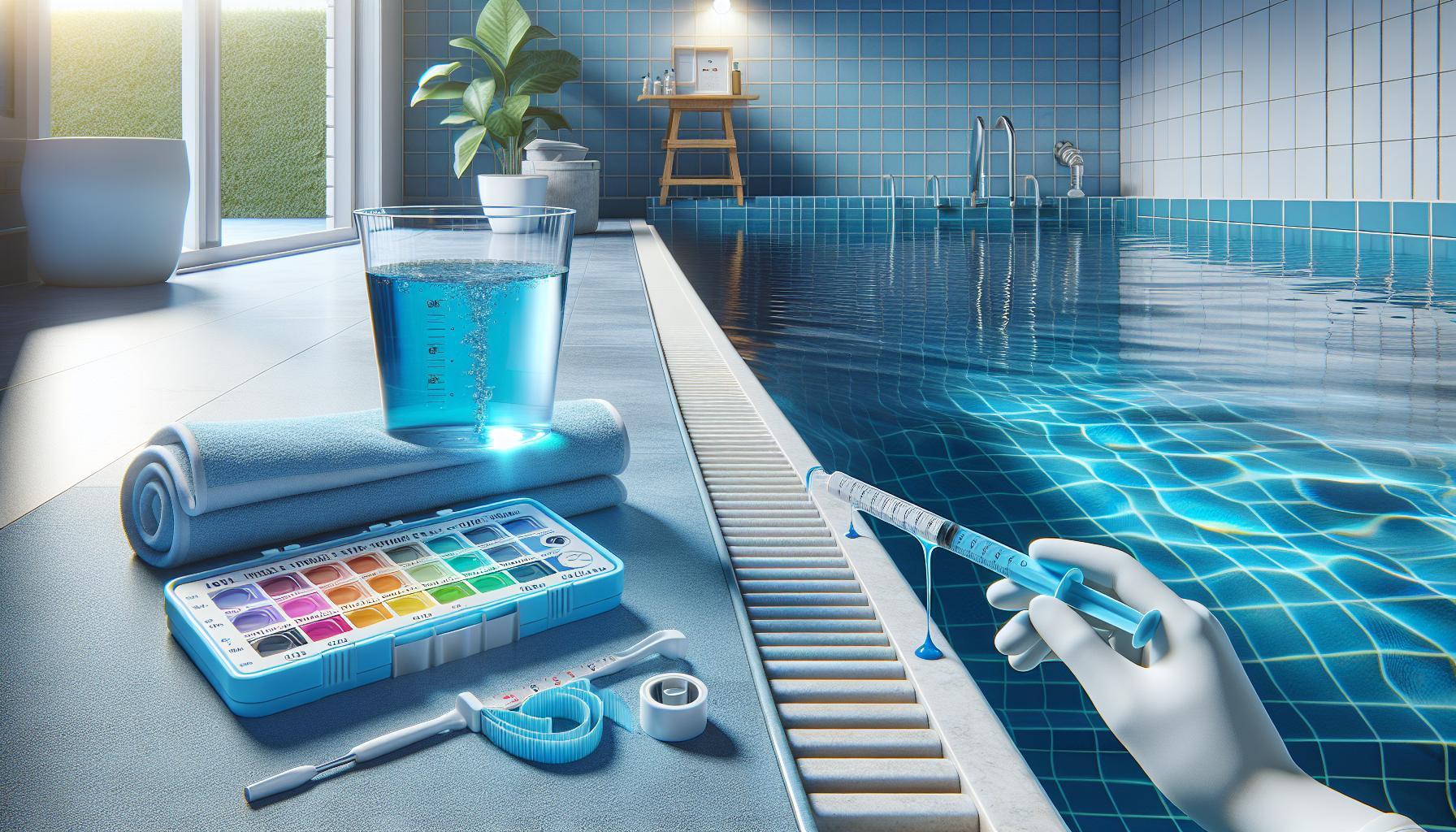
A cloudy pool can be more than just an eyesore; it can signal underlying issues that affect both the appearance and safety of your swimming environment. In fact, maintaining crystal-clear water is one of the key elements of pool ownership that ensures a pleasant and inviting atmosphere. Whether your pool has turned murky after a storm or simply lacks the sparkle after heavy usage, understanding how to restore clarity is essential.
In this guide, we’ll explore quick and effective solutions for clearing up a cloudy pool. By addressing common causes such as improper chemical balance, filtration problems, or debris accumulation, you can not only improve the pool’s appearance but also enhance the overall swimming experience. Dive into our actionable tips and troubleshooting steps that will empower you to tackle cloudiness head-on, ensuring your pool remains a refreshing haven for family and friends. Let’s get started on the path to clarity!
Identifying Common Causes of Cloudy Pool Water
Cloudy pool water can be a common frustration for pool owners, often indicating underlying issues that require attention. One of the primary causes of cloudiness is poor filtration and circulation. If the filter isn’t functioning optimally or the pump isn’t running long enough, debris, dirt, and contaminants can accumulate in the water. Regularly checking and cleaning filter systems, and ensuring the pump operates for the recommended duration, can significantly improve water clarity.
Another significant factor affecting pool clarity is chemical imbalances. Low levels of chlorine can hinder its ability to effectively sanitize the water, allowing bacteria and algae to thrive. It’s crucial to maintain the right balance of pH, alkalinity, and chlorine levels; disruptions can lead to water that is not only cloudy but also unsafe for swimming. Conducting routine water tests will help in identifying and rectifying these imbalances promptly.
Environmental factors also play a role, as leaves, dirt, and other debris can introduce contaminants into the pool. While you might lack control over the weather, regular skimming, and maintaining the pool area clean can minimize the introduction of these pollutants. Additionally, the presence of algae, often indicated by a greenish hue, can also cause cloudiness. If algae blooms are suspected, it is crucial to act quickly by adjusting chemical levels and potentially shocking the pool to restore water clarity.
Understanding these common causes is the first step toward maintaining a clear and healthy pool. Identifying these issues early will establish a solid foundation for effective maintenance practices, ensuring your pool remains a welcoming oasis all season long.
Essential Pool Maintenance Practices for Clarity
It’s essential for pool owners to recognize that regular maintenance is the key to achieving and maintaining crystal-clear water. Cloudy pool water can be a frustrating predicament, but with a few dedicated practices, you can ensure your pool remains inviting and safe for swimming.
To start, maintaining the right balance of chemicals in your pool is crucial. Conduct a thorough water test weekly, checking for pH levels, total alkalinity, and chlorine concentration. The ideal pH should be between 7.2 and 7.8. Balancing these levels not only helps in clearing up cloudy water but also protects your pool equipment and enhances the effectiveness of sanitizers. If your water is consistently cloudy, you may need to adjust your chemical treatments more frequently to address any imbalances.
Regular Filtration and Circulation
Another practice that directly influences water clarity is ensuring your filtration system is functioning properly. Aim to run your filter for at least 8-12 hours a day, particularly during peak usage times or following intense swimming sessions. Make it a habit to clean or replace filter media as needed, depending on the type of filter you use. A clogged filter can severely hinder its ability to remove impurities from the water.
Routine Cleaning Practices
Additionally, regular debris removal can greatly impact water clarity. Use a skimmer net daily to remove leaves, insects, and other unwanted materials from the water’s surface. Weekly vacuuming is also essential to pick up debris that settles to the bottom. Taking these steps not only keeps your pool looking its best but also reduces the load on your filtration system, blending both maintenance and aesthetics seamlessly.
By integrating these essential practices into your pool care routine, you can effectively prevent cloudiness and ensure that your pool remains a clean and enjoyable environment for everyone. Embracing this proactive approach will save you time, money, and effort in the long run while providing a safe haven for summer fun.
Best Chemical Solutions for Clearing Your Pool
To regain clarity in your pool water, selecting the right chemical solutions is crucial. Cloudy pool water often indicates an imbalance of chemicals, and addressing this can be both straightforward and effective. It begins with a proper diagnosis, usually involving a water test to check pH, total alkalinity, and chlorine levels. With an accurate assessment in hand, here are some top chemical solutions that can resolve this issue.
1. Shock Treatments
One of the most effective quick fixes for cloudy water is to use a shock treatment. This involves introducing a higher concentration of chlorine into your pool to quickly raise the chlorine levels, killing off algae, bacteria, and other contaminants that contribute to cloudiness. Typically, you should use a non-stabilized chlorine shock, such as calcium hypochlorite or sodium hypochlorite. Follow the manufacturer’s instructions regarding dosage, but a common recommendation is to add 1 pound of shock for every 10,000 gallons of pool water. After applying the shock, run your filtration system continuously for at least 24 hours to help clear the water.
2. Algaecides
If your pool remains cloudy despite regular chlorine treatments, algae might be the culprit. Applying an algaecide specifically designed to tackle algae blooms can be beneficial. Look for a product that contains copper or quaternary ammonium compounds; these can effectively eliminate algae without harming your pool’s existing chemistry. Be sure to brush the pool surfaces to dislodge any algae before applying the algaecide for maximum effectiveness.
3. Clarifiers
Pool clarifiers are another excellent option for clearing up cloudy water. They work by grouping small particles together so they can be removed more easily through the filtration system. Adding a clarifier according to the product instructions-usually every couple of weeks-can help maintain clarity. Remember to run the filter for at least 24 hours post-application to see optimal results.
4. Flocculants
In cases of severe cloudiness, consider using a flocculant. This chemical solution clumps together dirt and debris so they sink to the bottom, allowing you to vacuum them out. Apply it in the evening when the filter is off and let it sit overnight. The following day, vacuum up the settled debris and turn your pump back on to keep the water circulating.
Integrating these chemical solutions into your pool maintenance routine not only resolves current cloudiness but also helps in maintaining ongoing clarity. Always remember to test your water before adding chemicals, ensure you’re following safety guidelines, and give your pool the attention it needs for sparkling, inviting water!
Step-by-Step Guide to Shock Treatment
Cloudy pool water is not just a visual issue; it can also pose health risks for swimmers. One of the most effective strategies for quickly restoring clarity is through shock treatment, a process that raises chlorine levels rapidly to eliminate contaminants. Here’s how to do it effectively.
Start by ensuring that you have the right supplies-preferably a non-stabilized chlorine shock like calcium hypochlorite or sodium hypochlorite. Before proceeding, test your pool water to determine the existing chlorine levels and pH, allowing you to see how much shock you’ll need to add. As a general rule, you’ll want to add 1 pound of shock for every 10,000 gallons of water. If your pool is particularly cloudy, you might consider adding a bit more for an extra boost, but always adhere to the manufacturer’s guidelines.
Once you have your shock calculated, it’s time to prepare. First, turn on your pool’s filtration system to ensure that water circulation is optimal. This helps distribute the shock evenly throughout the pool. In the evening or at dusk, when UV rays are less intense, slowly pour the shock solution into the pool. Aim to distribute the shock around the perimeter of the pool to avoid concentrated areas. After applying the shock, run the filtration system continuously for at least 24 hours. This will assist in clearing up the water as the shock works to eliminate algae, bacteria, and organic matter that contribute to cloudiness.
Lastly, regularly check your water chemistry in the days following shock treatment. Test for chlorine levels and make sure they are back within the safe swimming range (1-3 ppm) before allowing anyone to use the pool. This proactive approach ensures that your pool not only looks great but is also safe for enjoyment. By incorporating regular shock treatments into your maintenance routine, you can maintain crystal-clear pool water and enhance your swimming experience.
Filtration Tips for Improved Water Clarity
Proper filtration is crucial for maintaining clear pool water, yet many pool owners overlook its significance. A well-functioning filtration system not only removes debris but also helps balance chemicals and reduces the risk of algae growth, all of which contribute to clearer water. If your pool has turned cloudy, optimizing your filtration system can be a crucial step toward restoration.
Regular Maintenance of Filtration Equipment
Ensure that your filter is clean and operational. A dirty or malfunctioning filter can lead to significant cloudiness as it fails to adequately remove particles from the water. Follow these steps for optimal filtration performance:
- Check the Filter Type: Different filters (sand, cartridge, and diatomaceous earth) have unique maintenance requirements. Ensure you understand the specifics for your filter type.
- Clean or Replace Filter Media: For cartridge filters, rinse them according to the manufacturer’s guidelines. Sand filters should be backwashed regularly, while diatomaceous earth filters may need a refill.
- Monitor Filter Pressure: Check the pressure gauge; if it’s higher than the recommended range, it’s time to clean your filter.
Effective Filtration Operation
Maximizing the effectiveness of your filtration system involves ensuring consistent operation and proper water flow. Keep these strategies in mind:
- Run the Filter Long Enough: During peak swimming season or when the pool is particularly cloudy, run your filter for at least 8-12 hours a day. This ensures thorough circulation and helps catch debris.
- Circulate Water Properly: Ensure that your pool’s water is circulating correctly by verifying that all returns are functioning well. Adjust your jets to promote optimal circulation, preventing dead spots where debris can accumulate.
Maintaining and optimizing your filtration system is a powerful step toward achieving crystal-clear pool water. By routinely inspecting and caring for your filter, as well as ensuring effective water circulation, you can tackle cloudiness head-on and enjoy a safe and inviting swimming environment.
Using Clarifiers and Flocculants Effectively
To transform cloudy pool water into a sparkly oasis, using clarifiers and flocculants can make a significant difference. These chemical agents work by clumping tiny particles together, making them easier for your pool’s filtration system to remove. Understanding the right approach for each product can empower you to restore clarity effectively and efficiently.
Clarifiers function by binding small particles suspended in the water, which are often too tiny for your filter to trap. When added to your pool, they disperse throughout the water and create larger clumps, known as flocs. To utilize a clarifier effectively, follow these steps:
- Measure and Add: Read the product instructions carefully for the correct dosage based on your pool’s size. Generally, you should add the clarifier evenly around the pool in the evening when the sun is out of the equation. This allows the chemicals to work overnight.
- Run the Filter: After adding the clarifier, run your pool filter continuously for at least 24 hours to ensure that it captures the flocculated particles effectively.
- Check Water Clarity: Monitor your pool’s clarity over the next few days. You might notice a gradual improvement in water transparency as the filter cleans out the newly formed clumps.
Flocculants, on the other hand, tend to work even faster and are particularly useful for severe cloudiness. When you apply a flocculant, it causes particles to settle at the bottom of the pool, making it easier to vacuum them out. Here’s how to use flocculants properly:
- Initial Preparation: Before applying a flocculant, ensure your pool’s pH is balanced (ideally around 7.2 – 7.6) for optimal performance.
- Apply and Wait: Add the flocculant according to the labelled instructions, typically in the evening. After application, allow the pool to sit undisturbed overnight. During this time, cloudiness will begin to settle.
- Vacuum the Bottom: The next day, vacuum the pool to remove the settled debris. Set your filter to waste mode, if possible, to avoid returning the debris back into the pool.
While both products can significantly improve clarity, it’s essential to remember that they serve different roles within pool maintenance. Using them in tandem can yield even better results-apply a clarifier for ongoing maintenance and a flocculant for immediate troubleshooting when facing heavy cloudiness. Always follow up with regular testing and monitoring to maintain optimal water conditions and ensure ongoing pool clarity.
Regular Testing: Monitoring Your Pool’s Water
Maintaining clear pool water starts with the diligence of regular testing. Did you know that improperly balanced water chemistry is one of the leading causes of cloudy pool water? By checking your water’s chemistry weekly, you can prevent issues before they escalate, saving you time, money, and potential headaches down the road.
Start by investing in a reliable test kit that measures key parameters such as pH, chlorine levels, alkalinity, and calcium hardness. These variables are crucial for maintaining clear water. For example, ideal pH levels range from 7.2 to 7.6; outside of this range, chlorine can become less effective, allowing algae growth and cloudiness to take hold. To conduct a test, simply follow these steps:
- Collect a Sample: Use a clean container to gather water from about 12 inches below the surface to ensure accuracy.
- Follow Instructions: Use the chemicals included in your test kit according to the manufacturer’s guidelines to assess your water’s various components.
- Record Results: Keep a log of your water tests to identify trends over time. This can help you anticipate when certain adjustments are needed.
Once you have your results, making the necessary adjustments is key. For instance, if your chlorine levels are low, adding chlorine tablets or granules can boost sanitation. If the pH is too high, solutions like muriatic acid can help bring it back within the ideal range. Regular testing not only helps in maintaining crystal-clear water but can also prolong the life of your pool equipment by preventing scale buildup from imbalanced chemistry.
Remember, consistency is essential in pool maintenance. As you monitor your water chemistry, keep an eye out for other indicators of cloudiness, such as changes in your pool’s filtration efficiency. Early detection and correction of imbalances will empower you to enjoy a sparkling and inviting pool all season long.
DIY Solutions for Persistent Cloudiness
Cloudy water in your pool can be a frustrating issue, but don’t worry-there are several effective DIY solutions you can implement to restore clarity. One common cause of cloudiness is inadequate filtration, which can lead to a buildup of fine particles and debris. Start by ensuring that your pool’s filter system is functioning properly; a clean filter is essential for keeping your water clear. Clean your filter according to the manufacturer’s instructions, and consider backwashing if you have a sand or D.E. filter, especially if the pressure gauge indicates a rise in pressure.
Another effective approach is to shock your pool. This process involves adding a concentrated amount of chlorine or a non-chlorine shock to the water to eliminate contaminants and restore clarity. It’s best to do this in the evening when the sun isn’t out, as sunlight can decrease the effectiveness of chlorine. Typically, adding about 1 pound of shock per 10,000 gallons of water will suffice, but always check the product’s instructions for the exact dosage.
Using a pool clarifier can also help tackle persistent cloudiness. Clarifiers work by grouping tiny particles together into larger clumps that can be easily trapped by your filter. Simply add the recommended dosage directly into the pool, ensuring the water is circulating for optimal results. After treatment, give your filter time to clear out the collected debris; this may take a few hours to a day, depending on the severity of the cloudiness.
Lastly, keep an eye on your pool’s water balance. Addresses any imbalances, especially in pH and alkalinity, to prevent future cloudiness. Regular testing using a reliable test kit can inform you about necessary adjustments, ensuring consistent water clarity. If issues persist after trying these DIY methods, it might be time to assess more complex underlying problems or consult a professional for assistance. With these proactive steps, you can enjoy a sparkling clean pool throughout the season.
When to Call a Professional Pool Service
Sometimes, despite your best efforts, cloudy pool water remains a persistent issue. This can stem from various underlying factors that regular maintenance might not address comprehensively. Knowing can save you time, money, and frustration, ensuring your pool remains a refreshing retreat. One critical indicator is if you’ve tried several DIY solutions-like filtration adjustments, chemical balancing, or shock treatments-yet the water remains murky. If you’ve exhausted these methods without success, it may be time to bring in an expert.
Professional pool technicians have the tools and expertise to identify problems that may not be immediately apparent. Issues such as compromised water chemistry, problematic filtration systems, or even unseen algae blooms can be effectively diagnosed by professionals. A service provider can conduct a thorough water analysis and inspect pool equipment for performance issues that contribute to ongoing cloudiness. They can also implement specialized treatments that aren’t readily available to the average homeowner.
Another important reason to seek professional assistance is if you’re dealing with persistent cloudiness alongside signs of algae, such as green tinges or unusual scents. These indicators often require targeted treatments that a seasoned technician can handle much more effectively than typical homeowner efforts. Moreover, if you notice any unusual changes in your pool equipment, such as strange noises from the pump or a significant pressure drop, these can signal more significant issues that necessitate professional intervention.
Lastly, if you’re considering a seasonal opening or preparing your pool for winter, consulting a professional ensures that all aspects of pool maintenance, including water clarity, are thoroughly addressed. Their guidance can provide peace of mind, knowing that your pool is not only clean but also safe and ready for use. With these professionals on hand, you can enjoy your pool without letting maintenance take over your life.
Preventive Measures for Future Clarity Issues
Maintaining clear pool water requires proactive strategies to prevent cloudy conditions before they arise. A little effort in preventive maintenance can save you time, money, and frustration in the long run. Regular monitoring and immediate corrective actions can keep your pool sparkling clean and inviting for you and your guests.
Routine Testing and Balancing
One of the most effective ways to maintain clear water is through routine water testing. Aim to test your pool water at least once a week. Key parameters to check include pH levels, alkalinity, and chlorine levels. Here are some tips for effective testing:
- pH Levels: Keep the pH between 7.2 and 7.6. High pH can lead to cloudy water and reduced chlorine efficacy.
- Calcium Hardness: Maintain levels between 200-400 ppm to avoid scale deposits that can cloud the water.
- Chlorine Levels: Ensure free chlorine levels remain between 1-3 ppm to effectively kill bacteria and algae.
Regularly test and adjust your pool’s chemical balance to prevent imbalances that could lead to clarity issues.
Efficient Filtration
The filtration system plays a crucial role in keeping the water clear. Ensure the filter is operational and clean it regularly to remove debris and contaminants. Here are some quick filtration maintenance tips:
- Backwashing: If you have a sand filter, backwash it when the pressure gauge indicates a significant rise, typically 8-10 psi above normal.
- Check Pump Operation: Ensure the pump runs for at least 8-12 hours a day, especially during peak usage seasons.
- Inspect Skimmers and Drains: Regularly remove leaves, debris, and other obstructions from skimmers and drains for optimal water circulation.
By maintaining your filter system effectively, you can significantly enhance water clarity.
Prevent Algae Growth
Algae can quickly cloud your pool water and create troublesome cleaning challenges. Here’s what you can do to keep algae at bay:
- Regular Brushing: Brush the pool walls and floor weekly to disrupt any algae growth or biofilm.
- Maintain Chlorine Levels: Consistent chlorine levels help inhibit algae growth. Consider using a weekly algaecide as a preventative measure.
- Keep Filtration Running: Run your filtration system continuously after heavy rain or after hosting pool parties to manage increased debris loads.
By following these preventive steps diligently, you can significantly reduce the risk of encountering cloudy pool water, allowing you to enjoy your pool at its best. Emphasizing consistent maintenance and proactive strategies creates a serene swimming environment and saves you from the complications that arise with cloudy water.
Addressing Algae Growth and Preventing Cloudiness
Algae blooms can turn a beautiful pool into a murky green mess almost overnight. Once algae gains a foothold, it not only clouds the water but can also create slippery surfaces, making swimming unsafe. Proactively addressing algae growth is key to preventing cloudiness and maintaining a clean, inviting pool environment. By following a systematic approach, you can keep your pool water clear and ensure a safe swimming experience.
Regular maintenance is your first line of defense against algae. Start with weekly brushing of the pool walls and floor to dislodge any early signs of growth. This not only prevents algae from taking hold but also helps keep the pool surfaces clean. In addition, maintaining consistent chlorine levels is vital. Free chlorine should be kept between 1-3 ppm; this helps inhibit the growth of algae and other contaminants. If you’re noticing a surge in algae growth despite regular treatments, don’t hesitate to incorporate a weekly algaecide into your routine. This extra layer of protection can provide the needed boost to keep algae at bay.
Another critical factor in preventing algae proliferation is ensuring that your filtration system is working efficiently. Run your pool’s filtration system for a minimum of 8-12 hours daily, especially during peak usage times or after rainfall when debris loads can increase. If you notice your pool starting to cloud after significant weather events, running the filter continuously for a couple of days can help clear it quickly. Regularly cleaning the skimmers and drains is essential for optimal water circulation; remove debris promptly to allow for uninterrupted water flow.
In the event that algae does take hold and your pool starts to cloud, don’t panic. Acting quickly is essential. Begin by shocking your pool with a high dose of chlorine, usually about 3-5 times your normal level, and allow the filter to run continuously. This process will kill off the algae and allow your filtration system to do its job. Once the water clears up, you can resume regular maintenance practices. Remember, with vigilance and a proactive approach, you can keep your pool crystal clear and ready for fun.
Seasonal Maintenance Tips for Clear Pools
To maintain clear and sparkling water throughout different seasons, implementing a proactive seasonal maintenance routine is essential. As temperatures fluctuate and environmental conditions change, various factors can influence water clarity, making it vital to adapt your care strategies accordingly. For instance, organic debris from trees, increased sunlight, and fluctuating water temperatures can lead to cloudy conditions if not managed effectively.
Start the season by performing a thorough cleaning of your pool. Remove leaves, dirt, and debris from the water’s surface with a skimmer net, and use a vacuum to clean the pool floor and walls. This initial step helps prevent organic matter from decomposing in the water, which can contribute to cloudiness. Additionally, inspect and clean the pool filter to ensure it’s functioning at optimal efficiency, as a clogged or dirty filter can hinder water circulation and clarity.
Another step is to balance your pool’s chemicals regularly. Use a reliable test kit to check water parameters, including pH, chlorine, and alkalinity levels. In general, maintaining a pH range between 7.4 and 7.6 and free chlorine levels of 1-3 ppm is ideal for preventing algae growth and ensuring clear water. If you notice any imbalances, adjust the chemicals accordingly. Seasonal changes often necessitate more frequent testing and adjustments, especially after heavy rainfall or when the pool is in heavy use.
Lastly, consider scheduling regular chlorine shock treatments, particularly during peak swimming seasons or following heavy use. Shocking the pool helps eliminate swimmer contaminants, bacteria, and algae spores, significantly contributing to clarity. When combined with using clarifiers or flocculants as needed, these treatments can help maintain crystal-clear water, making your pool inviting and safe for all users.
By actively engaging in these seasonal maintenance practices, you can navigate common challenges associated with pool care. Not only will this help in preventing cloudy water, but it will also ensure an enjoyable swimming experience.
Faq
Q: What are the main causes of cloudy pool water?
A: Cloudy pool water can result from various factors, including improper chemical balance, inadequate filtration, debris accumulation, or algae growth. Identifying these causes early can help address the issue effectively and maintain water clarity. For more information, refer to the section on “Identifying Common Causes of Cloudy Pool Water.”
Q: How often should I test my pool water for clarity?
A: It’s recommended to test your pool water at least once a week to monitor pH levels, chlorine concentration, and other chemicals. Regular testing helps prevent cloudy water and ensures optimal swimming conditions. For a detailed guide, check the “Regular Testing: Monitoring Your Pool’s Water” section.
Q: What steps can I take to prevent my pool from becoming cloudy again?
A: To prevent future cloudiness, maintain proper chemical balances, clean your pool regularly, and run the filter for the recommended time. Implement a seasonal maintenance routine and monitor water quality frequently to catch issues early. For preventive measures, see “Preventive Measures for Future Clarity Issues.”
Q: Are there specific products I can use to clear up cloudy pool water?
A: Yes, there are specialty pool chemicals like clarifiers and flocculants designed to clear up cloudy water. Clarifiers help clump small particles together for easier filtration, while flocculants settle debris to the bottom for vacuuming. Explore “Best Chemical Solutions for Clearing Your Pool” for product recommendations.
Q: How does shocking my pool help with cloudiness?
A: Shocking your pool, or adding a high dose of chlorine, kills bacteria and breaks down organic matter that causes cloudiness. This process resets the water chemistry, improving clarity significantly. For a step-by-step approach, refer to the “Step-by-Step Guide to Shock Treatment.”
Q: When should I consider calling a professional for cloudy pool water?
A: If you’ve attempted DIY solutions without success, or if the cloudiness persists despite proper maintenance, it may be time to call a professional. They can diagnose underlying issues that may not be easily resolved. For more details, see the “When to Call a Professional Pool Service” section.
Q: Can cloudy water in the pool harm swimmers?
A: While cloudy water itself isn’t harmful, it can indicate imbalances in chemicals or the presence of contaminants. This may lead to skin and eye irritation among swimmers. Ensure proper maintenance to keep the water safe and clear.
Q: What role does pool filtration play in maintaining water clarity?
A: Effective filtration is crucial for removing contaminants and debris from pool water. Operating your pool filter regularly and ensuring it is clean and functioning properly helps maintain clear water. For tips, refer to “Filtration Tips for Improved Water Clarity.”
Closing Remarks
Now that you have the quick solutions for clearing up a cloudy pool, it’s time to take action and enjoy crystal-clear water! Remember, consistent maintenance and regular water testing are key to preventing cloudiness in the future. If you need more guidance, check out our detailed articles on pool maintenance basics and chemical balancing tips.
Don’t let a cloudy pool dampen your summer fun-act now to implement these strategies! Have questions or need a bit more support? We encourage you to leave a comment or share your experiences below. Your engagement not only helps us improve but also builds a community of informed pool owners ready to tackle their challenges together. Dive into a world of clarity and enjoy every splash!