


Building a swimming pool can be a dream come true for many homeowners, but the timeline can often feel overwhelming. Did you know that the entire process can take anywhere from 14 days to several months, depending on various factors? Whether you envision a sleek lap pool or an elaborate backyard oasis, understanding the construction timeline is essential for planning and managing expectations.
In this guide, we’ll navigate through the different stages of pool construction, from initial design and permitting to excavation, installation, and final landscaping. By knowing what to expect, you can alleviate concerns about delays and keep your dream project on track. Join us as we dive into the essential timeline and tips to ensure your swimming pool is built efficiently and effectively, allowing you to make the most of those sunny days ahead.
How Long Does It Really Take to Build a Pool?
Building a swimming pool is not only an exciting endeavor but also a significant investment in your property and leisure time. On average, constructing a pool can take anywhere from 8 to 12 weeks, depending on several factors, including the type of pool, site conditions, and local regulations. This timeline encompasses everything from the initial design and permitting process to the actual construction and final landscaping stages. Understanding how long it really takes to build a pool will help you plan accordingly and set realistic expectations.
The construction timeline is broken down into several distinct phases. Initially, the design process and obtaining necessary permits can take up to a few weeks, particularly in areas with strict regulations. Following approval, the actual construction phase begins, which varies significantly between different types of pools. For instance, fiberglass pools may be installed quicker than concrete pools, which involve more intricate labor-intensive processes. After the structure is built, additional time is needed for plumbing, electrical work, and landscaping, which finalize the project.
To enhance your timeline management, it’s crucial to prepare adequately. Factors that can influence delays include inclement weather, permitting issues, and contractor availability. Being proactive in your planning and communicating regularly with your contractor can mitigate many common delays. By having a contingency plan and budgeting for unexpected occurrences, you’ll be better positioned to navigate any challenges that arise during the construction process.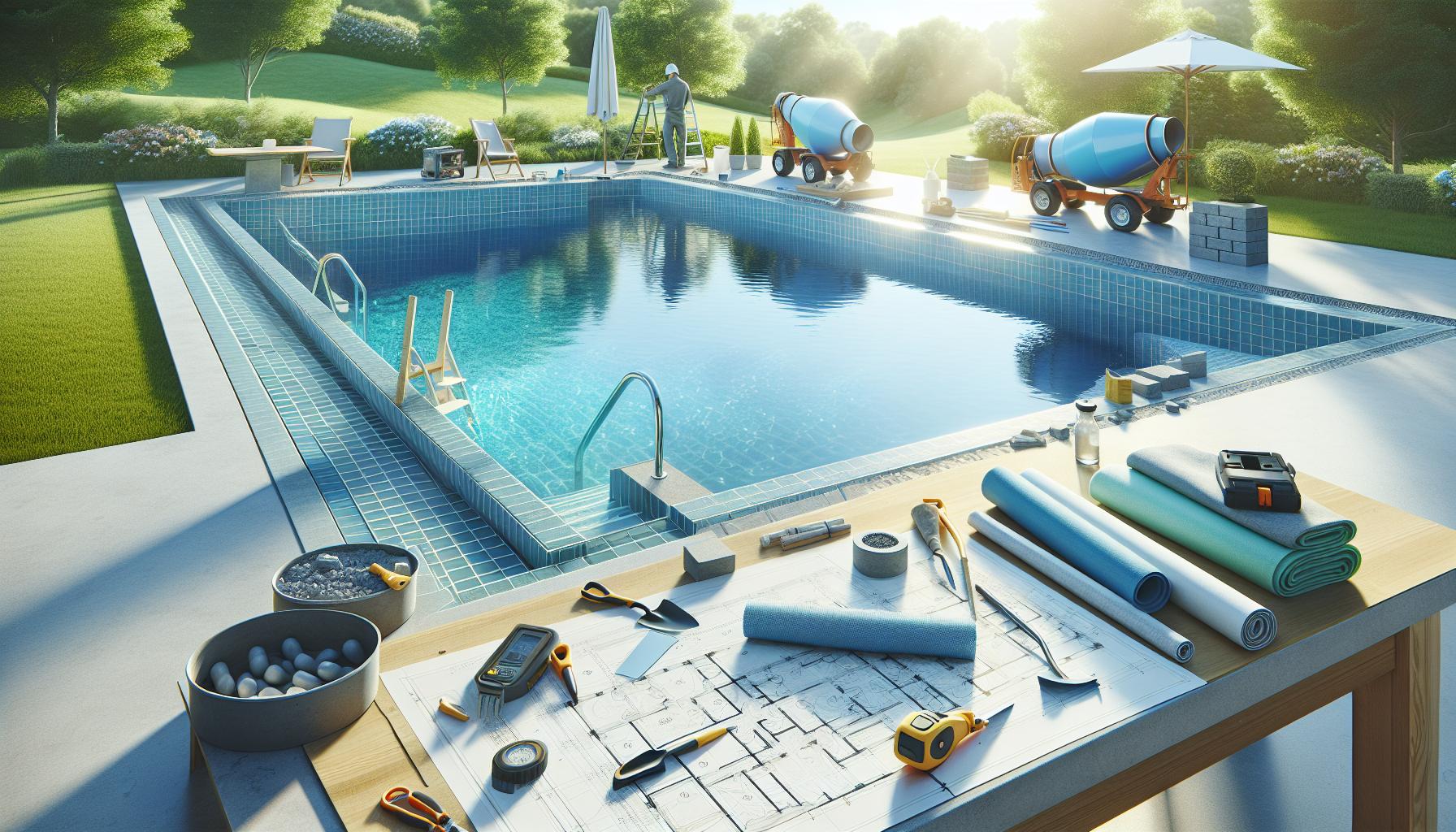
Key Phases of Pool Construction Explained
Building a swimming pool is a multifaceted process that requires careful planning and attention to detail. Each phase of construction plays a vital role in ensuring a successful outcome, influencing not just the timeline but also the quality of the final installation. The journey begins with the design and planning phase, where potential pool owners collaborate with designers and contractors to develop a vision that aligns with their preferences and needs.
Design and Permitting
The initial phase can take from a few days to several weeks, primarily focused on creating detailed plans and obtaining the necessary permits. This step involves evaluating local regulations, which can vary significantly based on location. It’s essential to check with local authorities and secure all permits before moving forward. Having a solid plan not only streamlines the construction process but also minimizes the risk of delays related to compliance with local laws.
Excavation and Structure Installation
Once permits are secured, the excavation phase begins. This part of the process can take anywhere from a few days to a couple of weeks, depending on the type and size of the pool. After excavation, the pool structure is constructed, which may involve different materials such as concrete, fiberglass, or vinyl. For example, fiberglass pools are typically easier and faster to install compared to concrete pools, which require more extensive labor to form and cure.
Plumbing and Electrical Work
Following the pool’s structure installation, plumbing and electrical systems are integrated. This includes the setup of filtration systems, lights, and any additional features such as heating or water features. This phase usually spans one to two weeks, depending on the complexity of the systems being installed. It’s crucial to ensure that these systems are correctly implemented, as they are essential for the pool’s operation and maintenance.
Finishing Touches
The final steps involve adding coping, tiling, landscaping, and completing any surrounding decks or patios. This portion can often take another few weeks, resulting in a visually appealing and functional space. By imaginatively incorporating landscaping elements, the area can transform into a relaxing oasis.
Throughout these phases, consistent communication with your contractor and setting clear expectations can significantly contribute to a smooth construction experience, reducing anxiety and potential setbacks. Being proactive in preparation and understanding each step can empower pool owners to manage their projects effectively and enjoy their new investment sooner.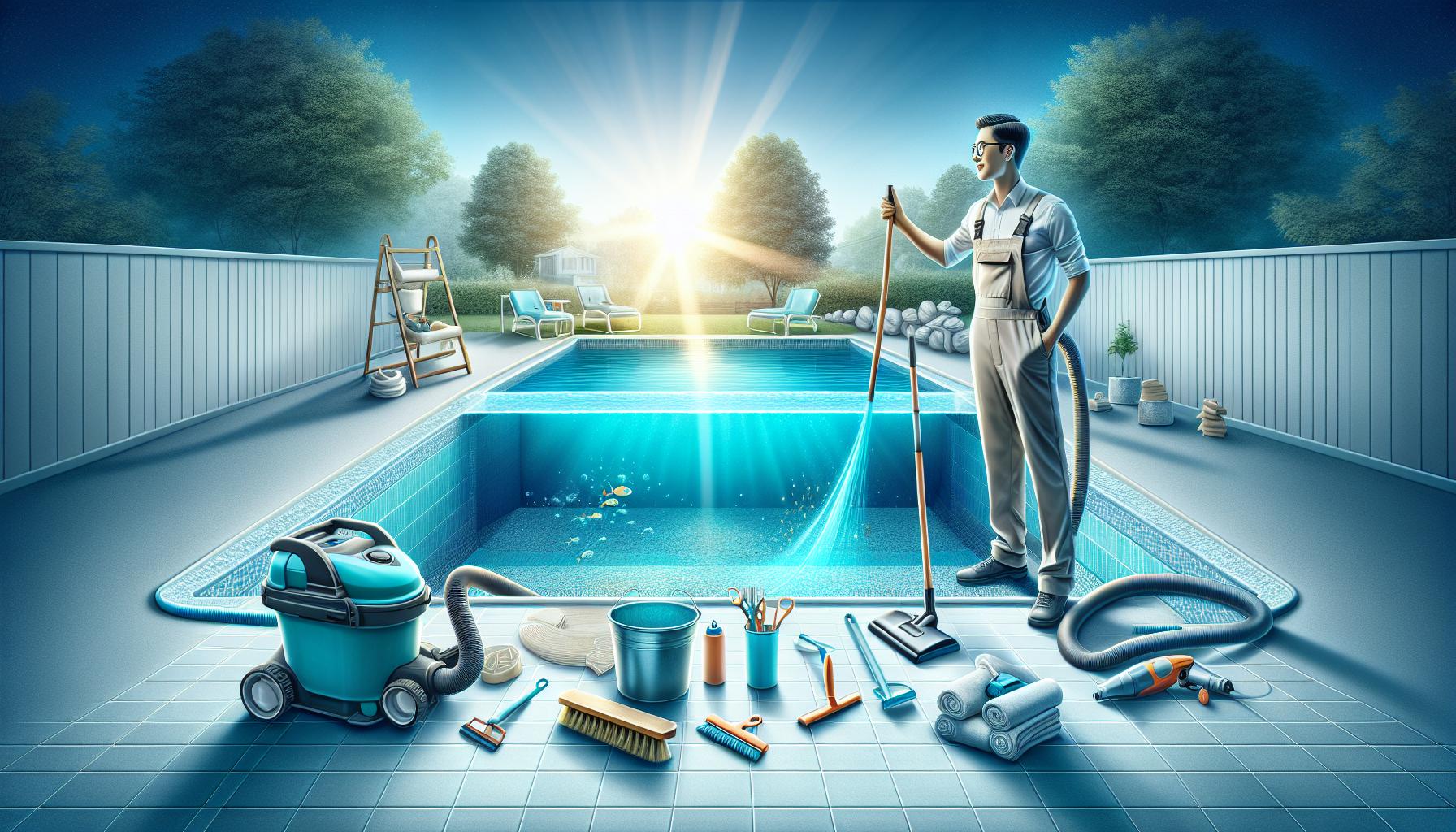
Factors That Influence Pool Building Time
The timeline for building a pool is influenced by several critical factors that can either expedite or prolong the process. Understanding these elements can better equip homeowners to manage expectations and avoid potential setbacks. Weather conditions, for example, play a significant role. Rain, snow, or extreme heat can halt construction, particularly during the excavation and curing phases. An unexpected weather change could add days or even weeks to the estimated timeline, making it essential to check forecasts and plan for contingencies.
The type of pool being installed-be it in-ground or above-ground-also affects the timeframe. In-ground pools generally take longer to construct due to the excavation and structural work required. According to experts, fiberglass pools might be completed faster than concrete versions owing to the latter’s extended curing time. Moreover, customization options such as water features, lighting, and heating systems further complicate and lengthen the construction timeframe. Clearly defining your desired features early in the planning phase can help streamline the process and minimize delays.
Permitting processes can be another significant factor. Regulations vary by location, and navigating local laws can take anywhere from a few days to several weeks. Ensuring that all permits are secured and compliant with local regulations before commencement is key to preventing costly holdups. Regular communication with your contractor about the current status of permits is advisable, helping keep the project on track.
Finally, contractor efficiency and availability impact construction times. Experienced contractors with a solid reputation for completing projects on time can significantly reduce delays. Do your research: choose professionals with good references and proven track records. Aligning their schedules and availability with your timeline is crucial for a seamless pool-building experience. By proactively addressing these factors, homeowners can pave the way for a smoother construction process and enjoy their new pool sooner.
Choosing the Right Pool Type for Your Home
Choosing the right type of pool for your home is a pivotal decision that can directly affect your construction timeline, enjoyment, and maintenance requirements. When considering the different types of pools-above-ground or in-ground-it’s essential to understand the distinct advantages and associated timelines that each option presents. For instance, above-ground pools are typically quicker to install, often completed within a week or two, making them an appealing choice for those seeking an immediate solution. In contrast, in-ground pools, particularly concrete varieties, can take several weeks to months to complete due to the extensive excavation, installation, and curing processes involved.
Types of Pools
- Above-Ground Pools: These pools are generally the most affordable and quickest to install. With no extensive excavation needed, they can be set up within a short timeframe. They also provide flexibility, as they can be dismantled and relocated if necessary. However, aesthetically, they may not blend seamlessly into your landscape.
- In-Ground Pools: Available in vinyl, fiberglass, and concrete, in-ground pools offer a more permanent solution that can enhance property value. Fiberglass pools usually have the shortest installation time among in-ground options, typically needing about 3 to 6 weeks to complete. Concrete pools are durable but require a longer time due to the curing process, which can extend the project timeline to several months.
When navigating your choice, consider the size of your yard and intended use. A smaller yard may benefit from a compact above-ground pool, while larger properties can accommodate expansive in-ground designs, complete with additional features like water slides or integrated spas. Regardless of the type you choose, clarity on your vision from the outset can greatly aid in project efficiency. Discuss desired features with your contractor early in the planning phase to ensure alignment on timelines and avoid potential delays later on.
Ultimately, selecting the right pool type involves balancing immediate satisfaction with long-term value and maintenance requirements. Taking these factors into account will help facilitate a smoother construction process, allowing you to enjoy your new pool with minimal hassle.
Understanding Permits and Regulations
Beginning the journey of constructing a swimming pool involves more than just dream designs and backyard layouts; understanding the legal landscape surrounding permits and regulations is equally vital. Did you know that failing to secure the necessary permits can postpone your project indefinitely? Different locations have varying rules that dictate how and when you can build a pool, making diligence at this stage crucial to keeping your timeline on track.
Most municipalities require permits before any ground is broken. These permits ensure that your pool complies with safety standards, zoning laws, and residential guidelines specific to your area. The first step in this process typically involves visiting your local zoning office or building department to inquire about the requirements. Many areas will require a formal site plan that illustrates not just the proposed pool location, but also significant details such as drainage plans and property lines.
To streamline your permit application, consider the following steps:
- Contact Local Authorities: Research your local building codes and regulations by contacting your city or county office to understand specific requirements for pool installation.
- Prepare Documentation: Create detailed plans that may include engineering specifications, a site layout, and compliance with local health regulations.
- Submit Applications: Properly complete and submit all necessary paperwork to the relevant authorities. Be vigilant in following up to ensure your application is processed promptly.
- Schedule Inspections: Once your permit has been granted, schedule any necessary inspections throughout the construction process to ensure compliance with safety standards.
Acquiring the right permits not only avoids potential fines and legal troubles but can also safeguard your investment against future complications. Take your time to navigate through these requirements, as they ultimately support the safety and enjoyment of your new pool. By being proactive and thorough in understanding your local regulations, you can significantly minimize delays and keep your project moving smoothly toward completion.
Preparing Your Yard for Pool Installation
Preparing your yard for a pool installation is a critical step that can significantly influence both the timeline of your project and the overall success of your new backyard feature. Before any construction begins, ensure the area is sufficiently cleared and ready for excavation. This process not only involves visualizing the pool’s final placement but also addressing any underlying issues that could pose challenges later on.
First, a thorough assessment of your yard is essential. Look for obstacles such as large rocks, trees, or existing landscaping features that may complicate excavation. You’ll want to remove anything that could interfere, as these elements can cause delays during construction. Additionally, consider the accessibility of your yard for heavy equipment and construction crews. A clear path will facilitate quicker and more effective installation.
Next, grading your yard can help prevent future water drainage issues. A properly graded site directs rainwater away from the pool area, serving both functional and aesthetic purposes. If your yard is uneven, hiring a professional to level the ground may be necessary. This investment pays off, as it helps avoid potential problems with water accumulation around your pool, which can lead to maintenance headaches.
Lastly, it’s important to communicate with your contractor about any specific requirements they may have for the site. They can provide guidance on how to best prepare the area, including recommendations on landscaping modifications or debris disposal. Collaborating with professionals will enhance the efficiency of your pool installation and ensure that the project proceeds smoothly, keeping you on track to enjoy your new pool sooner.
Timeline for In-Ground vs. Above-Ground Pools
When contemplating a new pool, understanding the timeline differences between in-ground and above-ground installations can significantly impact your planning and expectations. In-ground pools often require a more extended construction period, typically ranging from 8 to 12 weeks, depending on various factors including the type of installation, weather conditions, and permitting processes. The depth and complexity of the excavation, along with the pool material-whether fiberglass, concrete, or vinyl-are crucial factors that contribute to the duration of the project. For instance, concrete pools generally take longer to complete due to the curing process involved after the concrete is poured.
On the other hand, above-ground pools offer a swifter path to completion. Their installation can often be accomplished within several days to a couple of weeks. These pools require less excavation and simpler assembly, which can range from kits that homeowners can set up themselves to professionally installed models. The ease of installation is particularly appealing if you are looking for a quick getaway in your backyard without the extensive construction timeline associated with in-ground pools.
Key Timeline Considerations
Understanding the specific steps involved in each type of pool installation is essential for an accurate timeline:
- Design and Planning: This initial phase can take a few weeks as homeowners collaborate with contractors to finalize designs and materials.
- Permitting: Both pool types require permits, but this process can take longer for in-ground pools due to more extensive regulations.
- Excavation Phase: In-ground pools require digging and shaping the ground, while above-ground pools just need a flat surface.
- Construction and Installation: This is where the major time difference lies, with in-ground pools involving extensive work and finishing touches, while above-ground pools focus on assembly and setup.
Ultimately, while both types of pools can provide a refreshing escape during the warm months, your choice will dictate the installation speed and complexity. By assessing your backyard layout, accessibility, and preferred style, you can make a more informed decision that aligns with both your timeline and lifestyle preferences.
Common Delays and How to Avoid Them
Delays in pool construction are not uncommon and can be a source of frustration for homeowners eager to dive into their new oasis. Understanding the potential pitfalls can help you prepare and avoid setbacks, ensuring a smoother build experience. Weather conditions play a significant role; unpredictable rain or extreme temperatures can halt construction activities. Scheduling conflicts with contractors, especially during peak seasons, can also create a backlog. Therefore, establishing a timeline that accounts for potential weather interruptions and communicating clear schedules with your builder is essential.
Permitting issues can further complicate the process, particularly in areas with strict regulations. Homeowners often underestimate the time required to obtain necessary permits, which can take anywhere from a few days to several weeks. To mitigate this, consult with your contractor about local regulations early in the planning phase and ensure all documentation is ready for submission. It may also be beneficial to have a backup plan or alternative contractor options to maintain momentum if issues arise.
Material availability can also lead to unexpected delays. For instance, specialized pool finishes or high-demand components might not be readily available. To avoid this, order materials as early as possible and maintain open lines of communication with your supplier and contractor. Discuss alternative materials in case your first choice has long lead times.
Lastly, regular communication with your contractor can help keep the project on track. Schedule weekly check-ins to discuss progress and any potential roadblocks. Being proactive about addressing issues as they arise can significantly reduce delays and ensure your pool construction proceeds as planned. By anticipating these common hiccups and taking preemptive action, you can enjoy a smoother and more predictable pool-building experience.
Tips for a Smooth Pool Construction Experience
Building a swimming pool is an exciting venture, but ensuring a smooth construction process can significantly enhance your experience. Planning ahead can save you from many common pitfalls. To start, communicate clearly with your contractor about your expectations, timelines, and potential challenges. Schedule a weekly check-in or update to discuss progress and address any concerns that may arise. This proactive approach helps keep the project on track and fosters a good relationship with your builder.
It’s also crucial to prepare your yard adequately before construction begins. Clear away vegetation, furniture, or anything else that could obstruct the building site. If you need to relocate plants, do so early, and consider hiring professionals for large or delicate trees. Additionally, if your property has any drainage issues or a slope that could impact installation, address these with your contractor to avoid complications during construction.
Another key aspect is the timing of your project. Aim to start construction during the off-peak months, if possible, as this can lead to faster service and better availability of materials. For instance, scheduling your build in late fall or early spring allows you to circumvent the busy summer season. By doing this, you can reduce delays caused by contractor scheduling conflicts or material shortages.
Finally, keep your expectations realistic regarding the timeline. Most pools take several weeks to complete, contingent on various factors like weather, permits, and complexity of design. Familiarize yourself with the typical processes involved in pool construction-such as excavation, plumbing, and finishing-and understand that delays can happen. By maintaining clear communication with your contractor and being flexible, you can ensure a rewarding pool-building journey that culminates in a beautiful oasis for relaxation and enjoyment.
Budgeting for Your Pool Build: Timeline Considerations
Building a pool is not just an investment in your property but also a financial commitment that requires careful budgeting and planning. Understanding the timeline considerations associated with pool construction can help you allocate your funds more effectively and avoid unexpected costs. Every step in the process will have a financial impact, from the initial design and permitting to the final construction and maintenance, and planning appropriately can help you make the most of your investment.
When budgeting for your pool build, it’s crucial to consider the different phases of construction. These typically include design and planning, permitting, excavation, installation of pool features (like plumbing and electrical work), and finishing touches. Each phase can vary significantly in cost and time required. For example, the excavation phase might take a few days but can incur additional costs if the soil is particularly rocky or requires substantial removal. Similarly, delays during the permitting phase-often caused by incomplete paperwork or necessary inspections-can lead to increased costs due to labor or inflation in materials.
Here are some key considerations to keep in mind:
- Contingency Fund: It’s wise to set aside a contingency fund (typically around 10-20% of your total budget) for unexpected expenses that may arise during construction, such as additional materials needed or design changes.
- Timing of Payments: Understand the payment schedule your contractor uses (upfront, progress payments, final payment) and plan your cash flow accordingly to avoid any financial strain.
- Seasonal Influences: Consider how the time of year affects construction costs. Building in the off-peak season may yield lower labor costs and better availability of materials.
In addition to the initial build costs, it’s important to account for long-term expenses such as maintenance, utilities, and landscaping around your pool. Creating a detailed financial plan that includes these ongoing costs will provide a realistic view of what owning a pool entails, ensuring you’re fully prepared for the journey ahead. Being proactive and informed about the budgetary timeline will not only set clear expectations but will also enhance your overall experience in creating your dream backyard oasis.
Post-Construction Pool Maintenance Timeline
Maintaining the sparkle and cleanliness of your newly built swimming pool is essential for longevity and enjoyment. Once construction is complete, a structured maintenance timeline should be established to ensure water quality and pool condition remain optimal. Regular care not only protects your investment but also creates a safe and inviting environment for family and friends.
A solid maintenance routine begins immediately after construction, focusing on balancing the water chemistry. This includes testing the pH, alkalinity, and chlorine levels weekly during the summer months and every other week in the off-season. Here are some essential maintenance tasks to incorporate into your routine:
- Daily: Skim the surface for leaves, debris, and bugs. This simple act prevents buildup and keeps the water inviting.
- Weekly: Vacuum the pool floor and walls to eliminate dirt and algae. Brush tiles and walls to remove any lingering contaminants.
- Monthly: Check and clean the filter system and inspect for any wear and tear, ensuring proper flow and function.
- Seasonal: Winterize your pool if you live in a climate with harsh winters. This process involves balancing water chemistry, draining certain systems, and covering the pool securely.
Alongside regular maintenance, keep an eye out for common pool issues that could arise over time. These include leaks, algae growth, and equipment malfunction. If you notice cloudy water or debris that seems persistent despite cleaning, it might indicate a bigger problem, such as a failing filter or imbalanced chemicals. Address these issues promptly to avoid costly repairs down the line.
Creating a proactive maintenance schedule tailored to your pool’s specific needs-based on usage trends, seasonality, and local climate-will make the upkeep manageable and enjoyable. With the right knowledge and tools, you’ll ensure your pool remains a centerpiece of relaxation and fun for years to come.
Frequently asked questions
Q: How long does it typically take to fill a newly constructed swimming pool?
A: Filling a newly built swimming pool generally takes between 12 to 24 hours, depending on the pool’s size and water source. Using a standard garden hose can be slower, so consider alternative methods like water trucks for quicker filling.
Q: What are the weather considerations during pool construction timelines?
A: Weather can significantly impact pool construction timelines. Rain, extreme heat, or cold can delay installation. Plan your build during mild weather months and monitor forecasts to minimize these delays.
Q: How can I expedite the pool construction process?
A: To speed up the pool construction process, ensure all permits are secured before work begins, clear your yard of obstructions, and maintain constant communication with your contractor. This proactive approach can prevent potential delays.
Q: What contractors typically influence the pool building timeline?
A: Multiple contractors-excavation, plumbing, electrical, and pool finishing crews-affect the timeline. Delays caused by scheduling conflicts among these professionals can extend the overall construction time. Coordinating their schedules is crucial for efficiency.
Q: When should I start preparing my yard for a pool installation?
A: Begin preparing your yard at least 2-4 weeks before installation. This includes clearing debris, marking utilities, and discussing landscaping adjustments with your contractor. It’s essential for a smooth construction experience.
Q: Are there any specific regulations that might delay my pool construction timeline?
A: Yes, local building codes and zoning regulations can delay pool construction if not properly managed. Ensure compliance by researching your area’s requirements early in the process to prevent unexpected hold-ups.
Q: How do seasonal changes affect pool construction timelines?
A: Seasonal changes can influence construction timelines significantly, especially in winter or rainy seasons. Cold temperatures can slow curing processes, while wet conditions can halt outdoor work entirely. Choose the right season for construction to minimize delays.
Q: What type of pool takes the least amount of time to construct?
A: Above-ground pools typically take less time to construct than in-ground pools, often requiring only a few days for setup. They are prefabricated and don’t require extensive site work, making them quicker to install.
The Way Forward
As you embark on the journey of building your dream swimming pool, remember that understanding the timeline is key to a successful and satisfying experience. From planning permits to the final touches, knowing what to expect can help ease any concerns. If you’re eager to dive deeper into related topics, check out our articles on “Essential Pool Maintenance Tips” and “Choosing the Right Pool Design” to further enhance your knowledge and readiness for pool ownership.
Don’t wait any longer-start planning your project today! Subscribe to our newsletter for exclusive tips, timely updates, and a guide to maximizing your pool investment. Your perfect summer getaway is just around the corner, and we’re here to support you every step of the way. Share your thoughts or questions in the comments below; we love hearing from fellow pool enthusiasts! Remember, knowledge is key, and every small step you take today leads to a refreshing oasis tomorrow.


