
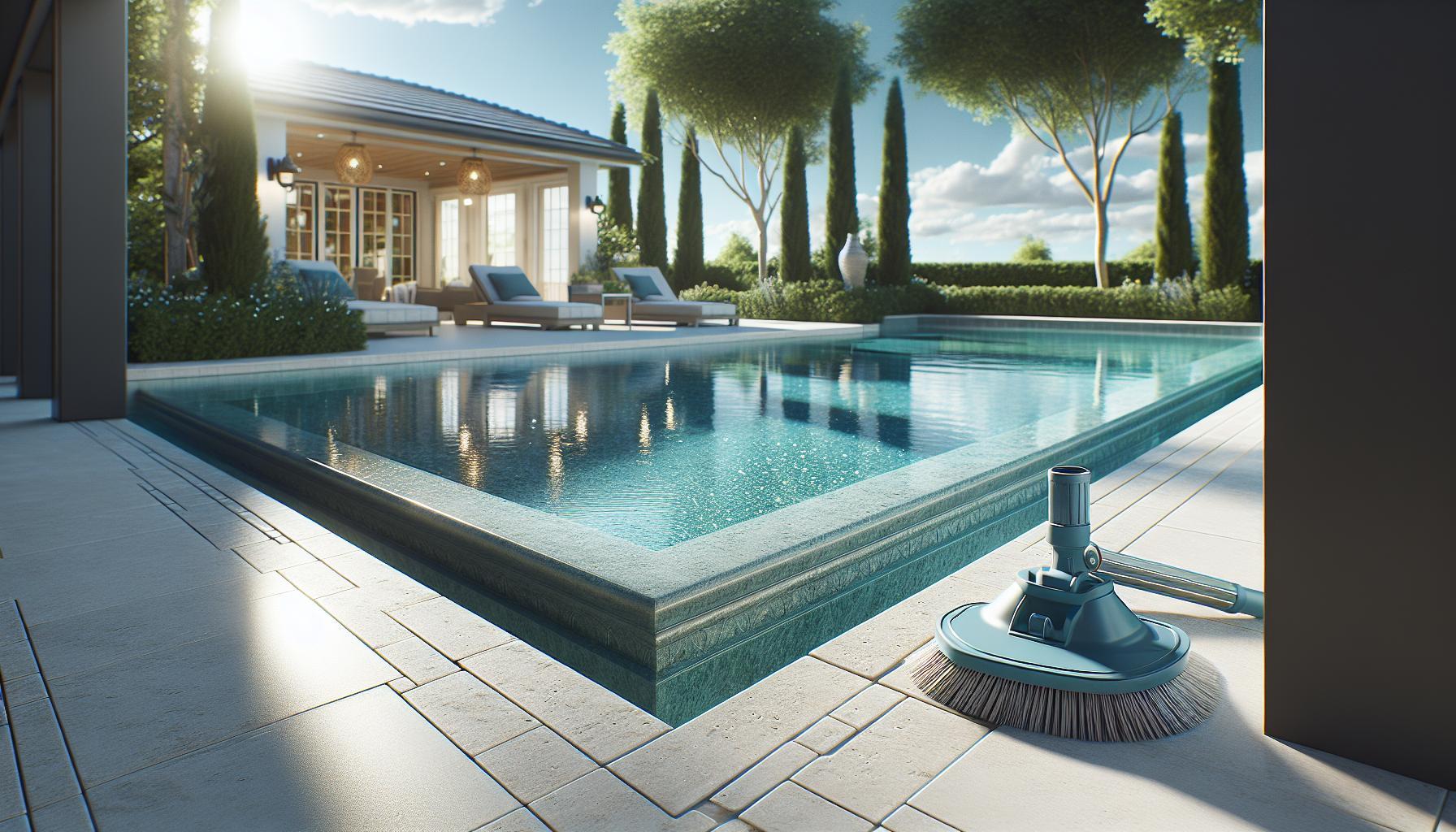

When it comes to pool safety and aesthetics, coping plays a vital role that often goes overlooked. Pool coping refers to the material that edges your pool, providing protective functionality while enhancing visual appeal. Not only does it help prevent water from seeping behind the pool shell, but it also ensures a safe transition from poolside to water, minimizing slip hazards.
Have you ever stepped onto a pool deck after a swim and felt the uncomfortable lurch of slipping? The right coping material can mitigate those concerns, bringing both safety and style to your outdoor space. Choosing the right design and material can transform your pool area into a welcoming oasis, blending functionality with your personal style.
Whether you’re considering a renovation or building a new pool, understanding how coping enhances your space is crucial. Continue reading to explore the various options and benefits of pool coping, and discover how you can elevate your pool’s style while prioritizing safety.
What Is Pool Coping and Why It Matters

Pool coping serves as the crucial edge that defines a swimming pool’s perimeter, offering both functional and aesthetic benefits. This protective border is not only about completing the pool’s look; it plays a vital role in safeguarding the pool structure itself. By covering the pool’s top edge, coping prevents water from seeping behind the pool wall, which can lead to costly damage over time. Additionally, with materials often featuring a textured surface, pool coping enhances grip underfoot, minimizing the risk of slips and falls, particularly in wet environments.
Various types of pool coping cater to different design preferences and requirements. From straight to curved edges, options range in materials such as concrete, brick, and natural stone, each providing unique characteristics that affect durability and maintenance needs. The choice of coping can significantly influence not only the pool’s functionality but also its overall aesthetic appeal, turning what could be a bare edge into a stylish feature that enhances the outdoor space.
In short, the importance of pool coping cannot be overstated. It helps ensure the longevity of your pool, boosts safety for users, and adds to the visual charm of your property. Investing in high-quality coping is a proactive approach to pool ownership, facilitating peace of mind as you enjoy your outdoor oasis.
Types of Pool Coping: A Comprehensive Guide
Choosing the right type of pool coping can significantly enhance both the safety and aesthetic appeal of your pool area. With a variety of options available, understanding the unique characteristics of each type will help you make an informed decision that best suits your needs.
Types of Pool Coping
- Bullnose Coping: This is one of the most popular styles and features a rounded edge, creating a smooth transition from the pool to the deck. Its design not only adds a sophisticated look but also helps to prevent water from splashing over the edge, which can be especially helpful in frequent use scenarios.
- Cantilever Coping: Often used with poured concrete decks, this style extends the edge of the pool’s shell, creating a ledge that allows the concrete to overhang. This not only provides a modern and clean appearance but also allows flexibility in pool design since it can be customized easily.
- Flex Coping: Made of flexible materials, such as vinyl, this type can easily conform to curves and unusual shapes in the pool design. It offers a softer look and is often less rigid compared to traditional coping options, making it a good choice for unique pool shapes.
- Brick Coping: Available in a variety of colors and styles, brick coping provides a classic, traditional look. It is durable and can withstand high traffic and harsh weather conditions, making it a practical choice for many homeowners.
- Natural Stone Coping: If you’re looking for a luxurious appearance, natural stone such as limestone or slate can create a stunning visual effect. However, it’s essential to choose the right type of stone that can endure poolside exposure to chemicals and moisture.
Selecting the right pool coping involves assessing your pool’s design, your aesthetic preferences, and practical considerations such as maintenance and safety. Whether you’re drawn to the clean lines of cantilever coping or the traditional charm of brick, each type brings unique features that can elevate your outdoor space. Consider not just the initial installation, but also the long-term maintenance needs and how the style complements the overall design of your backyard.
Incorporating effective pool coping is fundamental-not just for the visual aspect but also for enhancing the safety and longevity of your pool. Investing time in research and selecting the right type will pay off in increased comfort and enjoyment as you bask in your personal oasis.
Benefits of Installing Pool Coping

Installing pool coping is an investment that pays dividends not just in the fleeting enjoyment of summer pool parties, but in the long-term functionality and safety of your pool area. Pool coping serves several critical purposes that significantly enhance your swimming experience. For instance, a well-chosen coping design protects the pool’s structure by preventing water accumulation behind the pool walls, which can lead to damage over time. This feature alone makes coping an essential part of any inground pool, safeguarding your investment against costly repairs and ensuring a seamless transition into the pool area.
Moreover, pool coping greatly contributes to the safety of your swimming environment. The edge of the pool, designed with soft corners or rounded edges, minimizes the risk of slips and falls. The textured surfaces available in various coping materials provide better traction, reducing hazards especially when the area is wet. Families with children, in particular, can benefit from coping that enhances safety, as it creates a buffer zone, directing water back into the pool, away from the surrounding deck.
Another advantage to installing pool coping is the enhancement it provides to your overall pool aesthetics. With a variety of materials and styles available-from the rustic charm of brick to the sleek modernity of cantilever coping-owners have the flexibility to choose a finish that complements their backyard design. This not only elevates the visual appeal of your pool area but also increases your home’s overall value. A thoughtfully designed coping option can act as a focal point that ties together landscaping elements, outdoor furniture, and the pool itself.
To maintain its benefits, regular upkeep is crucial. Simple tasks such as cleaning debris off the coping, checking for any cracks, and ensuring the sealant remains intact will prolong its lifespan and effectiveness. By proactively addressing these details, pool owners can enjoy the multitude of benefits pool coping offers, providing safety, structural integrity, and beauty to their outdoor oasis.
How Pool Coping Enhances Safety Features

In the realm of pool safety, the role of pool coping cannot be overstated. This often-overlooked feature serves as the crucial first line of defense for swimmers, providing both functional and aesthetic benefits. Properly designed coping not only frames the pool and enhances its appearance but also minimizes the risks associated with surface water. By sloping away from the pool edge and directing water back into the pool, coping helps maintain a dry and safe deck area. This is particularly important in homes with children, where slips can lead to serious injuries.
Moreover, the texture and materials used in pool coping provide significant safety advantages. For instance, textured coping surfaces-such as those made from natural stone or rubberized materials-offer improved traction, reducing the likelihood of slipping when walking around the pool. This feature is vital during the summer months when surfaces can become slick from splashing water. Additionally, incorporating rounded edges in coping designs can further decrease the risk of injuries from sharp corners, giving peace of mind to parents and pool owners alike.
To enhance safety through pool coping, consider these actionable steps:
- Select the right material: Opt for materials that provide both durability and traction, such as natural stone or textured concrete.
- Invest in proper installation: Ensure that pool coping is installed correctly with the right drainage angles to direct water away from the pool’s edge.
- Regular inspections: Periodically check for cracks, loose pieces, or any wear that may compromise safety, and address these issues promptly.
Ultimately, taking these proactive measures allows pool owners to not only maintain the beauty of their pool but also create a safer swimming environment. By prioritizing safety in the selection and installation of pool coping, you foster a space where enjoyable moments around the water can be shared without worry.
Choosing the Right Material for Pool Coping
is crucial, as it impacts both safety and aesthetics. When selecting coping, consider how different materials perform in terms of durability, maintenance, and traction. For instance, natural stone options like travertine or bluestone not only provide a visually appealing finish but also offer excellent slip resistance, making them ideal for households with children or elderly members. On the other hand, concrete can be customized with various textures and colors, which allows for creative designs that complement your pool’s style.
It’s essential to evaluate the climate in your region before making a decision. In areas prone to freezing temperatures, materials like brick or pavers may become damaged over time due to frost heaving. In contrast, concrete and certain types of stone are better equipped to withstand temperature fluctuations. Additionally, consider the weight of the coping materials, especially if your pool is above ground; heavier stones may require additional structural support.
Ultimately, maintenance is a significant factor in selecting the right coping material. While natural stones add elegance, they may require sealing to prevent stains and weather damage. Conversely, concrete coping needs less frequent maintenance but may be susceptible to cracking and discoloration if not properly installed or regularly cared for. Keep in mind that investing in quality materials can save you time and money in the long run by reducing the need for repairs or replacements.
Here are some steps to help you choose the best material:
- Assess your backyard style: Consider how the coping material will integrate with your landscape and pool design.
- Evaluate safety features: Ensure the material has a good grip to prevent slips, especially in wet conditions.
- Research durability: Look into how different materials hold up against your local weather conditions.
- Consult with professionals: Seek advice from pool experts or contractors who can guide you based on their experience and knowledge.
By following these guidelines, you can confidently choose a pool coping material that enhances the look and safety of your pool area, ensuring a delightful experience for everyone.
Installing Pool Coping: Step-by-Step Process
Installing pool coping not only enhances the aesthetics of your swimming area but also plays a crucial role in safety and durability. A well-executed installation can prevent water from seeping under the pool, reducing potential damage while providing a secure surface to walk on. Whether you’re a seasoned DIY enthusiast or a first-time installer, following a systematic process ensures your coping installation is both effective and visually appealing.
Begin by gathering the necessary tools and materials, including your chosen coping stones, a level, a saw or chisel (if adjustments are needed), concrete adhesive, and safety gear such as gloves and goggles. Start by preparing the area around the pool. Clear away any debris or old coping, ensuring the top edge of the pool is clean and dry. This will promote better adhesion and longevity for the new coping.
Next, mark the area where the coping will be placed. A common approach is to set a string line to ensure a straight edge, followed by placing the stones along the perimeter. As you install each piece, apply a thin layer of concrete adhesive to the back of the coping stone and press it firmly into place. Use a level to check that each piece is even and aligned properly. To ensure a seamless look, slightly stagger the joints between stones, which also adds structural stability.
After the coping is in place, it’s crucial to let the adhesive cure. Depending on the product used, this can take anywhere from 24 to 48 hours. Once cured, inspect for any visible gaps where water could seep through. If necessary, fill these gaps with a suitable caulk or joint filler to create a watertight seal.
Finally, once the adhesive has cured and any caulk has set, clean the surface of the coping to remove any excess adhesive or debris before allowing the pool to refill. Regularly check and maintain the coping, cleaning it and inspecting for damage, especially after heavy storms or during seasonal changes. Following these steps will not only elevate the visual appeal of your pool area but also enhance its safety and functionality for years to come.
Maintenance Tips for Pool Coping Longevity
To keep your pool coping looking great and functioning effectively, regular maintenance is essential. Not only does proper upkeep enhance aesthetic appeal, but it also extends the lifespan of the coping, ensuring safety and durability. A proactive approach to maintenance can save time and money down the road by preventing more significant issues from arising.
Start with regular cleaning to remove dirt, debris, and algae that may accumulate over time. Using a soft-bristle brush and a mixture of water and mild detergent, gently scrub the coping once a month during the swimming season. Avoid harsh chemicals that could damage the surface or the surrounding pool area. After scrubbing, rinse the coping thoroughly with a hose to prevent residue build-up.
Checking for cracks and gaps should be a routine part of your maintenance checks. Inspect the coping after each season, especially following heavy storms or extreme temperature fluctuations. Small cracks can often be filled with a waterproof sealant, while larger issues may require professional repair. If you notice any loose stones, re-adhere them with fresh concrete adhesive to avoid further damage and ensure safety around the pool.
Lastly, protect your pool coping from the elements during the off-season by covering the pool with a winter cover. This practice helps to shield the coping from harsh weather conditions that may cause deterioration. Regularly removing any snow or ice buildup during winter months will also mitigate freezing and thawing damage. By following these maintenance tips, you can ensure that your pool coping remains a beautiful and functional part of your pool for many seasons to come.
Common Pool Coping Problems and Solutions
When it comes to pool coping, challenges are inevitable over time, yet many problems can be effectively addressed with the right strategies. Common issues such as cracking, shifting, and discoloration can detract from both the aesthetics and safety of your swimming area but can often be remedied without professional help.
Cracks can develop due to shifting ground, temperature changes, or wear over the years. To address small cracks, apply a waterproof sealant specifically designed for pool coping. Here’s how to do it effectively:
- Clean the area around the crack thoroughly to remove any debris or loose material.
- Dry the crack completely before applying the sealant.
- Apply the sealant according to the manufacturer’s instructions, ensuring it penetrates the crack.
- Allow it to cure for the time specified in the instructions.
For larger cracks, you may need to consult a professional for a more robust repair, as these may indicate underlying structural issues that could compromise the stability of the coping.
Shifting coping stones or bricks can create an uneven surface, posing a tripping hazard. To fix this, start by inspecting the affected areas. If stones have come loose, here’s a step-by-step guide:
- Remove the loose stones and clean any old adhesive residue.
- Apply new concrete adhesive to the base where the stones sit.
- Carefully re-position the stones, making sure they are level and aligned.
- Secure the stones with additional adhesive around the edges and allow it to set as per the instructions.
Discoloration, often attributed to algae growth or chemical imbalances, can be addressed through regular maintenance. Keep your coping clean by following a monthly cleaning schedule using mild detergent and a soft-bristle brush. This approach will not only help maintain an appealing appearance but also prevent slippery surfaces. If discoloration persists, consider applying a specialized pool cleaner or consulting a pool maintenance professional.
By staying proactive with these common problems, pool owners can enhance the longevity and beauty of their coping while ensuring safety for swimmers.
Aesthetic Trends in Pool Coping Design
The aesthetic appeal of your pool area can transform a simple backyard into a luxurious oasis, and pool coping plays a crucial role in this transformation. From modern minimalist designs to rustic charm, the design trends in pool coping reflect broader landscaping and architectural movements, adding both beauty and functionality to your swimming area.
One current trend is the use of natural stones such as travertine, bluestone, or granite, which not only complement the environment but also provide a timeless elegance. These materials come in various colors and textures, allowing homeowners to select coping that harmonizes with the overall landscape. For instance, a light-colored travertine coping can brighten a dark pool, enhancing visibility and making the water appear more inviting. Additionally, using textured surfaces on coping can increase safety by providing better grip, especially when wet.
Another trend gaining traction is incorporating color and unique shapes into pool coping. Instead of the traditional straight lines, many homeowners are opting for curved or freeform shapes that mimic the organic lines found in nature. Bold colors, such as deep blues and earthy grays, are also in demand, enabling users to make a statement while ensuring that the coping complements the pool’s water color. Customization options, such as engraved or stamped designs, are becoming increasingly popular for adding personal flair.
Finally, integrating coping with outdoor living features is a rising trend. The coping can be designed to match the materials used in adjacent patios or outdoor kitchens, creating a seamless visual transition. For instance, homeowners might choose the same stone for coping that is used for their patio to create a cohesive look that ties the entire outdoor environment together.
Incorporating modern design trends into your pool coping not only enhances the aesthetic appeal but also adds to the overall safety and functionality of your pool area. By being mindful of material choices, shapes, and integration with other outdoor features, you can create a beautiful and lasting impact that elevates your backyard to new heights.
Cost Considerations for Pool Coping Installation
When planning for pool coping installation, understanding the cost implications can significantly influence your choice of materials and installation methods. On average, homeowners can expect to spend anywhere from $15 to $50 per linear foot for pool coping, depending on the material selected and the complexity of the installation. More premium materials, such as natural stone or custom designs, can push costs up considerably, sometimes exceeding $100 per linear foot. Keep in mind that these costs may vary based on geographic location, current material prices, and the specific contractor rates.
Budgeting for installation should also consider additional factors beyond just material costs. Proper installation is crucial to ensuring the coping’s longevity and functionality. This often requires hiring experienced professionals, which can incur labor costs ranging from $10 to $30 per linear foot. If you’re inclined towards a DIY approach, expenses might still accumulate through renting tools, purchasing necessary adhesives or sealants, and taking time to ensure proper fit and finish. Ultimately, think about whether achieving a professional look and durability outweighs the savings of a DIY install.
Furthermore, it’s vital to plan for ongoing maintenance costs associated with your pool coping. Regular cleaning and proper sealing can extend the life of materials like stone and tile, which are prone to stains and weathering. Sealing may require annual expense, typically ranging from $0.50 to $2 per square foot. A thorough understanding of both immediate and long-term costs will empower you to make informed decisions about pool coping that enhance your oasis, balancing aesthetics with practicality. In the end, your choice should reflect not only your design preferences but also your financial planning for overall pool care and functionality.
DIY vs. Professional Installation of Pool Coping
Installing pool coping can be a rewarding home improvement project, but deciding between a DIY approach and hiring a professional can significantly impact both the outcome and cost. Many homeowners have successfully tackled this task themselves, especially when armed with the right tools and guidance. However, the stakes are high, as improper installation can lead to issues such as leaks, misalignment, or even safety hazards around the pool.
When considering a DIY installation, it’s crucial to assess your skill level and comfort with tools, as well as the complexity of the coping you choose. For those ready to roll up their sleeves, here’s a quick checklist:
- Tools Needed: Trowel, level, rubber mallet, concrete saw (if cutting required), and safety equipment.
- Materials: Selecting the right coping material is essential; options include natural stone, concrete, and pavers, each with its installation nuances.
- Preparation: Properly prepare the pool edge by cleaning and leveling the surface to ensure a good fit.
- Alignment: Use a level to ensure the coping is even; misalignment can lead to water pooling on one side or other unwanted issues.
For those uncertain about their abilities or who wish to save time, hiring professionals can be a wise investment. Experienced installers bring a wealth of knowledge about local building codes, proper drainage solutions, and the best practices for ensuring a watertight and aesthetically pleasing finish. They can also often source materials at lower rates, which may counterbalance some of the labor costs associated with hiring them.
In any case, whether you choose the DIY route or opt for professional help, ensure that you have a clear plan, including the type of coping, tools, and materials needed, as well as a timeline for the project. This careful preparation will help you maximize your creativity and achieve a safe, stylish swimming pool area that enhances your outdoor space.
How Pool Coping Affects Pool Resale Value
The quality and design of pool coping can significantly influence your property’s resale value. A well-chosen coping material not only elevates the aesthetic appeal of your pool area but also signals to potential buyers that the property has been well-maintained and thoughtfully designed. For example, opting for high-end materials like natural stone can position your property as luxurious, attracting buyers looking for premium outdoor features. Conversely, if the coping is outdated, damaged, or poorly installed, it can detract from the overall impression of your home, leading buyers to question the condition of the pool and surrounding areas.
Another critical factor is the safety features that pool coping provides. Effective pool coping creates a safer environment by minimizing slipping hazards and ensuring proper drainage away from the pool area. Buyers often prioritize safety, particularly if they have children. Demonstrating that your pool area includes appropriate coping solutions may make your property more appealing, as it reflects a commitment to safety and functionality.
Maintenance also plays a crucial role; coping that is easy to clean and requires less frequent repairs will be more attractive to prospective buyers. Regular maintenance can preserve the appearance and functionality of the coping, thereby extending its lifespan. Keeping the coping in excellent condition can be a selling point, showcasing your dedication to maintaining the property’s value. Lastly, when planning for the resale of your home, consider consulting with a real estate agent to understand market trends. They may advise you on the best types of coping that align with current buyer preferences, thereby enhancing the marketability of your pool area.
Q&A
Q: What are the key benefits of installing pool coping?
A: Installing pool coping offers several benefits, including enhanced safety by preventing slips, a finished aesthetic that elevates the pool’s appearance, and protection against damage from water seepage. These features help ensure longevity and functionality, making it an essential component for any inground pool.
Q: How does pool coping enhance safety features?
A: Pool coping enhances safety by providing a non-slip surface that reduces the risk of falls around the pool area. The design often includes a slight overhang, which helps direct water away from the pool’s edges, preventing hazardous puddles that can cause slipping and injury.
Q: When should I consider replacing my pool coping?
A: You should consider replacing your pool coping when you notice signs of wear and tear, such as cracks, chips, or a loose fit. Additionally, if water is accumulating behind the coping or if it’s causing safety hazards, timely replacement is essential to maintain both aesthetics and safety.
Q: What materials are commonly used for pool coping?
A: Common materials for pool coping include natural stone, precast concrete, brick, and vinyl. Each material has unique aesthetic and functional properties, allowing pool owners to choose based on style preferences, budget, and maintenance considerations.
Q: Can I DIY pool coping installation, or do I need a professional?
A: While DIY pool coping installation is possible, it requires a good amount of skill and proper tools. If unsure, hiring a professional ensures accurate placement and prevents future issues related to leaks or improper fitting, as detailed in the installation section of the article.
Q: How does pool coping affect the resale value of a home?
A: Quality pool coping can enhance a home’s resale value by improving the overall aesthetics and functionality of the pool area. Potential buyers often view well-maintained pools with attractive coping as an upgraded feature, increasing the home’s appeal and marketability.
Q: What maintenance tips should I follow for long-lasting pool coping?
A: To maintain pool coping, regularly clean it to remove debris and prevent staining. Inspect for cracks or damage and seal any gaps to protect against water infiltration. Applying a sealant every few years can also prolong its lifespan and maintain its appearance.
Q: Where can I find aesthetic trends in pool coping design?
A: Aesthetic trends in pool coping design can be explored through home improvement magazines, online platforms such as Pinterest, and visiting local pool supply stores. Trends often vary, highlighting unique textures, colors, and shapes that can enhance your pool’s overall style.
Final Thoughts
Enhance your pool’s style and safety today by prioritizing pool coping-the crucial design element that not only beautifies your outdoor space but also protects your family and investment. Don’t wait any longer; taking action now can prevent costly repairs and ensure your pool remains a safe haven for enjoyment. If you’re curious about selecting the right materials or want tips on maintenance, be sure to explore our in-depth guides on choosing durable pool finishes and preventing water damage.
Wondering about the options for your specific pool design? Reach out for a personalized consultation or sign up for our newsletter to get the latest tips directly in your inbox! By investing time in understanding these vital components, you’re not just improving aesthetics; you’re ensuring longevity and safety for years to come. Join the conversation, share your thoughts, or ask your questions in the comments below. Dive deeper into your pool journey and let us guide you every step of the way toward creating the perfect oasis!


