


Did you know that proper pool lighting can transform your evening swims into a delightful experience? Whether you’re hosting a summer party or enjoying a tranquil night under the stars, a well-functioning pool light is key to safety and ambiance. Over time, however, these fixtures can wear out, leaving you in the dark or dealing with unappealing shadows.
Replacing your pool light is an essential maintenance task that not only enhances the aesthetic of your outdoor space but also ensures that your swimming area is safe for everyone. With the right tools and a bit of guidance, you can tackle this project confidently. As you navigate the steps to replace your pool light, you’ll discover practical solutions and tips that make the process straightforward and rewarding. Read on to learn how to brighten up your swimming experience and enjoy your pool to the fullest!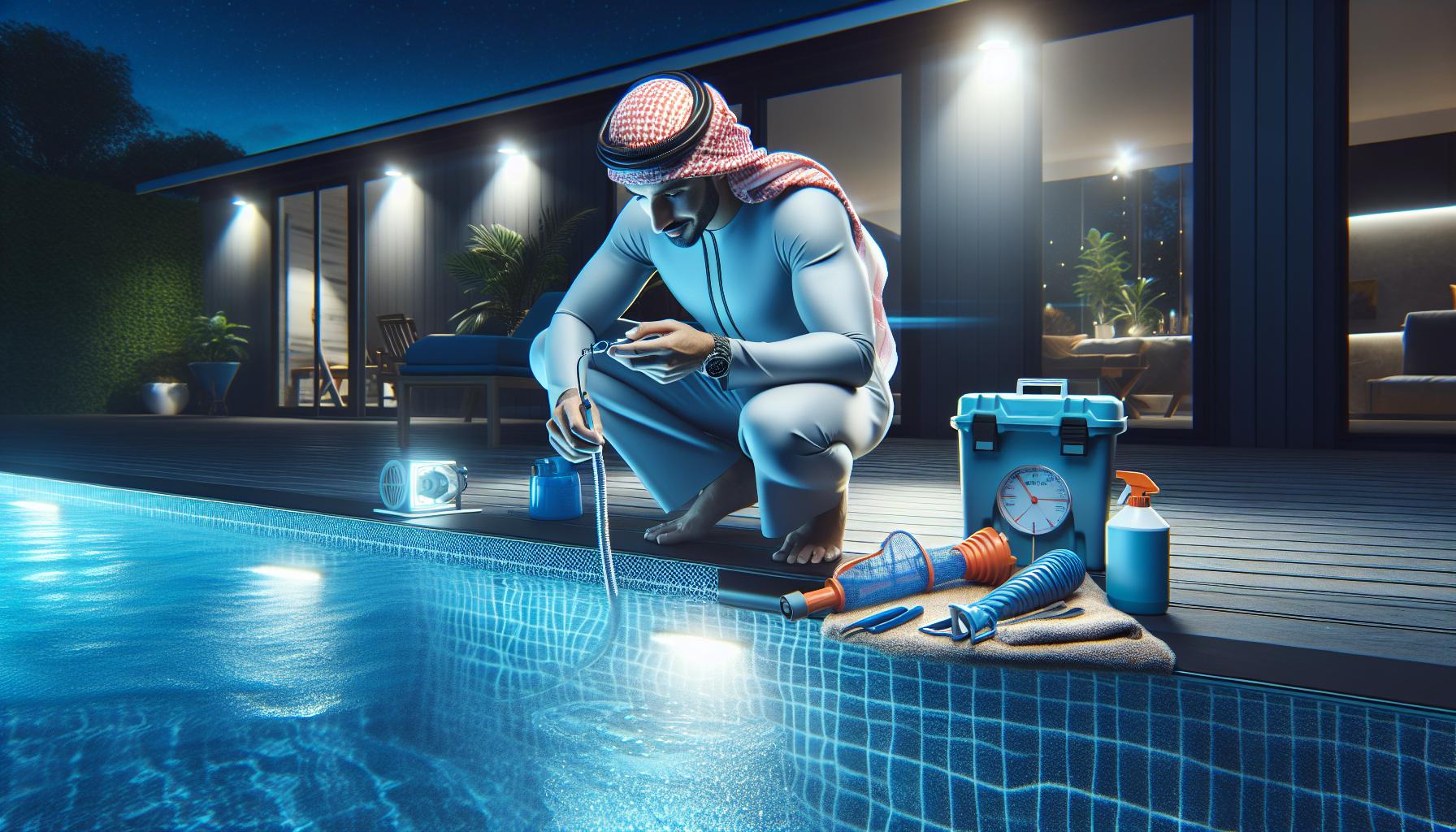
Assess Your Pool Light Needs and Options
When considering pool lighting, knowing your options and specific needs is crucial for enhancing your swimming experience. Whether you’re looking to replace an old fixture or upgrade to something more energy-efficient, understanding the types of pool lights available can help you make an informed decision. Today’s market offers various options, including traditional incandescent, energy-efficient LED, and even color-changing fixtures that can transform the ambiance of your pool area. Assessing your current lighting will help determine if you require a complete replacement or simply a bulb change.
To better understand your pool light needs, consider factors such as the size of your pool, the desired brightness, and the usual usage times. If you frequently host evening gatherings, brighter, more vibrant lighting might be ideal. Alternatively, if you’re looking to create a calming nighttime oasis, softer, diffused lighting could be more suitable. Additionally, don’t forget to evaluate the current state of your light fixtures. Signs such as flickering lights, water in the fixture, or corrosion indicate that it’s time for a replacement or upgrade.
Once you’ve established your lighting needs, analyzing the installation type is essential. Some fixtures may require different installation processes, such as surface-mounted lights or recessed options that sit within the pool wall. This decision will influence the tools and methods you need for replacement. For example, if you opt for LED fixtures, be aware that you’ll also gain energy efficiency, translating into lower utility bills and longer-lasting bulbs. With so many choices available, assessing your options ensures that your pool lighting not only enhances safety but also contributes to your outdoor aesthetic.
Key Considerations for Pool Lighting:
- Type of lighting (incandescent, LED, color-changing)
- Brightness and ambiance preferences
- Installation type and required modifications
- Energy efficiency and long-term cost savings
By carefully evaluating these factors, you can confidently move forward with selecting or replacing your pool lights, ensuring they meet your personal tastes and practical needs.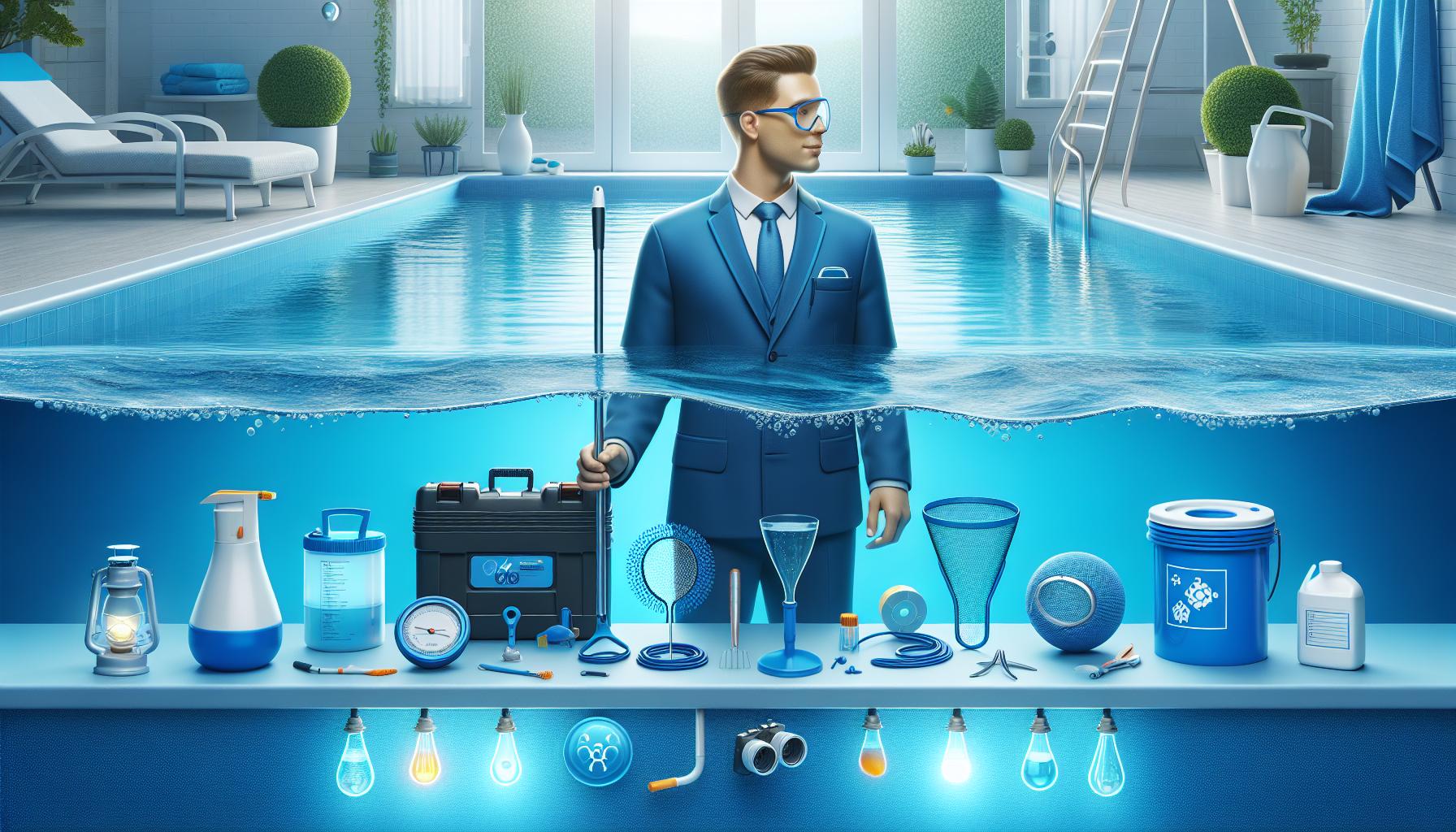
Tools You’ll Need for Pool Light Replacement
Before diving into the task of replacing your pool light, it’s essential to gather all the necessary tools and materials to ensure a smooth operation. Having the right equipment at hand not only facilitates the replacement process but also prevents unnecessary hiccups that could arise midway. The following list outlines the key tools and materials you will need for a successful pool light replacement.
Essential Tools for Pool Light Replacement
- Waterproof Flashlight: A reliable waterproof flashlight is indispensable for illuminating the area where you will be working, especially if the replacement occurs during twilight or nighttime.
- Screwdrivers: A set of both flathead and Phillips screwdrivers will allow you to remove and secure the fixture correctly. Be sure to choose the right size to avoid stripping screws.
- Wrench or Pliers: These tools are necessary for loosening and tightening any nuts or bolts associated with the light fixture.
- Voltage Tester: Prior to handling electrical components, a voltage tester is crucial for ensuring the power is off. This will help avoid any dangerous shocks.
- Replacement Tire or Sealant (if applicable): Depending on the type of fixture, you might need gaskets or sealants to ensure the light is secure and waterproof once installed.
- Wire Strippers: If you find that you need to replace wires, wire strippers will help remove the insulation from the ends of the wires for reconnection.
- Safety Goggles and Gloves: Protecting yourself should always come first. Safety goggles shield your eyes from debris, while gloves can prevent cuts and electric shocks.
Additional Materials
In addition to the tools mentioned, you may also want to have the following materials ready:
- Replacement Light Fixture or Bulbs: Ensure you purchase a compatible light fixture or bulb based on your pool’s specifications. This should be based on both size and type (LED, incandescent, etc.) as previously assessed.
- Wire Connectors: These come in handy for safely connecting new wires or for securing existing ones, especially if you’ve removed old ones during the process.
Equipped with the right tools and materials, you’ll be prepared to tackle the pool light replacement efficiently and safely. This preparedness not only instills confidence but also optimizes your time, allowing you to brighten up your swimming experience without unnecessary delays.
Safety Precautions When Working with Pool Lights
Ensuring safety while replacing pool lights is paramount, as these fixtures involve electricity and water, two elements that should never mix. An alarming statistic reveals that over 1,000 injuries occur annually due to electric shock around swimming pools. Therefore, taking the right precautions not only protects you but also gives you peace of mind during the process.
Before beginning, always disconnect the power supply to the pool light at the circuit breaker. This step cannot be overemphasized; using a voltage tester is essential to confirm that no electricity is flowing to the old fixture. This device is critical for assuring safe working conditions. Moreover, equip yourself with appropriate personal protective gear, such as safety goggles to guard against debris and rubber gloves to prevent accidental shocks.
When working around water, ensure your work area is dry as much as possible. Lay down non-slip mats if necessary, and avoid working in wet conditions or during inclement weather. Additionally, you should keep your tools organized and away from the pool’s edge to prevent accidents. If you’re feeling unsure or the task seems daunting, consider getting a buddy to assist you. Having another person can improve safety, especially when handling heavy fixtures or managing tools around water.
Taking these precautions seriously will significantly reduce the risks associated with pool light replacement. Remember, preventing accidents is always easier- and more effective-than managing them after they occur. Stay vigilant, and you’ll be able to light up your pool safely and effectively.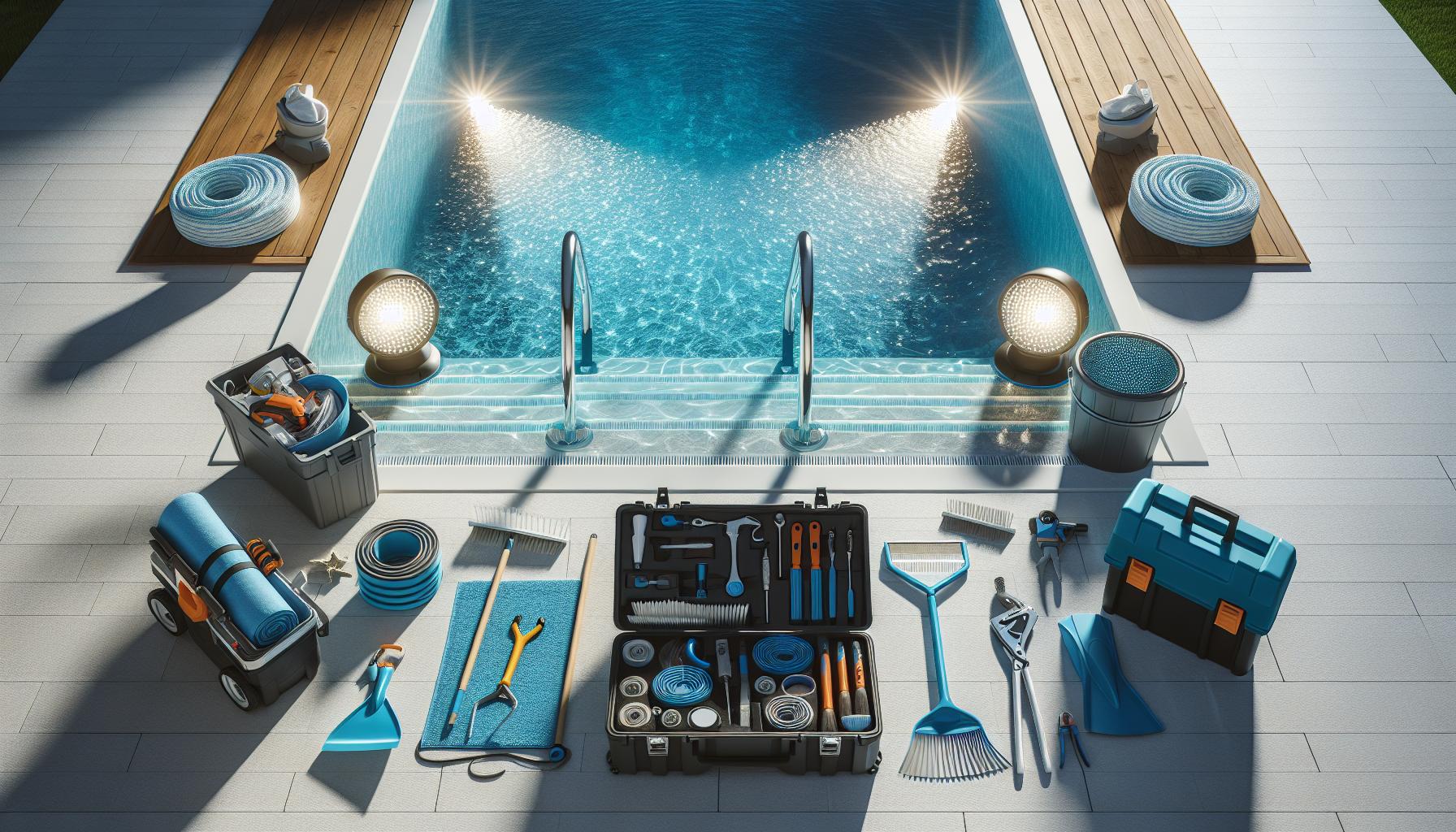
Step-by-Step Guide to Removing the Old Pool Light
Carefully removing the old pool light is crucial for a successful replacement and to ensure your safety. First, confirm that the power to the light fixture is completely turned off at the circuit breaker, and use a voltage tester to double-check that no electricity is flowing through the wires. Once you’ve established that you can work safely, gather your tools, which typically include a screwdriver, a bucket for water, and possibly a pair of gloves to protect your hands.
Begin the removal process by loosening the screws that hold the light fixture in place if you have a wall-mounted model. For in-ground pool lights, you may first need to use a specialized tool or a wrench to unscrew the light’s nut, which secures the fixture within its niche. As you pull the light out from the wall or niche, be cautious and make sure to support it to prevent it from falling. It’s beneficial to have a towel or a bucket ready to catch any water that may spill from the light’s housing.
Once the light is out, disconnect the electrical wires. Typically, you’ll find these wires connected with wire nuts or connectors. Carefully untwist or unscrew these connections, ensuring you remember how they were connected for when you install the new light. Labeling wires with masking tape can help keep track of which wire corresponds to which terminal. If your old light has a gasket or sealant, remove that as well, taking care not to damage the niche where the light is housed.
Throughout this process, maintain awareness of any surrounding areas that might pose a danger, especially if the pool is currently filled with water. Always work with dry hands and tools to avoid the risk of electric shock. When the old light is completely removed, take a moment to inspect the niche for any signs of wear or damage; this may require maintenance before you install the new light.
Installing the New Pool Light: A Detailed Process
Installing a new pool light can significantly enhance the ambiance and safety of your swimming area, allowing for endless evening swims. After meticulously removing the old fixture, it’s time to focus on getting the new light installed properly, ensuring not only its functionality but also your safety.
Begin by ensuring you have the right replacement fixture. Check the specifications to confirm compatibility with your existing wiring and niche. Once you have your new light, start by connecting the electrical wires using the wire nuts or connectors. Match the corresponding wires from the pool light to the ones from the power supply. Typically, you’ll have a black (or red) wire for power, a white wire for neutral, and a green (or bare) wire for ground. If necessary, refer back to your labels to avoid any mix-ups.
Next, carefully align the new light fixture with the niche. Ensure that any existing gaskets or seals are in good condition to prevent water ingress. Push the fixture into place and secure it using the screws or nuts removed earlier. Be sure not to over-tighten, which could damage the fixture or the niche. As you work, keep water drainage in mind-if any water spills out, have your bucket nearby to catch it.
After securely fastening the new light, it’s crucial to perform a final safety check before powering it on. This includes examining the niche for debris and ensuring that the sealing gasket is properly seated. Once you are satisfied that everything is in place, restore power from the circuit breaker and test the light. If all goes well, you should be greeted by a bright, inviting glow that transforms your pool area into a nighttime retreat. Enjoy your sparkling new addition, knowing you’ve accomplished a task that not only brightens your pool but also enhances your overall swimming experience.
Wiring Your Pool Light: Tips for Success
Wiring your new pool light correctly is crucial not only for its functionality but also for your safety. Remember that even small errors in the wiring process can lead to significant issues later, including electrical shock hazards or even fire. A comprehensive understanding of the wiring involved will empower you to execute this task with confidence.
Before you begin, ensure the power to your pool light is completely turned off at the circuit breaker. This precaution cannot be overstated-always prioritize safety first! Once the power is secured, you’ll typically see three wires in the junction box near the light: one for power (black or red), one for neutral (white), and a ground wire (green or bare). Familiarize yourself with these colors and their purposes. If you’re unsure, it’s wise to consult the installation guide that came with your light, as wire colors can sometimes vary by manufacturer.
When connecting the wires, use high-quality wire nuts or connectors to secure them tightly. Strip about half an inch of insulation from the ends of the wires, then twist the corresponding wires together, ensuring they are properly aligned and making good contact. Once connected, cover each wire with a wire nut and press them firmly to ensure a tight fit. Double-check that no bare wire is exposed, as this can create unsafe conditions. A good practice is to give a gentle tug on each connected wire to verify that they are secure.
After everything is wired up, carefully tuck the wires into the junction box and position them so they won’t be pinched when you replace the light fixture. If your pool light comes with a gasket, make sure it fits snugly against the surface where the fixture mounts; this prevents water from seeping into the electrical components. Finally, turn the power back on at the circuit breaker and conduct a test to confirm that your installation was successful. If everything works as expected, you’ll enjoy a beautifully illuminated swimming area that enhances both safety and aesthetics.
Testing the New Pool Light for Optimal Performance
After successfully wiring your new pool light, the moment of truth has arrived: it’s time to test that it performs optimally under the water’s surface. A well-functioning pool light not only enhances the aesthetic appeal of your swimming area, but also ensures safety during nighttime swimming. Learning how to effectively test your new installation can save you from potential issues down the line and reassure you that everything is in order.
Start by turning on the power from the circuit breaker that supplies electricity to your pool light. Once powered, check that the light fully illuminates without flickering or dimming. If your pool light includes a color-changing feature or adjustable brightness, experiment with these settings to ensure all options function as intended. While observing the light, look for any unusual noises, such as buzzing or humming, which may indicate an electrical issue. If everything appears normal, it’s advisable to monitor the light’s performance for a short duration to ensure consistent brightness.
Troubleshooting Common Issues
If you encounter problems during the initial test, don’t panic. Here are some common issues and corresponding solutions:
- Light Doesn’t Illuminate: Check the power supply to ensure it’s active. Inspect the circuit breaker and connections from the junction box to the light fixture.
- Flickering Light: This could indicate a loose connection or inadequate power supply. Turn off the power and inspect the wiring.
- Unusual Noises or Overheating: Immediately turn off the light and power supply. These issues could signify a faulty fixture or wiring problem that needs further investigation.
Once satisfied with your test, it’s essential to address any visible issues right away. Ensuring that your light functions reliably not only enhances your swimming experience but also maintains the safety of your pool area. Taking these testing and troubleshooting steps helps guarantee that your new pool light will showcase the brilliance of your pool for many summer nights to come.
Troubleshooting Common Pool Light Issues
Every pool owner dreads the moment they flip the switch and nothing happens. A non-functioning pool light can cast a shadow not only on the ambiance of your evening swims but also on safety. Thankfully, can often be straightforward and manageable. Here’s how to identify and resolve some frequent problems when your pool lights decide to play hide and seek.
If your light fails to illuminate, start by ensuring the power supply is intact. Check the circuit breaker-has it tripped? If so, reset it and try again. Still no light? Inspect the connections from the junction box to the light fixture. Loose wires or faulty connections can be the culprit. For flickering lights, this usually indicates a poor connection or inadequate power. Turn off the power and conduct a meticulous examination of all wiring. Sometimes a simple tightening of connectors can resolve the issue.
Unusual noises, like buzzing or clicking, are warning signs that need immediate attention. If you hear these sounds while the light is on, switch off power right away. Potentially, this could mean there’s a short in the fixture or that the fixture itself is overheating-both issues that merit professional inspection. Overheating might also be associated with inadequate ventilation or a malfunctioning light bulb. Always prioritize safety and ensure that any repairs are done before the next swim.
To maintain the functionality of your pool lights over time, regular inspections are crucial. Checking for signs of wear, ensuring your bulbs are correctly rated for underwater use, and cleaning fixtures can prolong their lifespan. Remember, proactive care can save you from unexpected headaches later, ensuring your swimming experience remains bright and safe year-round.
Enhancing Pool Lighting with Additional Features
Investing in superior pool lighting can transform your swimming area into a captivating oasis, enhancing both the safety and aesthetic appeal of your backyard. By incorporating additional features into your pool lighting setup, you can create an atmosphere perfect for nighttime relaxation or festive gatherings. Whether you’re looking for a calm ambiance or vibrant displays, consider the following ways to elevate your pool lighting.
Color-Changing LED Lights
One exciting option is to install color-changing LED pool lights. These innovative lights allow you to adjust the colors to match your mood or occasion. Imagine hosting a summer barbecue with your pool glowing in vibrant shades of blue and green, and later switching to soft white for a romantic evening swim. Many modern LED systems can be controlled via smartphone apps or remotes, making it easy to switch colors or set schedules for automatic cycling.
Smart Lighting Systems
Upgrading to smart lighting systems enhances convenience and functionality. These systems allow you to automate your pool lights, integrating them with your home automation setup. You can program your lights to turn on at dusk, change colors based on your preferences, or even synchronize with music. A smart pool lighting system not only boosts visual appeal but also gives you complete control over the ambiance at your fingertips.
- Remote Control: Adjust settings from a distance.
- Timers: Schedule lighting to match your routine.
- Integration: Sync with home automation for seamless usage.
Highlighting Pool Features
Consider using underwater lights or spotlighting to highlight specific features around your pool, such as waterfalls, landscaping, or sculptures. Placing lights strategically can create stunning visual contrasts and draw attention to the beauty of your pool design. For example, illuminating a water feature can create a mesmerizing effect, enhancing your pool’s overall atmosphere during evening gatherings.
Safety and Navigation Lighting
In addition to aesthetics, safety should be a top priority. Installing pathway lights or step lights around your pool area ensures safe navigation, particularly at night. Well-lit pathways and pool edges minimize the risk of accidents, allowing you and your guests to enjoy the outdoor space without worry. Low-voltage lighting options are available that are energy-efficient and can be easily integrated into your existing setup.
By thoughtfully enhancing your pool lighting with these features, you not only improve the visual appeal of your space but also increase safety and convenience. The right lighting can transform your pool into a stunning centerpiece, ensuring memorable experiences under the stars. With a bit of creativity and the right tools, you can seamlessly elevate your swimming experience, making each evening a delight.
Maintaining Your Pool Light for Longevity
To keep your pool lights shining bright and extend their lifespan, consistent maintenance is key. Regular care not only prevents issues but also ensures your pool area remains vibrant and inviting year-round. Start by scheduling routine inspections of all lighting fixtures; this helps you catch early signs of wear or damage. Pay attention to the lens covers for any signs of cloudiness or cracks, which can reduce light output. Replacing these covers, if necessary, is a simple yet crucial step to maintain optimal lighting.
Another important aspect of maintenance involves cleaning. Pool lights can accumulate dirt, algae, and calcium deposits, which can hinder performance. Consider using a soft cloth or sponge with mild detergent to gently clean the exterior and lens. Avoid harsh chemicals that could damage the fixtures. For underwater lights, ensure the power is turned off and carefully remove the fixture for a thorough cleaning. Always follow the manufacturer’s guidelines to prevent any accidental damage during this process.
In addition to cleanliness, regularly check for any signs of corrosion or rust, especially in metal fixtures. If you notice any corroded connections or components, address them immediately to prevent larger electrical issues. Applying a protective sealant designed for underwater use can also help keep moisture and chemicals at bay, particularly during off-seasons when the pool might not be in use.
Lastly, maintaining the electrical connections is crucial for longevity. Inspect wiring for frays or signs of wear and ensure all connections are secure. Using waterproof connectors can further safeguard your electrical components against moisture damage. By implementing these maintenance practices, you can enjoy a well-lit and safe swimming environment for years to come.
Understanding Pool Light Energy Efficiency Options
When it comes to pool lighting, embracing energy efficiency can make a significant difference not only in your energy bills but also in the overall longevity of your lighting fixtures. Advanced options available today go beyond traditional incandescent bulbs, offering enhancements that are both environmentally friendly and cost-effective. Transitioning to LED lighting is one of the most prominent trends among pool owners seeking to maximize energy savings while ensuring a bright swimming environment.
LED pool lights stand out due to their exceptional efficiency, lasting up to 25 times longer than incandescent lights. This longevity means less frequent replacements, translating to additional savings on installation and maintenance costs. Plus, LEDs consume only a fraction of the energy, typically reducing power consumption by 50% to 90%. This reduced usage not only lowers your electricity bills but also minimizes your carbon footprint, making a strong case for switching if you haven’t done so already.
Choosing the Right Type of Energy-Efficient Pool Light
In addition to LEDs, there are several other energy-efficient options to consider, including solar-powered lights. Solar pool lights harness sunlight during the day to provide illumination at night, making them a zero-energy solution perfect for eco-conscious homeowners. However, as they rely on sunlight, their efficiency may vary based on your geographical location and weather conditions.
When selecting your fixtures, it’s crucial to also assess the lumen output required for your specific pool area. The average required lumens for pool lighting typically ranges from 600 to 1,500 lumens, depending on the desired ambiance. For instance, if you’re aiming for a bright, inviting swimming environment, opt for higher output fixtures or incorporate multiple lights to achieve the desired intensity while maintaining efficiency.
Energy Efficiency and Smart Lighting Solutions
As technology evolves, integrating smart lighting solutions into your pool lighting system can further enhance energy efficiency. Smart pool lights allow you to control brightness levels, colors, and timers directly from your smartphone or home automation system. By setting timers or adjusting brightness based on usage patterns, you can optimize energy consumption, ensuring lights are only active when needed.
In conclusion, prioritizing energy-efficient options when replacing or upgrading your pool lights is not just about saving money, but also about making a sustainable choice that enhances your overall swimming experience. From LED fixtures to solar options and smart controls, the possibilities for creating a dazzling yet efficient lighting setup are abundant. By making informed decisions, you’ll create a beautiful, inviting space for relaxation and fun while keeping energy costs in check.
Upgrading to Smart Pool Lighting: What to Know
Smart lighting technology has revolutionized the way we illuminate our outdoor spaces, including swimming pools. By transitioning to smart pool lights, you gain not only enhanced control over your lighting but also the ability to create a more personalized and efficient swimming environment. With features like mobile app integration, customizable brightness, and color options, it’s easier than ever to set the perfect mood for your backyard gatherings or peaceful evening swims.
When considering smart pool lighting, it’s essential to evaluate your existing infrastructure. Most smart lights can easily replace traditional pool lights, but ensuring compatibility with your current wiring and control systems is crucial. You’ll want to assess whether your current electrical system can handle the new load that smart lights may require. Smart systems typically work through Wi-Fi or Bluetooth, so confirm your outdoor space has adequate coverage for reliable connectivity.
Installation of smart pool lighting can be straightforward, but it involves some basic electrical knowledge to ensure safety. Begin by turning off the power at the circuit breaker before replacing any existing lights. Follow the manufacturer’s instructions for wiring the new lights, ensuring all connections are secure to prevent water intrusion or electrical shorts. Once installed, you can connect each light to your home automation system, allowing you to control them from your smartphone or voice assistant comfortably.
After installation, testing is vital to ensure that everything functions as expected. Check for proper connection to your control app, and experiment with various settings to fine-tune the ambiance. In addition to brightness and color adjustments, many smart lighting systems allow you to set schedules or timers, optimizing energy consumption by ensuring lights are only on when needed. With this level of control, you not only enhance your pool setting but also make significant strides in energy efficiency and usability.
Choosing to upgrade to smart pool lighting is ultimately about enhancing your outdoor experience, making it both more functional and aesthetically pleasing. By following these guidelines, you can confidently embrace this technology, creating an inviting atmosphere for relaxing evenings by the pool or lively gatherings with friends and family.
Faq
Q: How do I choose the right type of pool light for my swimming pool?
A: To choose the right pool light, consider factors like the type of pool (inground or aboveground), your desired brightness, fixture styles, and energy efficiency. Evaluate options such as LED, incandescent, or fiber optic lights to match both functional and aesthetic needs. Refer to the “Assess Your Pool Light Needs and Options” section for more insights.
Q: What safety steps should I take before replacing a pool light?
A: Always turn off the power at the circuit breaker before working on pool lights. Ensure you wear safety goggles and gloves to protect against electrical hazards. Familiarize yourself with the proper handling of tools and materials, as outlined in the “Safety Precautions When Working with Pool Lights” section.
Q: Why is my pool light flickering and how can I fix it?
A: A flickering pool light can indicate loose wiring, a faulty bulb, or issues with the transformer. Check connections and bulb fit, and replace the bulb if necessary. For wiring issues, consult the “Wiring Your Pool Light: Tips for Success” section for detailed troubleshooting steps.
Q: When is the best time to replace pool lights?
A: The best time to replace pool lights is during warmer months, as it allows for easier access to the pool and minimizes safety concerns with wet conditions. Additionally, consider replacing them during routine pool maintenance for efficiency.
Q: Can I upgrade my existing pool lighting to smart technology?
A: Yes, you can upgrade existing pool lighting to smart technology. Look for compatible LED models that can sync with your smart devices. Ensure the new lights adhere to compatibility standards with your home automation systems, as highlighted in the “Upgrading to Smart Pool Lighting: What to Know” section.
Q: What are the energy efficiency benefits of modern pool lighting?
A: Modern pool lighting, especially LED options, offers significant energy efficiency benefits, including lower electricity consumption and longer lifespans compared to traditional lights. This not only helps reduce energy bills but also contributes to a smaller environmental footprint. See “Understanding Pool Light Energy Efficiency Options” for more details.
Q: How can I enhance my pool lighting for evening parties?
A: To enhance pool lighting for evening parties, consider adding colored LED lights, poolside lanterns, or accent lighting around landscaping. Combining different light levels creates a welcoming atmosphere. Explore more ways in the “Enhancing Pool Lighting with Additional Features” section.
Q: What tools do I need for pool light replacement?
A: Essential tools for pool light replacement include a screwdriver, a voltage tester, rubber gloves, and possibly a garden spade if you need to access wiring under the pool deck. Check the “Tools You’ll Need for Pool Light Replacement” section for a comprehensive list.
Wrapping Up
Transforming your pool lighting is a simple yet impactful way to enhance your swimming experience, creating a beautiful ambiance for relaxation and entertainment. Now that you know how to replace your pool light, seize the moment and tackle this project today! Don’t let subpar lighting hold you back from enjoying your outdoor oasis, especially during those warm summer nights.
For more tips on maintaining and upgrading your pool area, check out our guides on “Pool Maintenance Essentials” and “Choosing the Right Pool Accessories.” If you have any questions or want to share your experience with replacing your pool light, feel free to leave a comment below! Dive into our resources, and keep your pool shining brightly all season long. For the latest products and expert advice, consider signing up for our newsletter. Let’s make your pool a dazzling retreat!


