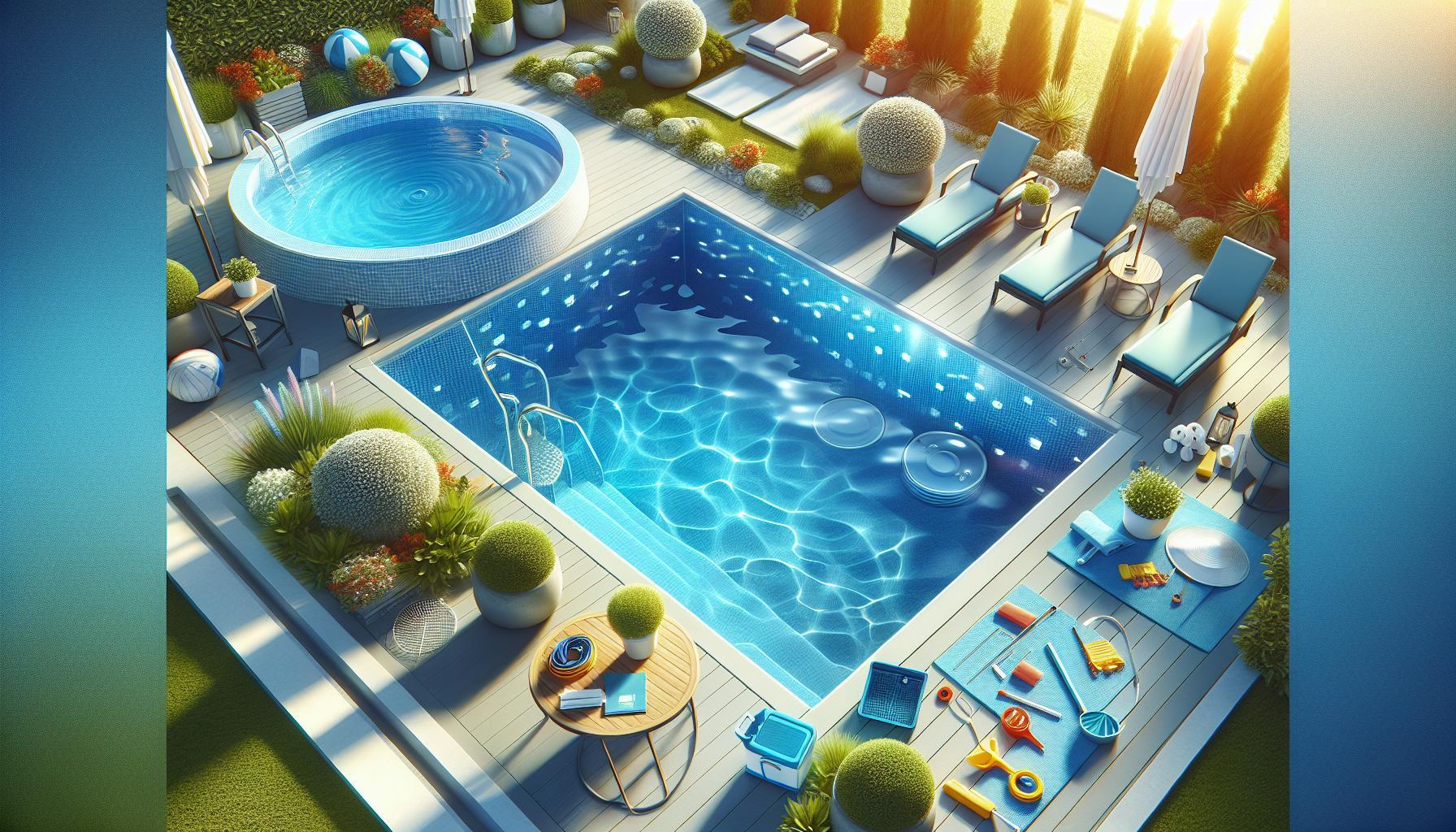
Replacing a pool liner can be a significant investment, with costs varying widely based on size, material, and labor. Did you know that a well-maintained pool liner not only enhances your backyard’s aesthetics but also protects your investment? As a pool owner, understanding the factors influencing replacement costs is crucial for effective budgeting and planning.
Facing the dilemma of a worn or damaged liner can feel overwhelming, but knowing the essentials allows you to make informed decisions. Whether you’re looking to upgrade for aesthetics or functionality, grasping the financial aspects will prepare you for what’s ahead. Join us as we break down the costs, tips, and strategies to budget wisely for your pool liner replacement, ensuring your swimming oasis stays inviting and functional for years to come.
How Pool Liner Replacement Costs Are Estimated
Estimating the cost of replacing a pool liner involves several key factors that pool owners should consider to make informed financial decisions. The average price typically ranges from $1,000 to $3,500, but this can vary significantly based on aspects such as the size and shape of the pool, the type of liner material chosen, and regional labor costs. To break down these costs effectively, start by measuring the pool dimensions, as larger pools require more material and higher installation costs.
When evaluating the cost, also consider the type of liner. There are various material options available, including vinyl, fiberglass, and reinforced materials. Vinyl liners tend to be the most economical upfront, but they might have a shorter lifespan compared to fiberglass, which offers durability but comes with a higher initial investment. It’s crucial to weigh these options against your long-term budget for both installation and maintenance.
Additionally, don’t overlook other potential costs that might arise during the replacement process. This includes the expense of preparation work, such as repairing any underlying issues with the pool structure or purchasing necessary materials like adhesive. Obtaining multiple quotes from professionals can provide a clearer picture of labor costs in your area, which can often fluctuate based on seasonality and demand. Ultimately, taking the time to understand these elements will empower you to allocate your budget more effectively as you embark on your pool liner replacement project.
Factors Influencing Pool Liner Replacement Prices
Determining the price for pool liner replacement isn’t a one-size-fits-all situation. Several factors come into play, influencing the overall cost and giving homeowners a range of financial scenarios to consider. Understanding these elements helps in planning and budgeting effectively for this essential pool upgrade.
One of the most significant factors is the size and shape of the pool. Larger pools naturally require more material, resulting in an increased cost. Additionally, custom shapes or features, such as steps and coves, add complexity to the project. Accurate measurements are vital, as they directly impact the amount of liner needed and the specifics of installation.
Another critical factor is the material of the pool liner. Vinyl liners, which are common for inground pools, offer an affordable upfront cost but may have a shorter lifespan, ranging from 5 to 15 years depending on maintenance and environmental factors. In contrast, fiberglass liners are typically more durable and offer a longer service life but come with a higher initial price tag. Understanding the long-term implications of each material choice can help owners decide based on their budget and how long they plan to keep the pool.
Labor costs also vary based on geographic location and the current demand for pool services. In regions where pool maintenance is in high demand, prices can inflate. Therefore, obtaining multiple estimates from local professionals provides insights into fair pricing and helps in making cost-effective decisions.
Lastly, additional costs might arise from preparation and installation tasks. Issues such as repairing the pool base or addressing plumbing leaks can increase expenses further. Homeowners should also account for any additional materials required, such as adhesives or installation kits, which may not be included in the initial estimate. By taking these factors into consideration, pool owners can develop a comprehensive budget that accommodates both expected and unforeseen costs associated with pool liner replacement.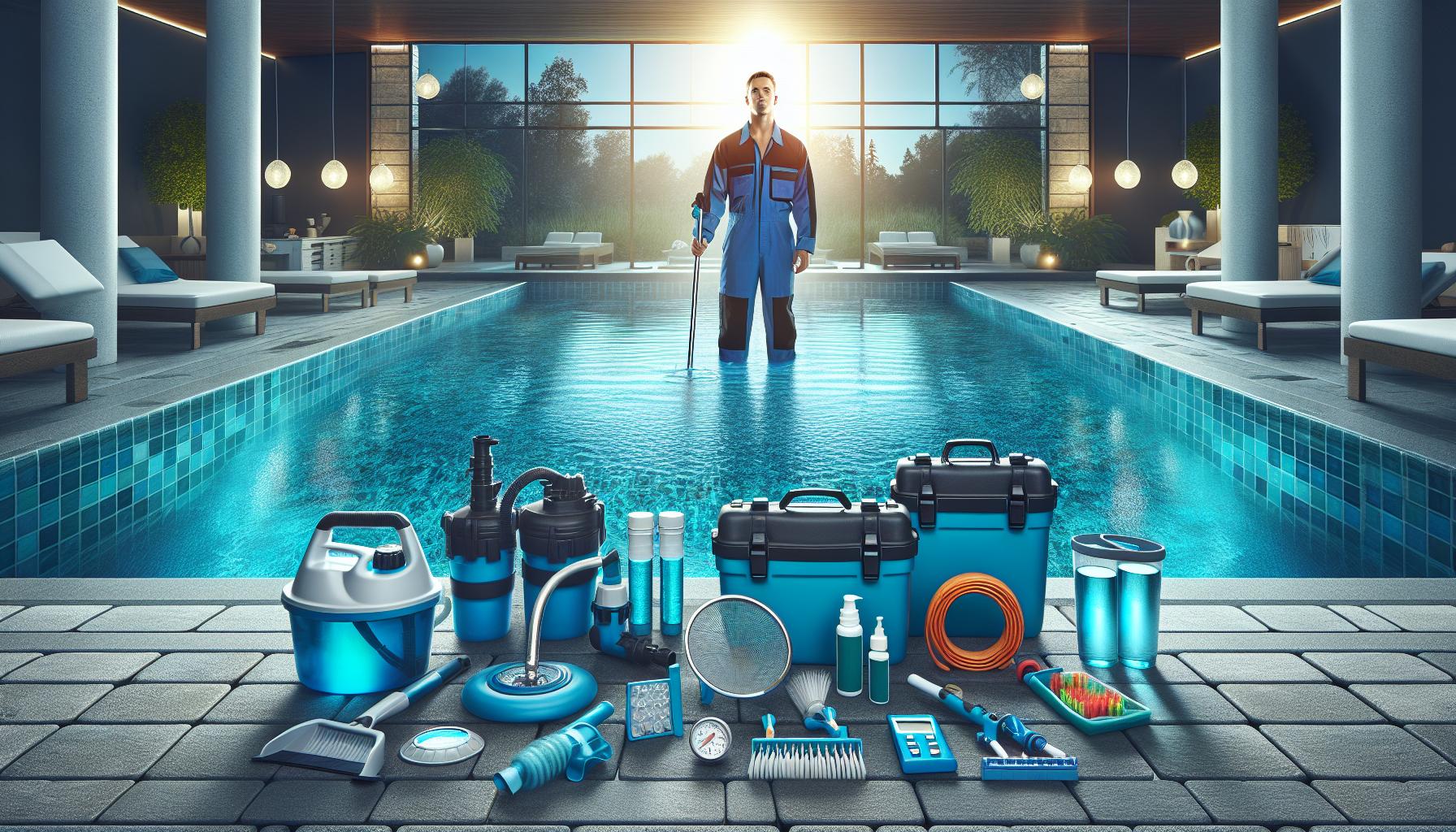
Choosing the Right Pool Liner Material
Choosing the right material for your pool liner is essential in ensuring both the aesthetic appeal and longevity of your swimming pool. Each option comes with its own set of advantages and drawbacks that can greatly influence not only your pool’s appearance but also your overall maintenance costs and efforts.
Vinyl liners are among the most popular options due to their affordability and versatility. They come in various thicknesses, typically ranging from 20 to 30 mils, allowing homeowners to select a durable option suited for their specific pool usage. If installed and maintained properly, vinyl liners can last anywhere from 5 to 15 years. The color and pattern choices for vinyl are extensive, and customization can enhance the visual aspect of the pool. However, vinyl liners can be vulnerable to punctures and may fade over time when exposed to harsh chemicals or UV rays.
On the other hand, fiberglass liners represent a more long-term investment. They are known for their superior durability and resistance to algae growth, which translates into lower maintenance needs and costs over time. While they come with a higher upfront cost, fiberglass liners can last much longer, often exceeding 25 years if well cared for. They also offer a smooth surface, making for a more pleasant swimming experience. However, the customization options in terms of design and color are more limited compared to vinyl.
Choosing between these materials depends largely on your budget, swimming habits, and how long you plan to maintain your pool. For example, homeowners planning to stay long-term may opt for fiberglass, while those looking for a more economical option or who enjoy changing their pool’s look every few years might prefer vinyl.
Ultimately, consider evaluating your priorities and how they align with each material’s characteristics. By weighing these elements, you can confidently select a pool liner that meets both your functional and aesthetic needs for years to come.
DIY vs. Professional Pool Liner Installation
When considering a pool liner replacement, one of the most significant decisions you’ll face is whether to tackle the installation as a DIY project or hire professionals. A DIY approach can save you money, but it also comes with risks and challenges. On the other hand, enlisting skilled professionals can provide peace of mind, often resulting in a more polished outcome, but at a higher cost. Understanding the nuances of each option will equip you to make an informed choice.
For those with a knack for home improvement, installing a pool liner can be a rewarding project. If you have basic handy skills, and your pool is of standard shape and size, you may find that the process is achievable. However, consider the following important steps to ensure a successful DIY installation:
- Preparation: Before beginning, meticulously measure your pool to order the correct liner size. Clear the pool of any debris and drain the water to expose the old liner.
- Removal: Carefully remove the old liner while checking for damaged areas in the wall or floor. This assessment is crucial to avoid complications during the new liner’s installation.
- Installation: Unroll and position the new liner, ensuring it fits snugly. Pay attention to the liner’s seams, ensuring they are positioned correctly to prevent leaks.
- Final Steps: Fill the pool cautiously with water while smoothing out any wrinkles in the liner, ensuring proper alignment and adhesion to the walls and floor.
If this process feels daunting, or if your pool presents unique challenges-such as a complex shape or significant structural issues-hiring professional installers may be the best route. Professionals have specialized tools and expertise that can prevent common installation pitfalls, such as air pockets or misaligned seams, which can lead to leaks and further issues. Moreover, their experience allows them to identify underlying problems, such as corrosion or embedded debris, that a novice might overlook.
In many cases, the additional cost of professional installation can be justified, particularly when factoring in potential long-term savings due to fewer mistakes and a more durable install. When budgeting for the project, consider the peace of mind that comes with professional services, which often include warranties for both the liner and installation work.
Ultimately, whether you choose to DIY or go professional should depend on your comfort level, skill set, and the complexity of your pool’s condition. Whatever you decide, knowing what’s involved in each path will empower you to maintain your pool effectively for years to come.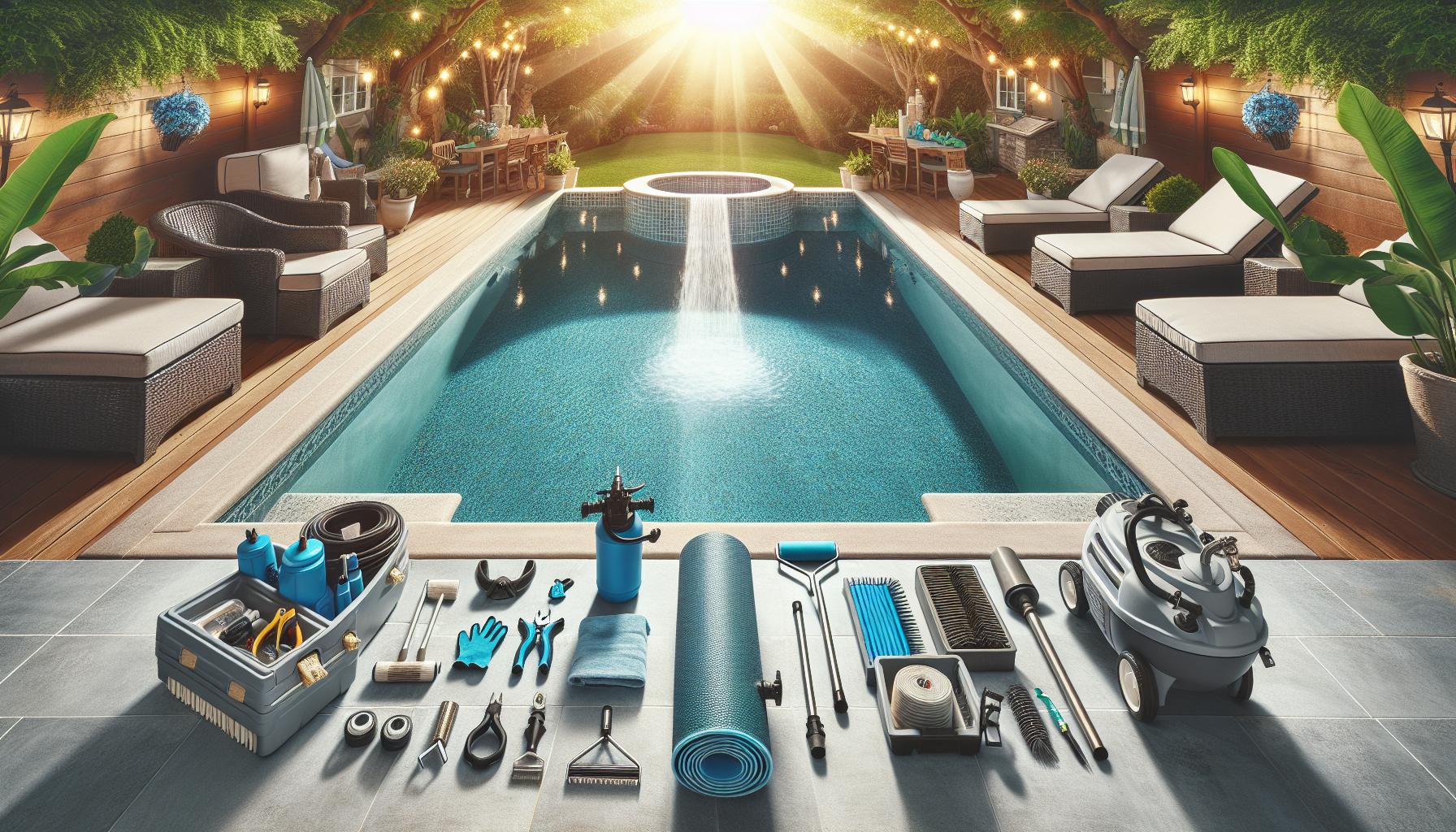
Key Steps in the Pool Liner Replacement Process
Replacing a pool liner is a significant undertaking that can protect your investment and enhance the aesthetic appeal of your swimming space. This process does not have to be daunting if approached methodically. Here are the essential steps you should follow to ensure a smooth and effective pool liner replacement.
Preparation
Before diving into the installation, meticulous preparation is crucial. Begin by draining the pool completely, ensuring that all water is removed to provide access to the old liner. Once drained, thoroughly clean the pool’s interior, removing any debris, dirt, or algae. This is also a good time to inspect the pool walls and floor for signs of wear or damage, as repairs may be needed before the new liner is installed. Accurate measurements of your pool’s dimensions are necessary to order the correct size liner, which will help avoid costly mistakes.
Removal
Carefully remove the existing liner, taking special care to avoid damaging the underlying structure of the pool. Typically, this involves detaching any coping or trim pieces that hold the liner in place. As you peel away the old liner, be vigilant for any areas of damage in the walls or floor; noting these can help you prepare for necessary repairs before the new liner is staged for installation. This step is critical, as failing to address underlying issues can lead to complications later on.
Installation
With the old liner removed and the pool surface prepared, it’s time to install the new liner. Start by unrolling and positioning the new liner in the pool, ensuring that it fits snugly and aligns correctly with the pool walls and floor. Pay careful attention to the seams of the liner-these should be positioned accurately to prevent leaks. As you proceed, smooth out any wrinkles or folds, as these can lead to aesthetic issues and structural problems down the line.
Final Steps
Once the new liner is properly positioned, it’s time to carefully fill the pool with water. Begin filling slowly, keeping an eye on the liner as the water rises to ensure it maintains its proper position. This is also a good time to do a final inspection for any air pockets or misalignment, which can result in significant issues post-installation. As the pool fills, the water will help press the liner into place, reducing the chances of wrinkles. After filling, trim any excess liner material, secure coping pieces, and clean up the surrounding area to complete the project.
By following these key steps, you can successfully replace your pool liner and enjoy many more seasons of swimming and relaxation. Taking the time for proper preparation and careful installation will ensure a durable and attractive result, significantly enhancing your pool experience.
How to Budget for Your Pool Liner Upgrade
Budgeting for a pool liner upgrade is a crucial step that can save you from unexpected expenses and complications down the line. Typically, the cost to replace a pool liner can range significantly depending on factors such as the type of liner, the size of your pool, and labor costs. Understanding these elements can help you plan effectively and avoid overspending.
To initiate your budgeting process, start by assessing the size of your pool and the type of liner you wish to install. For instance, a standard vinyl liner replacement can range from $1,000 to $3,000 for an inground pool and $500 to $1,800 for an above-ground pool. However, opting for specialty liners-like those with specific patterns or thicknesses-can push costs higher. Don’t forget to account for additional expenses such as preparation work, structural repairs, and other materials that may be necessary to successfully complete the installation.
Consider setting aside a contingency fund for unexpected repairs or complications. It’s wise to allocate about 10-15% of your total budget for unforeseen circumstances, such as damage discovered during installation or unexpected labor costs. Additionally, when budgeting, create a detailed spreadsheet that lists all potential expenses, from materials to labor, along with a timeline for your project. This approach will help you remain organized and ensure that all costs are monitored closely.
Lastly, don’t overlook the possibility of financing options for larger upgrades. Some contractors may offer payment plans, or you could explore personal loans or financing through home improvement credit cards to spread the cost over time. Always remember to compare quotes from multiple contractors to ensure you’re getting the best value for your investment. By being diligent and proactive in your budgeting efforts, you can make the pool liner replacement process much smoother and cost-effective.
Hidden Costs to Consider During Replacement
When planning for a pool liner replacement, many homeowners unknowingly overlook several hidden costs that can quickly add up, potentially derailing their budget. Understanding these nuances can not only save you money but also help ensure a smoother installation process. A common pitfall arises from underestimating the condition of the existing pool structure before the liner is replaced. If your pool walls or floor have cracks or show signs of wear, repairs may be necessary before a new liner can be installed. This can involve additional labor and material costs that should be factored into your overall budget.
Another hidden cost to consider is related to deck or coping repairs. Over time, the coping-the cap around the edge of the pool-can wear down, and if it’s compromised, it may need replacement or reinforcement, incurring further expenses. Additionally, when a liner is being installed, it’s the perfect time to address any surrounding landscaping issues. If the excavations required for the liner reveal problems with drainage or soil quality, you might face extra costs here as well.
Also, don’t forget to consider the potential for additional materials beyond just the liner itself. Specialty liners that offer unique patterns or increased thickness for durability can attract higher prices. Installation materials such as adhesives, seals, or new liner beads, which can range from $130 to $300 each, may also be necessary-these can be easily overlooked at the planning stage but are crucial for a job well done.
Finally, think about the alcohol and time spent on necessary maintenance prior to the liner replacement. Balancing your upkeep schedule can lead to better long-term care of the new liner, but this requires a commitment that may translate into budgetary considerations for chemicals, cleaning supplies, or even a temporary maintenance service while you’re in the process of replacing the liner. Ensuring you have a comprehensive view of all potential costs will equip you for a successful pool upgrade.
Maintaining Your New Pool Liner for Longevity
Maintaining your new pool liner is crucial for extending its lifespan and ensuring your pool remains a welcoming oasis. A little bit of proactive care can make a significant difference, preventing costly repairs and replacements down the line. Regular maintenance routines not only protect your investment but also enhance the visual appeal and safety of your swimming area.
Start by keeping your water chemistry balanced. Regularly test the pH levels, alkalinity, and chlorine concentration to protect your liner from chemical damage. Maintain the pH between 7.2 and 7.8 to prevent the liner from fading or becoming brittle. The water should also be properly sanitized to avoid algae growth that can weaken the liner material. Investing in a good quality test kit or strips can simplify this process, making it easier to avoid potential damage over time.
Cleaning your pool is another vital step in maintaining your liner. Use a soft brush to sweep the walls and floor weekly, and employ a vacuum to remove debris. Avoid abrasive cleaning tools that can scratch or damage the liner’s surface. Additionally, keep the water level consistent by ensuring that it doesn’t drop too low, as this can expose the liner to UV damage and increase the chances of installation-related issues.
Another important aspect is to regularly inspect the liner for signs of wear or damage, such as cracks, tears, or fading. Prompt action is crucial-small problems can quickly escalate if overlooked. If you notice any issues, consider minor repairs or contact a professional for more significant damage. Also, pay attention to the area around the pool, as overgrown plants or debris can rub against the liner and cause unnecessary wear.
Lastly, invest in a good quality pool cover to protect your liner during the off-season. This helps shield the liner from harsh weather conditions and minimizes exposure to sunlight, which can cause fading. A cover also keeps debris out, making spring cleaning easier and safer. By adhering to these maintenance practices, you’ll not only preserve the beauty and functionality of your new pool liner but also maximize your enjoyment of your swimming pool for years to come.
When to Replace Your Pool Liner: Signs and Symptoms
Recognizing when it’s time to replace your pool liner can save you from unplanned expenses and maintenance headaches. A well-maintained pool liner ensures your swimming pool remains a delightful retreat, but age and wear can take a toll over time. If you’re vigilant in observing your liner’s condition and understanding the telltale signs of deterioration, you can make informed decisions about your pool upgrade.
One of the first indicators that a replacement might be necessary is the appearance of cracks and tears. Even small holes can lead to significant leaking and water loss, which may drive up maintenance costs. If you notice stretching or brittleness in the liner, it’s likely becoming outdated and less effective in holding water. Faded colors can also signal that the liner has endured excessive sun exposure over the years, weakening the material and potentially compromising its structural integrity.
Other signs to watch for include the presence of water underneath the pool walls, which might suggest that leaks have developed. If you start experiencing fluctuating water levels without logical explanations, it could be time to inspect the liner closely. Regular inspection is key; look for discoloration patterns or water stains on the liner, as these can also be signs of wear or damage.
For the most proactive approach, consider replacing your liner if it approaches the 10-year mark, even if no visible issues seem present. This preventive action can prolong the life of your pool structure and reduce long-term costs associated with more severe damage. By addressing these symptoms promptly, you can ensure that your pool remains safe, inviting, and enjoyable for years to come.
Exploring Pool Liner Warranty Options
Choosing the right pool liner is not only essential for aesthetic appeal and functionality, but it’s also vital to consider the warranty options that come with it. A reliable warranty can provide peace of mind, protecting your investment over the years. Most pool liner warranties fall into two categories: pro-rated and full warranties. Understanding these differences can help you make an informed decision and potentially save money in the long term.
Pro-Rated Warranties typically cover a specific number of years and will reduce the coverage as the liner ages. For instance, you may receive full coverage for the first few years, but if you need a replacement after several years, the manufacturer will only reimburse you for a percentage of the costs. This can lead to unexpected expenses down the line, as you could end up paying a substantial amount out-of-pocket after the initial coverage period.
In contrast, a Full Warranty offers complete coverage for repairs or replacements regardless of the liner’s age, which can provide more security. Companies usually provide different warranty periods (e.g., 15, 20, or even 30 years), so be sure to analyze the specific terms. Key factors to check include what’s covered under the warranty, potential exclusions (such as damage from improper installation), and whether it’s transferable if you sell your home.
When comparing options, ask for documented details about the warranty terms and the manufacturer’s reputation. Do research on their customer service and claim process to ensure they stand behind their product. Investing in a quality pool liner with a solid warranty can result in financial savings and an enjoyable swimming experience for years to come. Always keep the warranty documentation in a safe place and be vigilant about following proper maintenance guidelines to ensure you remain covered.
Pool Liner Colors and Patterns: Make Your Choice
Choosing the right colors and patterns for your pool liner is not just about aesthetics; it can significantly influence the atmosphere of your outdoor space. Vibrant colors can transform a simple backyard into a lively oasis, while muted tones may lend a serene vibe. The interplay of light and color can also affect how the water appears, making it look clearer or deeper. Here are some practical tips to guide your decision-making process.
Understanding Color Psychology
Consider how different colors can impact your swimming experience. For example:
- Blue tones can create a refreshing and calming effect, reminiscent of natural water bodies.
- Greens often evoke a sense of tranquility and work well in landscaped settings.
- Neutral colors like tan or gray blend seamlessly with stone or concrete pool decks, creating an elegant, natural look.
- Bold colors, such as bright red or yellow, can energize the space but may fade quicker under intense sun exposure.
These choices not only influence your enjoyment but can also dictate how frequently you might need to monitor your liner for fading.
Patterns to Enhance Your Pool’s Aesthetic
Patterns can add dimensions that flat colors cannot. Popular options include tile designs, mosaic motifs, or even rippled effects that mimic the appearance of water. Consider the following when selecting patterns:
- Tiles can give a classic look to your pool, making it feel more integrated with traditional landscaping.
- Mosaics can provide a fun, artistic element, especially for kiddie pools or areas where children play.
- Solid colors are often easier to maintain and can be complemented with solid deck furniture or umbrellas for a cohesive look.
When in doubt, gather swatches or order samples to see how they look in various lighting throughout the day.
Long-term Considerations
Before making a final choice, remember that the pool liner you select impacts not just the present aesthetics but also future maintenance and replacement costs. Darker colors can heat up faster and might lead to increased evaporation rates, while lighter colors offer a cooler water temperature but may also highlight dirt, necessitating more frequent cleaning.
Ultimately, considering the interplay of color, pattern, and environment will lead you to a decision that not only fits your style but also supports long-term enjoyment of your pool space. Take your time to explore options, as a well-chosen liner can boost your property’s value and provide a relaxing getaway right at home.
Financing Options for Pool Upgrades
When it comes to upgrading your pool liner, understanding your financing options can transform a daunting expense into an achievable investment. With the average cost of replacing a pool liner ranging from $1,500 to $3,000 for inground pools, and between $500 and $1,800 for above-ground pools, having a clear budget can ease the financial burden and help you enjoy your backyard oasis sooner rather than later [2].
Several financing strategies can support your decision-making process. First and foremost, consider traditional bank loans or credit unions that offer personal loans specifically for home improvement projects. These often provide reasonable interest rates and flexible repayment plans. If you prefer a line of credit, home equity loans can furnish the necessary funds, leveraging the equity you’ve built in your home for potentially lower interest rates. While this option utilizes your home’s value, it’s crucial to weigh the risks associated with borrowing against your equity.
For those seeking less conventional funding methods, specialized financing plans offered by pool contractors can make the project more manageable. Many companies partner with financial institutions to provide affordable monthly payment plans tailored to your budget. These plans might include no-interest promotions for qualified buyers which can significantly reduce the upfront costs associated with a new pool liner. Additionally, borrowing through a credit card with a promotional rate may give you the flexibility needed if you can pay it off within the promotional period.
Furthermore, don’t overlook the potential for savings through seasonal promotions. Some contractors or retailers provide discounts or financing incentives during off-peak months, which can lessen overall costs significantly. Keeping track of these offers and timing your purchase can enhance your financing strategy, allowing you to take full advantage of available savings.
As you embark on your pool liner upgrade, make sure to also include any additional costs in your budget, such as liner removal, disposal fees, and potential labor costs if you choose professional installation. With a clear financial plan in place, you can approach your pool liner replacement with confidence, ensuring it aligns with both your aesthetic preferences and budgetary constraints.
FAQ
Q: How much does it typically cost to replace a pool liner?
A: The cost to replace a pool liner typically ranges from $1,000 to $3,500 depending on the pool size, liner material, and installation method. For a more accurate budget, consider getting quotes from multiple contractors.
Q: What factors affect the cost of pool liner replacement?
A: Costs for pool liner replacement can be influenced by pool size, liner material choice (vinyl, fiberglass, etc.), and additional services such as old liner removal or repairs to the pool’s structure.
Q: Is it better to do a DIY pool liner installation?
A: DIY pool liner installation can save money but requires careful planning and experience. Misalignment can lead to leaks, so weigh the costs of potential professional help against your DIY capabilities.
Q: How long does a new pool liner typically last?
A: A new pool liner can last between 5 to 10 years, depending on care and maintenance, quality of the material, and exposure to chemicals and sun. Regularly maintaining your liner can extend its lifespan significantly.
Q: Are there hidden costs in pool liner replacement that I should consider?
A: Yes, hidden costs can include repairs to the pool structure, disposal fees for the old liner, and additional accessories like coping or gaskets that may not be included in initial quotes. Always budget for these extras.
Q: Can I finance my pool liner replacement?
A: Many pool companies offer financing options for liner replacement. Check with your local pool service providers to see what financing plans are available and compare interest rates to find the best option for your budget.
Q: What are the signs that I need to replace my pool liner?
A: Signs that indicate a pool liner replacement may be necessary include visible tears or leaks, fading colors, and increased maintenance needs. If you notice any of these, it may be time to consider upgrading your liner.
Q: What is the best way to maintain my new pool liner after replacement?
A: To maintain your new pool liner, regularly check pH levels, keep the water clear, and avoid sharp objects in the pool. Using a liner protector can also help extend its life by reducing wear and tear.
The Conclusion
Ready to dive into your pool upgrade? Understanding the costs associated with replacing your pool liner empowers you to make informed decisions and create a beautiful backyard oasis. If you’re still weighing your options or have lingering questions, check out our related articles on “Pool Maintenance Tips” and “How to Choose the Right Pool Liner” for expert insights.
Don’t forget, budgeting today can save you from unexpected expenses tomorrow. For exclusive insights and updates on pool care, consider signing up for our newsletter. Join our community-your feedback and experiences are invaluable, so leave a comment or share this with fellow pool owners who may need guidance. Dive deeper into enhancing your pool experience; the perfect swimming environment is just a click away!