Heating your swimming pool can provide year-round enjoyment, but many pool owners are often surprised by how costs can accumulate. On average, the installation of a pool heater ranges between $1,600 and $4,000, with ongoing energy expenses adding to that investment. Understanding these costs not only helps in planning your budget but also in selecting the most efficient heating option for your needs.
Whether you’re looking for ways to extend your swimming season or reduce monthly heating bills, this guide will walk you through the various heating methods available, their costs, and strategies for saving money. By making informed decisions based on your specific situation, you can enjoy a comfortable pool while minimizing financial strain. Dive into the details to find out how you can make the most of your investment and enjoy warm waters at a reasonable cost.
How to Estimate Your Pool Heating Costs
Estimating your pool heating costs is crucial for effective budgeting and managing your pool’s operational expenses. The process involves several variables that impact the total expense, making it essential to understand how these factors work together. Generally, heating costs are influenced by the type of pool heater you use, local energy prices, the size of your pool, and the desired water temperature.
To start, you need to calculate the volume of your pool, as heating costs are often based on the amount of water you need to warm. Use the formula:
- For rectangular pools: Length x Width x Average Depth x 7.48 = Volume in gallons
- For circular pools: (Diameter/2) x (Diameter/2) x 3.14 x Average Depth x 7.48 = Volume in gallons
Once you have the volume, consider the specific heating requirements. You can estimate the heating costs by determining how many degrees you want to raise the water temperature and multiplying that by the pool volume. A rough estimate is that it costs around $0.24 to heat 1,000 gallons of water by 1°F. Thus, if you’re heating a 20,000-gallon pool by 10°F, the calculation would look like this:
| Parameter | Value |
|---|---|
| Volume of Pool | 20,000 gallons |
| Temperature Increase | 10°F |
| Cost to Heat 1,000 Gallons by 1°F | $0.24 |
| Total Cost Estimate | $48 |
In addition to these calculations, keep in mind that the efficiency of your heating method plays a significant role in overall costs. Different types of heaters, such as gas, electric, or solar, have various operational efficiencies and energy prices associated, compelling you to consider the most cost-effective option for your location and pool usage.
By combining these calculations and considerations, you can generate a clear estimate of your pool heating costs, empowering you to manage your budget effectively while enjoying your swimming experience.
Factors That Influence Heating Expenses
Understanding the nuances behind pool heating costs can make a significant difference in your budget and overall pool experience. Several key factors come into play when estimating these expenses, each capable of affecting the final bill. One of the primary influences is the type of heater you choose. Gas heaters typically heat water quickly but can also result in higher monthly bills due to fluctuating fuel prices. Electric heat pumps are more energy-efficient but may have longer heating times. Solar heaters, while initially costly, leverage sunlight, making them extremely economical in the long run.
Energy Rates and Pool Size
Local energy rates significantly determine your heating expenses. Depending on where you live, the cost of electricity or gas can vary greatly, impacting how much you’ll pay to keep your pool at a comfortable temperature. For larger pools, the volume of water directly correlates to heating costs; more water means more energy required to achieve your desired temperature. Monitoring your pool size can help in choosing the most efficient heating method, as smaller pools are often less expensive to heat.
Temperature Preferences and Seasonal Use
How warm you want your pool water to be can also dictate costs. If you’re consistently raising your pool temperature higher, it will require more energy. Moreover, the frequency of use during the season influences costs; if the pool is heated year-round, the ongoing maintenance and operational expenses will be higher compared to a pool that’s only used during warm months. Assess your heating needs based on actual use patterns to develop a more accurate budget.
By taking these factors into account, you can develop a clearer understanding of your potential pool heating costs and make informed decisions about the heating system that best fits your lifestyle and financial goals.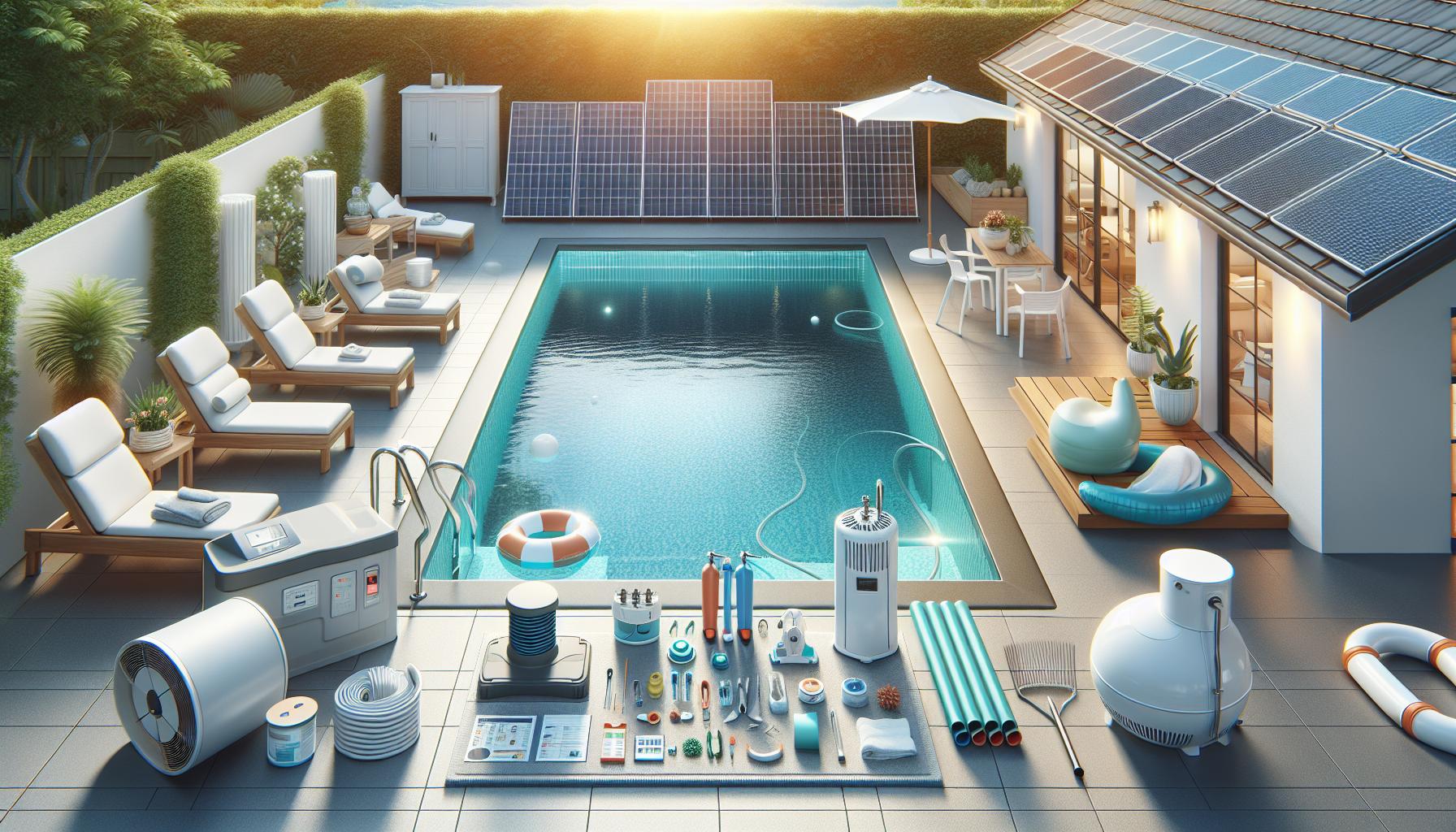
Comparing Different Pool Heating Methods
When it comes to heating your pool, the choice of heating method can greatly impact both comfort and your wallet. Each heating option comes with its own set of advantages and disadvantages, making it essential to compare them based on energy efficiency, initial costs, and long-term operational expenses. Understanding these differences can empower you to select the best solution for your situation.
Gas Heaters
Gas heaters are known for their rapid heating capabilities, making them ideal for pools that require quick heat during unexpected chilly weather or for an impromptu swim. However, while they provide quick results, the ongoing operational costs can be high due to fluctuating gas prices, especially in colder months when heating needs intensify. If you’re looking for a solution to heat your pool quickly, this might be your best bet, but be prepared for potentially higher bills.
Electric Heat Pumps
Electric heat pumps offer a more energy-efficient alternative by transferring heat from the air to the water, which makes them particularly cost-effective over time. These systems are best suited for warmer climates where outside temperatures are moderate, allowing them to work effectively without exorbitant energy costs. Initial investments in electric heat pumps can be higher than gas heaters, but their efficiency often leads to lower utility bills, making them a smart long-term investment.
Solar Pool Heaters
An eco-friendly solution, solar pool heaters utilize the sun’s energy to heat your pool water. Initially, they can come with a higher upfront cost for installation but significantly reduce energy bills in the long run. Ideal for sunny regions, they might not be as effective during cloudy days or in cooler climates. Integrating a solar heater can also result in a reduced carbon footprint, making it a popular choice among environmentally conscious clients.
Comparative Summary
To help visualize the differences in heating methods, consider the advantages and disadvantages noted below:
| Heating Method | Initial Cost | Energy Efficiency | Heating Speed | Long-term Operating Costs |
|---|---|---|---|---|
| Gas Heaters | Medium | Medium | Fast | High |
| Electric Heat Pumps | High | High | Medium | Medium |
| Solar Pool Heaters | High | Very High | Slow | Very Low |
In conclusion, the optimal choice for heating your pool will depend on your specific needs, climate, and budget. By understanding the unique attributes of each option, you can make a more informed decision that balances comfort with cost-effectiveness. Taking these factors into consideration will help ensure that the heating method you choose is well-suited to your lifestyle, allowing you to enjoy your pool year-round without breaking the bank on heating bills.
Energy-Efficient Heating Solutions for Pools
Heating a swimming pool efficiently can significantly reduce ongoing energy costs while maintaining a comfortable swimming environment. Energy-efficient heating solutions not only save money but also contribute to a more sustainable lifestyle. Implementing the right strategy can make all the difference, whether you opt for heat pumps or solar heaters.
Electric Heat Pumps
Electric heat pumps are an excellent choice for energy efficiency, as they work by transferring ambient heat from the air into the pool water rather than generating heat directly. This method can yield a high coefficient of performance (COP), meaning that for every unit of electricity consumed, several units of heat can be produced. For homeowners in moderate climates, electric heat pumps can lead to significant long-term savings, despite a higher initial investment compared to traditional gas heaters. It’s essential to choose a model with corrosion-resistant components, like titanium evaporators, to maximize durability and efficiency.
Solar Pool Heaters
Another eco-friendly alternative is solar pool heating. Solar heaters harness the sun’s energy to warm the pool water, making them a sustainable option that can lead to negligible operating costs after installation. While solar heaters may require a more considerable upfront investment, they offer substantial savings over time, especially in sunny regions. Proper installation and orientation toward the sun can drastically improve efficiency, allowing you to extend your swimming season without hefty utility bills.
Other Energy-Saving Tips
To further enhance the efficiency of your pool heating system, consider the following strategies:
- Use a Pool Cover: Pool covers can reduce evaporation dramatically and help retain heat, keeping your pool warmer during the night and cooler months. By trapping warmth, a cover minimizes the energy needed to reheat the water.
- Regular Maintenance: Ensure that your heating system is regularly serviced to maintain peak performance. Cleaning filters, checking for leaks, and monitoring settings can prevent inefficiencies.
- Optimize Pump Scheduling: Run the pool pump during off-peak electricity hours to save on energy costs while maintaining effective circulation and heating.
By selecting energy-efficient heating solutions and implementing smart practices, pool owners can enjoy their pools comfortably without incurring exorbitant energy bills. Understanding the potential of different systems can empower you to make informed decisions that suit your lifestyle and budget, ultimately striking the perfect balance between enjoying your pool and managing costs effectively.
Tips for Reducing Your Pool Heating Bills
Maintaining a warm and inviting swimming pool doesn’t have to come with exorbitant costs. By adopting a few smart practices, pool owners can significantly lower their heating bills while ensuring a comfortable swimming experience. Simple adjustments can lead to substantial savings, allowing you to enjoy your pool without constantly worrying about rising energy expenses.
One of the most effective steps you can take is using a pool cover. A quality pool cover not only prevents debris from entering the water but also significantly reduces evaporation – a major factor in heat loss. During cooler months or when the pool is not in use, covering your pool can retain warmth and lower the energy required to maintain the desired temperature. Studies have shown that using a cover can decrease heating costs by as much as 50-70% by minimizing heat loss and conserving electricity needed for heating.[[1]]
Regular maintenance of your heating system is another critical aspect of keeping costs down. Ensure that filters are clean and that the entire system is operating efficiently. Neglecting regular upkeep can lead to unexpected breakdowns and higher energy consumption. Schedule routine inspections and cleanings, as well as troubleshoot any inefficiencies, like leaks in the heating system or imbalances in water chemistry, which can further contribute to heat loss. Additionally, consider adjusting the temperature setting of your pool heater. Lowering the temperature by just a few degrees can lead to significant savings over time without compromising comfort.
Another practical recommendation is optimizing the operation of your pool pump. Schedule it to run during off-peak electricity hours, which typically cost less than peak times. This not only helps save on your monthly energy bill but also keeps your pool water circulating effectively. By implementing these straightforward strategies, you can create a more cost-effective approach to heating your pool, allowing you to relax and enjoy it without constant financial concern.
Seasonal Maintenance to Optimize Heating
Maintaining your swimming pool is crucial, not just for enjoyment but also for energy efficiency and cost control. Seasonal maintenance can significantly enhance your pool heating system’s performance, ensuring you’re not spending unnecessary money heating your water. Regular upkeep will help you catch potential issues early and maintain optimal functionality.
Start with a systematic inspection of your heating system at the beginning of each season. Check all connections and fittings for any signs of leaks, which can lead to wasted energy. Clean or replace your filters to ensure water flows freely; clogged filters can force the heater to work harder, ultimately driving up energy consumption. Additionally, inspect your heat pump or heater for any unusual sounds or vibrations, which may indicate mechanical problems that need addressing.
Another effective maintenance step involves balancing your pool water chemistry. Proper pH and alkalinity levels can prevent scaling and corrosion in heating elements, prolonging their life and efficiency. Aim for a pH level between 7.2 and 7.6 and adjust accordingly using safe chemicals. Consistent monitoring of your water chemistry can prevent costly repairs and unnecessary energy use.
Lastly, as the colder months approach, consider implementing winterizing measures. This might include draining your pool or using a pool cover to trap heat and reduce warmth loss. Keeping debris out of the water also minimizes the amount of heating required when you’re ready to swim again.
By following these practical tips, you not only enhance the lifespan of your heating system but also effectively manage your heating costs throughout the year, allowing you to enjoy your pool to its fullest.
Understanding Heat Loss and Its Impact
Understanding heat loss is essential for pool owners who want to manage costs effectively while enjoying a comfortably heated swimming pool. Statistics show that nearly 75% of a pool’s heat loss occurs through evaporation, which can be particularly significant during colder nights or windy conditions. As the water temperature rises, especially when compared to the ambient air, evaporation increases, taking precious heat with it. Therefore, recognizing how to mitigate this heat loss can lead to substantial savings on your heating bills.
One effective method to minimize heat loss is through proper pool covers. A high-quality pool cover can significantly reduce evaporation, insulating the water and maintaining a consistent temperature. When closed, these covers act as a barrier against both wind and humidity, which are notable contributors to heat loss. For instance, using a solar cover not only helps retain heat but also can warm the surface water during sunny days while keeping it warm overnight. It’s recommended to cover your pool whenever it is not in use, particularly at night, to optimize retention.
Additionally, identifying and sealing any sources of heat loss around the pool is critical. This includes ensuring that your pool’s heating system is functioning correctly with no leaks in the plumbing and that your filtration system is not running inefficiently due to clogged filters. Regular inspections of the pool’s structure, including walls and floors, are key-cracks or gaps can allow warm air to escape. Monitoring such factors and addressing them proactively will not only help in reducing heat loss but also prolong the life of your heating system.
In choosing heating methods, consider the type of pool heater that balances efficiency and performance. Heat pumps, for example, operate by extracting heat from the air to warm the pool water and can be much more efficient than traditional gas heaters, particularly in mild climates. Understanding your specific needs and the characteristics of your local climate will guide you in selecting the best heating solution, optimizing both comfort and cost-efficiency. Adopting these strategies will empower you to take control of your pool heating expenses while maximizing your enjoyment of your outdoor oasis.
When to Consider Upgrading Your Heating System
As pool owners strive to maintain a comfortable swimming environment, the efficiency of their heating system plays a crucial role in managing operating costs. One of the most significant indicators that it may be time to consider upgrading your heating system is the age of your current heater. Most traditional gas and electric heaters have a lifespan of about 10 to 15 years. If your heater is approaching or exceeding this age, it may be operating at diminished efficiency, which can lead to increased energy bills and inconsistent heating performance.
Another key factor to evaluate is the frequency of repairs. If you find yourself repeatedly calling for maintenance or repairs, it may be more cost-effective in the long run to invest in a new system. Modern heating solutions, such as variable-speed heat pumps, are designed for greater energy efficiency, often reducing energy consumption by up to 50% compared to older models. Transitioning to such systems not only lowers your monthly bills but also contributes positively to the environment by reducing your carbon footprint.
Assessing Performance and Costs
Take the time to analyze how well your current system heats your pool. If it struggles to maintain your desired temperature or if you frequently have to crank up the heater to get warmth, it’s a strong sign that your system is not meeting your needs. Moreover, conduct a cost analysis by monitoring your heating bills over the past few seasons. If you notice a steady increase despite regular maintenance, it indicates inefficiency that could justify an upgrade.
New Technology and Features
When contemplating an upgrade, consider the benefits of advanced heating technologies. For instance, heat pumps are particularly effective in warmer climates, using ambient air to heat pool water efficiently. Solar heaters are another green and cost-effective solution, although their effectiveness largely depends on local climate conditions. By evaluating the features offered by modern systems, you can select a heating solution that best fits your lifestyle and budget.
Ultimately, making the decision to upgrade your heating system should factor in not just performance and repair frequency, but also the overall energy cost savings and environmental impact. By taking a proactive approach to evaluating your heating needs, you can enhance your swimming experience while managing expenses effectively.
The Role of Pool Covers in Saving Energy
Covering your pool when it’s not in use is one of the simplest yet most effective strategies for lowering heating costs. Statistics suggest that a significant amount of heat loss, sometimes up to 75%, can occur through evaporation and exposure. By utilizing a pool cover, you dramatically reduce this heat loss, meaning less energy is required to maintain your desired water temperature.
Using a pool cover can lead to substantial savings not only in energy costs but also in chemical usage. Here’s how it works: when you cover your pool, you minimize evaporation, which in turn reduces the need to add water and the chemicals needed to treat that water. The result is a more efficient pool maintenance routine that contributes to lower overall costs.
For optimal energy savings, consider the type of cover you choose. Here are a few options:
- Thermal Solar Covers: These not only retain heat but also help solar energy to warm the pool during sunny conditions.
- Safety Covers: Designed for safety while providing some insulation, these covers serve dual purposes.
- Winter Covers: Effective for keeping debris out and retaining heat, ideal for seasonal closure.
Regular maintenance of your cover is crucial to ensure its longevity and effectiveness. Make sure to clean your cover to prevent algae growth, and regularly check for tears or damage that could compromise its insulating properties. By effectively managing your pool’s heat retention with a quality cover, you can enjoy a warmer pool while keeping a close eye on your energy bills.
Calculating Heating Costs for Different Pool Sizes
Determining the heating costs of a swimming pool can be a complex task, significantly influenced by the pool’s size. For example, larger pools will naturally require more energy to maintain a comfortable temperature compared to smaller ones. To provide a clearer picture, we can break down some of the key calculations involved in estimating heating costs based on different pool sizes.
To start, a fundamental formula is needed for estimating the energy required to heat pool water. The basic equation is:
[
text{Energy (BTUs)} = text{Volume of the pool (gallons)} times 8.34 times text{Temperature rise (°F)}
]
Where:
- Volume of the Pool is expressed in gallons.
- Temperature Rise is the difference between the desired water temperature and the current temperature.
For instance, if you have a 20,000-gallon pool and wish to raise the temperature from 70°F to 85°F, the calculation would be as follows:
[
text{Energy} = 20,000 times 8.34 times (85 – 70) = 20,000 times 8.34 times 15 = 2,501,000 text{ BTUs}
]
Next, understanding the cost associated with this energy usage is crucial. Knowing your pool heater’s BTU output will help you figure out how long it will take to achieve the desired temperature and, consequently, how much it will cost based on your local energy rates. For example, if your heater has a capacity of 100,000 BTUs per hour, it will take about 25 hours to heat the pool. If the local utility rate is $0.10 per kWh, and considering that 1 kWh is approximately 3,412 BTUs, you would calculate the cost per hour of using the heater and the total cost for the heating duration:
- Convert BTUs to kWh:
[
text{Cost} = frac{BTUs}{3412} times text{Cost per kWh}
]
- Calculate the total:
[
text{Total Cost} = left(frac{2,501,000}{3412}right) times 0.10 approx $73.37
]
As you can see, pool size directly affects heating costs, and larger pools can lead to significantly higher bills. Therefore, it’s essential to weigh the benefits of larger pools against the potential increase in heating expenses. By implementing energy-efficient heating solutions and regularly maintaining your pool, you can mitigate these costs and keep your swimming experience enjoyable while staying mindful of your budget.
Common Misconceptions About Pool Heating Costs
Many pool owners hold misconceptions about the costs associated with heating their pools, leading to confusion and unexpected expenses. One common belief is that heating a pool to a comfortable temperature is excessively expensive, when, in reality, the financial burden is often manageable with a few smart strategies. Understanding the core factors influencing heating costs can empower owners to make informed decisions.
A prevalent myth suggests that a higher temperature setting always results in a dramatically higher bill. While it’s true that every degree of temperature rise can increase energy costs by approximately 15-18%[1[1], it’s essential to recognize that maintaining a moderately warm pool (like 85°F instead of 88°F) can lead to substantial savings without drastically sacrificing comfort. Additionally, many underestimate the impact of heat loss. In fact, covering your pool when not in use can reduce heating costs significantly-by as much as 50-70%-minimizing heat loss and the need for additional heating[2[2].
Moreover, some owners assume that the type of heating system they own defines their expenses. While initial costs vary between electric heat pumps, gas heaters, and solar heaters, the total energy consumption and efficiency of these options can lead to different long-term costs. For instance, solar heaters can be more economical during sunny seasons, while electric heat pumps may serve better in more temperate climates[3[3]. It’s advisable to assess local climate conditions, pool usage, and heating methods to get a comprehensive understanding of potential costs.
Ultimately, demystifying these common misconceptions allows pool owners to better manage their heating expenses. By realizing that effective strategies like adjusting temperature settings, utilizing covers, and choosing suitable heating methods can enhance energy efficiency, owners can enjoy their pools without breaking the bank. Implementing these straightforward practices fosters a more enjoyable and financially sustainable swimming experience.
Expert Advice for Budgeting Pool Heating Expenses
Creating a budget for pool heating expenses can make a significant difference in your overall enjoyment and financial management of your swimming pool. Understanding the costs that can fluctuate based on your usage and heating method is crucial. For instance, many pool owners underestimate the effect of their pool’s location and climatic conditions on heating needs. A well-situated pool in a sunny area may require less heating than one in a shaded or cooler climate, so factor this into your budgeting.
To ensure you’re on top of your heating expenses, start by tracking your usage and the associated costs. Create a simple spreadsheet where you can log the monthly heating bills and the temperature settings you used. This will help you identify patterns and make informed decisions about adjustments. For example, if you notice a spike in costs during a specific month, consider whether you’re using the pool more often or increasing the temperature unnecessarily.
Establishing Your Heating Budget
As you evaluate how much to allocate for pool heating, consider these strategies:
- Research Different Heating Options: Familiarize yourself with the costs associated with various heating methods, such as solar, gas, and electric heaters. Each has its advantages and can fit different budgets based on your local energy prices and pool usage.
- Monitor Energy Rates: Keep an eye on energy rates, especially if you use electric heaters. Rate fluctuations can affect your overall heating costs, so plan your usage accordingly.
- Set a Target Temperature: Deciding on a target temperature for your pool can help prevent unnecessary increases in your heating bill. Remember that lowering the temperature even by a few degrees can lead to significant savings.
In addition, consider investing in a programmable pool heater. These devices can automatically adjust the heating based on when you plan to use the pool, preventing it from running continuously. This not only saves energy but also ensures that you don’t forget to turn off the heater when the pool is not in use.
By considering these factors and implementing practical strategies, you can effectively budget for your pool heating expenses, ensuring you can enjoy your swimming pool without the stress of unexpected bills.
Faq
Q: What is the average cost to heat a swimming pool?
A: The average cost to heat a swimming pool typically ranges from $100 to $800 per month, depending on factors like the type of heater, pool size, and local energy rates. For precise estimates, consider calculating based on your specific circumstances and local energy prices.
Q: How can I save money on my pool heating costs?
A: To save money on pool heating costs, consider using a pool cover, installing a solar heater, and maintaining your heater regularly. Also, schedule heat usage during off-peak hours and keep the pool heated only when in use to further minimize expenses.
Q: What are the least expensive options for heating a pool?
A: The least expensive options for heating a pool include solar pool heaters, which utilize free sunlight, and heat pumps, which are energy efficient. Though initial costs may vary, these methods typically save money in the long run due to lower operating expenses.
Q: How does pool heater size affect heating costs?
A: Pool heater size directly influences heating costs-undersized heaters take longer to reach desired temperatures, increasing energy use, while oversized units may cycle on and off too frequently. Properly sizing your heater according to your pool’s dimensions and climate is essential for efficient heating.
Q: When should I consider upgrading my pool heating system?
A: You should consider upgrading your pool heating system if it’s over 10 years old, frequently requires repairs, or if your energy bills have significantly increased. Newer models offer better energy efficiency, which can reduce both costs and environmental impact.
Q: Why is maintaining the pool heater important for cost savings?
A: Regular maintenance of your pool heater ensures it operates efficiently, helps prevent issues that could lead to costly repairs, and extends its lifespan. Cleaning filters, checking for leaks, and inspecting components are crucial steps for optimal performance.
Q: How do weather conditions influence pool heating expenses?
A: Weather conditions significantly influence pool heating expenses. Colder temperatures and high winds can lead to increased heat loss, requiring more energy to maintain the desired temperature. Using a windbreak and pool cover can help mitigate these effects and save costs.
Q: What should I know about solar covers in relation to heating costs?
A: Solar covers are effective in reducing heating costs by trapping heat generated during the day and minimizing overnight heat loss. Utilizing a solar cover can lower heating expenses by up to 50%, making it a cost-effective solution for maintaining pool temperature.
The Way Forward
By understanding the costs associated with heating a swimming pool, you can implement smarter strategies to save on bills and enhance your overall enjoyment. Don’t let heating expenses dampen your pool experience-consider investing in energy-efficient heaters or solar covers that can help you manage costs while enjoying warm water.
Before you go, explore our related articles on energy-efficient pool heating options and maintenance tips to extend your pool’s lifespan. Be proactive in shaping your pool experience and feel free to leave a comment below-share your thoughts or ask questions!
Don’t forget to join our newsletter for expert advice delivered right to your inbox. Navigate to our resources section for essential tools that can empower you in your pool care journey. Let’s keep your pool enjoyable while keeping the bills manageable!