
Installing a small inground swimming pool can transform your backyard into a personal oasis, providing a perfect spot for relaxation and family fun. However, understanding the costs involved is crucial for making an informed decision. The price of a small inground pool can vary significantly based on factors like materials, size, and additional features.
Many homeowners find themselves grappling with budget considerations while dreaming of summer days by the poolside. By breaking down the costs associated with installation, maintenance, and potential upgrades, you can uncover how to create the retreat you’ve always wanted without overspending. Join us as we explore the various price points and options available, ensuring you feel confident about making this exciting investment in your home.
Choosing the Right Small Inground Pool for Your Budget
When contemplating a small inground pool, aligning your selection with your budget is crucial for a fulfilling investment. There are numerous options available that can cater to different financial situations while ensuring you have a great swimming experience. Take the time to explore what features are most important to you-whether it’s aesthetics, functionality, or safety-while keeping your budget in check. Here are some vital considerations to help you make an informed decision.
One essential element is understanding the different types of small inground pools available. Generally, these can vary in cost depending on their shape, size, and features. Popular shapes-like rectangular, oval, and freeform-can each have different price tags based on the installation complexity and design preferences. Furthermore, additional features such as built-in seating, water features, or lighting can enhance your experience but will also add to the overall cost. Prioritize must-have features versus nice-to-haves; this will aid in sticking to your budget and not overspending.
Another factor to consider is the material of the pool. Options typically include fiberglass, vinyl, and concrete, each with its associated costs and maintenance needs. Fiberglass pools tend to have higher initial costs but often require less maintenance and have better longevity compared to vinyl and concrete alternatives. A thorough cost analysis is essential; creating a detailed comparison can help you visualize which material provides the best long-term value. Finally, once you’ve narrowed down the styles and materials, factor in additional costs for accessories such as covers, heaters, and pumps, as these can significantly influence your overall budget.
It’s also wise to be aware of financing options that can ease the upfront burden. Many installation companies offer flexible payment plans or financing that can help you manage your budget more effectively. Just be sure to read the fine print and understand the terms before committing. By approaching your small inground pool selection thoughtfully, balancing features with budget constraints, you can secure a beautiful backyard oasis without breaking the bank.
Understanding the Average Cost of Small Inground Pools
The allure of a small inground pool can be irresistible, especially given the potential for a cozy backyard retreat. On average, the cost of a small inground swimming pool varies significantly based on several factors, enabling you to tailor your investment according to your budget. Generally, small pools-such as plunge pools or cocktail pools-range from $17,500 to $25,200, with prices fluctuating based on size, shape, and materials used for construction. The most common dimensions for these compact designs are around 10×10 feet or 12×24 feet, making them an accessible option for smaller backyards.
A critical aspect influencing the cost is the choice of materials. Fiberglass pools, while having a higher installation cost, often prove to be more economical over time due to their durability and lower maintenance needs. In contrast, vinyl-lined and concrete pools can be less expensive upfront but may incur more maintenance expenses in the long run. It’s essential to evaluate the trade-offs between initial investment and long-term upkeep to ensure that your choice aligns with both your budget and expectations for longevity.
Another factor to consider is the added expenses that can accompany your pool installation. Features such as lighting, heating systems, automated covers, and landscaping enhancements can greatly enrich your pool experience but will also contribute to the overall cost. Collectively assessing these potential expenditures helps avoid surprises down the road and allows for more effective budget management. Many pool companies also offer financing options to alleviate the upfront financial burden, making it easier for you to create your own personal oasis without compromising financial stability.
By understanding the average costs and associated factors, you can approach your small inground pool project with both excitement and financial prudence, ensuring your investment delivers relaxation and enjoyment for years to come.
Factors Influencing Small Pool Installation Costs
The cost of installing a small inground pool can greatly vary depending on multiple influencing factors that go beyond the initial purchase price. Understanding these components can empower you to make informed decisions that align with both your budget and your lifestyle needs. From grading the terrain to choosing the right type of pool structure, each element plays a crucial role in the overall investment.
One significant factor is the site preparation and location. Areas with rocky or uneven ground may require more extensive excavation and grading, which can substantially increase labor costs. Additionally, if your property doesn’t have easy access for construction equipment, extra labor may be needed to transport materials, further inflating expenses. Conversely, a level, easily accessible area may lead to a smoother installation process and lower costs.
Beyond the location, the type of pool material also impacts pricing. Fiberglass pools might come with a higher upfront cost, but their quick installation and low maintenance requirements often lead to savings in the long run. In contrast, concrete pools offer customization flexibility but can entail additional costs for maintenance and resurfacing over time. Vinyl-lined pools might be the most budget-friendly initially, yet they may require replacement every 5-10 years, which can add to long-term costs.
Moreover, it’s essential to account for additional features that enhance your pool experience. Elements such as lighting, heating systems, and safety covers improve usability but will also increase the total project cost. A well-thought-out budget should consider these extras and allow room for potential upgrades later.
To avoid unexpected financial pressure, it’s wise to consult with professionals who can provide cost estimates tailored to your specific needs and terrain. This approach ensures that you are not only aware of the direct costs but also prepared for any hidden expenses that might arise during the installation process. By educating yourself on these factors, you can create a realistic financial plan and fully enjoy your small inground pool as a centerpiece of your backyard retreat.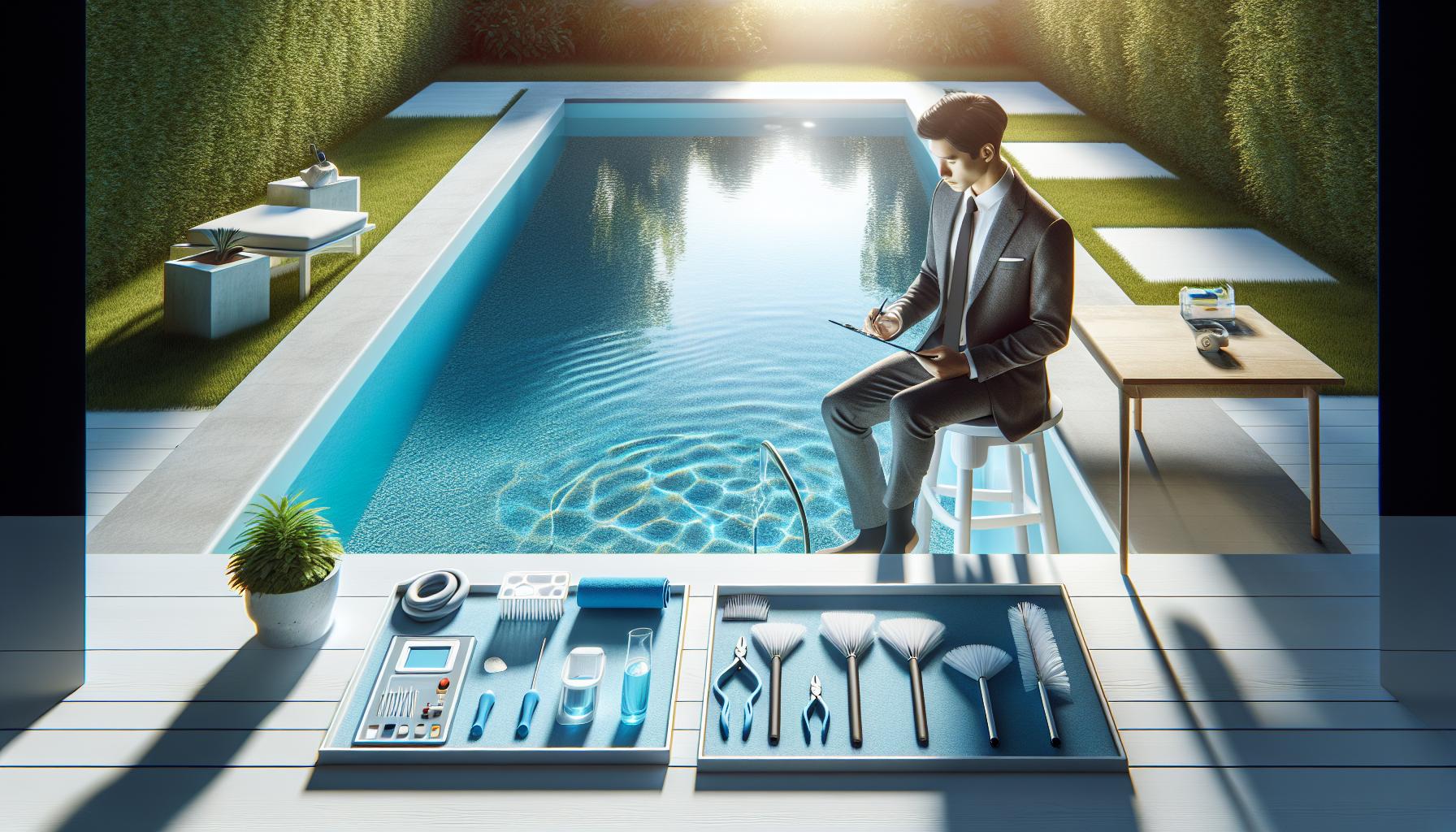
Comparing Different Inground Pool Materials
When considering the installation of a small inground pool, the choice of materials can significantly influence both your initial investment and long-term satisfaction. Each type of pool material comes with distinct characteristics, costs, and maintenance requirements, so understanding these differences is key to making the right decision for your budget and lifestyle.
Fiberglass pools are known for their quick installation and low maintenance needs. These pre-formed structures can be installed in a matter of days, which can save on labor costs. However, they generally have a higher upfront cost, often ranging from $28,000 to $60,000 for smaller models. Their smooth surfaces reduce algae buildup, making cleaning easier and less time-consuming. On the downside, the design options are somewhat limited compared to other materials, as they come in specific shapes and sizes.
Concrete pools offer a high degree of customization. Homeowners can design their pools to fit unique landscapes and personal preferences, including the addition of features like waterfalls and stairs. However, the initial costs can be higher, typically between $35,000 to $100,000, and ongoing maintenance, such as resurfacing every 10-15 years, can add to long-term expenses. Their porous surface requires regular cleaning and appropriate chemistry management to prevent algae growth, which demands a bit more diligence from pool owners.
Vinyl-lined pools tend to be the most budget-friendly option initially, with prices often starting around $21,500. The vinyl liner offers a variety of colors and patterns, appealing to many homeowners looking for customization without the high cost of concrete. However, keep in mind that the liners typically need replacement every 5-10 years, which can add significant long-term costs. While they are easier to install and maintain than concrete pools, they can be damaged by sharp objects, so care is needed to keep the liner intact.
In conclusion, the right material for your small inground pool depends on your budget, aesthetics, and commitment to maintenance. Opting for fiberglass offers low upkeep but at a higher initial price. Concrete allows for personalization but may lead to higher costs over time. Vinyl pools are a great entry-point financially but come with replacement costs that should be anticipated. Assess these factors closely to find a pool material that aligns perfectly with your swimming lifestyle.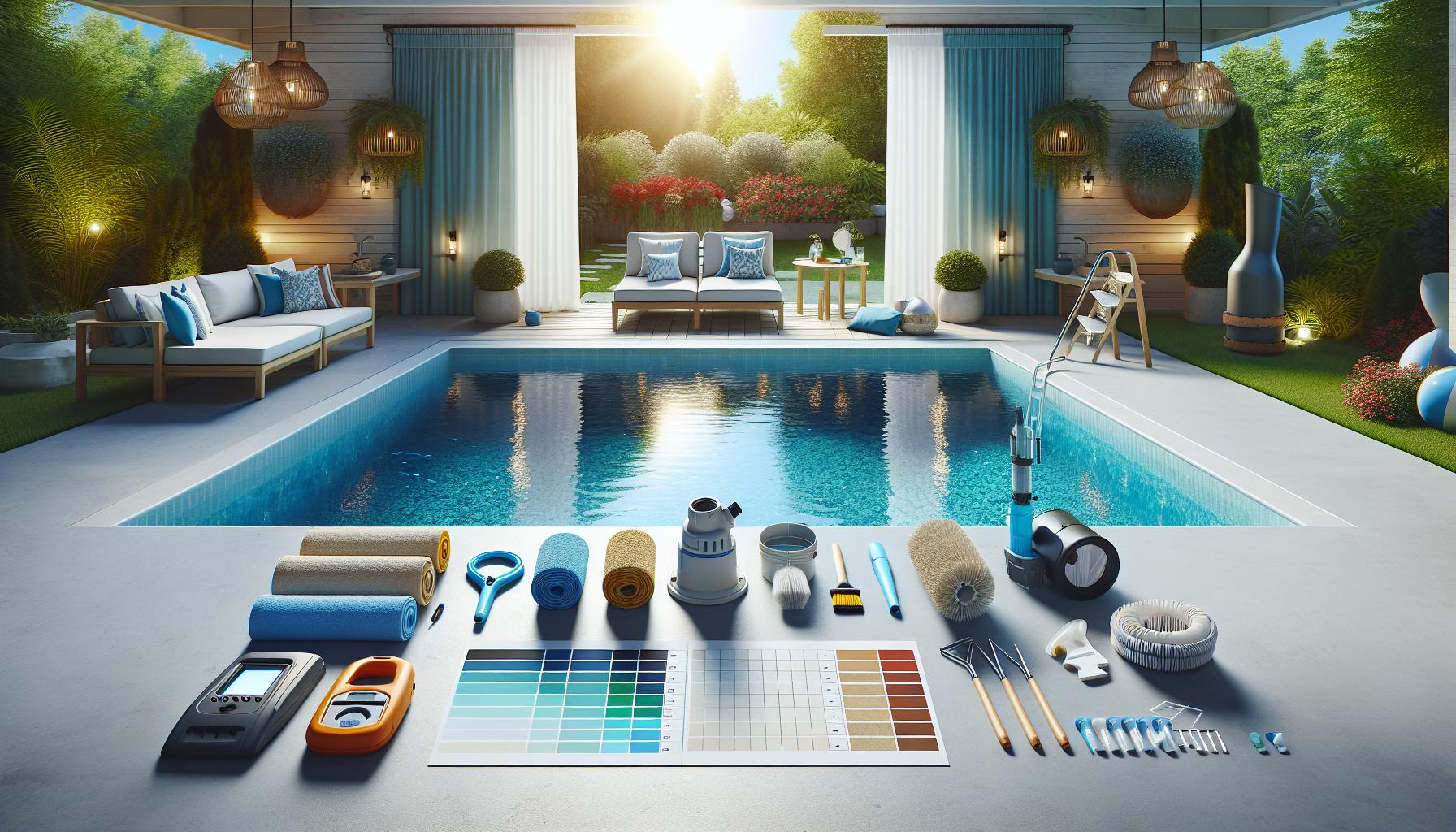
Costs of Pool Accessories and Add-ons
The true joy of owning a small inground pool often comes from the accessories and add-ons that enhance your experience. While the initial cost of the pool itself is significant, budgeting for these extras can make a big difference in your overall satisfaction and usage. From simple toys to advanced features, knowing what to expect in terms of costs can save you surprises down the road.
Many pool owners choose to invest in a variety of accessories. Here’s a look at some common add-ons and their typical price ranges:
- Pool Covers: Essential for maintaining water quality and safety, pool covers can range from $100 for a basic tarp model to $1,500 for automatic covers.
- Heating Systems: A heater can extend your swimming season significantly. Solar heaters might start at $1,000, while gas or electric heaters can cost between $2,500 and $7,000.
- Pool Lighting: LED pool lights can enhance safety and ambiance, costing about $100 to $400 per light, depending on the style and quality.
- Cleaning Equipment: Robotic pool cleaners range from $500 to $2,000, while manual vacuums can be much cheaper, generally about $50 to $150.
- Safety Features: Items such as safety fences and alarms are crucial for homes with children. Fences often cost around $1,500 to $3,000 to install, while alarms range from $100 to $600.
When making decisions about these accessories, consider how often you intend to use the pool and the additional benefits that each item provides. For instance, investing in a quality heater may seem like a high upfront cost, but if it allows for an extended swimming season, it could provide more value and enjoyment in the long run.
Additionally, ongoing maintenance costs should also be factored into your budget. Regular expenses for items like pool chemicals and cleaning supplies usually amount to about $300 to $600 per year, depending on the pool size and usage. By carefully selecting accessories that complement your lifestyle while staying within your budget, you can create a pool environment that maximizes enjoyment without unnecessary costs.
Ongoing Maintenance Costs for Small Inground Pools
Owning a small inground pool can be a delightful way to enhance your outdoor space, but it comes with its own set of ongoing maintenance costs that you’ll need to consider. Regular upkeep not only ensures your pool remains a safe and enjoyable place to swim but also extends its lifespan and maintains its aesthetic appeal. Although you might be tempted to overlook these expenses, budgeting for them upfront can save you from unpleasant surprises down the line.
Each year, you can expect to incur costs for pool maintenance items, which typically range from $300 to $600. These expenses include routine pool chemicals, like chlorine and pH balancers, which are essential for keeping the water clean and safe. Depending on your pool usage, you may also need to invest in cleaning supplies-vacuum heads, skimmers, and filters-which help remove dirt and debris, keeping the pool inviting. Additionally, regular maintenance might require hiring a professional service for a few annual cleanings or inspections, which can add a few hundred dollars, depending on the service frequency.
Here’s a practical breakdown of potential ongoing maintenance costs associated with a small inground pool:
- Chemicals: $200 to $400 annually for chlorine, pH balancers, and algaecides.
- Cleaning Supplies: $50 to $150 for manual cleaning tools; robotic cleaners can range from $500 to $2,000.
- Water Costs: $50 to $100 for topping off the pool, depending on your local water rates and evaporation levels.
- Equipment Maintenance: $150 to $300 for pump and filter maintenance or replacement parts over time.
- Service Fees (if outsourced): $75 to $150 per visit, depending on the service package.
To effectively manage these costs, consider adopting a DIY approach for cleaning and testing water chemistry. Familiarize yourself with the necessary maintenance tasks, such as checking chlorine levels and skimming the pool, which can be quickly learned through online resources or local workshops. For larger equipment upkeep, consult user manuals for troubleshooting and maintenance tips. Regularly checking equipment can help identify issues early, potentially avoiding costly repairs in the future.
By taking an active role in your pool’s maintenance, you not only reduce costs but also enhance your experience as a pool owner. With attention to detail and proactive maintenance, you can ensure your small inground pool remains a refreshing oasis for years to come.
Financing Options for Inground Pool Installation
Installing a small inground pool can be a rewarding investment, but navigating the financial aspects can be challenging. With an average installation costing anywhere from $20,000 to $50,000, many homeowners find themselves exploring various financing options to make this dream a reality. Fortunately, there are several pathways to funding your pool project, ensuring you can spread the cost over time while enjoying your new outdoor oasis.
One popular option is a home equity loan or line of credit (HELOC). These loans use your home’s equity as collateral, often offering lower interest rates than personal loans. If you have significant equity in your home, this can be a smart and efficient way to finance your pool. Additionally, many homeowners choose personal loans, which don’t require equity but generally have higher interest rates. Be sure to shop around for competitive rates and terms that suit your financial situation.
Credit cards can also be used for smaller financing needs, especially if you’re able to pay off the balance quickly to avoid high-interest charges. Some homeowners might consider promotional financing options offered by pool contractors or retailers. These often come with limited-time offers such as zero-interest financing for a certain period, making them attractive if you’re disciplined in repayment.
Budgeting and Cost Breakdown
When planning your budget for a small inground pool installation, it’s essential to account for not just the pool itself but also the various installation costs, such as excavation, materials, and permits. Here’s a practical breakdown of potential costs you should consider:
| Cost Item | Estimated Price Range |
|---|---|
| Pool Shell | $10,000 – $30,000 |
| Excavation | $1,000 – $3,000 |
| Decking | $2,000 – $8,000 |
| Permits and Inspections | $500 – $1,500 |
| Landscaping | $500 – $5,000 |
As you consider these various financing methods, familiarize yourself with all terms and conditions to ensure you select the most appropriate option for your financial landscape. By planning carefully and considering multiple financing avenues, you can manage the costs effectively and enjoy your small inground pool without unnecessary financial stress.
DIY vs. Professional Installation: Cost Analysis
Installing a small inground pool can offer a new dimension of enjoyment to your backyard, but the choice between DIY installation and hiring professionals often raises many questions. One of the most significant factors influencing this decision is cost. While tackling the project yourself might initially seem like a frugal choice, it’s essential to weigh both options carefully against your skills, the complexity of the installation, and the potential unforeseen expenses that could arise.
Engaging professionals can seem more expensive upfront, typically ranging from $20,000 to $50,000 depending on various factors. However, this price usually includes extensive services, such as proper excavation, plumbing, electrical work, and necessary permits-which can be challenging for an inexperienced homeowner to manage. The peace of mind that comes with knowing experts are handling all aspects of the installation process may be worth the investment.
On the other hand, a DIY approach can save you a substantial amount of money, as labor costs typically account for a significant portion of the total budget. With some basic construction skills and the right tools, a dedicated homeowner can install a small pool for as little as $10,000 to $15,000. However, it’s vital to recognize the risk involved. Missteps in excavation or installation can lead to costly repairs down the line. Consider creating a detailed checklist for your DIY project, covering tools, materials, and timelines, to help manage your expenses and expectations while ensuring you stay on track.
Ultimately, your decision should align with your budget and comfort level. If the idea of a DIY project excites you and you have the necessary time and skills, it can be a rewarding venture. Conversely, if you’re uncertain about handling the complexities involved or simply prefer a hassle-free experience, hiring professionals might be the best path forward.
Common Hidden Costs to Consider in Pool Projects
The journey of adding a small inground pool to your backyard often comes with a series of unexpected expenses that can catch homeowners off guard. While you’re likely familiar with the visible costs, such as materials and labor, it’s essential to look deeper into the potential hidden costs that can significantly impact your overall budget. A thorough understanding of these costs can help in planning effectively, ensuring that your dream pool doesn’t turn into a financial nightmare.
One of the most common hidden costs arises from site preparation. Depending on your yard’s condition, you may need to invest in additional grading, leveling, or landscaping to ensure a suitable base for your pool. This might include removing trees, boulders, or excess soil, and each of these tasks can add anywhere from several hundred to thousands of dollars to your total expenditure. Additionally, if your property has challenging access for machinery, such as tight spaces or steep slopes, you might incur extra fees for special equipment or labor.
Permitting and inspection fees can also surprise new pool owners. Before installation begins, many local governments require permits to ensure compliance with safety regulations and zoning laws. These permits can vary widely in cost depending on your locality, but it’s wise to budget for at least a few hundred dollars. Moreover, some regions may mandate inspections throughout the installation process, adding further costs. Understanding your local requirements before starting your project can help you avoid these financial surprises.
Lastly, consider the costs associated with long-term maintenance and utilities. While the installation cost is a significant initial investment, running your pool can equally challenge your finances. Increased water and electricity bills, regular maintenance supplies, and necessary repairs can add up quickly. It may be beneficial to calculate estimated monthly costs for chemicals, cleaning supplies, and utilities to prepare fully for your pool’s ongoing financial commitment.
Being proactive about these hidden costs involves comprehensive planning and research before you begin your pool project. Establishing a contingency budget of around 10-20% of your total cost can provide a safety net for unanticipated expenses, allowing you to enjoy your new pool with peace of mind.
How to Save Money on Your Pool Installation
When considering the installation of a small inground swimming pool, understanding how to effectively save money can significantly impact your overall budget. With careful planning and strategic choices, you can avoid overspending and still enjoy the luxurious benefits of your own pool. Many homeowners are unaware that simple adjustments and informed decisions during the planning phase can lead to substantial savings.
One effective approach is to conduct thorough research on local contractors. Obtaining multiple quotes from different installers not only gives you a clearer picture of average costs but also enhances your bargaining power. Don’t hesitate to negotiate by leveraging the quotes you receive against one another. It’s also advantageous to seek contractors who offer offseason discounts, as scheduling your installation during the fall or winter months can yield lower rates due to decreased demand.
Another area to focus on is the choice of materials used for your pool. Fiberglass and vinyl-lined pools tend to be less expensive than traditional concrete pools, not only in terms of initial costs but also in long-term maintenance and durability. Additionally, considering the size and shape of your pool can help reduce costs. A simpler design with fewer angles and curves generally requires less labor and material, positively influencing your budget.
Additionally, you might consider handling certain aspects of the installation process yourself. For instance, if you are handy and knowledgeable about basic landscaping, you could prepare the site by removing excess soil or performing minor landscaping tasks before the contractor arrives. This not only saves money on labor costs but also allows you to customize the space to your liking, setting your pool up efficiently from the start.
Finally, don’t overlook the importance of planning for ongoing maintenance before the installation. Understanding the cost of pool accessories, such as heaters, covers, and maintenance equipment, is crucial. By budgeting for these items early, you can avoid additional expenses down the line.
Incorporating these strategies into your pool installation plan will help you manage costs effectively, allowing you to enjoy your new outdoor oasis without financial strain.
Regional Pricing Variances for Small Inground Pools
The cost of installing a small inground pool can vary significantly based on geographic location. Regional pricing variances are influenced by several factors, including local labor rates, climate conditions, and demand for pool installations. For example, urban areas with a high population density typically see higher labor costs due to increased demand for skilled workers, while rural areas may offer lower rates but come with their own challenges, such as longer transportation distances for materials.
In warmer climates, where swimming pools are a common feature in homes, homeowners might find more competitive pricing as local contractors compete for business. In contrast, regions where pool installations are less frequent could experience higher prices due to the fewer number of contractors available. Additionally, seasonal factors play a crucial role; demand often peaks in the spring and summer months, leading to increased pricing during this time. Therefore, considering the off-season for installation might result in significant savings.
Another aspect to consider is the type of pool being installed. Fiberglass pools, for instance, generally incur lower installation costs in areas where they are popular, as contractors will have more experience and efficiency with them. In regions where concrete pools dominate, the pricing will reflect the need for additional labor and material costs associated with forming and curing concrete.
To further illustrate the differences, here’s a simplified breakdown of potential costs for small inground pools in various regions:
| Region | Fiberglass Pool Installation Estimate | Vinyl Liner Pool Installation Estimate | Concrete Pool Installation Estimate |
|---|---|---|---|
| Southern U.S. | $30,000 – $50,000 | $25,000 – $45,000 | $35,000 – $60,000 |
| Northern U.S. | $35,000 – $55,000 | $30,000 – $50,000 | $40,000 – $70,000 |
| Western U.S. (Desert Areas) | $28,000 – $48,000 | $22,000 – $42,000 | $38,000 – $65,000 |
Understanding these regional pricing variances can empower homeowners to make informed decisions about their pool installation project. By researching local contractors, comparing quotes, and considering seasonal timing, it’s possible to find a quality installation that aligns with budget expectations.
Maximizing Your Swim Experience on a Budget
Investing in a small inground pool opens the door to countless summer adventures without needing a massive budget. To truly get the most out of your swim experience while keeping expenses down, focusing on a blend of smart strategies and essential maintenance can make all the difference. The secret lies not just in enjoying the water but also in ensuring it remains an inviting environment for years to come.
To enhance your swimming experience on a budget, consider the following practical tips:
- Regular Maintenance: Consistent cleaning and maintenance can save you money in the long run by preventing costly repairs. Set up a weekly schedule for skimming debris, vacuuming, and checking chemical levels. Use a simple test kit to keep pH and chlorine levels balanced.
- Efficient Equipment: Invest in energy-efficient pool equipment, such as a variable-speed pump. While the upfront cost may be higher, these pumps use less electricity and can significantly reduce your monthly bills.
- Adequate Covering: Use a pool cover when the pool is not in use. This will help keep debris out, retain heat, and reduce evaporation. A good cover can also minimize the need for refilling your pool, ultimately lowering water costs.
- DIY Upgrades: Consider simple DIY projects and enhancements that do not require professional help. Adding LED lights or building your own lounge area with inexpensive materials can elevate your pool space without overwhelming your budget.
Engaging in these practices helps ensure that your backyard oasis remains enjoyable while being mindful of your finances. Not only does routine upkeep extend the lifespan of your pool, but it also allows for a better swimming experience by keeping the water clean and safe. Adopting energy-efficient solutions will not only slow the drain on your wallet but also contribute to environmental sustainability, making your pool purchase not just a luxury but a responsible investment for the future.
Frequently asked questions
Q: What is the average price range for a small inground swimming pool?
A: The average price range for a small inground swimming pool typically falls between $30,000 and $50,000. This cost can vary based on factors like size, materials, and additional features. For detailed pricing breakdowns, refer to the section on understanding average costs in your pool installation guide.
Q: How much do different styles of inground pools cost?
A: The cost of different styles of inground pools varies significantly. Vinyl pools may cost around $25,000-$50,000, while fiberglass pools can range from $35,000 to $60,000, and concrete pools start around $50,000 but can exceed $100,000 depending on customizations. For material comparisons, check the relevant article section.
Q: Are there financing options available for installing a small inground pool?
A: Yes, many financing options are available for small inground pool installations, including personal loans, home equity loans, and financing through pool contractors. It’s advisable to explore all options and consider your budget when deciding. Refer to the financing options section for more details.
Q: What hidden costs should I be aware of with inground pool installation?
A: Hidden costs may include permits, utility connections, landscaping, and ongoing maintenance expenses. It’s crucial to factor these into your budget to avoid surprises. For a comprehensive list, check the common hidden costs section of your guide.
Q: How can I save money on my small inground pool installation?
A: To save money on your small inground pool installation, consider options like choosing a simple design, scheduling installation in the off-season, and comparing quotes from multiple contractors. The section on how to save money on pool installation provides further strategies.
Q: What are the ongoing maintenance costs for small inground pools?
A: Ongoing maintenance costs for small inground pools typically range from $1,200 to $1,800 per year. This includes chemicals, cleaning, repairs, and utilities. Regular maintenance is essential to keep your pool in top condition. More details can be found in the ongoing maintenance costs section of your article.
Q: How do installation costs for inground pools vary by region?
A: Installation costs for inground pools can vary significantly by region due to labor rates and local regulations. Generally, urban areas may have higher costs compared to rural locations. For specifics, refer to the regional pricing variances section in your pool cost guide.
Q: Is it cheaper to install an inground pool myself or hire a professional?
A: While DIY installation can save on labor costs, it’s often challenging and may lead to mistakes that increase expenses later. Hiring a professional generally ensures proper installation and compliance with local codes. For a detailed cost analysis, see the DIY vs. professional installation section.
Concluding Remarks
As we wrap up our exploration of the costs associated with installing a small inground swimming pool, remember that understanding your budget is just the first step towards creating your backyard oasis. The total investment can vary significantly depending on material choices, size, and additional features like landscaping or lighting. Don’t hesitate to dive deeper into our resources on maintenance tips for inground pools and common cost-saving strategies.
Feeling inspired? Now is the perfect time to start planning your dream pool! If you have questions or need personalized advice, consider reaching out for a consultation. Your future relaxation awaits, and we’re here to help guide you every step of the way.
For more inspiration, check out our articles on the best pool materials and financing options for your project. Don’t miss out on the chance to transform your outdoor space-let’s keep the conversation going! Share your thoughts in the comments below, and explore our site for more valuable content that will turn your pool dreams into reality.