
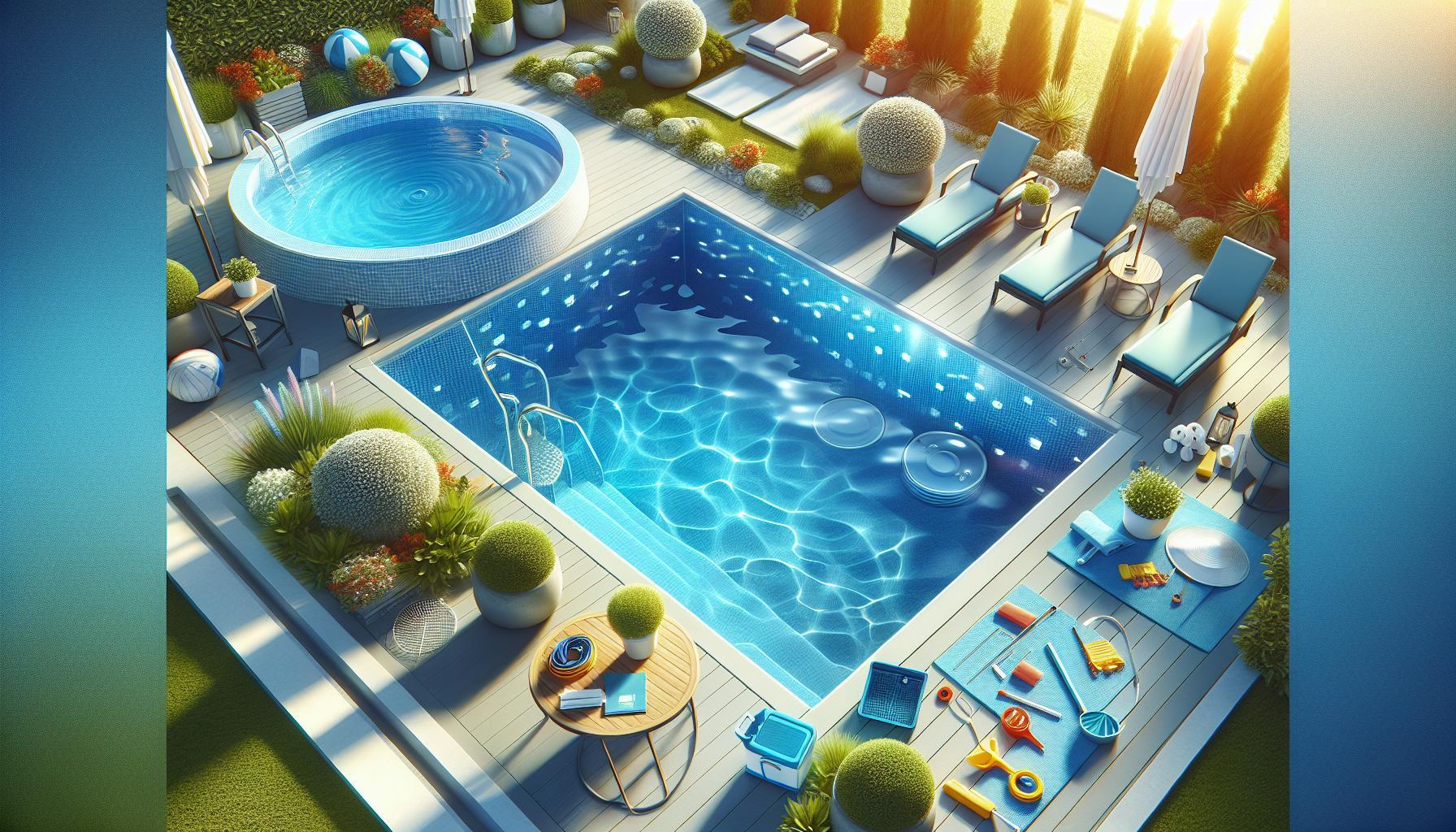

Building a 12×24 inground pool is a dream for many homeowners, offering a perfect space for relaxation and family fun. However, understanding the costs involved is crucial to avoid unexpected financial strain. On average, inground pools can range from $28,000 to $55,000, depending on factors like material, location, and features.
As you embark on this journey, consider the long-term benefits of investing in your outdoor oasis. A well-planned budget not only ensures your vision comes to life but also helps you enjoy the process without stress. In this guide, we’ll break down the components of pricing a 12×24 inground pool and provide you with essential insights to effectively manage your finances. Dive in to discover how to make your dream pool a reality without overspending!
How to Estimate Your Inground Pool Costs
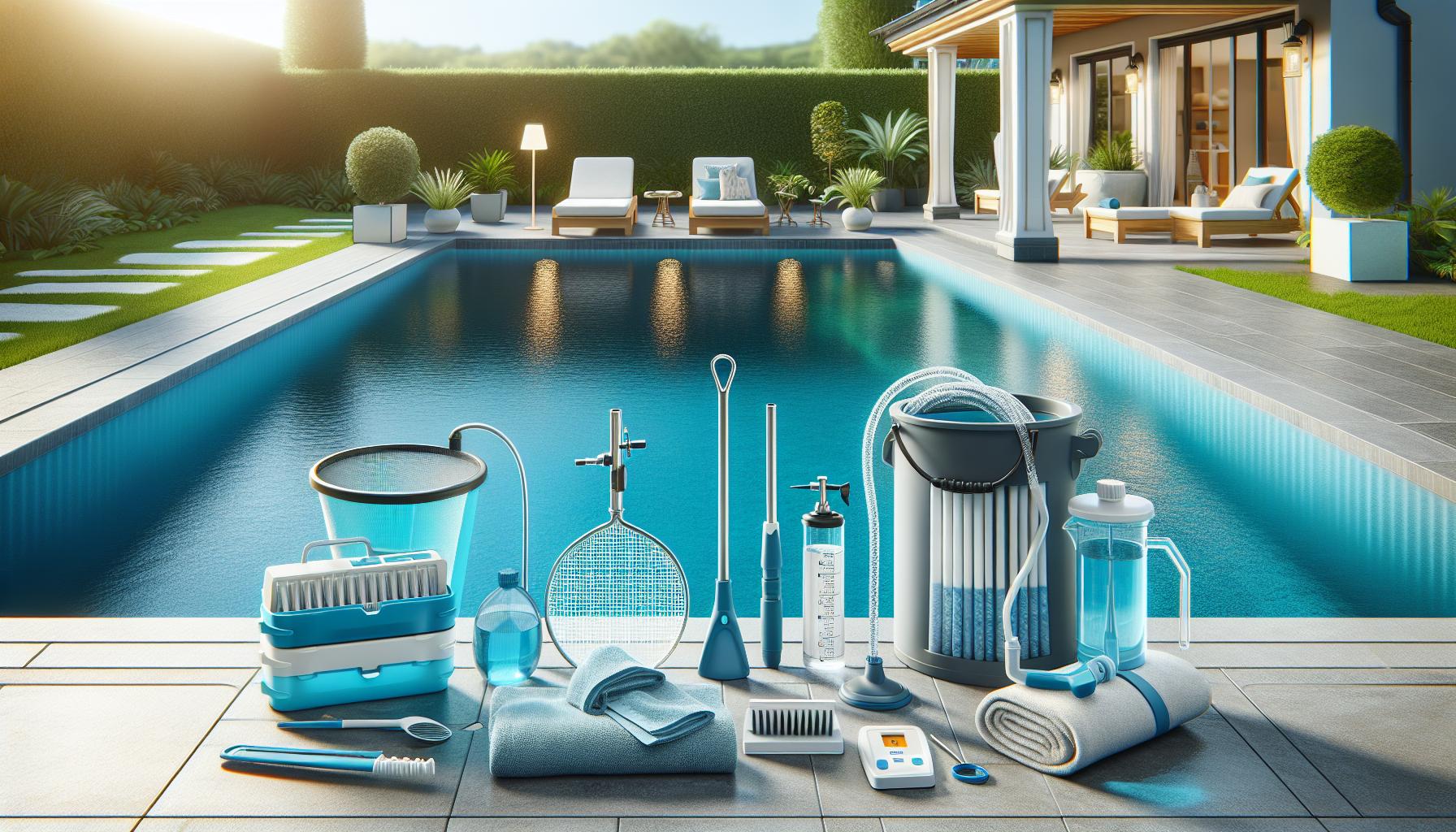
Estimating the costs of a 12×24 inground pool involves a careful analysis of various factors and can help ensure that your dream project stays on budget. The initial investment typically ranges between $28,000 to $55,000, depending on the materials used, the complexity of installation, and additional features you may desire. It’s crucial to consider the total square footage and the average cost per square foot, which varies from $50 to $125, factoring in additional expenses such as landscaping and decking.
When estimating costs, start with understanding the price range based on pool type. Concrete pools generally have a higher initial cost but offer customization options. Fiberglass pools, while often having lower upfront costs and maintenance prices, can come with limited design flexibility. Here’s a brief breakdown of essential factors affecting pool costs:
- Materials: Concrete, fiberglass, and vinyl liners each have different costs and maintenance needs.
- Location: Regional differences in labor and material can significantly affect pricing.
- Installation complexity: Steeper slopes or unique shapes may increase installation fees.
Additionally, it’s vital to account for potential hidden costs. Permits, utility connections, and excavation work can incur extra fees that add up quickly. Aim for a contingency budget of 10-15% to cover unanticipated expenses.
Budgeting for ongoing maintenance is another critical aspect. Expect annual maintenance costs to range from $3,750 to $5,000 for fiberglass pools. This includes chemicals, cleaning, and equipment repairs, which are essential to maintain the pool’s health and longevity. By carefully planning and considering these components, you can achieve a clearer understanding of your investment, ultimately leading to a more enjoyable and satisfying pool experience.
Initial Investment: Understanding Pool Prices

The prospect of installing a 12×24 inground pool can be exciting, yet it requires a solid understanding of the initial investment. The typical cost for this size pool ranges significantly, generally between $28,000 and $55,000. Factors impacting the final price include the type of pool material, the complexity of installation, and any additional features you may wish to incorporate. A well-informed budget plan must account for the cost per square foot, which can vary from $50 to $125, and also include landscaping, decking, and surrounding amenities.
One major aspect influencing your initial investment is the material of the pool. Concrete pools tend to have a higher upfront cost, but they allow for extensive customization, making them appealing for unique designs and features. On the other hand, fiberglass pools typically come with lower initial costs and significantly reduced maintenance expenses over the years, although they may offer limited design flexibility. Understanding the trade-offs between these materials is key to making an economical choice that meets your lifestyle and aesthetic preferences.
Location also plays a crucial role in pool pricing; regional labor rates and material availability can create substantial differences in costs. For instance, urban areas may face higher installation costs compared to rural settings. Additionally, the complexity of your property-such as lot slope or unique shape-may increase excavation and installation fees. All of these factors contribute to the initial investment that must be carefully considered during planning.
To effectively budget, it’s prudent to include a cushion for unexpected costs. Hidden expenses such as permits, utility connections, or additional landscaping can quickly add up, so aim to set aside an additional 10-15% of your total budget for unforeseen expenses. By being proactive and educated about these considerations, you can navigate the financial aspects of installing your 12×24 inground pool with confidence, ultimately leading to a gratifying and enjoyable addition to your home.
Essential Factors Affecting Pool Cost
The excitement of installing a 12×24 inground pool can quickly be tempered by the complexity of the costs involved. Understanding the various factors that influence the price of your dream pool is crucial for smart budgeting and decision-making. The choice of material significantly affects your initial outlay. While concrete pools offer customization options that can elevate your outdoor aesthetic, they typically come with higher initial costs and increased maintenance requirements. In contrast, fiberglass pools are often more budget-friendly upfront, generating savings over time in maintenance costs, but may limit design flexibility.
Another pivotal element influencing pool costs is your geographical location. Installation expenses can differ substantially based on local labor rates, regional material availability, and even permit fees. For example, residents in urban areas may face elevated costs due to higher demand and limited space, while those in rural settings might find more competitive pricing. Additionally, the unique characteristics of your property-such as elevation changes or landscaping challenges-can contribute to increased excavation and installation costs.
Key Considerations
To help you manage these expenses, consider the following factors:
- Material Choice: Weigh the long-term costs against the initial investment when choosing between concrete, fiberglass, or vinyl.
- Site Conditions: Assess your property’s layout and any potential obstacles that may elevate installation needs.
- Seasonality: Plan your installation during off-peak seasons to potentially secure better pricing on labor and materials.
- Permits and Regulations: Factor in the cost of permits that may be required in your locality, as this can vary widely.
By strategically evaluating these essential factors, you can better navigate the financial landscape of installing your 12×24 inground pool and ensure that your investment aligns with your vision and budget.
Breaking Down Installation Expenses
The journey of installing a 12×24 inground pool carries the promise of summer fun, but it also comes with a detailed breakdown of installation expenses that can quickly add up. Understanding these costs is crucial in preventing budget surprises and ensuring you can enjoy your new retreat without financial strain.
To begin with, the primary elements contributing to installation expenses include excavation, material costs, groundwork, and labor. The excavation phase is often where unexpected costs can creep in, particularly if your yard contains difficult terrain or extensive landscaping that needs to be altered. Typically, excavation might range from $1,000 to $3,500, depending on soil conditions and site accessibility.
Materials play a significant role as well. For concrete pools, initial costs could be higher, generally falling between $50 to $100 per square foot for installation, while fiberglass pools may be more cost-effective, ranging from $30 to $60 per square foot. This price variation is essential to keep in mind as you evaluate your long-term investment. Additionally, the type of coping and decking selected around the pool can spark further costs.
Labor expenses also cannot be overlooked. The average national rate for pool installation labor typically ranges from $40 to $75 per hour. Depending on the complexity of the installation, labor could accumulate to between $4,000 and $10,000. Lastly, don’t forget about essential permits, which can vary widely based on local regulations and typically run from $500 to $2,000.
Overall, while the initial investment in a 12×24 inground pool can seem daunting, being well-informed about the various installation expenses allows you to plan effectively and minimize financial surprises in the process. Embrace each element of this exciting journey with clarity on what to expect at each stage of your project.
Hidden Costs: What to Look Out For
Homeowners often underestimate the hidden costs associated with installing an inground pool, leading to budget surprises down the line. Beyond the initial installation, various factors can increase your overall expenses. Awareness of these hidden costs allows you to effectively prepare and manage your financial commitment, ensuring your dream pool doesn’t turn into a financial burden.
One major area to consider is excavation challenges. If your yard presents unique landscaping features or difficult soil conditions, excavation costs can skyrocket, typically ranging from $1,000 to $3,500. Elements such as rock formations, drainage systems, or extensive uneven terrain can significantly impact these fees. It’s wise to evaluate your property and consult with professionals to anticipate potential excavation issues.
Additionally, ongoing costs related to pool insurance are another often-overlooked expense. Depending on your location and property size, annual insurance can average around $2,500. Homeowners should factor this into their budget, as securing coverage not only protects your investment but complies with local regulations regarding swimming pools.
Moreover, heating and maintenance can quickly add to your yearly costs. While heating a pool may seem optional, those who live in cooler climates often find themselves spending between $1,500 and $4,000 annually to maintain comfortable swimming temperatures. Regular maintenance, including cleaning and chemical balancing, typically costs about $3,750 to $5,000 per year, especially for concrete pools that require more extensive care than fiberglass pools.
Consideration of fencing and safety features is crucial as well. Durable fencing not only enhances safety but is often a legal requirement, with costs ranging from $2,000 upwards. Investing in a quality safety cover or alarms can add additional peace of mind, as liability for accidents around swimming pools can be significant.
By understanding and preparing for these hidden costs, homeowners can create a more accurate budget, ultimately making the journey to owning a 12×24 inground pool a more enjoyable and sustainable investment.
Budgeting for Ongoing Pool Maintenance
Regular maintenance of your in-ground pool is essential not only for aesthetic appeal but also for ensuring the safety and longevity of your investment. Did you know that neglecting basic upkeep can lead to costs that quickly outweigh any savings? On average, homeowners can expect to spend between $3,750 and $5,000 annually on maintenance, particularly for concrete pools that typically demand more frequent care than fiberglass or vinyl options. Knowing what to budget for-and how to manage these tasks-is key to maximizing your enjoyment and minimizing future expenses.
Understanding Your Maintenance Needs
To start, familiarize yourself with the major aspects of pool maintenance:
- Water Chemistry: Regular testing and balancing of pool water is crucial to prevent algae growth and equipment corrosion. Home testing kits can cost around $20-$40, while professional services may run up to $100 per visit, depending on location.
- Cleaning: Routine cleaning includes skimming leaves and debris, brushing walls, and vacuuming. Manual cleaning tools are affordable (averaging $50-$150), but robotic cleaners-priced between $500 and $1,500-can save you considerable time.
- Filter Maintenance: Depending on your system (sand, cartridge, or diatomaceous earth), filter maintenance can range from $100 to $500 yearly. Don’t forget to factor in the cost of replacements, which can occur every few years.
- Pump and Equipment Repairs: Maintenance checks should include your pump and heater. Routine inspections can prevent costly repairs and might be priced at around $100-$300 per appointment.
Proactive Measures for Budget Management
Being proactive not only helps keep your pool clean but also significantly helps with budgeting. To manage costs effectively:
- Establish a regular maintenance schedule tailored to your swimming season and local climate. This may include weekly skimming and chemical testing in peak summer months.
- Consider learning basic maintenance tasks yourself, such as balancing chemicals or cleaning the filter, to reduce reliance on costly service calls.
- Monitor your pool’s environment. For instance, trimming back nearby foliage can minimize debris, reducing cleaning time and costs.
- Invest in quality equipment. High-efficiency pumps and heaters, although more expensive upfront, can lead to significant savings on energy bills over time.
By setting realistic expectations and budgeting appropriately for ongoing pool upkeep, you can ensure that your in-ground pool remains a source of joy rather than a constant financial concern. With diligent maintenance and smart strategies, you can dive into summer with confidence knowing your pool is not only inviting but also well-managed for safety and longevity.
Choosing Add-Ons: Enhancements to Consider
Adding enhancements to your inground pool not only elevates its aesthetic appeal but also boosts your overall enjoyment and functionality. The choices you make can greatly influence your backyard experience, from relaxation to recreation, making it essential to carefully consider the features that will best meet your needs.
When contemplating add-ons, a popular choice is a heating system. Whether you opt for a solar heater, gas heater, or electric heat pump, heating your pool extends your swimming season significantly. For example, a solar heater is more sustainable, and while the initial investment might be higher, it can substantially reduce your energy bills in the long run.
Consider incorporating water features like fountains or waterfalls. Not only do these features add a luxurious ambiance, but they also help with water circulation and temperature control. An additional benefit is the calming sound of flowing water, creating a serene environment for relaxation.
Another option is to install LED lighting around your pool area. This not only enhances safety during evening swims but also allows for mood-setting through various color options. Incorporating lights can transform your pool into a vibrant centerpiece for nighttime gatherings and events.
Finally, think about adding a pool cover or safety gate as functional enhancements. Covers are crucial for keeping your pool clean and reducing chemical use, while gates provide safety for children and pets. Balancing aesthetics with safety and functionality ensures your pool remains a cherished feature of your home while adding lasting value.
By strategically choosing add-ons, you create a personalized sanctuary that aligns with your lifestyle and enhances the beauty of your 12×24 inground pool. Each enhancement should reflect your priorities and how you envision using your pool, ensuring that every decision contributes to your ultimate enjoyment.
Financing Your Dream Pool: Options and Tips
Financing your dream inground pool doesn’t have to be overwhelming. With several options available, you can find a solution that fits your financial situation and makes your backyard oasis a reality. Start by assessing the total cost of your desired 12×24 pool, which can range significantly depending on materials, features, and installation complexity. Understanding the full expense will help you determine how much financing you may need.
One popular financing route is through personal loans. These can provide the necessary funds without requiring home collateral. When considering a personal loan, shop around and compare interest rates from different lenders. Many online lenders offer competitive rates and flexible terms, making them a viable option for pool financing. For instance, unsecured loans can be a great choice if you don’t have enough home equity or prefer not to tap into it.
If you own a home with sufficient equity, a home equity loan or line of credit could also be advantageous. These loans typically offer lower interest rates since they are secured by your property. However, it’s essential to be cautious, as failing to repay could put your home at risk. A detailed look at your monthly budget will help ensure that your loan payments are manageable alongside your existing obligations.
In addition to exploring traditional financing, consider some creative strategies to minimize costs and manage your budget effectively. You might look into phased construction, where you start with the essential pool features and add extras over time. Moreover, many pool service companies offer financing plans directly, making it easier to incorporate upgrades as your budget allows.
Before making a final decision, evaluate your credit score, as it significantly influences your ability to secure favorable loan terms. Taking the time to improve your credit profile before applying can lead to better financing offers. With a clear understanding of your financing options and a strategic approach to budgeting, you’re well on your way to transforming your backyard into a personal paradise.
Saving Money: DIY Options for Pool Owners
Taking on the maintenance of your inground pool can yield significant savings while also deepening your connection to your outdoor oasis. Many pool owners are surprised to learn just how much they can accomplish themselves, from routine cleaning to more involved repairs. Not only does DIY maintenance save money, but it also equips you with the knowledge needed to care for your pool long-term.
One of the most impactful areas for DIY work is regular cleaning. Creating a consistent cleaning schedule can prevent the build-up of debris and algae, which can lead to costly repairs down the line. Here are some essential tasks you can perform:
- Skimming: Use a skimmer net to remove leaves and debris from the water surface daily.
- Brushing: Brush the walls and floor of the pool weekly to prevent algae formation and maintain a clean appearance.
- Vacuuming: Use an automatic or manual pool vacuum to clean the sediment on the pool floor; do this as needed and especially before hosting gatherings.
- Testing Water Chemistry: Regularly test the water pH and chlorine levels with affordable test kits available at pool supply stores. Adjusting these levels yourself saves on professional services and chemical costs.
In addition to cleaning, you might consider minor repairs that improve functionality and aesthetics. For instance, replacing pool tiles or sealing minor leaks can be achieved with basic tools and pre-purchased materials available at your local hardware store. Online tutorials and community forums dedicated to pool maintenance can also provide step-by-step guidance.
While tackling these tasks can seem daunting at first, breaking them down into manageable steps makes them feasible for anyone. Plus, each completed task boosts your confidence and contributes to the overall enjoyment of your pool. Remember, maintaining your pool doesn’t just save you money; it also enhances your understanding of the system as a whole, ensuring a safer, cleaner, and more enjoyable swimming experience. By embracing simple DIY strategies, you can maximize the value and longevity of your pool while reducing the need for costly professional services.
Cost Comparison: Inground vs Above-Ground Pools
When considering the financial implications of installing a pool, the type you choose can significantly influence your overall budget. Inground pools are often seen as a luxury, but they offer benefits that can justify their higher initial costs. On average, an inground pool, such as a 12×24 model, can range from $20,000 to $40,000 depending on materials and installation specifics. In contrast, an above-ground pool is typically more budget-friendly, with costs ranging from $1,500 to $15,000, making it more accessible to families and individuals with limited budgets.
Detailed Cost Breakdown
Comparing these two options involves not only initial costs but also long-term expenses. Inground pools generally carry higher installation and material costs but can offer greater durability and aesthetic appeal. They’re often seen as a permanent fixture and can increase your property’s value. Here’s a comparative look at ongoing costs:
- Maintenance: Inground pools may cost between $100 and $350 annually for maintenance, while above-ground pools usually range from $80 to $150 monthly, depending on cleaning frequency and additional services needed.
- Repairs: The average repair cost for inground pools can run around $900, while above-ground pools tend to have lower repair costs due to simpler installation and fewer mechanical parts.
- Longevity: Inground pools typically last 25 years or more with proper maintenance, compared to about 10-15 years for above-ground options.
Long-Term Value Considerations
Investing in an inground pool can yield a higher return on investment. While the initial costs are steeper, the long-term benefits, such as increased home value and a variety of features (like a built-in spa or waterfall), make them attractive. Moreover, the enhanced experience of a well-designed inground pool with landscaping and hardscaping around it cannot be overlooked.
Ultimately, the choice between an inground and an above-ground pool will depend on your budget, space availability, and how you envision your outdoor space. Understanding these financial aspects will empower you to make a well-informed decision that suits your lifestyle and financial goals.
Maximizing Your Pool’s Value and Longevity
Investing in an inground pool not only enhances your outdoor living space but can also significantly increase your property’s value, making it a worthwhile addition. To ensure you maximize your pool’s value and longevity, it’s essential to adopt proactive maintenance practices and upgrade strategically. A well-maintained pool can not only serve as a reliable retreat for years but also as a positive feature for potential homebuyers.
Routine maintenance is crucial for the longevity of your pool. Establish a regular cleaning schedule that includes checking and balancing chemical levels, skimming debris from the surface, vacuuming the pool floor, and cleaning the filters. Aim for a weekly routine during the swimming season. Keeping your pool free from contaminants helps prevent costly repairs in the long run, ultimately saving you money on extensive maintenance services. Consider investing in automatic cleaners and quality water testing kits, which can simplify these tasks.
Upgrading your pool with energy-efficient systems can further enhance its value and reduce operating costs. For instance, replacing old pumps with variable-speed models not only lowers your electricity bill but also improves circulation and extends the lifespan of your pool’s components. Additionally, installing a modern heating system allows for year-round use, appealing to potential buyers in cooler climates. When planning renovations, opt for durable materials for any additional features, like decking or tile, ensuring they withstand wear and tear over time while maintaining an elegant aesthetic.
Incorporating aesthetic enhancements like lighting, landscaping, and fencing can also boost your pool’s appeal. Use LED lighting to create a serene evening atmosphere and invest in poolside landscaping that not only beautifies but also provides privacy. When it comes to safety, ensure you have compliant fencing and alarms, which are attractive features for families with children. By thoughtfully combining these maintenance practices and upgrades, you can ensure that your inground pool remains a valued asset for many years to come.
Expert Insights: Quotes from Pool Professionals
When embarking on the journey of installing a 12×24 inground pool, understanding the nuanced opinions of pool professionals can be invaluable. According to Scott Miller, a seasoned pool contractor, “Budgeting for an inground pool goes beyond the initial installation costs. Homeowners often overlook long-term maintenance when calculating overall expenses.” He emphasizes the importance of incorporating regular maintenance costs into your budget, suggesting a realistic yearly estimate of $3,750 to $5,000 depending primarily on the pool type and regional factors.
Additionally, local pool expert Jane Thompson advises, “Investing in higher-quality materials up front can save you considerable money in repairs down the road.” She often works with clients to weigh the options of fiberglass versus concrete pools, noting that fiberglass pools generally have lower maintenance costs, while concrete pools, while customizable, typically incur higher upkeep expenses. This insight can guide homeowners in making informed decisions based on their lifestyle, local climate, and anticipated usage patterns.
For those considering DIY elements, Mike Johnson, a renovation specialist, cautions that while DIY projects can cut costs, “it’s essential to know your limitations.” Johnson explains that some tasks, such as selecting the right filtration system or electrical work for pool lighting, often require professional expertise. He recommends, “Before you start any DIY work, consult with a pool professional to avoid costly mistakes.”
In essence, leveraging expert insights can transform your budgeting strategy from merely an expense account to a comprehensive plan for maintaining and enjoying your new pool. Homeowners should take the time to consult with professionals in various areas-installation, maintenance, and renovation-to craft a financial plan that truly reflects the ongoing nature of owning a pool.
FAQ
Q: What is the average cost of a 12×24 inground pool?
A: The average cost of a 12×24 inground pool ranges from $28,000 to $55,000, depending on factors like materials, location, and features. It’s essential to get detailed quotes from local pool contractors to understand your specific budget requirements [3[3].
Q: What additional costs should I consider when budgeting for a 12×24 inground pool?
A: Beyond the initial installation, consider costs like permits, landscaping, pool maintenance, and utility increases. Hidden expenses such as electric and heating costs should also be factored into your overall budget [2[2].
Q: How can I reduce the cost of installing a 12×24 inground pool?
A: To reduce costs, consider scheduling your installation in the off-season, opting for basic designs, and exploring DIY options for landscaping and maintenance. Additionally, getting multiple quotes will help you find competitive pricing [1[1].
Q: What are the maintenance costs for a 12×24 inground pool?
A: Maintenance costs for a 12×24 inground pool can average $3,750 to $5,000 annually over ten years, which includes cleaning, chemical balance, and equipment repair. Budgeting for ongoing maintenance is crucial for pool longevity [2[2].
Q: Are there financing options available for installing a 12×24 inground pool?
A: Yes, many pool builders offer financing options, including loans and payment plans. It is advisable to check with multiple lenders to compare terms and choose the option that best fits your budget [2[2].
Q: What are the benefits of choosing a fiberglass pool over concrete for a 12×24 design?
A: Fiberglass pools generally have lower maintenance costs and quicker installation times compared to concrete pools. They also have a smooth surface that minimizes algae growth, making them easier to clean in the long term [2[2].
Q: How can I enhance the value of my 12×24 inground pool?
A: Enhancing your pool’s value can include adding features like lighting, water features, or energy-efficient heating systems. These upgrades not only improve aesthetics but also increase your property’s overall value [1[1].
Q: When is the best time to install a 12×24 inground pool?
A: The best time to install an inground pool is during the fall or early spring. This off-peak season allows for more favorable pricing and quicker installation times, as contractors have more availability [3[3].
Closing Remarks
Thanks for joining us on this journey of budgeting for your dream 12×24 inground pool! As you can see, understanding the cost factors involved is essential to making informed decisions. If you’re interested in exploring more about pool maintenance tips or the best pool accessories, check out our guides on maintaining a crystal-clear pool water and choosing the right pool cover. Don’t miss out on maximizing your investment-subscribe to our newsletter for exclusive insights and offers!
Ready to take the plunge? Begin planning your perfect backyard oasis today and explore our resource center for tools that can make your pool ownership experience even better. For any lingering questions or to share your pool story, leave a comment below! Together, we can help everyone enjoy a beautiful and functional outdoor space. Your dream pool awaits!


