


Did you know that backwashing your pool can significantly enhance its water quality and efficiency? This essential maintenance process helps remove dirt, debris, and contaminants from your filtration system, ensuring that your pool remains clean and inviting. For pool owners, understanding the mechanics of backwashing is crucial to maintaining a sparkling oasis and ensuring safe swimming.
If you’ve ever noticed your pool water looking cloudy or felt like your filtration system isn’t performing its best, backwashing could be the solution you need. By reversing the flow of water through your filter, you can dislodge trapped particles and restore optimal performance. This simple yet effective technique not only prolongs the lifespan of your equipment but also enhances your swimming experience.
Ready to dive deeper into the world of pool maintenance? Let’s explore how backwashing works, when to do it, and the significant benefits it brings to your pool’s overall health. Your pristine pool awaits!
Understanding the Backwashing Process in Pool Maintenance
To maintain a clean and healthy swimming pool, understanding the backwashing process is crucial. Backwashing is essentially a reverse cleaning method designed to flush out debris and contaminants trapped in the filter media, ensuring optimal performance of your pool’s filtration system. This crucial step not only helps improve water clarity but also extends the lifespan of your filter by reducing strain caused by built-up dirt and grime.
During backwashing, water is forced through the filter in the opposite direction, lifting particles out and flushing them away. The process typically takes just a few minutes and can save pool owners considerable effort over time. Notably, this practice is essential for sand and DE (diatomaceous earth) filters; cartridge filters have a different maintenance routine and may not require backwashing. When backwashing, always monitor the pressure gauge on the filter; a significant rise in pressure often indicates it’s time for this maintenance step.
Additionally, keeping an eye on water quality indicators-such as cloudiness or odor-can signal when to initiate backwashing. Maintaining a regular schedule or pairing backwashing with routine pool cleanings keeps your pool pristine and ready for use, ensuring a safe swimming environment. Remember, effective backwashing is a key aspect of proactive pool maintenance, combining efficiency with ease for owners committed to preserving pool health.
When to Backwash Your Pool: Key Signs to Watch

To maintain optimal pool health, it’s essential to recognize the signs that indicate it’s time to backwash your pool. Keeping your filter in peak condition not only enhances water clarity but also prolongs its lifespan. An increase in the pressure gauge reading is one of the most clear-cut indicators that backwashing is necessary. As dirt and debris accumulate within the filter, the pressure builds up, signaling that the filter is working harder than it should be. A general rule of thumb is to backwash when the pressure rises 8-10 psi above the normal operating level.
Another significant sign is the appearance of the pool water. If you notice cloudiness, discolored water, or an unusual odor, these can be indicators that the filter is not effectively removing contaminants. In such cases, backwashing can quickly rectify these issues, restoring water quality and ensuring a safer swimming environment. Additionally, observing a noticeable decrease in water circulation can signify that your filter is becoming overloaded. If you see that the return jets are weak or less powerful, it may be time to take action.
Regularly monitoring these signs can help you develop a proactive maintenance schedule. While the frequency of backwashing largely depends on pool usage and environmental factors-such as the amount of debris falling into the pool or heavy rainfall-keeping a routine check on the filter and water quality is beneficial. Ultimately, being attentive to these key indicators ensures your pool remains clean, inviting, and ready for enjoyment whenever you want to dive in.
Step-by-Step Guide to Backwashing Your Pool
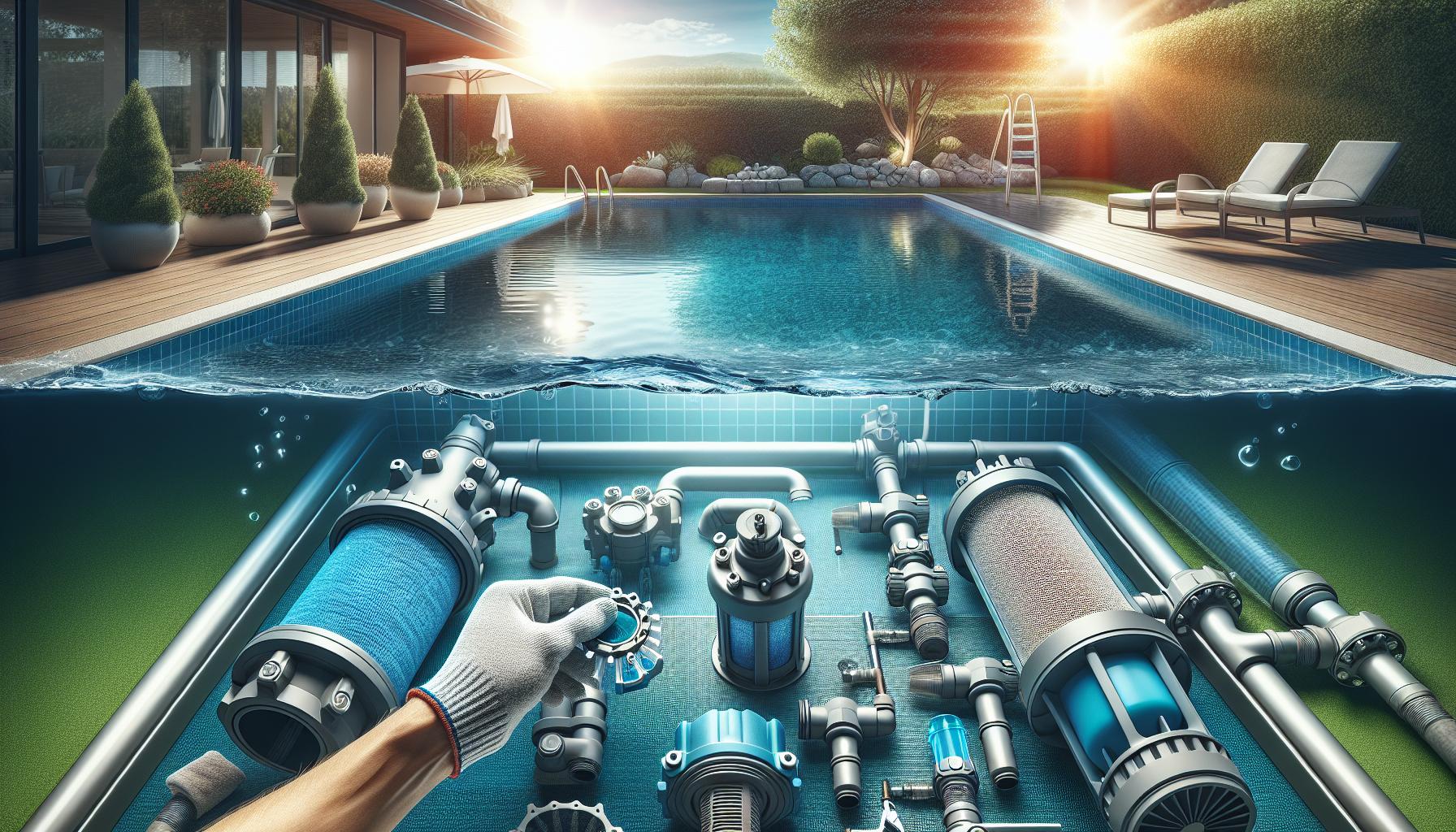
To maintain a pristine pool that invites you to take a dip, mastering the backwashing process is essential. This backwashing guide will equip you with the necessary steps to clean your filter effectively, ensuring optimal performance and sparkling clear water.
Start by preparing your equipment. Turn off the pool pump completely to avoid any accidents. Locate the multiport valve on your filter. This is where you’ll direct the flow of water for backwashing. Before switching to backwash, ensure you have a hose connected to the waste line, so the dirty water can be expelled away from your pool area. It’s often helpful to keep a towel handy to wipe any spilled water and make the process cleaner.
Next, set the multiport valve to the backwash position. This action reverses the flow of water through the filter, lifting out the accumulated debris. Turn the pump back on, and let it run for about 2 minutes or until the sight glass (if available) shows clear water. This visual cue tells you that the filter is clean. After backwashing, stop the pump again and reset the multiport valve to the rinse position. This step is crucial, as it helps settle the filter media back in place and removes any remaining debris from the system. Run the pump in rinse mode for about 30 seconds.
After rinsing, switch the multiport valve back to the filter position and turn the pump back on. Check the pressure gauge; it should return to a normal operating level. Don’t forget to monitor the water level in your pool during this process, as backwashing can cause a drop in water levels. If necessary, add water to ensure your pool maintains its optimal level for proper circulation.
By following these straightforward steps, you can maintain your pool’s filter effectively, ensuring clean, clear water for enjoyment. This proactive approach not only enhances your pool’s sanitation but also prolongs the life of your filter system, making maintenance easier and more efficient overall. Happy swimming!
Benefits of Regular Backwashing for Pool Health
Regular backwashing is a vital maintenance practice that significantly enhances your pool’s overall health and cleanliness. By routinely reversing the water flow in your filtration system, you expel accumulated dirt, debris, and contaminants that can cloud your water and hinder the effectiveness of your pool filter. This diligence not only ensures clarity in your pool but also promotes a safe environment for swimming, making your investment in a pool worth every ounce of care you provide.
One of the most significant advantages of backwashing is the immediate improvement in water quality. As you clear out debris from the filter, you facilitate better water circulation and filtration, which directly affects the cleanliness of your pool. Cleaner water enhances the aesthetic appeal, making it crystal clear and inviting. In addition, regularly backwashing can help reduce the chances of algae growth and other bacterial contaminants, reducing the need for extensive chemical treatments and making your pool safer for use.
Moreover, establishing a routine backwashing schedule can prolong the life of your pool filter. When filters are allowed to become overly dirty, they become less efficient, potentially leading to premature breakdowns. By keeping your filters clean through backwashing, you minimize wear and tear on the system, ultimately saving on costly repairs or replacements. To ensure you are getting the most out of backwashing, it is advisable to check the pressure gauge on your filter regularly; a sudden increase in pressure typically indicates that it’s time to backwash.
Another compelling reason to engage in regular backwashing is the proactive management of your pool’s water chemistry. Clean filters help maintain balanced chemical levels by preventing unwanted contaminants from re-entering the pool. This balance is crucial not only for swimmer comfort but also for protecting pool equipment and surfaces from corrosion or damage caused by imbalanced chemicals. Ultimately, incorporating regular backwashing into your pool maintenance routine ensures that your pool remains an oasis of cleanliness, safety, and enjoyment for all who use it.
Common Mistakes to Avoid When Backwashing
Backwashing your pool filter is an essential part of maintaining clean and safe swimming water, yet many pool owners make common mistakes during the process that can hinder the results or even damage their pool systems. Understanding these pitfalls is the first step toward achieving optimal pool health and longevity.
One frequent error is neglecting to check the pressure gauge before backwashing. The pressure in your filter system offers crucial feedback-if it exceeds the normal range (usually 8-10 psi above the regular operating pressure), it’s a clear sign that backwashing is necessary. Ignoring this step can lead to an inefficient filtration process and unnecessary strain on the equipment. Always make it a practice to inspect this gauge regularly to determine if backwashing is overdue.
Another common mistake is backwashing for too long. While the goal is to clear as much debris as possible from the filter, running the backwash cycle for extended periods can waste water and may even wash out essential filter media. A good rule of thumb is to backwash for about 2-3 minutes or until the water in the sight glass runs clear. Afterward, rinse the filter briefly to ensure any loosened debris is expelled.
Equally important is the step of forgetting to reset the valve to the normal filter position after backwashing. Failing to do this can lead to water bypassing the filter, preventing proper circulation and filtration-essentially nullifying the effort you just put in. Always ensure to revert the valve back to “filter” before resuming normal pool operation.
Lastly, many pool owners skip the cleaning of the sight glass or fail to examine other components following backwashing. Regular maintenance of all parts of your pool system enhances longevity and effectiveness. After backwashing, take a moment to clean the sight glass and inspect the condition of hoses, fittings, and seals for any signs of wear.
By avoiding these common mistakes, you’ll not only enhance the effectiveness of your backwashing routine but also extend the life of your pool filter system, allowing for more enjoyable and healthier swimming experiences. Remember, routine checks and a little diligence go a long way in pool maintenance.
Troubleshooting Backwashing Issues: Solutions and Tips
Encountering issues during the backwashing process can lead to frustration, but understanding common challenges and their solutions can empower you to maintain a healthy pool environment with confidence. One prevalent issue is an insufficient flow rate during backwashing, which may indicate a blockage or a dirty filter. If you notice a drop in water flow, first check your filter’s condition. A clogged filter media or an obstructed hose connection will restrict water flow. Begin by inspecting and cleaning the filter thoroughly, ensuring that any debris is cleared away. Regularly replacing old filter media can also prevent this scenario.
Another common dilemma arises when the backwash water does not run clear, which often means that debris is still lodged within the filter. In such cases, extend the backwashing process slightly-aim for an additional minute and check the sight glass for clarity again. If the water remains cloudy, it may be beneficial to rinse the filter for a brief period after backwashing, allowing any residual debris to be expelled. If problems persist despite these adjustments, consider inspecting other components like the multiport valve or any hoses for leaks or defects that might affect performance.
Checking for Pressure Issues
Issues with the pressure gauge can also complicate backwashing. If the pressure is too high before you start, ensure you’re not only backwashing but also inspecting your entire filtration system. Check for clogs in the skimmer or pump basket, as well as verify that your impeller isn’t obstructed. A consistent high-pressure reading may indicate that your filter is overloaded, requiring more aggressive cleaning or potentially replacing the filter media itself.
Regular Maintenance Checks
To avert issues from arising, implement a routine maintenance schedule that includes backwashing. After each backwash, clean the sight glass and inspect all hoses and fittings. This diligence can reveal potential wear and preemptively catch issues before they escalate into significant problems. By being proactive in your pool maintenance strategy, including timely backwashing, you’re not just safeguarding your equipment but also enhancing the overall quality and clarity of your swimming pool water.
With these troubleshooting tips, you can address backwashing challenges efficiently, ensuring that your pool remains a welcoming and pristine oasis all season long.
How Backwashing Affects Pool Filtration Systems
Backwashing a pool is an essential process that significantly influences the efficiency and longevity of your pool filtration system. When debris and contaminants accumulate in the filter media, the system’s performance can falter, leading to a variety of issues including poor water clarity and increased pressure levels. Understanding how backwashing plays a role in maintaining optimal filter function can empower pool owners to take control of their maintenance routines.
Backwashing reverses the flow of water through the filtration system, effectively flushing out trapped dirt, algae, and other particulates that inhibit water flow and purity. This action not only clears the filter but also helps to restore the ideal flow rate, thereby improving the filtration efficiency. A well-maintained filter system ensures that contaminants are removed effectively, preventing them from returning to the pool water. As a result, backwashing should be performed regularly, especially during periods of heavy use or after significant debris accumulation, such as after a storm or during peak swimming seasons.
Additionally, regular backwashing contributes to the overall health of the pool environment. By reducing the number of contaminants that can harbor harmful bacteria and algae, you not only maintain clearer water but also create a more pleasant swimming experience. However, it’s essential to monitor your filtration system’s pressure gauge; a consistent rise in pressure suggests that the filter may be becoming clogged, warranting backwashing sooner than anticipated. This proactive approach to maintenance can prevent more extensive filtration issues down the line.
Nonetheless, improper backwashing techniques can lead to adverse effects on the filtration system. For example, backwashing too frequently can degrade the filter media and lead to water waste, while failing to backwash when necessary can allow debris to accumulate and impair system performance. Understanding the balance of this maintenance step is crucial. Keeping detailed records of backwashing frequency, alongside regular checks on water clarity and pressure levels, can guide you in creating a customized maintenance schedule that suits your pool’s specific needs, ultimately ensuring sparkling clean water and an efficient filtration system year-round.
Understanding the Relationship Between Backwashing and Water Quality
Maintaining high water quality in a swimming pool is a multifaceted challenge, but backwashing serves as a cornerstone of effective pool management. When executed properly, this process significantly impacts the purity of the water by effectively eliminating contaminants that can cloud your pool or promote harmful bacteria growth. Understanding how backwashing influences water quality can help pool owners create an optimal environment for swimming.
Backwashing reverses the normal flow of water through the filtration system, dislodging and flushing out accumulated dirt, debris, and algae that can clog the filter media. As these unwanted particles are expelled, water circulation improves, which is essential for maintaining clarity and sanitation. Regular backwashing not only prevents the filter from becoming overloaded, but it also enhances the overall performance of the pool’s sanitation system. When the filter operates efficiently, fewer contaminants remain in circulation, leading to cleaner, clearer water.
However, it’s crucial to backwash at appropriate intervals. Performing this routine maintenance task too infrequently can allow contaminants to build up, leading to degraded water quality and potentially costly repairs to the filtration system. Conversely, excessive backwashing can waste water and erode the filter medium itself. To find the right balance, consider utilizing the gauge on your filtration system. A noticeable rise in pressure typically indicates that backwashing is needed, while monitoring water clarity can also signal when to take action.
In essence, backwashing is not just a maintenance chore; it’s a vital process that directly correlates with your pool’s water quality. By committing to a regular backwashing schedule tailored to your pool’s specific usage patterns and environmental factors, you can help ensure that your water remains sparkling clean and safe for swimmers. Regular attention to backwashing will empower you to take proactive steps in maintaining your pool, creating a healthier swimming environment and enhancing your overall enjoyment.
Innovative Tools and Techniques for Effective Backwashing
In the pursuit of maintaining a pristine swimming pool, embracing can significantly elevate your maintenance routine. With advancements in technology, pool owners now have access to solutions that streamline the backwashing process, ensuring optimal filter performance while saving both time and water resources.
One highly effective tool is the automatic backwashing filter, which simplifies the process by automatically reversing the flow of water at preset intervals or based on the filter’s pressure readings. These devices not only reduce the manual labor associated with traditional backwashing but also enhance consistency in maintaining water quality. They can be particularly advantageous in larger pools where monitoring pressure changes can be more challenging, thereby ensuring that the water remains crystal clear with minimal intervention.
Alongside automated systems, incorporating pressure gauges and digital monitoring systems can provide real-time insights into filter performance. By tracking the pressure drop across the filter media, pool owners can schedule backwashing timely, preventing potential clogs and enhancing filtration efficiency. Furthermore, digital systems can send alerts to your smartphone when backwashing is required, allowing for immediate action without constant manual checks.
Moreover, utilizing advanced filter media such as glass or zeolite can yield enhanced filtration results compared to traditional sand. These materials capture finer particles and reduce the frequency of backwashing required, which conserves water and maintains higher overall cleanliness. When combined with innovative backwashing techniques, such as using a backwash hose with a splash guard, you can minimize debris fallout around your yard, making the task tidier and less laborious.
By integrating these innovative tools and techniques, pool owners can not only tackle the backwashing process more effectively but also cultivate a deeper understanding of their filtration systems’ dynamics. This proactive approach translates to clearer water, reduced wear and tear on the filtration system, and a vastly improved swimming experience for all who dive in.
Alternatives to Backwashing: When and Why to Consider
When conventional backwashing doesn’t fit your pool maintenance routine, exploring alternatives can keep your swimming pool consistently clean and healthy. These methods can be both effective and environmentally conscious, providing options that minimize water usage and reduce chemical reliance. Using these alternatives doesn’t mean sacrificing performance; rather, it enhances your overall pool care strategy.
One prominent alternative to backwashing is the use of *sludge removers* or *pool vacuums*. These tools directly address sediment and debris buildup without the need to flush water through the filter. By vacuuming the pool floor and using active cleaning agents that break down dirt, you can maintain clarity in your pool without sending a large amount of water to waste. It’s particularly useful when dealing with concentrated debris after storms or heavy use periods. For thoroughness, always follow vacuuming with a routine filter clean to prevent clogging.
Enzymatic Cleaners and Alternative Filters
Another effective option involves enzymatic cleaners, which digest organic contaminants that often burdens your filtration system. These cleaners work by breaking down oils, lotions, and other organic waste, allowing for a cleaner pool without needing to backwash frequently. For those with standard sand filters, switching to *cartridge filters* presents another viable option. While these filters don’t require backwashing, they do need periodic manual cleaning or replacement, but they conserve water and require less maintenance overall.
Implementing these alternatives ensures that you maintain your pool’s cleanliness efficiently. Regularly monitor your water quality and adjust your cleaning strategy according to the pool’s usage, seasonal demands, and surrounding environment. This proactive maintenance approach ensures that your pool remains a welcoming oasis while minimizing water waste.
The Environmental Impact of Backwashing and Water Use
Backwashing a pool, an essential maintenance practice aimed at keeping filtration systems functioning effectively, can have significant environmental implications. Traditional backwashing involves reversing the flow of water through the filter, expelling dirt and debris, but this process also means discharging a substantial volume of clean water, often hundreds of gallons at a time. This can lead to concerns about water waste, particularly in areas where water resources are limited or during drought conditions.
To mitigate the environmental impact of backwashing, pool owners should consider several strategic approaches. First, it’s crucial to monitor the need for backwashing closely. Instead of following a set schedule, backwash only when the pressure gauge indicates that the filter is dirty-typically when it rises 8-10 psi above normal operating levels. This practice not only conserves water but also extends the life of your filtration system.
Additionally, implementing an efficient water reuse system can help reduce waste. For instance, instead of letting backwash water flow into a drain or storm sewage system, consider redirecting it to nourish gardens or landscaping. Using backwash water for irrigation can effectively leverage your pool maintenance routine to benefit your outdoor spaces.
In summary, while backwashing is necessary for maintaining clear and clean pool water, being mindful of its environmental impact can guide you toward more sustainable practices. By monitoring filtration pressure, only backwashing when necessary, and finding innovative ways to repurpose backwash water, you can enjoy a pristine swimming pool while minimizing your ecological footprint.
FAQs About Backwashing and Pool Maintenance
Understanding the intricacies of pool maintenance, particularly backwashing, can significantly enhance your experience as a pool owner. A common question many pool enthusiasts ask is how often backwashing should occur. The answer is simple: backwash your pool filter when the pressure gauge indicates a rise of 8-10 psi above its normal operating level. This ensures that the filter operates efficiently and prolongs its lifespan while minimizing unnecessary water waste.
Another frequent concern is whether backwashing can lead to water chemistry imbalances. While backwashing does expel some pool water, it’s vital to regularly test and adjust your water chemistry, especially after backwashing. Always check the levels of chlorine, pH, and alkalinity to maintain optimal water quality for swimming.
When it comes to the environmental concerns associated with backwashing, pool owners can take proactive steps to mitigate water loss. For instance, consider using backwash water for irrigation in your garden. This not only conserves water but can also nourish your plants. Additionally, developing a strategic backwashing schedule based on your local climate conditions can further enhance water conservation efforts.
Moreover, if you encounter persistent issues such as cloudy water even after backwashing, it may be time to inspect or replace your filter media. Understanding the lifespan and effectiveness of your filtration system is crucial for maintaining crystal clear water. If in doubt, consulting a pool maintenance expert can provide tailored advice suited to your specific situation. Remember, regular maintenance and informed practices are key to a healthy and enjoyable swimming pool.
Q&A
Q: What is the purpose of backwashing a pool?
A: Backwashing a pool removes debris, dirt, and contaminants from the filter, ensuring clean water circulation. This process reverses the flow of water through the filter, flushing out trapped particles, which helps maintain water clarity and overall pool health.
Q: How often should I backwash my pool?
A: You should backwash your pool when the pressure gauge indicates a rise of 8-10 PSI above the normal operating level or about every 4-6 weeks during peak usage. Checking your filter’s pressure is essential for determining the need for backwashing.
Q: Can backwashing harm my pool?
A: While backwashing is essential for maintenance, doing it too frequently or improperly can lead to water loss and potential filter damage. It’s important to follow a proper backwashing schedule and technique to protect your pool’s components.
Q: What are the signs that my pool needs backwashing?
A: Signs your pool needs backwashing include cloudy water, decreased water flow from the return jets, and a pressure gauge reading higher than normal. Regularly monitor these indicators to keep your pool system functioning efficiently.
Q: What happens to the water after backwashing?
A: The water used for backwashing is expelled from the pool filter and typically goes to waste, which can result in a loss of water volume. Consider alternative options like reusing this water for irrigation, if safe, to minimize waste.
Q: Is there a difference between backwashing and rinsing a pool filter?
A: Yes, backwashing reverses the water flow to flush debris from the filter, while rinsing involves a brief process to settle any remaining particles after backwashing. Rinsing helps ensure that clean water re-enters the pool without debris.
Q: Are there any environmental concerns with backwashing a pool?
A: Yes, backwashing can waste a significant amount of water, raising environmental concerns. To mitigate this, consider using a filter with a multi-port valve or installing a water conservation system to reuse water wherever possible.
Q: What tools do I need to backwash my pool effectively?
A: To backwash your pool effectively, you generally need a multi-port valve, a backwash hose, and a pressure gauge. Having these tools accessible makes the backwashing process quick and efficient, ensuring proper maintenance of your pool system.
For more detailed instructions, refer to the “Step-by-Step Guide to Backwashing Your Pool” section of the article.
To Wrap It Up
Keeping your pool in top condition is essential, and understanding the importance of backwashing is a key part of that maintenance. By regularly backwashing your pool filter, you ensure clean and clear water, which not only enhances your swimming experience but also extends the life of your pool equipment. Don’t wait for murky water! Act now and schedule your backwashing routine to keep those pesky contaminants at bay.
If you’re looking for more valuable insights, explore our articles on “Pool Filter Maintenance Tips” and “Common Pool Cleaning Mistakes” to further enhance your pool care knowledge. For expert advice tailored to your specific pool setup, consider our consultation services-let’s ensure your pool sparkles all season long! Join our newsletter for exclusive tips and resources to tackle any pool challenge with confidence. Your crystal-clear oasis awaits!


